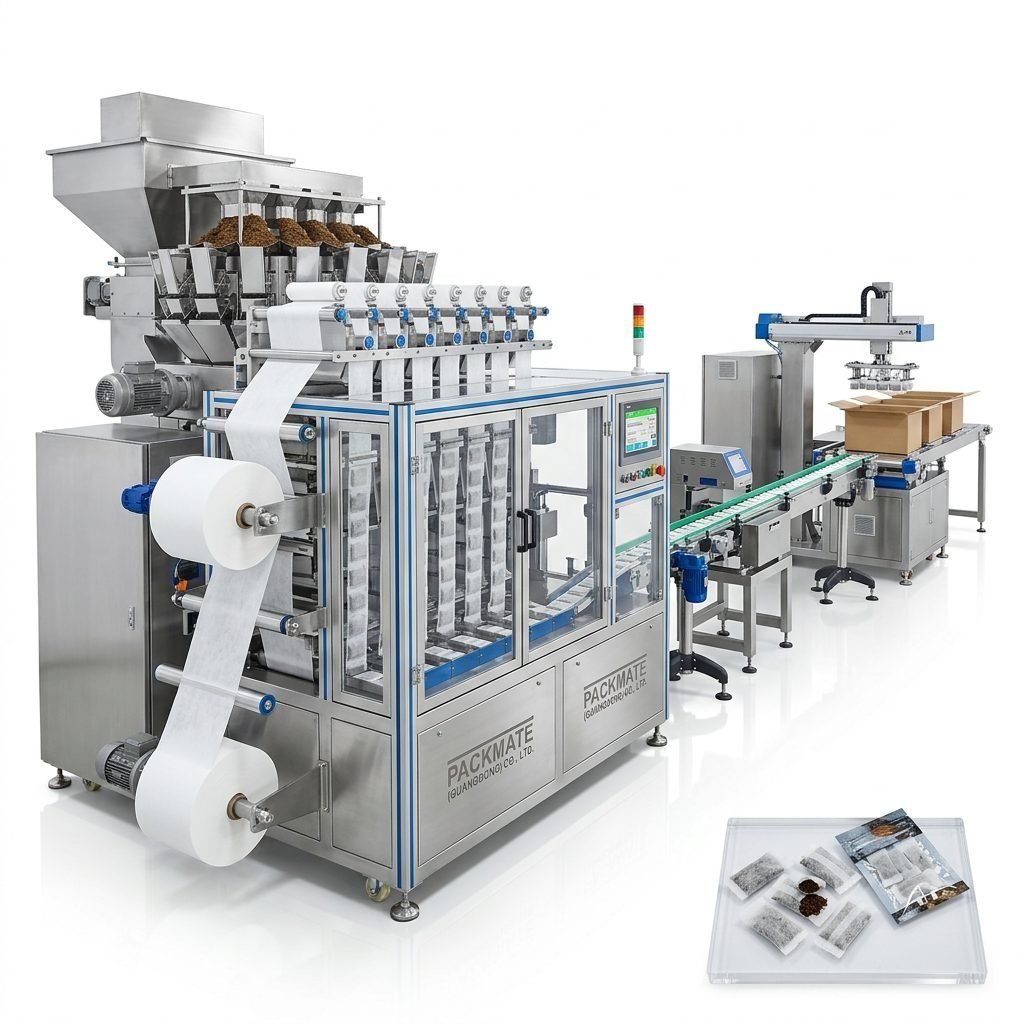
Choosing the right nicotine packaging machine supplier for your factory in Portugal requires more than a simple price comparison. You must weigh technical performance, regulatory compliance within the EU and Portuguese market, after-sales support, logistics and training, and the supplier’s track record in snus or nicotine pouch solutions. This guide walks you through practical steps and local considerations so you can select a supplier who delivers reliable production, fast time-to-market, and long-term value.
Understand Portugal’s Market, Regulations and Local Business Culture
Portugal follows EU regulations such as the Tobacco Products Directive (TPD) and local health rules that impact nicotine pouch packaging, labeling and product claims. Suppliers must be able to help you design packaging that meets EU/Portuguese language requirements, safety warnings, batch traceability and tamper-evidence standards. Keep in mind local Portuguese consumer preferences—clean design, clear ingredient lists in Portuguese, and an increasing demand for sustainable materials.
Business culture in Portugal values direct relationships and reliability. Factory visits, personalized demonstrations and clear timelines build trust. Portuguese factories often prefer suppliers who can communicate in English or Portuguese and offer strong documentation and training on-site to minimize downtime after installation.
Why regulatory compliance matters
Non-compliant packaging can halt shipments and trigger costly relabeling. Ask potential suppliers to demonstrate experience producing equipment for nicotine/snuse products under CE, ISO and EU regulations. Suppliers with proven snus packaging lines will better anticipate labeling, batch coding and quality control features needed for Portuguese distribution.
Core Technical Criteria: What Your Machine Must Deliver
Focus on core machine capabilities that directly affect throughput, product integrity and flexibility:
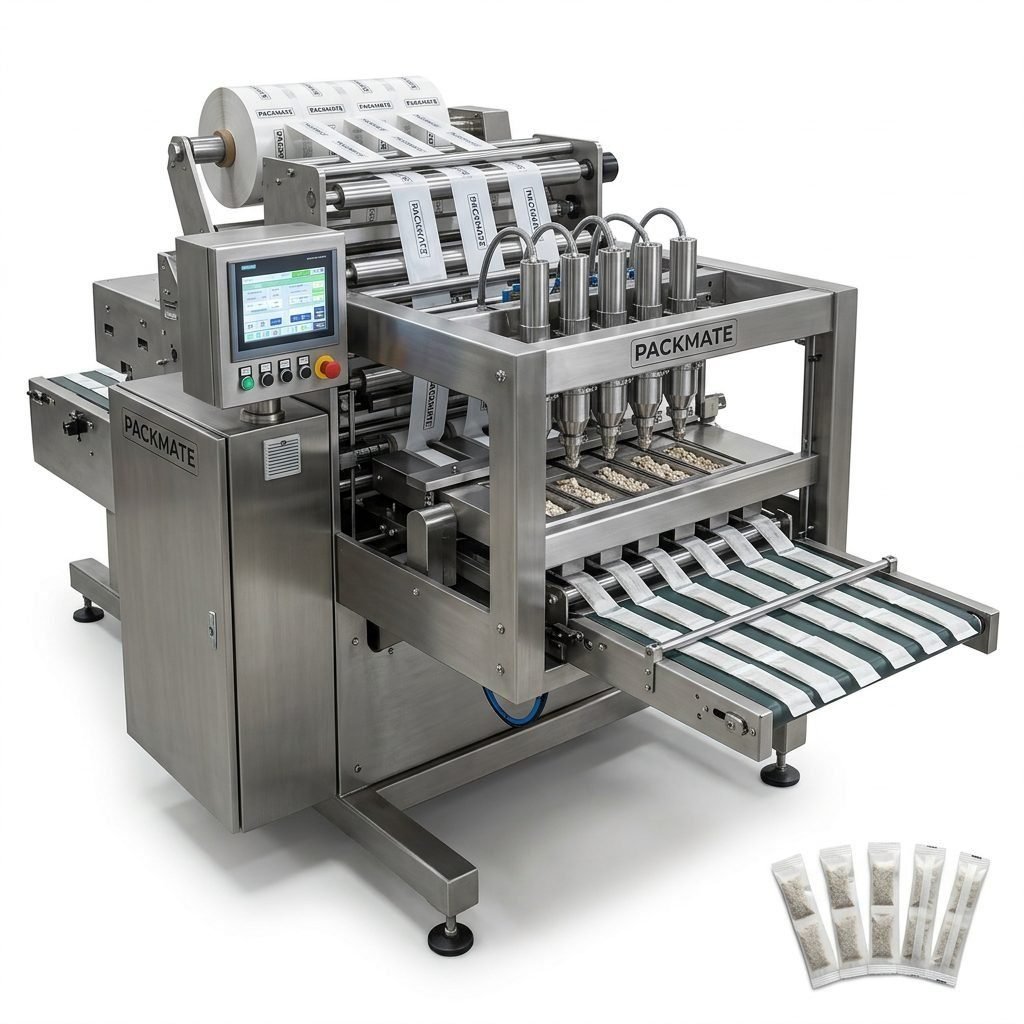
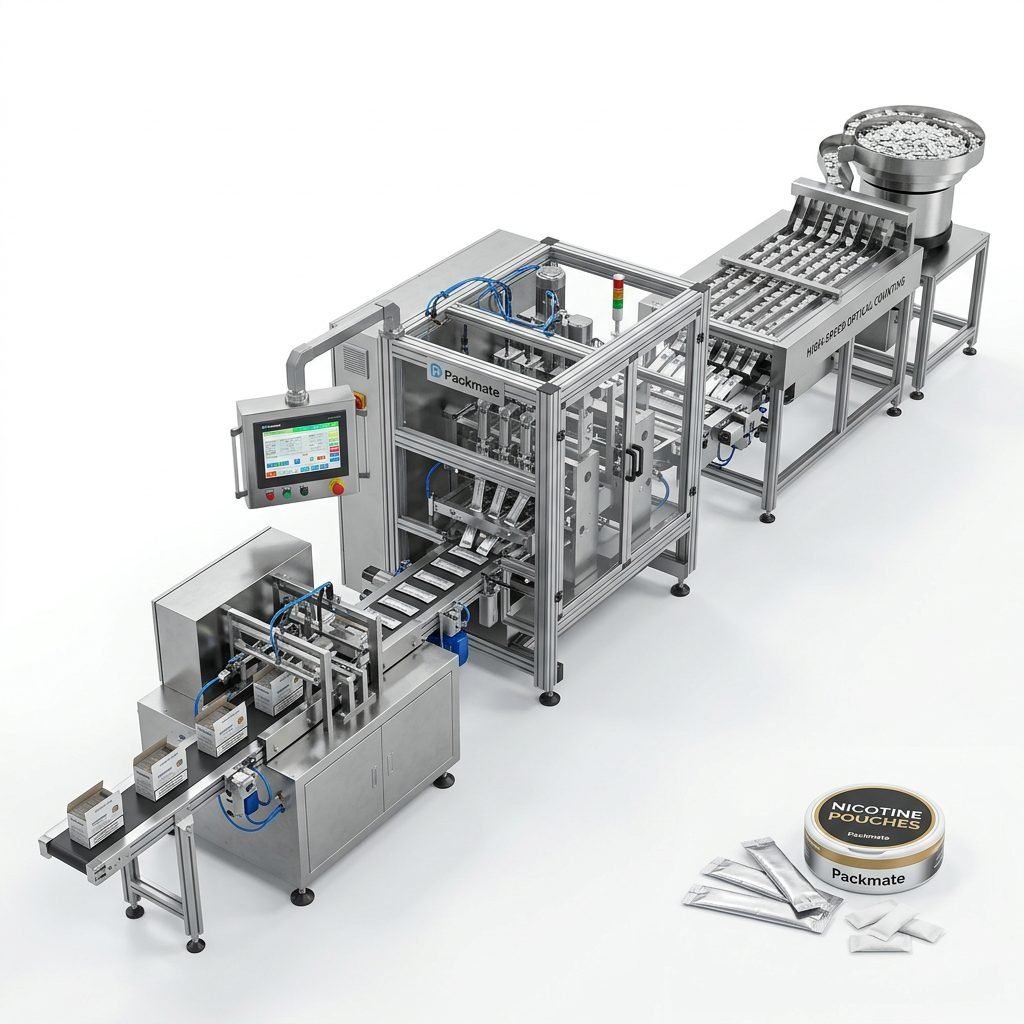
🔍 High-speed multi-lane capability for small-dose nicotine pouches to meet growing demand without sacrificing accuracy.
🔍 Accurate dosing and gentle handling to preserve product texture and moisture profile — critical for nicotine pouches and snus.
🔍 Modular design allowing quick changeovers between pouch sizes, materials and formats (stick, sachet, pillow, sachet-stick hybrids).
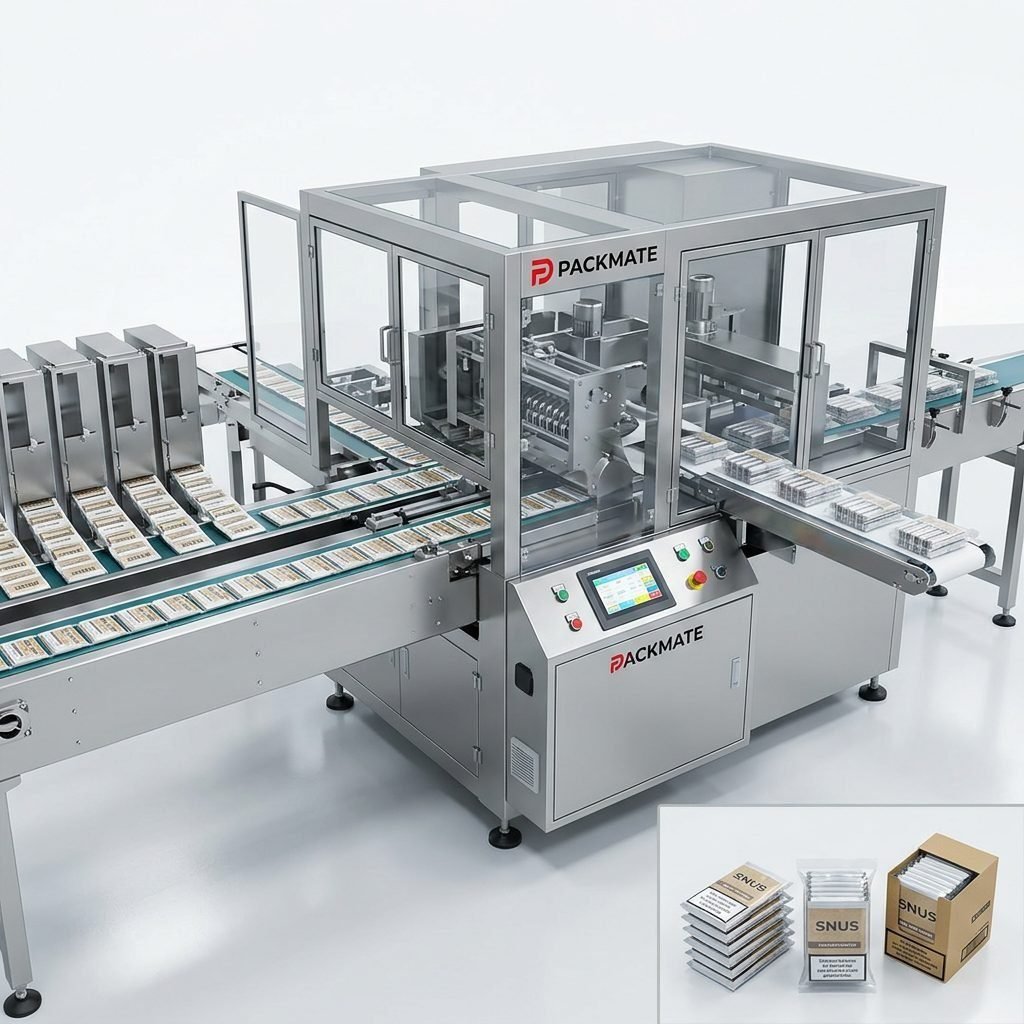
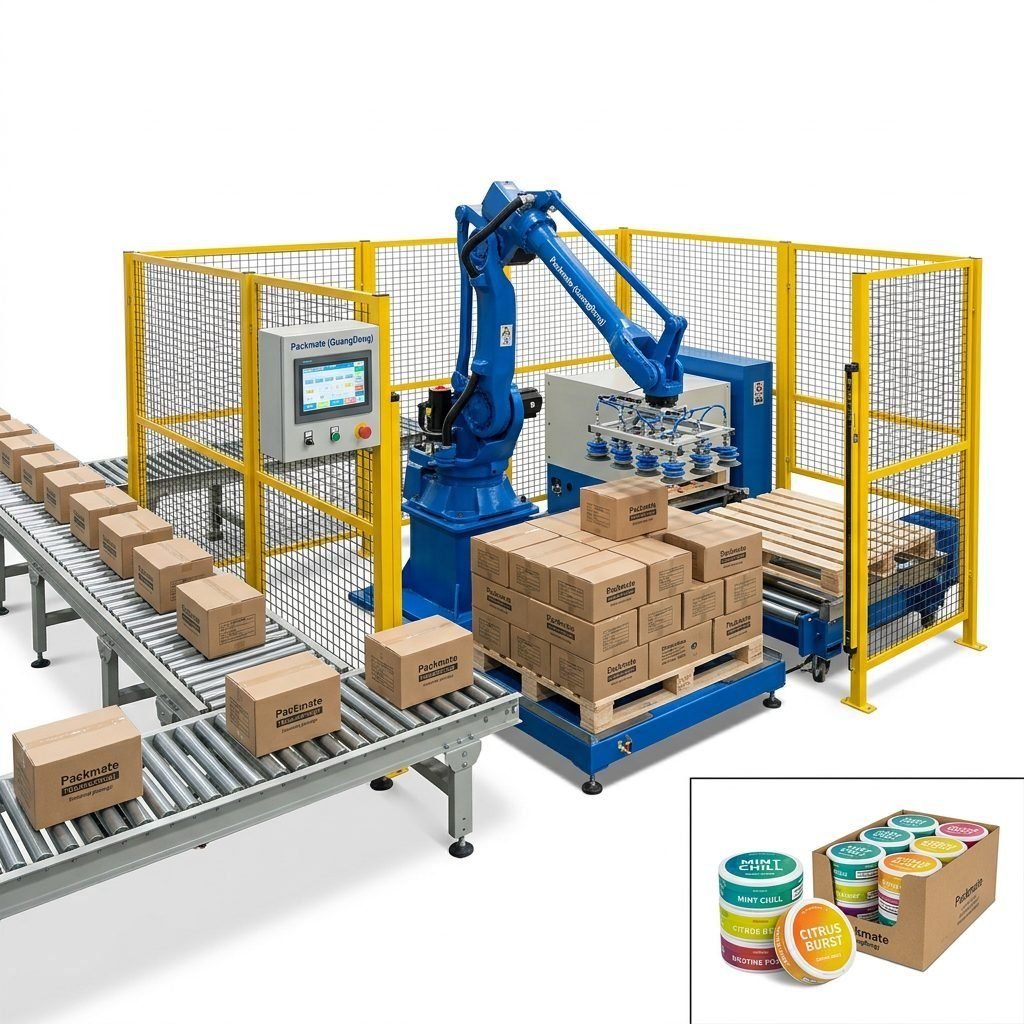
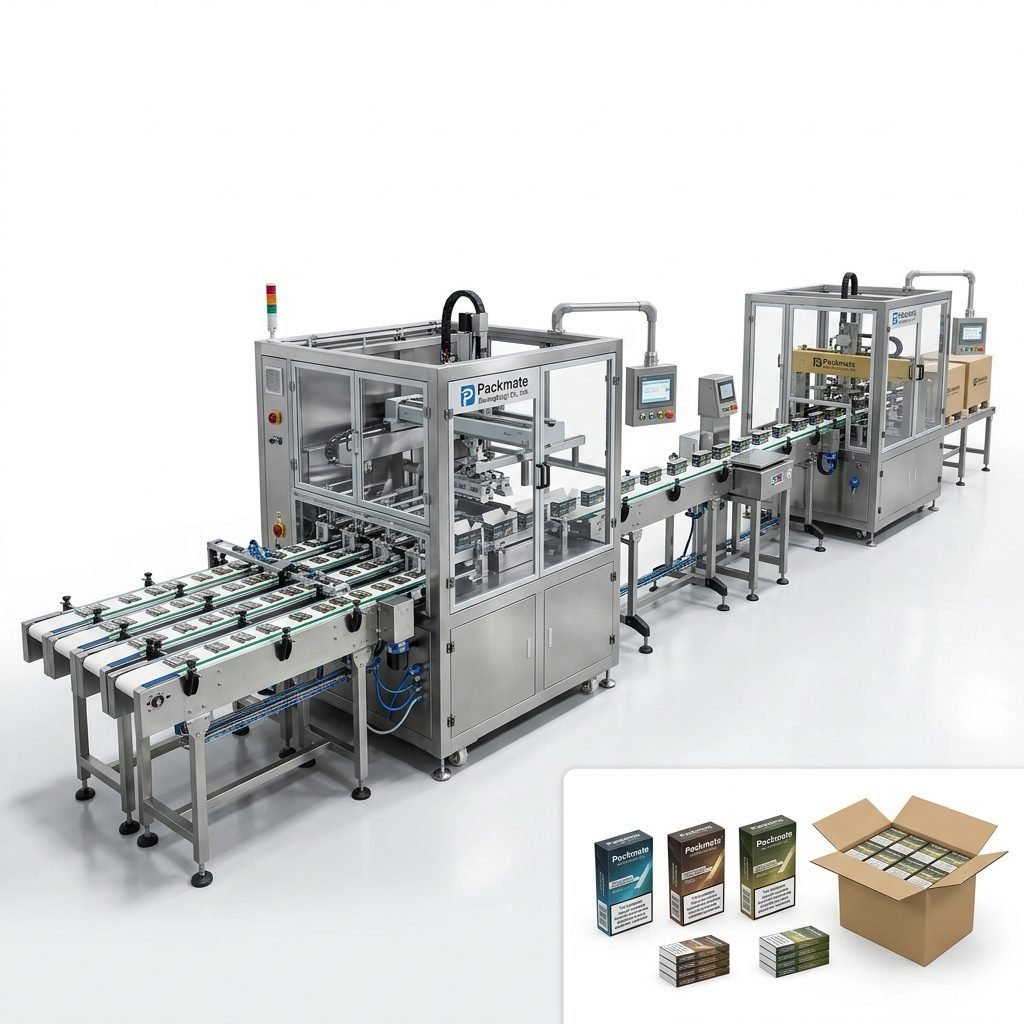
🔍 Integration readiness with upstream weighing systems and downstream cartoning, case-packing and labeling equipment for a turnkey line.
Practical performance checks
During vendor evaluation, insist on full-speed demonstrations with material similar to yours, watch for consistent seal quality, sample rejection behavior and how the machine handles dust or moisture. Reliable suppliers will allow live trials or provide on-site testing and references from European customers.
Production Capacity, Customization and Future Growth
Select equipment sized for current volumes with headroom for growth. Portugal’s market or export plans to nearby EU countries may require ramping throughput quickly. Look for multi-lane systems and scalable lines that support incremental upgrades without full machine replacement.
Customization matters: a supplier should be able to adapt machine parameters, tooling and indexing to your pouch dimensions, fill weights and packaging materials. Confirm a provider’s ability to deliver spare tooling, drawings and local service parts in reasonable lead times.
Quality Assurance, Certifications and Long-Term Support
Machine reliability reduces unplanned downtime and lowers total cost of ownership (TCO). Ask for:
✅ CE and ISO certifications to meet European legal and quality frameworks.
✅ Factory acceptance test (FAT) documentation and a list of installed customer references in Europe.
✅ Clear warranty terms, spare parts availability and options for preventive maintenance contracts.
📌 Tip: A trustworthy supplier will provide remote support via video, stamped manuals in English/Portuguese and optional local engineering assistance for installation. This is especially valuable in Portugal where time-to-market matters.
After-sales readiness
Clarify the supplier’s spare parts lead times to Portugal, availability of technicians for on-site repairs, and whether they provide training programs for your operators and maintenance teams. A supplier with a European footprint or partnerships will reduce logistic delay and travel costs.
Factory Visit, FAT and Commissioning in Portugal
Whenever possible, perform a factory visit and FAT at the supplier’s facility or a customer’s site. Observe machine assembly, quality control processes, and test runs with materials similar to yours. For Portuguese customers, insist on an agreed commissioning plan, acceptance criteria and P&ID that include utilities and CE safety checks.
Commissioning in Portugal should include full operator training in Portuguese or English, start-up assistance, and a plan for performance validation against agreed throughput and quality metrics.
Logistics, Customs and Delivery Considerations for Portugal
Portugal’s ports (Lisbon, Leixões, Sines) handle international machinery imports, but you must prepare accurate commercial invoices, CE documentation and packing lists for customs clearance. Confirm whether the supplier handles DDP (Delivered Duty Paid) or DAP terms and whether they provide on-site unpacking and machine positioning support.
If your factory is inland, consider inland transport and crane requirements for heavy packaging stations. A supplier familiar with European logistics will coordinate freight forwarders and documentation to minimize delays.
Sustainability, Materials and Portuguese Consumer Trends
Portuguese consumers increasingly favor environmentally friendly packaging. Discuss recyclable or compostable pouch materials and whether your chosen packaging machine can handle those substrates without compromising seal integrity. Suppliers with experience in sustainable films and flexible packaging will offer the tooling and sealing profiles needed to maintain shelf life.
Also evaluate the supplier’s energy-efficient designs and waste-reduction measures that lower operational costs and support corporate sustainability reporting expected by EU buyers.
Comparing Price vs Total Cost of Ownership (TCO)
The cheapest machine may cost more over its lifetime if it’s unreliable or lacks local support. Calculate TCO including spare parts, maintenance, energy consumption, training, downtime risk and upgradeability. A slightly higher upfront investment in a proven multi-lane, gentle-handling snus line often pays off with higher yields and lower per-unit cost.
Questions to Ask Every Supplier
When evaluating vendors, make sure to ask:
⚠️ Can you provide CE/ISO certificates and FAT reports from European customers?
⚠️ Do you have experience with nicotine pouch/snuse materials and small-dose multi-lane production?
⚠️ What are standard lead times for spare parts to Portugal and do you offer local partnerships?
⚠️ What training and commissioning services are included, and can training be delivered in Portuguese?
How Packmate Snus Machine Aligns with Portuguese Factory Needs
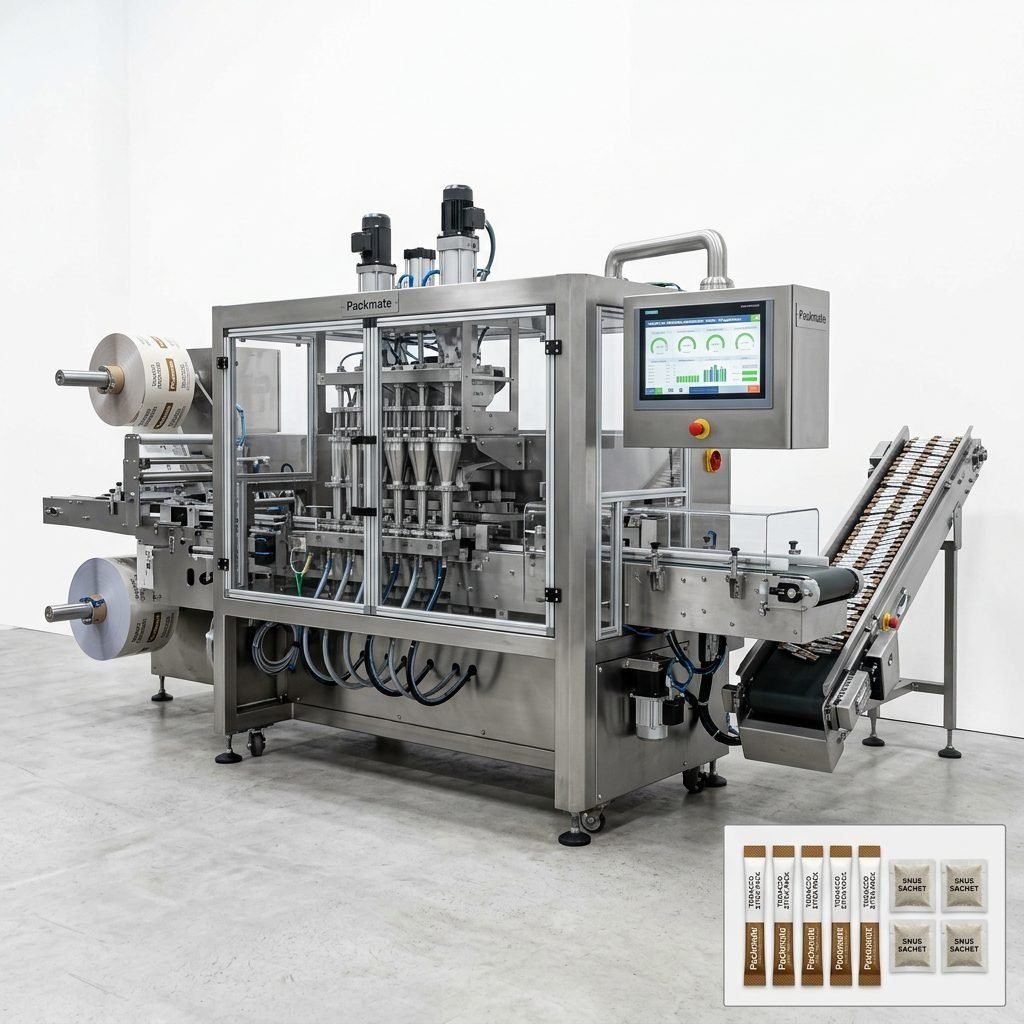
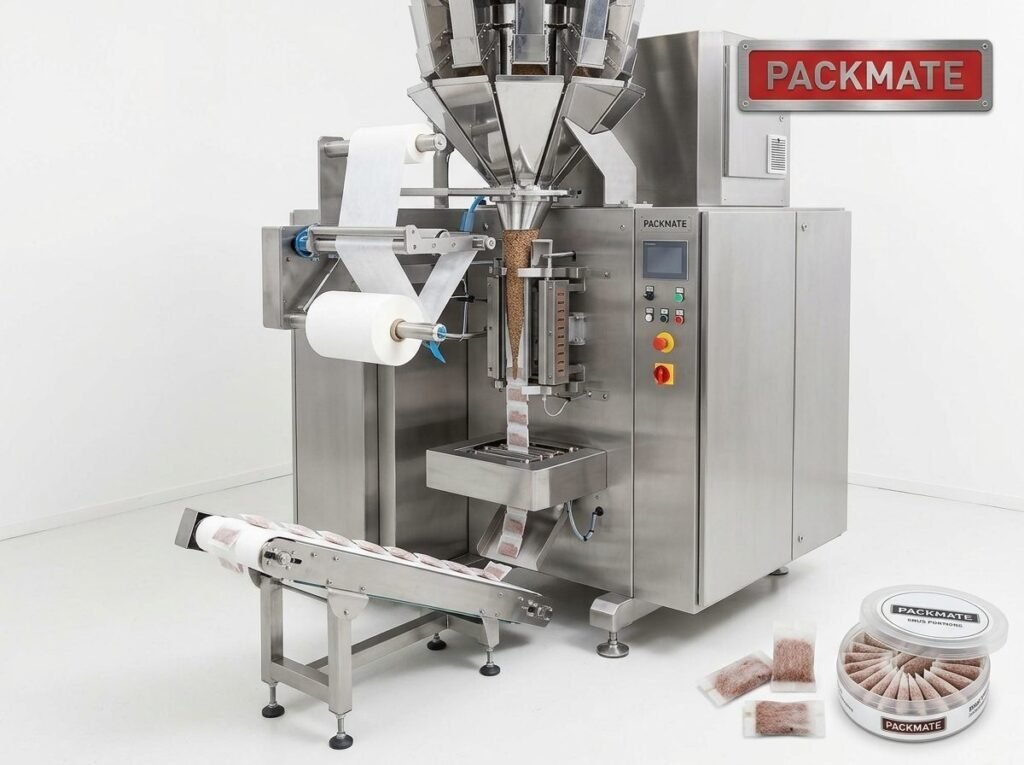
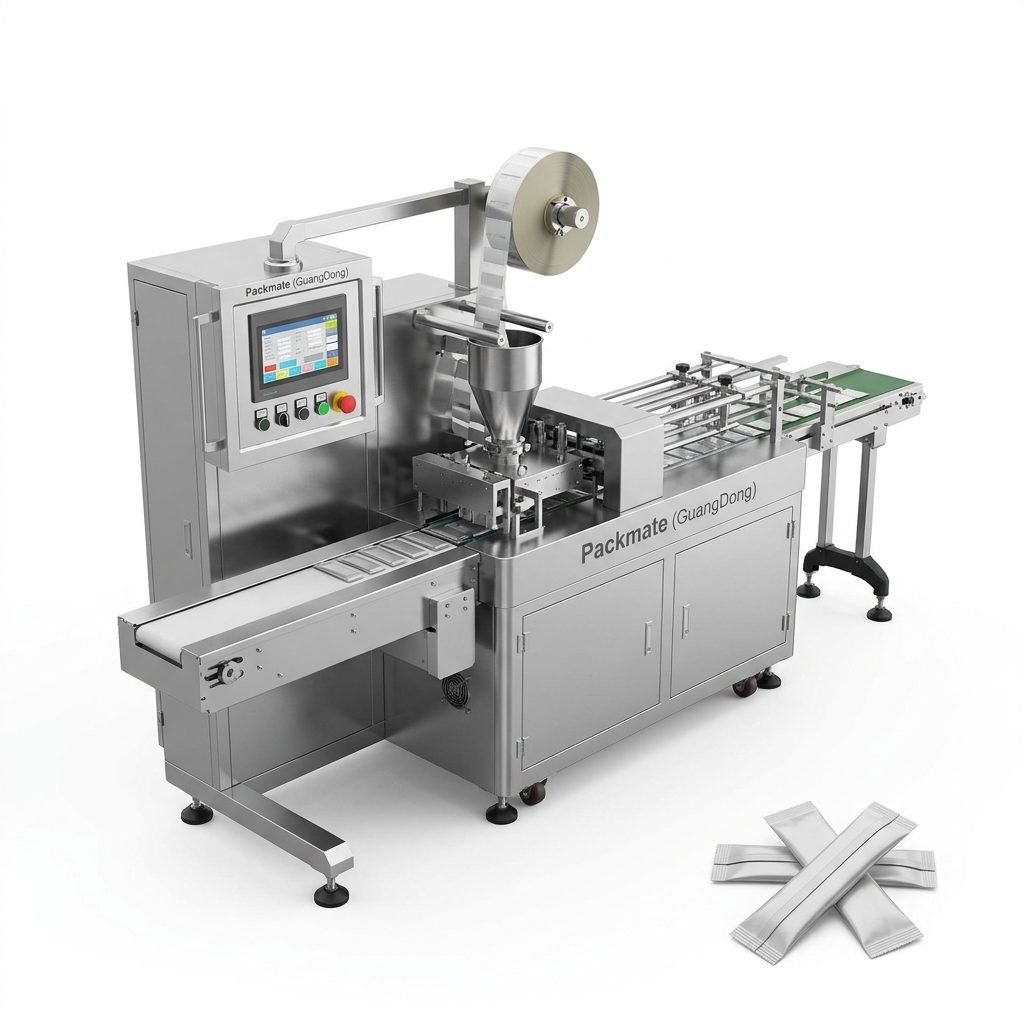
Packmate Snus Machine brings over 30 years of packaging engineering experience and specializes in snus and nicotine pouch lines. Their 20,000㎡ manufacturing facility, advanced CNC capability and a portfolio of 50+ machine models enable custom multi-lane solutions that fit Portuguese market needs for flexibility and compliance.
📌 Reference Links: Explore Packmate’s specialized offerings such as Snus & Nicotine Packaging Machines, Bag & Pouch Packaging Machines and learn more About Packmate. For direct contact, see Contact Us.
Real-world examples and case readiness
Packmate’s experience with turnkey lines, including weighing, filling and multi-lane packaging, helps customers in Europe deploy complete solutions faster. Review case studies and exhibition demos to see machine behavior with real material, which is critical for Portuguese operations where product presentation and shelf-life are priorities.
A Practical Supplier Selection Checklist
Use the checklist below during supplier evaluations; mark each item as Yes / No to compare offers objectively:
✅ Machine proven for nicotine pouch / snus formats
✅ CE & ISO certifications and EU customer references
✅ FAT with your product or similar material
✅ Spare parts lead time to Portugal less than X weeks
✅ Local language training (Portuguese/English) and remote support
✅ Scalability (multi-lane options and modular upgrades)
✅ Experience integrating weighing, filling and cartoning systems
✅ Quick Decision Box: If a supplier checks most boxes, provides FAT results and offers a clear commissioning plan to Portugal, they are likely a reliable partner. If not, keep evaluating until you find a partner who can demonstrate consistent European deliveries and post-sale support.
Negotiation Tips and Contract Essentials
Negotiate clear payment milestones tied to FAT completion, shipping, installation and performance acceptance. Define warranty scope, spare parts kits delivered with the machine and service response times for Portugal. Insist on documented performance guarantees such as throughput and acceptable reject rates.
Final Considerations Before You Commit
– Prioritize suppliers who combine packaging expertise with real nicotine pouch experience.
– Favor partners offering turnkey integration, including weighing and filling lines, to reduce coordination risks.
– Validate communication channels and whether instruction manuals and software interfaces support Portuguese locale settings or translations.
Conclusion
Selecting the best nicotine packaging machine supplier in Portugal blends technical evaluation, regulatory compliance, logistical readiness and cultural fit. Suppliers like Packmate Snus Machine that specialize in snus, multi-lane systems and turnkey lines offer strong advantages: proven designs, European compliance, and the engineering depth to support Portuguese factories as they scale. Use the checklist and negotiation tips above to ensure you secure a reliable partner who reduces risk and accelerates production.
Common Questions
Q1: How long does delivery and installation typically take for a snus packaging line to Portugal?
A1: Typical lead time depends on customization and spare parts, but expect 12–20 weeks for built-to-order lines plus 2–4 weeks for shipping and customs. Commissioning and validation usually take 1–2 weeks on-site.
Q2: Do suppliers provide Portuguese language manuals and training?
A2: Many global suppliers provide English manuals by default; the best suppliers offer translations or on-site training in Portuguese upon request—confirm this before signing the contract.
Q3: What documentation should arrive with the machine for EU customs and CE compliance?
A3: You should receive CE declaration of conformity, machine technical file, wiring diagrams, FAT report, spare parts list, user manuals and invoices/packing lists for customs clearance.
Q4: Can the machine handle eco-friendly films and compostable materials?
A4: Many modern machines are compatible, but you must test film sealing profiles and adjust heat/pressure settings. Work with suppliers experienced in sustainable substrates to ensure consistent sealing and shelf-life.
Q5: How can I evaluate a supplier’s European references?
A5: Request contactable references, visit a European installation if possible, and ask for FAT videos showing real product runs. Suppliers with exhibition presence in Europe and documented case studies typically provide stronger assurance.