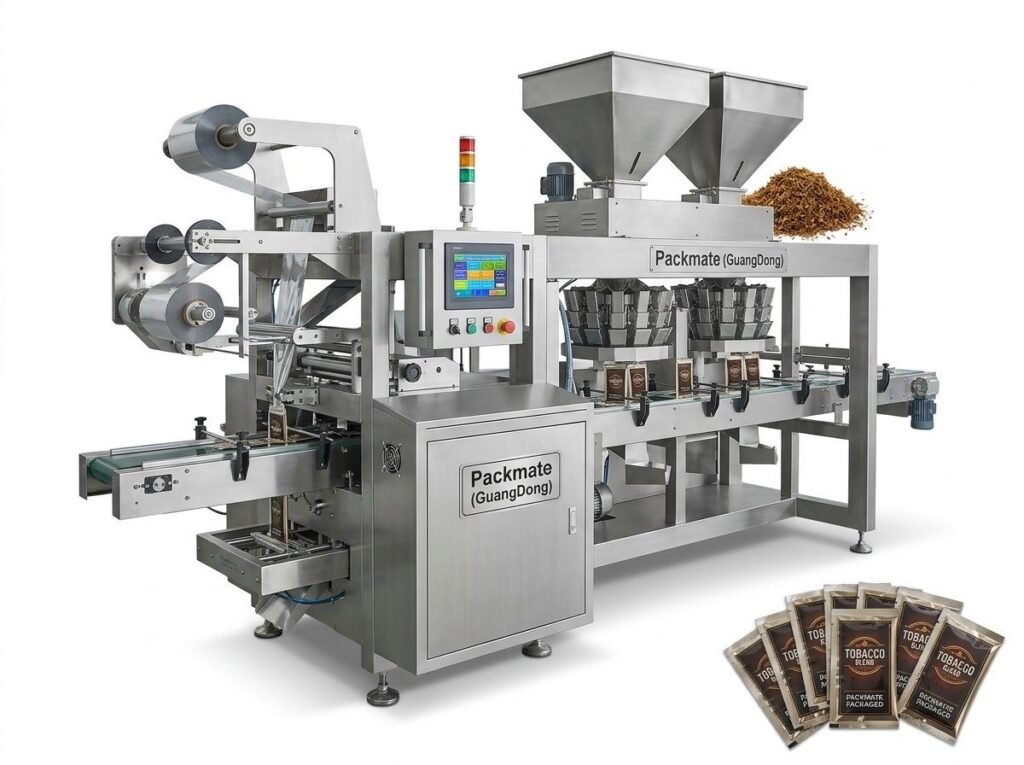
Finding a reliable nicotine packaging machine supplier in Israel requires more than a quick web search. Israeli buyers combine practical business pragmatism with a preference for direct communication and speedy implementation. This guide walks you through step-by-step how to identify trustworthy suppliers, evaluate machines, negotiate contracts, handle import logistics, and secure after-sales support — helping you make confident purchasing decisions for snus and nicotine pouch production lines.
Understand Local Context: Why Israel Is a Unique Market
Israel’s business environment values speed, transparency, and technical competence. Companies often expect fast responses, clear timelines, and practical proof of capability. When buying packaging equipment for nicotine pouches or snus, keep in mind:
– Local labeling requirements and language preferences (Hebrew + English) for consumer packaging.
– Import procedures via major ports such as Haifa and Ashdod, plus potential customs inspections.
– Strong emphasis on compliance, so certificates like CE and ISO are often requested by local QA teams.
– The Israeli buyer culture: direct negotiation, interest in technical details, and readiness to visit factories or request remote machine demonstrations.
Key Buyer Priorities in Israel
Israeli manufacturers and distributors typically prioritize machine uptime, modular design for quick changeovers, and robust after-sales service. Price matters, but long-term reliability and clear spare-parts supply chains are decisive.
Step 1 — Start with a Targeted Shortlist
Begin by compiling a shortlist of potential suppliers. Use a combination of online research, industry directories, and trade-show contacts. When researching, prioritize suppliers with demonstrated experience in nicotine pouch or snus equipment and related turnkey lines.
Practical sources:
– Manufacturer websites and product pages (look for dedicated snus/nicotine packaging machines). For a quick start, review specialized product pages such as
Snus & Nicotine Packaging Machines and
Bag & Pouch Packaging Machines.
🔎 Quick shortlist checklist
• Machines specifically designed for small-dose multi-lane pouch production.
• Clear evidence of export and turnkey project experience.
• Certifications such as CE / ISO and customer case studies.
Step 2 — Evaluate Technical Fit and Machine Types
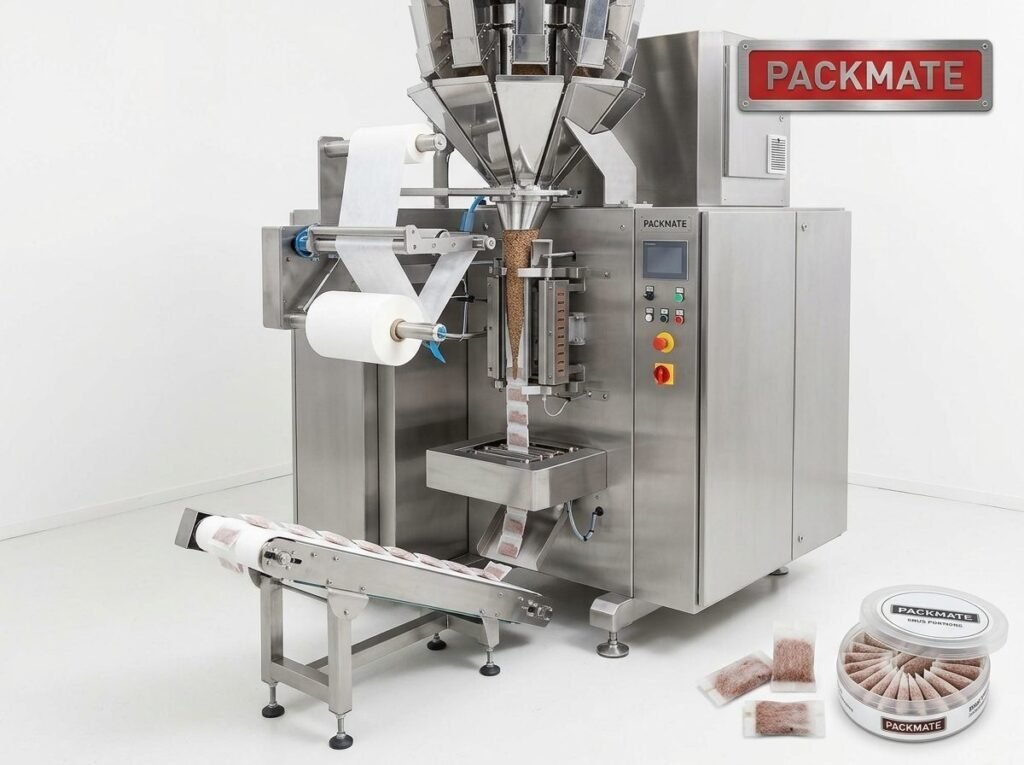
Nicotine pouch and snus packaging requires precision dosing, stable sealing, and flexible lane configurations. Different machine types serve different business models:
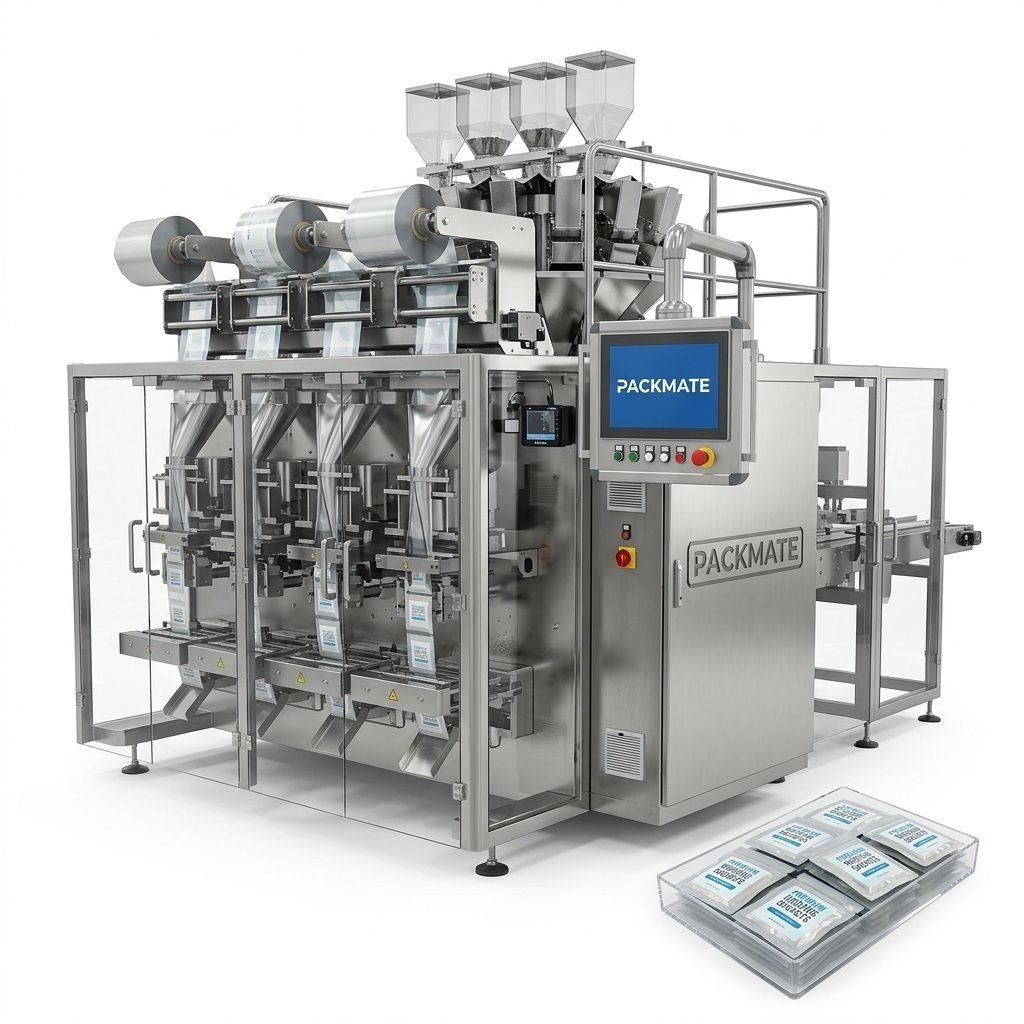
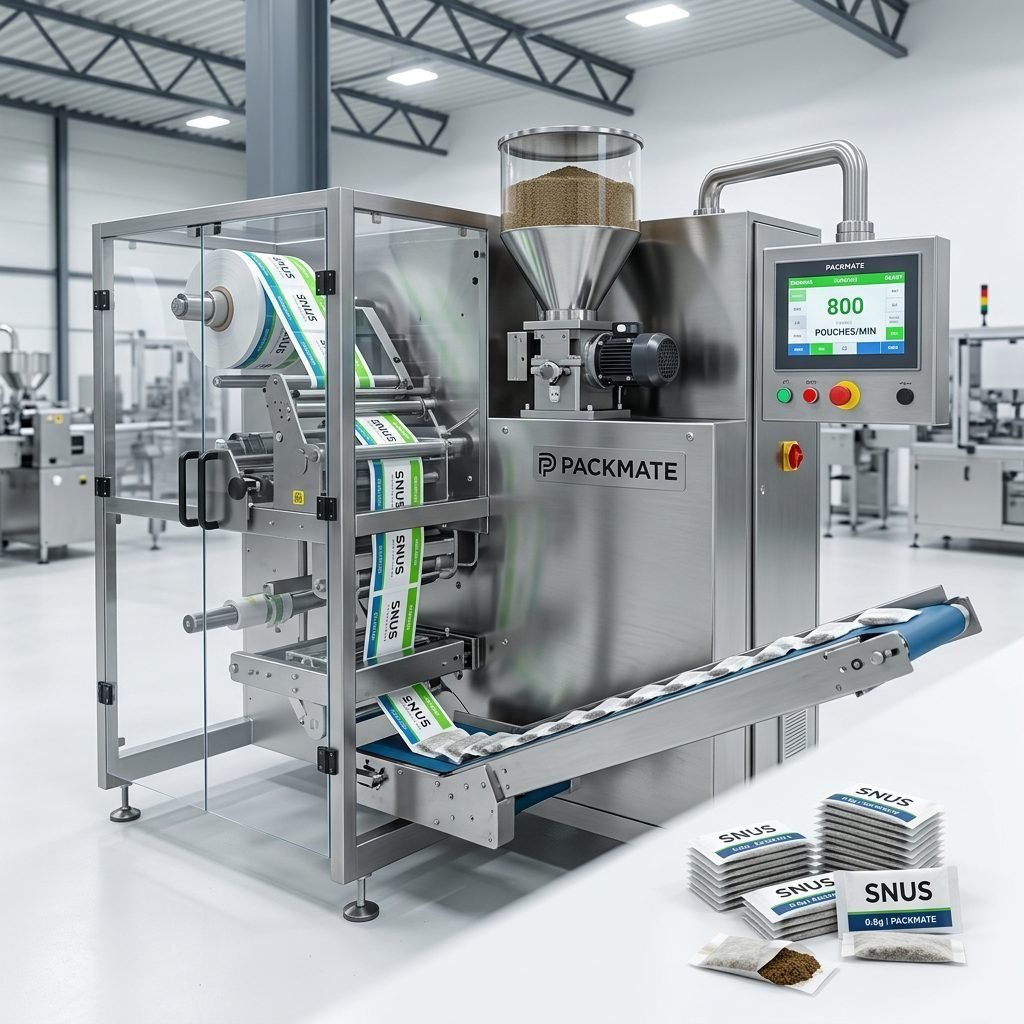
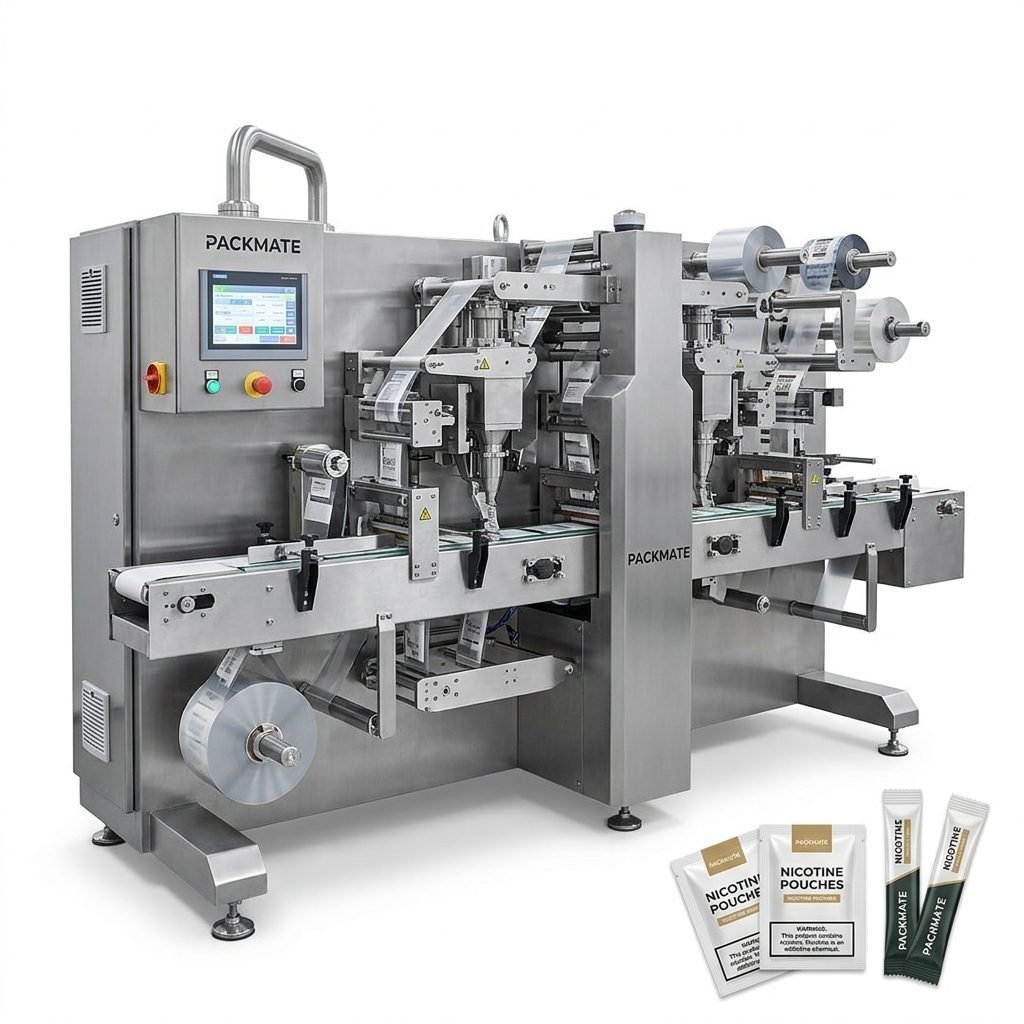
– Multi-lane pouch machines for high-volume small-dose production.
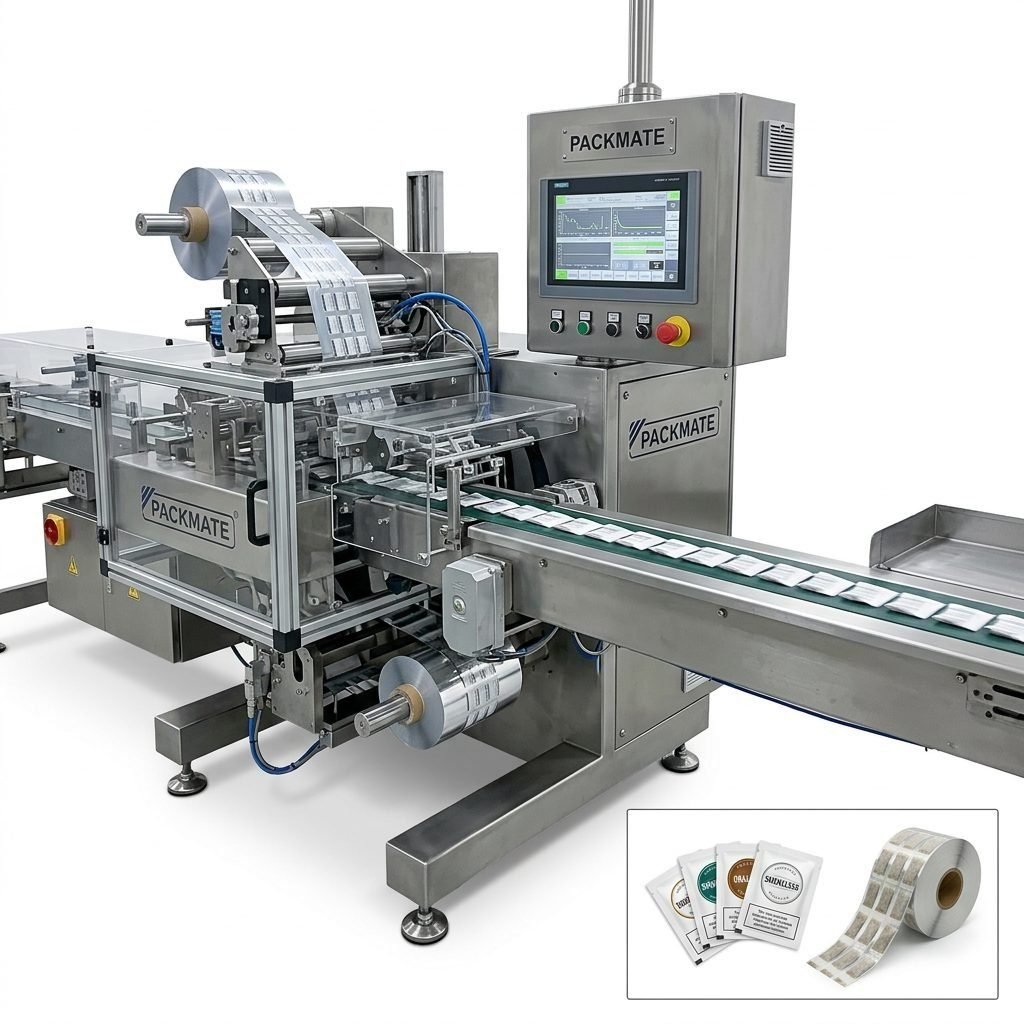
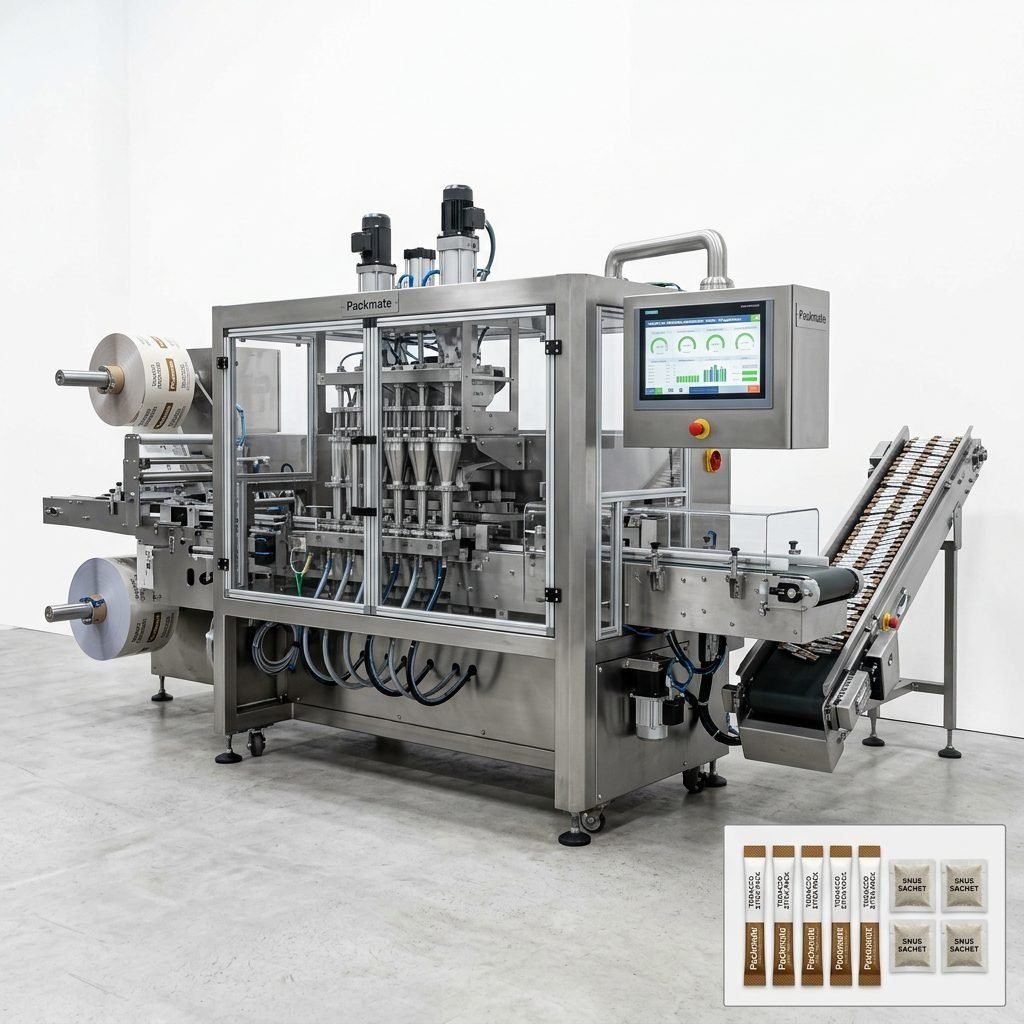
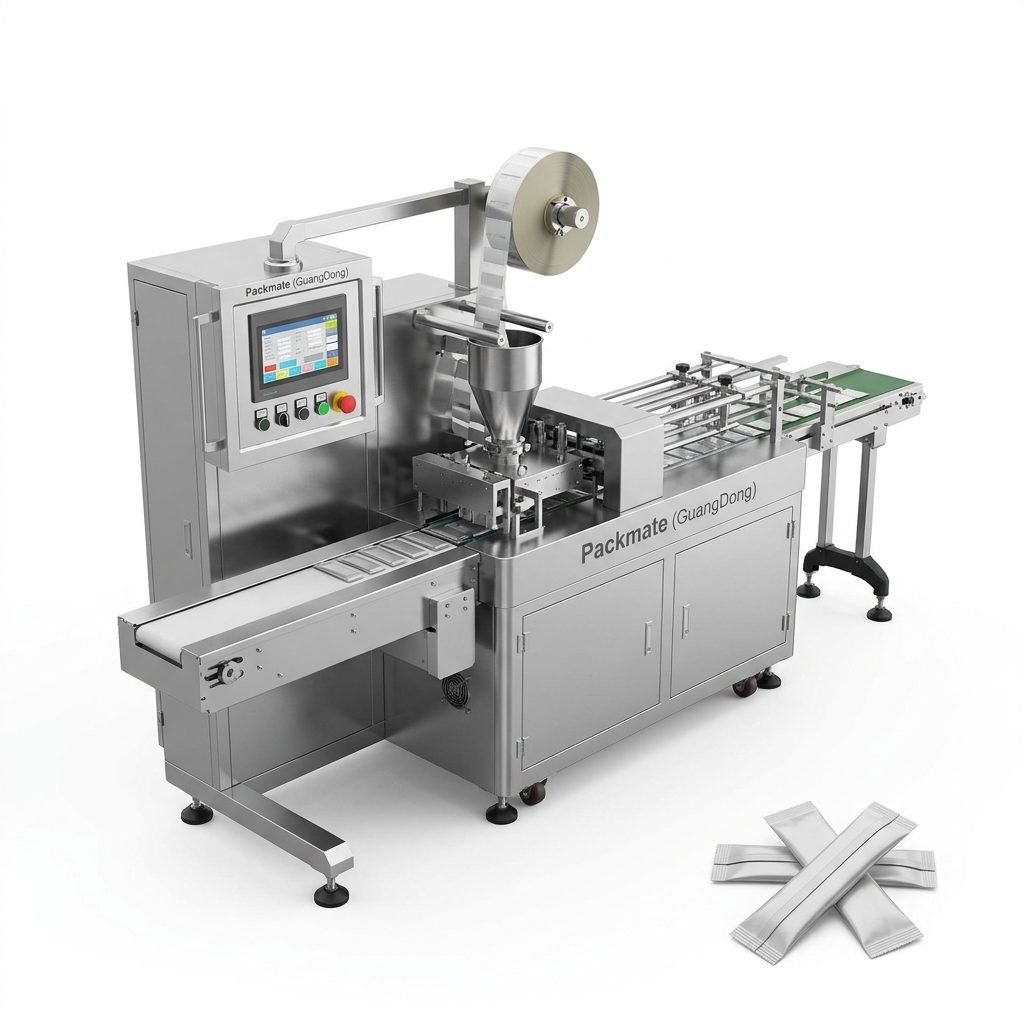
– Stick pack and sachet machines for single-serve or retail formats.
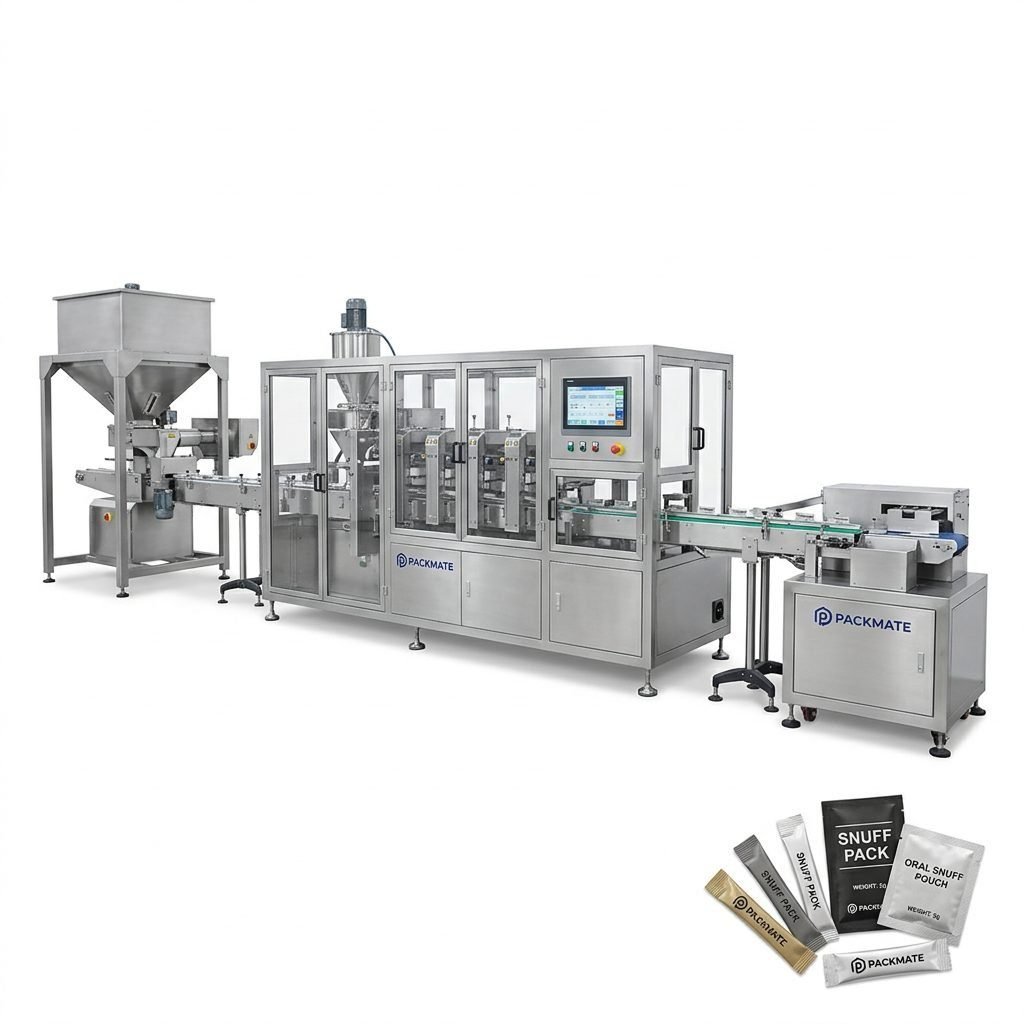
– Combination lines including weighing systems, filling modules, and secondary packaging for cartons and display boxes.
When assessing suppliers, ask for detailed machine specs (speed in pouches/min per lane, lane count flexibility, dosing accuracy, and compatible pouch materials). Also request case studies of similar installations — many suppliers maintain project pages such as
Case studies.
Technical questions to ask
1. What is the maximum output per lane and total output for multi-lane setups?
2. What dosing technologies do you use (vibratory, auger, weigh-based)?
3. How easy is product changeover and cleaning (CIP) for nicotine-containing ingredients?
4. Can the machine handle different pouch materials and barrier films used in Israel’s market?
Step 3 — Verify Quality, Certifications & Factory Capability
Reliable suppliers show transparent proof of manufacturing capability: factory photos, CNC machining centers, assembly lines, and quality control processes. Look for suppliers who can produce, assemble, and test machines in-house. Check for certifications — CE and ISO certifications are essential indicators of consistent manufacturing standards.
✅ What to expect from a modern factory
– Advanced CNC machining centers and precision assembly lines.
– Full testing benches and run-off tests for each line.
– Documentation: test reports, electrical diagrams, spare-parts lists.
Step 4 — Inspect After-Sales & Spare Parts Support
After-sales is a critical decision factor in Israel where uptime drives margins. Confirm the supplier’s spare parts availability, lead times, and remote-support capabilities. Ask about:
– Local or regional spare-part depots (or fast shipping from factory).
– Remote diagnostics and PLC/drive support via secure access.
– On-site commissioning teams and training programs for Israeli operators — language capability (English/Hebrew) is a plus.
Step 5 — Negotiate Commercial Terms and Warranty
Clear contract terms prevent surprises. Focus on lead times, payment schedules, warranty coverage, and penalty clauses for missed delivery dates. Typical items to negotiate:
– Down payment, balance before shipment, and acceptable payment methods (TT, LC).
– Warranty period and what it covers (mechanical, electrical, consumables).
– Spare parts kits included on delivery and price lists for common wear parts.
– Acceptance tests: FAT (Factory Acceptance Test) and SAT (Site Acceptance Test) conditions.
FAT and SAT — avoid vague acceptance
Request a documented FAT with video and performance metrics before payment. For critical projects, arrange a remote live demonstration or a factory visit. This reduces disputes after shipment.
Step 6 — Plan Logistics & Compliance for Israel
Importing heavy machinery into Israel requires coordination: shipping, customs classification, VAT handling, and local testing. Work with a forwarder experienced in machinery imports to Israel to streamline port handling, inland transport, and customs clearance via Haifa or Ashdod.
Important compliance notes:
– Ensure labels and user manuals include Hebrew where relevant and meet local consumer safety standards.
– Verify any nicotine-product-specific regulations with Israeli health authorities before production begins — requirements can change and often differ from EU or US rules.
– Include documentation for CE/ISO compliance to satisfy customs and QA teams.
📦 Logistics tips
• Use an experienced machinery forwarder to handle lifting, crating, and local delivery.
• Pre-clear documentation to avoid port demurrage in Israel.
• Plan installation windows that consider national holidays and local site readiness.
Step 7 — Visit or Virtual Tour: What to Verify
A factory visit reveals details that documents miss. If travel is difficult, arrange a high-quality virtual tour with live Q&A. During inspection, validate:
– Assembly and machining quality, visible wiring neatness, labeling of drives and panels.
– Test runs demonstrating the exact pouch type and speed you need.
– Documentation completeness (manuals, electrical diagrams, spare-parts list).
Step 8 — Final Acceptance & Installation
During installation in Israel, ensure the supplier provides: commissioning engineers, operator training, SOPs for daily maintenance, and a clear escalation path for breakdowns. Agree on a warranty start date linked to SAT completion.
Why Consider Packmate and Where to Learn More
Suppliers like Packmate have decades of experience designing snus and nicotine pouch packaging lines, with a large model range and in-house CNC capabilities. For reference, review company details, product catalogs, and project cases on official pages such as
About Packmate and the dedicated
Snus & Nicotine Packaging Machines page. If you need specific project imagery or to request a quote, use
Contact Us.
What reputable suppliers typically offer
– End-to-end solutions from weighing/filling to secondary packaging.
– CE and ISO certified equipment, full documentation, and turnkey lines.
– Global exhibition presence demonstrating machines in live operation — check exhibition records for recent live demos.
Red Flags to Avoid
Be cautious if a supplier:
– Cannot provide verifiable references or recent case studies.
– Refuses a FAT or provides vague performance claims without data.
– Lacks spare-part lists, electrical diagrams, or a clear warranty statement.
⚠️ Immediate red flags
• No documented FAT or performance video.
• No post-sale support phone or regional contact.
• Unclear spare-part pricing and long lead times.
Practical Checklist Before You Buy
1. Confirm machine specs meet your target throughput and pouch format.
2. Verify CE/ISO certificates and request machine test reports.
3. Agree on clear FAT acceptance criteria with measurable output and quality metrics.
4. Secure a spare-parts package and defined delivery times for wear items.
5. Finalize payment terms, warranty start date, and on-site commissioning plan.
Final Thoughts — A Smart Purchase Balances Cost and Long-Term Value
Israeli buyers often pay a premium for speed, reliability, and clear support. Investing time in proper supplier evaluation and insisting on documented performance (FAT), clear spare-part strategies, and robust after-sales guarantees will minimize risk and maximize production uptime.
Useful links for deeper research
Explore products and services to compare features and request quotations:
• Sachet & Stick Pack Machines
• Filling & Packaging Lines
• Service
Frequently Asked Questions
Q1: How do I verify a supplier’s claims about machine speed and accuracy?
A: Ask for a Factory Acceptance Test (FAT) video demonstrating the exact pouch format and product weight tolerance. Request supporting test records showing repeated runs at target speed.
Q2: What certifications should I require for machines used in Israel?
A: At minimum, request CE and ISO certificates. Also ensure electrical and safety documentation is complete and that manuals include Hebrew or English translations as needed for local compliance.
Q3: How can I reduce downtime risk for nicotine pouch lines?
A: Secure a spare-parts kit on delivery, arrange preventive maintenance schedules, insist on operator training from the supplier, and ensure remote diagnostic access for quick troubleshooting.
Q4: Is a factory visit necessary?
A: A visit is ideal to validate manufacturing quality. If travel is limited, request a live virtual tour and high-resolution run videos. Combine that with client references for similar installs.
Q5: Where can I get more product information and request quotes?
A: Review product pages and contact the supplier directly. For Packmate-related resources, see the product catalogs and contact pages listed above.