Choosing the right nicotine packaging machine supplier for Kyrgyzstan is a strategic decision that affects production efficiency, regulatory compliance, and long-term growth. This guide walks packaging managers, plant owners, and procurement teams through the practical steps and local considerations you should weigh when selecting a partner who can deliver reliable snus and nicotine pouch packaging solutions for the Kyrgyz market.
Understand the Kyrgyzstan market and regulatory environment
Kyrgyzstan has a unique combination of consumer habits, regulatory expectations, and distribution channels. Many consumers still prefer small-dose pouches or single-serve stick packs, and retail distribution often moves through kiosks, small shops, and regional wholesalers rather than large supermarket chains. Packaging that emphasizes clarity in Russian and Kyrgyz labeling, tamper-evident seals, and compact multi-pouch formats is frequently preferred.
Local regulations around nicotine products can change, and enforcement may differ between cities such as Bishkek and provincial centers. Ensure your supplier understands export/import documentation, customs requirements at Manas International Airport, and labeling rules for Russian and Kyrgyz languages. A supplier familiar with CE and ISO certification can help you avoid delays at customs and ensure smoother market entry.
Key machine types and technical capabilities to prioritize
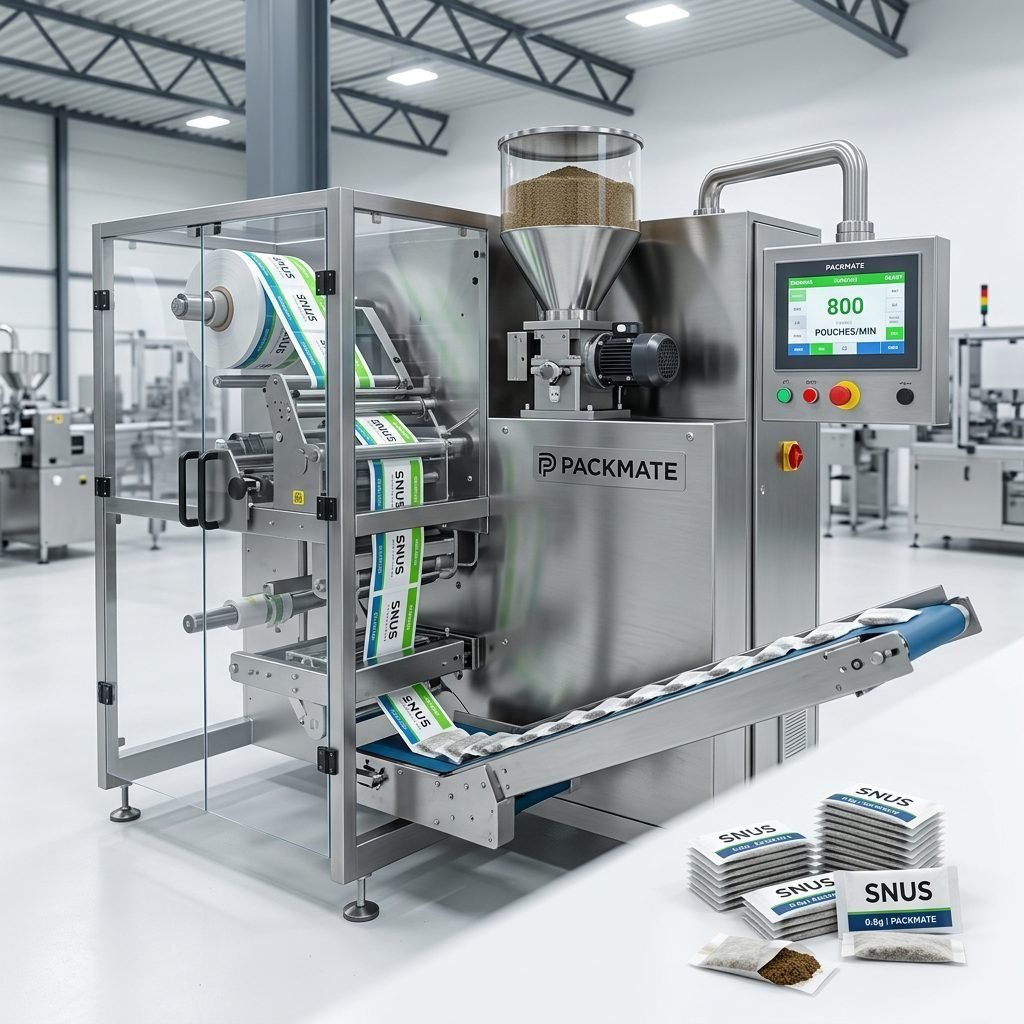
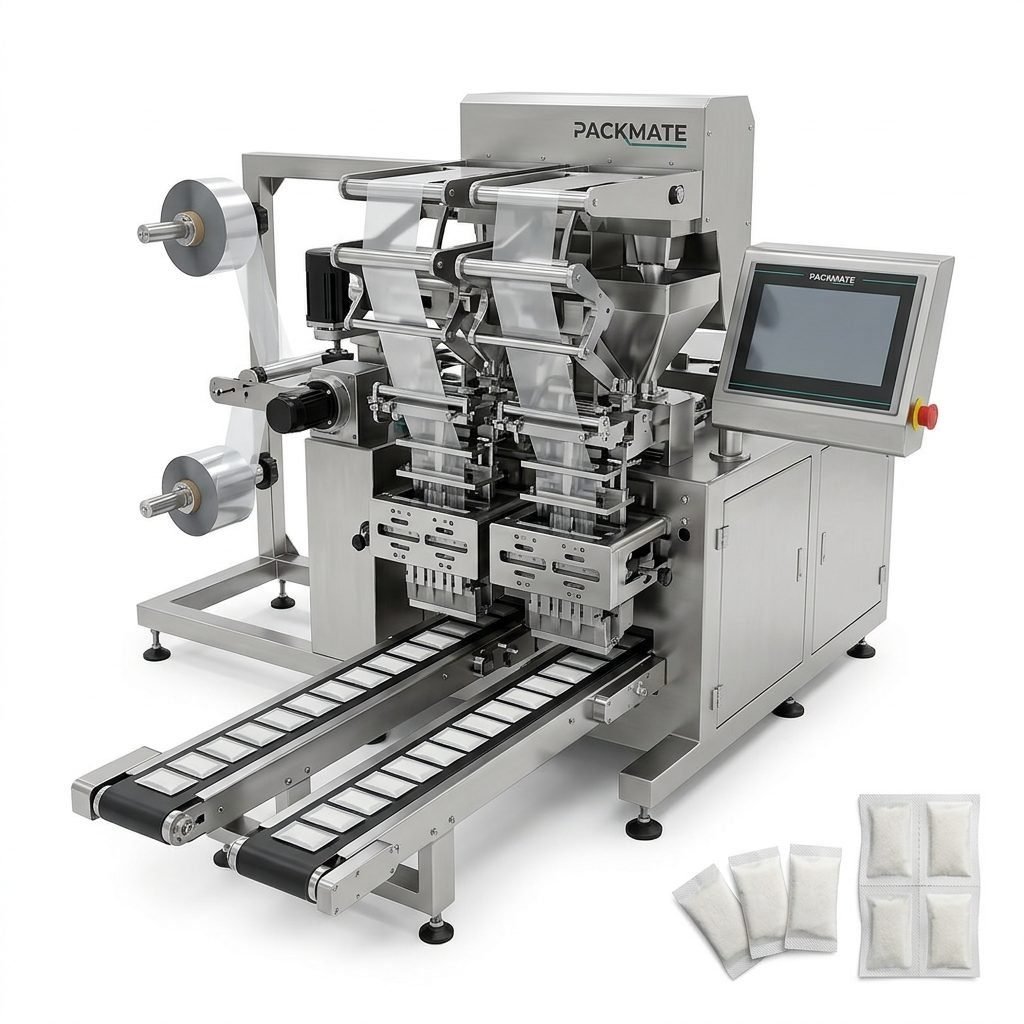
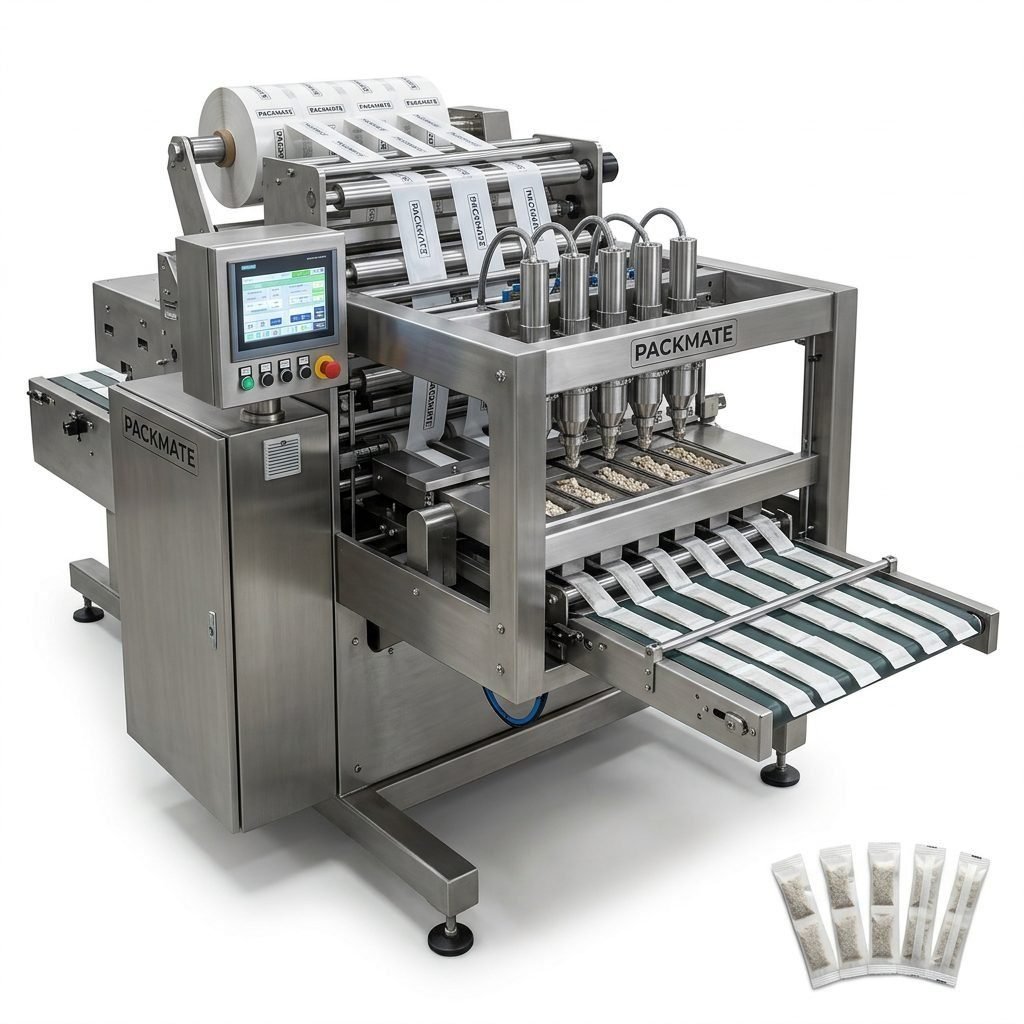
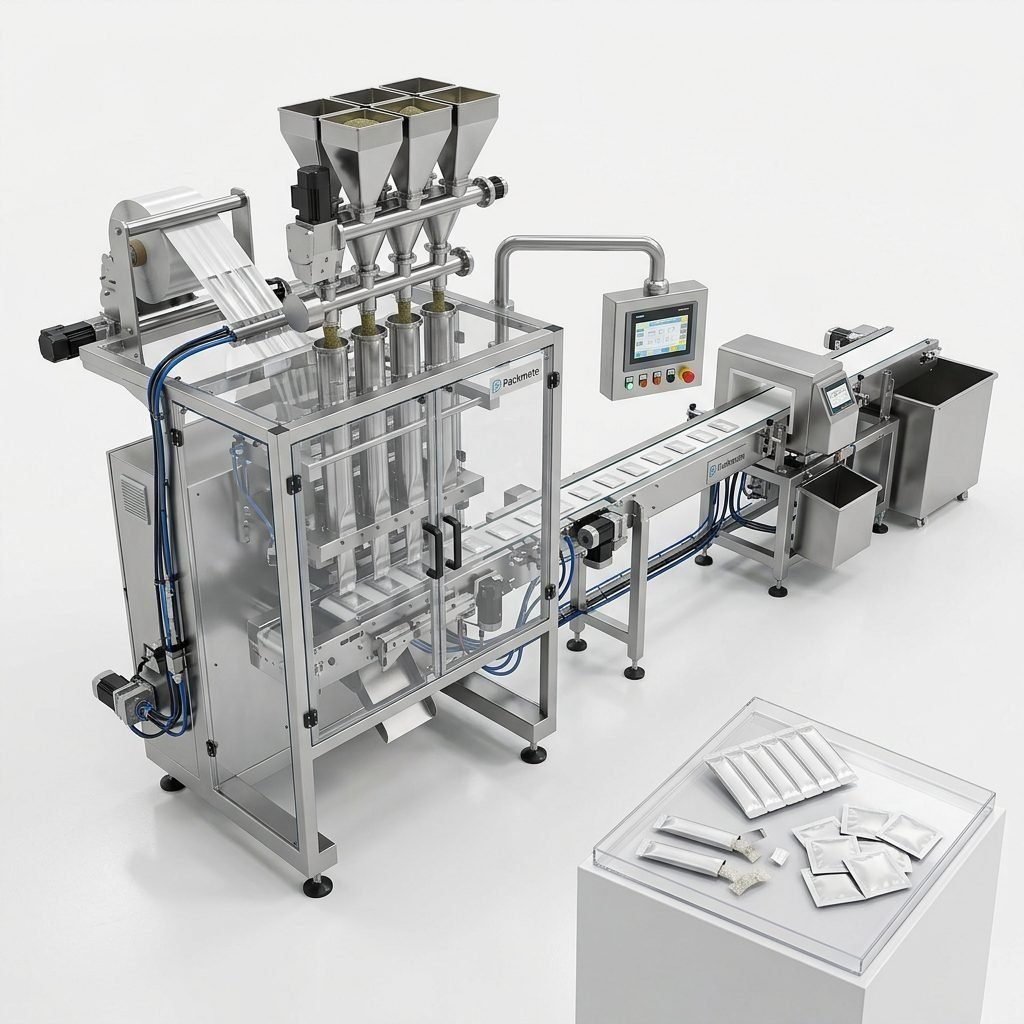
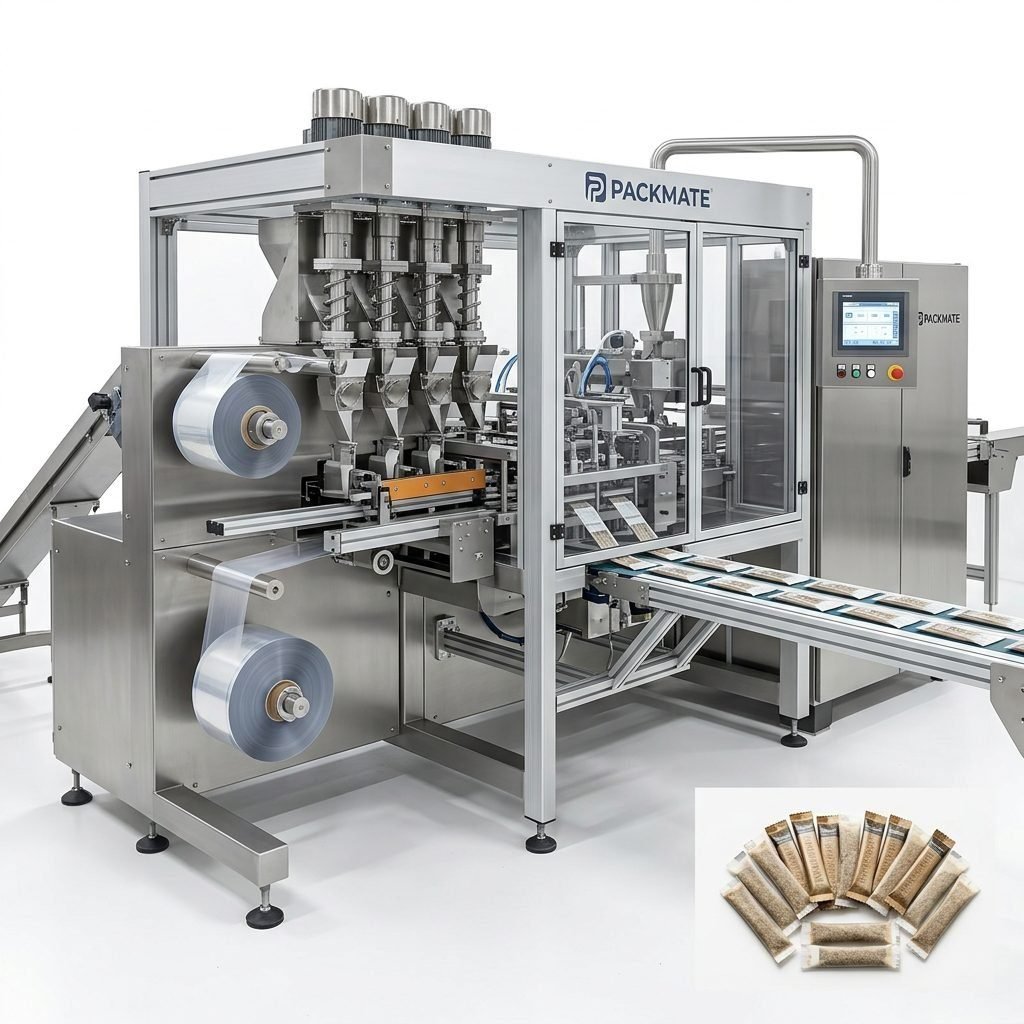
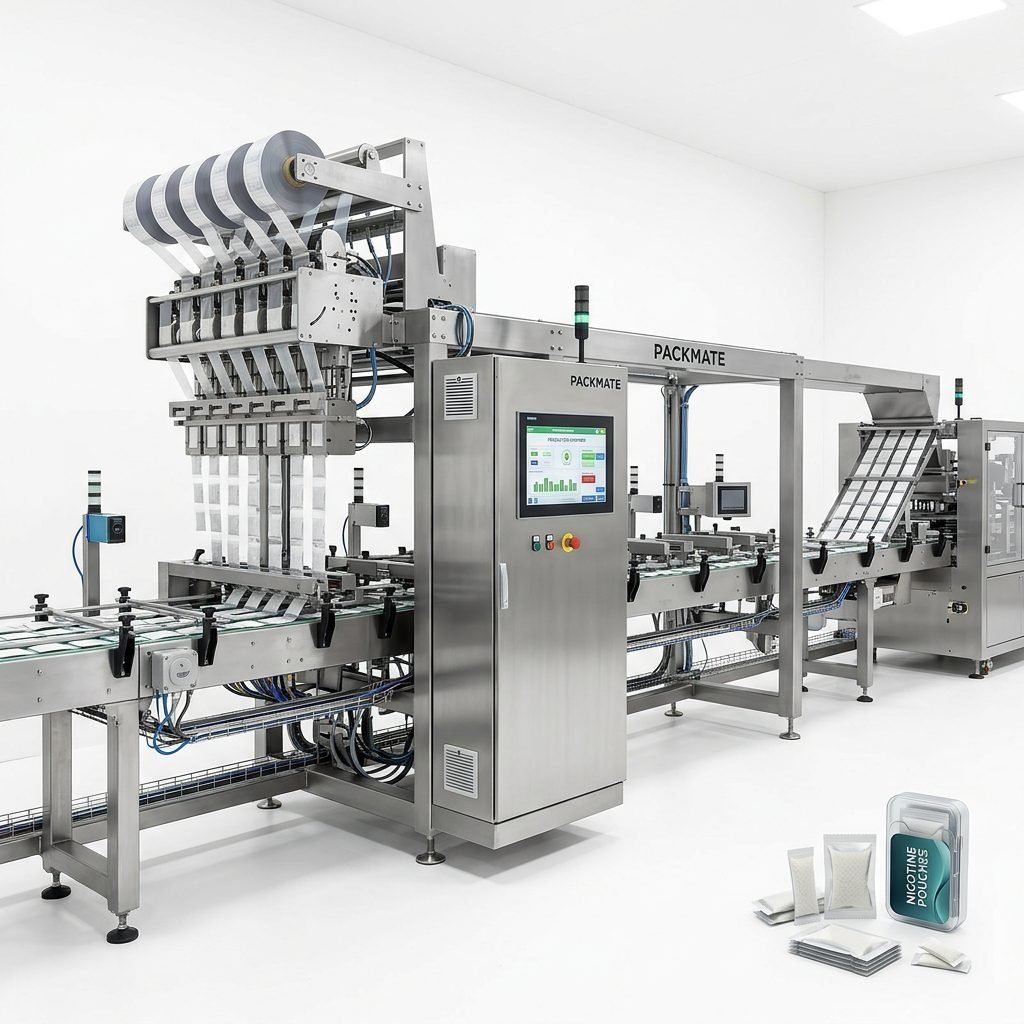
Different product formats need different equipment. For nicotine pouches and snus, look for machines that support small-dose pouch filling, multi-lane production, and high-precision weighing. Typical machine categories include stick pack, sachet, multi-lane pouch lines, and integrated weighing and feeding systems.
Precision filling and multi-lane options
Precise dose control reduces waste, ensures consistent product experience, and complies with weight tolerance requirements. Choose machines with advanced dosing systems, vibration feeders, or multi-head weighers when producing powder or granular nicotine pouches. Multi-lane systems increase throughput while saving floor space — a critical advantage if your Kyrgyz production runs need to be cost-competitive.
Integration and turnkey lines
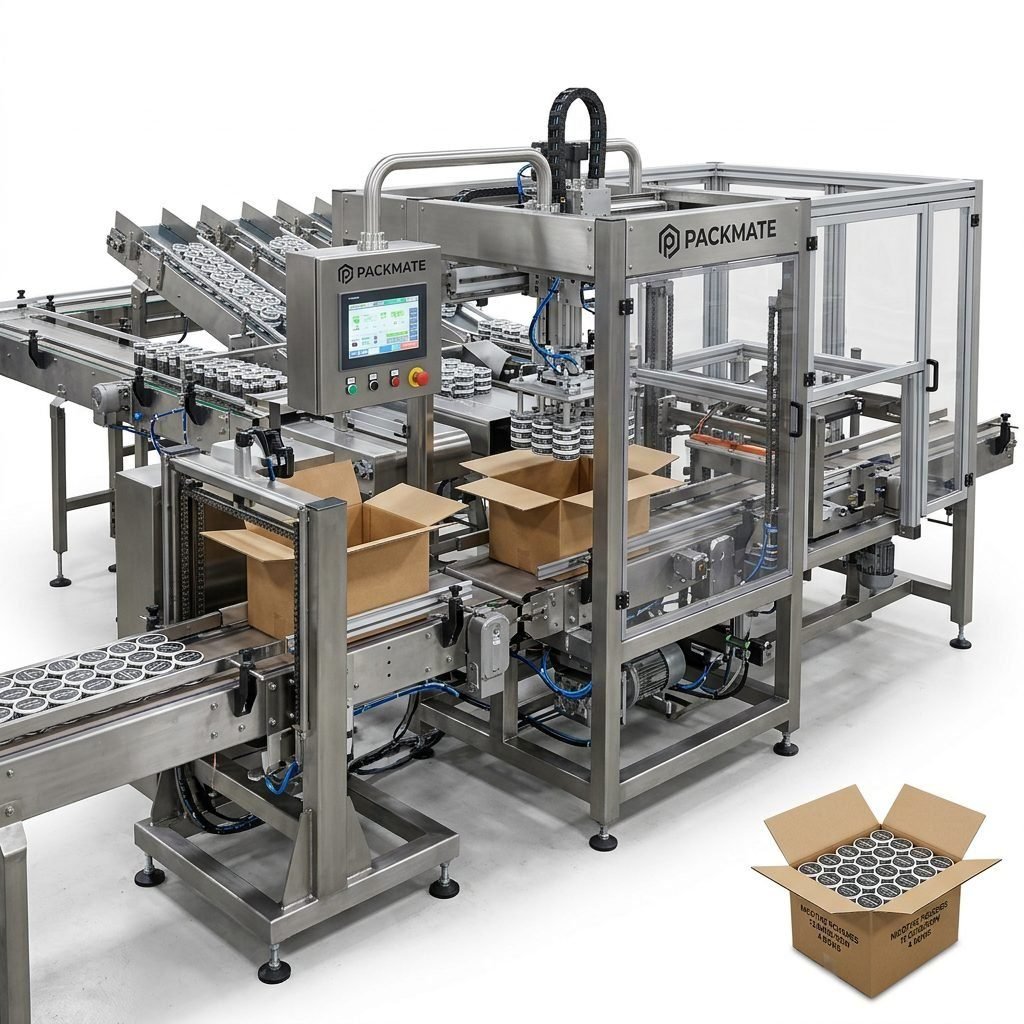
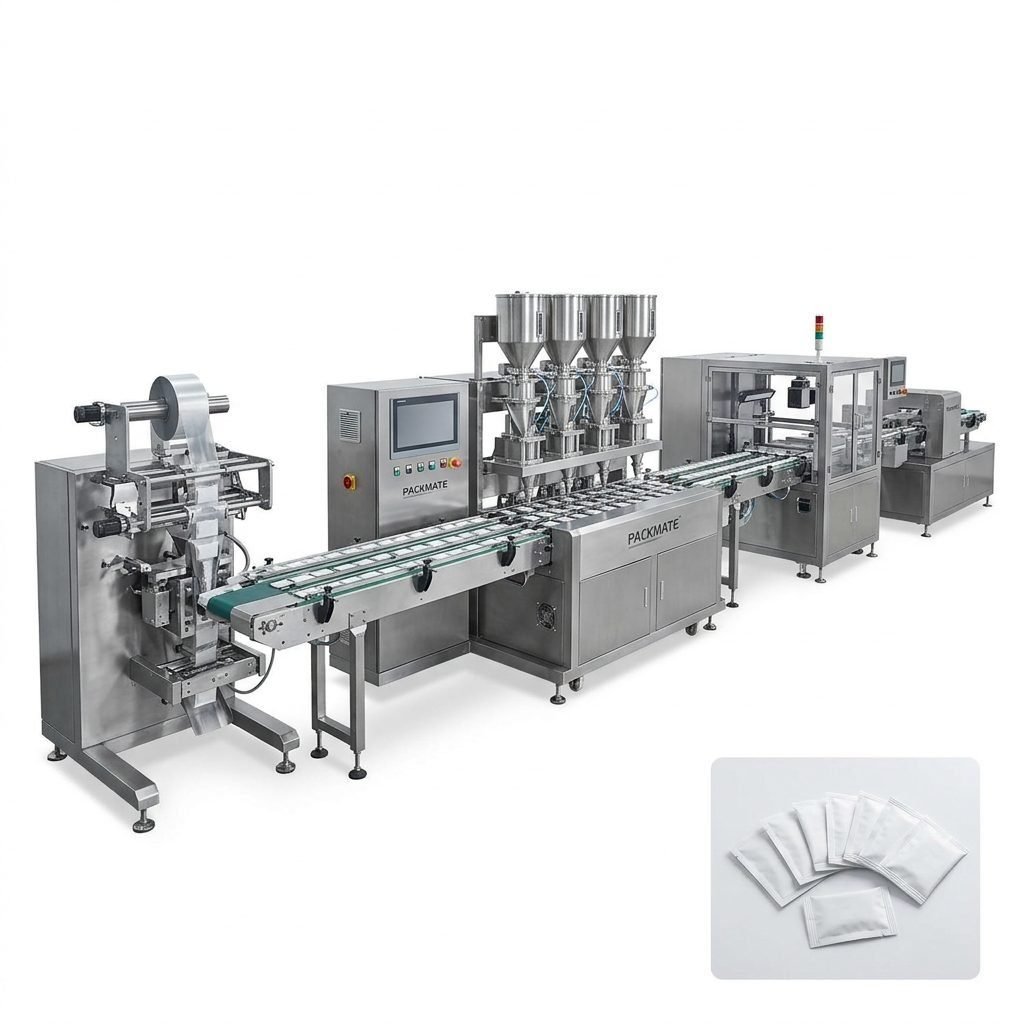
Consider suppliers who provide not just single machines but full integrated lines: feeding, filling, sealing, date-coding, and final packing. Turnkey solutions reduce coordination headaches, shorten commissioning time, and ensure components work seamlessly together. If you plan to scale seasonal volumes (for example, demand spikes during local holidays), a modular turnkey approach simplifies expansion.
Explore product pages for proven technologies: Snus & Nicotine Packaging Machines and Weighing & Packaging Systems to see real-world capabilities.
Quality, certification and service: non-negotiable criteria
Quality and service matter more than initial price. Machines for nicotine products should meet international standards. Look for suppliers with verified CE and ISO compliance, a clear quality control process, and documented factory acceptance testing (FAT).
Ask for certificates, FAT records, and references from customers in similar regulatory environments. A supplier that provides on-site installation, operator training in Russian or Kyrgyz, and accessible spare parts dramatically reduces downtime and total cost of ownership.
Factory strength, customization and experience
When sourcing equipment for Kyrgyzstan, factory capacity and engineering experience are critical. A supplier with large manufacturing facilities, advanced CNC machining centers, and a history of delivering multi-lane snus lines brings predictability to lead times and spare parts supply.
Packmate, for example, lists 30+ years of engineering experience, a 20,000㎡ factory, and 50+ machine models—attributes that reduce risk when ordering customized lines or faster replacements. Learn more on their company page: About Packmate.
Local logistics, payment methods and partnership considerations in Kyrgyzstan
Logistics to Kyrgyzstan typically route through Kazakhstan or direct sea-air routes. Delivery terms (Incoterms) must be explicit: who handles customs clearance, duties, and inland transport to Bishkek or Osh. For many buyers, having a supplier who can manage DDP or at least clear export documentation is a major plus.
Payment methods commonly used include bank T/T transfers, letters of credit for larger orders, and structured payments (deposit + balance at shipment). Negotiate clear warranty terms, defined spare parts lead times, and an agreed acceptance test (FAT/SAT) before final payment.
Language, training and cultural fit
The ability to provide manuals, training, and remote support in Russian or simple Kyrgyz is a practical advantage—operators respond better to in-language instruction. Be mindful of local business practices: face-to-face meetings, clear timelines, and relationship building can go a long way in Central Asian markets.
Supplier evaluation checklist (use this when assessing quotes)
📌 Factory capability: plant size, CNC equipment, production capacity, model range.
✅ Quality assurance: CE/ISO certificates, FAT reports, durability testing.
⚠ After-sales & spares: spare parts list, local stock options, remote diagnostics.
📌 Customization & scalability: multi-lane upgrades, modular add-ons, software controls.
✅ References & cases: similar projects in nearby markets, exhibition demonstrations.
Negotiation and contracting tips
When negotiating, clarify lead times, performance acceptance criteria, and penalty clauses for missed delivery if critical. Include a clear FAT process (video records, witnessed testing) and define packaging standards for sea/air shipments to Kyrgyzstan’s climate, including moisture protection for long transits.
Request spare parts kits for quick consumables (sealing jaws, belts, sensors) and negotiate discounted shipping for urgent parts. Agree on remote support hours that align with Kyrgyzstan time zones and ensure phone/online support in Russian if needed.
Why a supplier like Packmate can be a strong choice
Suppliers with deep experience in snus and nicotine pouch equipment bring focused expertise. Packmate highlights over 30 years of engineering experience, a 20,000㎡ factory, and a broad product portfolio including multi-lane snus pouch machines, stick pack and sachet lines. These strengths translate into predictable quality, shorter customization cycles, and reliable spare parts support.
Review case studies and machine specifications to confirm they match your production targets: Case and product pages like Bag & Pouch Packaging Machines provide tangible examples of delivered lines. If you are ready to discuss a tailored solution, reach out via Contact Us.
Practical steps to finalize your supplier selection
1. Prepare a detailed specification sheet: product format, target speed (packs/min), tolerance, packaging materials, and desired automation level. 2. Request machine videos and FAT records. 3. Visit the factory if possible, or schedule live virtual demos to verify capabilities. 4. Confirm spare parts lists, service SLA, and training scope. 5. Finalize contract terms: warranty period, acceptance criteria, penalties, and payment milestones.
A well-documented procurement process reduces surprises during installation and ramp-up. Localizing labels and operator interfaces to Russian/Kyrgyz and planning for spare parts inventory in Bishkek will keep operations smooth.
Final recommendations
• Prioritize suppliers with verified CE/ISO compliance and documented FAT.
• Favor manufacturers with large factories and CNC capabilities for faster spare parts and custom requests.
• Insist on operator training in Russian/Kyrgyz and a spare parts kit for the first year.
• Evaluate companies that offer turnkey lines to simplify commissioning and warranty responsibilities.
Making the right supplier choice in Kyrgyzstan means balancing technical capability, local logistics, cultural fit, and reliable after-sales service. With careful evaluation against the checklist above, you can select a partner who supports both initial production and future growth.
Frequently Asked Questions
Q: What certifications should I require from a nicotine packaging machine supplier for Kyrgyzstan? — A: Request CE and ISO certificates, FAT documentation, and evidence of compliance with electrical and safety standards. These certifications speed customs clearance and demonstrate manufacturing quality.
Q: How important is spare parts availability and local support? — A: Extremely important. Fast access to consumables and critical spare parts reduces downtime. Choose suppliers who provide spare kits, remote diagnostics, and training in Russian/Kyrgyz.
Q: Should I buy a single machine or a turnkey line? — A: If you want faster ramp-up and fewer integration issues, a turnkey line is preferable. Single machines can be cost-effective for pilots or phased expansion but require more coordination.
Q: What payment terms are typical for Kyrgyz buyers? — A: Common terms are deposit by T/T with balance before shipment, or a letter of credit for larger purchases. Negotiate payment tied to FAT and documented acceptance tests.
Q: How can I verify a supplier’s claims before ordering? — A: Ask for machine demo videos, FAT reports, customer references in similar markets, and, if possible, a factory visit or virtual walkthrough. Verify certificates and request detailed spare parts lists.