Choosing the right nicotine packaging machine supplier in Denmark is a strategic decision that affects product quality, regulatory compliance, operational efficiency, and long-term costs. This guide walks you through practical steps and Denmark-specific considerations so you can evaluate suppliers with confidence and select the best partner for your nicotine pouch or snus packaging line.
Understand the Danish Market & Regulatory Context
Denmark follows EU regulations and Danish authorities are stringent when it comes to products that contain nicotine. Before you evaluate machines, confirm the supplier understands the Tobacco Products Directive (TPD) and the local rules affecting nicotine pouches, labeling and safety. Danish buyers also expect suppliers to prioritize sustainability, energy efficiency, and compact layouts that fit modern, often space-conscious production facilities.
Why this matters for your business
⚠️ Non-compliant machines can cause costly production delays and legal headaches. Choose a supplier who can provide CE and ISO certification documentation and has experience delivering to European markets.
🔎 Quick check: Ask for past European installations, CE/ISO certificates, and references from clients in Denmark or nearby EU countries.
Key Technical Capabilities to Verify
When comparing suppliers, focus on technical features that impact throughput, product integrity and process stability:
Production flexibility
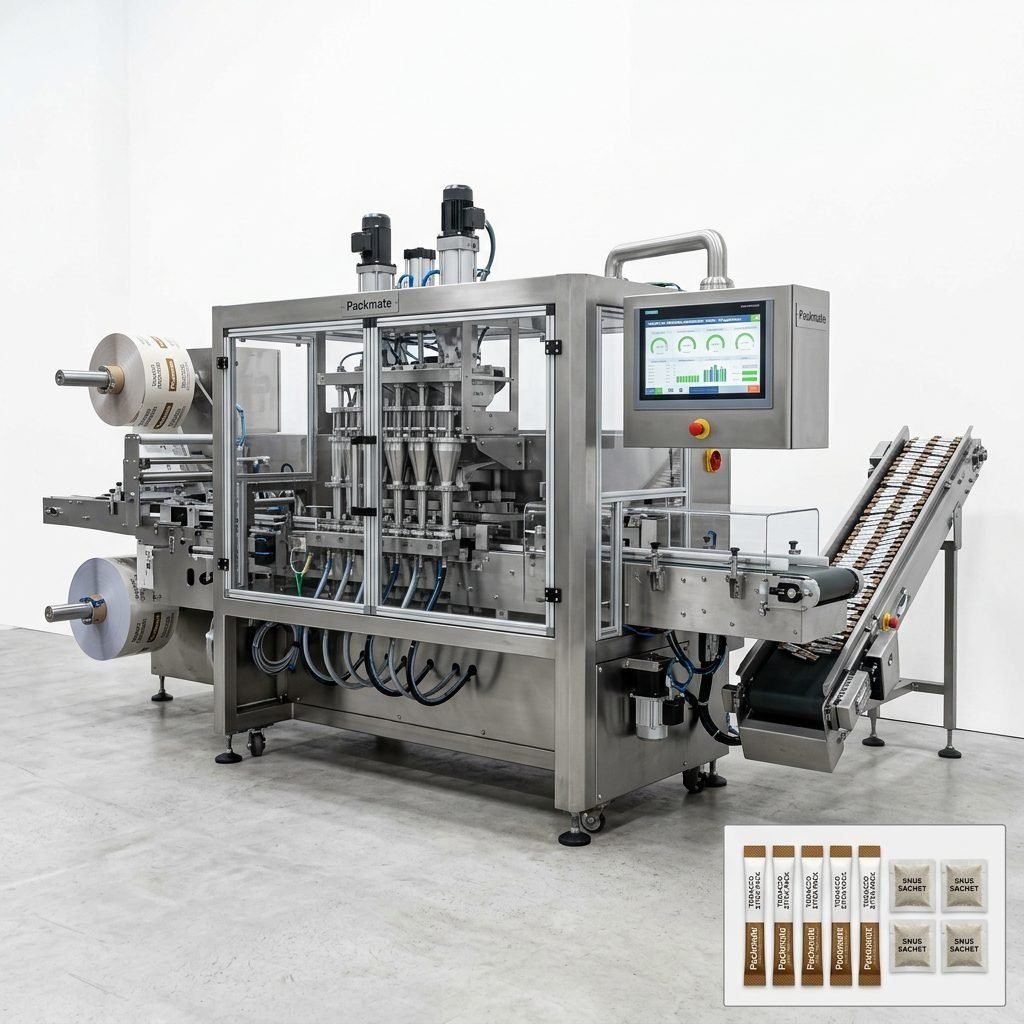
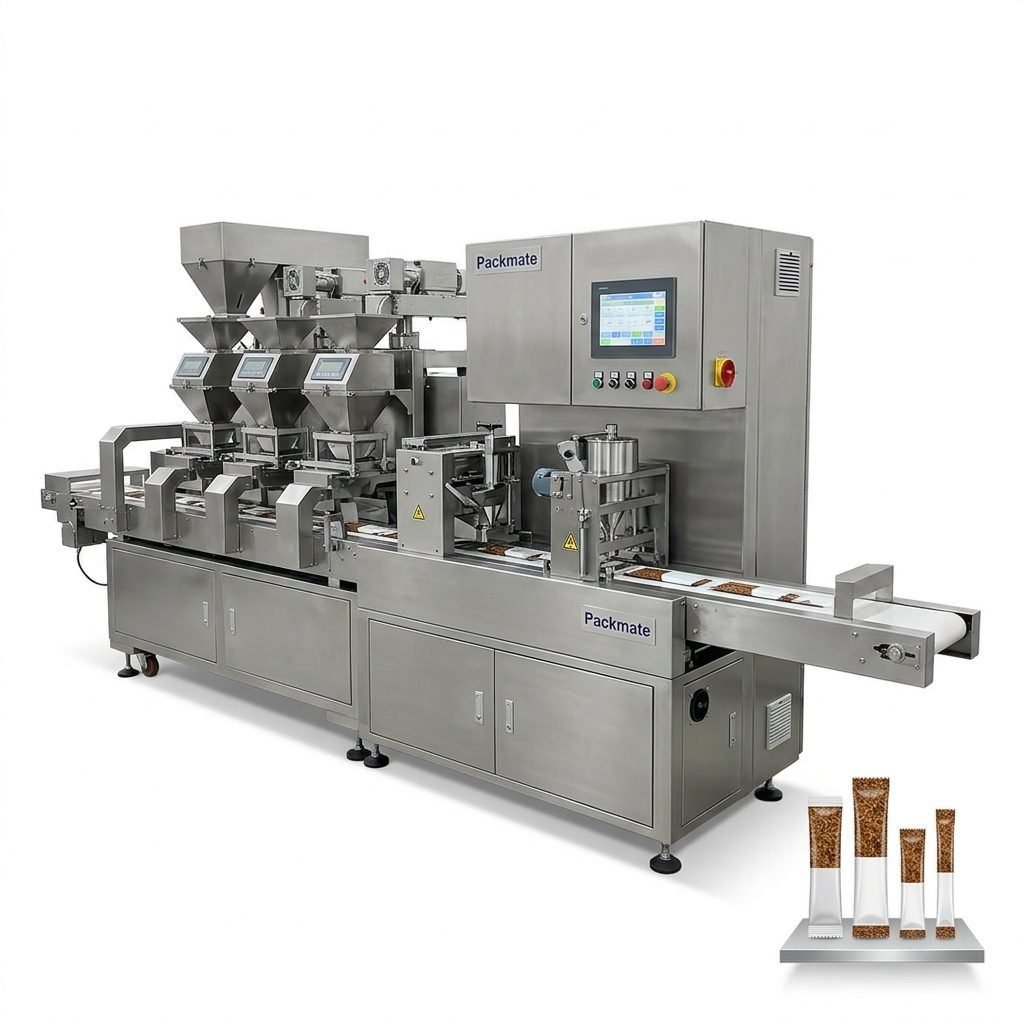
Can the machine handle the pouch sizes, fill weights and formats you require (single-lane, multi-lane, stick pack, sachet)? A supplier with modular solutions will let you adapt capacity as demand evolves.
Precision & consistency
For nicotine pouches, dosing accuracy and consistent sealing are critical. Look for high-precision dosing systems and stable sealing technologies, backed by performance data such as standard deviation of fill weight and sealing integrity test results.
Hygiene & material compatibility
Stainless steel contact parts, smooth surfaces for easy cleaning, and compatibility with food-grade or pharma-grade materials are essential to avoid cross-contamination and maintain product quality.
✅ Tip: Request technical datasheets, performance test reports and if possible a video of the exact machine model running nicotine pouches.
Evaluate Supplier Experience & Track Record
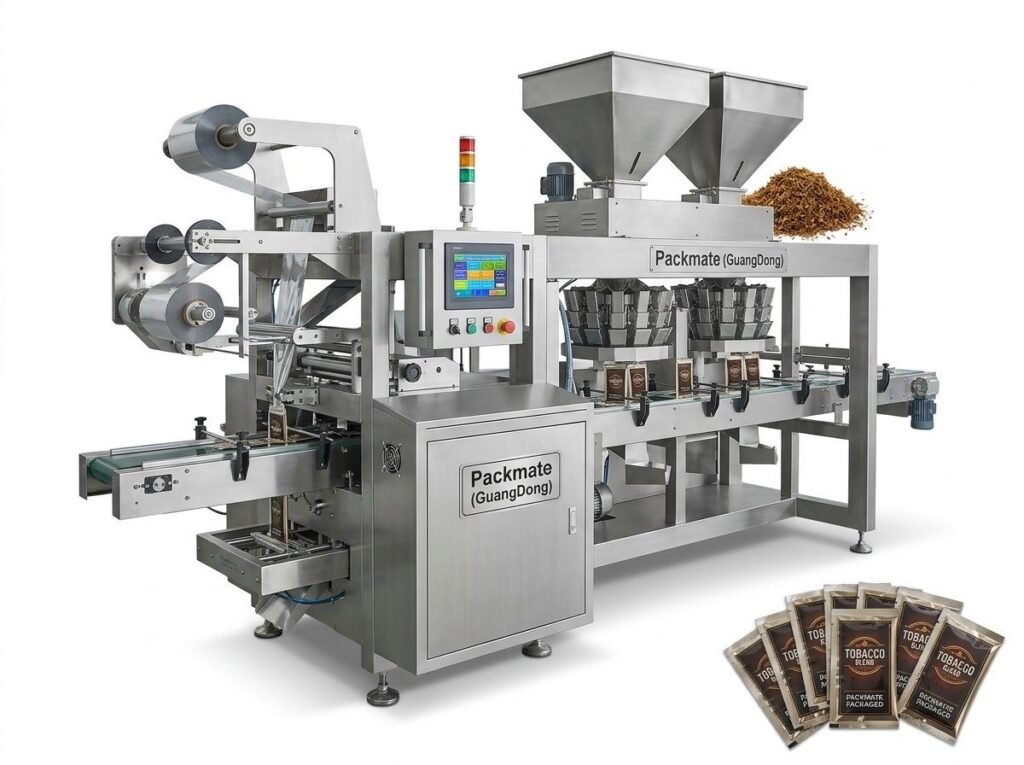
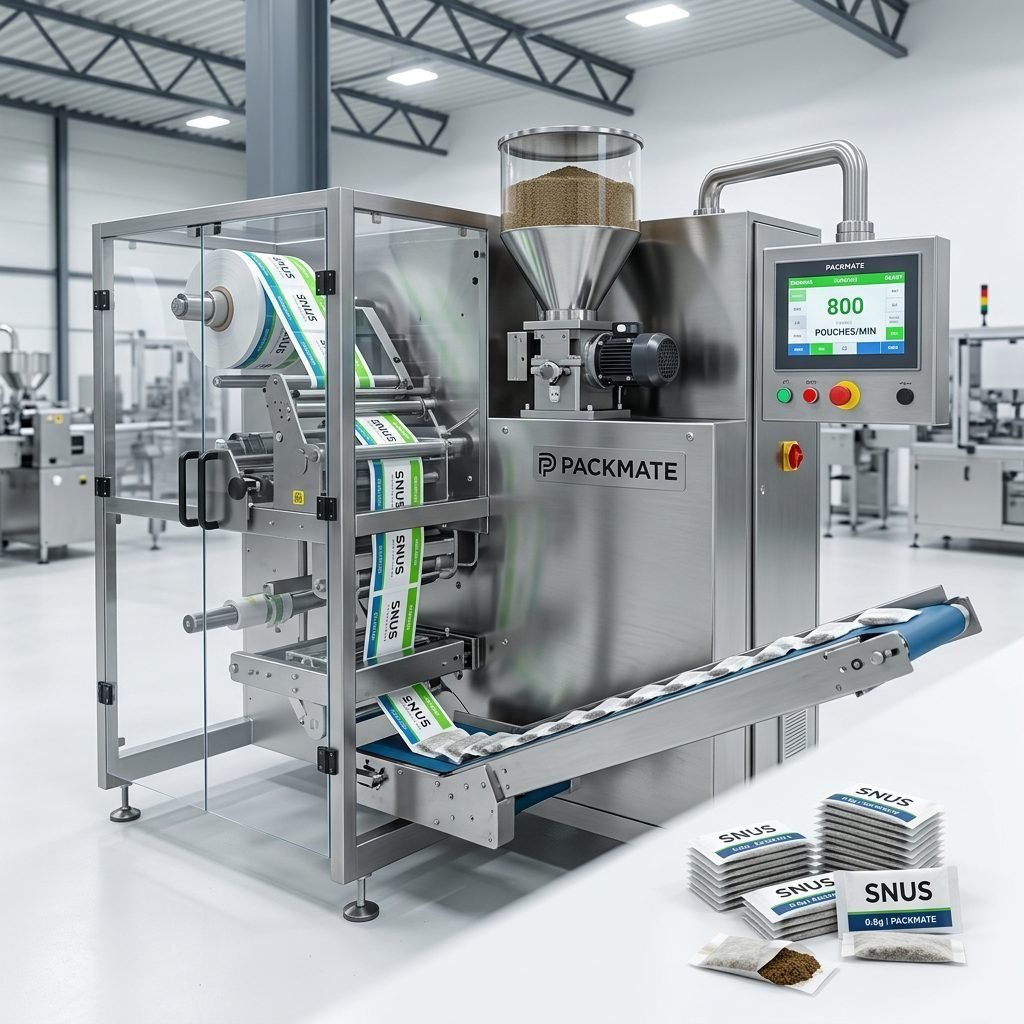
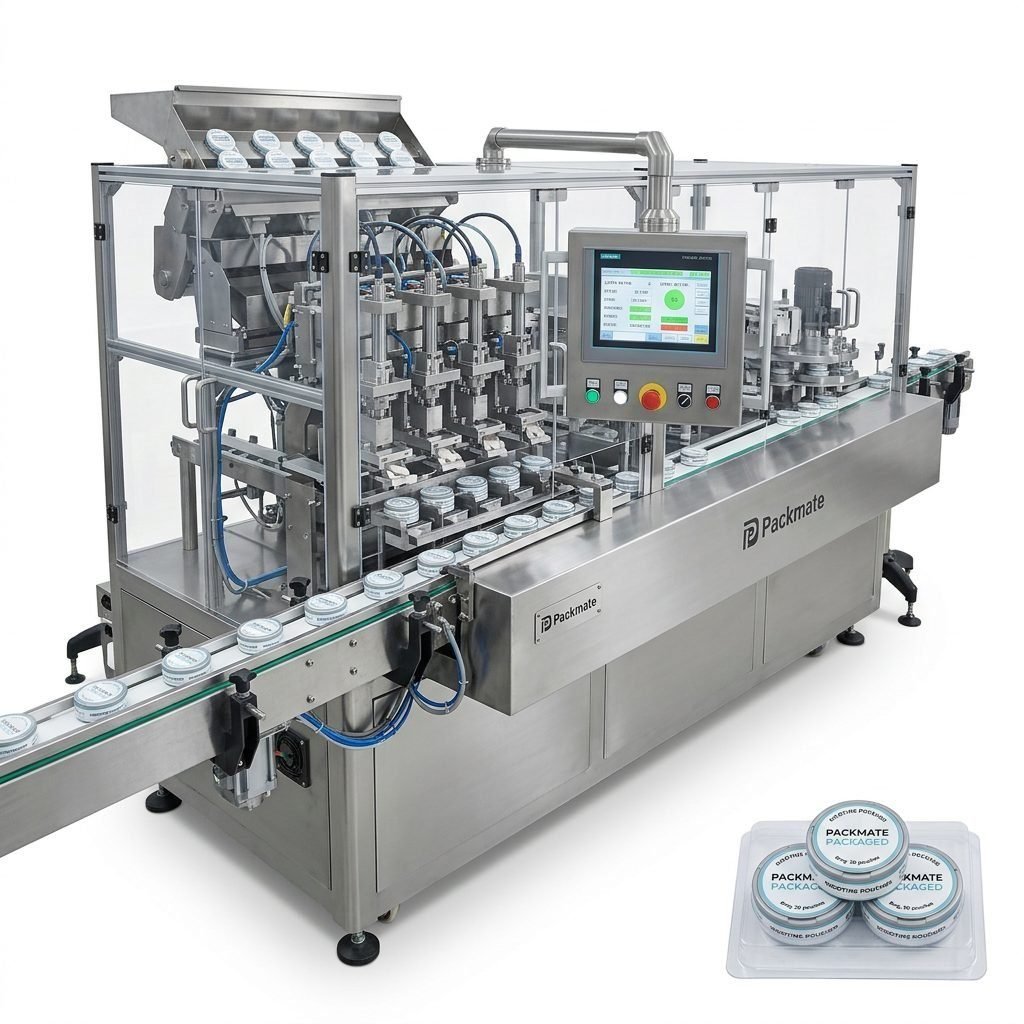
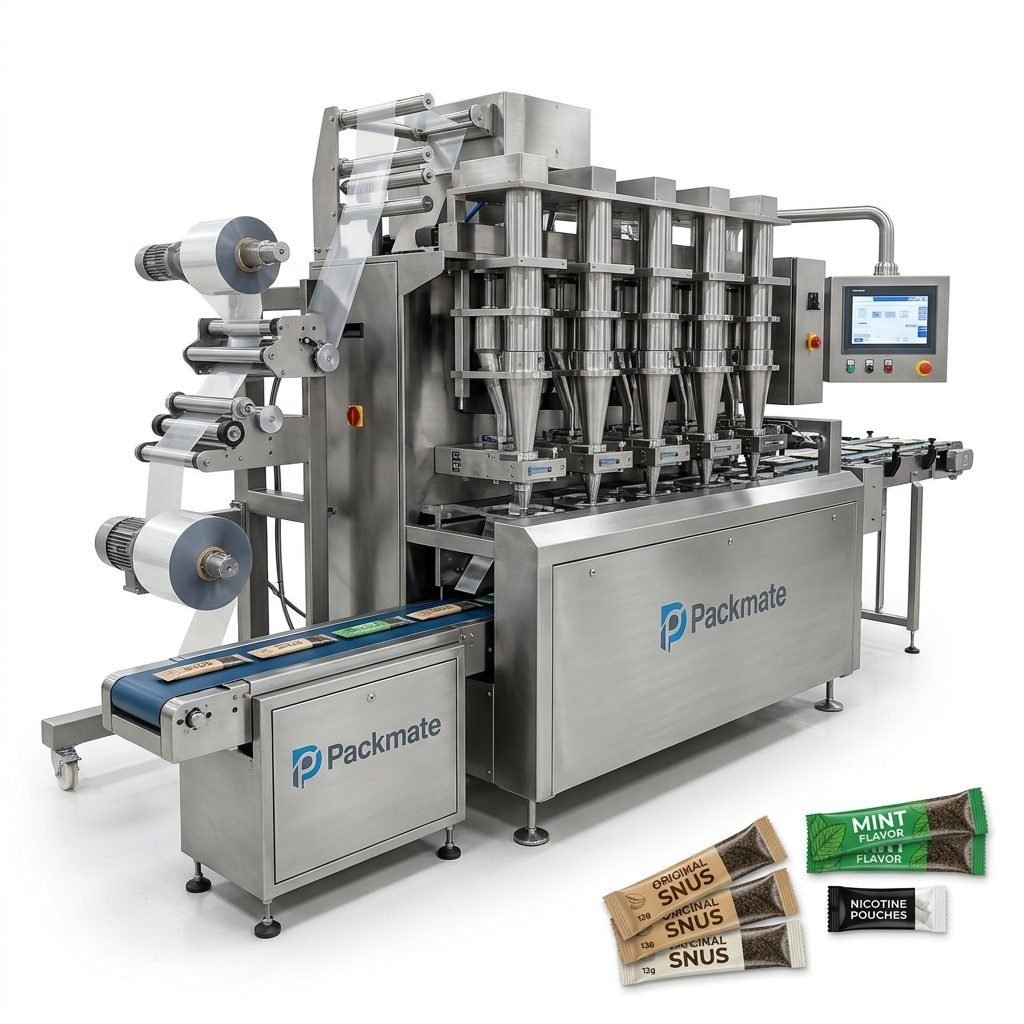
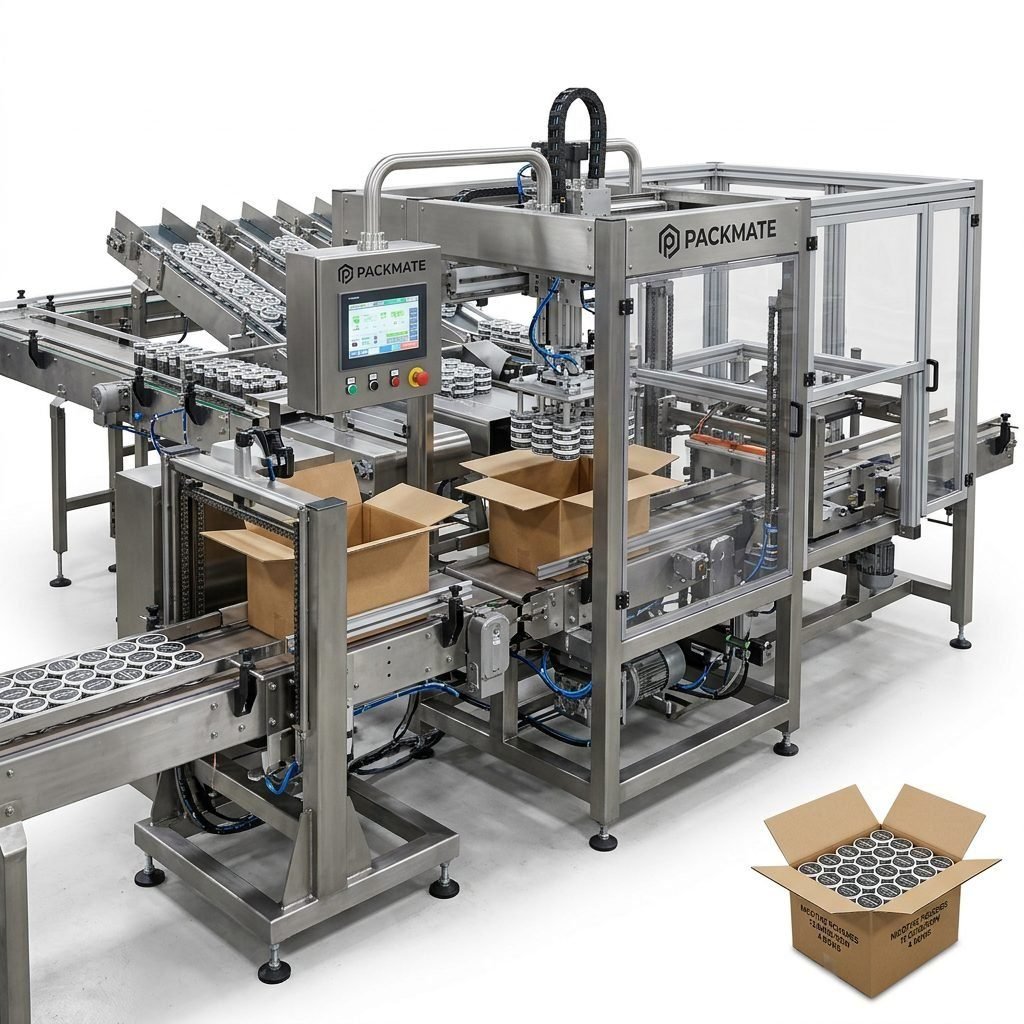
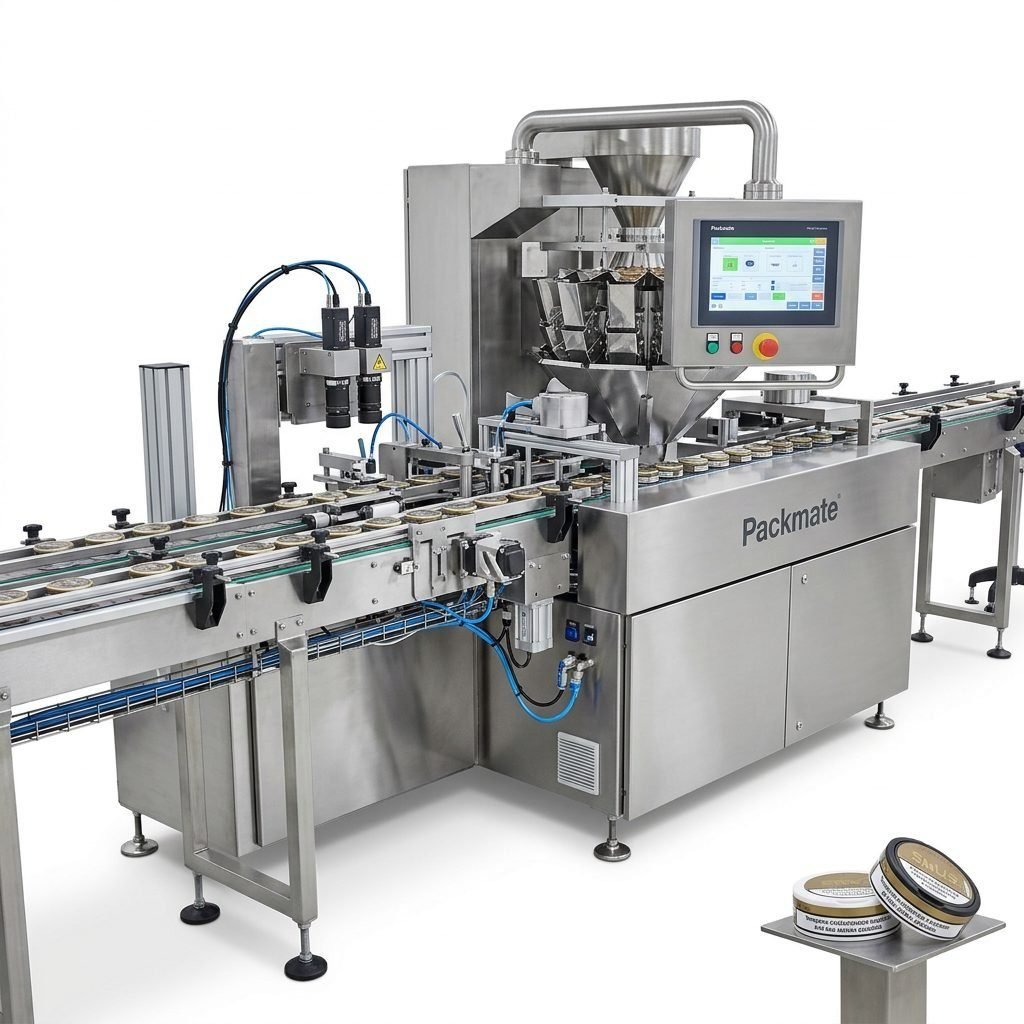
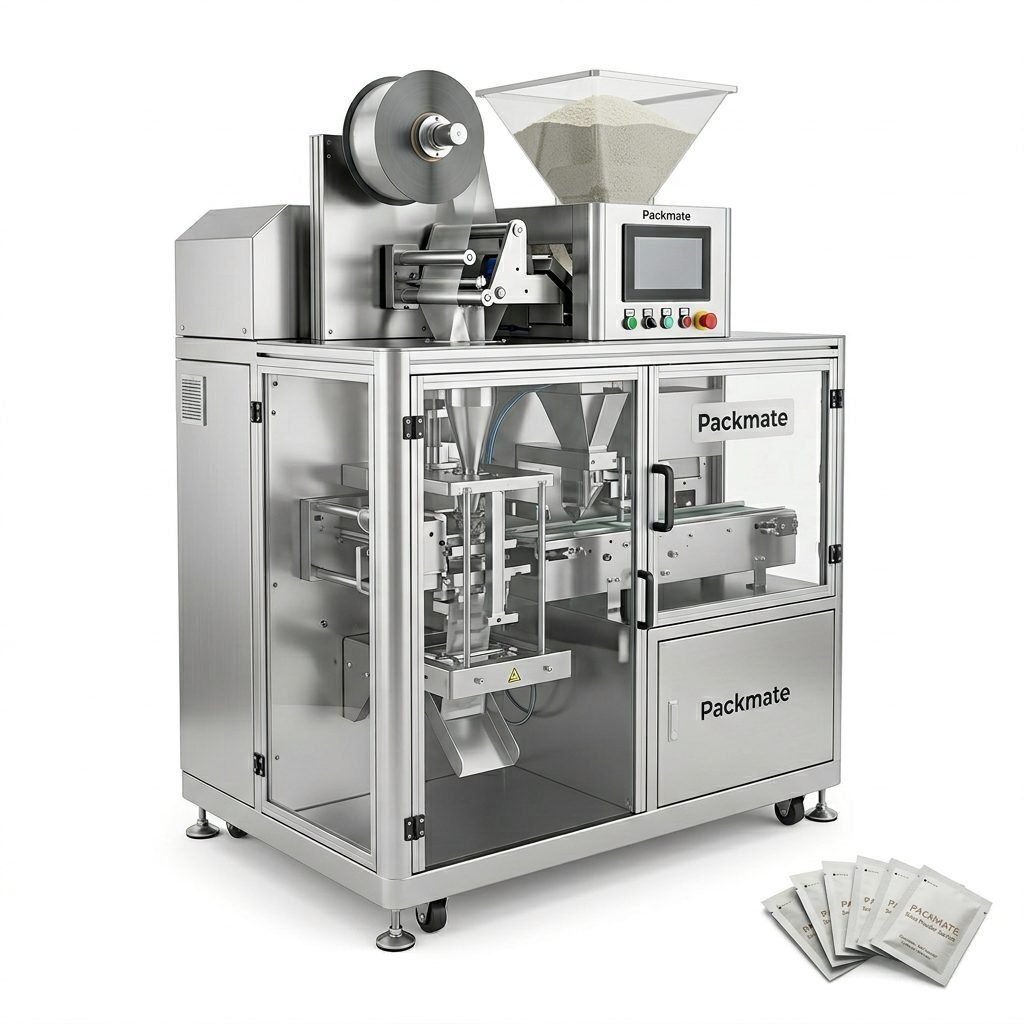
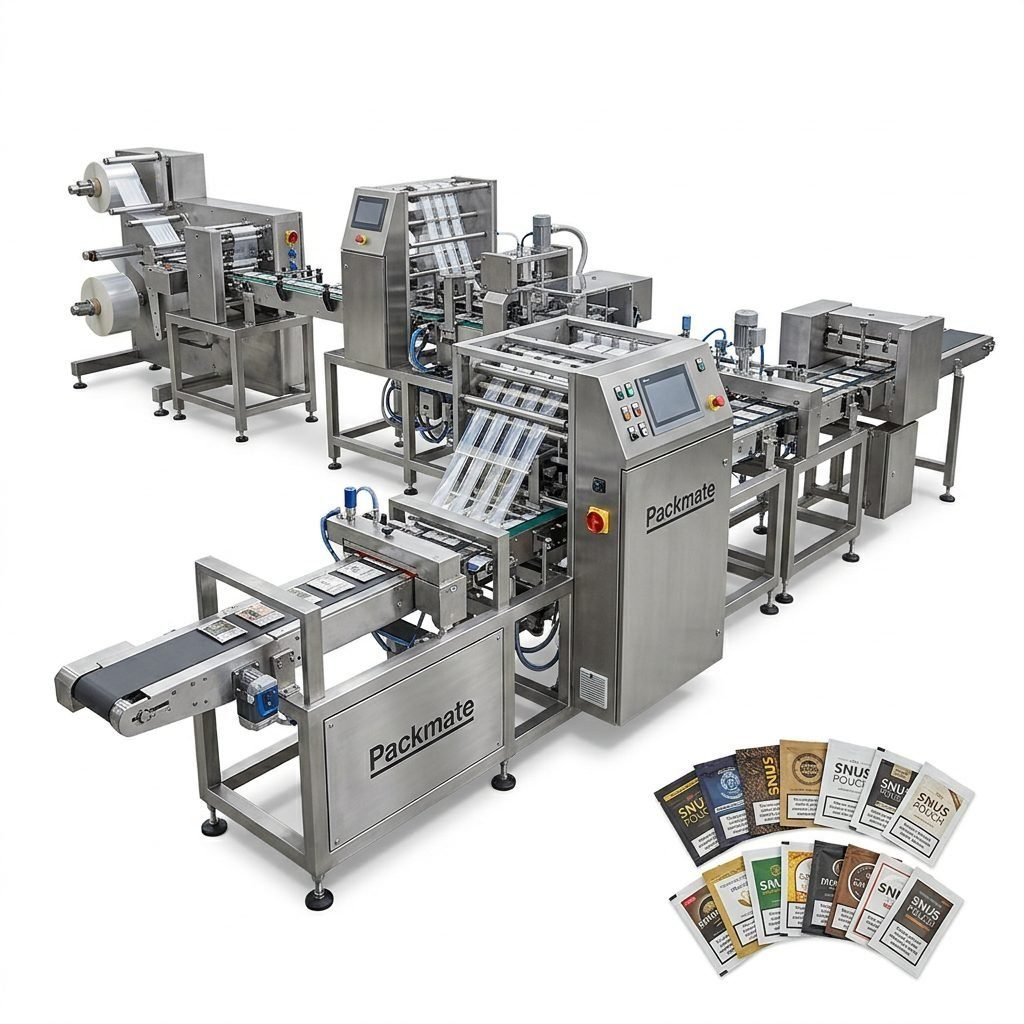
A strong track record is a reliable indicator of a supplier’s ability to deliver. Suppliers with decades of engineering experience and a wide product range will usually offer better support and mature designs. For example, suppliers like Packmate Snus Machine highlight 30+ years of industry experience and a range of models designed for nicotine pouch production.
Explore case studies and exhibition history to see real deployments and customer use-cases. Packmate provides case references and exhibition participation that can be reviewed for confidence in real-world performance.
Useful links for technical review:
- Snus & Nicotine Packaging Machines
- Bag & Pouch Packaging Machines
- About Packmate
- Contact the Manufacturer
Service, Spare Parts & Local Support in Denmark
Danish companies expect responsive service and reliable spare parts supply. Confirm lead times for critical spares, whether the supplier stocks parts in Europe, and the availability of remote diagnostics and training. A supplier offering on-site installation, commissioning and operator training will reduce ramp-up time.
Logistics & customs considerations
Denmark’s well-connected ports (Copenhagen, Aarhus) make shipping manageable, but ensure the supplier is familiar with EU customs, VAT handling, and any import documentation required for machinery. Ask for shipping options, DDP pricing, and expected delivery windows.
🔧 Practical ask: Request a spare parts list and expected delivery times for the first 2 years. Faster parts support in Europe can significantly lower downtime risk.
Sustainability, Energy Efficiency & Danish Preferences
Denmark places high value on green manufacturing. Suppliers who optimize energy use, minimize material waste and offer recyclable packaging solutions will align with Danish procurement priorities. Ask for energy consumption figures and material-saving features such as precision dosing that reduces product waste.
Long-term partnership mindset
Danish companies typically favor long-term, transparent supplier relationships. Evaluate whether the supplier provides clear warranty terms, training packages and regular updates—traits that indicate they see customers as partners rather than one-time buyers.
Total Cost of Ownership (TCO) vs. Initial Price
While an attractive purchase price is important, focus on the TCO—maintenance frequency, spare parts cost, energy usage, and expected uptime. A higher-quality machine with lower downtime and energy consumption often pays back quickly in a Danish production context where reliability and consistency are highly valued.
Ask for a detailed cost breakdown
Request an itemized quotation that includes installation, training, spare parts kits, and an estimated annual maintenance budget. Compare these values across suppliers rather than focusing solely on the machine’s sticker price.
Factory Visits, Trials & Acceptance Tests
If possible, visit the supplier’s factory or ask for a live demonstration with your product. Well-documented factory acceptance tests (FAT) and site acceptance tests (SAT) ensure the machine will perform under your production conditions.
📦 FAT checklist: test speed, fill accuracy, sealing quality, rejection systems, and cleanability. Insist on documented results before shipment.
Choosing a Local Integrator or Direct Manufacturer?
You can either work with a local Danish integrator who resells and supports foreign machines or purchase directly from the manufacturer. Direct purchases often grant cost advantages and easier customization, while local integrators provide fast on-site support and cultural familiarity. Evaluate which model fits your priorities for support speed and customization.
A balanced approach
Many Danish companies choose a hybrid model: buy from an experienced international manufacturer with proven EU deliveries, and engage a local service partner for day-to-day support and spare parts logistics.
Final Checklist Before You Sign
Use this concise checklist to validate suppliers:
- Compliance: CE, ISO and familiarity with EU nicotine regulations
- Performance data: speed, accuracy, uptime statistics
- Spare parts policy: European stock or fast shipping
- Service & training: clear scope and response times
- Energy & waste efficiency: documented figures
- References and FAT reports with your product type
If you want a supplier with a strong history in snus and nicotine packaging lines, review dedicated product pages and case studies to confirm they have the exact machine models you need. Packmate’s product portfolio showcases specialized solutions for nicotine pouch lines and multi-lane systems engineered for small-dose pouches.
Useful resources
For more detailed machine specifications and turnkey solutions, explore these links:
⚡ Pro move for Denmark: Prioritize suppliers who can demonstrate low-energy systems and recyclable packaging options — these often align with public procurement preferences and corporate sustainability goals.
By following the steps above—verifying regulatory knowledge, assessing machine performance, confirming service and spares, and aligning with Danish sustainability expectations—you’ll be well placed to choose a nicotine packaging machine supplier that supports reliable, compliant and efficient production.
Frequently Asked Questions
Q1: How important is CE certification when buying packaging machines for nicotine pouches in Denmark?
A1: CE certification is essential; it demonstrates conformity with EU safety and machine directives and is typically required for import and operation in Denmark.
Q2: Should I prefer multi-lane systems or single-lane machines for Danish production lines?
A2: Choose based on forecasted volume and flexibility needs. Multi-lane systems increase throughput and save floor space for high-volume runs, while single-lane systems may be more cost-effective for smaller batches or frequent product changes.
Q3: What service levels should I require from a supplier operating in Denmark?
A3: Require clear SLAs for response time, spare parts delivery windows for Europe, remote diagnostics, training and on-site commissioning. These guarantee minimal downtime and faster issue resolution.
Q4: How can I verify a supplier’s claims about energy efficiency and waste reduction?
A4: Request energy consumption data, waste statistics from previous customers, and test reports from factory acceptance tests. Ideally, compare figures across multiple suppliers.
Q5: Are there local resources in Denmark that can help with machine installation and certification checks?
A5: Yes. Local integrators, CE consultants and trade organizations can assist. Also, consider suppliers who already work with Danish customers or offer European support channels.