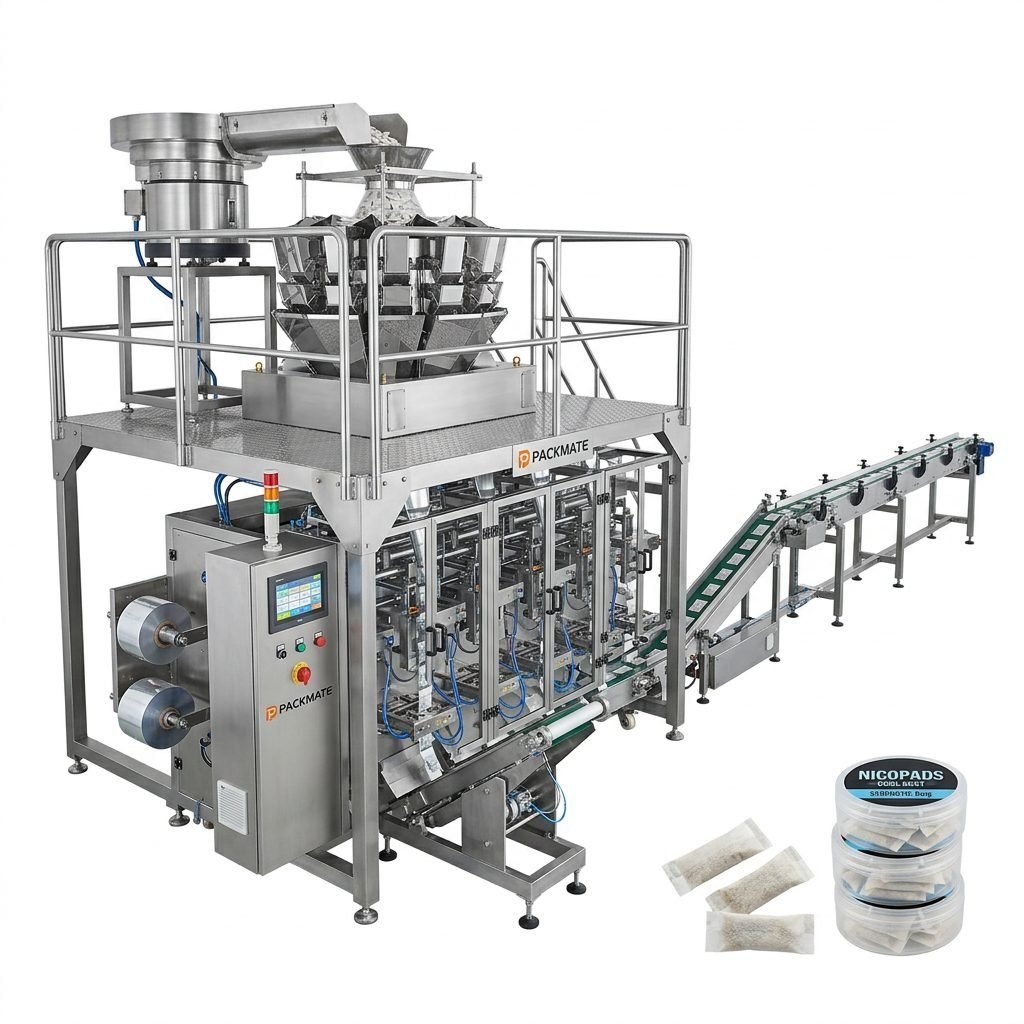
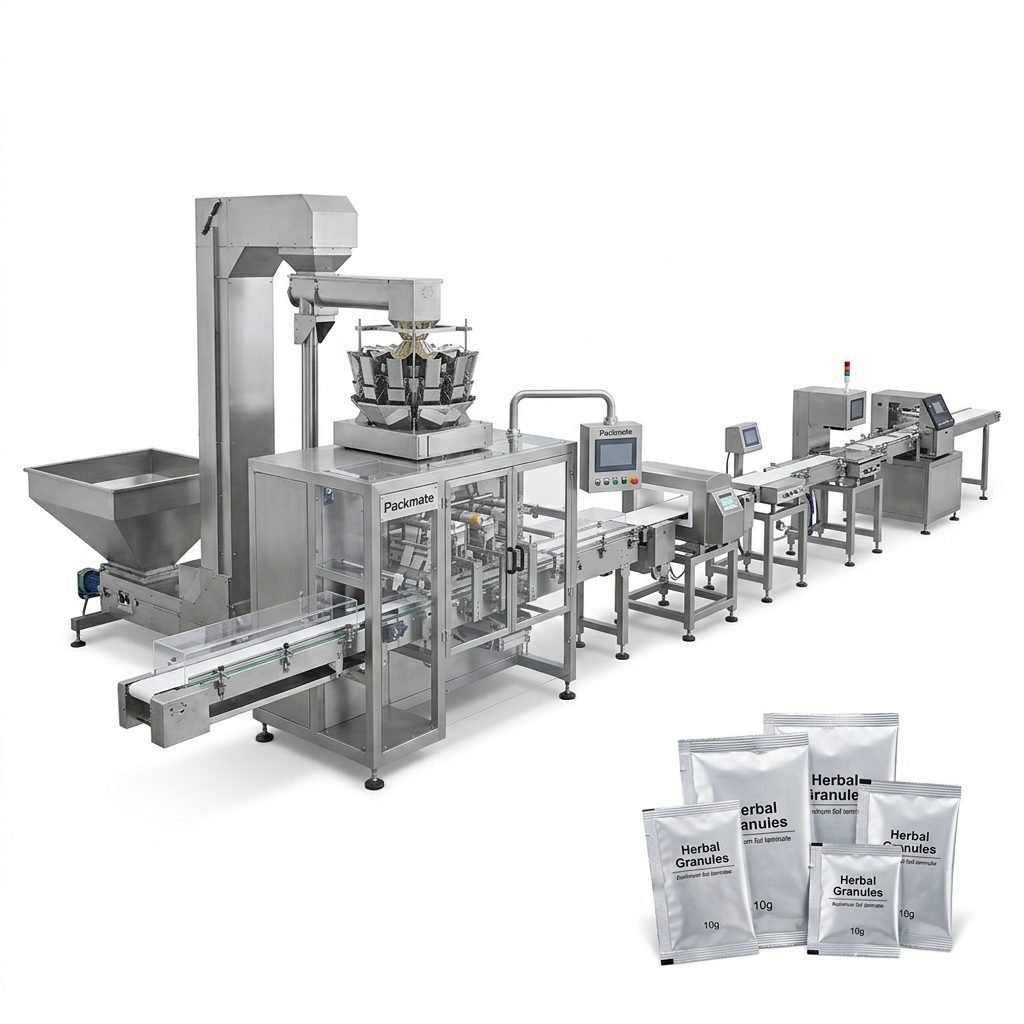
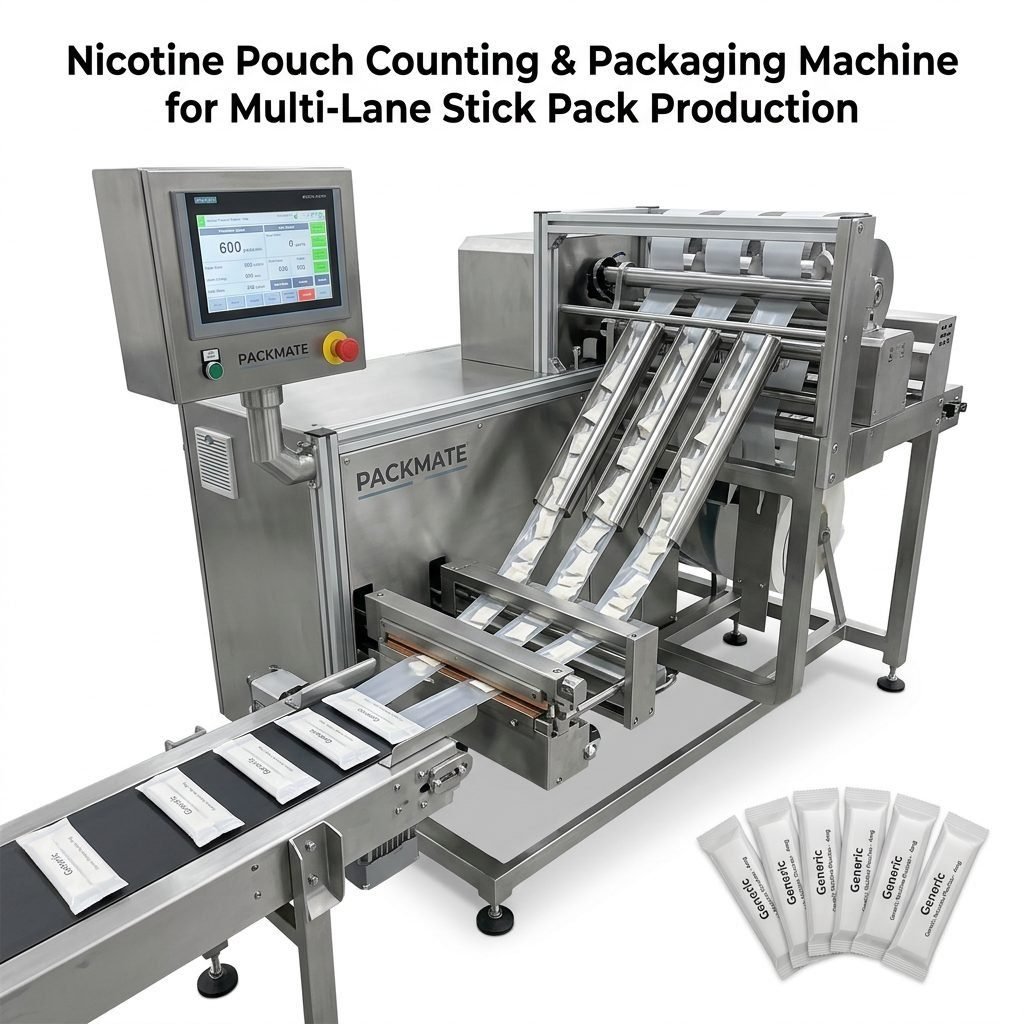
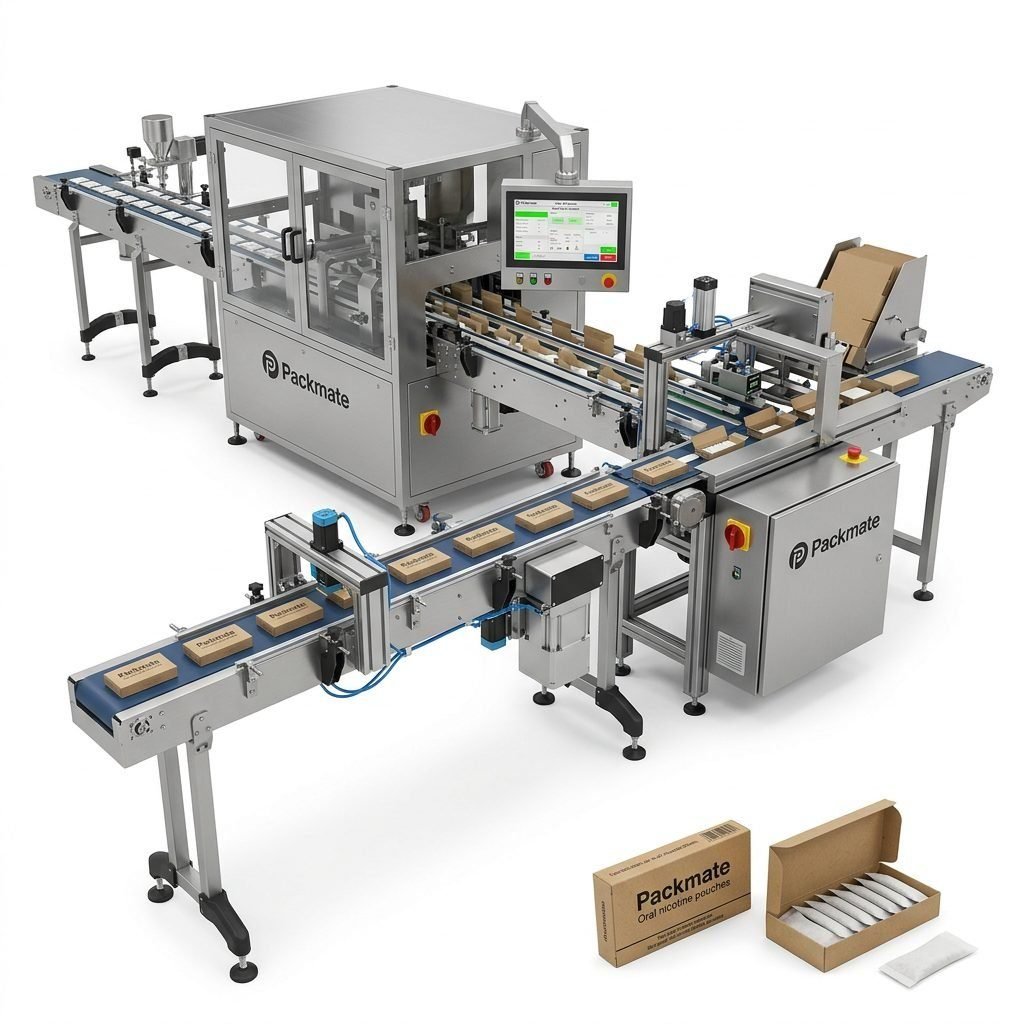
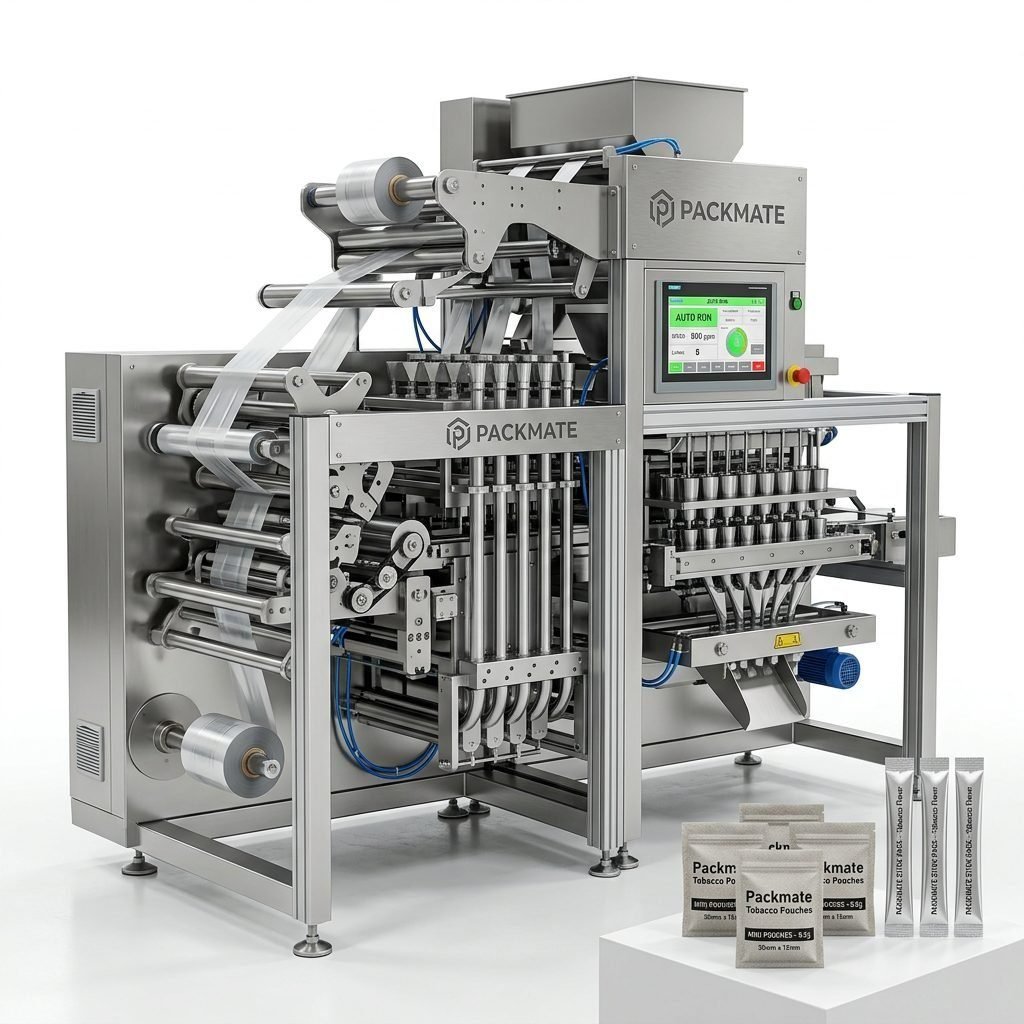
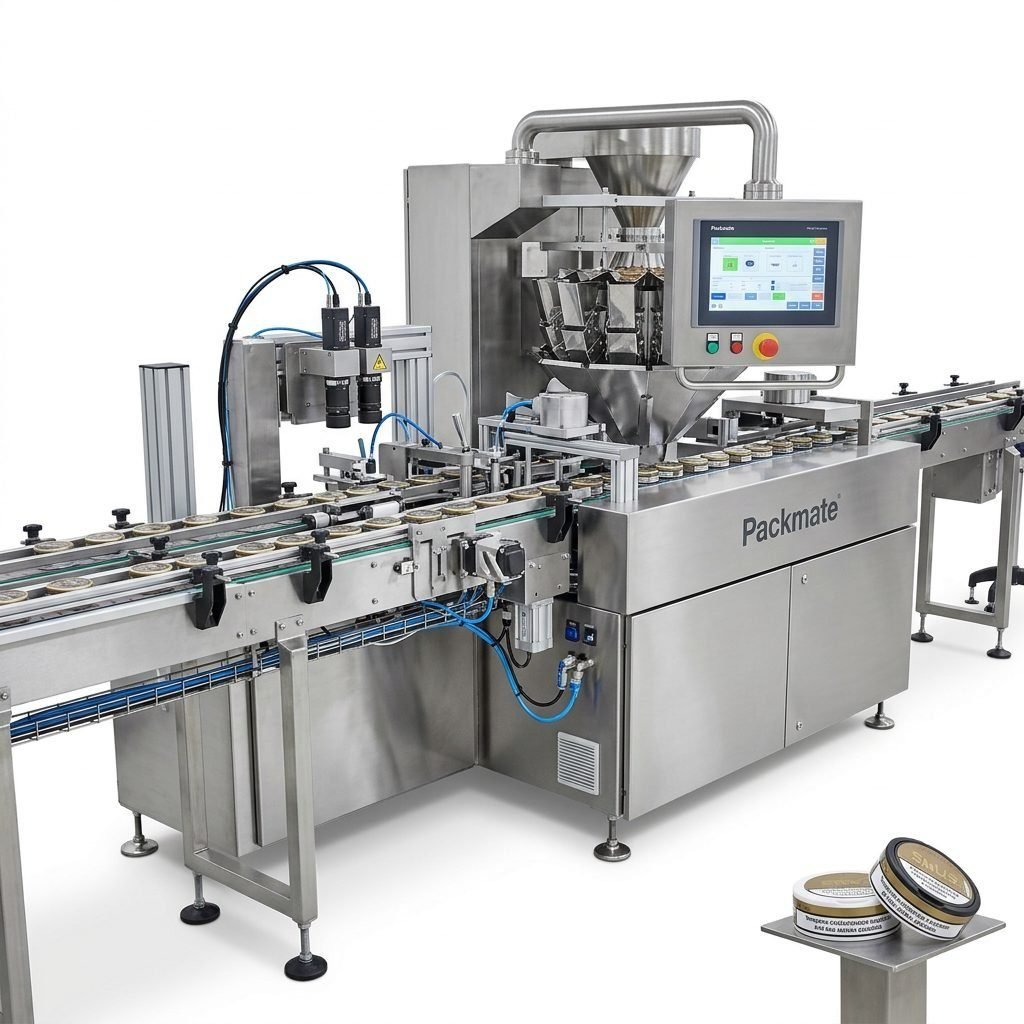
In Norway, where snus and nicotine pouches have a well-established cultural presence and strict regulatory oversight, choosing the right nicotine packaging machine supplier is both a strategic and operational decision. This guide walks Norwegian and international buyers through a practical selection process — from technical fit and compliance to after-sales support and total cost of ownership — with actionable steps tailored to Norway’s market preferences: high quality, environmental responsibility, and long-term reliability.
Understand Norway’s Market and Regulatory Context
Norway’s consumers expect premium packaging, consistent product experience, and sustainable materials. Although Norway is not an EU member, it often aligns with EU product safety standards and has its own strict rules covering nicotine products and consumer safety. When evaluating suppliers, prioritize those who understand local labeling requirements, CE marking, ISO compliance, and can advise on moisture barrier films, portion sizes, and child-resistant options suited to Norwegian retail channels.
Why local habits matter
In Scandinavian markets, minimalistic design, precise portion sizes, and environmental credentials are highly valued. A supplier that can produce small-dose multi-lane nicotine pouches or customizable stick packs with consistent dosing and low waste will be especially attractive to Norwegian brands aiming for market differentiation.
Match Machine Types to Your Product and Volume
Choosing the machine type is foundational. Common machine categories for nicotine pouches include multi-lane pouch machines, stick pack machines, and sachet machines. Each has trade-offs in throughput, flexibility, and investment:
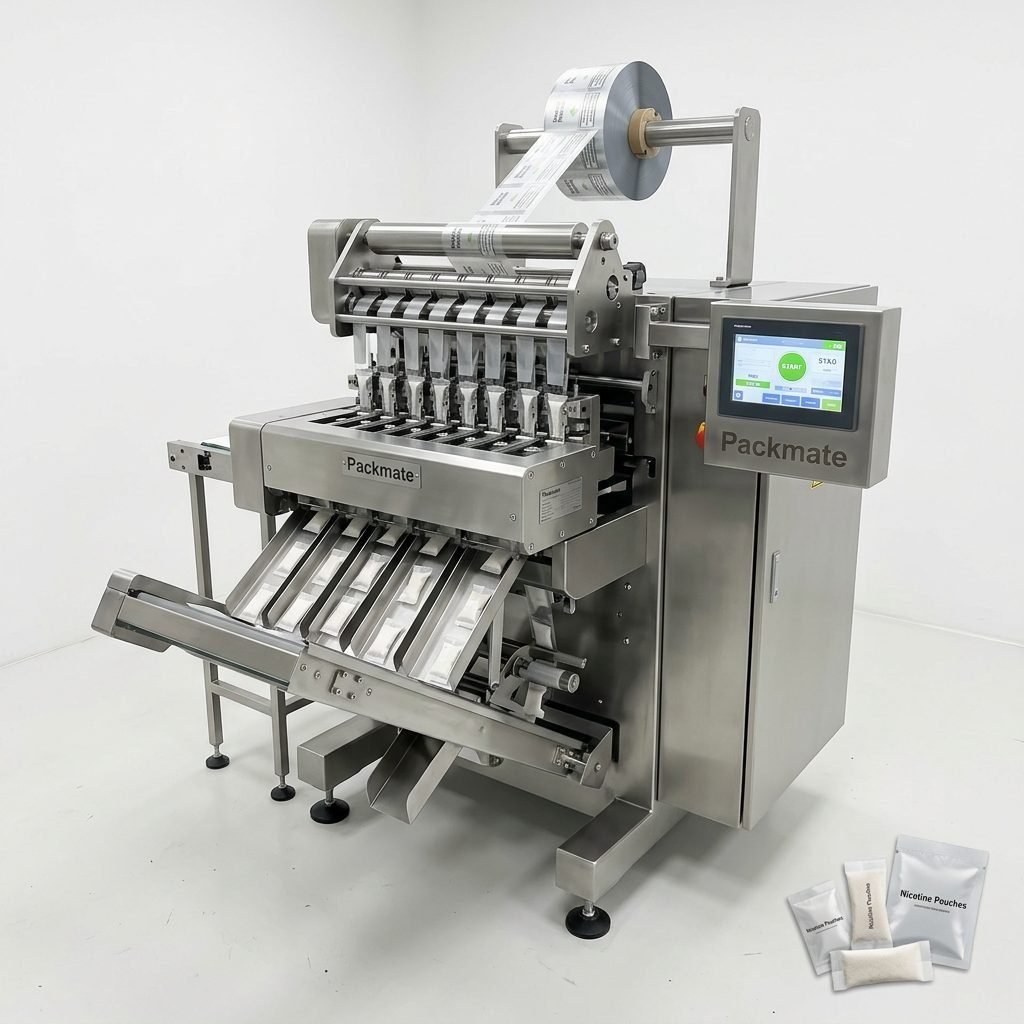
▶ Multi-lane pouch systems — ideal for high-volume, small-dose nicotine pouches. They optimize floor space and reduce per-unit cost at scale.
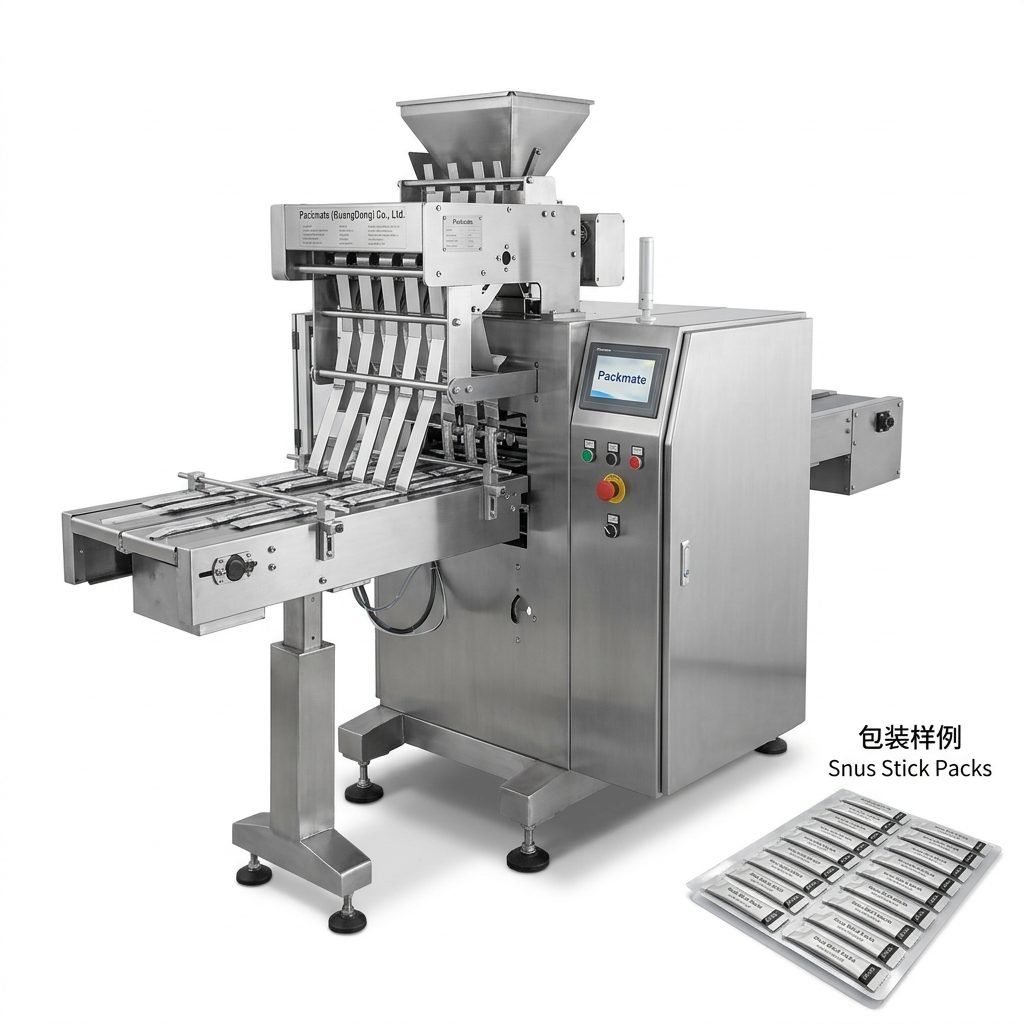
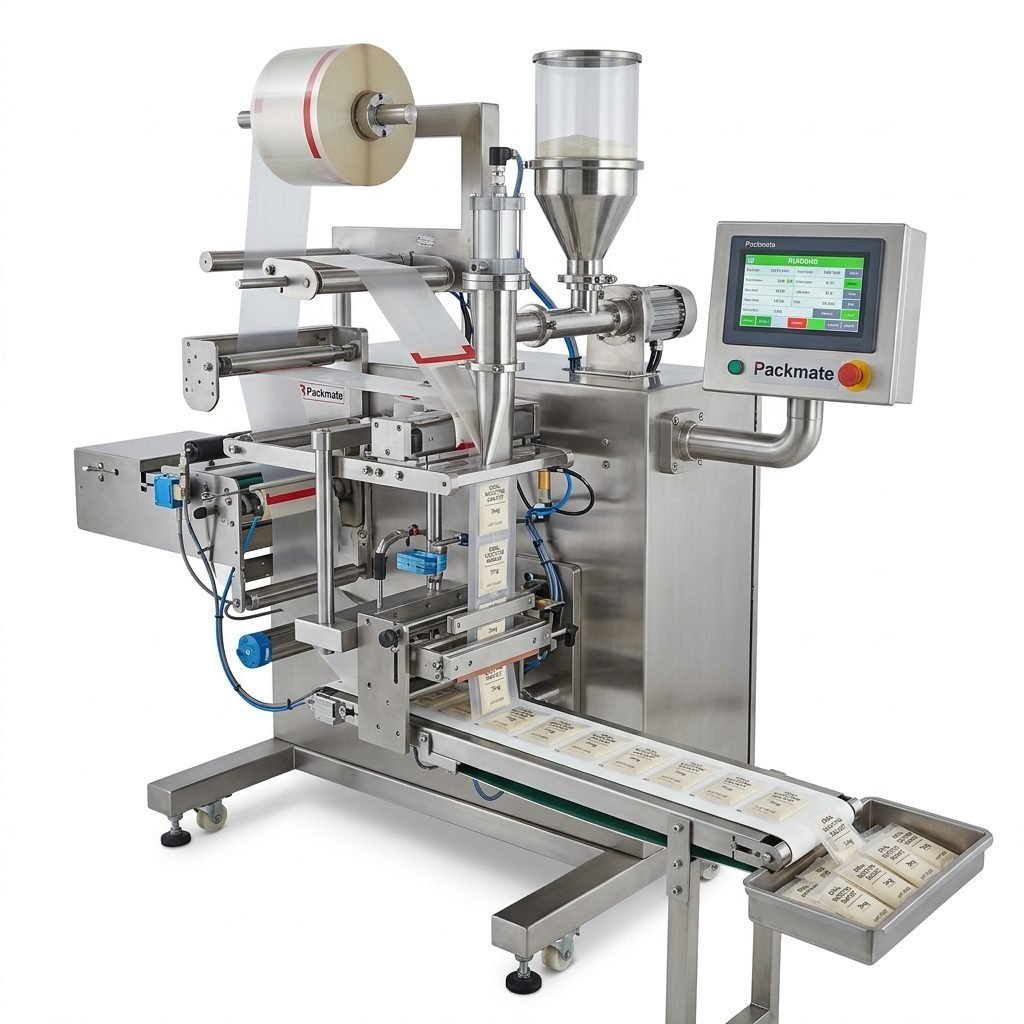
▶ Stick pack & sachet machines — best for single-serve formats or promotional lines where flexibility and packaging variety are key.
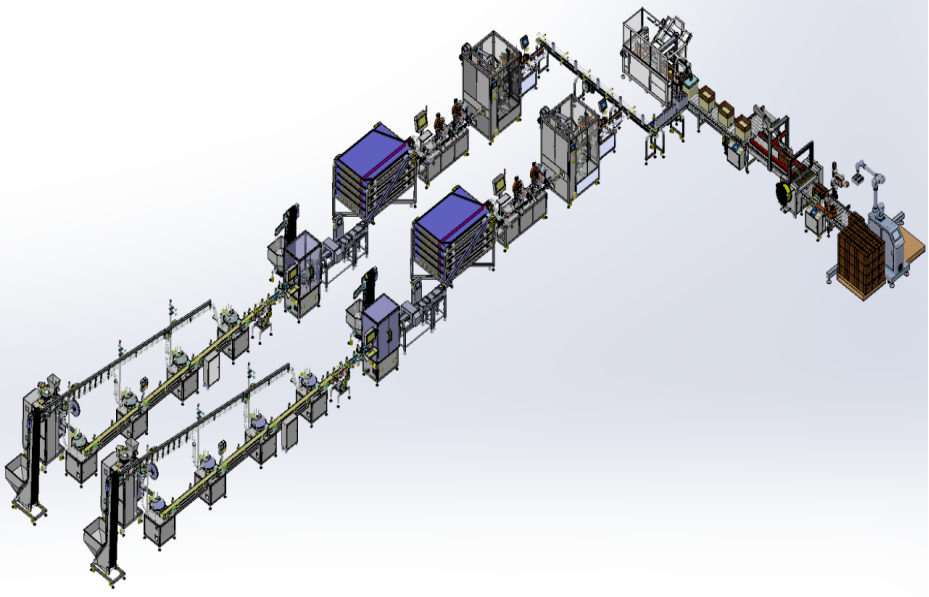
▶ Integrated filling & weighing lines — necessary when product dosing requires high precision; these systems reduce variance and ensure compliance with Norwegian labeling accuracy expectations.
Where to learn more about machine models
Review supplier catalogs and product pages to compare technical specifications and model families. For example, a trusted manufacturer will list dedicated lines for snus and nicotine packaging — see a complete product overview for Snus & Nicotine Packaging Machines and dedicated Sachet & Stick Pack Machines for technical comparisons.
Link examples:
Snus & Nicotine Packaging Machines,
Sachet & Stick Pack Machines
Assess Engineering Strength and Factory Capacity
Durability and stable output come from solid engineering and quality assembly. Verify factory size, machining capabilities, and quality controls. A supplier with advanced CNC centers, precision assembly lines, and a 20,000㎡ manufacturing facility demonstrates capacity to produce consistent machines and handle customization requests.
⚙️ Key factory indicators: 30+ years engineering experience, 50+ machine models, CE & ISO certifications, and a track record of turnkey packaging solutions.
Verify Certifications, Compliance and Documentation
Ask for CE declarations, ISO certificates, electrical schematics, and material safety documentation. Norwegian importers and quality teams will require traceable documentation to ensure machines meet workplace safety and product compliance. Certificates indicate the vendor follows international standards and can support audits or regulatory checks.
If in doubt, request references from similar European or Nordic customers and cross-check supplier claims with exhibition appearances or case studies.
Evaluate Technical Fit and Customization Capability
A generic machine is rarely the ideal solution. The best suppliers offer flexible automation components, modular designs, and experience adapting machines for different blends, film types, portion shapes, and packaging materials. For Norway’s market, confirm the supplier can:
✔️ Support multi-lane configurations for small-dose pouches and high throughput.
✔️ Integrate weighing systems and powder handling that minimize cross-contamination.
✔️ Offer hygienic design, easy-clean parts, and materials compatible with Norwegian environmental rules.
Service, Spare Parts, and Local Support
After-sales support is often the deciding factor. For exporters to Norway, prioritize suppliers who provide:
– Fast spare parts shipment, clear parts lists, and remote diagnostics.
– Training for operators and maintenance staff; preferably on-site commissioning and line acceptance tests aligned to Norwegian safety rules.
– A defined service agreement that covers response times and performance guarantees. Suppliers experienced in European markets are better positioned to meet these expectations.
Pro tip
Request a sample run with your exact product formulation or a factory acceptance test (FAT) video. This confirms performance metrics and helps your Norwegian team forecast real-world yields and downtime.
Calculate Total Cost of Ownership (TCO), Not Just Purchase Price
Price is only the starting point. TCO should include installation, commissioning, spare parts, training, energy consumption, consumables, expected uptime, and depreciation. Machines optimized for energy efficiency and low-maintenance operation can deliver substantial savings in Norway, where energy costs and labor expectations influence long-term profitability.
💡 TCO checklist: initial cost, installation, spare parts inventory, maintenance labor, energy consumption, uptime targets, and resale or retrofit value.
Inspect Reputation, Case Studies, and References
Review references, past projects, and exhibition participation. A reliable supplier will share case studies demonstrating European or Nordic integrations, line deployments, and measurable performance. You can explore practical examples and customer success stories on their case pages to assess real-world results.
Example link:
Case studies
Factory Visits and Acceptance Testing
If possible, arrange a factory visit or request a live demo at an exhibition. Seeing machines operate under production conditions and witnessing FAT protocols gives you confidence in build quality and operator ergonomics. For Norwegian buyers, clarity on electrical compatibility, CE compliance, and documentation in English (or Norwegian when available) reduces integration risk.
Sustainability, Materials, and Waste Reduction
Sustainability is central in Norway. Ask potential suppliers about energy-efficient drives, recyclable material compatibility, and solutions that reduce packaging waste. Suppliers who can adapt machines to flexible barrier films or reduced-material formats will help your brand align with local environmental expectations.
Negotiation Points and Contract Essentials
When negotiating, secure clear terms on lead time, payment milestones, warranty coverage, spare parts provisions, training scope, and penalties for missed milestones. Include acceptance criteria, performance guarantees, and documentation delivery timelines in the contract.
A Practical Roadmap to Selecting Your Supplier
Follow these prioritized steps to reduce risk:
1. Define product specs (portion size, film type, barrier properties, throughput targets).
2. Shortlist suppliers with relevant nicotine/snuse packaging experience and certifications.
3. Request detailed quotes including TCO breakdown, FAT schedule, and spare parts list.
4. Review references and ask for demo videos or factory acceptance records.
5. Agree acceptance criteria, training, and service contracts before payment.
Why Choose an Experienced Supplier Like Packmate
A supplier with decades of packaging machine experience brings engineering maturity and global service capabilities. For instance, a manufacturer operating under the Packmate brand emphasizes:
• Over 30 years of engineering development and a 20,000㎡ production facility.
• A wide product range (50+ machine models) covering snus/nicotine lines, sachet and stick pack solutions, and integrated filling/weighing systems.
• International certifications and turnkey packaging solutions for global customers — factors that simplify export, commissioning, and compliance for Norwegian buyers.
Explore product families and support pages for further information:
Filling & Packaging Lines,
About Packmate,
Contact Us
Exhibitions and Live Demos
Meeting suppliers at international exhibitions or regional shows allows you to see machines in operation and compare multiple vendors in one trip. A reputable supplier will participate in global exhibitions and provide live demonstrations.
For more details about exhibition participation and past events, review their exhibitions page to coordinate visits.
Final Checklist Before You Sign
Before finalizing a purchase, confirm:
✅ Performance metrics from FAT or demo run.
✅ Clear spare parts lead times and local spares stocking options.
✅ Written warranty, response times, and escalation path.
✅ Agreements on training, documentation language, and handover acceptance criteria.
Conclusion
Selecting the right nicotine packaging machine supplier for Norway requires a blend of technical validation, regulatory diligence, and commercial foresight. Suppliers with deep experience in snus and nicotine packaging, comprehensive factory capabilities, and clear after-sales support will reduce risk and accelerate your market entry. Use the checklist and selection roadmap above to guide discussions, and favor partners who demonstrate transparent documentation, FAT practices, and sustainable design choices aligned with Norwegian expectations.
Frequently Asked Questions
Q1: What certifications should I insist on when buying packaging machines for nicotine pouches in Norway?
A1: Request CE certification, relevant ISO quality system certificates, electrical schematics, and material compatibility documentation. Also ask for documentation demonstrating adherence to machine safety directives and export compliance.
Q2: How important is a factory acceptance test (FAT) before shipping a machine to Norway?
A2: Very important. A FAT confirms machine performance under controlled conditions, validates throughput, and documents acceptance criteria. It reduces surprises during on-site commissioning and is a standard practice for responsible procurement.
Q3: Can suppliers help with Norwegian-specific packaging requirements like labeling and child-resistant features?
A3: Reputable suppliers with experience in European and Nordic markets will advise on packaging solutions that meet local labeling, portion control, and safety requirements. Confirm they can adapt machinery for special features during the design phase.
Q4: How do I ensure spare parts availability and fast service for machines imported to Norway?
A4: Negotiate clear spare parts agreements, identify local stocking options, and include defined response times in your service contract. Consider a parts kit with the initial shipment for critical wear items.
Q5: Where can I see examples of successful nicotine packaging lines and contact suppliers with proven experience?
A5: Review published case studies and product pages for real-world examples. For a curated look at experienced providers, consider visiting case pages and product families such as Snus & Nicotine Packaging Machines or contact the manufacturer directly to schedule a demo.