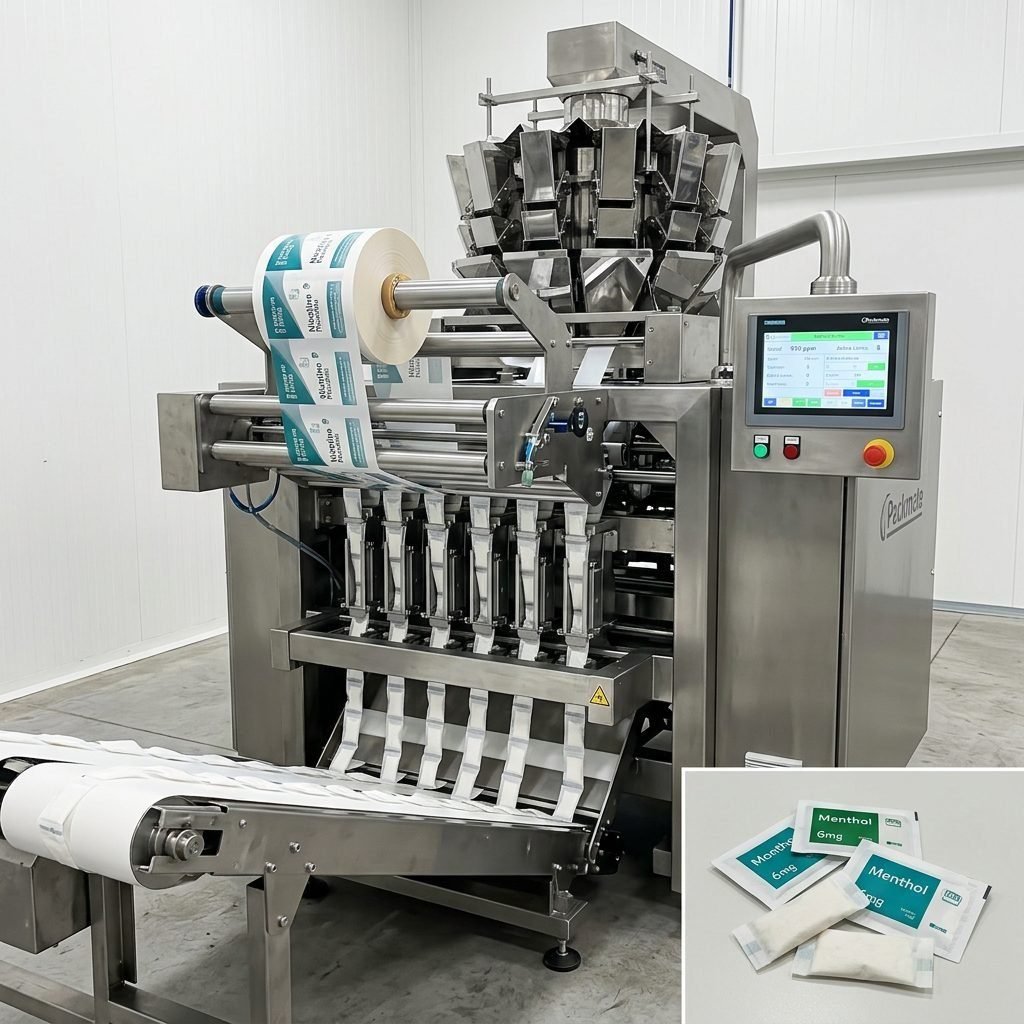
Selecting the right nicotine packaging machine supplier is a critical decision for any business in Palestine that wants to scale production, meet quality expectations, and navigate local logistics and regulations. This guide explains the practical criteria for choosing a trusted supplier, highlights Packmate Snus Machine’s strengths, and offers actionable steps tailored to Palestinian market realities — from customs and electricity considerations to cultural preferences and after-sales support.
Why Choosing the Right Nicotine Packaging Machine Supplier Matters in Palestine
For manufacturers in Palestine, the right packaging equipment can mean the difference between stable production and repeated downtime. Because nicotine pouch production often requires precise dosing, strict hygiene and reliable multi-lane operation, your supplier must deliver both technology and long-term service. Local constraints such as port access, customs clearance, and available technical labor mean the supplier should be experienced with international shipments and remote commissioning.
Key local considerations
⚠ Customs & logistics: Shipments to Gaza or the West Bank can take longer and may require extra documentation. Choose a supplier with export experience to the Middle East and clear packaging documentation.
🔌 Electricity & installation: Confirm machine voltage compatibility and ask about local installation support or clear remote guidance in Arabic/English.
🧑🏭 Workforce skills: Palestinian technicians may be experienced but need targeted training for high-precision multi-lane lines — ensure comprehensive training packages.
5 Practical Criteria to Evaluate a Nicotine Packaging Machine Supplier
1. Proven product range and customization
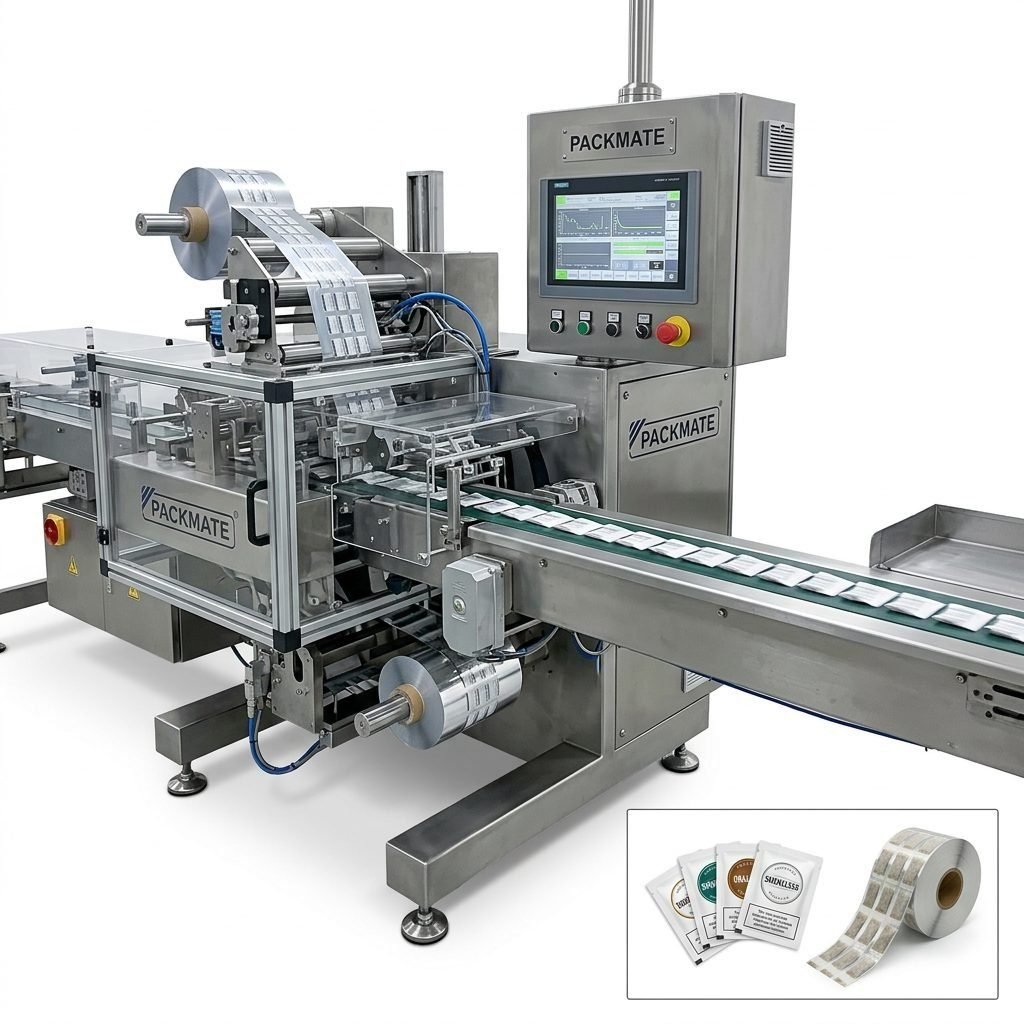
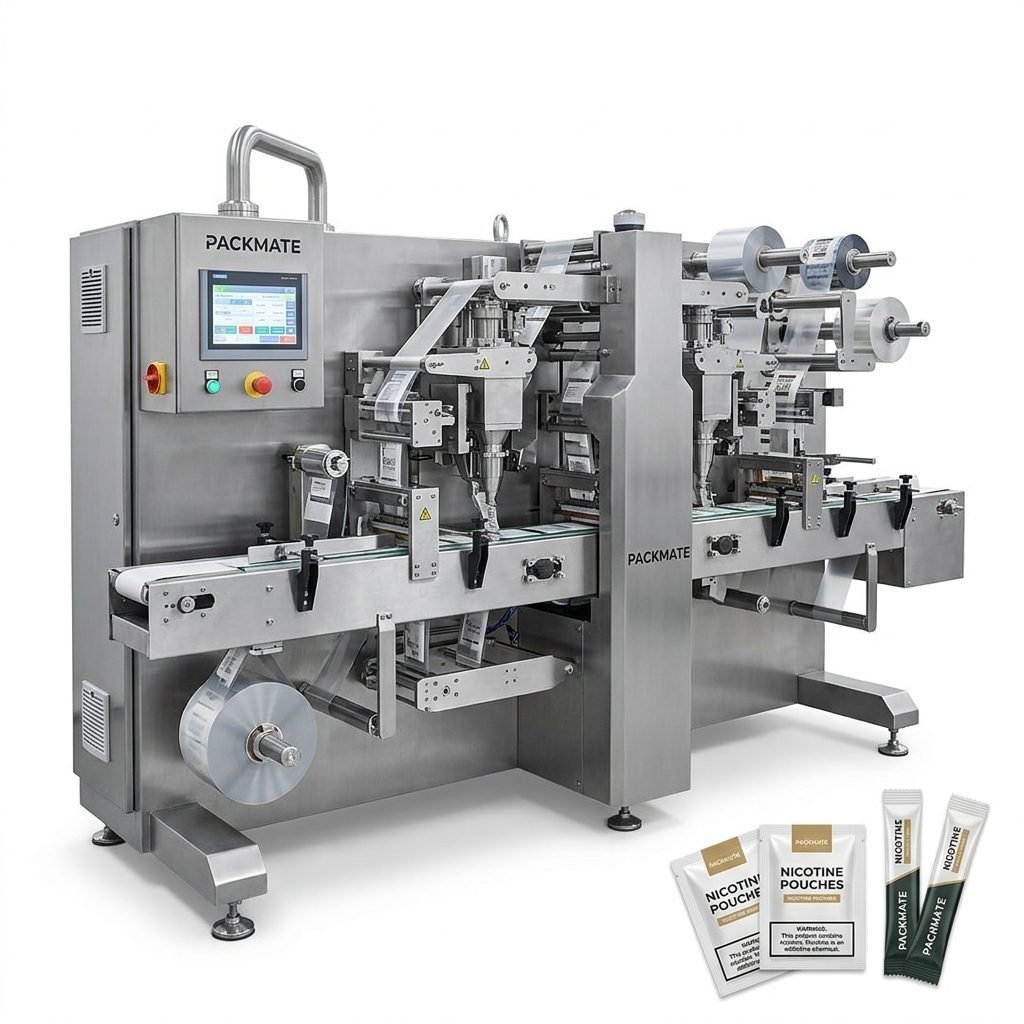
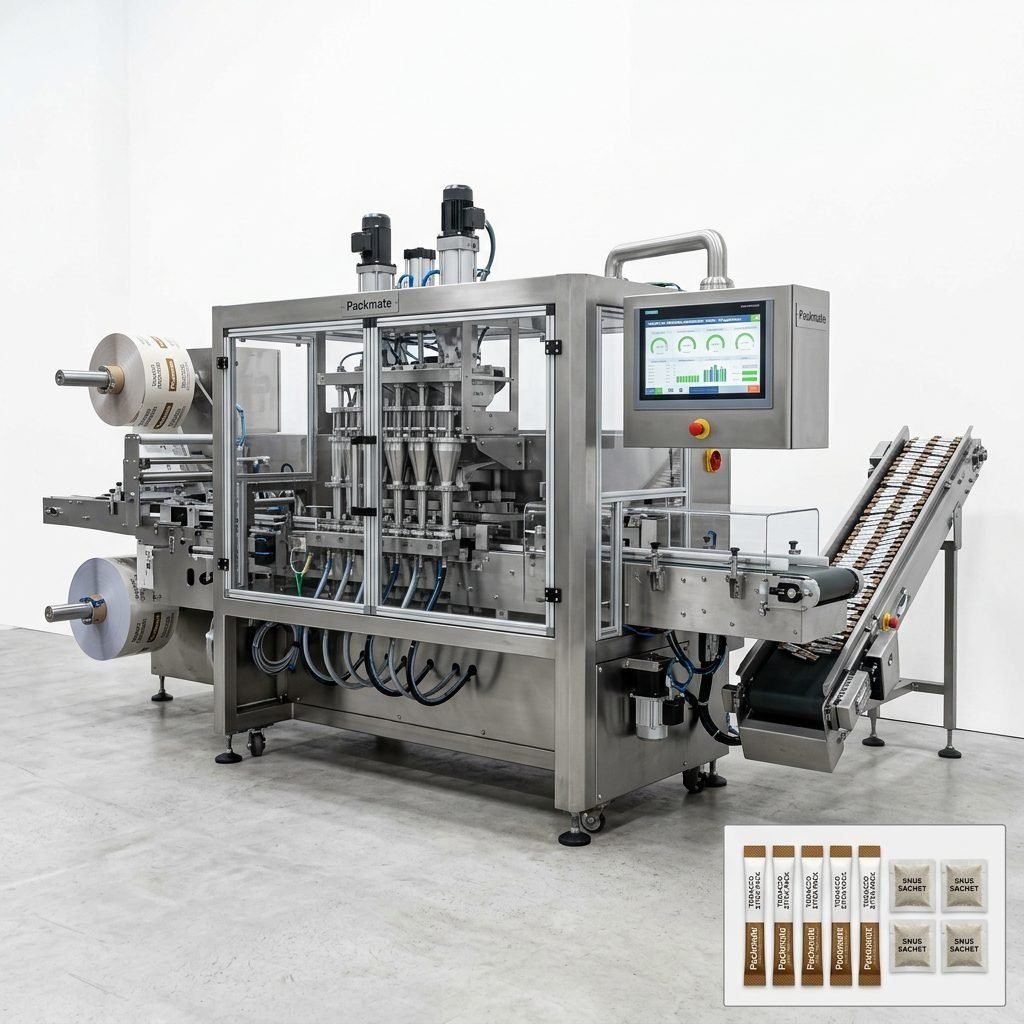
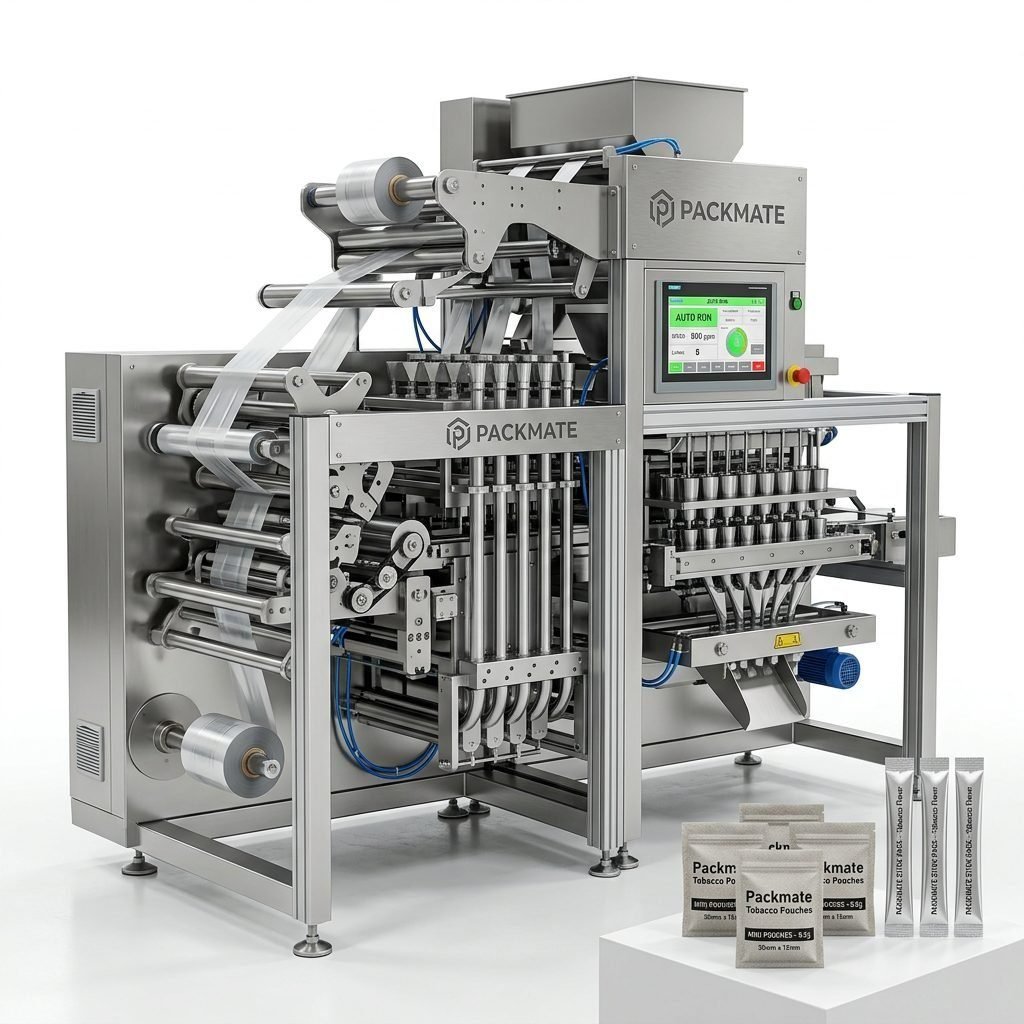
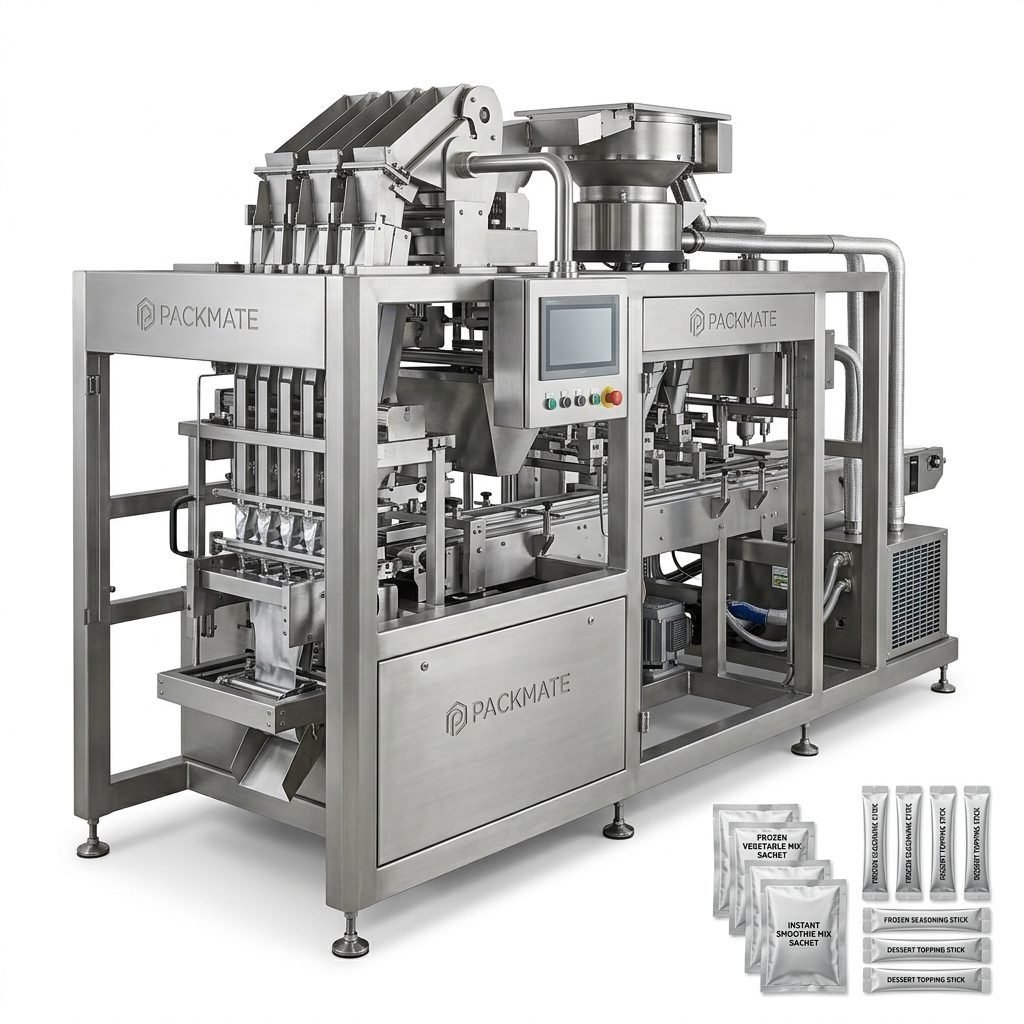
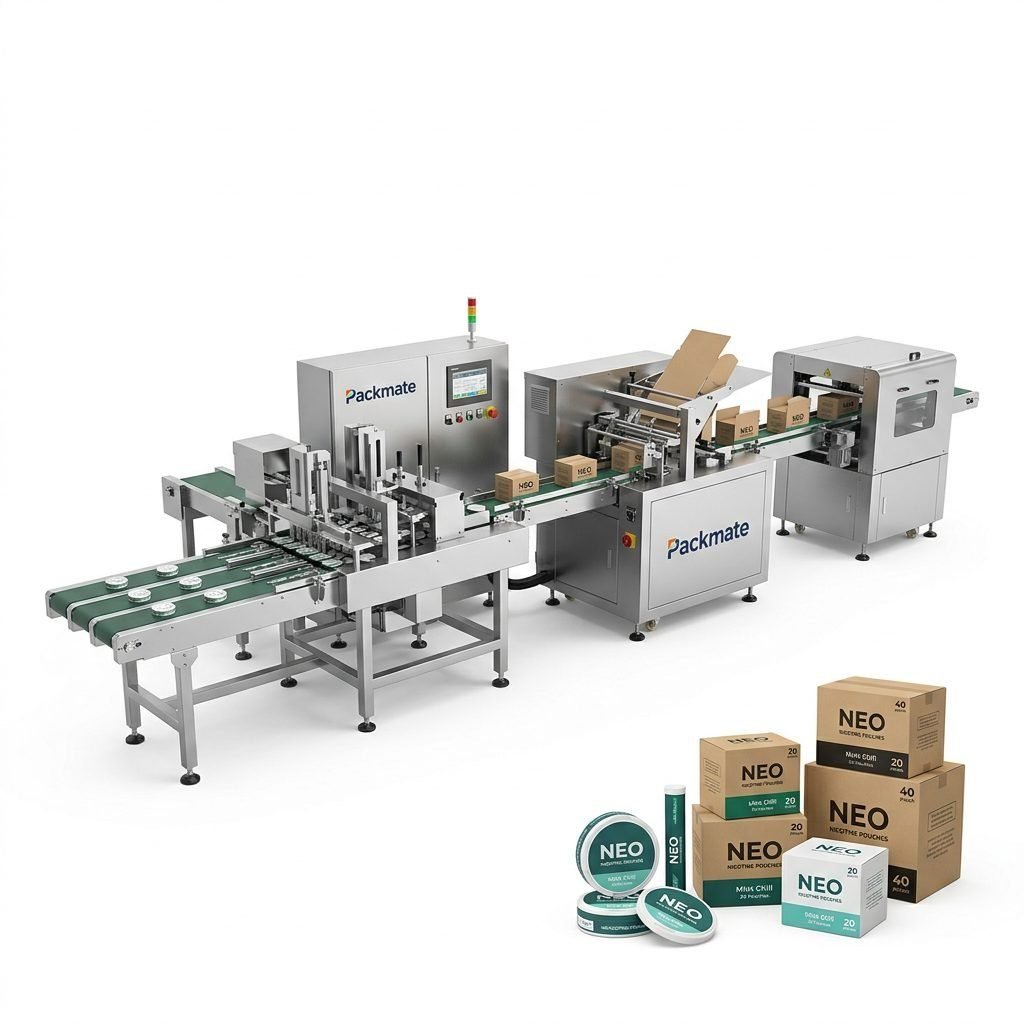
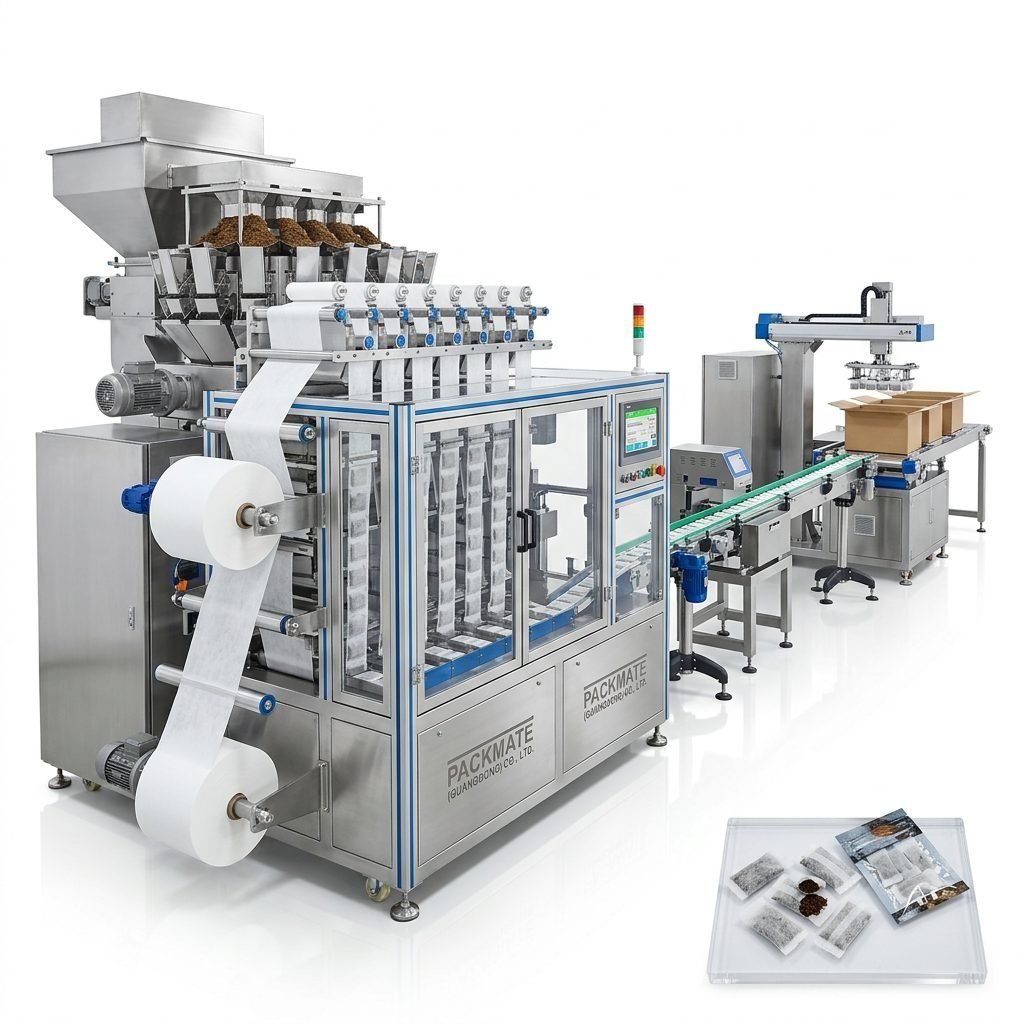
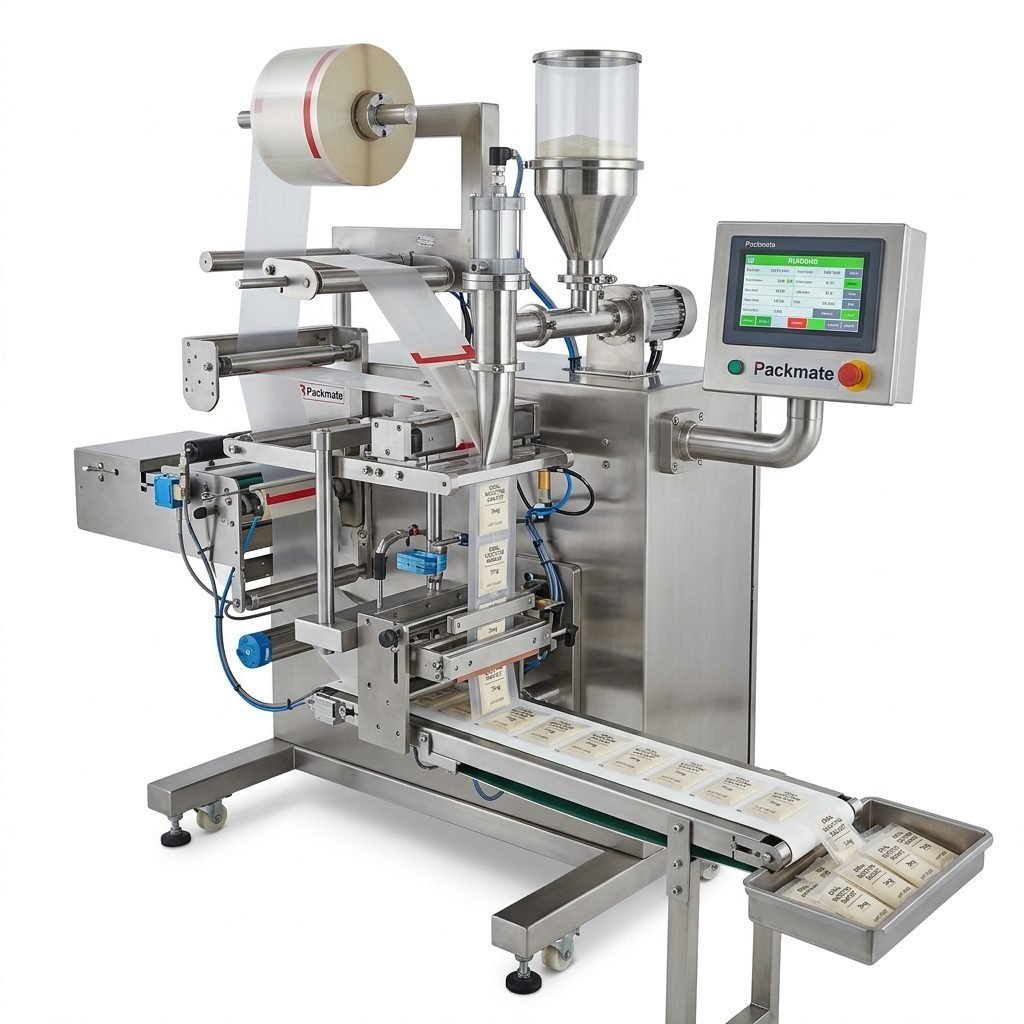
A reputable supplier offers a variety of machine types — stick pack, sachet, multi-lane snus machines and full filling lines — so you can match the equipment to your product format and throughput goals. Look for suppliers who can customize lane counts, pouch sizes and dosing systems for small-dose nicotine pouches. Packmate’s portfolio demonstrates this approach with over 50 machine models and turnkey production lines suited for small-dose multi-lane production.
2. Manufacturing strength & quality assurance
🔧 Factory capabilities: Verify factory size, CNC capabilities and assembly procedures. Packmate operates a 20,000㎡ facility with advanced CNC machining centers — a sign of strong in-house control over critical parts.
✅ Certifications: Insist on CE/ISO compliance to ensure safety and regulatory adherence.
3. After-sales service, spare parts and training
Continuous production depends on fast spare parts supply, responsive technical support and hands-on training. Ask prospective suppliers:
- Do they offer long-term warranties and clear spare parts lists?
- Can they provide installation and operator training in Arabic or English?
- Do they support remote diagnostics and video-based troubleshooting for crews in Palestine?
4. Export experience & local logistics support
A supplier experienced in shipping to the Middle East will understand packaging for transit, incoterms, and documentation needed for Palestinian ports and crossings. This minimizes customs delays and avoids unexpected costs. Packmate’s record of global turnkey solutions and exhibition presence indicates export and operational experience across regions.
5. Cost of ownership and ROI
Evaluate beyond purchase price: consider cycle speed, yield, energy consumption, maintenance intervals, and spare parts costs. High-precision multi-lane machines often deliver better per-unit costs at scale. Use case references and real production data when possible — suppliers that publish case studies and performance numbers can be trusted more easily.
How to Vet a Supplier — Step-by-step
Step 1: Request detailed specifications and videos
Ask for machine technical sheets, videos of the exact model in operation, and references for similar projects. Visual proof of continuous running on nicotine pouches or snus is invaluable.
Step 2: Validate references and factory visits
Speak to existing customers in similar markets and, if possible, arrange a factory visit or remote walk-through to see production and quality procedures. Suppliers who routinely attend exhibitions and maintain case studies are generally more open to third-party verification. You can review Packmate’s real-world examples and exhibitions for context: Case, Our Exhibition.
Step 3: Discuss commissioning, training & documentation
Confirm whether the supplier provides on-site commissioning, remote start-up support, operation manuals in Arabic/English, and comprehensive training for operators and maintenance staff. Also verify spare parts lists and typical lead times.
Step 4: Align on payment terms & delivery schedule
Negotiate clear delivery timelines, incoterms, and payment methods (e.g., LC, T/T). For Palestinian buyers, flexible solutions and staged payments tied to milestones reduce risk.
Why Packmate is a Strong Candidate for Palestinian Businesses
🌍 Global turnkey experience: Packmate has delivered complete production lines worldwide and participates in global exhibitions, which helps with compliance and export know-how.
🏭 Strong manufacturing base: With a 20,000㎡ factory and advanced CNC centers, Packmate can control part quality and customization — essential for reliable snus & nicotine pouch machines.
📈 Product range & innovation: Offering 50+ models including multi-lane systems, Packmate focuses on high-performance small-dose lines which are ideal for nicotine pouches.
🛠 Certifications & support: CE and ISO certification and a documented global service network help reduce risks for Palestinian operators.
Practical Tips for Importing Packaging Machines into Palestine
When importing machinery, plan for customs clearance, tax assessments, and local distribution. Use these practical measures to streamline the process:
- Obtain precise HS codes and commercial invoices from the supplier to reduce customs disputes.
- Consider staging shipments: critical spare parts can be sent earlier to avoid long downtime.
- Check local power supply specs and request voltage converters or transformers if necessary.
- Arrange for translation of manuals into Arabic and ensure training is scheduled at delivery.
Technical Features to Prioritize for Nicotine Pouch Lines
Focus on features that maximize yield, hygiene and operator safety:
- Precision dosing systems for consistent pouch weight.
- Multi-lane synchronization to increase throughput without losing accuracy.
- Easy-clean design to meet hygiene requirements and reduce changeover time.
- PLC & HMI interfaces with remote-access capability for diagnostics.
Useful Resources & Next Steps
Review product categories and technical datasheets before shortlisting suppliers. For example, you can explore machine categories and detailed models here:
– Snus & Nicotine Packaging Machines
– Sachet & Stick Pack Machines
– Filling & Packaging Lines
– For vendor background, visit About Packmate.
Checklist Before You Sign a Contract
✓ Technical spec agreement: Confirm lane count, speeds and electrical needs.
✓ Acceptance test plan: Define FAT/SAT procedures and acceptance criteria, including sample production with your materials.
✓ Spare parts package & response SLA: Agree on critical spares and guaranteed support times to avoid long downtimes.
Final Thoughts
Choosing the right nicotine packaging machine supplier in Palestine requires balancing technology, service, and practical import logistics. Prioritize suppliers with strong manufacturing capabilities, export experience, and clear after-sales strategies. Suppliers like Packmate — with long industry experience, diversified product offerings and documented global installations — can help local manufacturers establish reliable, scalable nicotine pouch production lines while addressing the unique logistical and cultural considerations of the Palestinian market.
Frequently Asked Questions (FAQs)
Q1: What certifications should I ask for when buying a packaging machine?
A1: Ask for CE and ISO certificates, plus documentation for electrical safety and machine calibration records.
Q2: How long does shipping and customs clearance to Palestine typically take?
A2: Timelines vary by route and documentation; practical delivery planning assumes several weeks for shipping plus possible customs review — choose a supplier experienced with Middle Eastern exports.
Q3: Can I get training for my Palestinian team in Arabic?
A3: Many suppliers provide bilingual documentation and remote or on-site training in English and Arabic — confirm language options before purchase.
Q4: What after-sales guarantees should be included?
A4: Seek clear warranty periods, spare parts lead times, and an SLA for remote or on-site technical support.
Q5: Where can I view machine models and case studies?
A5: Explore product pages and cases for model details and real installations: Snus & Nicotine Packaging Machines, Case.