Choosing the right nicotine packaging machine supplier in Panama can determine the efficiency, compliance, and profitability of your snus or nicotine pouch business. Whether you are launching a small local brand for the Panama City market or scaling distribution across Central America, this guide walks you through practical steps to evaluate suppliers, compare machines, and build a long-term partnership that fits local customs, logistics, and regulatory realities.
Understand Panama’s Market Dynamics and Local Customs 🇵🇦
Panama’s retail landscape combines modern malls and bustling neighborhood shops. Buyers often value compact, reliable equipment that fits smaller production floors while delivering consistent output. If your target customers include both Spanish-speaking retailers and international tourists, consider packaging machines that offer flexible language support on HMI panels and multi-format printing for bilingual labels.
Local business relationships rely heavily on trust, punctual communication, and respect for personal connections. Suppliers who provide on-site commissioning, clear documentation in Spanish, and responsive after-sales service will be more successful in Panama. Prioritize partners who demonstrate cultural awareness and provide training tailored to local operators.
Key Regulatory Considerations for Nicotine Products
Nicotine-containing products are subject to specific health and labeling regulations. Ensure your supplier understands international compliance standards and can help you meet local requirements around ingredient disclosures, child-resistant features, and health warnings. Working with a supplier experienced in CE and ISO certifications adds credibility and reduces compliance risk.
What to verify regarding certifications
Confirm that machine manufacturers can provide evidence of relevant certificates (for example, CE, ISO). Suppliers who publish certificates and testing reports reduce uncertainty during customs inspections and make it easier to secure financing or local permits.
Evaluate Technical Capability and Product Range
A supplier with a broad product range can support growth and format changes. Look for manufacturers that provide:
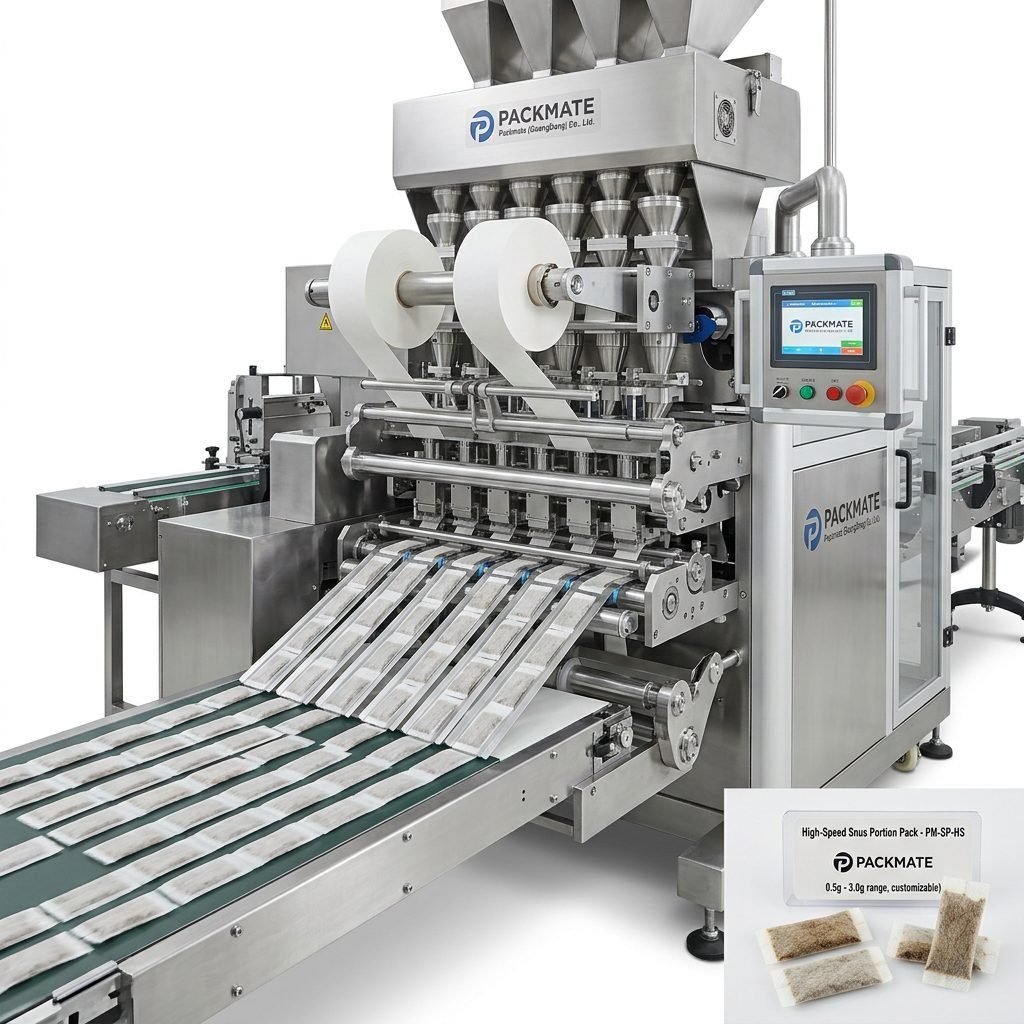
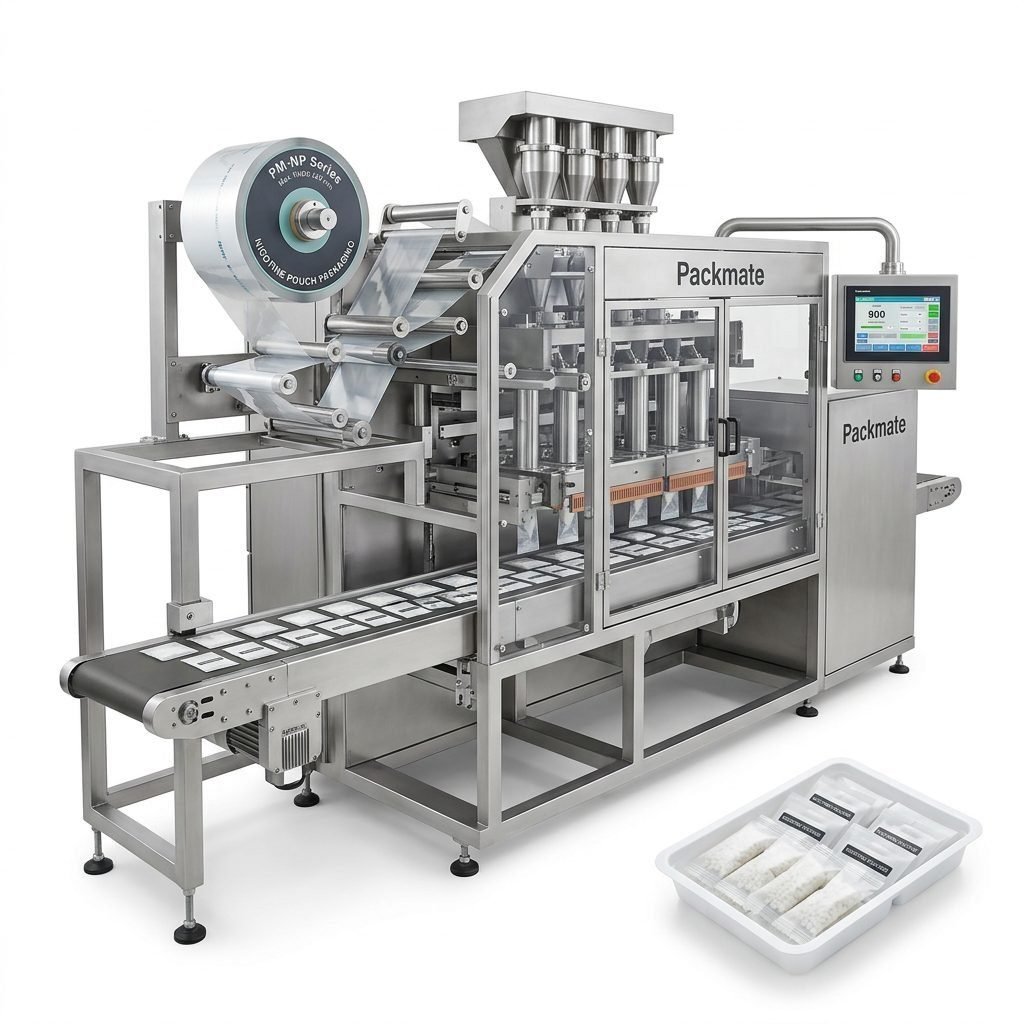
• Modular snus and nicotine pouch systems suitable for single-lane and multi-lane production
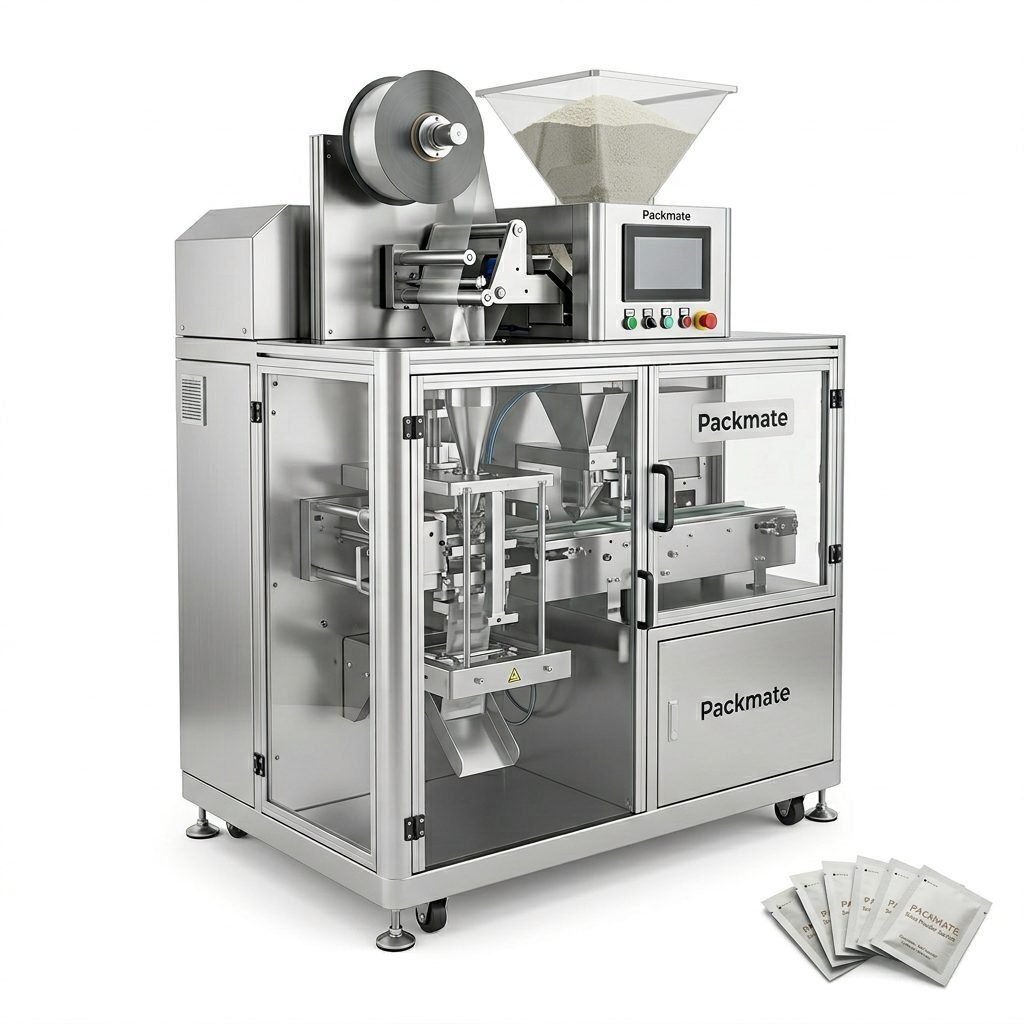
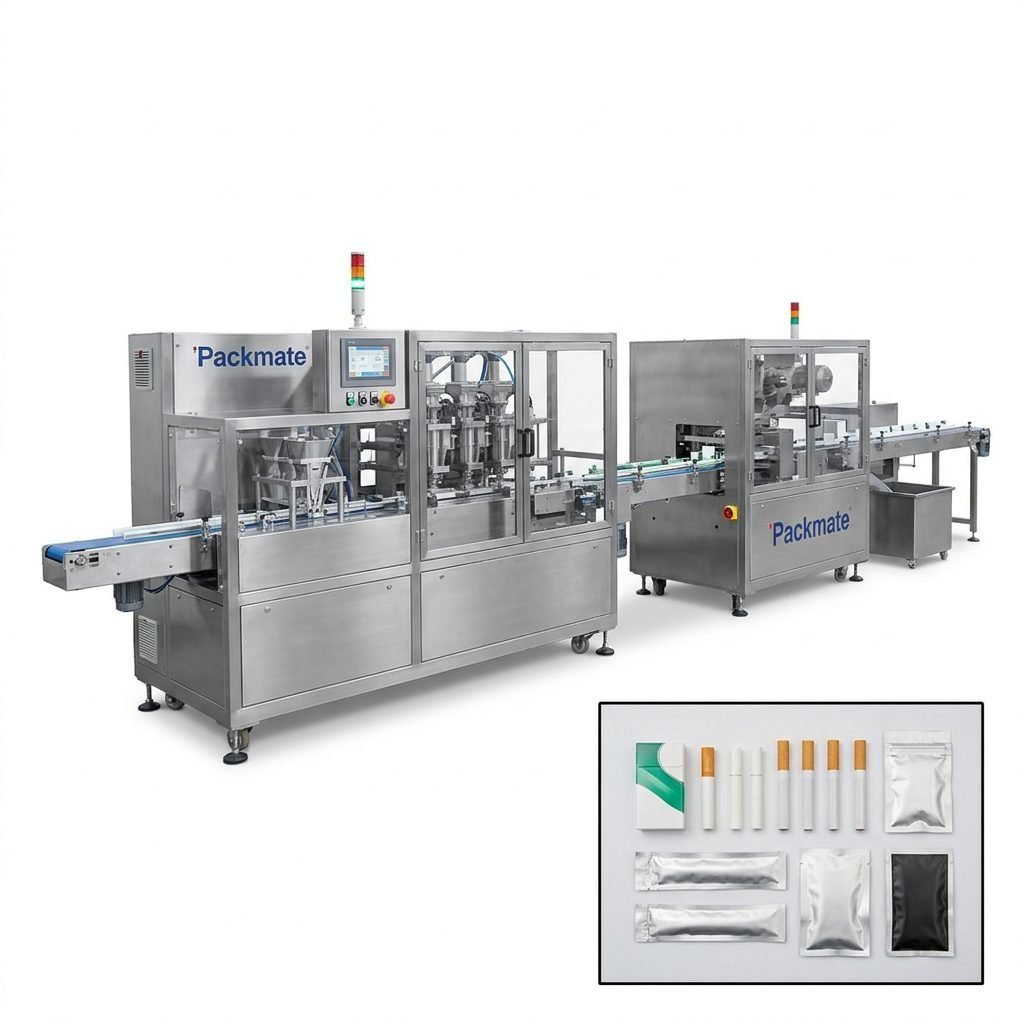
• Stick pack, sachet, and pouch machines, as well as auxiliary equipment such as weighing systems and filling lines
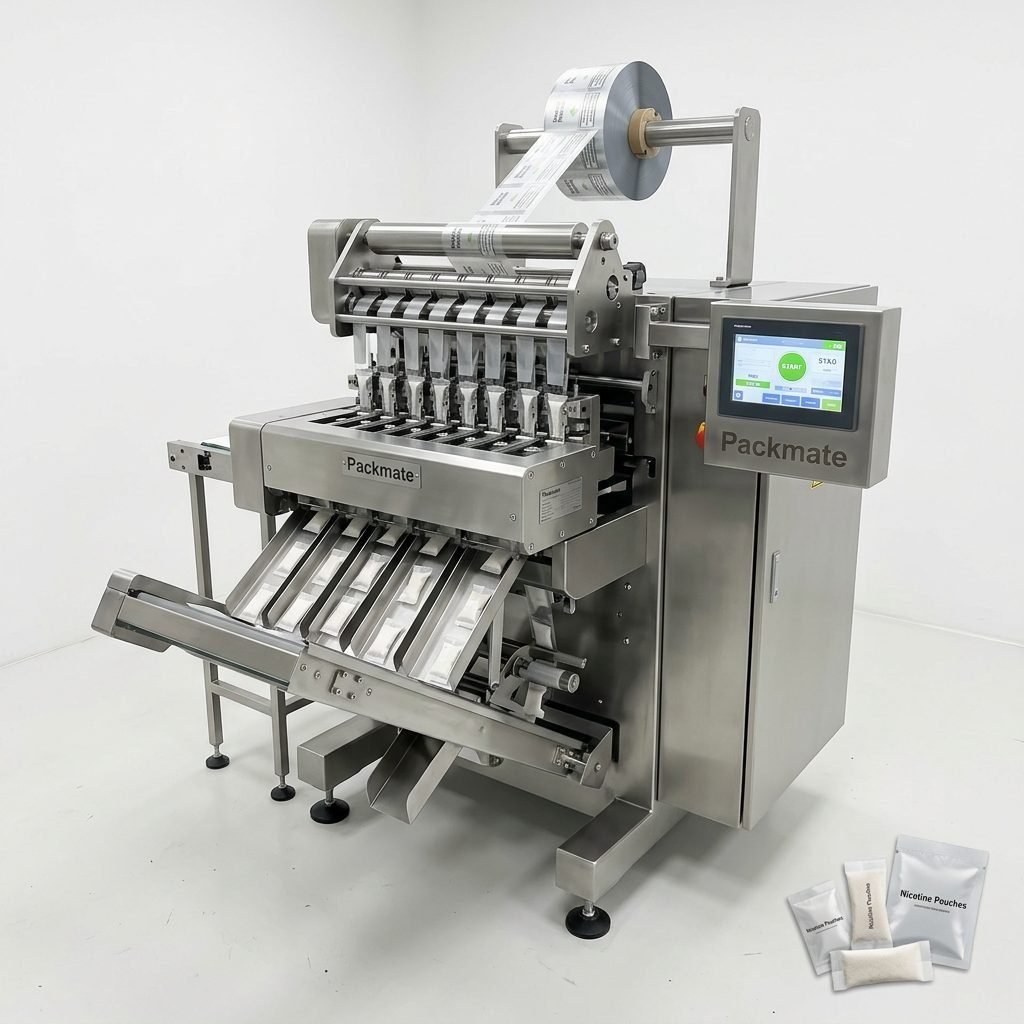
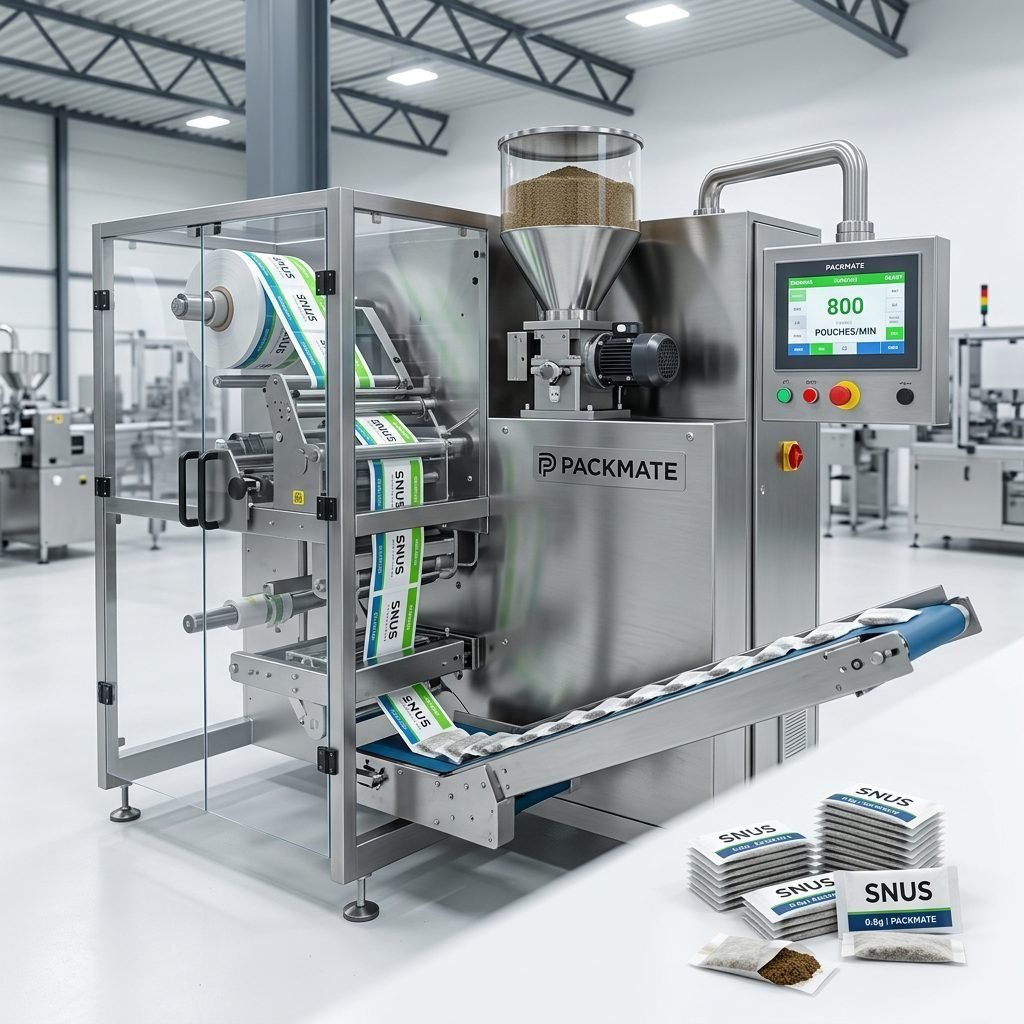
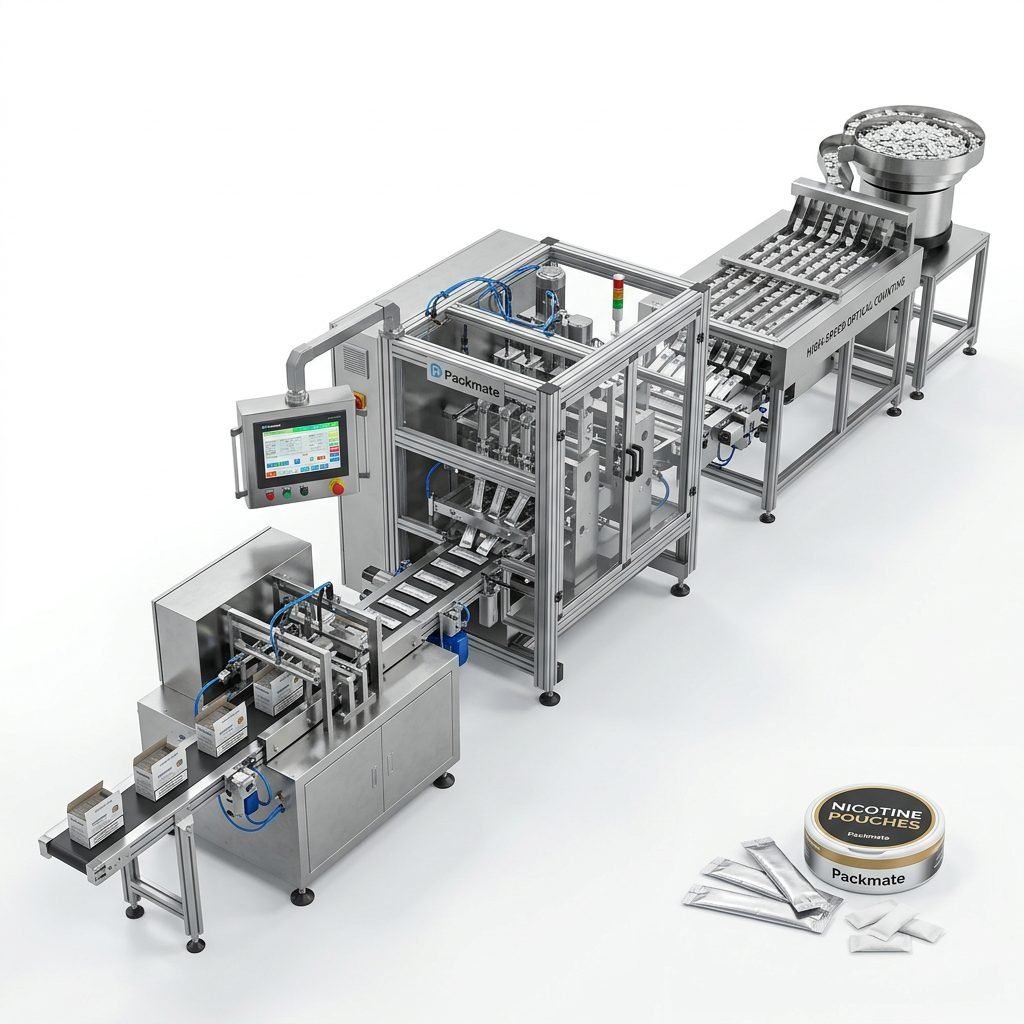
• Turnkey solutions that integrate conveying, dosing, and packaging for end-to-end automation
Tip: A manufacturer with 30+ years of engineering experience is more likely to offer robust, field-tested designs—especially for specialized markets like nicotine pouch packaging.
Indicator: Check for CNC machining centers and precision assembly lines that indicate investment in build quality and repeatable tolerances.
Assess Machine Performance: Speed, Accuracy, and Uptime
Machine throughput is crucial, but so is consistent dose accuracy and low downtime. When comparing suppliers, ask for:
• Real-world production data and case studies showing average uptime and maintenance intervals
• Tolerance specifications for filling and pouch sealing—especially important for nicotine pouches with strict dosage control
• Details on spare parts availability and typical lead times in the Americas
Operational features to prioritize
⚙️ Servo-driven mechanisms for repeatable indexing and reduced product waste.
🔍 Inline quality inspection options (vision systems) to detect seal issues or dosing variances early.
🛠️ Quick-change tooling to switch formats without long production interruptions.
Service, Spare Parts, and Local Support in Panama
Reliable after-sales service is one of the most important selection factors. In Panama, where travel and parts shipping can affect downtime, prioritize suppliers who can offer:
• Regional technical representatives or authorized partners who can perform on-site maintenance and commissioning.
• Clear spare parts availability, preferably with parts stocked in nearby logistics hubs or offered with expedited shipping options.
• Remote diagnostics and training materials in Spanish to accelerate troubleshooting and operator training.
Question to ask suppliers: Do you provide local spare parts stock lists and Spanish-language technical manuals?
Evaluate Total Cost of Ownership (TCO) — Beyond the Machine Price
The lowest purchase price does not always deliver the best value. Consider the following cost components:
• Installation and commissioning costs — some suppliers include on-site setup in Latin America, which reduces startup risk.
• Training expenses — operator and maintenance training can reduce misfeeds and extend mean time between failures.
• Spare parts and consumable life — seals, belts, and cutters often determine long-term running costs.
• Energy consumption — efficient motors and optimized control systems lower monthly utility bills.
Factory Visit, References, and Live Demonstrations
A factory visit or video demonstration provides direct insight into build quality and production workflows. If travel is impractical, ask for detailed case studies and video of similar lines producing nicotine pouches. Suppliers should be able to share:
• References in the region or examples where they supported projects in Central or South America. See real-world examples and customer stories on the supplier’s case page for assurance.
• Machine acceptance testing (FAT) videos showing uninterrupted runs at target speeds and product quality levels.
Where to find verified examples
Visit supplier case pages and exhibition logs to review installations, or request introductions to existing customers. For example, explore case studies that highlight turnkey snus and nicotine pouch lines to gauge real operating performance.
Customisation and Scalability for Panama’s Mixed Market
Panama’s demand can quickly shift between small-batch artisanal runs and larger export orders. Choose machines that are:
• Modular and scalable: start with a single-lane system and expand to multi-lane production as volumes grow.
• Equipped for flexible packaging sizes and formats to serve both local retail packs and duty-free market sizes.
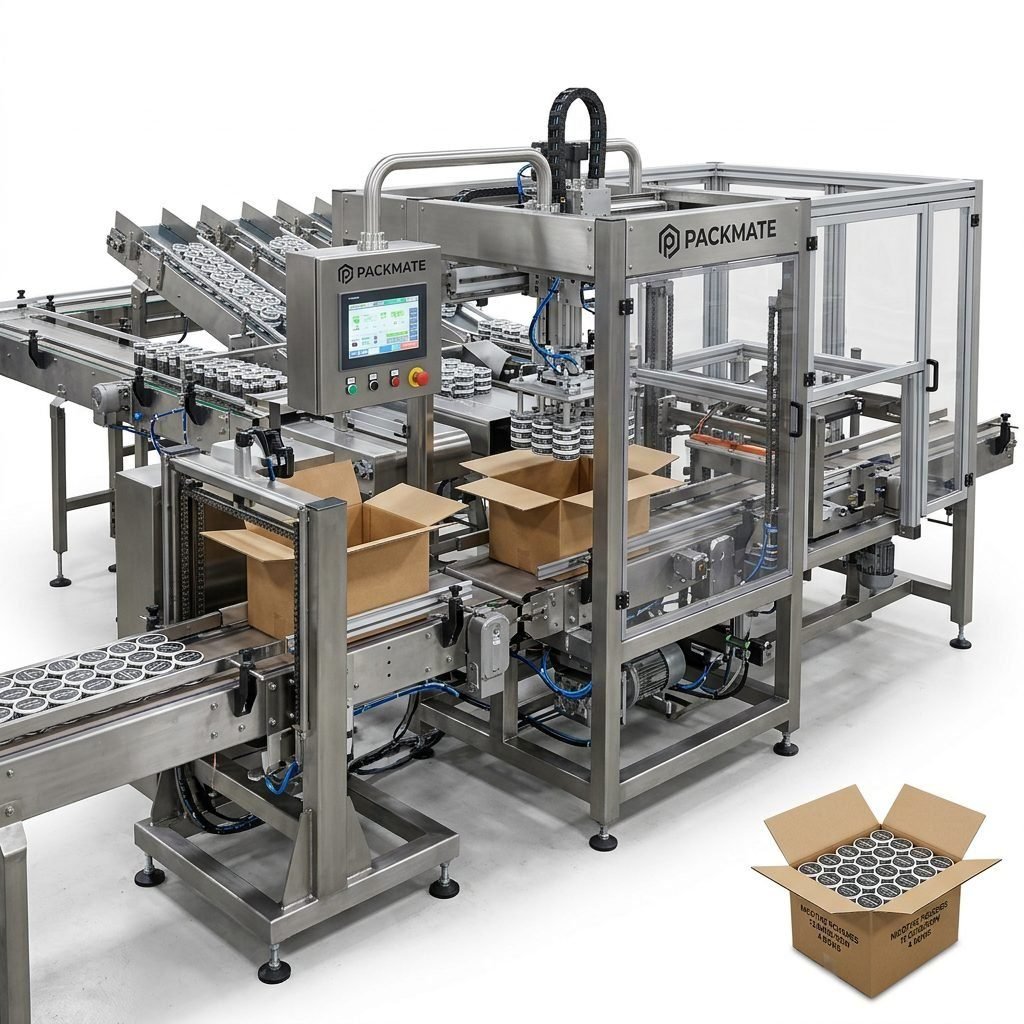
• Able to integrate with secondary equipment like case packers and palletizers when you plan to scale distribution.
Commercial Terms, Warranty, and After-Sales Contracts
Clearly define warranty scope, response times, and whether the supplier offers preventive maintenance contracts. A reliable supplier will outline:
• Standard warranty period and extended warranty options.
• Service level agreements (SLAs) for remote and on-site support with response time commitments.
• Training programs and documentation handover in Spanish, and digital support through video calls or resource portals.
How to Shortlist and Score Potential Suppliers
Create a scoring matrix based on the following weighted criteria:
• Technical fit (30%) — speed, accuracy, and format flexibility.
• After-sales support (25%) — proximity, spare parts, and language support.
• Compliance and certifications (15%) — CE, ISO, and documentation support for customs.
• Total cost of ownership (20%) — lifetime running costs and energy efficiency.
• References and reputation (10%) — real installations and customer feedback.
Hint: Score suppliers objectively and set minimum acceptable scores for each category to quickly eliminate poor fits.
Why Packmate (Example of a Reliable Partner)
A supplier with decades of engineering experience, an extensive product portfolio, and strong manufacturing infrastructure can simplify your decision. For example, manufacturers that offer snus and nicotine packaging machines, bag & pouch lines, and integrated filling systems provide a one-stop solution for startups and scale-ups alike. Explore product ranges and turnkey systems to match your business plan.
Learn more about specialized snus equipment and how turnkey lines are configured for nicotine pouch production by visiting product and case resources.
Product examples and further reading: Snus & Nicotine Packaging Machines, About Packmate, and real-world installations on the Case page.
Practical Next Steps for Buyers in Panama
1. Prepare a clear technical brief: include target formats, production speeds, and floor space constraints.
2. Request FAT videos, spare parts lists, and Spanish manuals before finalizing contracts.
3. Negotiate delivery terms that consider Panama’s port logistics and potential customs timelines. Ask suppliers about CIF/FOB options and expected transit windows.
4. Plan for operator training and preventive maintenance within the first 6 months to ensure sustained uptime.
Quick Checklist before purchase
• Confirm machine demo or FAT evidence.
• Validate warranty terms and local support arrangements.
• Ensure spare parts availability and delivery timelines.
• Review references and regional case studies.
Conclusion
Selecting the best nicotine packaging machine supplier in Panama requires a balance of technical fit, regulatory knowledge, local service capabilities, and long-term commercial terms. Prioritize partners with proven product ranges, strong manufacturing capabilities, and clear after-sales commitment—especially those who provide Spanish-language support and regional logistics planning. With the right partner, you can build a resilient production line that meets Panama’s market needs and supports future growth across the region.
Frequently Asked Questions
Q1: How quickly can a packaging line be installed and commissioned in Panama?
A1: Typical lead times vary by machine complexity, but many suppliers can support installation and commissioning within 4–8 weeks after machine arrival, provided customs and local logistics proceed smoothly.
Q2: Are Spanish manuals and local training commonly available?
A2: Reputable suppliers usually provide Spanish documentation and can offer on-site training or remote training sessions tailored to local operators.
Q3: What warranties and service agreements should I expect?
A3: Standard warranties often range from 12 to 24 months. Extended warranties, preventive maintenance plans, and SLAs for faster response times are commonly offered as paid options.
Q4: How important are local spare parts stocks?
A4: Very important—local or regional parts availability reduces downtime and shipping costs. Ask suppliers for a prioritized spare parts recommendation for the first year of operation.
Q5: Where can I find real customer examples and product specifications?
A5: Visit product pages and case studies to view machine specs and real installations. For example, check product lines and case references on the supplier’s website and contact them directly for tailored documentation and FAT videos: Contact Us.