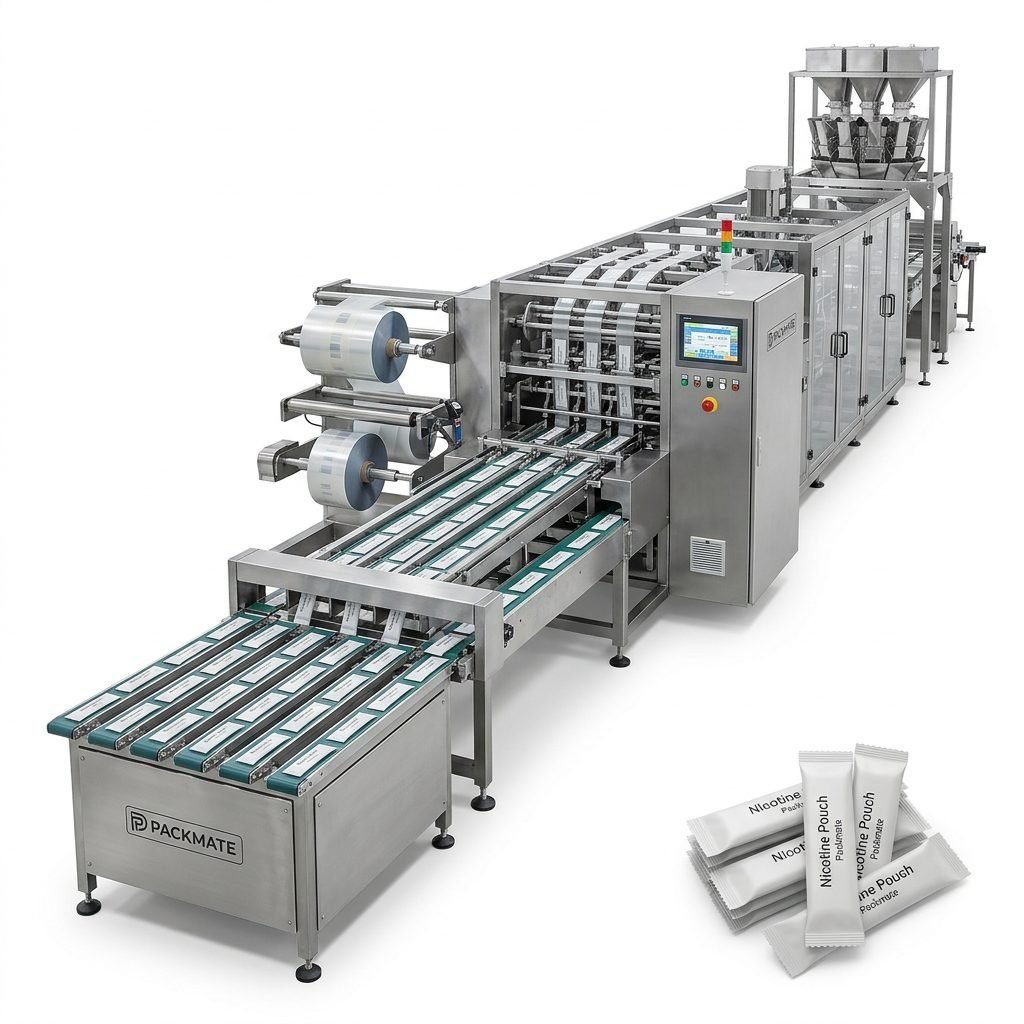
In Jamaica’s evolving nicotine pouch and snus market, selecting the right packaging machine supplier is a strategic decision that impacts product quality, regulatory compliance, and long-term profitability. This guide walks Jamaican manufacturers, importers, and distributors through practical steps to evaluate suppliers, compare technical specifications, and arrange local support and logistics—so you can choose a solution that fits local consumer habits, climate conditions, and business growth plans.
Understand the Jamaican Market and Local Considerations
Jamaica’s consumers appreciate small-format, well-packaged products that emphasize convenience and consistent dosing. English is the primary business language, and buyers often value clear documentation, visible product quality, and reliable after-sales service. When assessing suppliers, factor in:
🔍 Regulatory compliance: Jamaican regulations on tobacco and nicotine products can involve labeling, health warnings, and import controls. Confirm that the equipment you buy supports compliant packaging formats and that your supplier can help with documentation for customs and health authorities.
⚖️ Import and duty planning: Major ports like Kingston and Montego Bay handle most imports. Ask the supplier about export packing, estimated CIF/FOB options, and typical delivery routes to Jamaican ports.
🌴 Climate & storage: Jamaica’s tropical humidity can affect hygroscopic fillers and machine electronics. Confirm any climate-control recommendations for storage and packaging lines, and whether machines include protective sealing options and humidity-tolerant materials.
Technical Capabilities: What Matters Most
Nicotine pouch packaging demands precise dosing, consistent sealing, and high hygienic standards. Evaluate suppliers on these core technical areas:
✓ Filling accuracy — tolerance per pouch (mg) and repeatability across production runs.
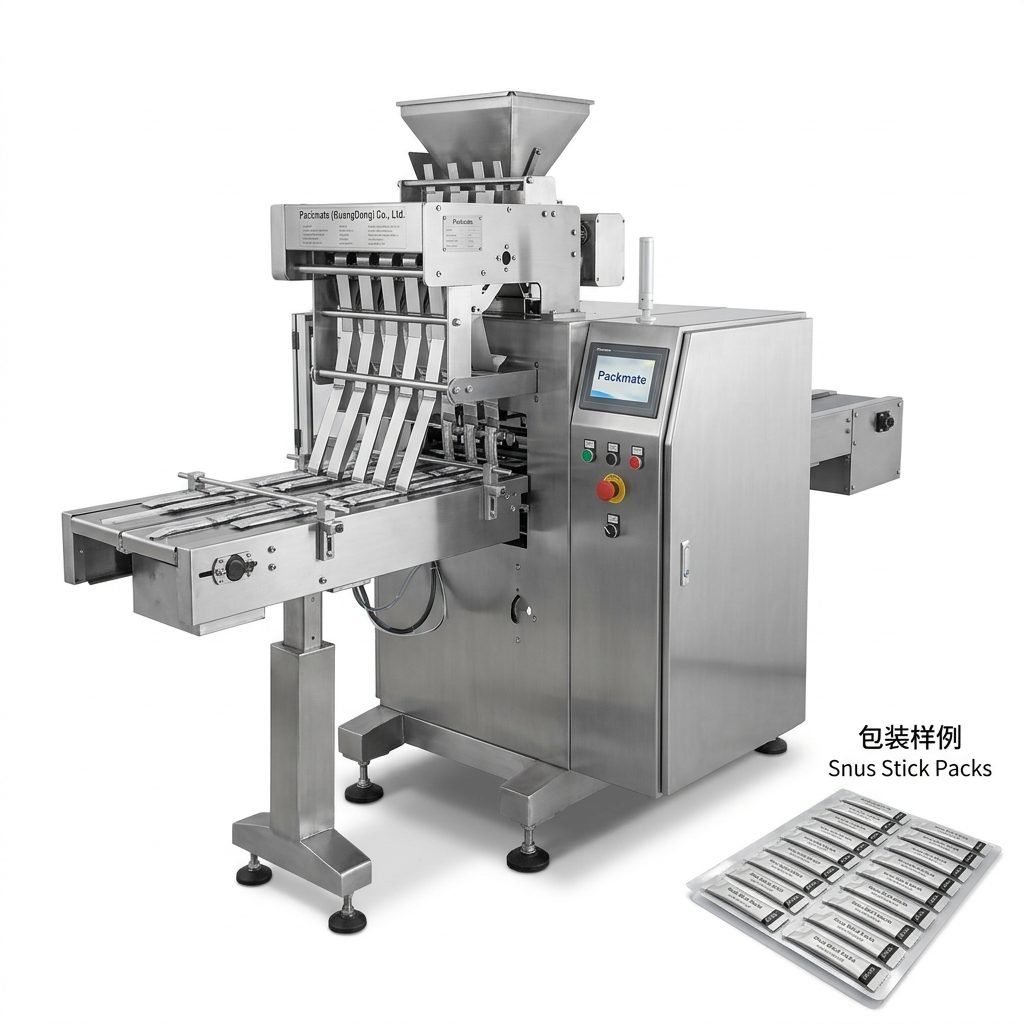
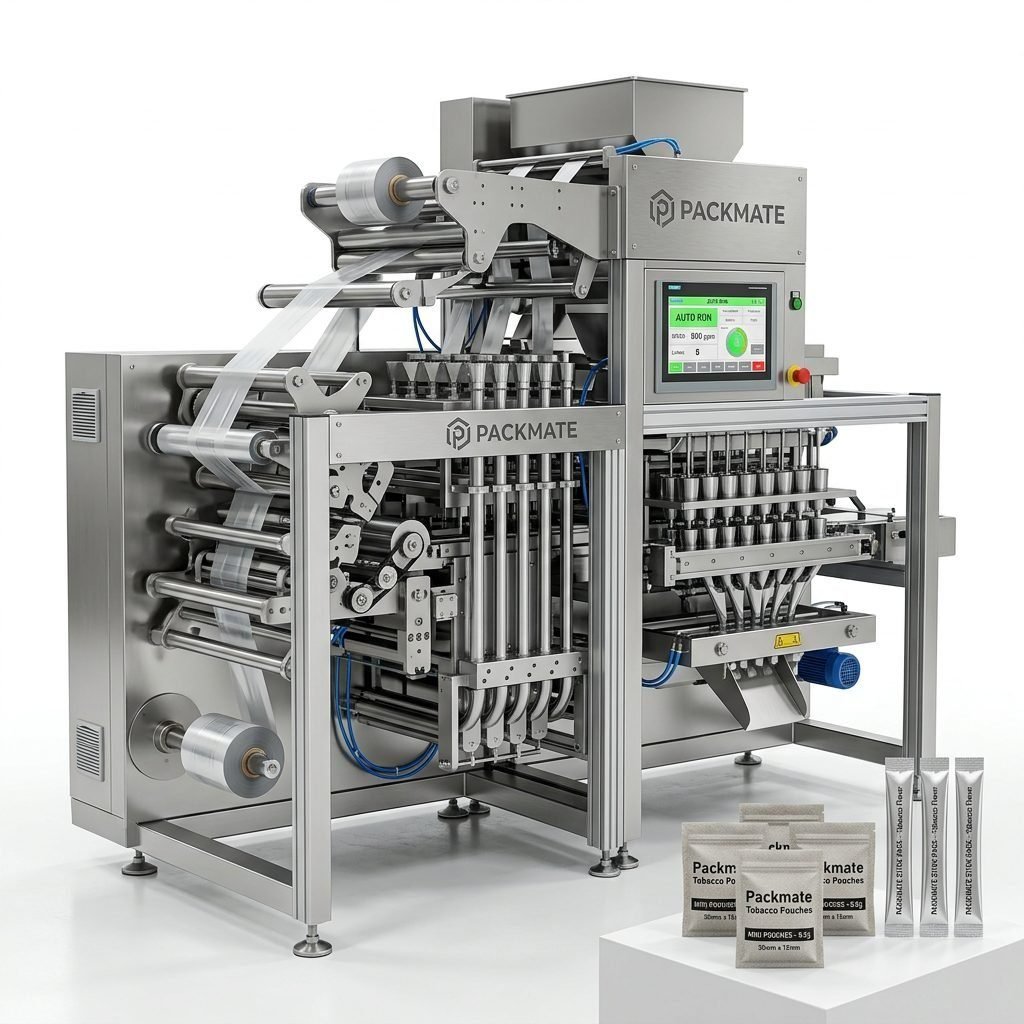
✓ Pouch types and flexibility — ability to run single-dose pouches, sachets, stick packs, or multi-lane formats with minimal changeover.
✓ Sealing technology — hermetic sealing options to maintain product freshness in tropical markets.
✓ Speed and scalability — throughput (pouches/min) and modular upgrades for future growth.
✓ Hygiene and material contact — food-grade contact surfaces, easy-clean design, and CIP options if needed.
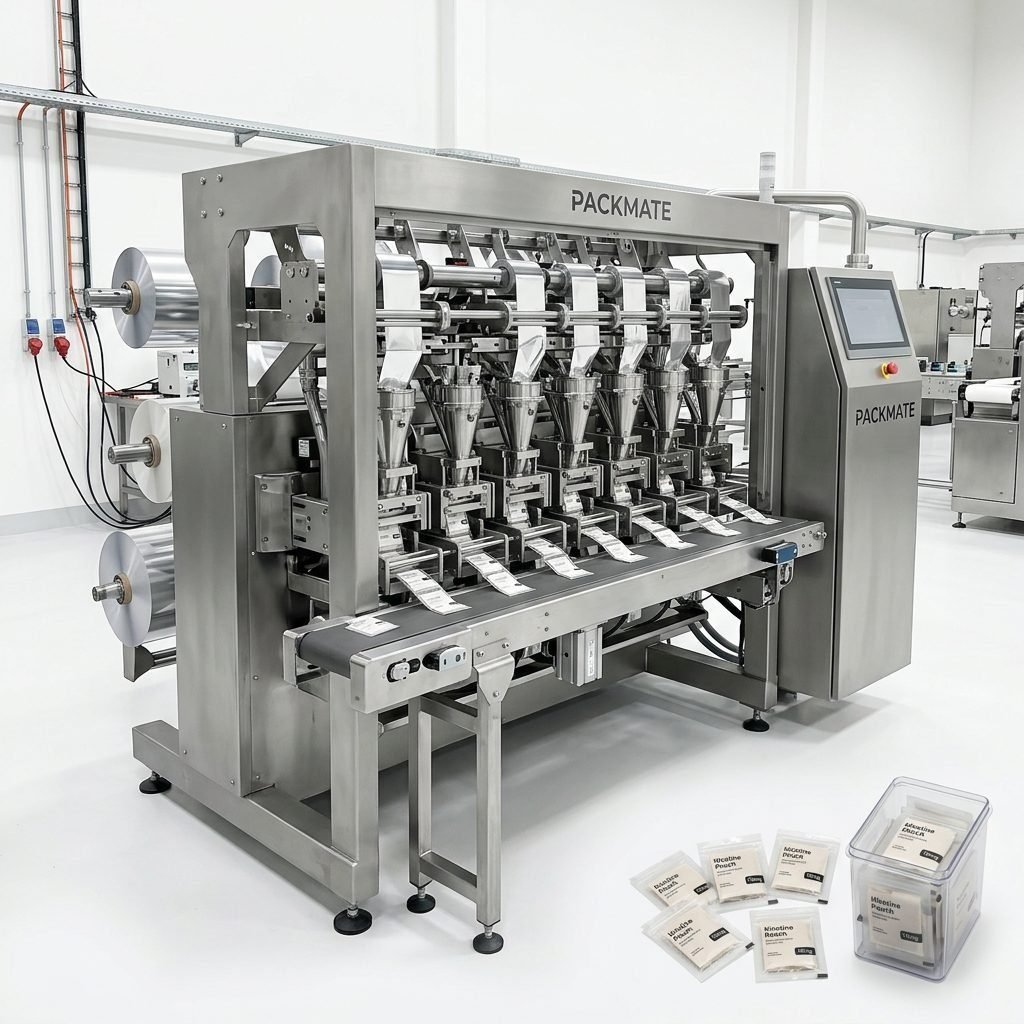
Must-have machine specs for Jamaica: multi-lane capability (for small-dose lines), servo-driven dosing, sealed filling heads, humidity-resistant wiring & IP-rated enclosures, and integrated checkweighers or metal detectors for quality assurance.
Evaluating Supplier Quality & Certifications
Certifications and third-party testing indicate a manufacturer’s commitment to standards. Look for globally recognized marks such as CE and ISO, which demonstrate safety, reliability, and consistent manufacturing practices. Suppliers with documentation and certificates expedite customs clearance and reassure local regulatory bodies.
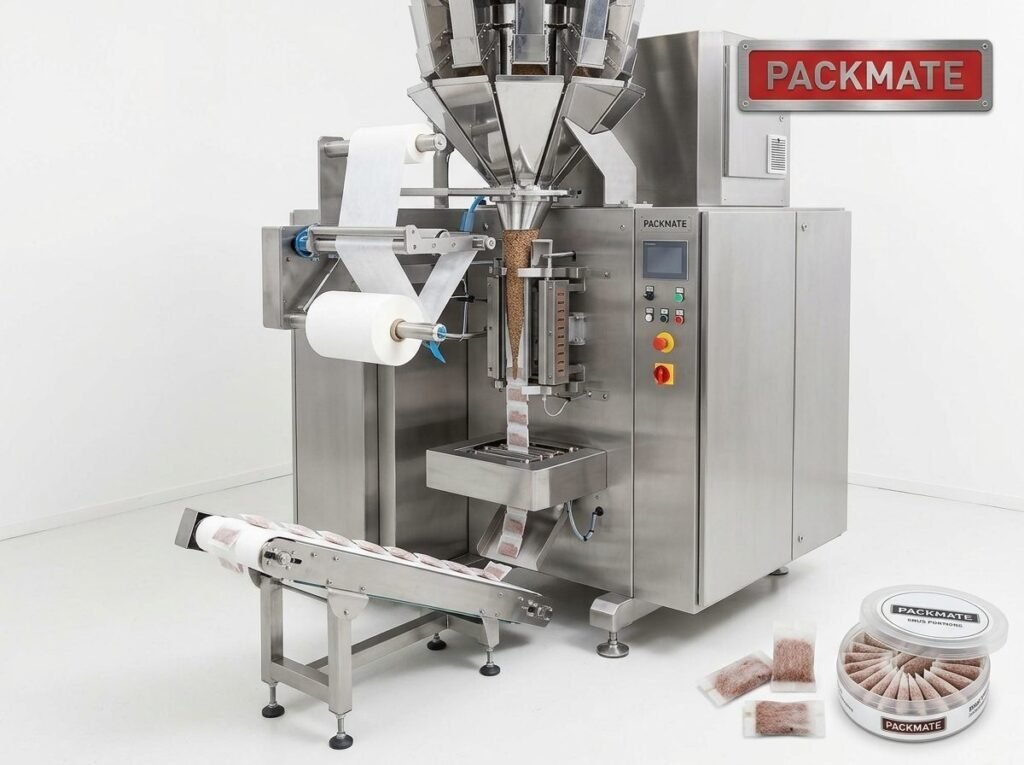
Packmate Snus Machine, for example, lists CE and ISO compliance and showcases its manufacturing strength. To review certificates or company background while you evaluate offers, consult official pages like their Certificate and About Packmate links.
Useful links: Certificate | About Packmate | Snus & Nicotine Packaging Machines
Factory Capabilities & On-site Inspection
A supplier’s factory scale, machinery, and quality control practices are critical. Key points to confirm:
⚙️ Production footprint: confirm workshop size, CNC equipment, and assembly lines. Larger, well-equipped facilities typically deliver better consistency—Packmate lists a 20,000㎡ factory and advanced CNC centers as part of its manufacturing profile.
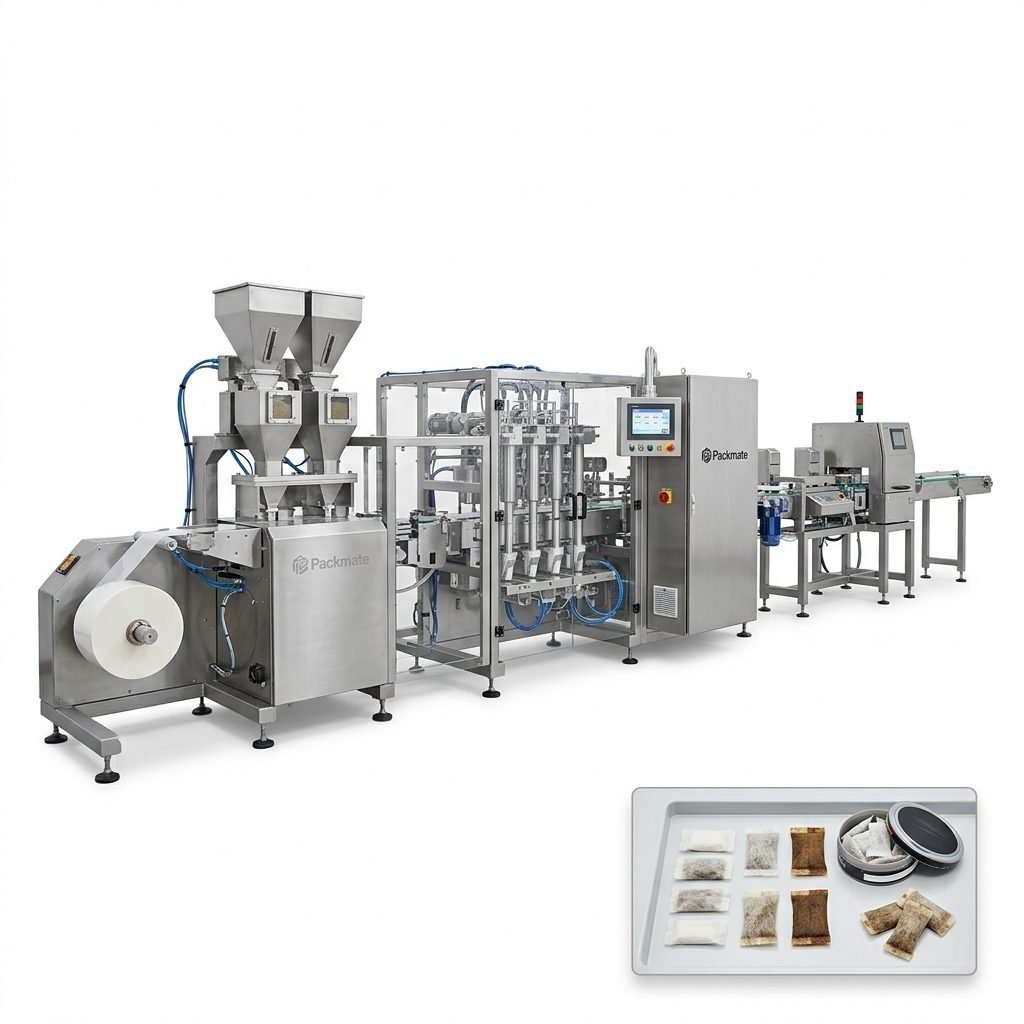
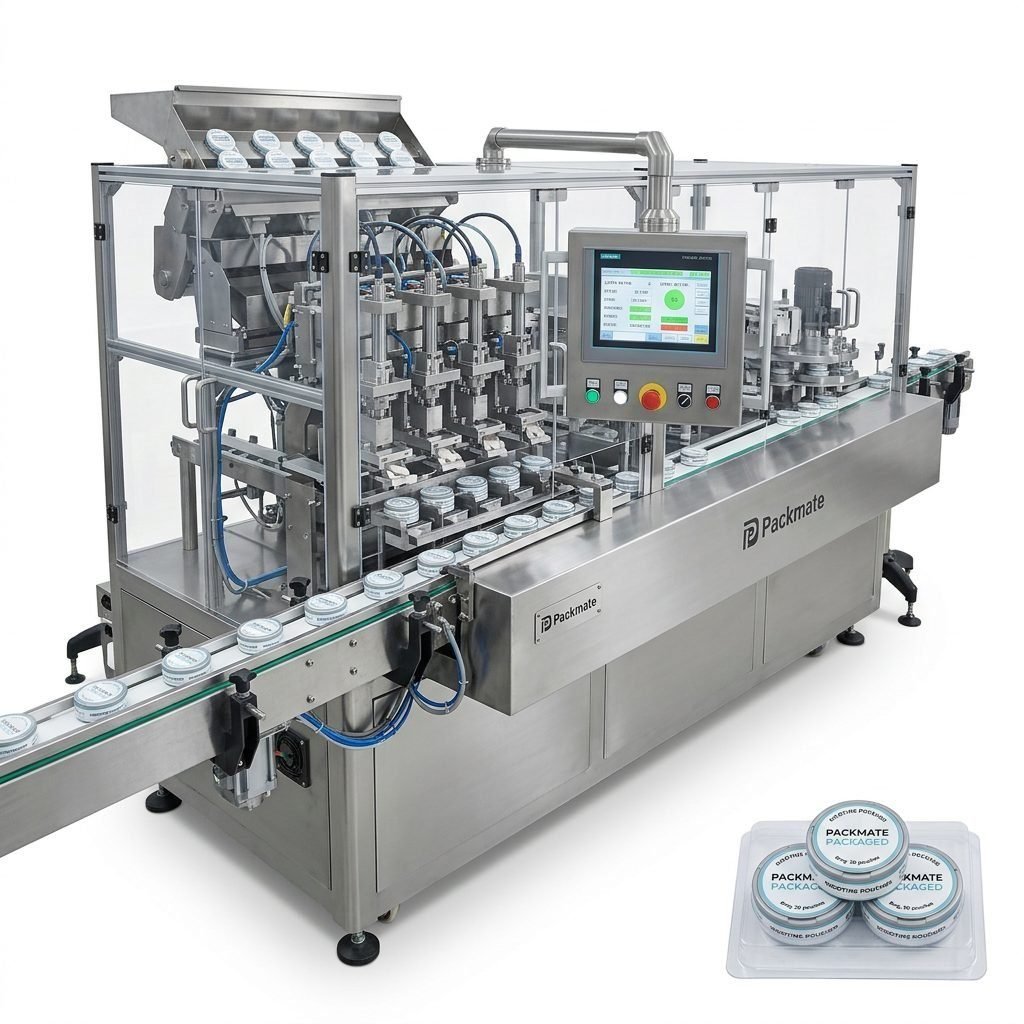
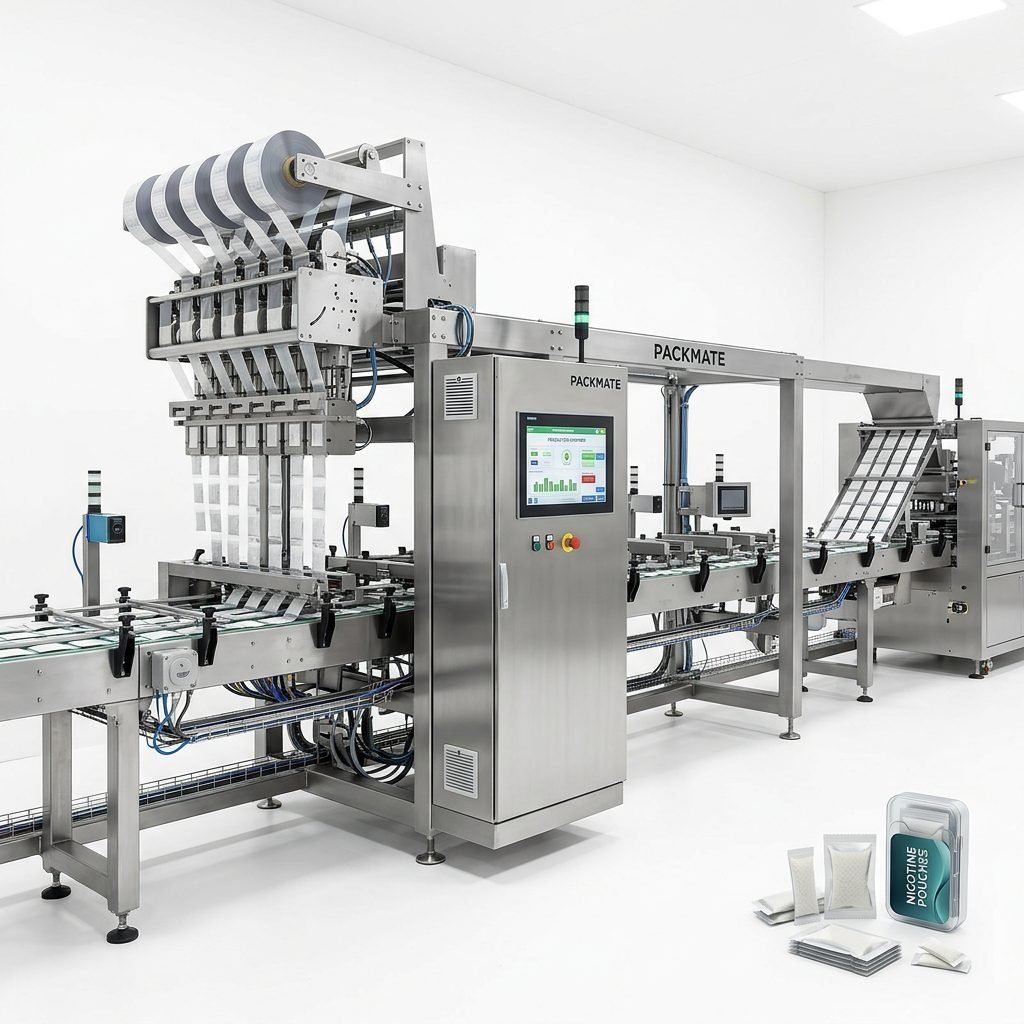
🛠️ Model range and custom options: ensure the supplier can tailor multi-lane systems, add integrated weighing, or supply auxiliary equipment as your product line evolves. See product families like Filling & Packaging Lines or Weighing & Packaging Systems for holistic solutions.
Link for turnkey capabilities: Filling & Packaging Lines
Inspection tip: Request video walkthroughs of similar production lines, ask for references in the nicotine market, and if feasible plan a factory visit. Live demos at exhibitions can provide direct evidence of machine performance—see exhibitor schedules and case studies online.
Service, Spare Parts & Local Support in Jamaica
Ongoing service is often the differentiator between a good purchase and a costly interruption. Confirm:
✅ Spare parts availability — lead time for critical parts and whether the supplier keeps parts in regional hubs.
✅ Remote support — video calls, PLC access, and troubleshooting guides for local technicians.
✅ On-site training — commissioning, operator training, and maintenance training packages.
For ongoing services, check the supplier’s Service and Contact pages before contracting: Service | Contact Us
Cost, Payment Terms and Total Cost of Ownership
Purchase price is only one component. Calculate a realistic total cost including:
• Shipping, customs and port handling to Kingston/Montego Bay.
• Installation and commissioning in Jamaica, including any electrical or foundation work.
• Training and initial spare parts kit.
• Annual maintenance and consumables, such as sealing jaws, belts, and sensors.
Negotiate clear payment milestones—typically deposit, machine-ready, and acceptance testing—and ensure warranties and penalty clauses are included for missed performance targets.
Customization & Turnkey Solutions
For many Jamaican entrepreneurs entering the nicotine pouch business, a turnkey solution reduces complexity. Ask if the supplier can provide:
• Integrated filling, sealing, and secondary packaging lines.
• Weighing and dosing systems for multi-lane production (Weighing & Packaging Systems).
• Customized packaging formats and rapid tooling changeovers to introduce new SKUs quickly.
Why Packmate Could Be a Strong Candidate for Jamaican Buyers
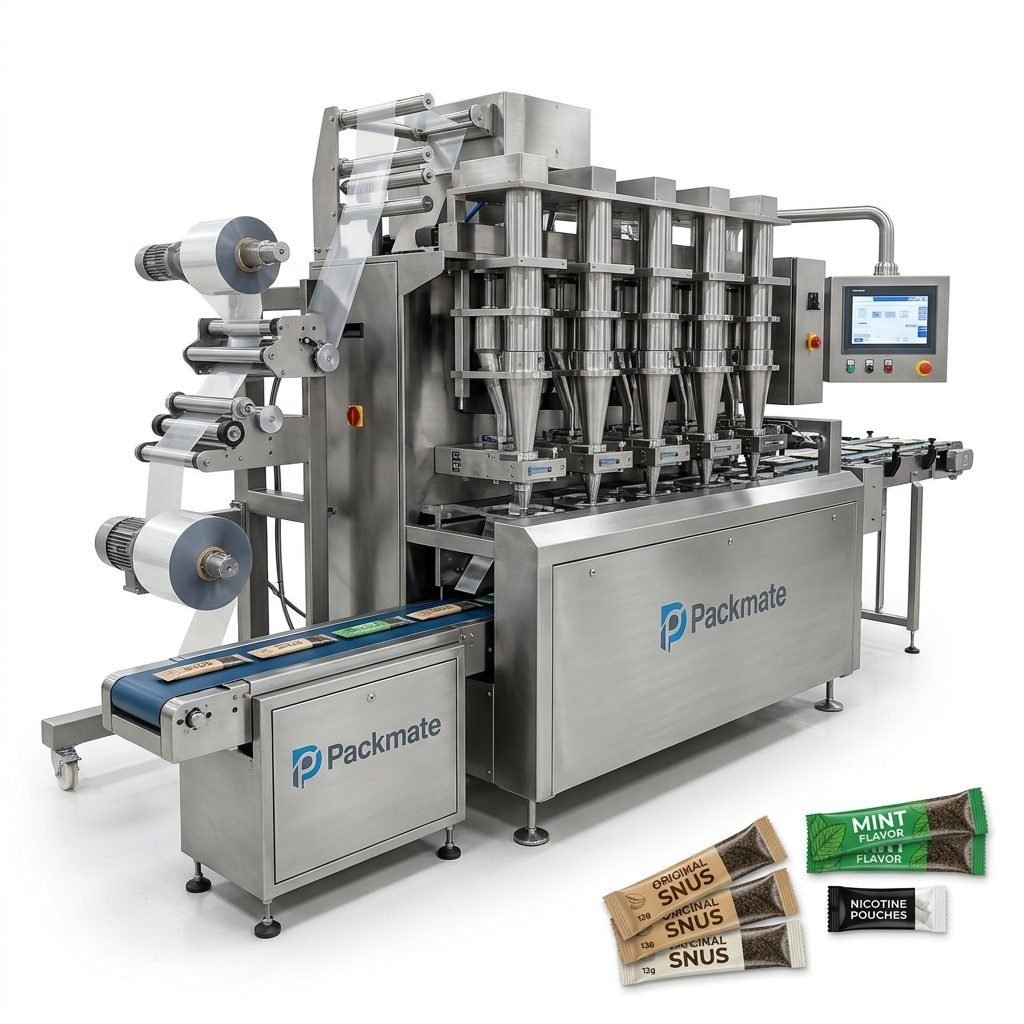
Packmate Snus Machine combines decades of engineering experience with a product portfolio focused on snus and nicotine pouch production. Their factory capabilities, multi-lane systems, and global case history make them worth evaluating for Jamaican projects. Specific strengths include:
• Over 30 years of engineering and continuous improvement spanning stick pack, sachet, and multi-lane systems.
• A broad model portfolio and turnkey production line experience, which helps when scaling a new product into retail channels.
• Participation in global exhibitions and case portfolios that demonstrate real-world deployments—review case studies and exhibition history to validate claims.
For real-world references and demonstration scheduling, check their Case and Exhibition pages: Case | Our Exhibition
Logistics & Local Installation — Practical Tips for Jamaica
Plan for practicalities that affect machine delivery and uptime in Jamaica:
• Confirm export packaging is seaworthy and rated for tropical transit.
• Verify incoming voltage and frequency and specify local electrical configurations—Jamaica typically uses 110V with 50Hz in many places; check factory settings and available options for 220V if needed.
• Allow humidity protection during storage and arrange climate-controlled areas for hygroscopic raw materials.
• Pre-book customs clearance documentation and a local clearing agent familiar with nicotine product shipments.
Practical Checklist Before Signing a Contract
🔎 Technical acceptance criteria: agreed-upon performance test at the factory and final acceptance test after installation.
📦 Spare parts & tooling list: clear lead times and minimum stock recommendations.
🧾 Warranty & service level: define SLA for remote troubleshooting and technician dispatch times to Jamaica.
🚢 Shipping & insurance terms: Incoterm clarity and responsibilities for damage during transit.
Negotiating a Pilot Run
If possible, negotiate a low-volume pilot production run before full acceptance. This reveals real-world issues with dosing, sealing under local humidity, and secondary packing compatibility. Use pilot data to finalize acceptance criteria and warranty triggers.
Final Thoughts: A Practical Roadmap for Jamaican Buyers
Choosing a nicotine packaging machine supplier for Jamaica means combining technical due diligence with local logistical planning. Prioritize suppliers who:
• Demonstrate relevant nicotine packaging experience and compliant machinery.
• Provide clear documentation, spare part strategies, and training packages.
• Offer modular, upgradeable solutions to scale with your business.
When you evaluate offers, balance upfront cost with long-term reliability—good engineering, robust service, and thorough acceptance testing pay dividends in uptime and product consistency.
Next Steps
Start by shortlisting 3–5 suppliers with nicotine pouch experience. Request detailed technical sheets, references, and a virtual or on-site demo. If you want turnkey packaging solutions or detailed product catalogs, explore package lines and equipment pages to narrow options.
Helpful resource: review their Catalog and FAQs pages for product specs and common inquiries: Catalog | FAQs
Common Questions from Jamaican Buyers
Q: How do I ensure a supplier’s machine will handle Jamaica’s humidity conditions?
A: Ask for humidity-resistant electrical enclosures, food-grade stainless contact parts, hermetic sealing options, and references from tropical installations. Include a humidity-test protocol in the acceptance criteria.
Q: What support timeline is realistic for on-site repairs in Jamaica?
A: Suppliers often offer remote troubleshooting within hours and on-site visits within days to weeks depending on technician availability and shipping times. Negotiate defined SLAs and an initial spare parts kit to minimize downtime.
Q: Should I buy a single-lane high-speed machine or a multi-lane system for small-dose nicotine pouches?
A: Multi-lane systems usually provide better throughput for small-dose products with smaller footprints and lower per-unit costs when volumes grow. Evaluate your projected volumes and SKU mix before deciding.
Q: How can I verify a supplier’s claims about throughput and accuracy?
A: Require factory acceptance tests with your product or a close analog, view recorded runs on similar machines, and request multiple references or case studies showing long-term performance.