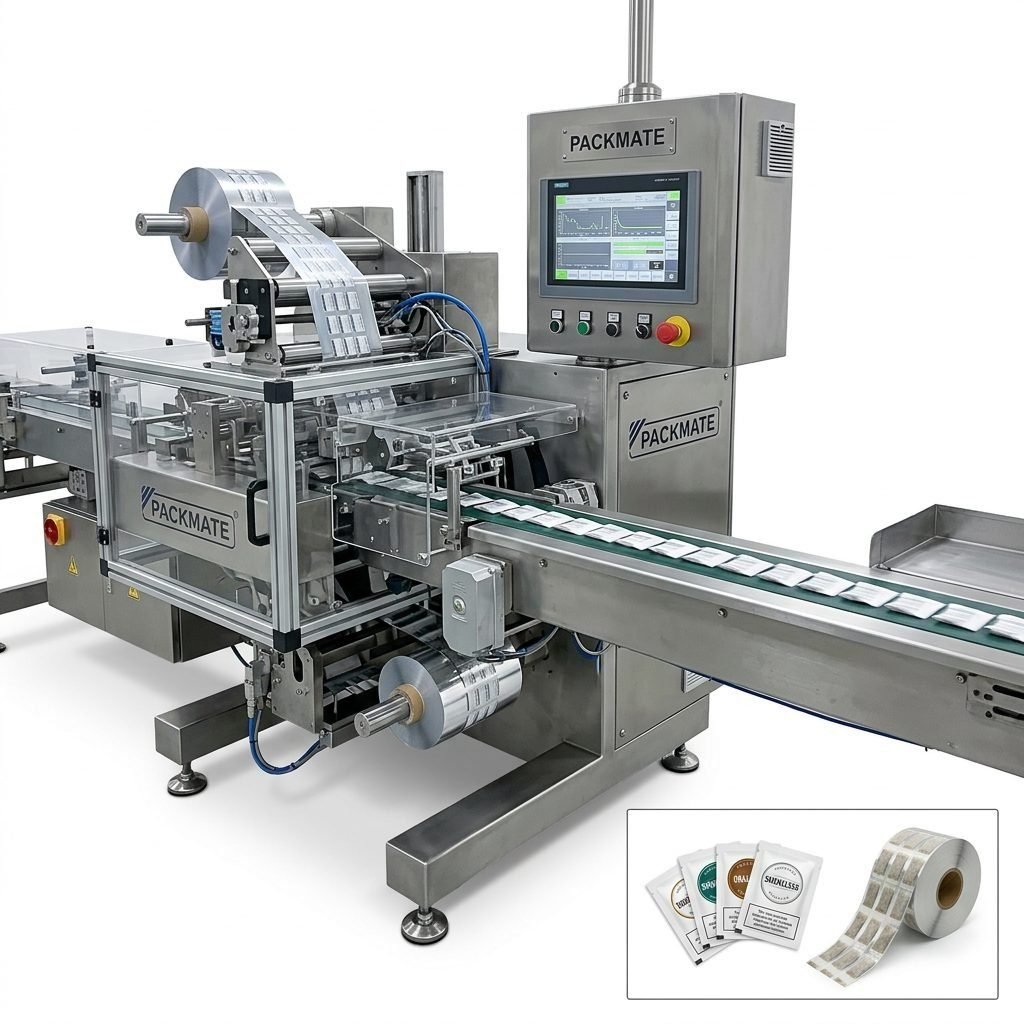
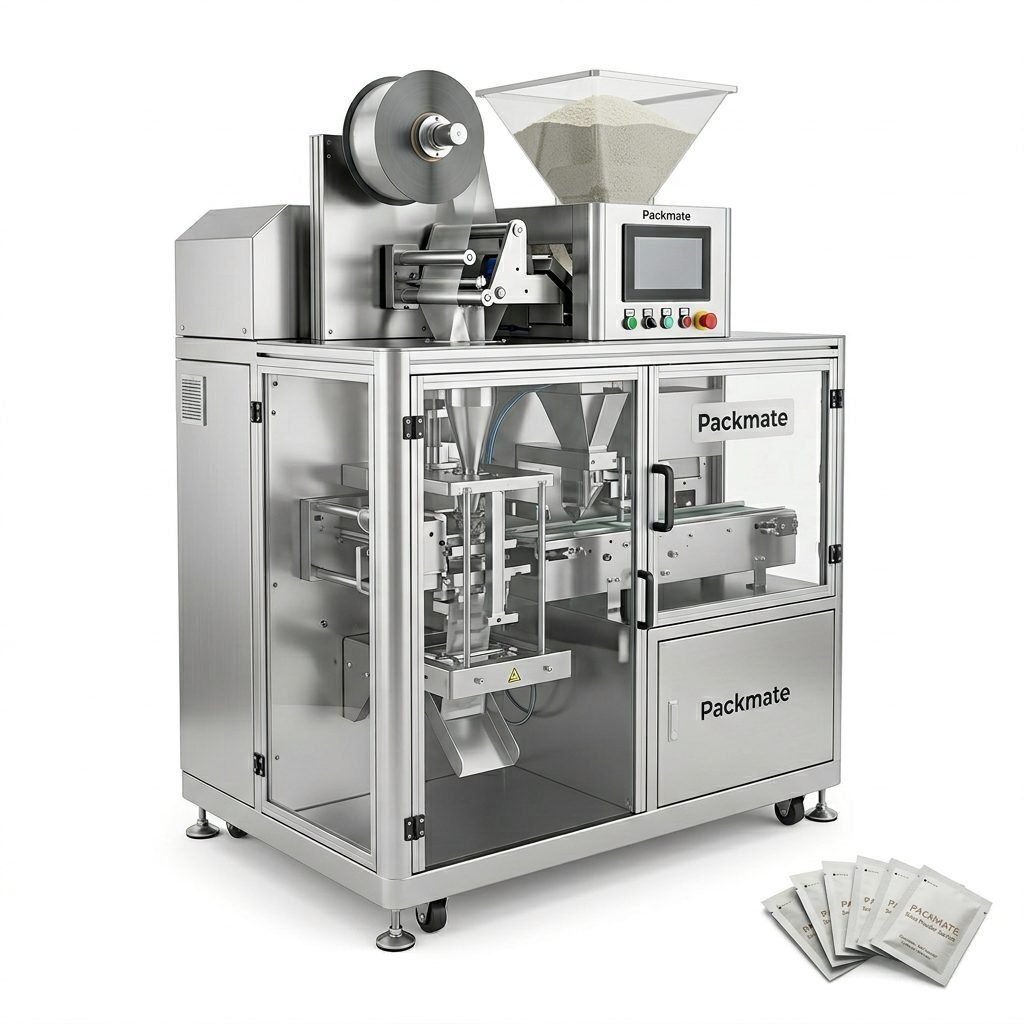
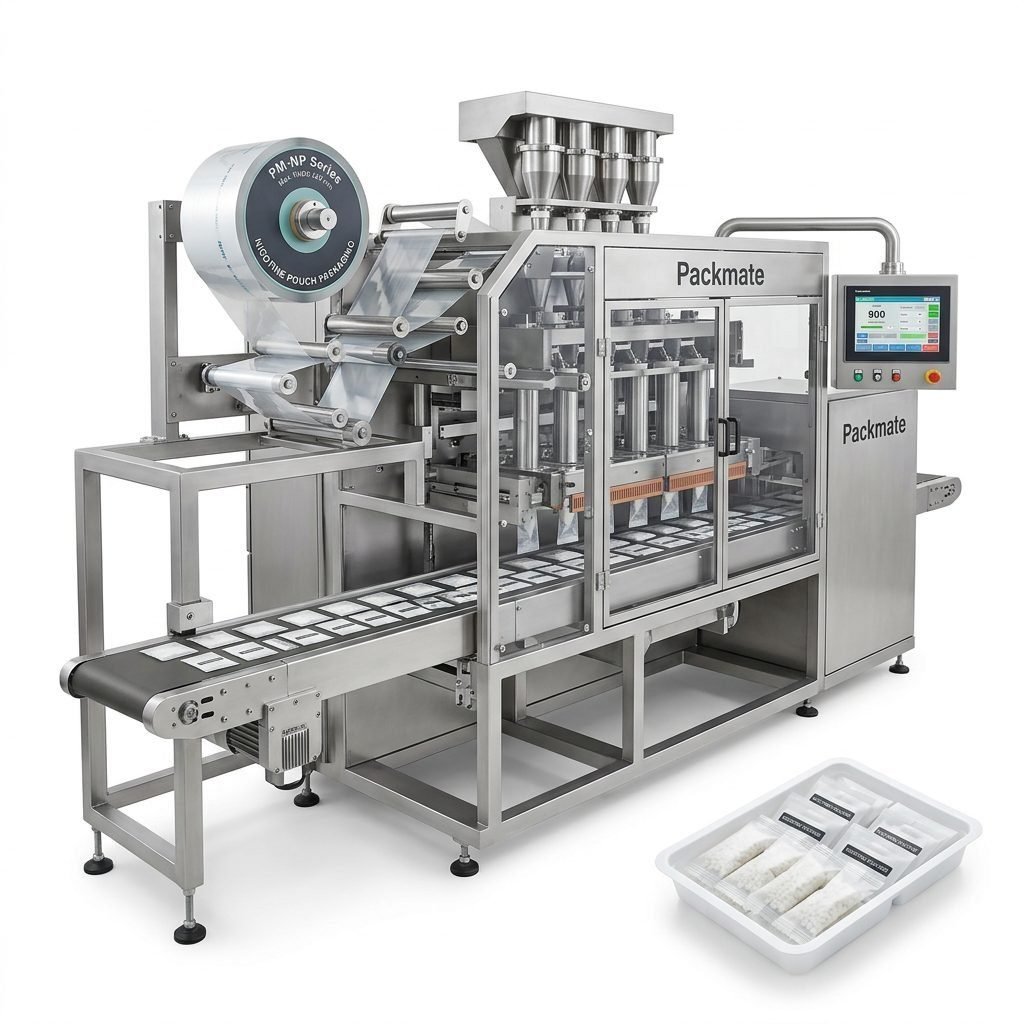
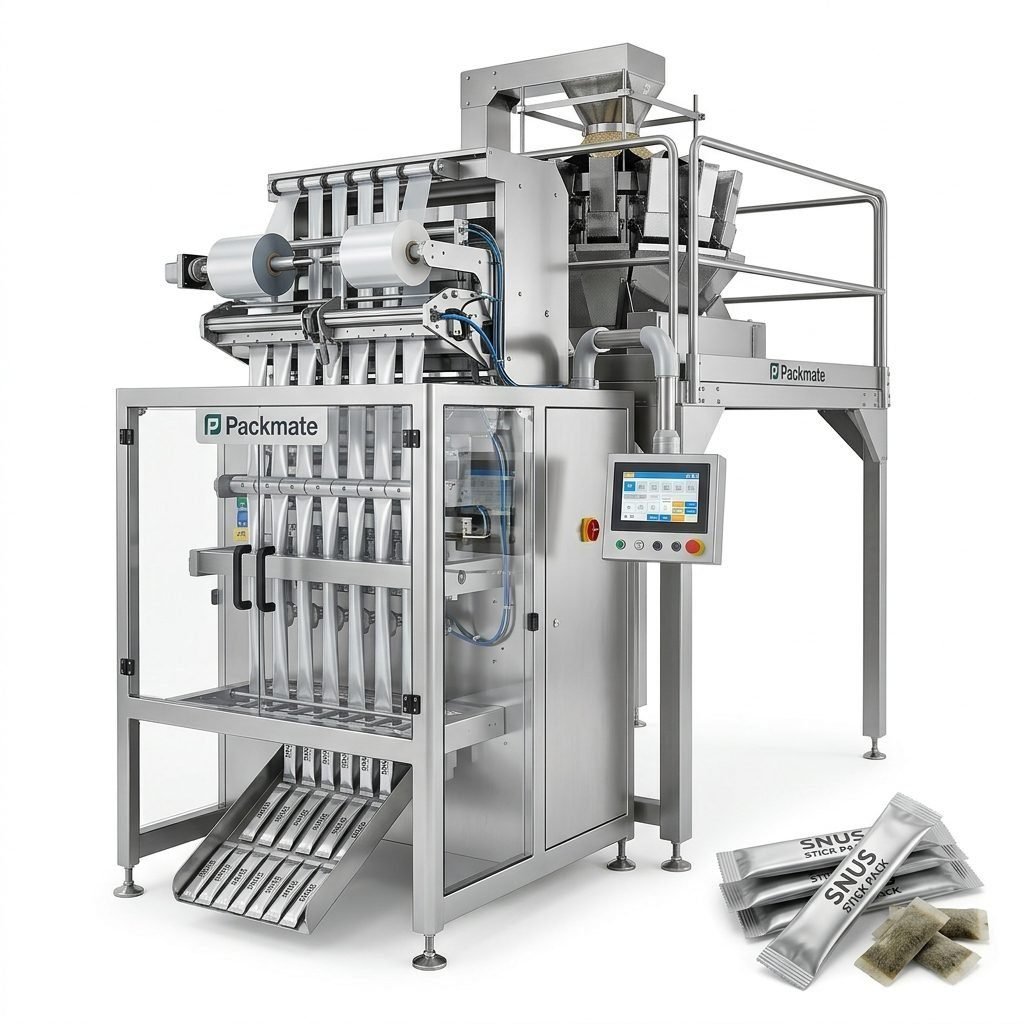
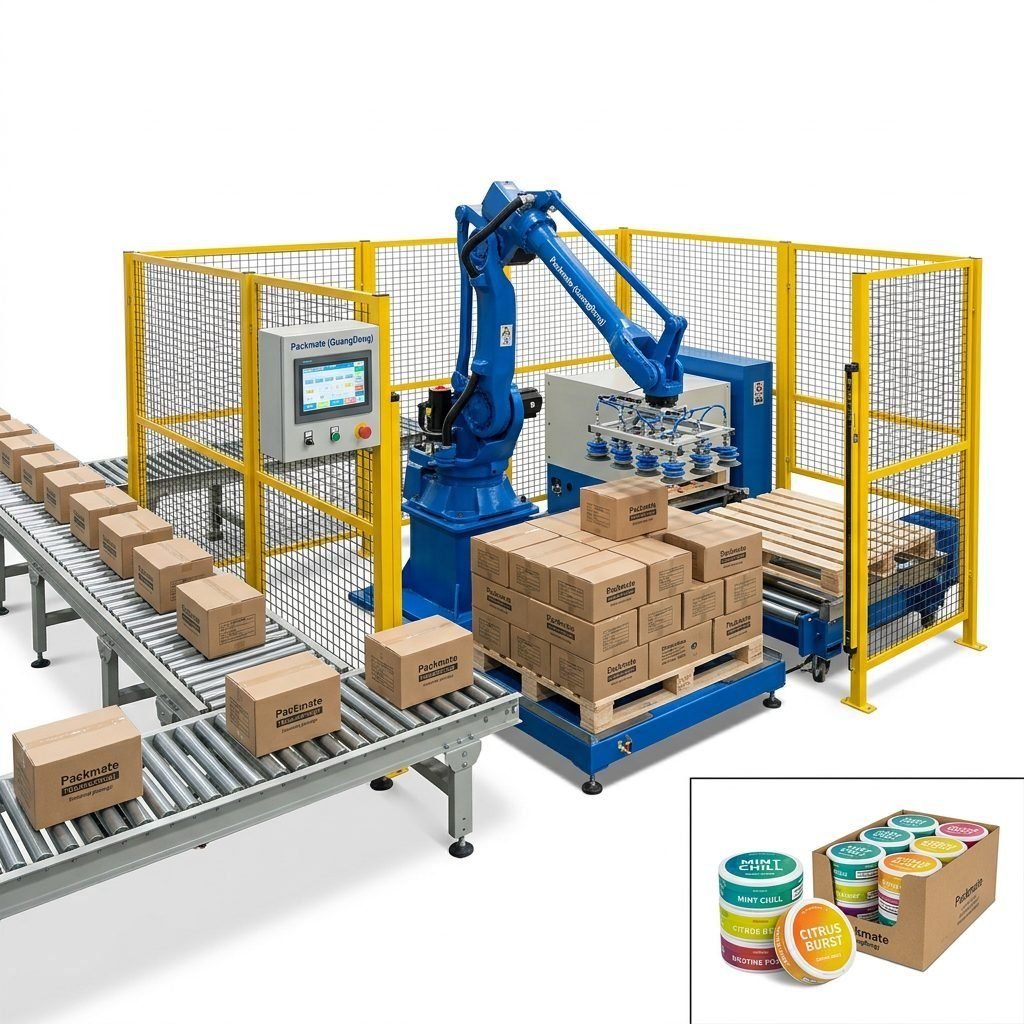
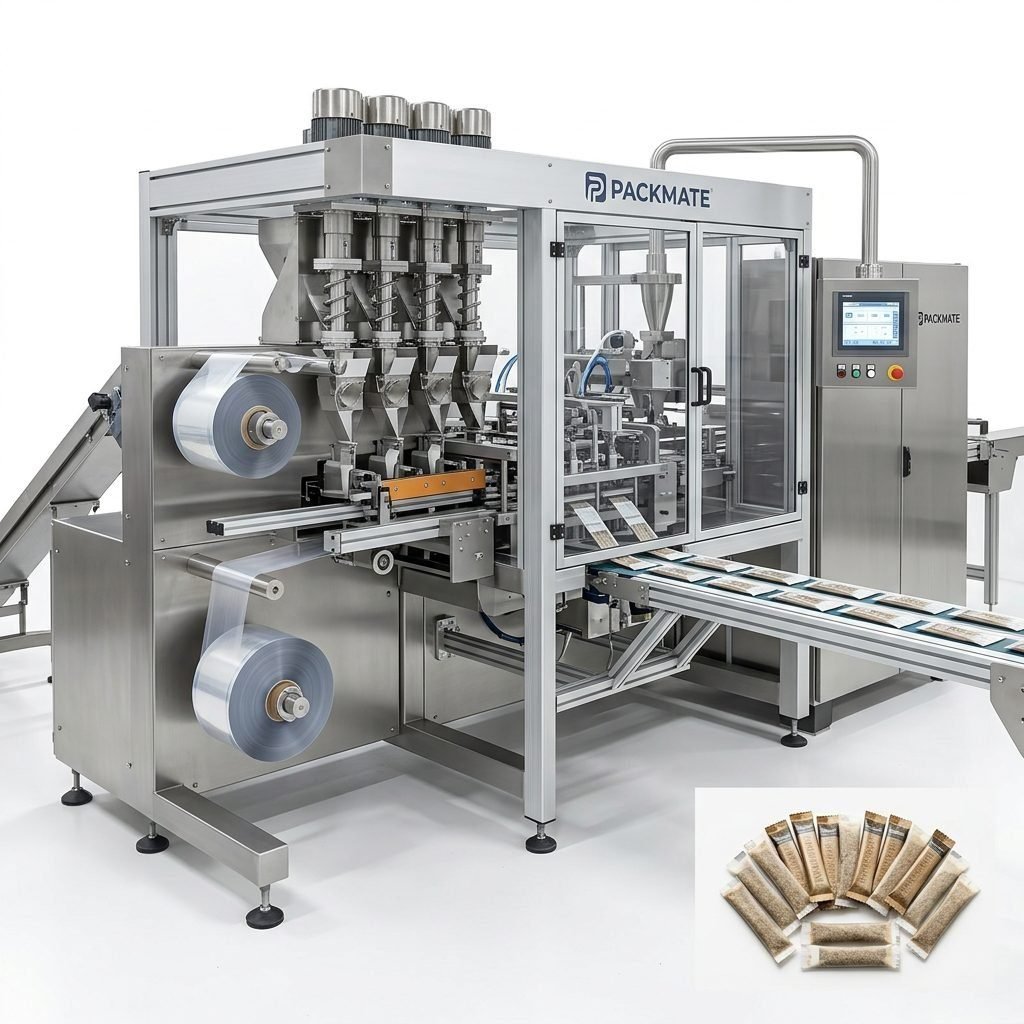
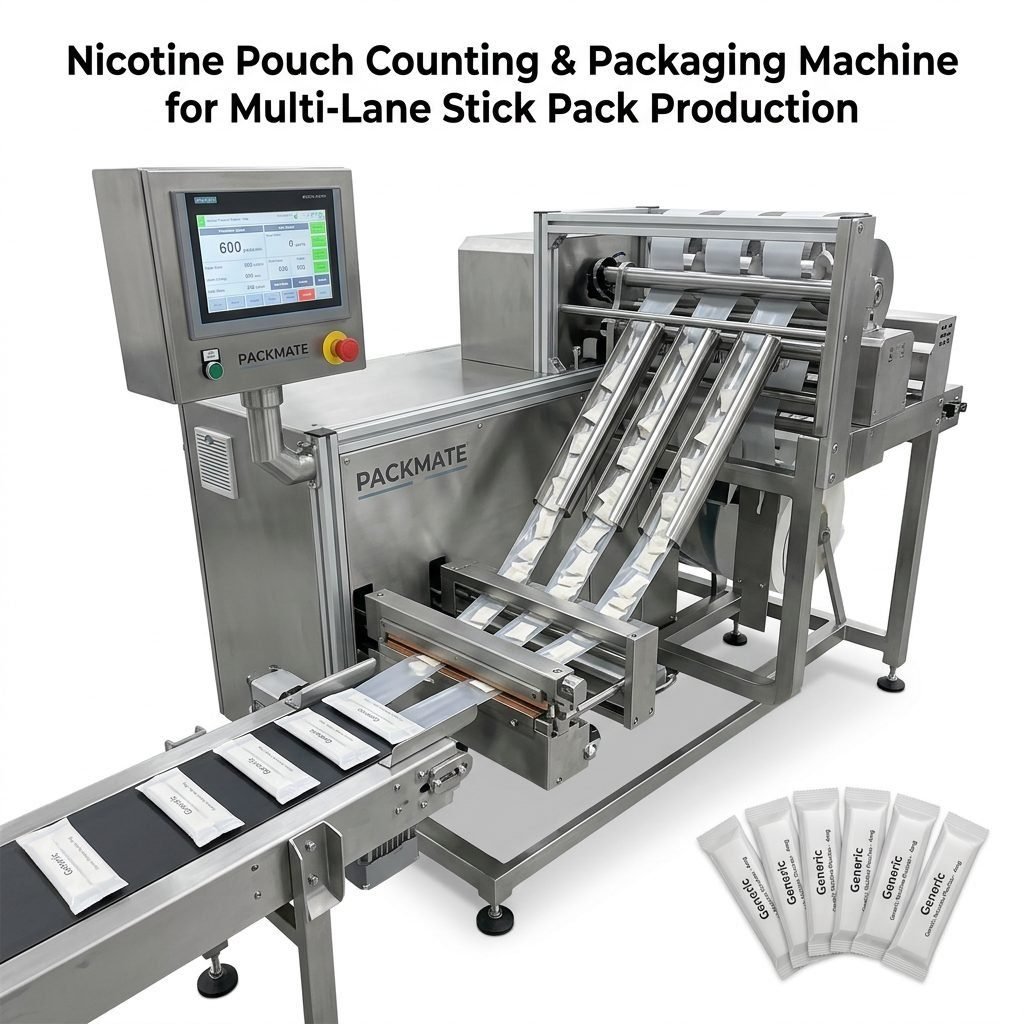
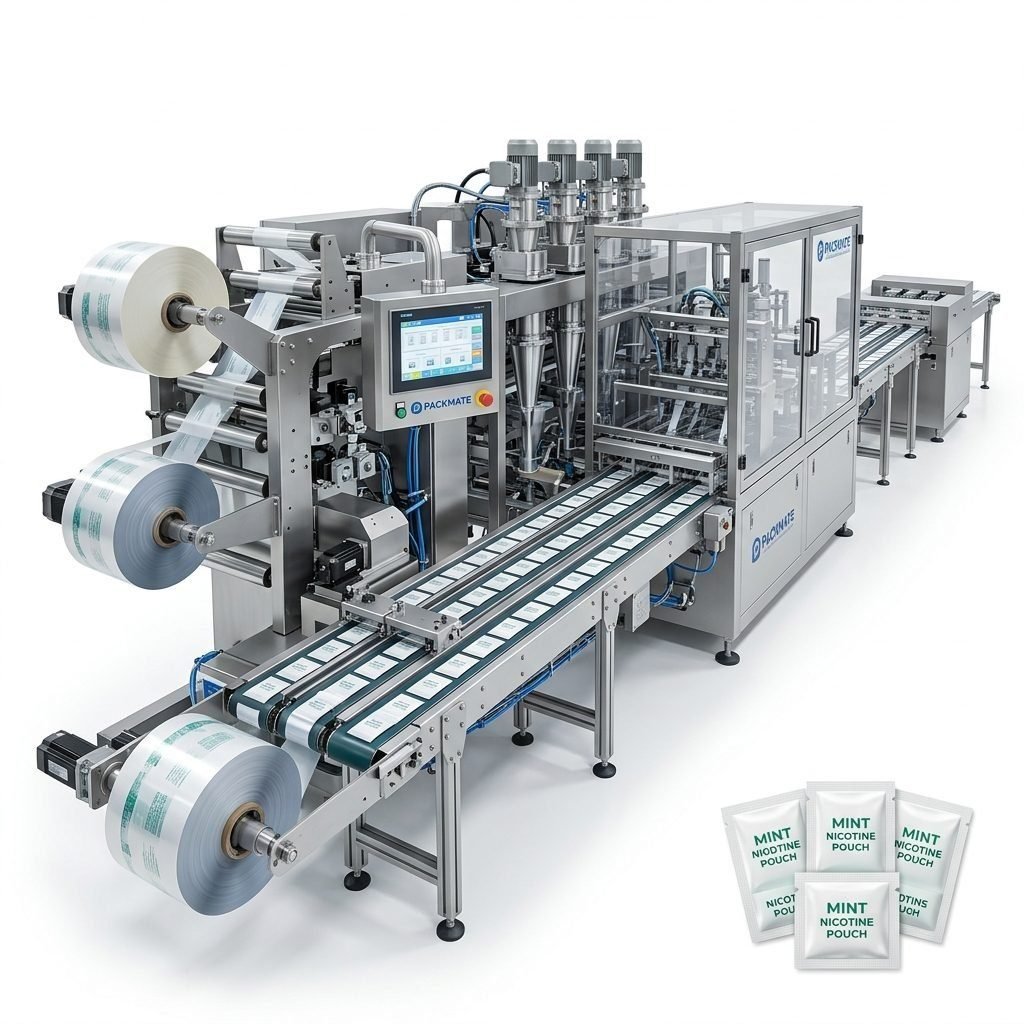
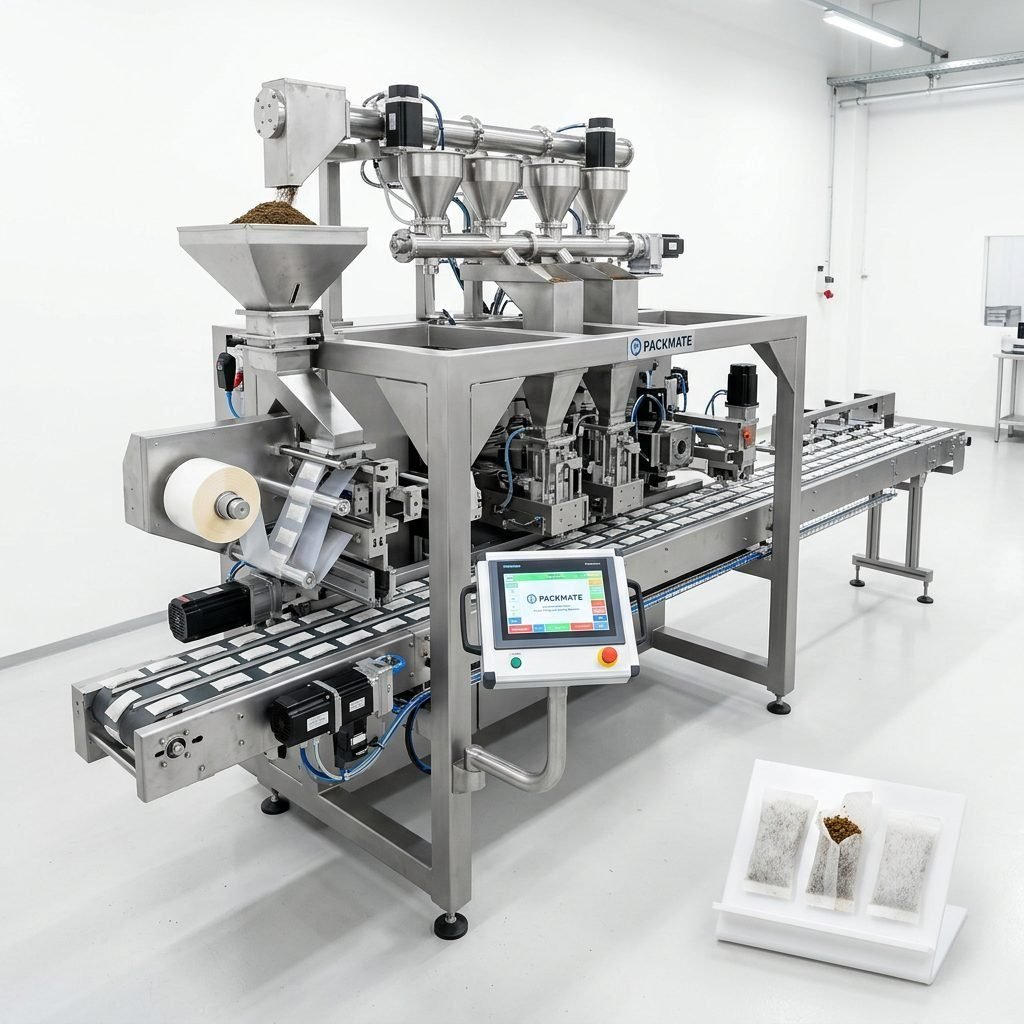
Choosing the right nicotine packaging machine supplier in Namibia can make or break your production plans. Whether you are launching a new nicotine pouch brand or expanding capacity for existing lines, understanding the local market dynamics, regulatory environment, and supplier capabilities will help you make an informed decision. This guide walks you through the key considerations and practical steps to select the best supplier for your business, with actionable tips tailored to Namibia’s unique conditions.
Understand Your Production Needs First
Start by defining your target volumes, pouch formats, and desired automation level. In Namibia, many small-to-medium manufacturers begin with compact multi-lane machines that can scale. Ask yourself:
- What daily output do you require (pouches/hour)?
- Which pouch styles will you produce (snus pouches, sachets, stick packs)?
- Do you need integrated weighing, dosing, or sealing systems?
Why machine specification matters in Namibia
Namibia’s climate—generally arid and with large temperature swings—can affect machine electronics and packaging material behavior. Choose equipment with robust environmental tolerance, reliable temperature control features, and easy-to-source spare parts. Look for suppliers that provide modular solutions allowing future upgrades as your market grows.
Evaluate Supplier Technical Capabilities
A capable supplier should offer more than just a machine: they deliver a production solution. Key technical strengths to verify:
- Proven performance on nicotine pouch and snus packaging lines
- Advanced CNC manufacturing and precision assembly
- CE, ISO certifications and documented quality control
- Capability to supply multi-lane, high-precision machines for small-dose pouches
For reference, consider suppliers like Snus & Nicotine Packaging Machines and their modular lines built for global markets.
Ask for factory details and proof of capability
Request virtual tours, factory photos, and equipment test videos. A strong manufacturer will be transparent: provide assembly-line images, CNC machining evidence, and completed case studies. Packmate Snus Machine, for instance, highlights a 20,000㎡ facility, advanced CNC centers, and 50+ machine models—details that show manufacturing depth.
Review After-Sales Support & Spare Parts
After-sales service is essential, especially when your production is in Namibia where shipping lead times can extend turnaround. A reliable supplier provides:
- Local or regional technical support options
- Spare parts kits and clear lead times
- Remote diagnostics and software support
- Training for operators and maintenance teams
Tip: Confirm whether the supplier stocks common wear parts and can ship via air freight to Windhoek quickly when needed.
Check Customization & Turnkey Capabilities
Your supplier should be able to adapt machines to local packaging preferences, pouch sizes, and regulatory requirements. This includes:
- Custom format tooling for local tobacco/nicotine regulations
- Integration with local weighing, capping, and labeling equipment
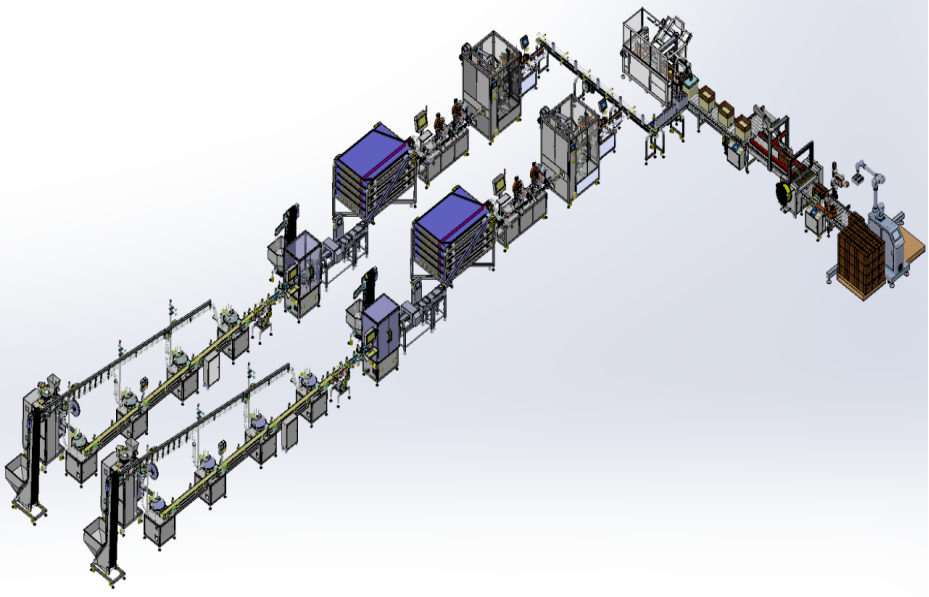
- Complete turnkey lines for filling, sealing, and secondary packaging
Turnkey examples & resources
Explore full production line options like Filling & Packaging Lines and Weighing & Packaging Systems to see how suppliers combine modules into end-to-end solutions.
Verify Regulatory & Compliance Support
Namibia has specific regulations for nicotine products, labeling, and import controls. Choose a supplier familiar with international norms (CE, ISO) and comfortable guiding you through local certification requirements. They should provide documentation and machine safety certificates needed for customs clearance and local registration.
Consider Logistics & Local Partnerships
Namibia’s port at Walvis Bay is a strategic entry point for heavy machinery. When evaluating suppliers, consider:
- Freight options: FOB, CIF to Walvis Bay, or DAP to your factory
- Customs brokerage familiarity with nicotine product imports
- Local installation partners and electricians familiar with both 220V and 380V industrial supplies
Local cultural considerations in Namibia
Business in Namibia values relationships and trust. Suppliers who offer personalized pre-sales communications, flexible negotiation, and post-sale visits will have an advantage. Language is mostly English, but noting Afrikaans or local languages in communications demonstrates respect and builds rapport.
Ask for References and Real-World Cases
A trustworthy supplier will share case studies, customer lists, and exhibition records. Review these materials to understand performance in climates and markets similar to Namibia’s. For example, check a supplier’s case gallery or exhibition history to see real deployments and customer feedback.
Useful links: Case and Our Exhibition.
Evaluate Commercial Terms & Warranty
Understand total cost of ownership beyond the purchase price. Important factors include:
- Warranty duration and scope (mechanical, electrical, PLC)
- Spare parts pricing and recommended stock levels
- Payment terms: deposits, letters of credit, or trade finance
- Lead times and delivery milestones
Negotiate support that matters
Negotiate for at least one on-site commissioning visit, remote start-up support, and a training package for operators. These will reduce downtime and speed up your time-to-market.
Look for Long-Term Partnership Potential
The ideal supplier becomes a partner in growth, offering upgrades, R&D support, and continuous improvement. Look for:
- Open communication channels and local contact options
- Modular machine designs for easy upgrades
- Regular software updates and retrofits for changing regulations
Use a Practical Evaluation Checklist
Before signing, run through this checklist:
- Machine performance verified via video or factory acceptance test (FAT)
- Full spare parts list and pricing provided
- Service and commissioning plan agreed in writing
- Documentation for customs, CE/ISO certificates included
- References from customers in similar climates or industries
A supplier with decades of experience and a comprehensive product list—like those offering Bag & Pouch Packaging Machines—is often more reliable for long-term operations.
Operational Readiness in Namibia
Prepare your facility: ensure stable power supply (consider UPS and voltage stabilizers), adequate floor loading capacity, and proper humidity/temperature control. Train staff in basic maintenance and create SOPs for changeovers and cleaning.
Local workforce & training
Namibia has a skilled and growing technical workforce. Investing in training will improve yield and reduce waste. Prioritize suppliers that include hands-on training during commissioning and provide multilingual manuals or remote support.
How Packmate-type Suppliers Stand Out
Suppliers with long engineering histories—strong R&D, extensive model ranges, and global service experience—offer a safer choice. Key strengths to value:
- 30+ years of engineering and machine development
- Large manufacturing facilities and precision CNC capabilities
- Wide product range from snus machines to auxiliary equipment
- Global turnkey solutions and exhibition presence
Learn more about company backgrounds and offerings at About Packmate and review their services via Service.
Final Decision: Make the Selection with Confidence
Balance technical fit, commercial terms, and local support when making your final choice. Prioritize suppliers who offer documented performance, in-depth after-sales plans, and flexibility to adapt machines for Namibia’s market and climate. A well-chosen partner will help you scale sustainably, reduce downtime, and ensure compliance.
Quick reminder: prioritize machine reliability, spare parts availability, and local support. These factors determine your operational continuity more than the lowest upfront price.
Common Questions from Namibian Buyers
Q1: How long does shipping and installation typically take to Namibia? ✓
A: Lead time varies with model and customization. Standard machines may ship in 8–12 weeks; turnkey lines take longer. Factor in sea freight to Walvis Bay and customs clearance (2–6 weeks depending on documentation).
Q2: Do suppliers offer on-site training in Namibia? ✓
A: Reputable suppliers include commissioning and operator training. Clarify whether travel costs are included or billed separately.
Q3: What are the most common maintenance needs? ⚙️
A: Routine lubrication, sealing jaw inspections, sensor calibrations, and periodic replacement of wear parts (belts, cutters). Keep a small inventory of critical spares on site.
Q4: Which machine certifications should I request? 📄
A: Ask for CE, ISO quality documents, and machine safety certificates. Also request FAT reports and performance test videos for your specific product.
Q5: How do I contact a reliable supplier? Contact Us
FAQs — Top 3 to 5 Common Questions
1) What is the best machine type for small-batch nicotine pouches?
Answer: Multi-lane, small-dose snus pouch machines are ideal for flexible small-batch production and quicker format changeovers.
2) How do I ensure machine uptime in a remote location?
Answer: Maintain a local spare-parts stock, subscribe to remote support, and schedule regular preventive maintenance.
3) Can I get references from customers in Africa or similar climates?
Answer: Yes—reputable suppliers provide case studies and client references. Review these carefully before purchase.