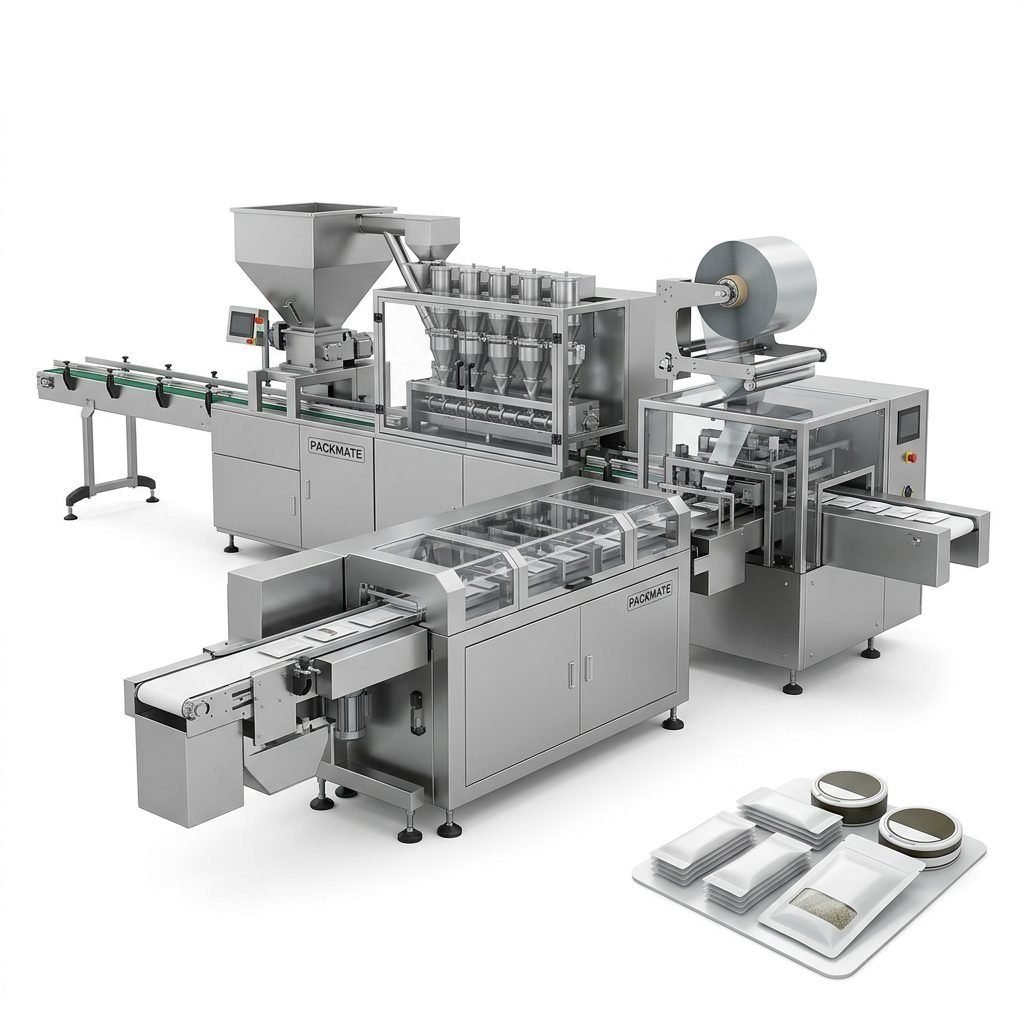
Choosing the right nicotine packaging machine supplier in Slovenia can make the difference between a smooth product launch and months of downtime. This guide walks you through every practical step — from understanding Slovenian and EU regulatory nuances to evaluating machine performance, factory capability, after-sales support, and total cost of ownership. Whether you are a small Slovenian startup or a Central European distributor expanding into nicotine pouches, these insights will help you select a supplier who delivers reliability, compliance, and measurable ROI.
Understand the Slovenian Market & Local Nuances
Slovenia is an EU member with a pragmatic business culture that favors reliability, compliance, and transparency. When sourcing nicotine pouch packaging equipment:
🔍 Regulatory awareness: EU regulations and local Slovenian health and consumer laws shape how nicotine-containing or nicotine-free pouches may be manufactured, labeled, and distributed. Always validate product compliance with local authorities and consider suppliers that provide documentation for CE, ISO, and other relevant certificates.
🤝 Language & support: Business in Slovenia may use both Slovene and English. Suppliers offering multilingual manuals, training, and local partner contacts will reduce friction in commissioning and maintenance.
📦 Logistics & VAT: As an EU country, domestic shipments inside the union are simpler, but consider customs documentation and VAT treatment for imports from outside the EU. Choose a supplier experienced in EU deliveries and export packing.
Key Machine Types & Which Fits Your Business
The nicotine pouch industry uses several packaging formats. Knowing what you need helps narrow suppliers:
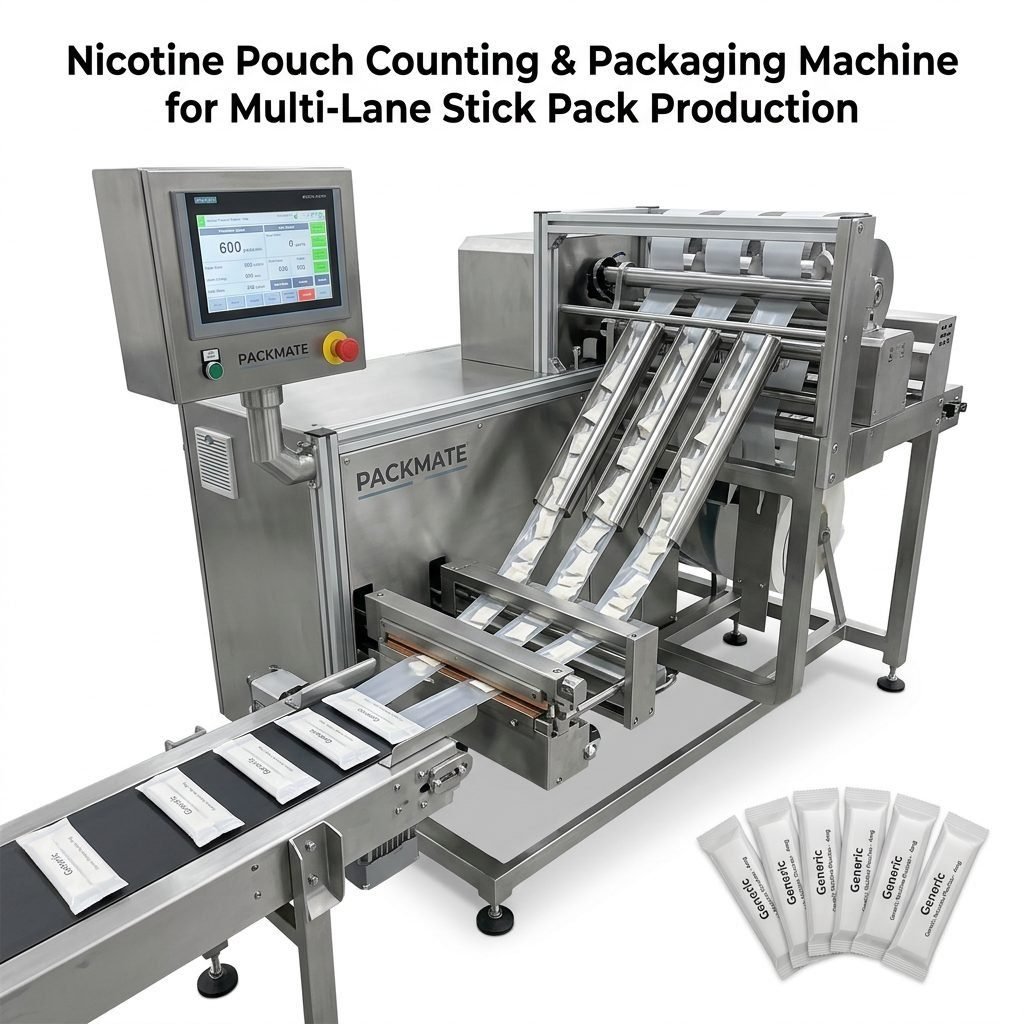
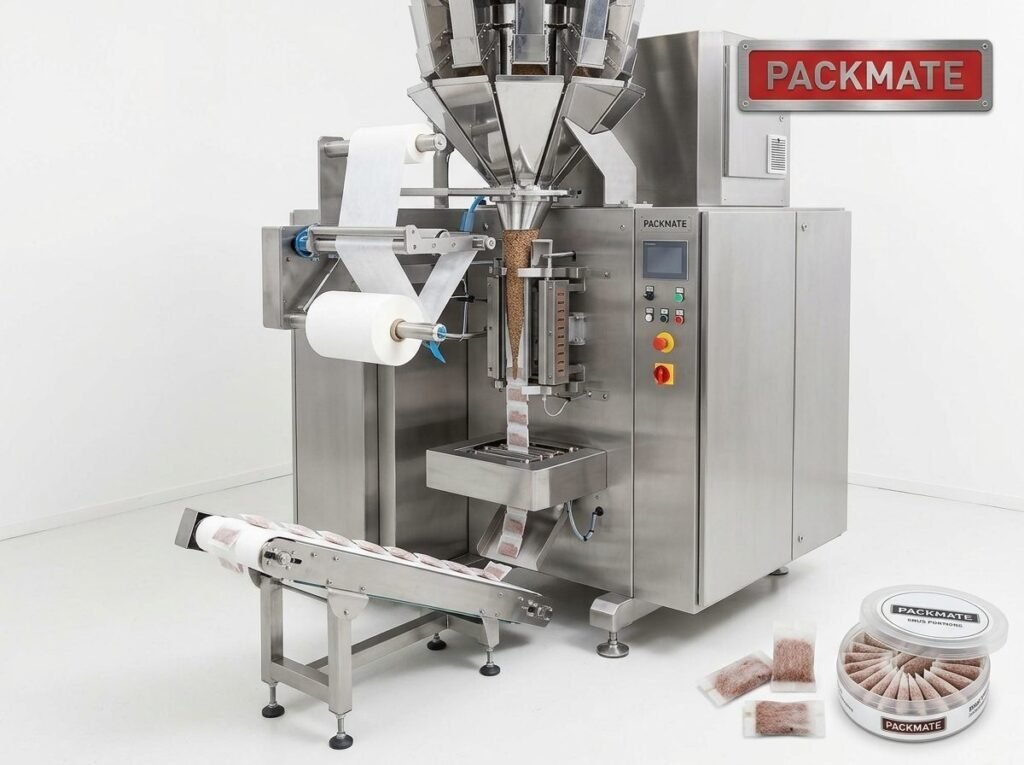
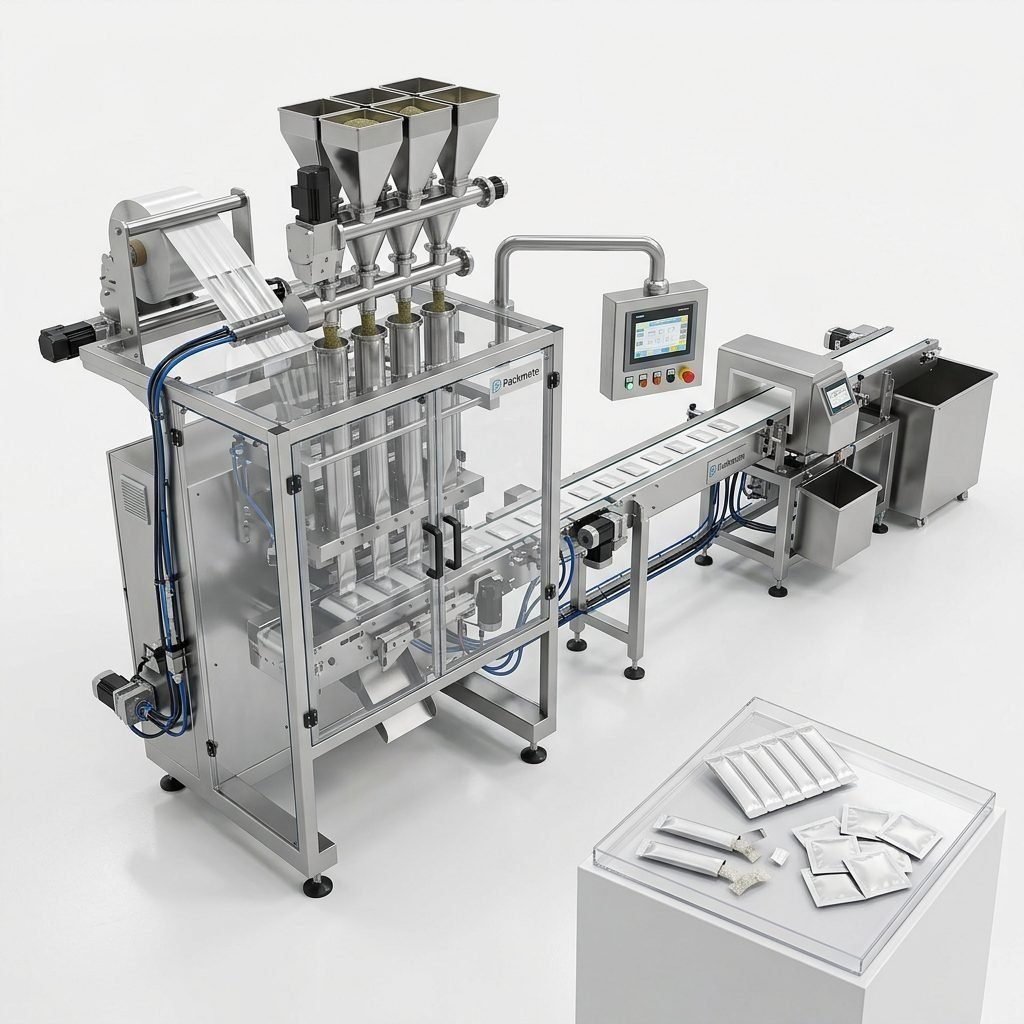
✅ Stick pack and sachet machines for single-dose pouches — ideal for on-the-go formats. See examples of these systems in suppliers’ portfolios like Sachet & Stick Pack Machines.
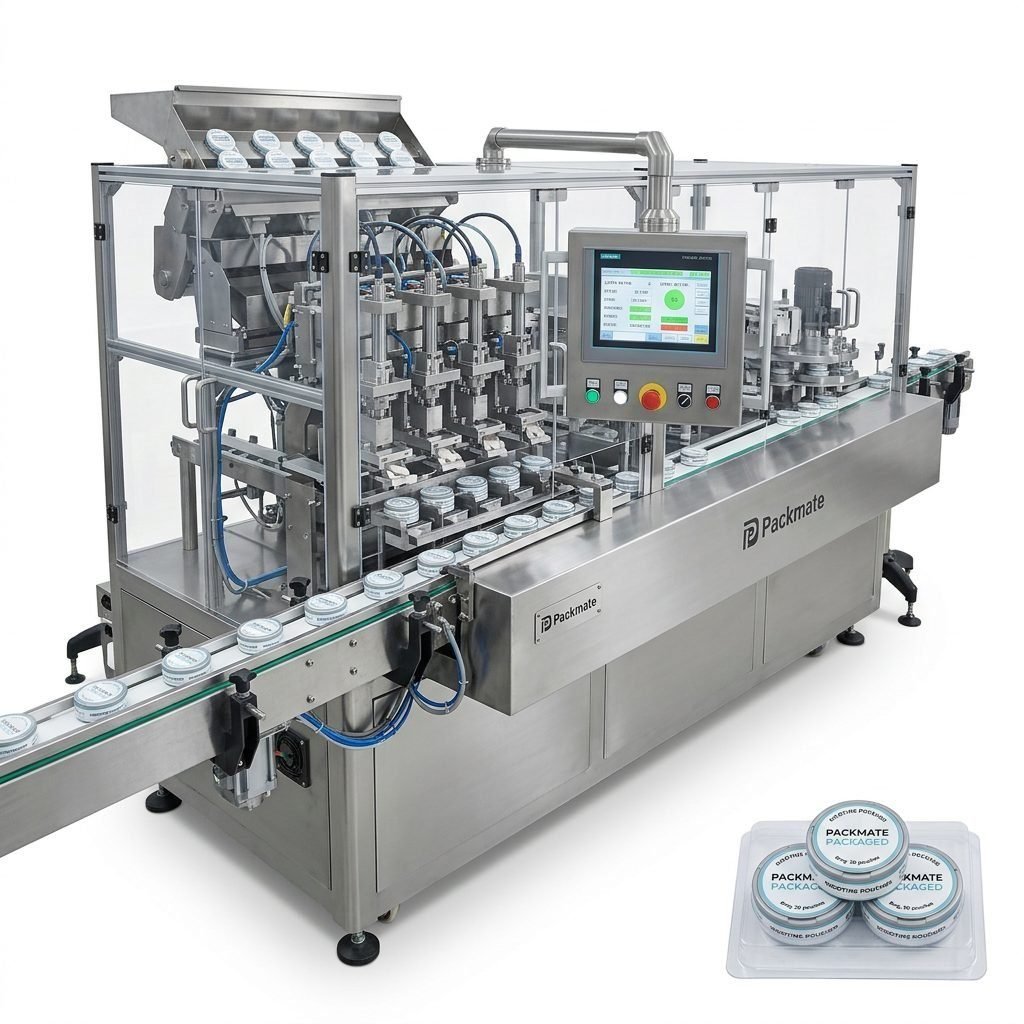
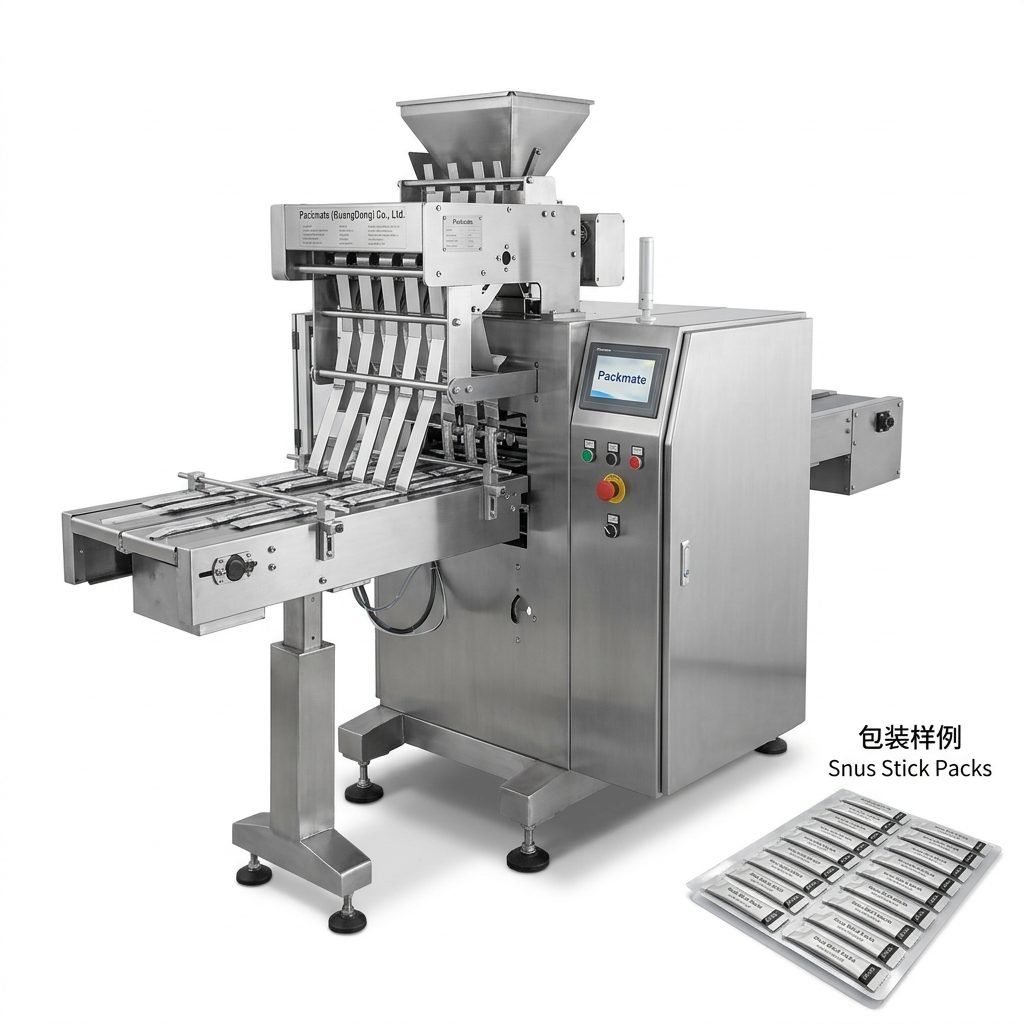
✅ Multi-lane snus/nicotine pouch machines for higher throughput small-dose production lines — often preferred by brands scaling volume quickly. Explore options at Snus & Nicotine Packaging Machines.
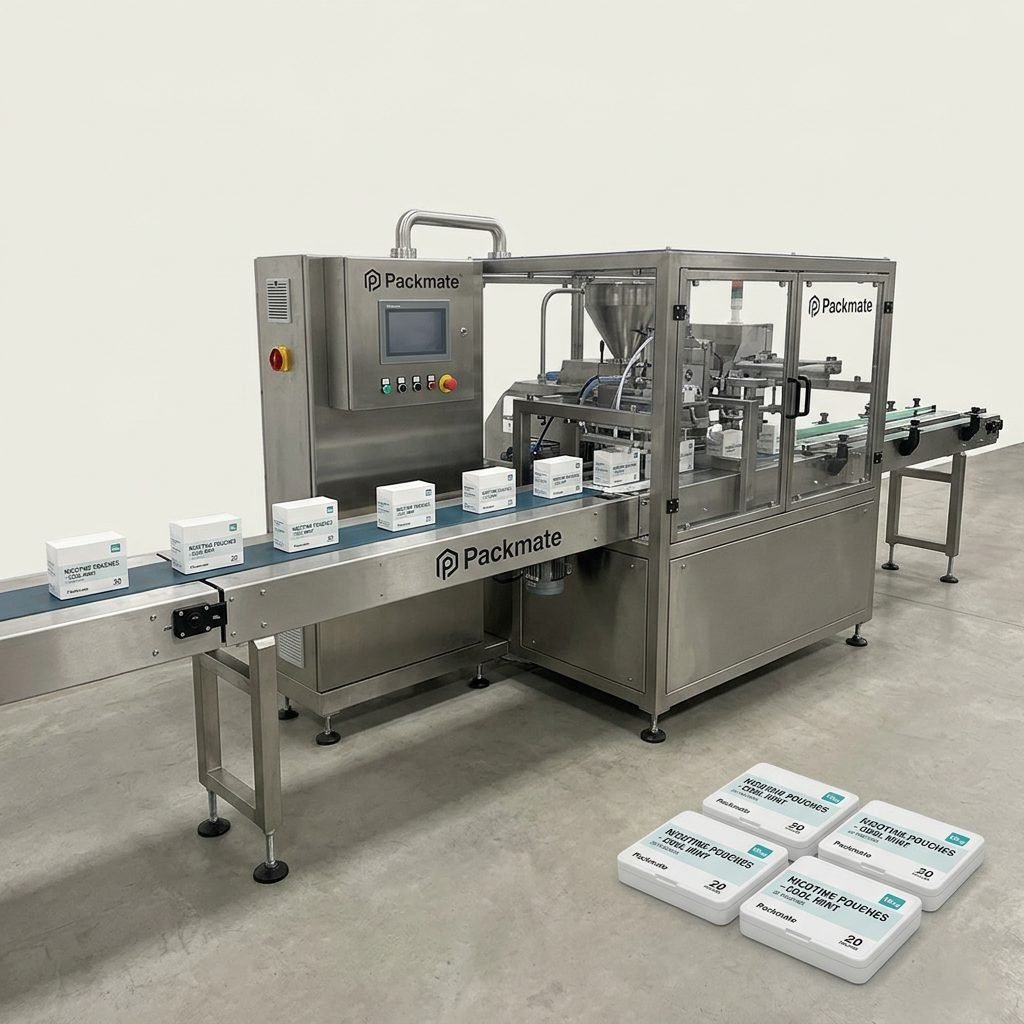
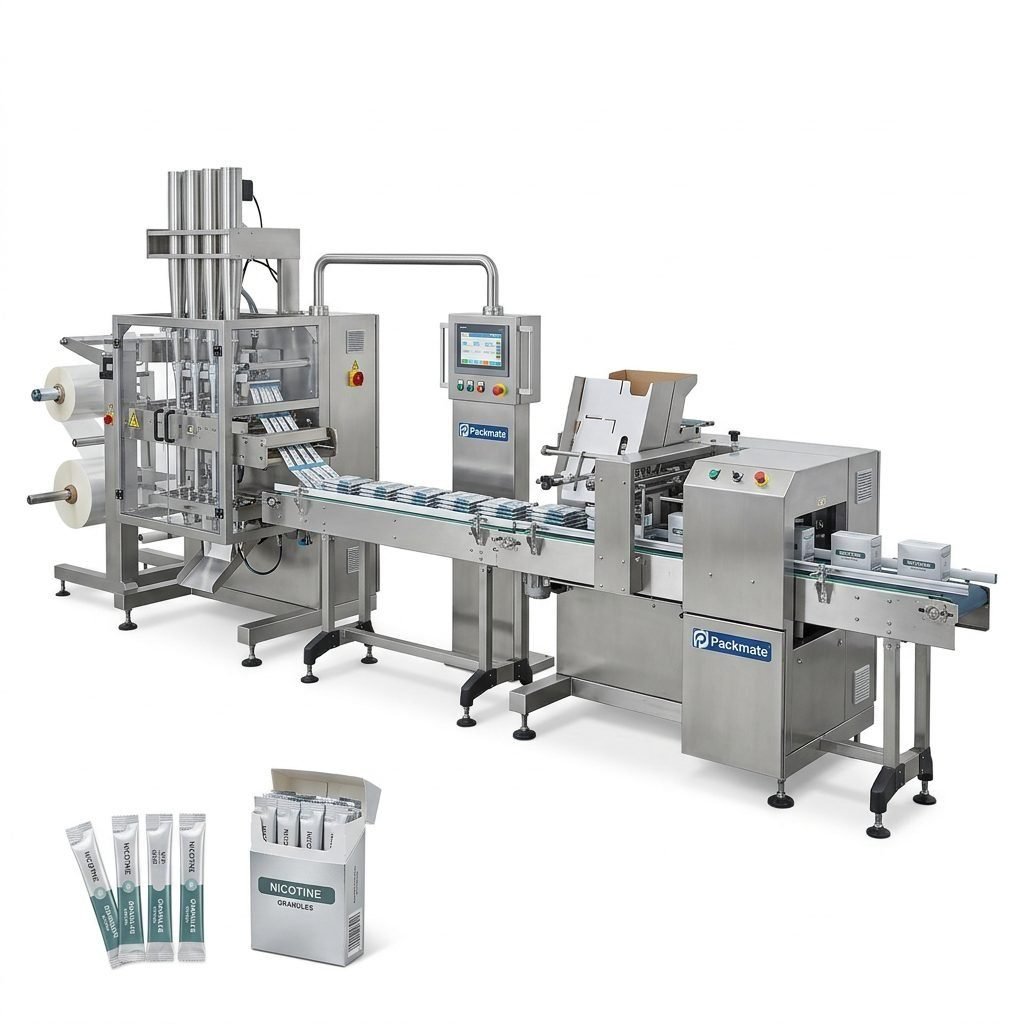
✅ Integrated weighing and filling lines for powder or granule formulations. These systems reduce manual handling and improve consistency; learn more at Weighing & Packaging Systems.
Match machine capability to your product
Consider pouch dimensions, fill consistency, moisture sensitivity, and packaging materials. For instance:
⚙️ If your product uses delicate membranes or thin webs, prioritize suppliers that demonstrate gentle handling and controlled sealing temperature.
⏱️ For quick product changes and SKU variety, choose machines with fast tooling changeover and recipe memory for repeatable setups.
Quick tip: Ask potential suppliers for a video demonstration of your exact pouch type and weight to verify formation, filling accuracy, and seal quality before committing.
Supplier Qualifications & Factory Strength
When evaluating vendors, inspect their manufacturing footprint, certifications, and engineering experience:
📌 Engineering track record: Prefer companies with decades of machinery R&D and field experience. A supplier with 20–30+ years of engineering history demonstrates iterative improvements and problem-solving know-how.
📌 Factory capability: Look for CNC machining centers, precision assembly lines, and strict testing processes. Packmate, for example, highlights a 20,000㎡ facility and advanced CNC systems — a sign of capacity to deliver robust equipment.
📌 Certificates & compliance: CE and ISO certifications are essential for EU operations. Request certificate copies and check expiry dates — suppliers that share certificates openly are typically more trustworthy. See supplier credentials at Certificate.
Performance Metrics to Request
Before signing a contract, ask for measurable KPIs:
- Target output per hour under real product conditions.
- Filling accuracy (e.g., ±mg or ±% of nominal weight).
- Average downtime and mean time between failures (MTBF) from similar installations.
- Changeover time between SKUs and tooling life expectancy.
Must-have documentation: A full machine datasheet, CE/ISO certificates, electrical schematics, PLC program backup, and commissioning checklist.
Customization, Automation & Turnkey Solutions
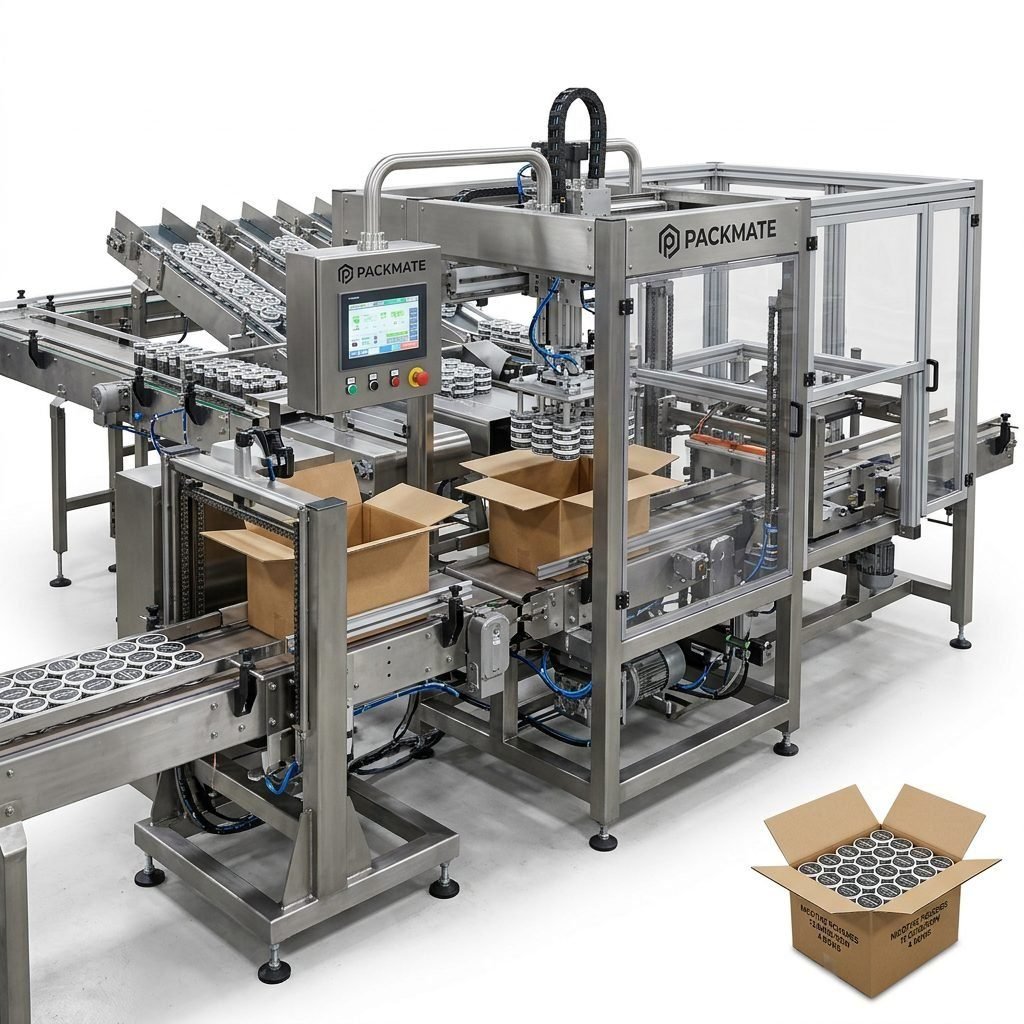
For Slovenian or EU production lines, turnkey solutions reduce integration risk. A supplier that offers not just a packing unit but a full production line — including feeders, conveyors, vision inspection, and packaging/palletizing — will speed validation and compliance workflows. You can review full offerings such as Filling & Packaging Lines and Auxiliary Packaging Equipment.
Custom options to consider:
- Multi-lane formats for scaling capacity while keeping floor space low.
- Flexible sealing heads and material compatibility for barrier films.
- Inline weight checkers and metal detection to meet QC standards.
- Remote monitoring and Industry 4.0 readiness for predictive maintenance.
After-sales Service & Spare Parts in Central Europe
After-sales support is often the true long-term differentiator between suppliers. Look for:
⚠️ Local spare parts availability: Ask for lead times on critical spares shipped to Slovenia. Suppliers with EU distribution centers or local stocking partners reduce downtime risk.
⚠️ Training & commissioning: Confirm on-site or virtual training for operators and technicians. Multilingual training materials tailored to Slovene workers are a plus.
⚠️ Service contracts: Negotiate response times, preventive maintenance, and software updates. Consider extended warranties tied to spare parts kits and remote support subscriptions.
Assessing Total Cost of Ownership (TCO)
Purchase price is only one factor. Build a realistic 3–5 year TCO model that includes:
– Capital expenditure and shipping/import costs.
– Installation, qualification, and staff training expenses.
– Annual maintenance, spare parts consumption, and planned downtime.
– Energy consumption and consumables (film, adhesives, etc.).
– Potential revenue gains from higher throughput, less giveaway, and improved yield.
Procurement checklist (condensed):
Factory visit ✔ | CE/ISO docs ✔ | Production demo ✔ | Spare parts SLA ✔ | Local support ✔
Factory Visits, References & Case Studies
Nothing replaces a real factory visit or case study review. Ask for:
📁 A documented case similar to your product type and throughput. Suppliers often maintain a library of case histories — see examples and past projects at Case.
🎫 Exhibition presence and live demos. Meeting suppliers at trade shows gives you hands-on time and the chance to ask technical teams direct questions — check upcoming shows at Our Exhibition.
Negotiating Contracts & Warranties
When finalizing the deal, include clear acceptance criteria and warranty terms:
- Define site acceptance tests (SAT) based on your product and throughput.
- Include penalty or remediation clauses for undisclosed performance issues.
- Specify spare parts kits, consumables, and recommended service intervals.
- Agree on training scope, language, and documentation delivery.
Why Packmate (example supplier attributes)
Packmate Snus Machine is positioned as a specialized manufacturer of snus and nicotine pouch packaging systems with:
– Over 30 years of engineering experience and a 20,000㎡ factory with advanced CNC centers.
– A broad product portfolio (stick pack, sachet, multi-lane systems) and turnkey line capability.
– International certifications and global installation experience across Europe and beyond.
If you want to learn more about company credentials or reach out directly, check their About page and Contact options at About Packmate and Contact Us.
Practical Next Steps for Slovenian Buyers
1. Prepare a detailed specification sheet (product dimensions, target throughput, materials).
2. Shortlist 3 suppliers, ask for technical proposals and video demonstrations using your product or a close analog.
3. Request factory certificates and 2–3 references in Europe.
4. Plan a factory visit or remote video audit; include your production team in the evaluation.
5. Finalize commercial terms with clear acceptance testing and spare parts lead-times.
Local etiquette reminder: Slovenian partners value punctuality and clear written agreements. Ensure communications and contracts are precise, and offer documentation in English and Slovene when possible to build trust.
Final selection checklist before signing
– Documented proof of CE/ISO certification and machine test reports.
– Live demo or validated sample run with your product.
– Agreed spare parts list, initial kits, and SLA for critical parts.
– On-site commissioning, operator training, and multilingual manuals.
– Clear warranty, acceptance criteria, and penalties for non-conformance.
Conclusion
Selecting the best nicotine packaging machine supplier in Slovenia requires a balanced focus on regulatory compliance, machine capability, factory strength, after-sales support, and TCO. Prioritize suppliers who demonstrate documented performance, transparent certifications, and a willingness to support EU/Slovenian logistics and service needs. A well-documented procurement process combined with a rigorous acceptance test will help ensure your investment delivers reliable production and long-term value.
Common Questions
Q: Are nicotine pouch machines allowed in Slovenia?
A: Regulations vary by product composition (nicotine vs tobacco-free). As an EU member, Slovenia follows EU rules; always confirm with local authorities and ensure all labeling and safety standards are met.
Q: How important are CE and ISO certificates?
A: Very important — CE demonstrates conformity with EU safety regulations and ISO indicates management and quality control processes. Request certificates and check validity before purchase.
Q: What lead times should I expect for delivery to Slovenia?
A: Delivery depends on customization level and spare parts availability. Standard models may ship faster; custom turnkey lines typically require longer lead times. Ask suppliers for realistic timelines including shipping and on-site commissioning.
Q: Should I visit the factory before buying?
A: Strongly recommended. A factory visit or live virtual audit lets you verify workmanship, test machine runs, and meet engineering teams.
Q: Where can I find more information about suppliers and products?
A: Explore supplier product pages, case studies, and contact their sales team. Useful links include product categories and company info to start your evaluation process.