Choosing the right nicotine packaging machinery supplier is one of the most important investments for any manufacturer entering or expanding in the snus, nicotine pouch, or broader tobacco-adjacent market. A supplier impacts production capacity, regulatory compliance, long-term maintenance costs, and your ability to respond to changing formats and regulations worldwide. This guide walks you through the practical steps to evaluate suppliers, highlights regional considerations, and uses real-world supplier capabilities to illustrate what an ideal partner looks like.
Understand Your Production Requirements First
Before you contact vendors, define your core needs: target daily and annual output, product format (loose snus, nicotine pouches, sachets, stick packs), dosing accuracy, multi-lane requirements, and packaging materials. Manufacturers often underestimate the impact of format changes on downstream equipment. For example, switching from single-lane sachets to multi-lane small-dose pouches typically requires different feeding systems, dosing heads, and sealing technologies.
🔍 Checklist (quick): production speed target, pouch/stick dimensions, material types (PE/PA/Alu), automation level, cleaning and maintenance access, regulatory labeling/traceability needs.
Technical Capabilities and Machine Portfolio
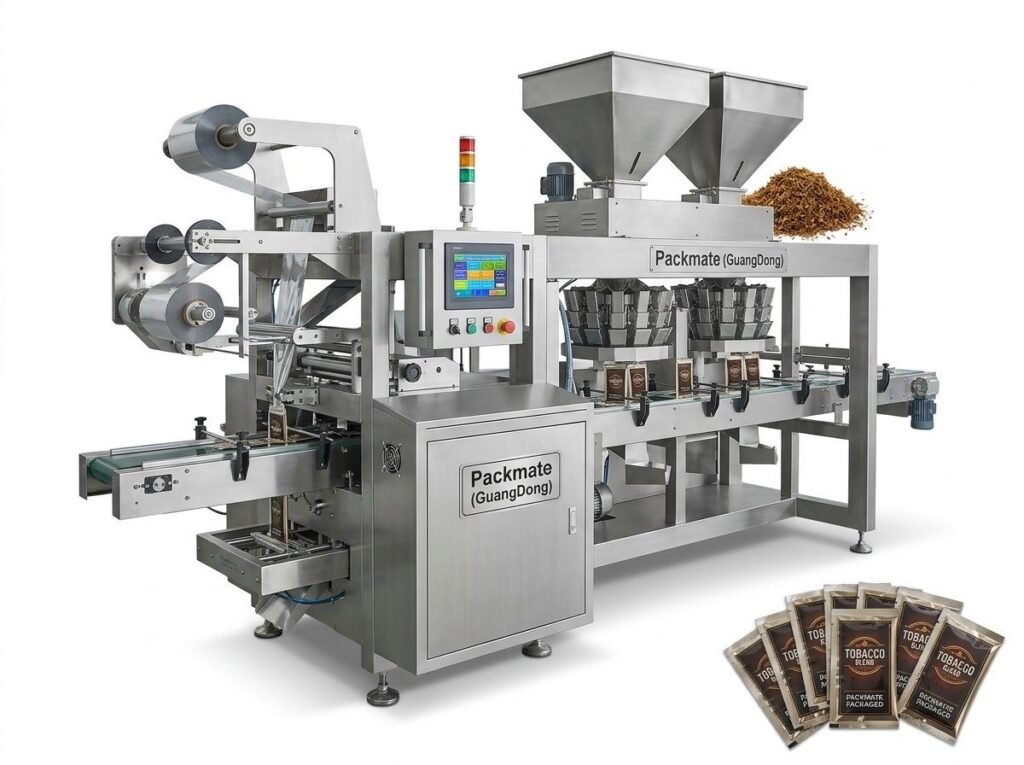
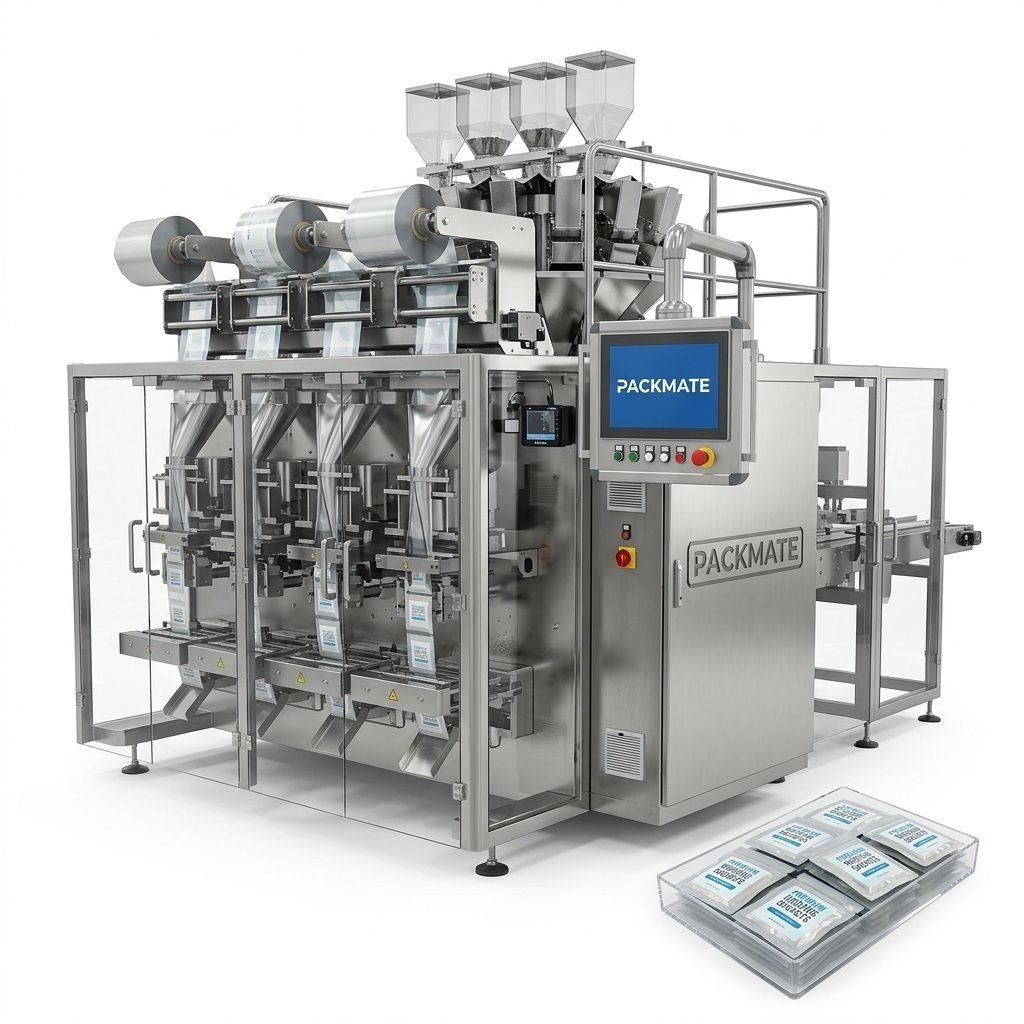
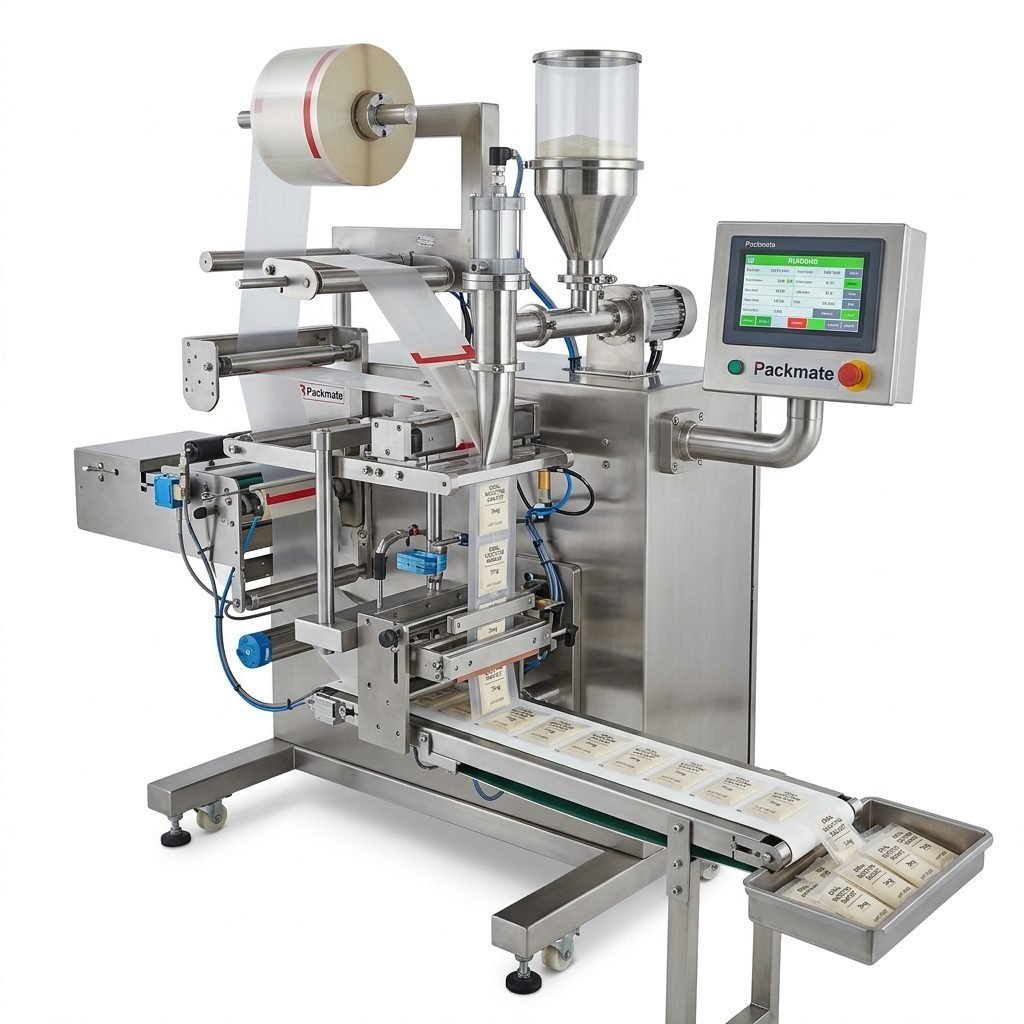
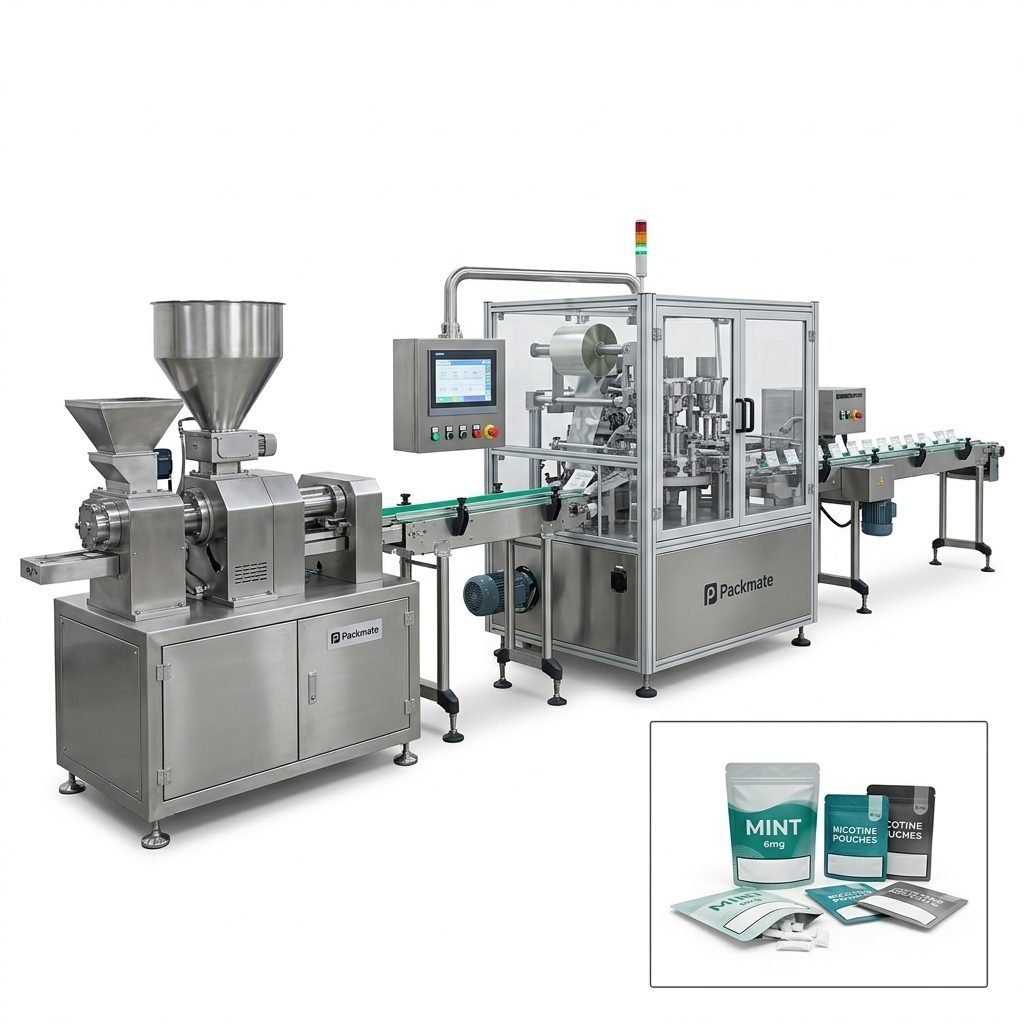
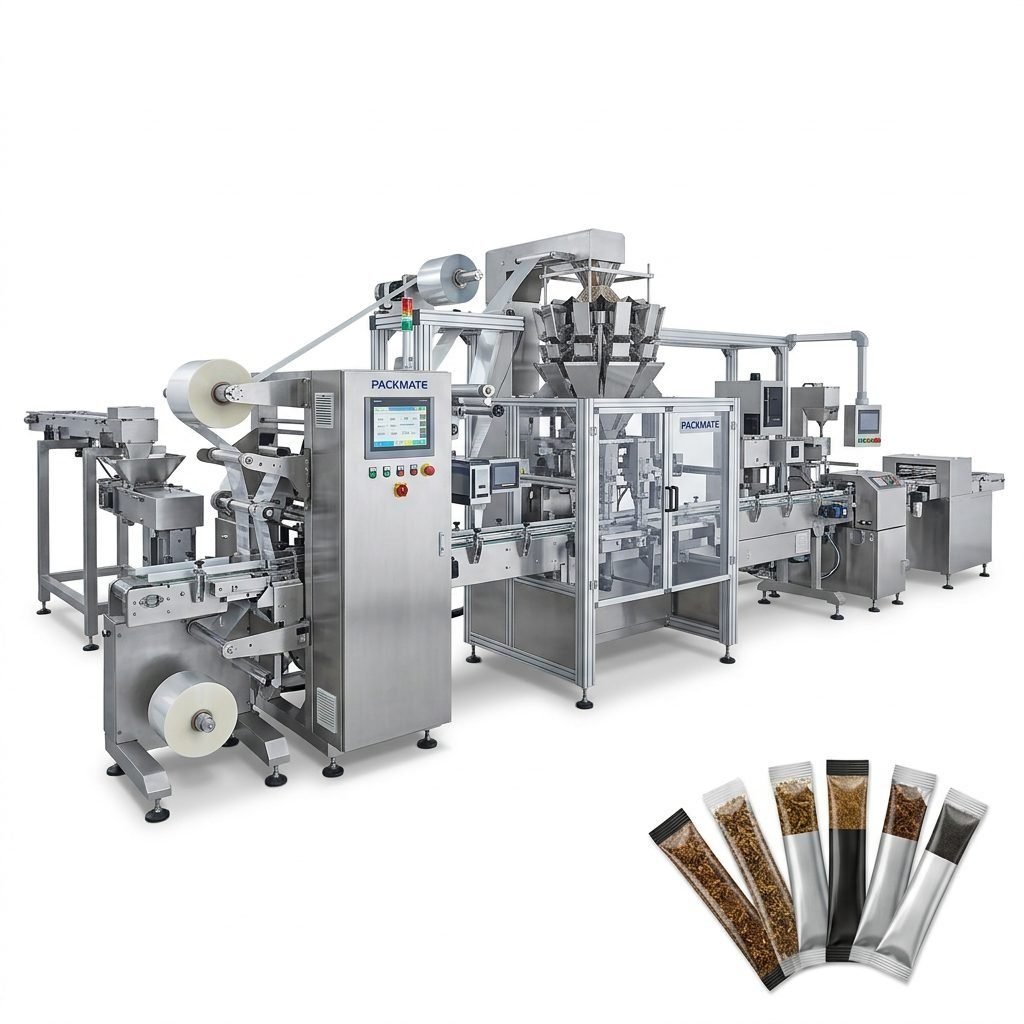
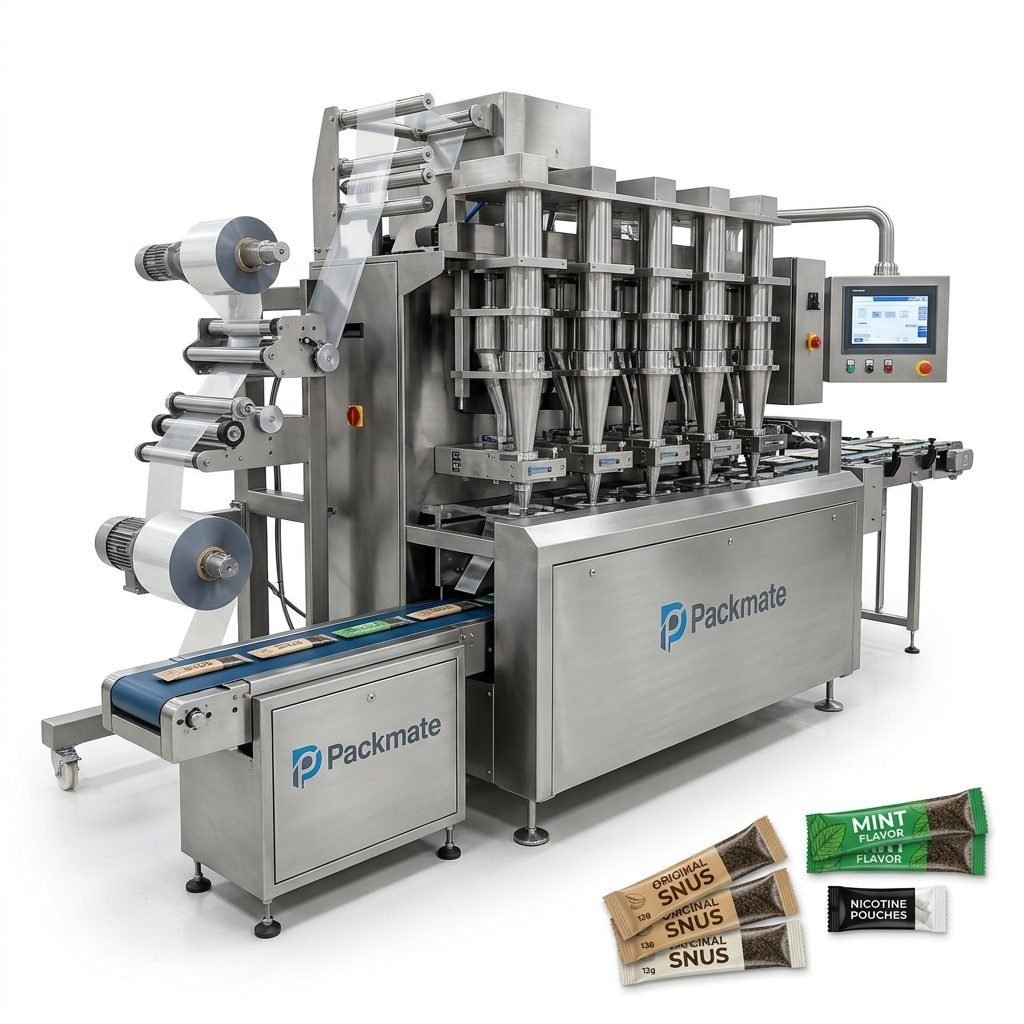
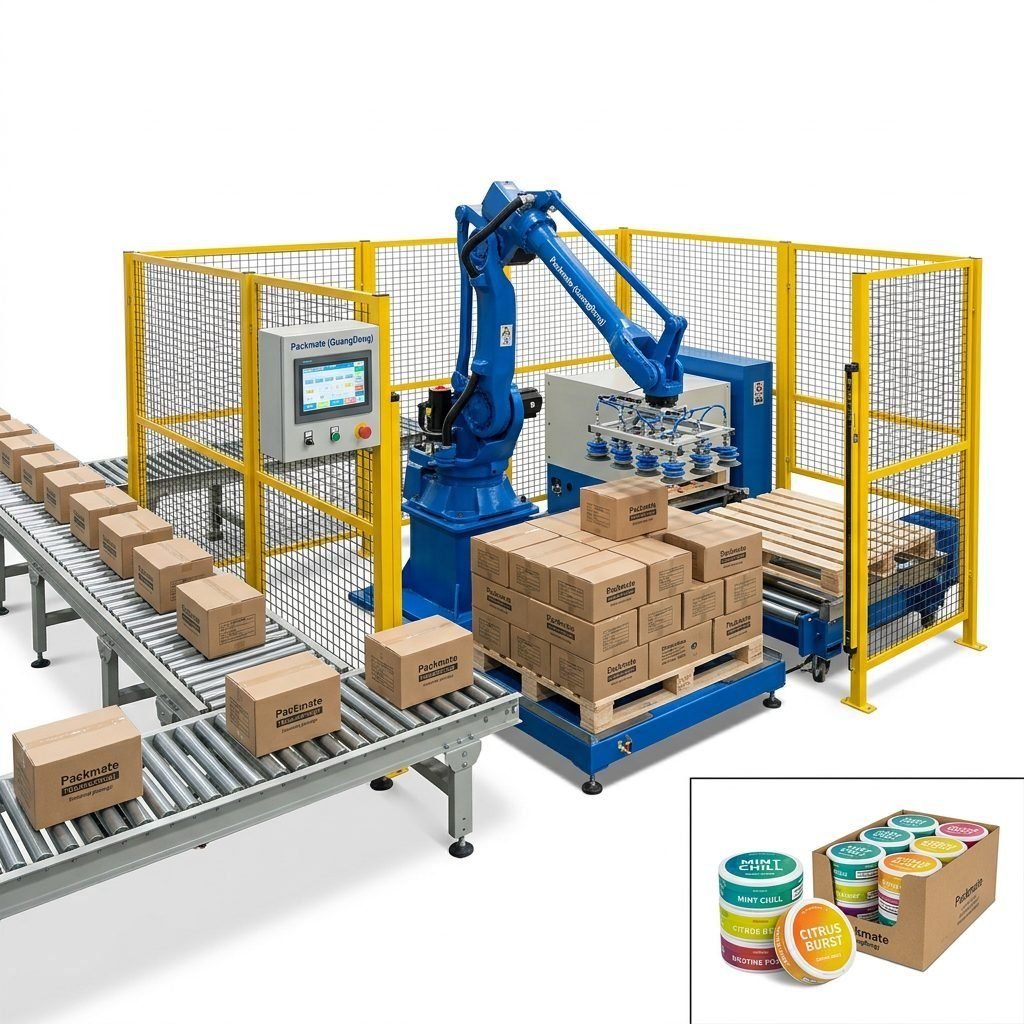
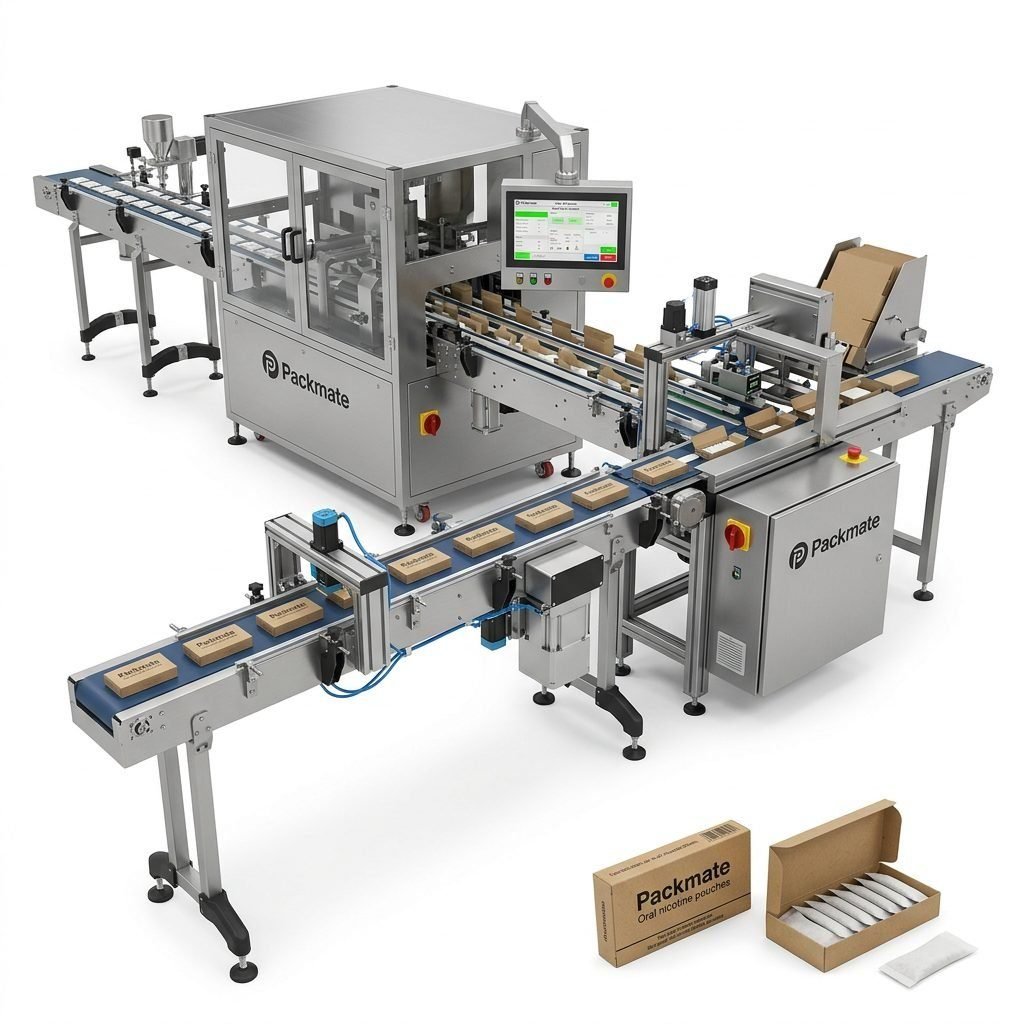
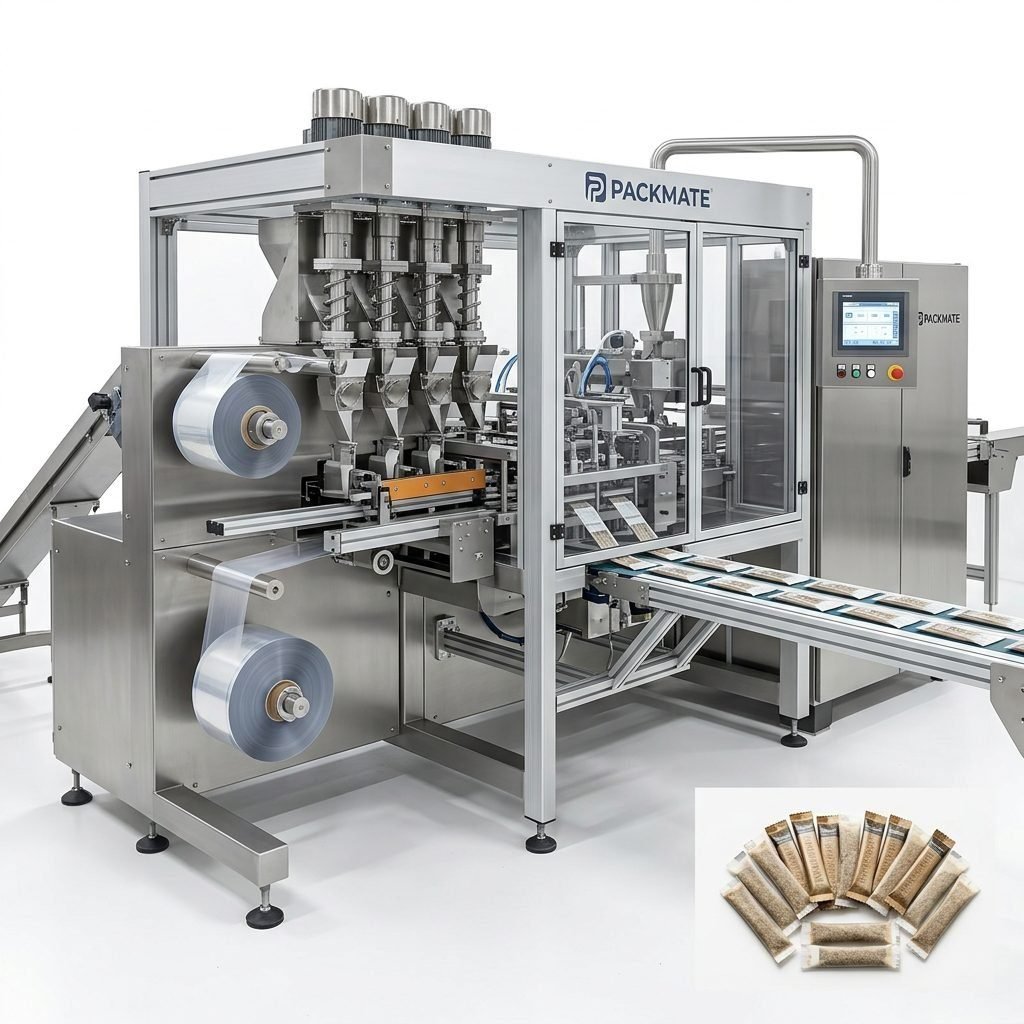
Evaluate the supplier’s machine range and whether they offer specialized lines for nicotine products. A reputable supplier will have proven models for small-dose nicotine pouch production, stick packs, and sachets, plus flexible auxiliary equipment (weighing, feeding, and cartoning). Consider suppliers with a wide model range and the ability to provide turnkey solutions to avoid integrating multiple vendors.
Example: Packmate Snus Machine provides a full portfolio covering Snus & Nicotine Packaging Machines, stick packs, sachets, and auxiliary systems. Their product breadth simplifies integration and vendor management.
Key technical questions to ask
✅ What are the typical throughput rates for the specific product format?
✅ How is dosing accuracy guaranteed and validated?
✅ Are the machines compatible with multi-lane production and rapid changeovers?
✅ What materials and sealing technologies are supported (relevant for shelf life and barrier needs)?
Quality, Certifications, and After-Sales Support
Quality goes beyond construction. Confirm the supplier’s quality control processes, factory capabilities, and international certifications. CE and ISO compliance are baseline indicators that machinery meets safety and manufacturing standards for global markets.
✅ Supplier proof points: factory photos, CNC machining capabilities, test reports, and third-party certifications. Packmate lists CE and ISO among its credentials and shows factory scale and CNC capacity.
Supply Chain, Lead Times, and Spare Parts Availability
In global operations, lead time and spare parts logistics often decide uptime. Ask about standard lead times for machines, spare parts lists, consumables, and whether local stocking partners or service hubs exist. A supplier with a large factory footprint and a broad set of standard models usually manages parts inventories better and offers shorter downtime solutions.
Example link: review supplier project histories and case studies to see delivery timelines in similar projects — many vendors publish examples, such as Case references.
Customization and Turnkey Solutions
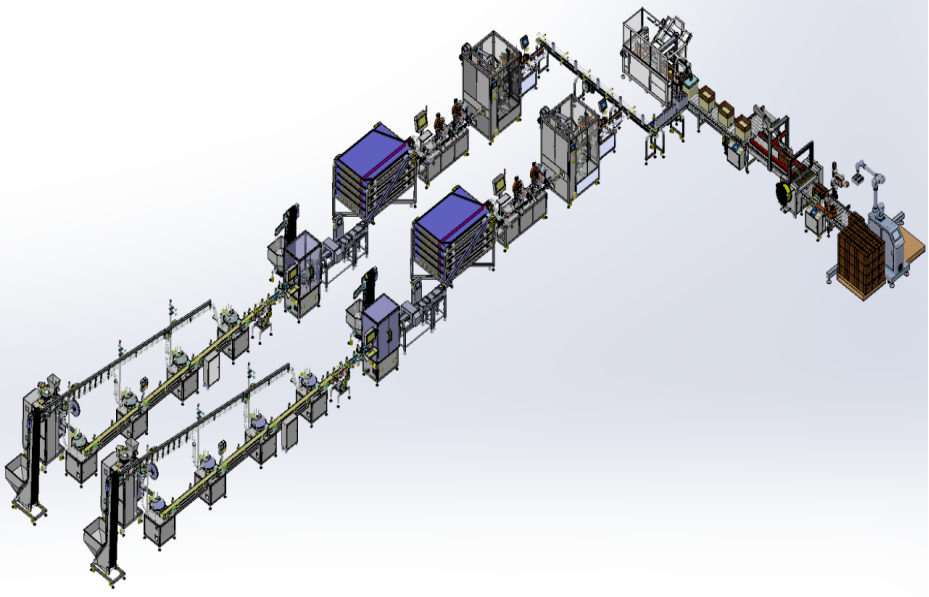
Your supplier should offer flexibility: custom tooling, automation levels, in-line metal detection, vision systems for label and seal inspection, and integration with upstream/downstream equipment. Turnkey providers reduce integration risk by delivering a complete line that is pretested.
Packmate emphasizes turnkey packaging lines for nicotine pouches, supplying multi-lane systems and auxiliary equipment like weighing and filling systems. Check their offerings under broader categories such as Weighing & Packaging Systems and Filling & Packaging Lines.
Service, Training, and Remote Support
A machine is only as good as the support behind it. Ask about on-site commissioning, operator training, remote diagnostics, and maintenance contracts. Suppliers that deploy remote support tools and provide long-term service plans minimize your lifecycle costs.
⚙️ Red flag: A supplier that cannot commit to training or remote support likely views you as a one-off sale rather than a long-term partner.
Regulatory and Local Market Considerations
Nicotine products are tightly regulated and rules differ dramatically by region. Understand your target markets — Europe (especially Nordic countries), the USA, and parts of Asia and Latin America — and ensure the supplier can adapt labeling, serial coding, and packaging formats accordingly.
Regional highlights and production customs
– Northern Europe (Sweden, Norway): Consumers expect consistent pouch feel and conservative pack designs. High standards for barrier packaging and traceability are common.
– USA and Canada: Labeling and ingredient disclosure are critical. Some states/provinces have additional constraints on flavored nicotine products.
– Asia: Rapidly changing markets with diverse formats; some regions prefer sachets or stick packs for portability.
– Latin America: Price sensitivity and flexible packaging formats are common; local manufacturability and material sourcing affect costs.
Manufacturers should choose suppliers experienced in these markets or able to customize documentation and machine configurations to align with local rules. A supplier with global exhibitions and cooperation cases demonstrates the ability to adapt; see supplier exhibition history for reassurance: Our Exhibition.
Factory Capability and Manufacturer Track Record
Visit the supplier’s production site if possible or request a virtual tour. Look for advanced CNC machining centers, clean assembly lines, robust quality testing, and a large factory footprint. These indicate consistent build quality and the ability to scale orders.
Packmate’s profile highlights a 20,000㎡ facility, over 30 years of engineering experience, and 50+ machine models — all indicators of a supplier able to support growth and customization. Learn more on their company page: About Packmate.
Cost vs. Value — Total Cost of Ownership
Don’t evaluate vendors by purchase price alone. Total cost of ownership (TCO) includes spare parts, energy use, downtime, operator training, footprint, and expected lifetime. High initial investment in reliable, modular equipment often pays off with lower operating costs and less production risk.
💡 Pro tip: calculate ROI using realistic production volumes and include spare parts and service contract estimates. Ask suppliers for performance data from similar installations.
Warranty, Testing, and Factory Acceptance Test (FAT)
Factory Acceptance Tests (FATs) and onsite commissioning are essential. Ensure the supplier offers a clear FAT protocol with measurable KPIs (speed, accuracy, uptime). Confirm warranty terms and what is covered — parts, labor, travel — and the typical response time for emergency repairs.
How to Shortlist and Finalize a Supplier
1) Create a requirements document and RFP.
2) Shortlist 3–5 suppliers with relevant product experience.
3) Request references and case studies — review performance in similar environments.
4) Conduct factory visits or virtual tours; request an FAT for your product.
5) Negotiate warranty, spare parts packages, and training commitments.
Questions to compare suppliers directly
– Can you demonstrate machines running my product or a close analogue?
– What is the expected mean time between failures (MTBF) for critical components?
– What spare parts are recommended on-site for 12 months of continuous operation?
– Do you provide QC and validation documentation for regulatory audits?
Making the Decision: Partner vs. Vendor
Your ideal supplier acts as a long-term partner: providing ongoing improvements, adapting to regulation changes, and supporting new formats. Check whether the supplier invests in R&D and has a product roadmap aligned with your growth trajectory.
If you want practical examples of products and services that support long-term partnerships, look through suppliers’ service pages and catalogs. Packmate offers comprehensive services and catalogs for reference: Service and Catalog.
✅ Final selection tip: prefer suppliers with demonstrable global case studies, responsive support, and turnkey capabilities — these factors minimize risk and accelerate time to market.
Contacting and Vetting Your Final Candidate
Once you have a final candidate, request a formal proposal with detailed timelines, payment milestones, FAT plans, spare parts lists, and a service agreement. Verify any local installation or import requirements in your country. If helpful, contact the supplier directly for a detailed technical discussion: Contact Us.
Why manufacturer reputation matters
A strong reputation often reflects consistent after-sales performance. Look for repeat customers, presence at major trade shows, and transparent technical documentation. Check certification pages for compliance: Certificate.
Summary — Making the Best Choice for Your Production Needs
The best supplier combines technical fit, global regulatory awareness, strong factory capabilities, and long-term support. Prioritize suppliers that demonstrate real-world nicotine packaging experience, have robust spare parts strategies, and provide transparent FAT and warranty terms. A partner-oriented supplier will help you scale production sustainably and adapt to changing consumer preferences and regulatory environments worldwide.
Frequently Asked Questions
Q1: How long does it typically take to deploy a nicotine pouch packaging line from order to production?
A1: Typical lead times vary by complexity and customization, but for standard lines expect 3–6 months for manufacturing and FAT, plus shipping and installation time. Turnkey projects with extensive customization can take longer.
Q2: What certifications should I require from a packaging machinery supplier?
A2: Require CE and ISO certifications at minimum for equipment safety and quality systems. If you export to specific markets, verify relevant compliance documentation and machine-level validation reports.
Q3: How do I ensure dosing accuracy for very small nicotine pouch formulations?
A3: Specify the required dosing tolerance and ask for machine validation data. High-precision weighers, multi-head dosing, and vision-based feedback loops are common solutions for small-dose accuracy.
Q4: Are multi-lane machines necessary for small-batch producers?
A4: Not always. For low-volume or highly variable SKUs, single-lane or modular systems may be more economical. Multi-lane systems suit high-volume, standardized SKUs to maximize throughput.
Q5: What is the best way to validate a supplier’s claims about uptime and performance?
A5: Request references, site visits, FAT reports, and performance data from similar installations. Where possible, arrange to see a machine running your product or a close analogue under production conditions.