Choosing the right nicotine packaging machinery supplier in Europe is a decision that affects product quality, regulatory compliance, production uptime, and long-term costs. This guide breaks down the practical steps, technical considerations, and regional specifics — including Scandinavian snus traditions and EU regulatory context — to help manufacturers, co-packers, and brand owners select a partner who fits production needs, budgets, and market strategies.
Understand Your Production Requirements First
Before contacting suppliers, clearly define your production targets. Consider:
• Target output per shift and per day (pouches/hour or packs/minute).
• Product formats: loose snus, nicotine pouches, stick packs, sachets, multi-lane pouches, or sachets with liquids or powders.
• Dose variation and filling tolerances (critical for nicotine products due to consistency and regulatory labeling).
• Packaging materials and barrier requirements (oxygen/moisture barrier, heat-seal compatibility).
• Downstream needs: labeling, cartoning, case packing, automated palletizing.
Tip: Align your expected SKU mix and growth plan with the supplier’s machine modularity. Machines that can switch lanes or formats save CAPEX long-term.
Match Machine Types to Product Types
Not all nicotine packaging machines are identical. Typical systems include:
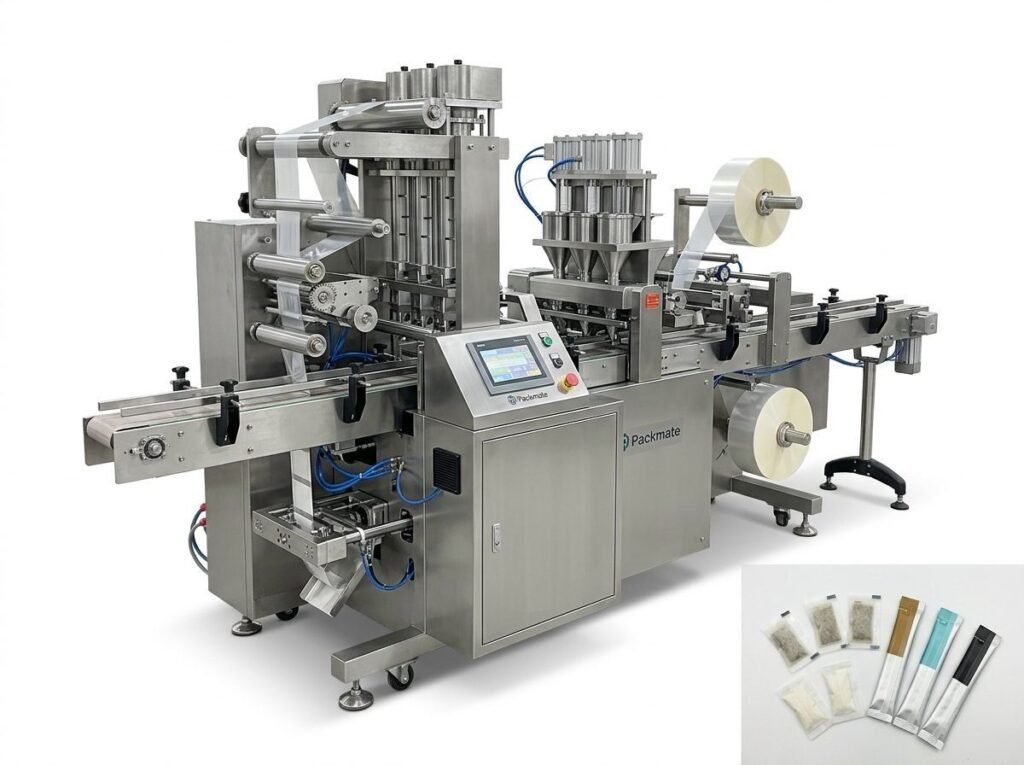
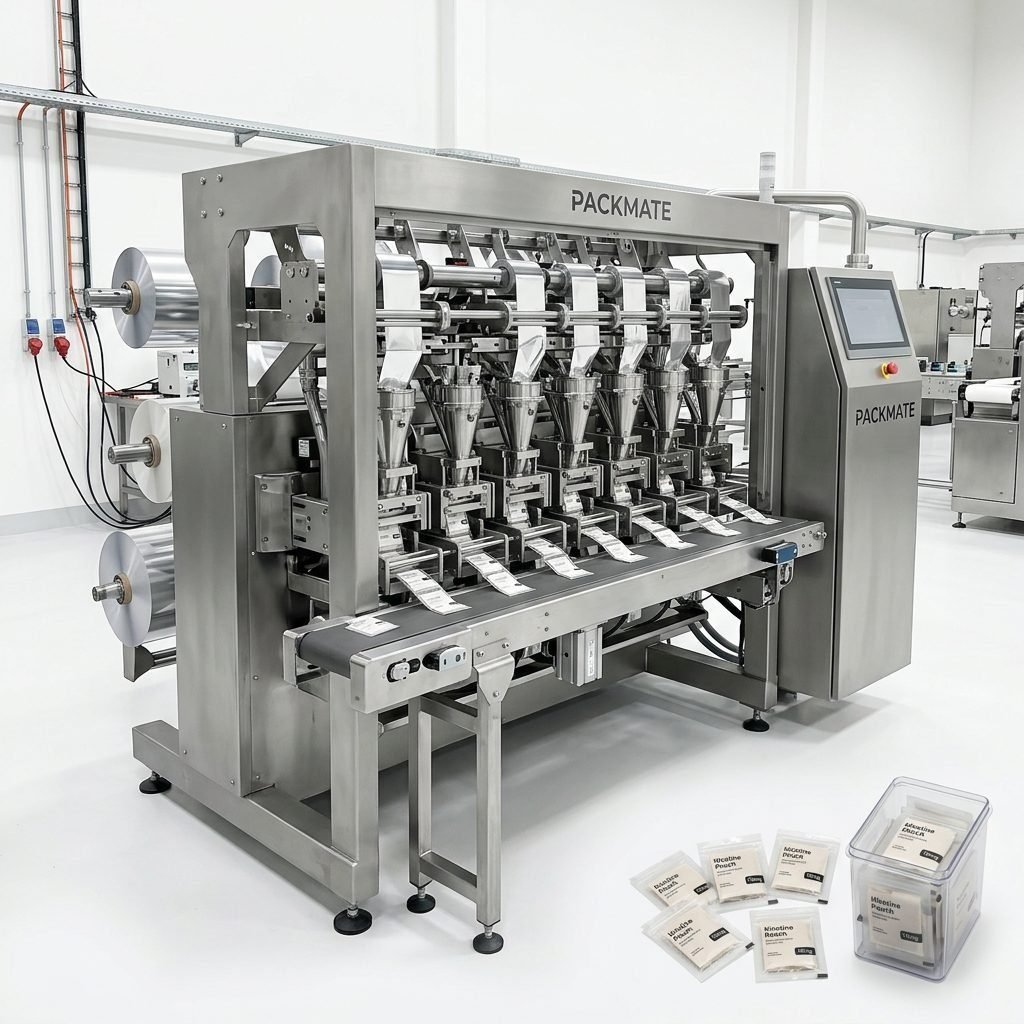
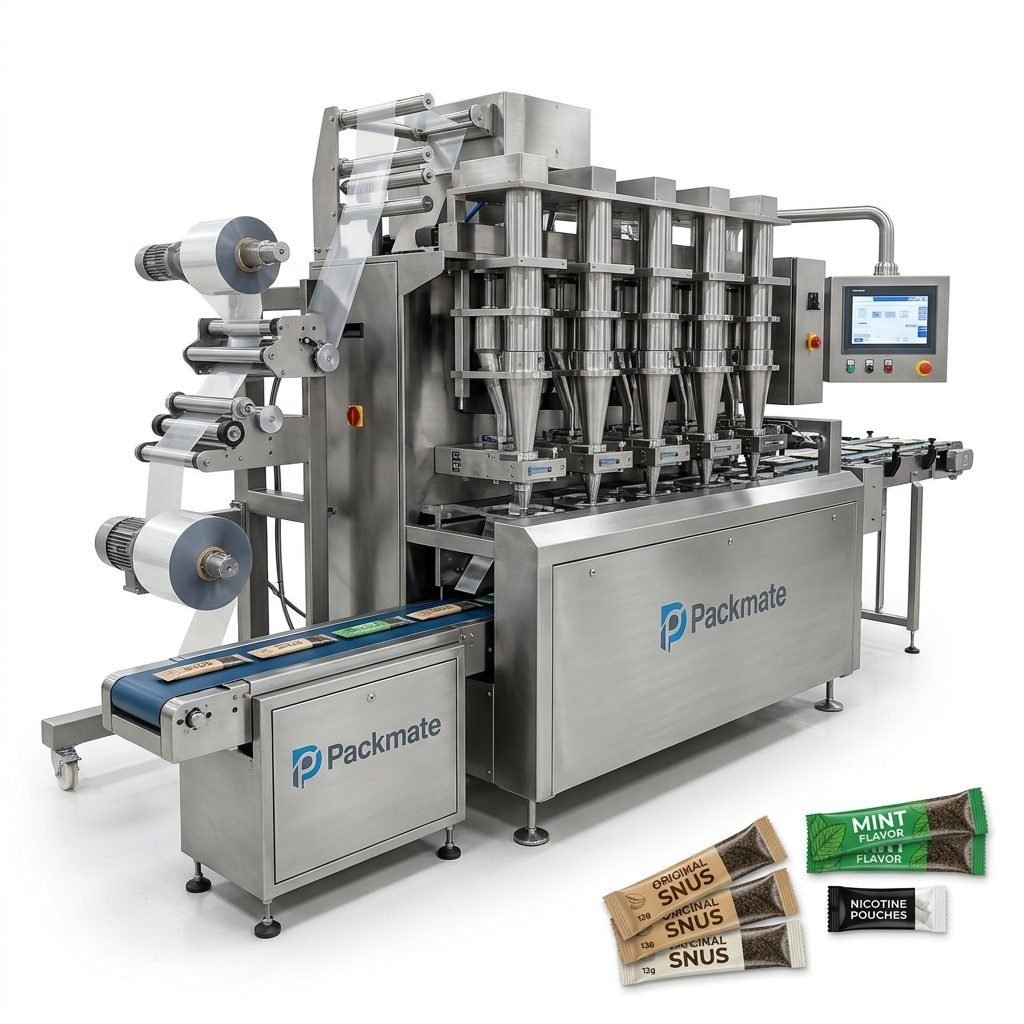
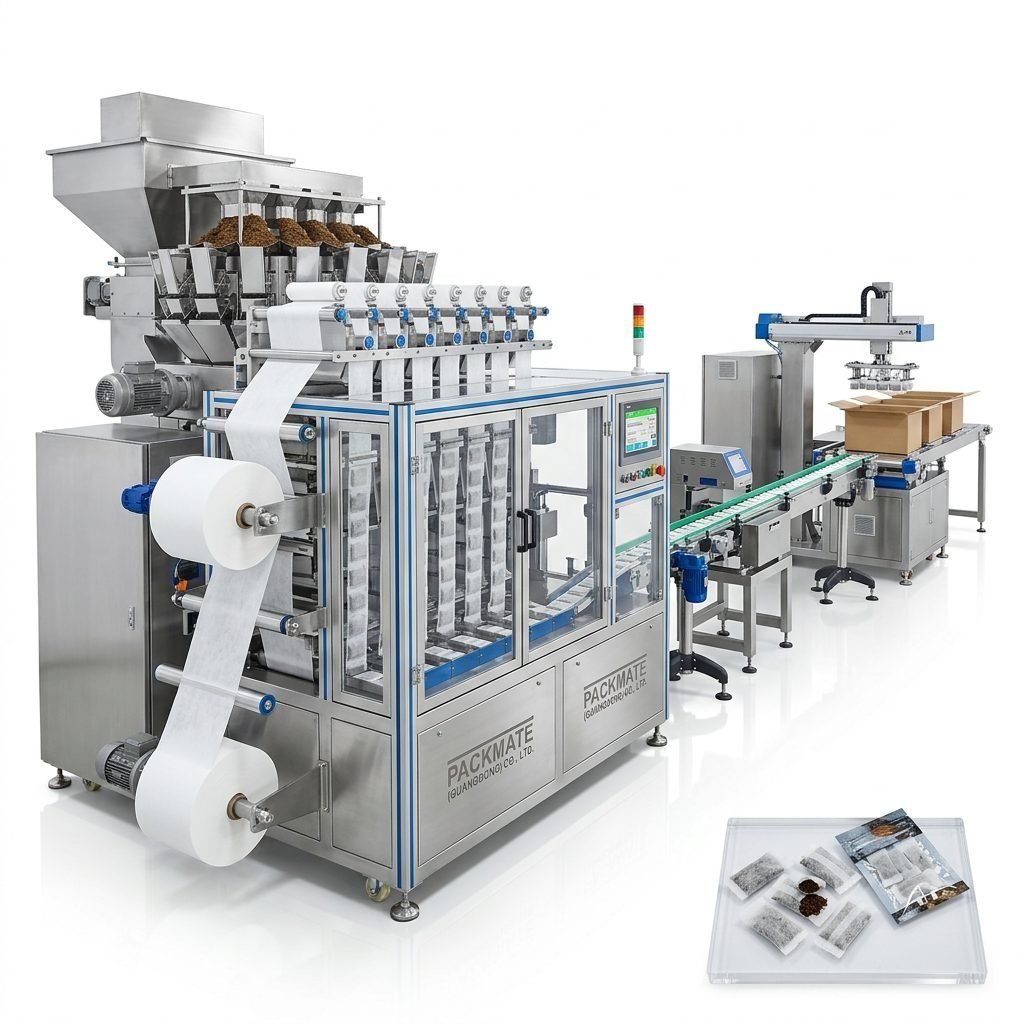
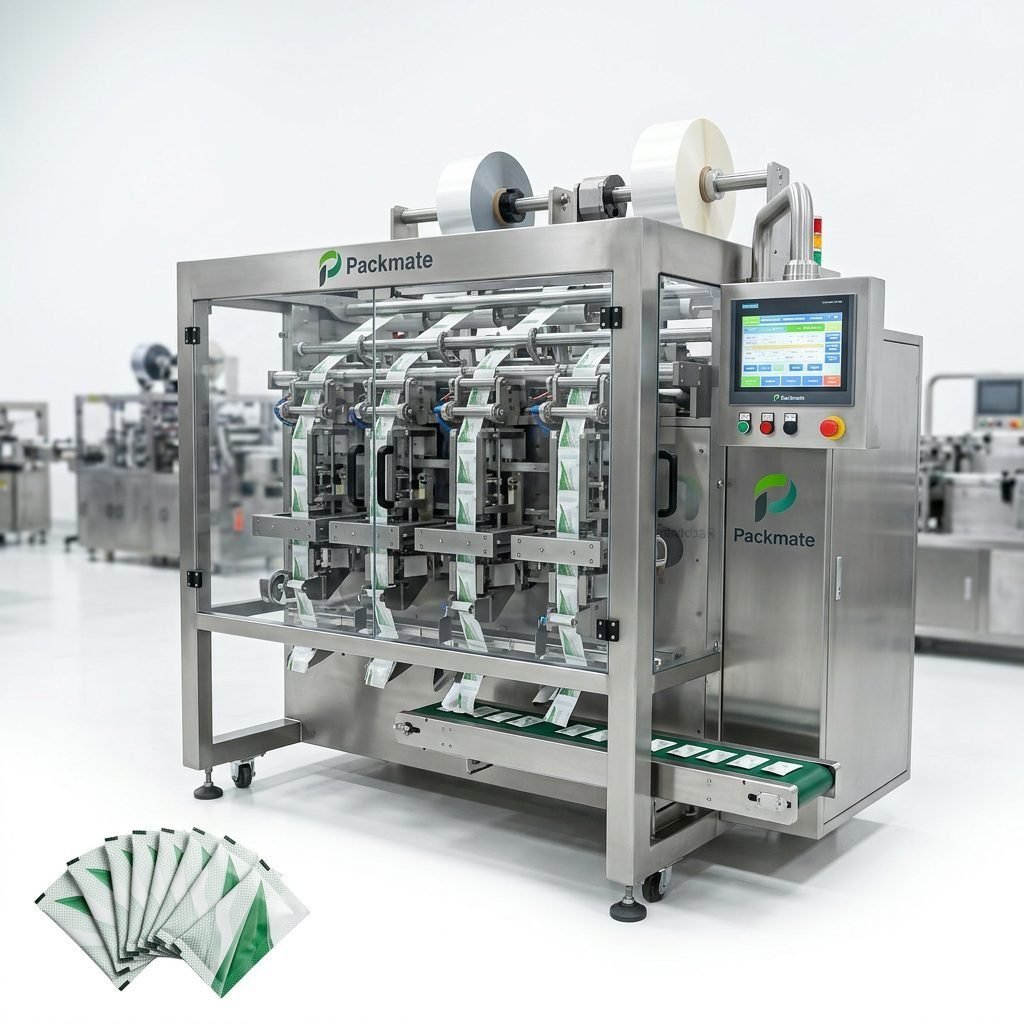
• Multi-lane snus pouch machines for high-volume small-dose nicotine pouches.
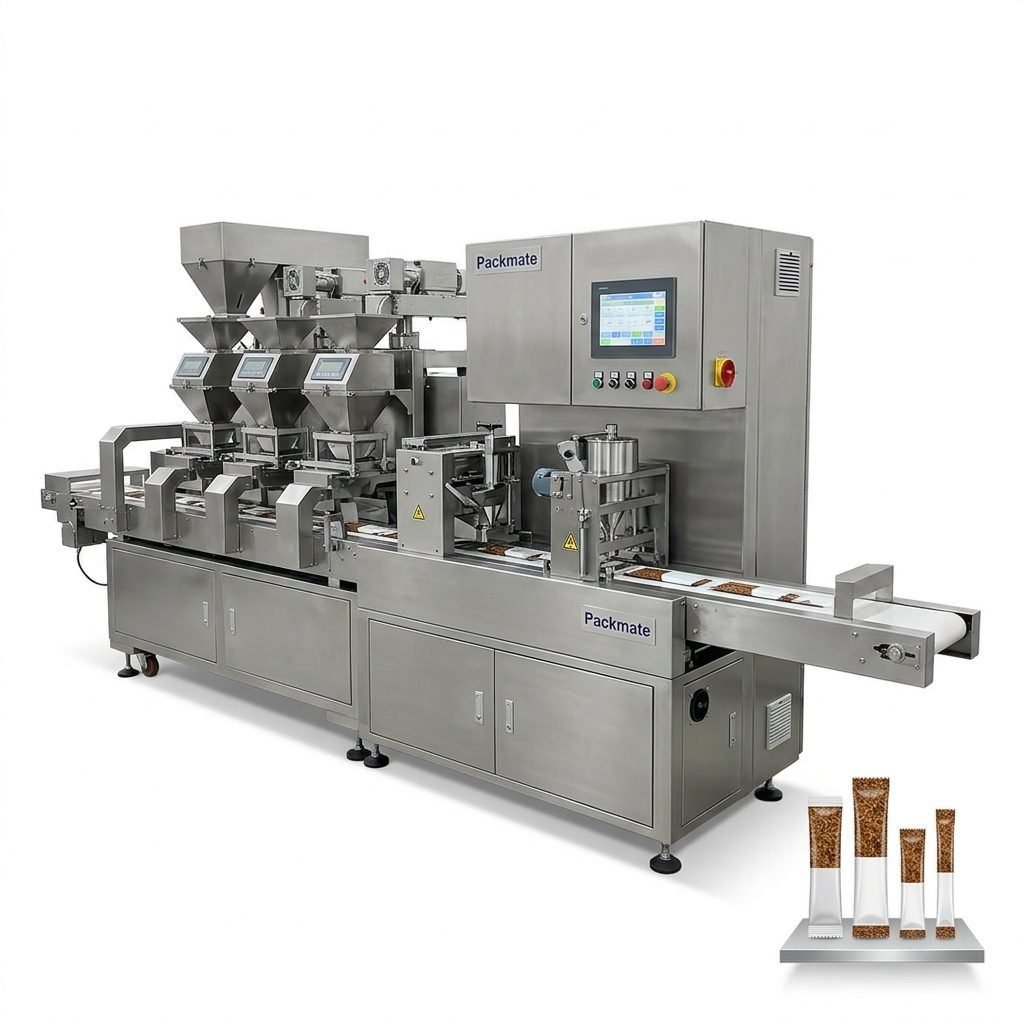
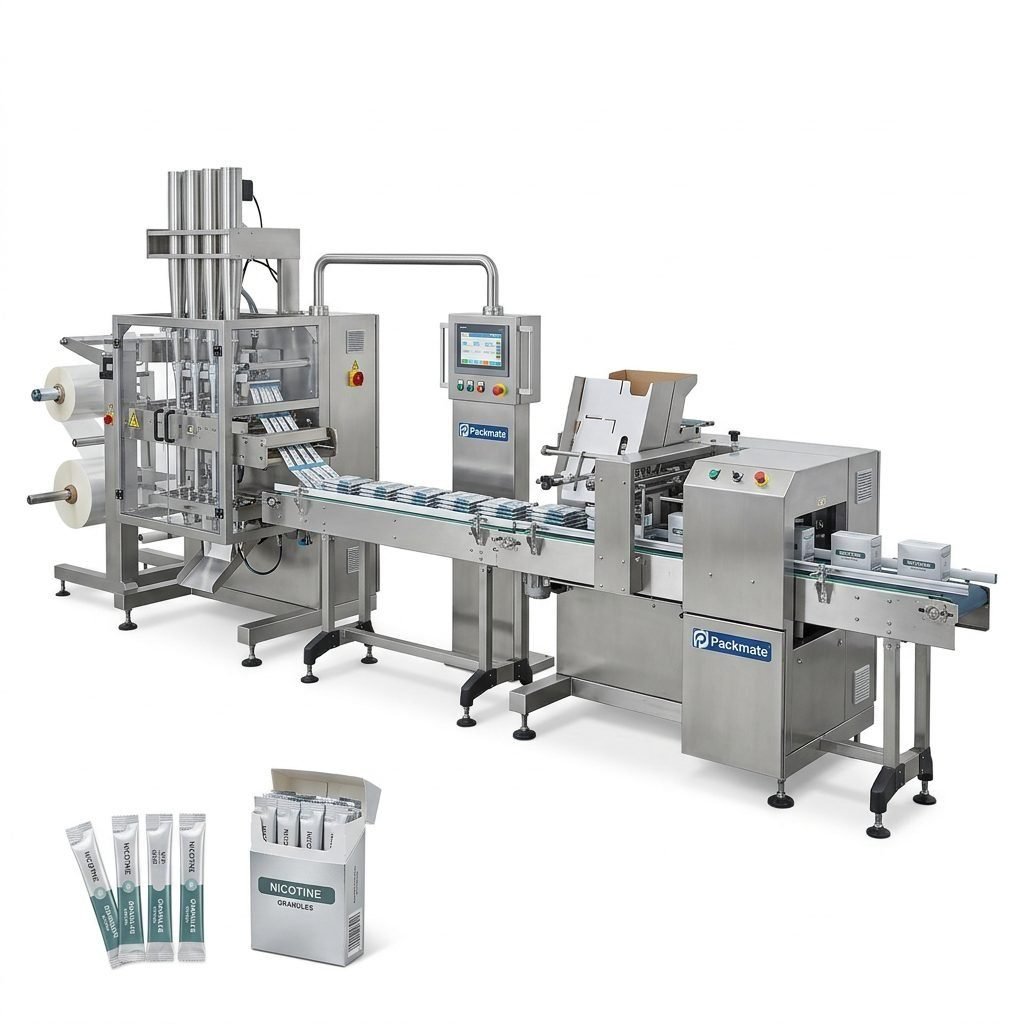
• Stick pack machines for single-serve dose pouches.
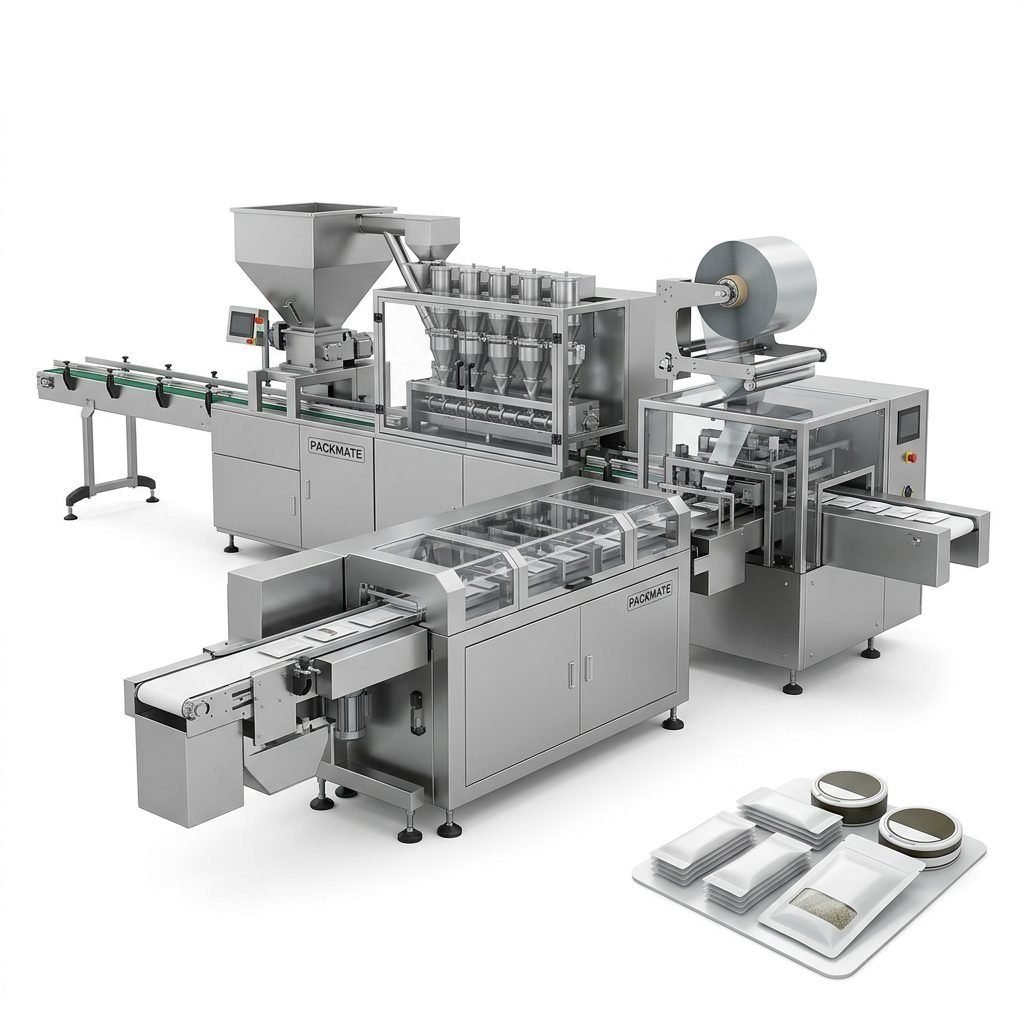
• Sachet and skin packaging for powders and liquids.
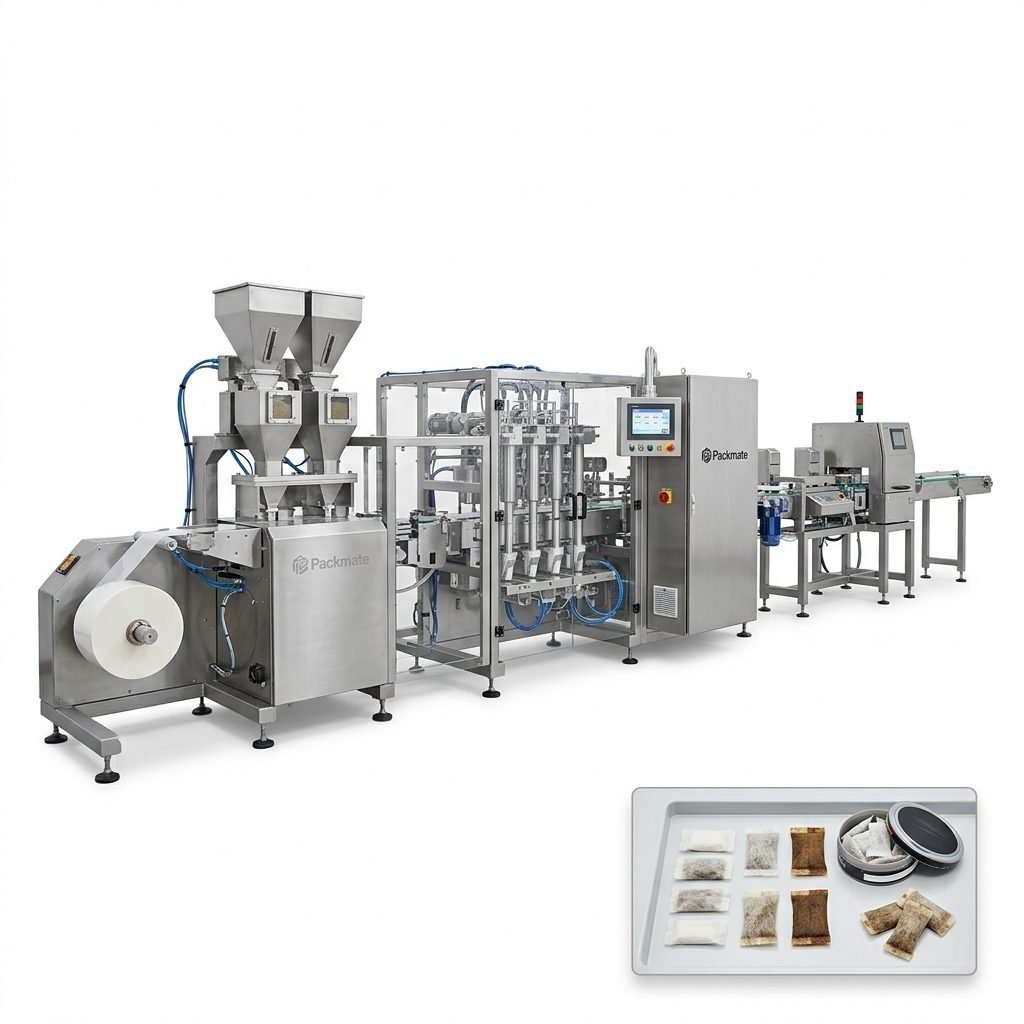
• Integrated weighing and filling lines when dosing accuracy is essential.
Verify Technical Capabilities and Engineering Strength
Look for suppliers with demonstrable engineering depth: multi-lane design experience, precise dosing systems, and quality control options (checkweighers, metal detectors, vision systems). A supplier with long-term R&D and a large portfolio typically handles edge cases better.
🔶 What to verify: CNC machining capability, spare parts lead times, software/human-machine interfaces (HMI), and integration experience with upstream and downstream equipment.
Factory & Manufacturing Strength
Request factory details: production area, CNC centers, precision assembly lines, and quality control processes. A larger, well-equipped facility often means better control of tolerances and faster spare parts availability.
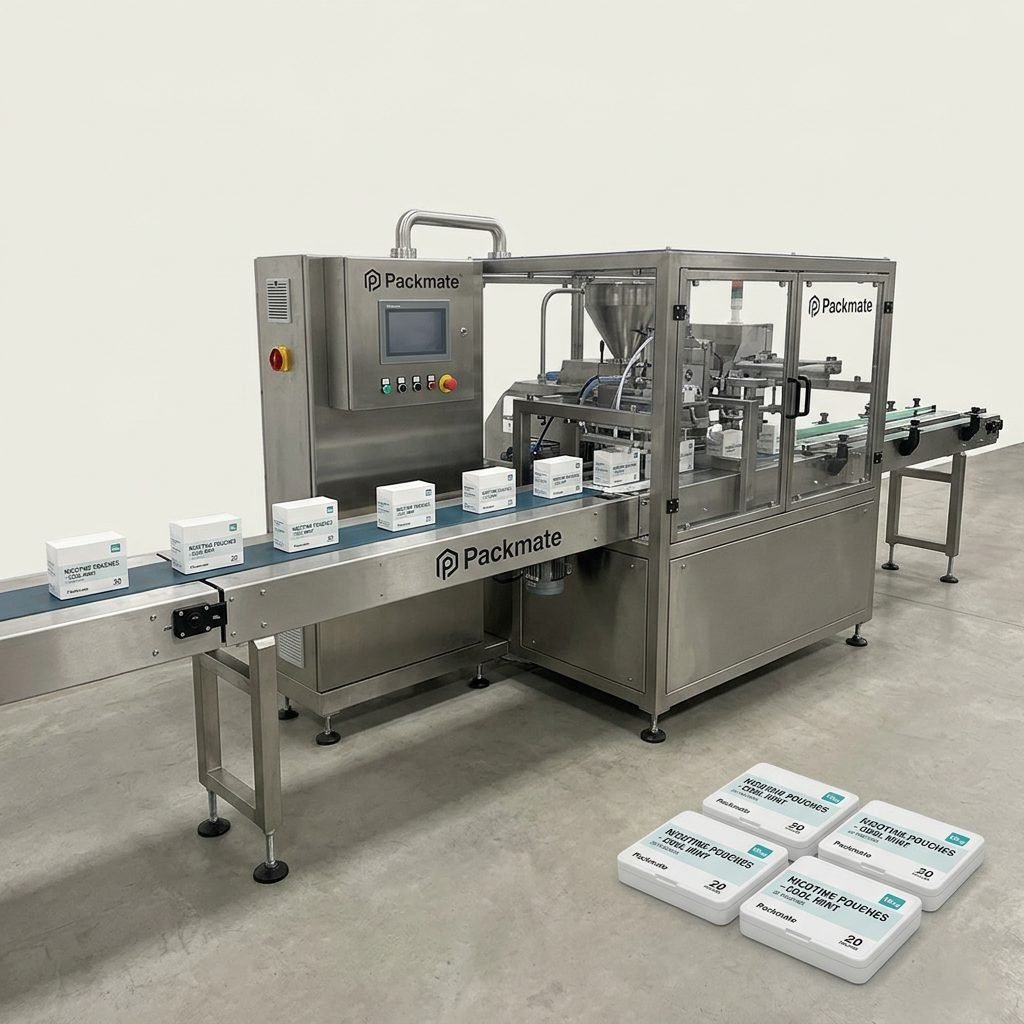
For reference, suppliers like Packmate operate sizable plants and offer turnkey solutions across snus and nicotine packaging lines. Learn more about their product range at Snus & Nicotine Packaging Machines and typical auxiliary systems at Auxiliary Packaging Equipment.
Regulatory and Market Nuances in Europe
Europe has a patchwork of rules for nicotine products. Key considerations:
• Scandinavian markets, particularly Sweden and Norway, have a long snus tradition and expect high-quality, traditional formats; Sweden historically had exemptions for snus under EU rules.
• The EU Tobacco Products Directive (TPD) impacts labeling, testing, and permissible ingredients — confirm supplier experience with compliant packaging lines and traceability.
• Local laws vary on nicotine concentration, flavoring, and sales channels; choose a supplier that understands cross-border logistics and regulatory documentation.
⚠️ Reminder: Machine features like serialization, batch coding, and tamper-evident sealing help with compliance in many EU markets.
Cultural Preferences and Consumer Expectations
European consumers differ by region. Scandinavian consumers prefer traditional snus formats and high-quality odor/texture control; Central European markets are rapidly adopting nicotine pouches and expect modern packaging aesthetics and resealable solutions.
Service, After-Sales, and Local Presence
After-sales support is as important as the initial machine price. Confirm:
• Availability of spare parts in Europe and typical lead times.
• Remote diagnostics and software updates.
• Training for operators and maintenance staff.
• Local service partners or the supplier’s European office.
Packmate’s global footprint and participation in exhibitions like those listed on their Our Exhibition page indicate active international engagement and potential for on-site demonstrations in Europe.
Spare Parts & Maintenance Contracts
Consider negotiated spare parts packages and optional preventative maintenance contracts. Machines processing nicotine pouches run 24/7 in many plants — a planned maintenance schedule reduces unexpected downtime.
🔧 Checklist: spare parts list, mean time to repair (MTTR), recommended wear components, and availability of service engineers in your region.
Quality, Certifications, and Factory Audits
Ensure the supplier conforms to international standards (CE, ISO). Request documentation and, if feasible, perform a factory audit or visit trade shows to observe machines running. Look for robust quality checks and test runs with your exact product to validate performance.
Packmate lists CE and ISO compliance on their Certificate page and offers case studies showing real-world implementations on their Case page.
Cost Considerations and Total Cost of Ownership (TCO)
Initial purchase price is only part of the equation. Consider:
• Energy consumption and utility needs.
• Changeover times and labor requirements.
• Spare parts and consumables costs.
• Reliability metrics and expected service intervals.
• Resale value and modularity for future upgrades.
💡 Financial tip: ask suppliers for real examples of TCO over 5 years rather than only a CAPEX quote.
Trial Runs and Acceptance Testing
Require factory acceptance tests (FAT) and site acceptance tests (SAT) using your actual materials. FAT should include performance metrics: throughput, filling accuracy, hermetic sealing quality, and downtime scenarios.
Integration and Turnkey Solutions
Modern nicotine production often relies on turnkey lines that include feeding, weighing, filling, packaging, and cartoning. Suppliers with multidisciplinary experience can deliver smoother integration and lower project risk.
Explore integrated solutions such as weighing & packaging systems and filling lines to reduce coordination overhead: Weighing & Packaging Systems and Filling & Packaging Lines.
How to Evaluate Supplier Communication and Project Management
Clear communication during the quote and project phase often predicts better execution. Confirm:
• Assigned project manager and escalation paths.
• Regular milestone reporting and transparent delivery schedules.
• Language capabilities and documentation in English and local languages as needed.
📌 Pro tip: request references from European customers and ask about on-site support scenarios.
Supplier Reputation and Case Studies
Review case studies, client lists, and exhibition presence. Visit supplier pages like About Packmate and contact their sales team for references. Seeing machines at trade shows or customer sites is invaluable.
Final Selection Checklist
Use a weighted checklist comparing:
• Throughput and uptime guarantees.
• Dosing accuracy and format flexibility.
• Regulatory compliance and traceability features.
• After-sales support, spare parts, and local presence.
• Factory capability and certifications.
• Total cost of ownership and upgrade path.
✅ Decision trigger: choose the supplier that scores highest on uptime, compliance, support speed, and TCO — not just purchase price.
Next Steps: Contacting Suppliers
Prepare an RFQ including technical specs, planned production ramp, expected SKUs, regulatory constraints, and deadlines. Reach out through official channels such as Contact Us to schedule FAT demonstrations or request references.
Summary
Selecting the best nicotine packaging machinery supplier in Europe requires matching technical capability to product format, verifying regulatory experience, ensuring strong after-sales service, and evaluating total lifecycle costs. Consider regional preferences — especially Scandinavian snus traditions — and insist on FAT/SAT trials with your materials to validate performance.
Frequently Asked Questions (Common Questions)
Q1: How important is factory acceptance testing (FAT)?
A: FAT is critical. It verifies throughput, sealing quality, and compatibility with your materials before shipment, reducing onsite surprises.
Q2: Do European regulations restrict nicotine pouch packaging designs?
A: Regulations vary by country and EU directives; many require specific labeling, child-resistant features, and traceability. Suppliers with EU experience can help ensure compliance.
Q3: How can I ensure spare parts availability in Europe?
A: Negotiate spare parts stock agreements, check local distributor networks, and confirm lead times. Suppliers with larger manufacturing bases and regional partners generally provide faster parts delivery.
Q4: What production metrics should I request from suppliers?
A: Request guaranteed throughput (pouches/hour), filling accuracy (mg tolerance), mean time between failures (MTBF), and typical changeover times for SKU shifts.
Q5: Is turnkey integration with weighing and cartoning recommended?
A: Yes — turnkey solutions reduce coordination complexity, ensure compatibility, and often shorten project timelines compared with sourcing disparate components.