Japan’s nicotine pouch and snus market is evolving rapidly, driven by shifting consumer habits, stringent regulations, and a growing demand for discreet nicotine alternatives. Choosing the right nicotine packaging machinery supplier is a critical decision that affects product quality, regulatory compliance, and long-term profitability. This guide walks you through practical steps to select the best supplier in Japan for your production needs, combining technical evaluation, local market insight, and procurement best practices.
Understanding the Japanese Market and Local Customs
Japan places a premium on precision, hygiene, and reliable service. Manufacturers and brands operating in Japan often expect:
– High standards of machine cleanliness and low downtime. Precision and reliability are non-negotiable for many buyers.
– Clear documentation in English and, where possible, Japanese-language manuals or on-site translation support.
– Respect for contract terms, punctual deliveries, and thorough testing before shipment. Japanese buyers value long-term partnerships and strong after-sales service.
Why local customs matter
Adapting to local expectations helps ensure smooth installation and acceptance. When evaluating suppliers, ask about previous projects in Japan or other markets with similar attention to detail. Suppliers familiar with Japanese business practices can reduce friction during commissioning and handover.
Regulatory and Compliance Checklist (Japan-focused)
Before investing in equipment for nicotine pouch production, confirm the supplier’s compliance credentials and their machines’ ability to meet local rules:
🔍 Key items to verify:
– CE, ISO certifications and a clear export compliance record.
– Traceability and clean-in-place compatibility for production hygiene.
– Material contact approvals (food-grade or pharmaceutical-grade) for pouches and fillings.
– Documentation to support customs clearance and technical inspections in Japan.
Technical Evaluation: What to Inspect on the Machine
Machines for snus and nicotine pouches come in many configurations. A thorough technical evaluation should cover these areas:
Production Capacity & Scalability
Match the supplier’s machine throughput with your production plan. Consider:
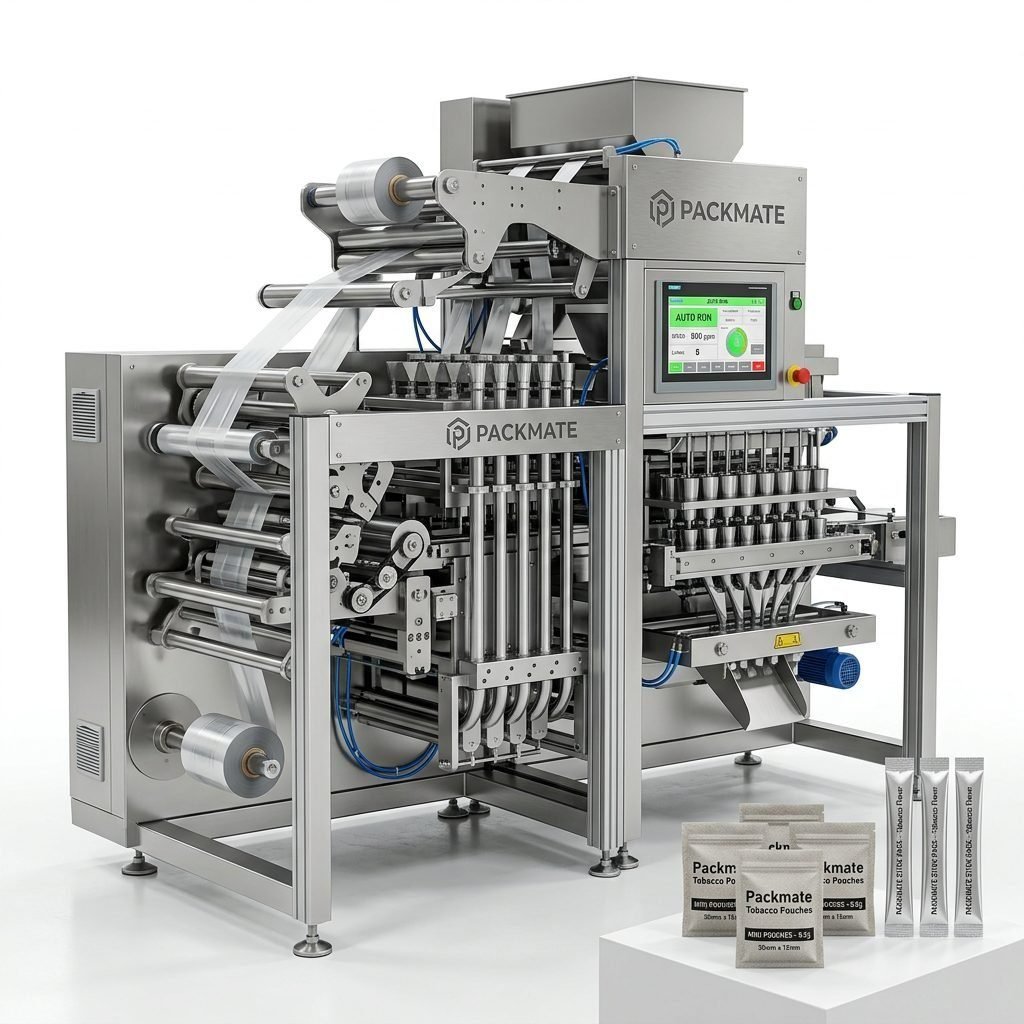
– Multi-lane options for small-dose pouches to increase output without expanding footprint.
– Whether the line supports quick changeovers between SKUs to respond to market trends.
– Expansion paths: can you add lanes, modules, or automation later?
Product Compatibility and Flexibility
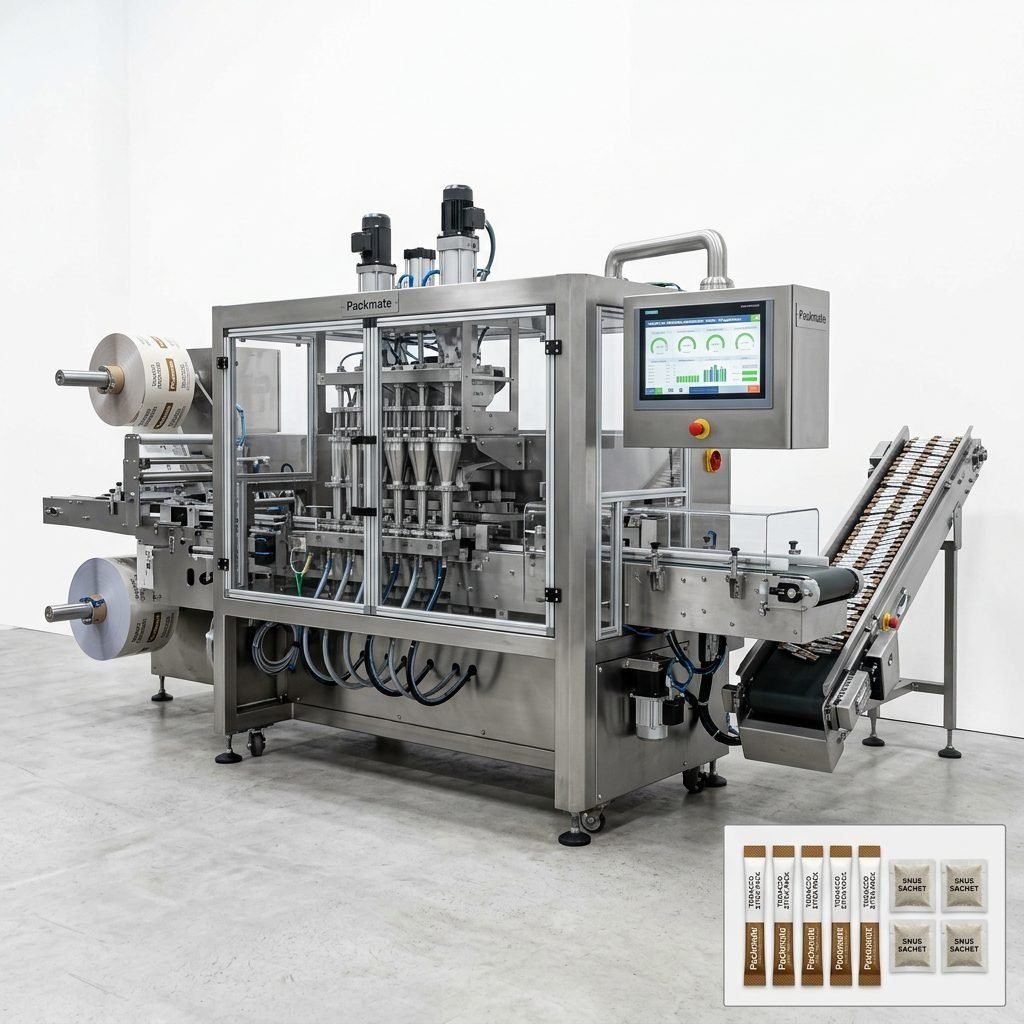
Ensure the equipment supports the range of formats you plan to produce—single-dose pouches, sachets, stick packs, or bespoke shapes. If you plan to diversify (e.g., tea sachets, powders, granules), choose a supplier with modular systems that can handle multiple product types.
Filling Accuracy & Portion Control
For nicotine products, dosing precision is crucial. Look for:
- High-precision weighing or auger filling systems with low variation.
- Validation data from the supplier showing consistency across runs.
- Easy access to calibration and cleaning points.
Assessing Supplier Capabilities
Picking a supplier means assessing more than a machine spec sheet. Evaluate:
Manufacturing Strength & Quality Control
A strong factory footprint and rigorous QC processes reduce delivery risks. Key indicators include:
✔️ Factory size and equipment (CNC machining centers, precision assembly lines).
✔️ Established production workflows and final test protocols.
✔️ A documented history of global turnkey projects and references.
For example, suppliers with a 20,000㎡ factory and 30+ years of engineering experience typically offer more robust quality systems and customization options.
R&D and Customization
A supplier that invests in R&D will help you adapt to market requirements faster. Ask about:
– Internal design and prototyping capability.
– Case studies showing customization for niche formats or regulatory needs. (See case examples)
After-Sales Support, Training & Spare Parts
Great machines only perform when supported by strong service. Prioritize suppliers who provide:
- Clear warranty terms and local service commitments.
- Fast spare parts supply and documented lead times.
- On-site commissioning, operator training, and remote troubleshooting.
⚠️ Important: Ask for a sample support plan detailing response times and the availability of engineers who can travel to Japan if needed.
Financial Considerations: Price, ROI, and Total Cost of Ownership
Purchase price is just the beginning. Calculate the total cost of ownership (TCO) including installation, validation, spare parts, consumables, and downtime costs. Key questions:
– How long is the typical payback period at different throughput levels?
– What are energy and maintenance costs per million pouches?
– Are there modular upgrades to protect your investment as demand grows?
Negotiation tips
Negotiate on terms beyond price: extended warranty options, spare parts bundles, training packages, and performance guarantees. Suppliers who offer turnkey solutions and documentation for export/import to Japan often provide better value.
Factory Visit & FAT (Factory Acceptance Test)
Whenever possible, conduct a factory visit and participate in a Factory Acceptance Test (FAT). A comprehensive FAT should include:
- Performance demonstration at target speeds and product formats.
- Dosing accuracy reports and sample product runs.
- Operator training demonstration and maintenance walk-through.
If travel is difficult, request a live video FAT with multiple camera angles and a recorded run. Ensure the supplier shares raw data from the test and supports follow-up questions.
Choosing the Right Machine Type
Different product strategies require different machines. Typical categories include:
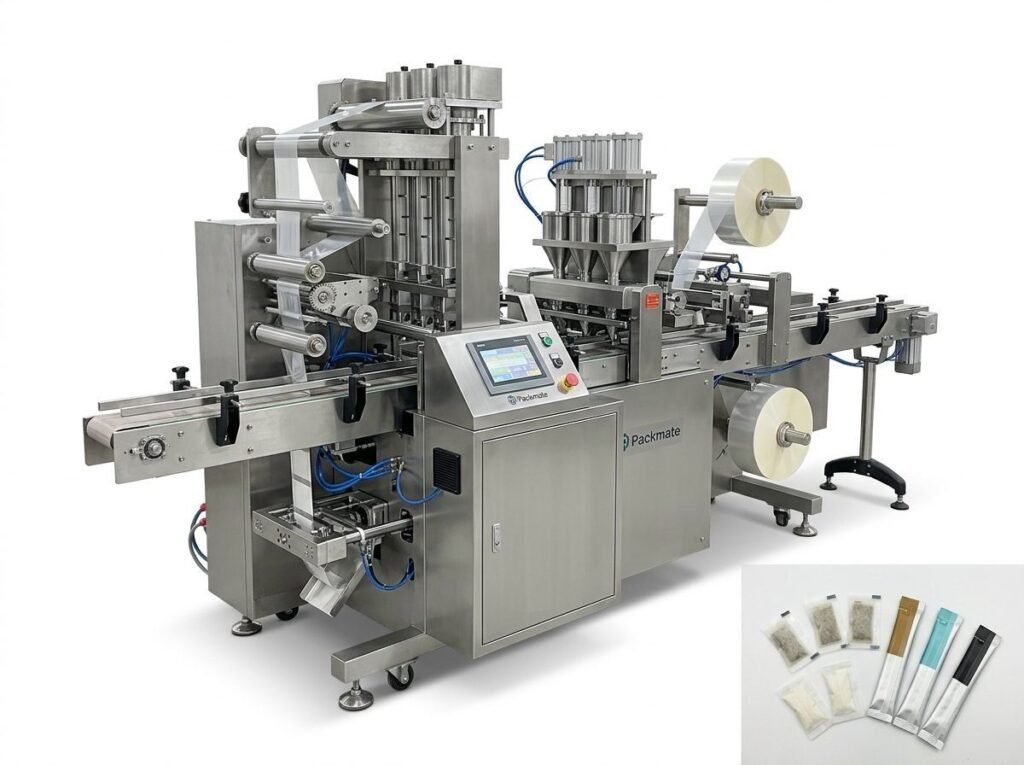
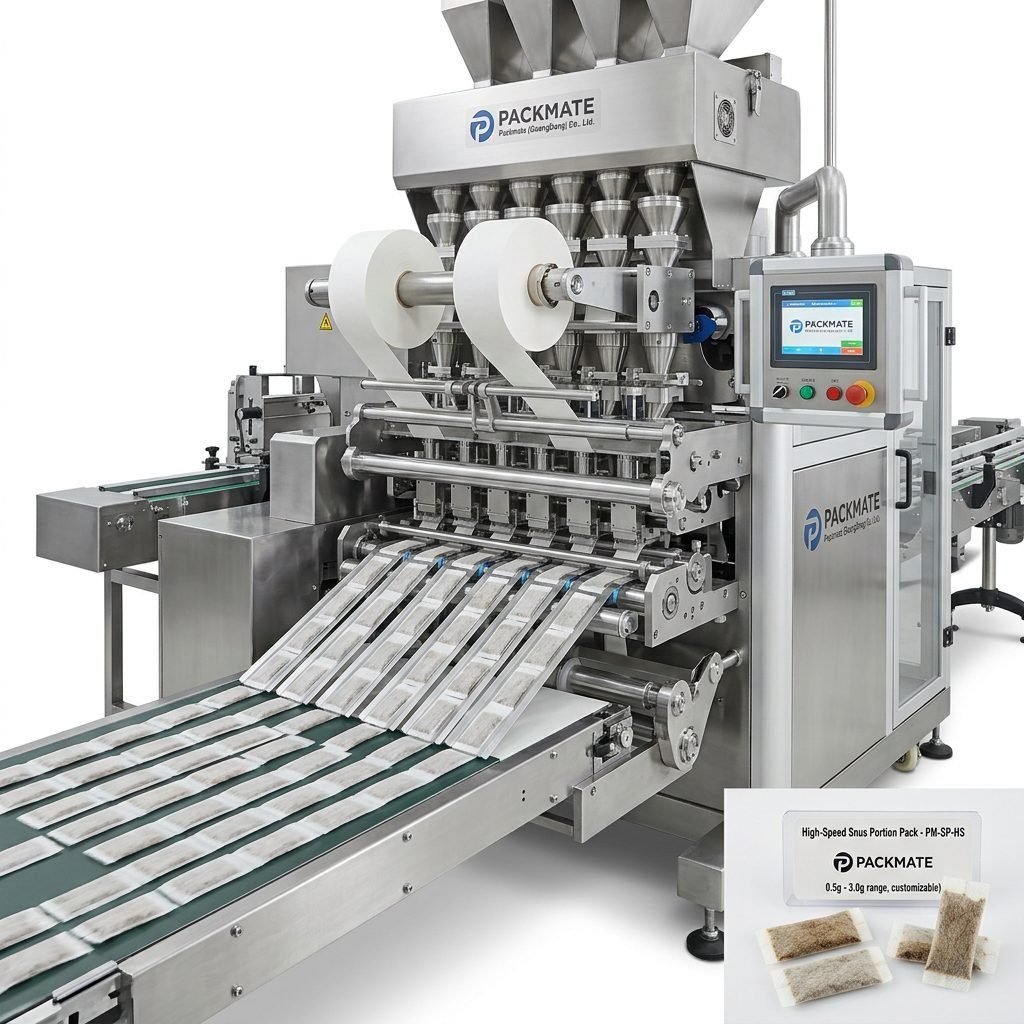
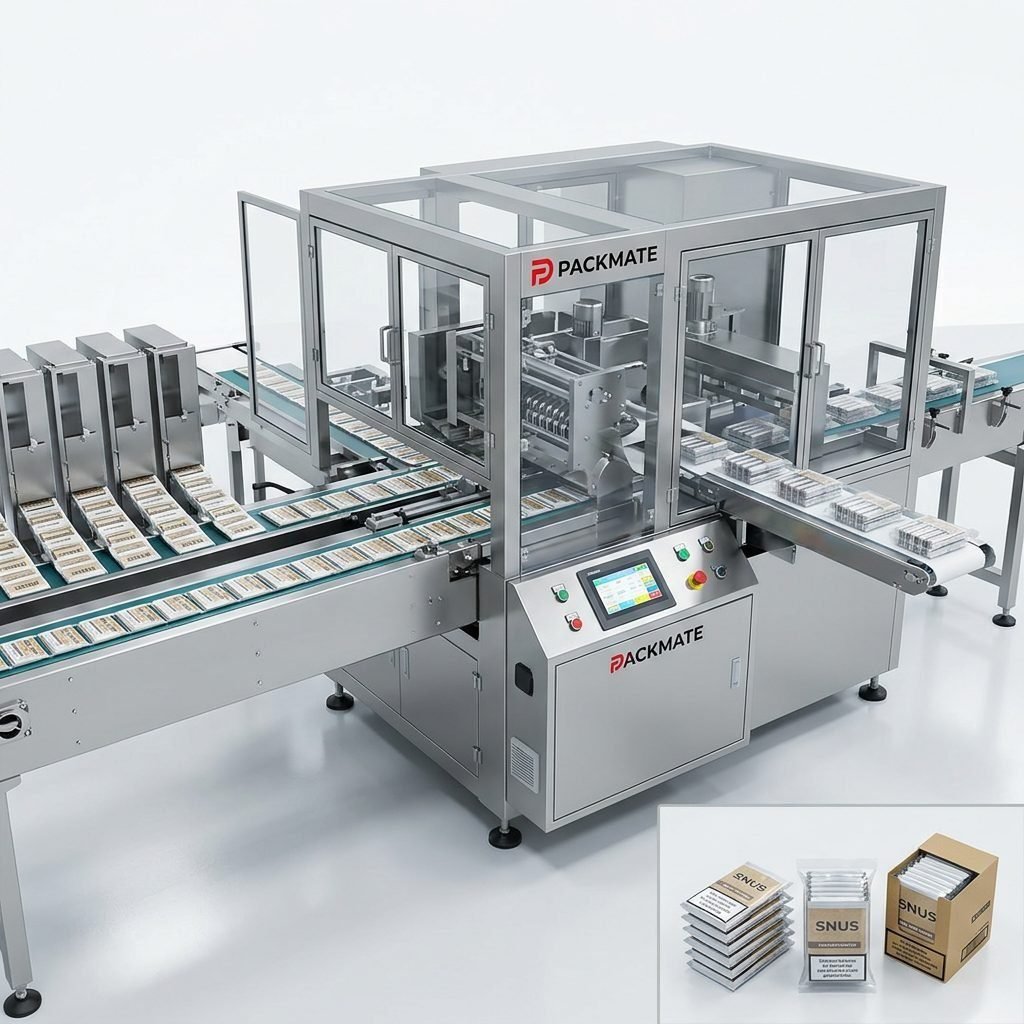
- Snus & Nicotine Packaging Machines for purpose-built snus pouch production lines.
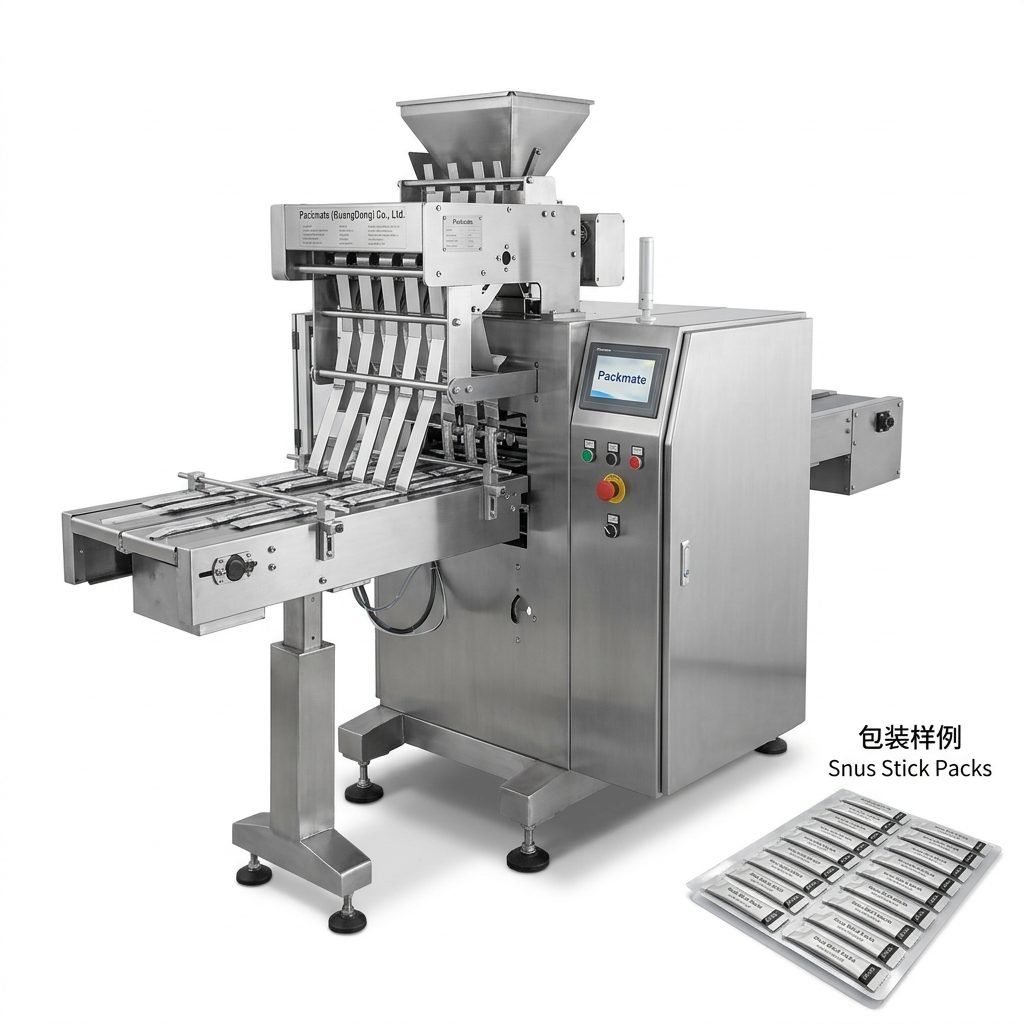
- Sachet & Stick Pack Machines for single-serve formats.
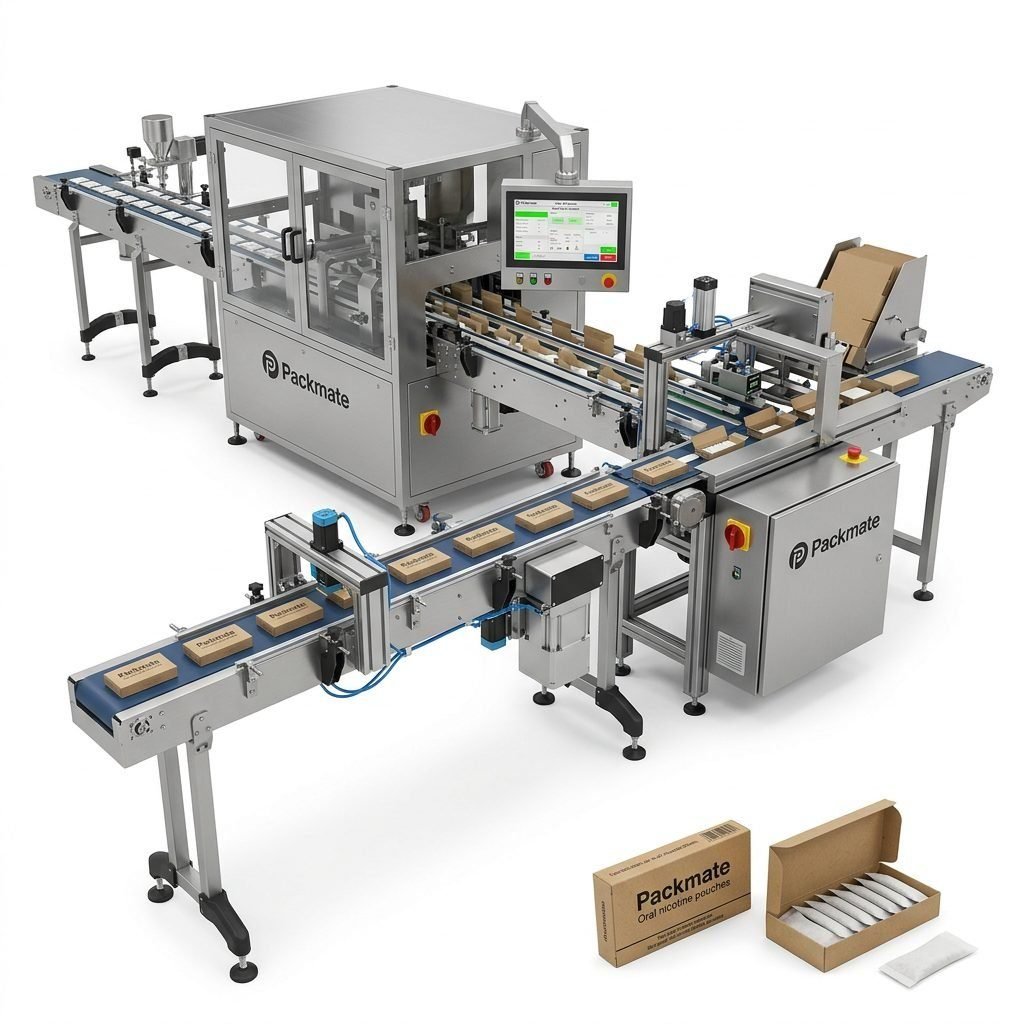
- Bag & Pouch Packaging Machines if you plan multipack or tray-style solutions.
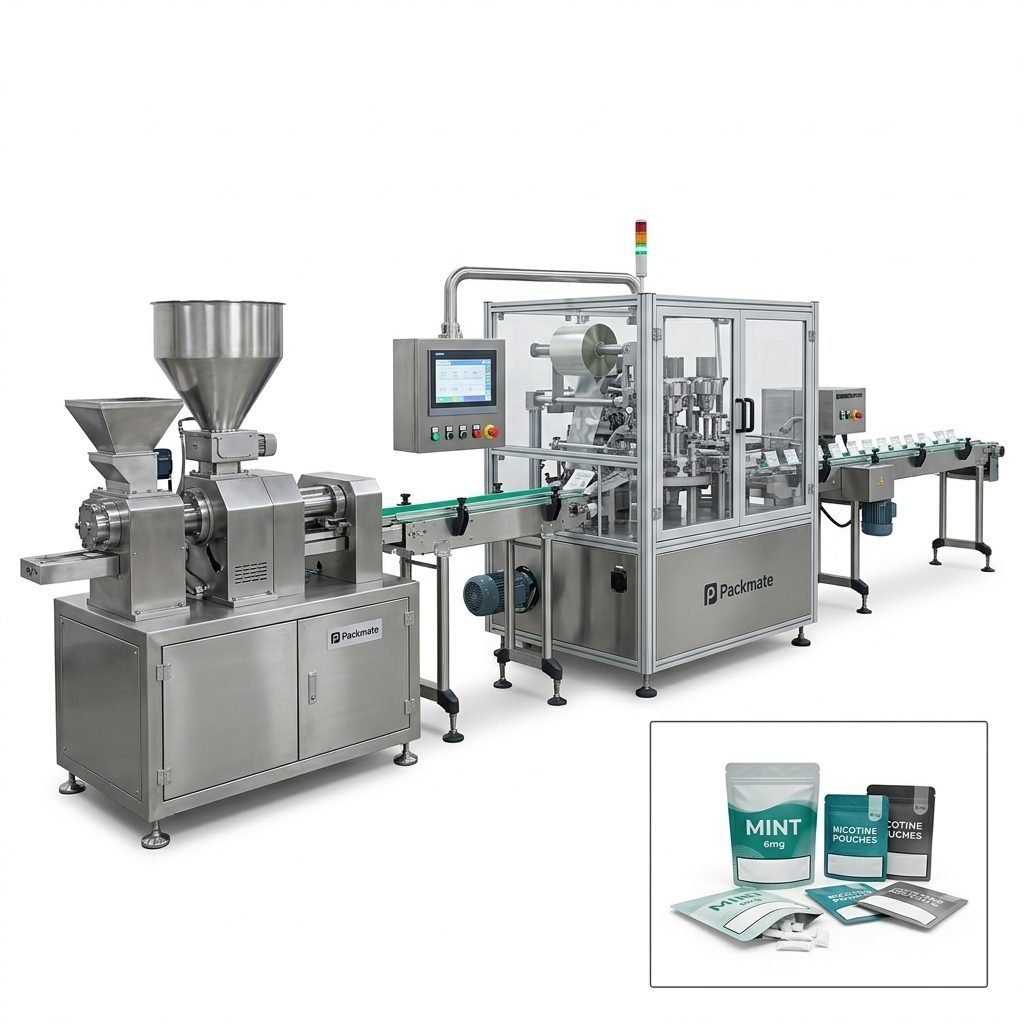
Look for suppliers that provide integrated systems: weighing, filling, sealing, labeling, and secondary packaging. Integrated lines reduce manual handling and improve traceability.
Supplier Reputation and Global Experience
Reputation matters. Choose suppliers with proven global deployments and positive references. Ask for:
- Client references in Europe, Asia, or the Americas.
- Evidence of compliance with CE/ISO standards. Certificate details
- Exhibition records or live demos. (Our Exhibition)
Practical Procurement Checklist (Japan-focused)
✔️ Confirm machine specs vs. product specs (size, weight, speed).
✔️ Verify regulatory documentation and material approvals.
✔️ Schedule and agree on FAT protocol and acceptance criteria.
✔️ Secure a spare parts and training agreement with lead times.
✔️ Plan for installation, validation, and operator training in Japan.
Why Choose an Experienced Turnkey Supplier?
Turnkey suppliers deliver fully integrated solutions—from individual filling modules to complete packaging lines and factory-level automation. Benefits include:
– Single point of responsibility for delivery and performance.
– Reduced integration risk between different equipment brands.
– Faster project delivery and streamlined validation.
For more information on full-line solutions and equipment varieties, visit Filling & Packaging Lines.
Evaluating Long-Term Partnership Fit
A supplier becomes a partner over the equipment lifecycle. Evaluate cultural fit, communication cadence, and long-term vision. Key indicators of a good partner:
- Open R&D collaboration and willingness to test prototypes.
- Transparent service metrics and continuous improvement initiatives.
- Clear channels for support: local agents, online portals, and documentation. (Service)
Case Example: Deploying a Multi-Lane Snus Line
A medium-sized Japanese manufacturer required a compact, high-precision line for nicotine pouches with minimal footprint. The selected supplier delivered a multi-lane snus packing system featuring:
– Four-lane pouch formation and synchronized weighing for high throughput.
– Modular design for rapid changeovers between flavors and weights.
– On-site commissioning and operator training completed within two weeks.
This deployment reduced labor costs and improved per-pouch consistency, illustrating how the right machinery and supplier relationship delivers measurable ROI.
Final Selection Checklist Before Signing
Before you finalize your supplier, make sure you have:
✔️ Detailed BOM and machine specs agreed in writing.
✔️ FAT plan and acceptance criteria included in the contract.
✔️ Warranty, spare parts, and service SLAs documented.
✔️ Export, customs, and installation timeline aligned with your launch schedule.
✔️ Training schedule and post-installation support confirmed.
Next Steps and Contact
When you are ready, request quotes and technical proposals from shortlisted suppliers. For additional details on the manufacturer profile and company background, see About Packmate or reach out directly via Contact Us.
Quick reminders
– Prioritize compliance and hygiene when working with nicotine products.
– Validate dosing precision and material contact safety before shipment.
– A well-structured FAT and reliable after-sales service are invaluable for operations in Japan.
Frequently Asked Questions
Q1: How do I verify a supplier’s machine performance before purchase?
A1: Request a Factory Acceptance Test (FAT) with your specific product, ask for raw test data, and, if possible, visit the factory. Remote live FATs are acceptable if recorded and substantiated with data.
Q2: What certifications are essential for nicotine pouch machines in Japan?
A2: CE and ISO certifications are commonly required for international equipment. Additionally, confirm material contact approvals and provide documentation required by Japanese customs or local regulatory bodies.
Q3: How important is spare parts availability?
A3: Extremely important. Long lead times for critical parts can halt production. Secure spare parts agreements and ask about local stocking options or fast shipment channels.
Q4: Should I prefer turnkey suppliers or assemble a line from multiple vendors?
A4: Turnkey suppliers reduce integration risk and single-source accountability. If you have in-house engineering capacity, multi-vendor solutions can be customized but require strong project management.
Q5: How do cultural expectations in Japan affect supplier selection?
A5: Japanese partners expect punctuality, detailed documentation, and long-term service relationships. Suppliers that acknowledge and plan for these expectations will typically have smoother implementations and stronger local reputations.