Choosing the right nicotine packaging machinery supplier for your factory in Egypt is a strategic decision that affects product quality, regulatory compliance, production efficiency, and long-term costs. This guide walks you through the practical, technical, and local considerations you should weigh when selecting a partner who can deliver snus and nicotine pouch packing solutions that meet Egyptian market needs and local business practices.
Understand Your Production Needs First
Start by defining clear production targets: daily output, pouch sizes, product formats (loose snus, nicotine pouches, stick packs, sachets), and any special materials such as biodegradable films or child-resistant packaging. In Egypt, local retailers and distributors may prefer compact, shelf-friendly pouches and clear labeling in both English and Arabic — plan packaging dimensions and labeling space accordingly.
Checklist (Quick):
required throughput per hour, pouch format(s), compatibility with existing lines, CIP/hygiene needs, and power/air supply specifications.
Match Machine Types to Product Types
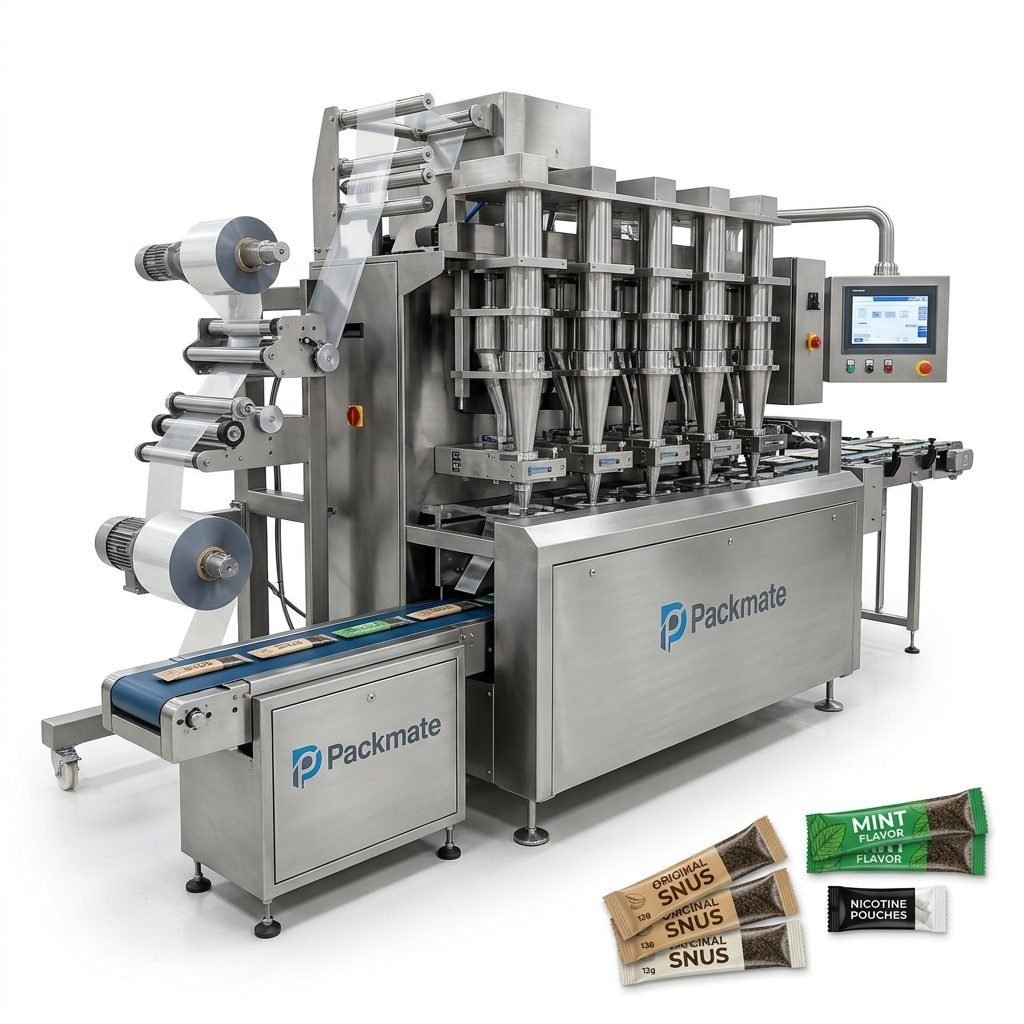
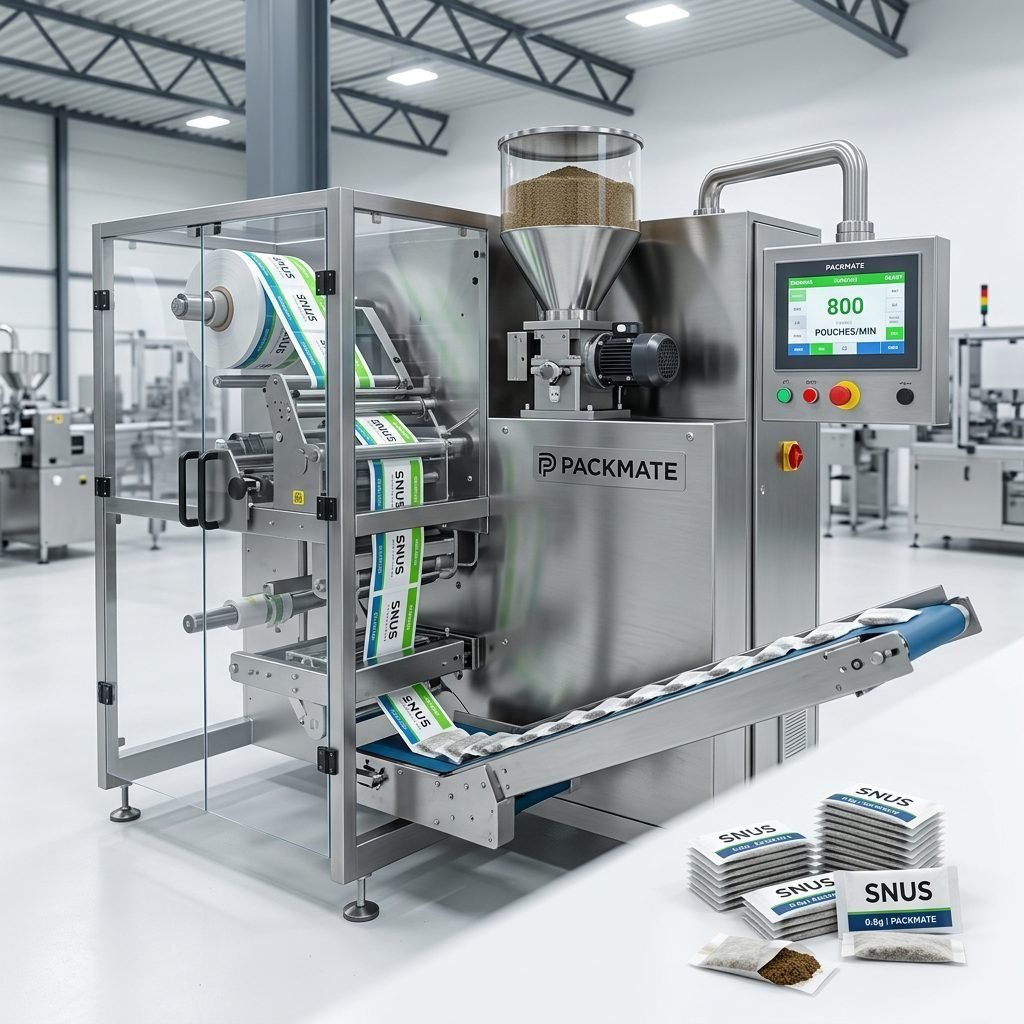
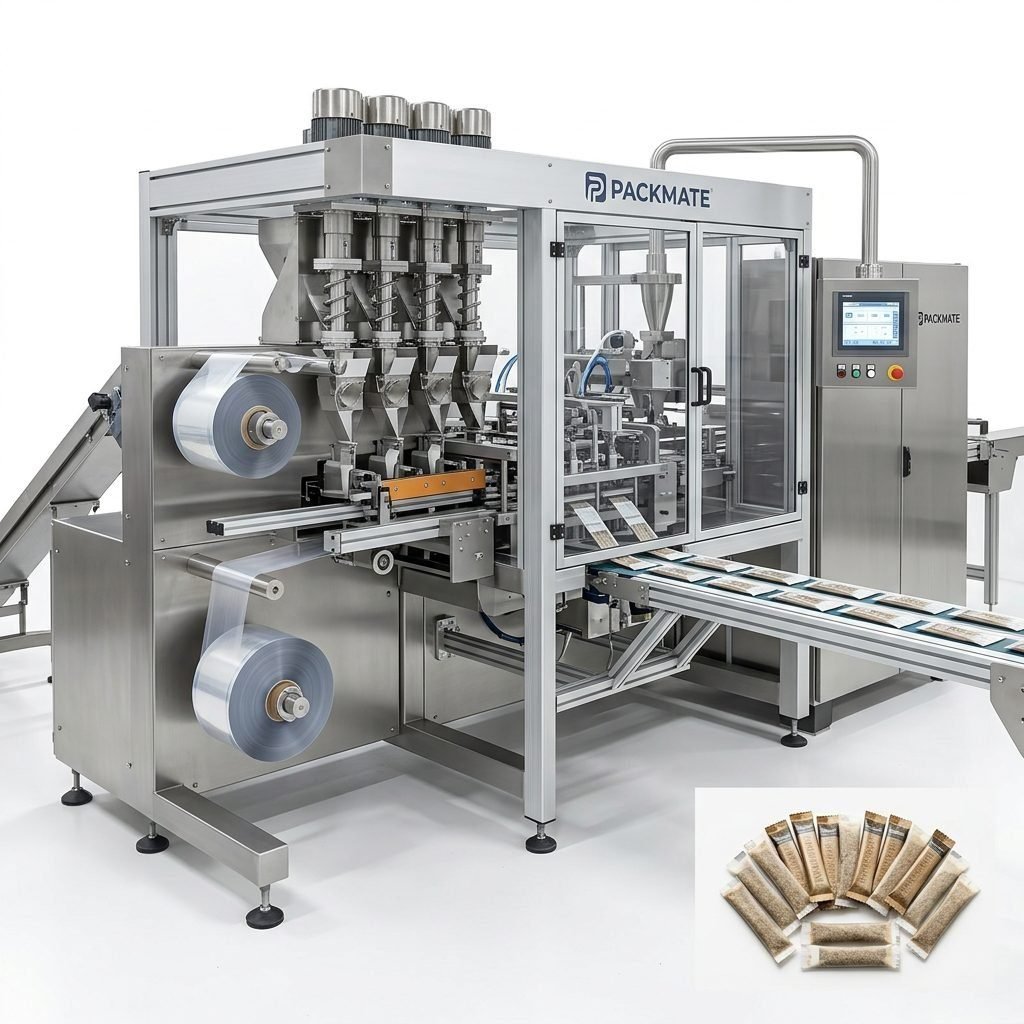
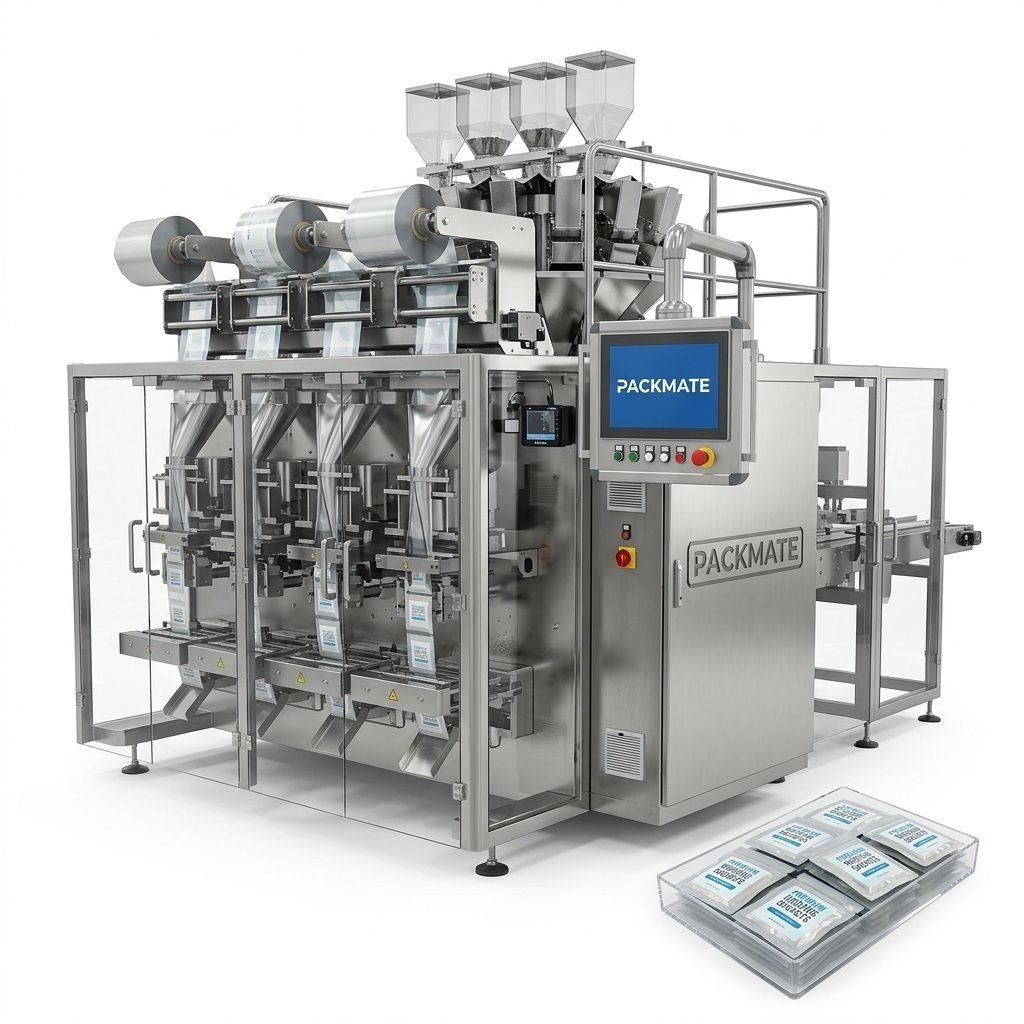
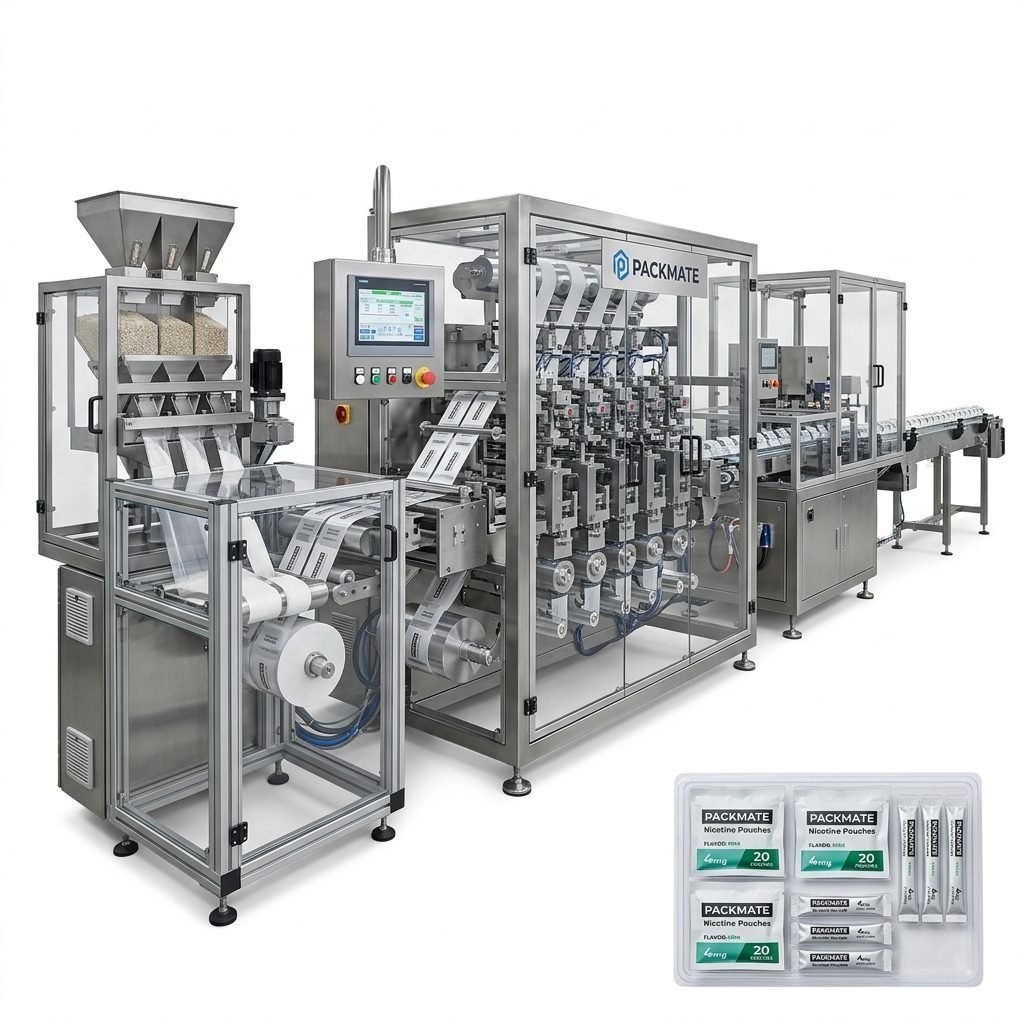
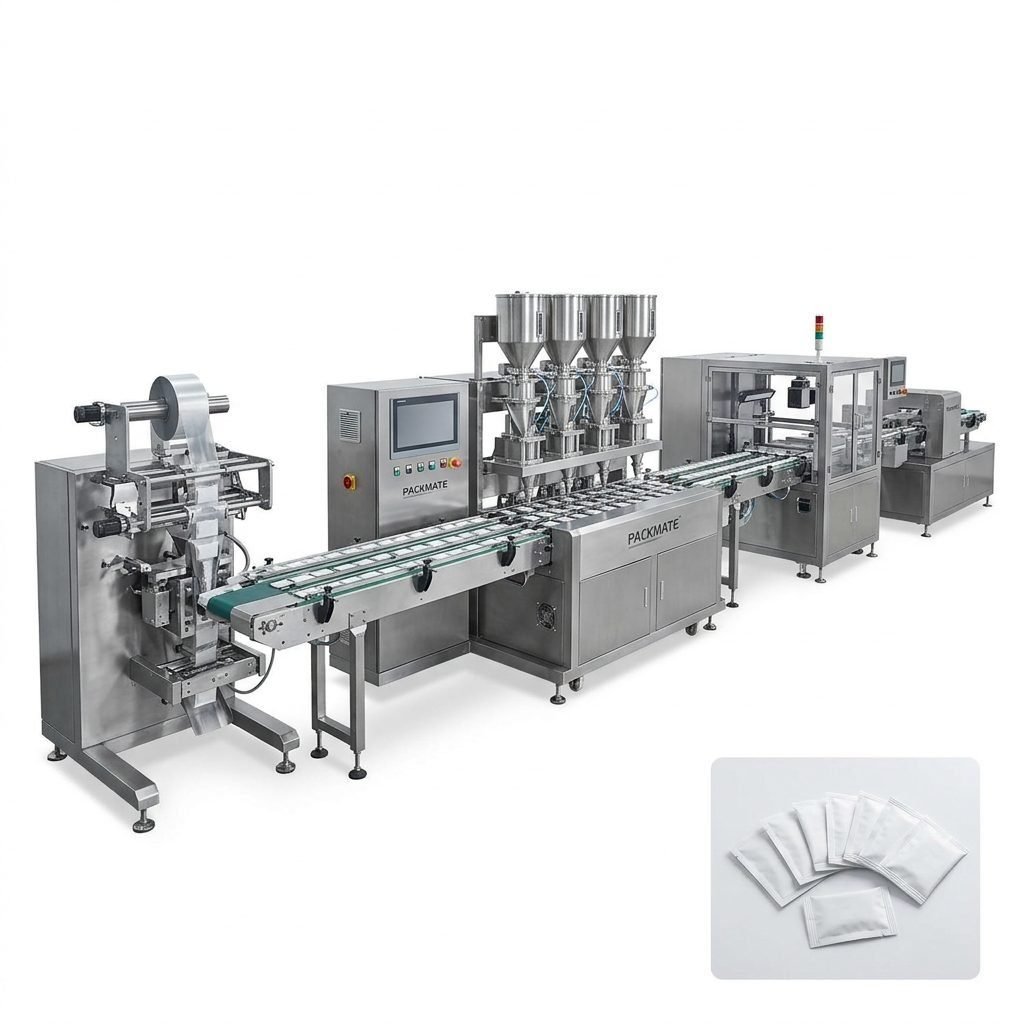
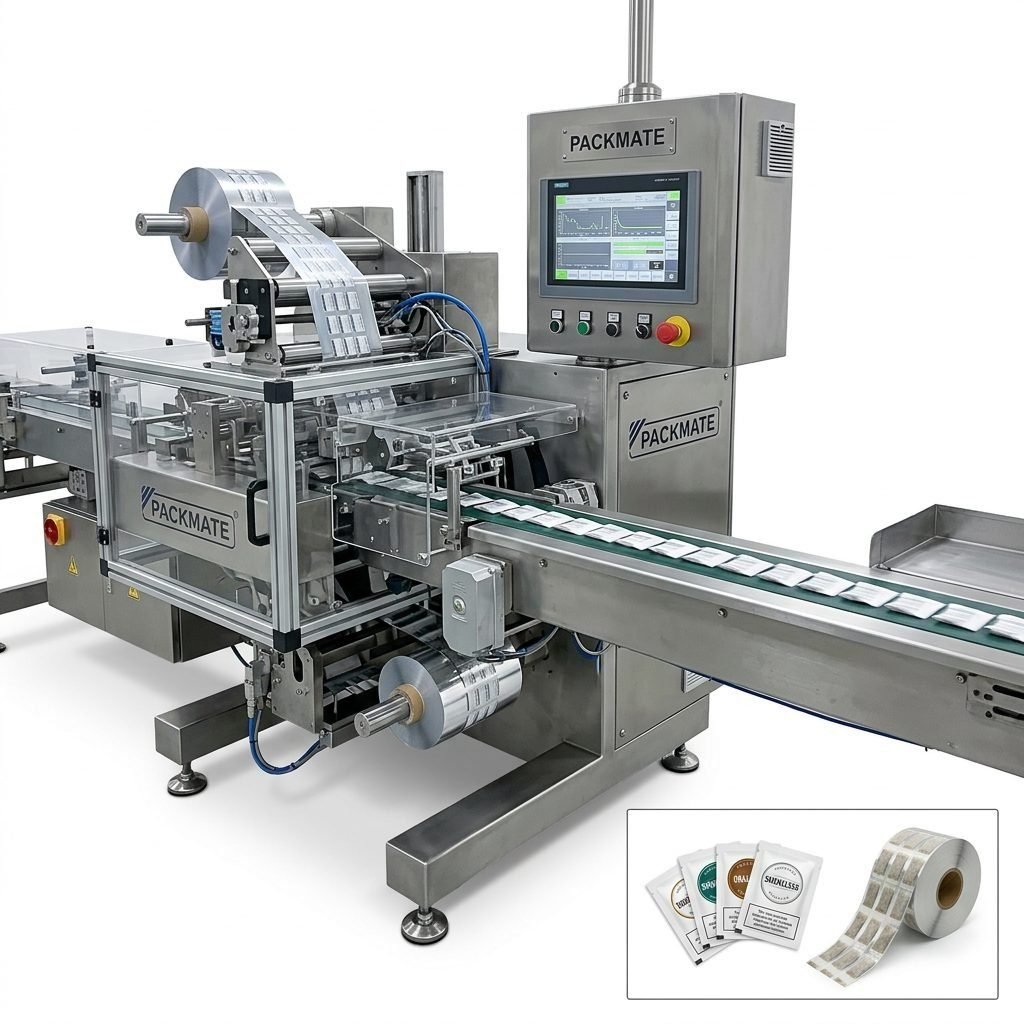
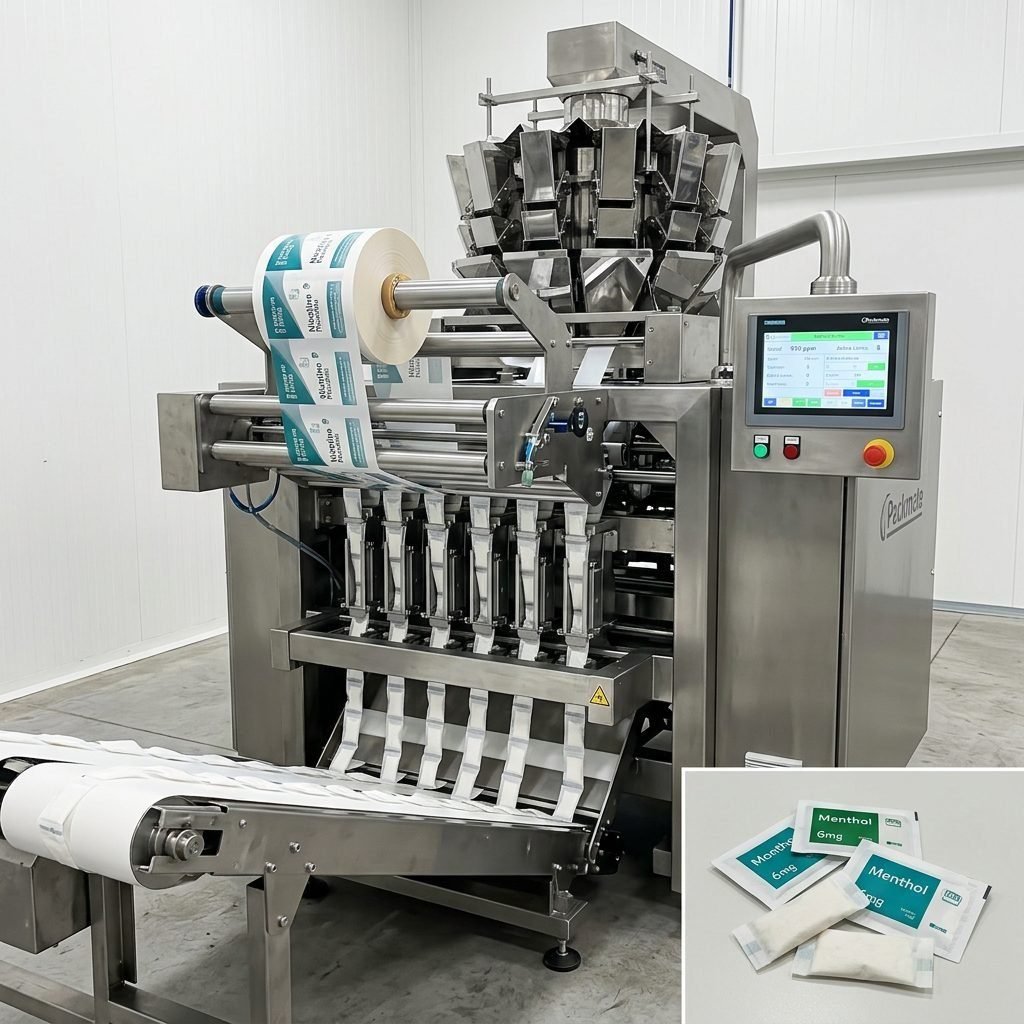
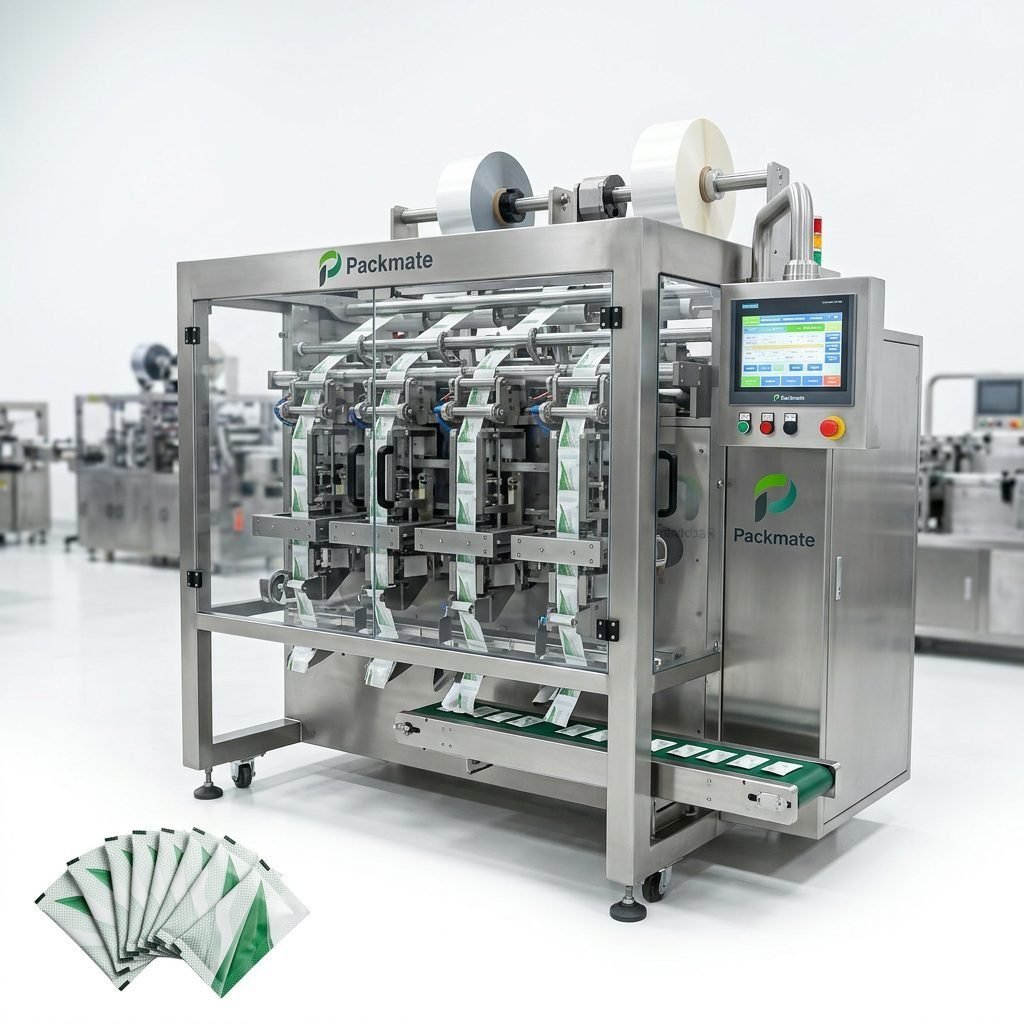
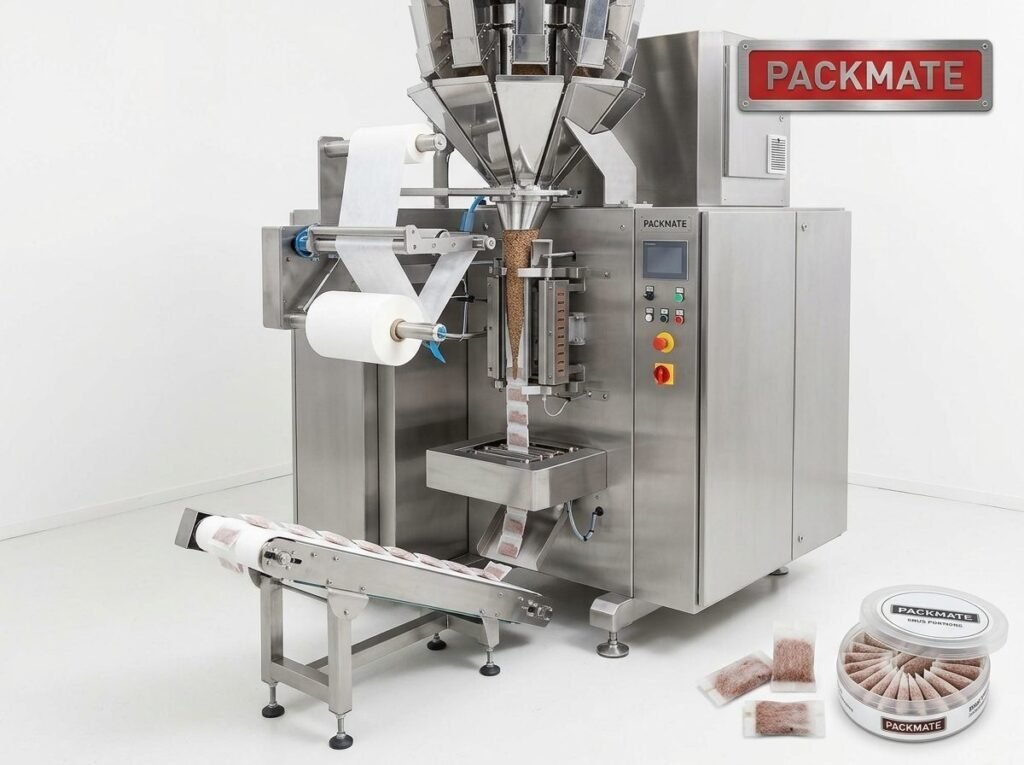
Different packaging styles need specific machines. For nicotine pouches and snus, multi-lane pouch machines and stick pack equipment are common. If your operation will handle powders, granules, and liquids in addition to pouches, consider integrated filling & packaging lines. See real-world equipment categories for reference: Snus & Nicotine Packaging Machines and Filling & Packaging Lines.
Capacity & Scalability
Choose a supplier offering modular solutions. Egypt is a market with growth potential; a machine that scales from single-lane to multi-lane operations will protect your investment. Ask about upgrade paths, additional lanes, and compatibility with future automation modules.
Technical Performance and Build Quality
Technical reliability is essential. Prioritize machines built with precision components (CNC-machined parts, accurate servo drives, and durable sealing systems). Suppliers with strong in-house manufacturing capabilities can better control quality and spare parts availability. For example, Packmate Snus Machine highlights a 20,000㎡ facility with advanced CNC machining and precision assembly lines — a sign of vertical capability to supply robust equipment.
Key specs to request:
MTBF (mean time between failures), sealing test data, accuracy tolerances, changeover times, and a list of OEM components used (motors, PLCs, sensors).
Production Stability & Test Reports
Ask for production test reports, stability data, and customer case studies. Online case galleries and exhibition demos can provide real-world evidence of performance: Case and Our Exhibition pages are useful sources of third-party proof.
Certifications and Regulatory Compliance
Confirm that machines meet international safety and quality standards (CE, ISO). Equally important in Egypt, ensure the equipment can produce packaging that complies with local labeling and health rules. Suppliers offering CE/ISO documentation and a clear compliance plan reduce regulatory risks. Packmate lists CE and ISO compliance as part of its credentials.
Service, Spare Parts and Local Support
After-sales service is often the decisive factor. Prioritize suppliers that provide:
- Local or regional service partners for fast response in Egypt
- Clear spare parts lists and shipment timelines
- Remote diagnostic tools and training packages
- Warranty terms and consumables support
Tip:
Suppliers with spare parts stocked regionally or documented local partners will minimize downtime for Egyptian manufacturers.
Customization, Turnkey Solutions and Integration
If you need a complete line — feeding, weighing, packaging, metal detection, labeling and cartoning — choose a supplier that builds integrated lines and provides project management. A turnkey provider, like Packmate, emphasizes full production lines and can coordinate auxiliary equipment and PLC integration. Review their catalog and system integration capabilities: Catalog.
Local Requirements and Cultural Considerations in Egypt
Business culture in Egypt values personal relationships, trust, and clear communication. Plan for in-person meetings where possible, and be aware of regional holidays (Ramadan, Eid) that affect production scheduling and shipping. Shipping via Alexandria or the Suez Canal is common — confirm the supplier’s familiarity with Egyptian import procedures and HS codes for nicotine-related equipment.
Note: nicotine products are regulated; ensure both the product formulation and the packaging comply with Egyptian law. Engage legal counsel or a local consultant to avoid customs or regulatory delays.
Factory Visits, References and Demonstrations
Whenever possible, schedule a factory visit or video demonstration. Inspect assembly quality, production flow, and quality control practices. Ask for references from customers in similar markets and request to see machines running comparable products. A trustworthy supplier will welcome audits and demonstrations.
Commercial Terms and Delivery
Clarify lead times, payment terms, shipping Incoterms, and penalties for delays. Egypt’s import process can add lead time, so factor in customs clearance, documentation (commercial invoice, packing list, certificate of origin), and local delivery to your factory.
Training, Documentation and On-site Commissioning
Comprehensive training and on-site commissioning reduce ramp-up time. Confirm that the supplier offers:
- Operator and maintenance training in English and optionally Arabic
- Detailed spare parts lists and exploded drawings
- Remote support options and routine maintenance contracts
Total Cost of Ownership (TCO)
Look beyond the purchase price. Calculate TCO by including energy consumption, spare parts, downtime risks, consumables, and expected lifetime. Suppliers who publish energy data and maintenance schedules make this calculation straightforward.
Why Choose an Experienced Snus/Nicotine Specialist?
Specialist suppliers understand the unique handling, dosing, and sealing needs for nicotine pouches. They also offer best-practice designs for hygiene and dust control, critical for small-dose tobacco/nicotine products. A specialist like Packmate focuses on snus pouch machinery and multi-lane systems, bringing domain expertise that general packaging vendors may lack. Learn more about the company’s profile: About Packmate.
Red Flag Alerts ⚠️
- No machine factory visit or video proof of output.
- Vague spare parts policy or long lead times without stock.
- Unclear compliance documentation for CE/ISO and local standards.
Making the Final Decision
Weigh technical specs, references, local service capability, and financial terms. For Egyptian customers, prioritize suppliers who demonstrate an understanding of regional logistics, can support Arabic communication or local agents, and provide fast spare part delivery to avoid extended downtime.
Contact and Next Steps
When you have a shortlist, request a formal quotation with technical annexes, proposed layout drawings, and a commissioning timeline. If you want to contact an experienced packaging machine supplier who specializes in snus and nicotine lines, you can start with their service team: Contact Us.
Quick Recap
In summary, focus on fit-for-purpose machinery, proven reliability, regulatory compliance, local support, and a partner who understands the Egyptian market rhythm. A supplier with a strong manufacturing base, clear documentation, and turnkey integration experience will help you launch and scale production efficiently.
Additional Resources
For more equipment categories and system options, you can explore Bag & Pouch Packaging Machines and Sachet & Stick Pack Machines.
Frequently Asked Questions (Common Questions)
1. What lead time should I expect for a custom nicotine pouch line in Egypt?
Typical lead times vary widely by complexity; basic single-lane systems may ship in 8–12 weeks, while fully customized multi-lane turnkey lines can take 16–28 weeks, plus shipping and customs time to Egypt.
2. How can I secure fast spare parts delivery locally?
Work with suppliers who maintain regional stock, provide recommended spare parts kits, or partner with local agents in the MENA region. Also, hold critical spares in your warehouse for rapid swaps.
3. Are there special labeling or packaging restrictions for nicotine products in Egypt?
Regulations can change. Always verify current Egyptian customs and health regulations and ensure labels include any required health warnings in the languages or formats mandated locally.
4. Can suppliers provide training in Arabic or local support during commissioning?
Many experienced suppliers offer multilingual training or local partners who can support Arabic-language training. Confirm this during negotiations.
5. How do I evaluate energy and maintenance costs for different machines?
Request detailed energy consumption data and a recommended maintenance schedule. Compare expected annual running costs and downtime estimates to calculate your total cost of ownership.