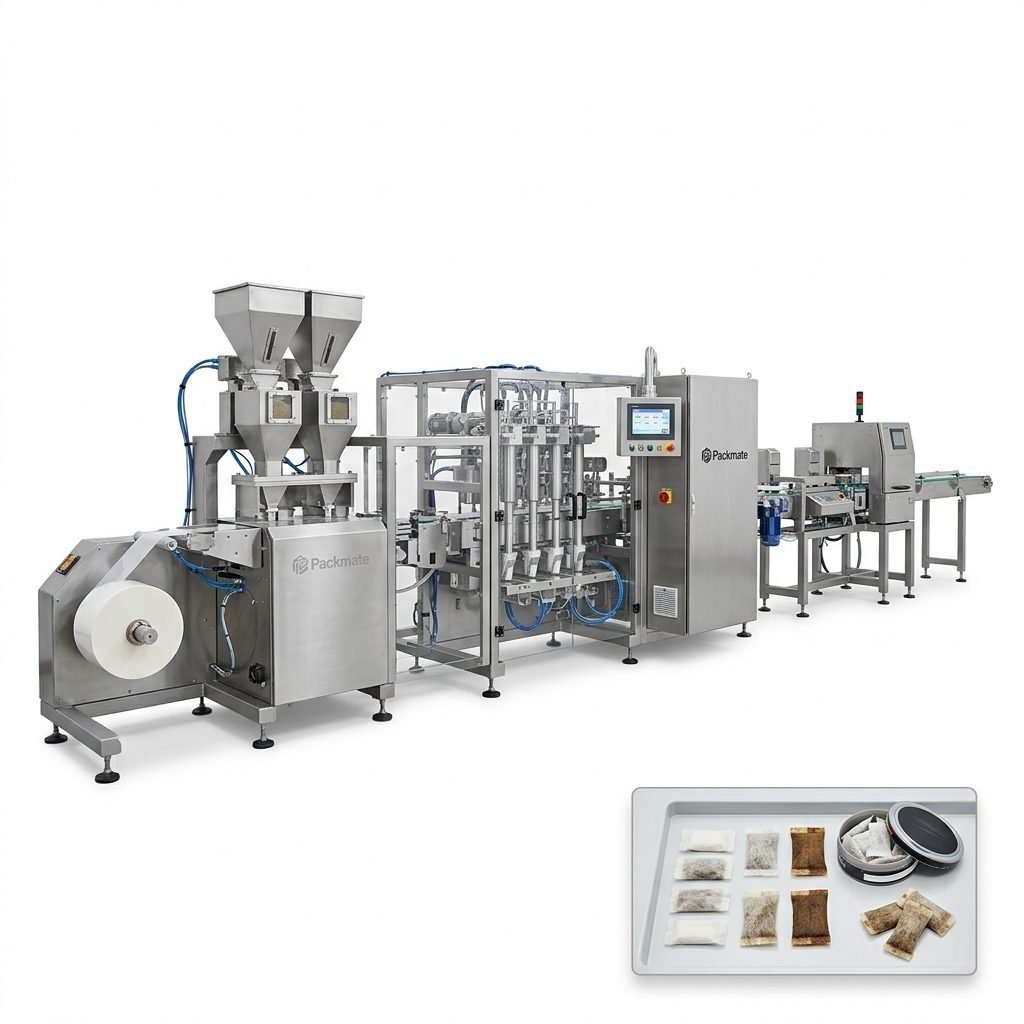
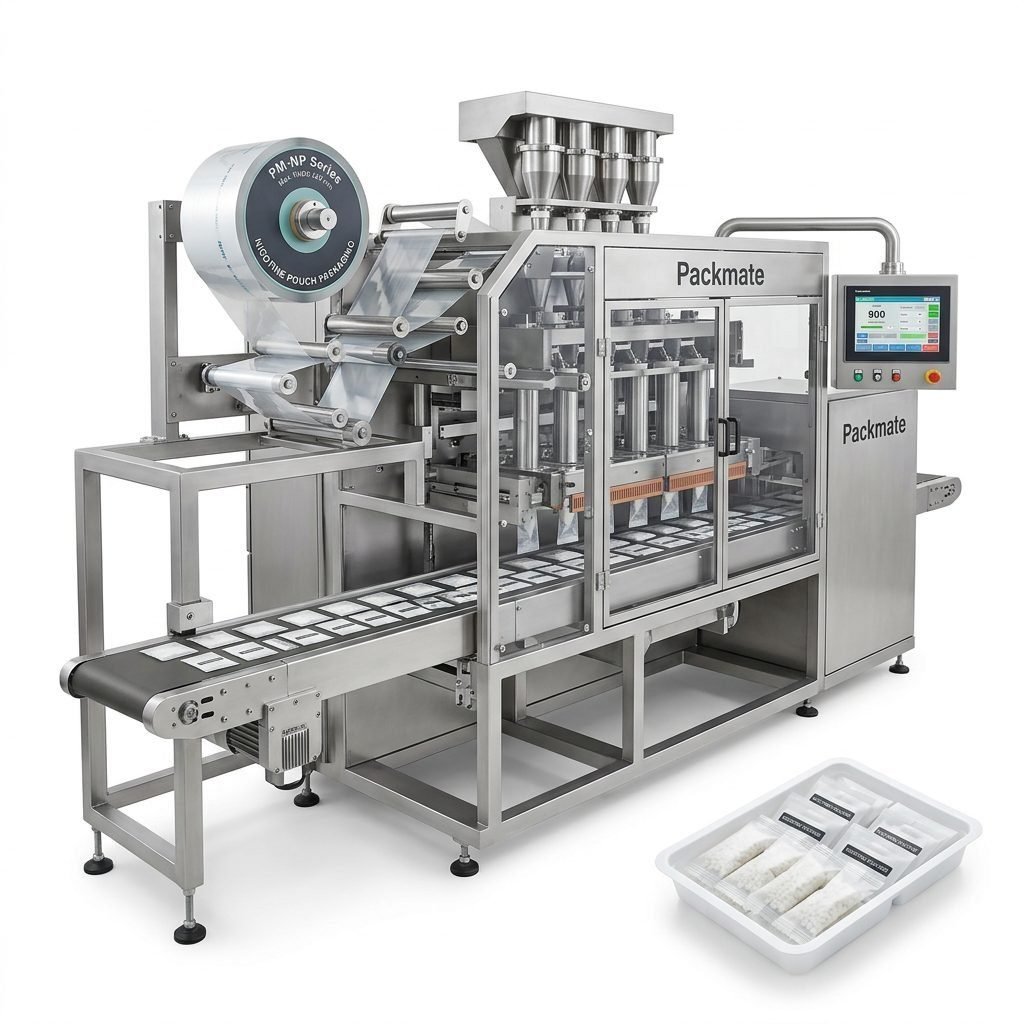
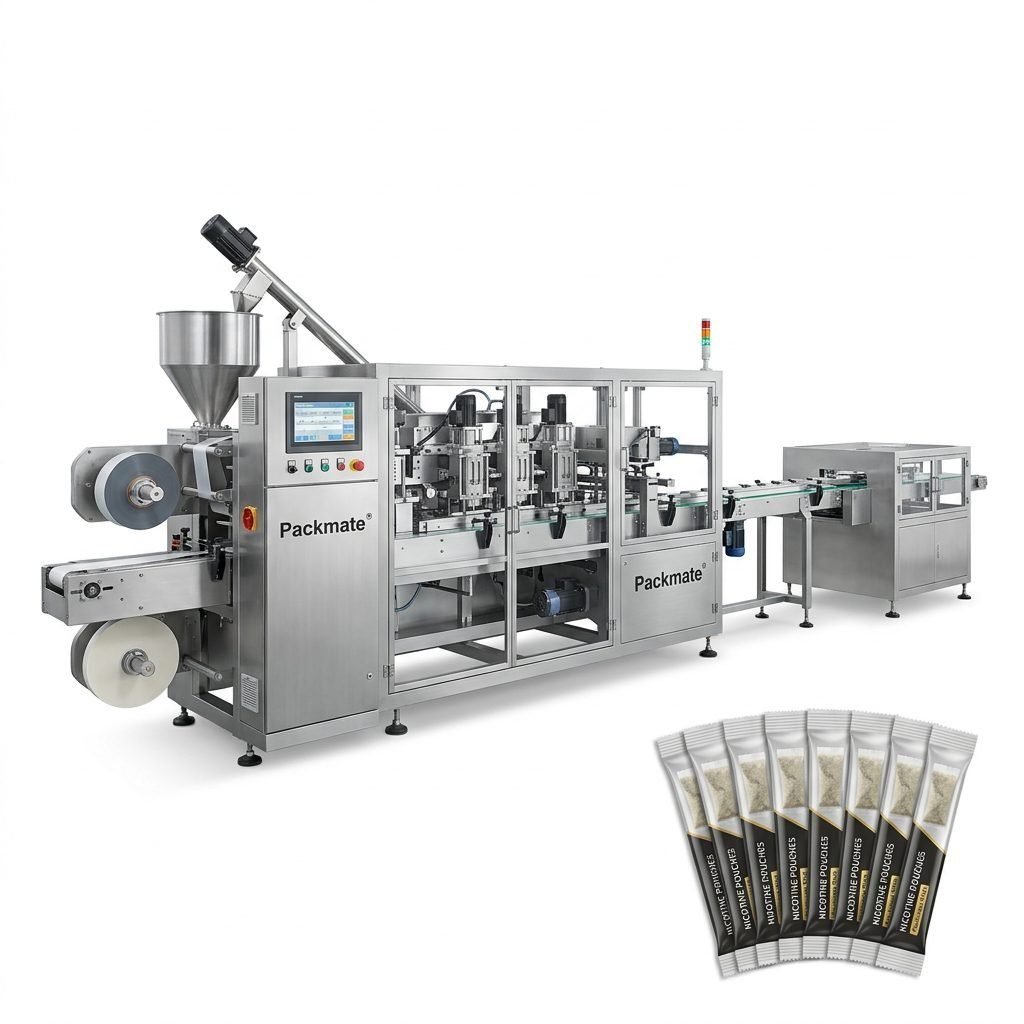
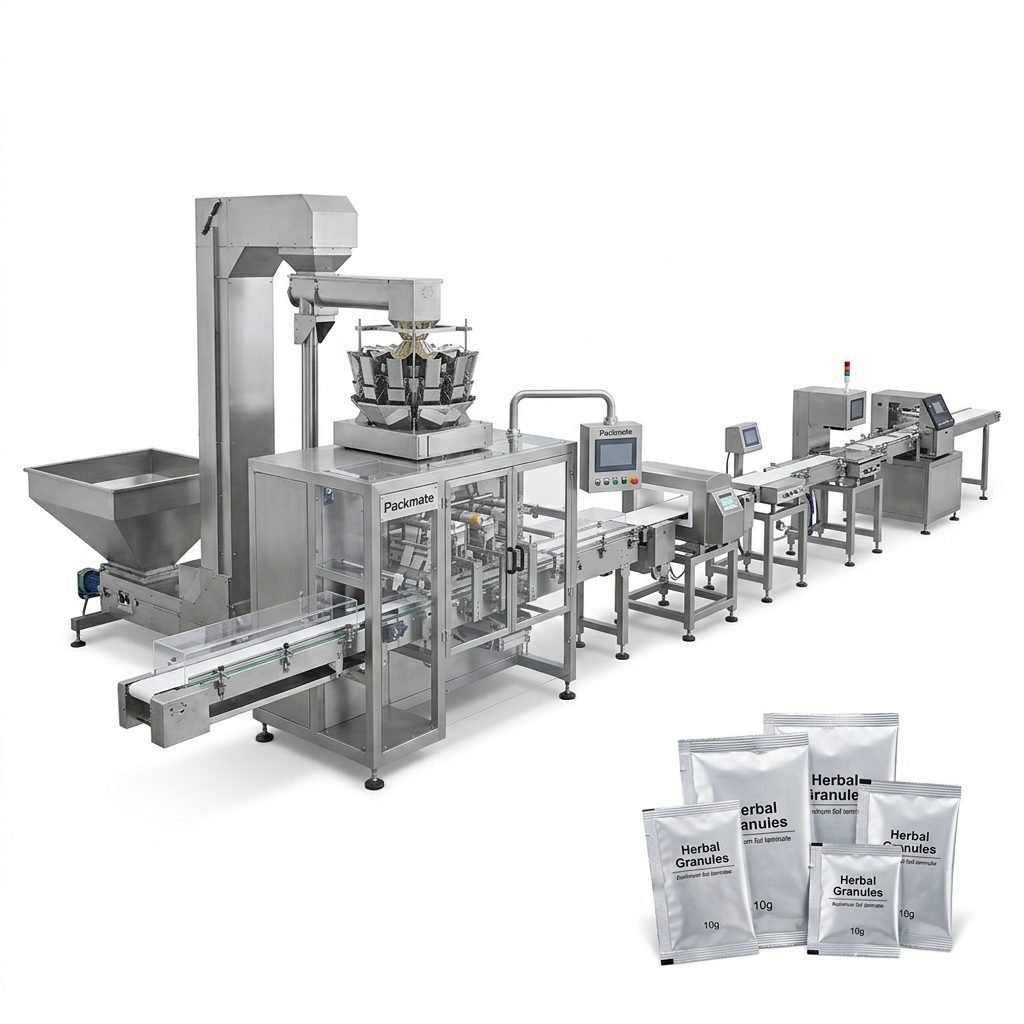
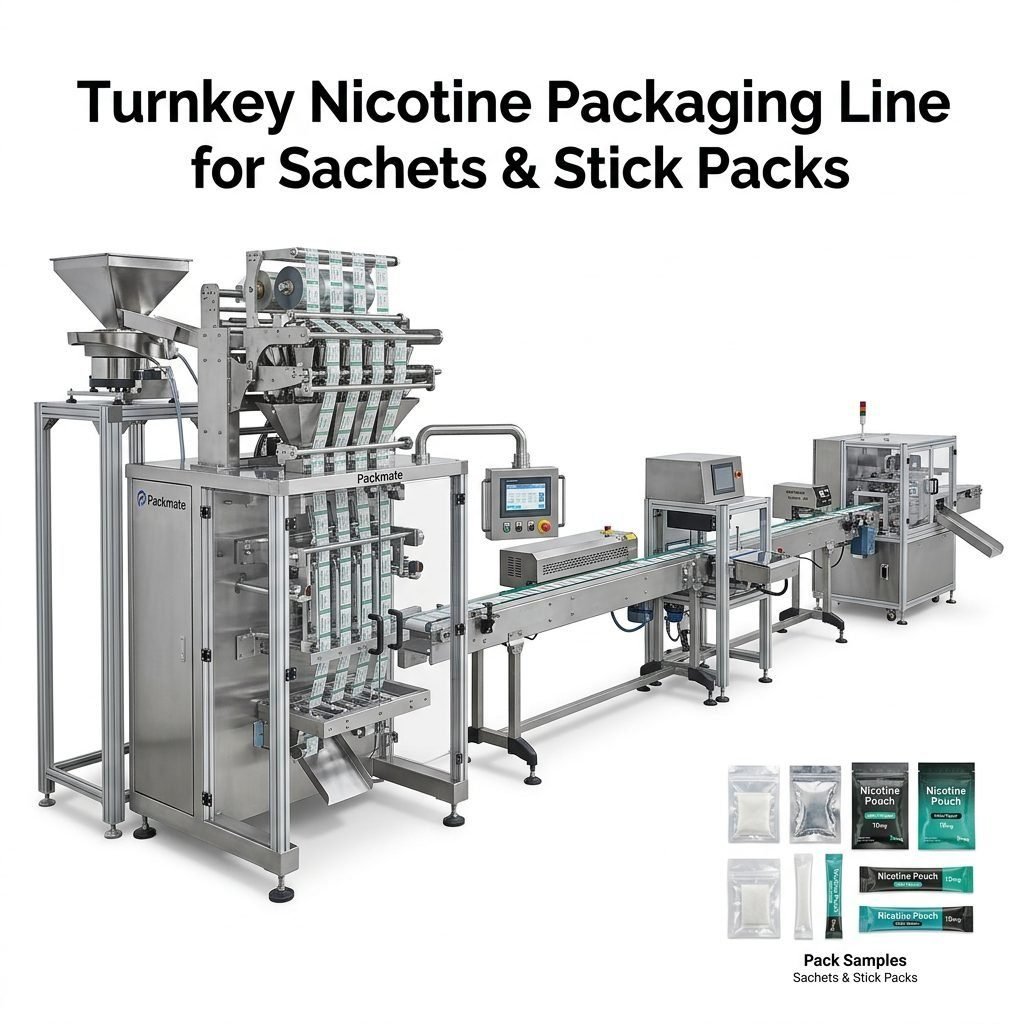
Choosing the right supplier for nicotine packaging machinery in Romania is a strategic decision that affects product quality, regulatory compliance, production efficiency, and your bottom line. This guide walks you through the practical steps, local considerations, and technical checkpoints to select a supplier who can meet Romanian market requirements and support your long-term production goals.
Understand the Romanian Market and Local Customs
Romania is an EU member with business practices shaped by both Western European regulations and Eastern European commercial culture. You should be mindful of: CE and ISO compliance, clear documentation for customs and VAT, and the expectation that technical discussions may require detailed datasheets and on-site demonstrations. Relationship-building matters — Romanian partners often value face-to-face meetings or video calls to build trust before large purchases.
Why EU and local considerations matter
• CE marking is essential for machinery placed on the EU market. Ensure your supplier can provide certificates and declarations of conformity.
• Importing large equipment into Romania requires accurate HS codes, VAT handling, and correct invoice documentation.
• Language: technical manuals are often in English, but having Romanian-language support or a local technical partner can accelerate commissioning and service.
Tip: If your nicotine products are consumer-facing in Romania, check local labeling rules and any national nicotine regulations in addition to EU directives.
Define Your Production Needs First
Before contacting suppliers, clarify production parameters: expected daily output, pouch formats (single-dose snus, nicotine pouches, sachets, stick packs), dosing accuracy required, multi-lane vs single-lane configuration, and future scalability. These inputs determine machine ranges and investment scale.
Key production questions to answer
🔍 What is your target throughput (pieces per minute/hour)?
🔍 Which pouch formats and materials will you use (film types, laminates, paper)?
🔍 Do you need weighing/integrated dosing or pre-filled pouches?
🔍 Will you expand capacity in 1–3 years?
🔍 What are your acceptable tolerances for weight and seal integrity?
Checklist: Document your production plan and bring it to supplier meetings — suppliers like Packmate can configure lines precisely when given clear targets.
Evaluate Supplier Experience and Capabilities
Look for suppliers with proven experience in snus and nicotine pouch packaging. Important indicators include years in business, factory size, range of machine models, and turnkey capabilities. For example, a manufacturer with 30+ years of engineering experience and a 20,000㎡ facility offers strong assurance of production capacity and quality control.
What to verify
⚠️ 30+ years of product R&D and a stable factory presence.
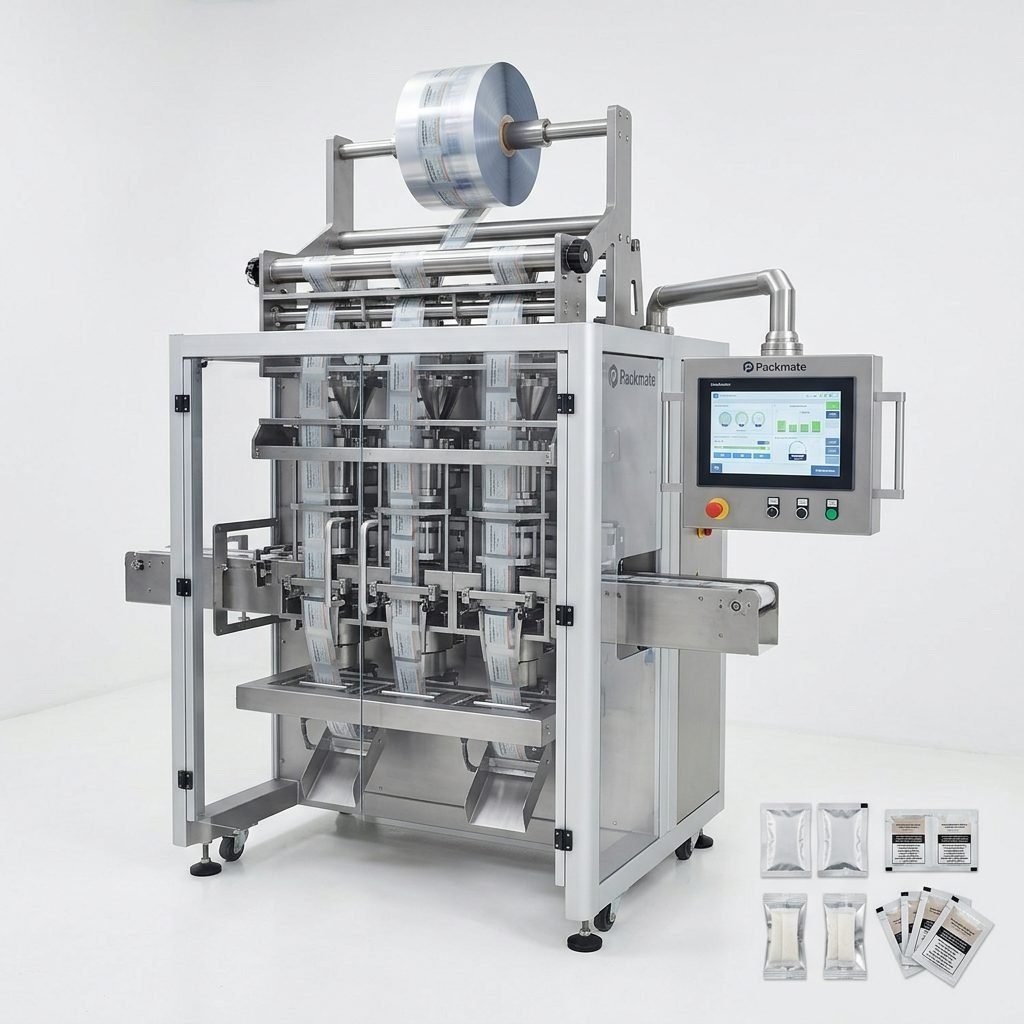
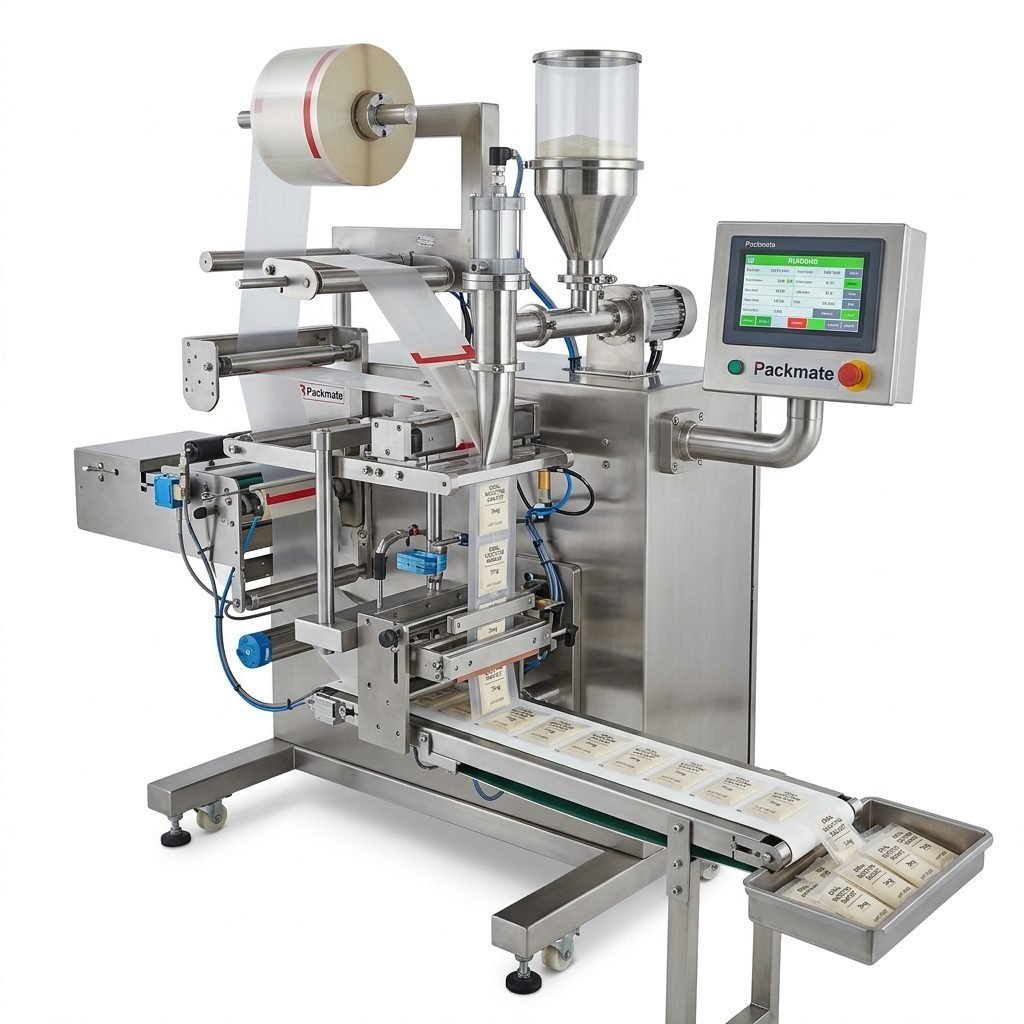
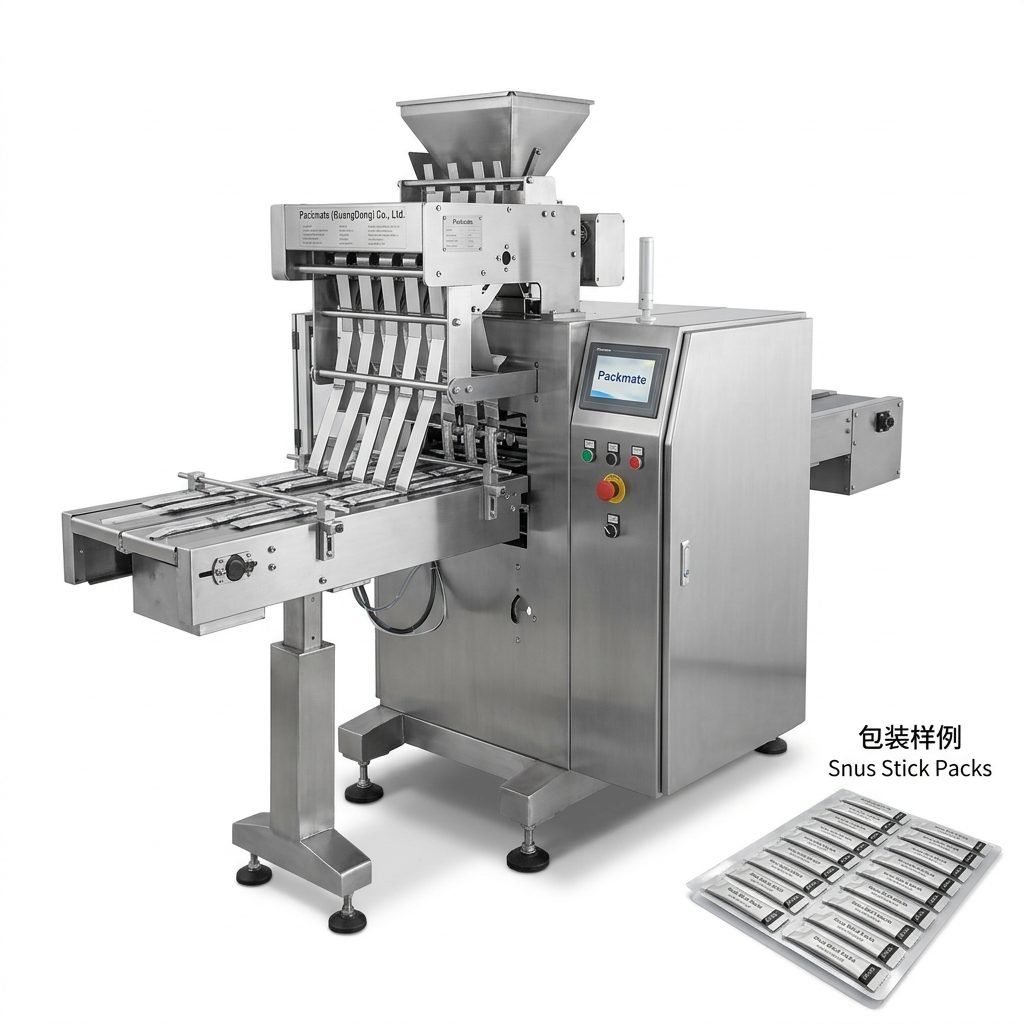
⚠️ A portfolio of machines including multi-lane snus packaging, stick pack, sachet machines, and integrated filling systems.
⚠️ ISO and CE certification for machinery; quality control systems and traceable manufacturing processes.
⚠️ A global service footprint or local partners in Europe for faster after-sales support.
If you want to learn more about product ranges, check the supplier’s product pages such as Snus & Nicotine Packaging Machines or Sachet & Stick Pack Machines.
Inspect Technical Specifications Closely
Don’t rely solely on brochure claims. Ask for detailed specs: motor types, PLC brand, HMI interface, dosing options, servo systems, seal temperature control, and material handling. Confirm the machine’s actual tested speeds for your product, not just theoretical maxima.
Technical must-haves
• Servo-driven systems for precise pouch length and repeatability.
• Accurate integrated weighing or volumetric dosing systems for nicotine products.
• Easy-to-clean design and access for hygiene inspections.
• Spare parts availability and clear documentation for maintenance.
Important: Request a FAT (Factory Acceptance Test) report or video of your product running on the line before shipment.
Assess Turnkey and Integration Services
Many operatives prefer turnkey suppliers who can deliver not only the core packing machine but also upstream dosing/weighing, downstream inspection, cartoning, and conveyor integration. This reduces integration risk and simplifies project management.
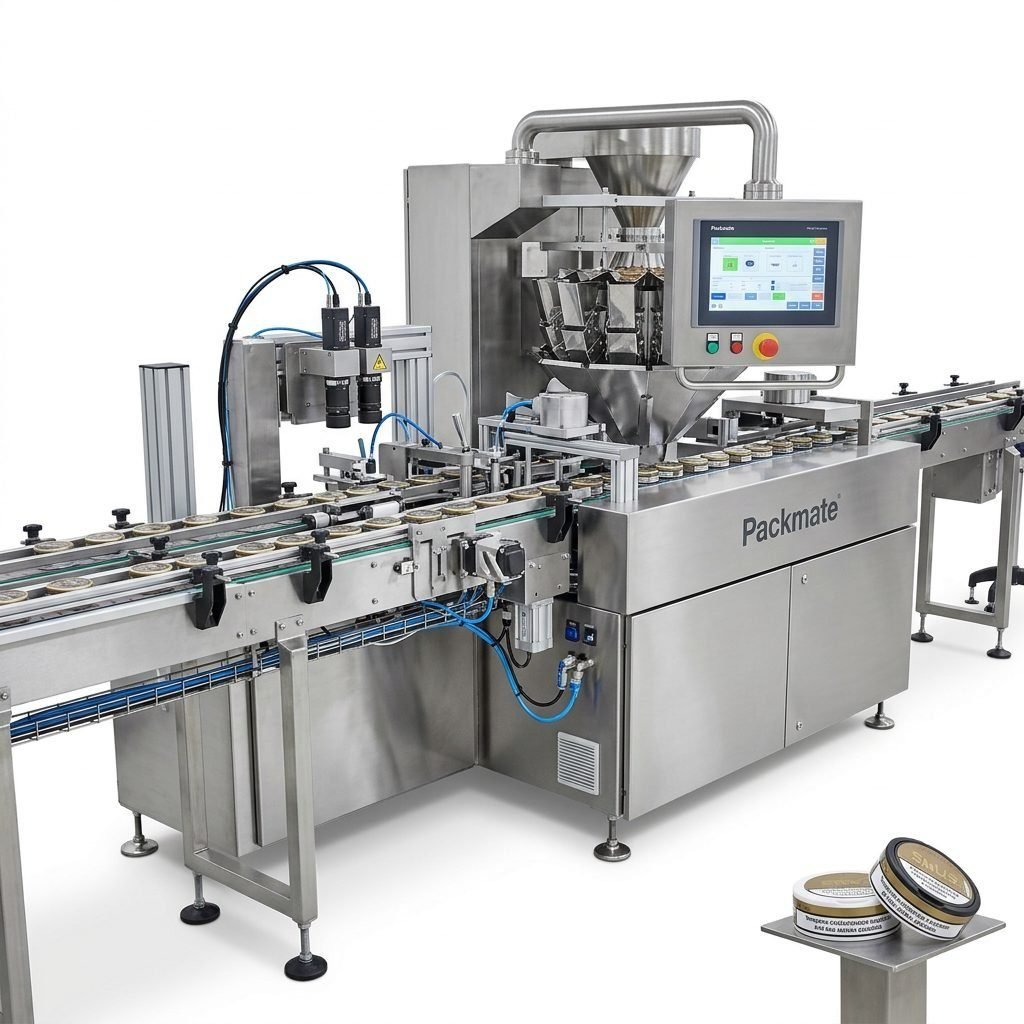
Suppliers that provide in-house systems like weighing & packaging integration or full filling & packaging lines are preferable. For example, explore integrated options in Weighing & Packaging Systems and Filling & Packaging Lines.
Questions to ask on turnkey capability
📌 Can the supplier deliver a complete line and perform mechanical/electrical integration on-site?
📌 Is there commissioning support in Romania or nearby EU countries?
📌 Will the supplier provide operator training, spare parts lists, and maintenance schedules?
Warranty, After-sales Service, and Spare Parts
After-sales service differentiates excellent suppliers. Check warranty terms, response time guarantees, availability of technicians in Europe, and spare parts lead times. A strong supplier will have a documented service policy and local or regional stock for critical spare parts.
Service Checklist: Response SLA, spare parts availability, remote troubleshooting, and scheduled preventive maintenance plans.
Factory Visits, References, and Live Demos
Whenever possible, visit the supplier’s factory or request a virtual plant tour. Seeing machines built and tested offers insights into workmanship and quality control. Ask for customer references in Europe or global case studies and inspect footage or reports from live demos.
Suppliers that regularly attend international exhibitions and provide machine demos give an extra layer of confidence. You can find exhibition histories on pages like Our Exhibition and examples of real projects under Case.
Commercial Terms and Risk Management
Carefully negotiate payment terms, delivery schedule, Incoterms, and acceptance criteria. Ensure the contract covers testing, training, spare parts lists, and liability for transport damage. Consider phased payments tied to milestone achievements like design approval, FAT, and successful commissioning.
Risk mitigation tips
• Use letters of credit or market-standard guarantees for high-value purchases.
• Specify acceptance tests and performance guarantees in writing.
• Include spare parts kits and critical consumables in the initial purchase to avoid downtime.
Cultural and Practical Advice for Working with Romanian Teams
Building trust and showing long-term commitment are valued. Attend meetings punctually, bring clear technical documentation, and be prepared for detailed negotiations on service and warranty. Local engineering teams appreciate clarity in documentation and hands-on training during commissioning.
Local tip: Consider contracting a bilingual technical manager or local agent to reduce miscommunication and accelerate approvals.
Why Packmate-like Suppliers Can Be a Strong Choice
Suppliers with decades of engineering experience, extensive model ranges, and advanced manufacturing capabilities (CNC machining, precision assembly) provide lower technical risk. They often offer CE/ISO compliance, turnkey solutions, and global service networks which align well with Romanian import and operational expectations.
Learn about the company’s history, service offerings, and mission on their About Packmate page and review certifications at Certificate.
Final Selection Checklist
Use this checklist during final evaluation:
✔️ CE & ISO certification and clear documentation.
✔️ Demonstrated experience with nicotine pouch/snус packaging lines.
✔️ Clear FAT and SAT procedures with video evidence of your product running.
✔️ Turnkey integration capability and spare parts support.
✔️ Reasonable warranty, training, and local/remote support options.
✔️ Transparent commercial terms and realistic lead times.
Next Steps After Choosing a Supplier
After selecting a supplier, finalize technical drawings, materials list, and acceptance criteria. Schedule a FAT, confirm logistics and site readiness in Romania, and plan for operator training. Maintain clear communication channels and set up a maintenance contract to protect uptime.
Useful links for procurement & support
• Product references: Snus & Nicotine Packaging Machines
• Full service & contact: Contact Us
• Real project examples: Case
Frequently Asked Questions (FAQs)
Q1: Do I need CE certification for snus packaging machines shipped to Romania?
Yes. Romania follows EU machinery directives; machines should have CE marking and accompanying technical documentation. Always request certificates and declarations of conformity from the supplier.
Q2: How important is a Factory Acceptance Test (FAT)?
FAT is critical. It verifies machine performance with your product and reduces risk. Ask for recorded FAT evidence or attend in person. FAT should include throughput, sealing quality, and dosing accuracy tests.
Q3: What after-sales support should I insist on?
Insist on defined SLA response times, spare parts lead times, remote troubleshooting capability, and optional on-site service visits. Training for local operators and clear maintenance documentation are also essential.
Q4: Can I scale a multi-lane snus line later?
Many suppliers design lines with modular upgrades. Confirm scalability provisions during the procurement phase — modular multi-lane systems make future capacity increases more cost-effective.
Q5: How do I handle customs and VAT for importing machinery into Romania?
Work with your freight forwarder and the supplier to ensure correct HS codes, commercial invoices, and CE documentation. VAT handling depends on Incoterms and your company tax status — your local customs broker can advise specifics.