Choosing the right nicotine packaging machinery supplier for your factory in Cambodia is a strategic decision that affects product quality, operational uptime, regulatory compliance, and long-term profitability. This guide walks you through the practical steps to evaluate suppliers, select machines that fit local conditions, and negotiate terms that protect your investment and speed your time-to-market.
Why the supplier choice matters
A packaging machine is more than a one-time purchase — it is the backbone of your production line. A well-chosen supplier delivers reliable equipment, strong after-sales support, clear documentation, and spare parts availability. In Cambodia, where industrial infrastructure is still developing in many regions, partnering with a supplier that understands local logistics, climate, and regulatory environments can save time and money.
Step 1 — Understand your factory’s production needs
✅ Production volume: estimate daily, weekly and monthly output targets.
🔁 Speed vs. lane configuration: single-lane vs. multi-lane machines affect footprint and throughput.
⚙️ Product format: pouches, sachets, stick packs, or multi-dose nicotine pouches require different fillers and sealing systems.
🧪 Product characteristics: powder, granular, moist or hygroscopic products need special dosing and material contact parts.
Checklist to define specifications
Before contacting suppliers, prepare a short specification sheet including target output (units/min), pouch size range, product weight range, packaging materials (film types), required integrations (checkweigher, metal detector, cartoning), and any automation or traceability requirements.
Step 2 — Technical evaluation: what to compare
🔍 Machine accuracy and consistency — look for data on dosing precision and sealing integrity.
🔧 Ease of maintenance — modular designs, quick-change parts, and clear spare parts lists matter.
📊 Control systems — PLC and HMI should be intuitive and support local language or simple iconography for operators.
🛠️ Materials & corrosion protection — coastal Cambodia has high humidity; stainless steel grades and protective coatings help longevity.
Step 3 — Factory acceptance and testing
Insist on Factory Acceptance Tests (FAT) before shipment. A credible supplier will demonstrate the machine running with your product or a close simulant, provide performance reports, and allow remote or on-site witnesses. For Cambodian buyers who travel to inspect equipment, schedule FATs well ahead of delivery to coordinate logistics.
Step 4 — After-sales service and spare parts
📦 Spare parts availability — confirm delivery times to Phnom Penh or regional warehouses.
🛎️ Technical support — ask about response times for remote troubleshooting and availability of on-site engineers.
📚 Training & documentation — operator and maintenance training should be included, ideally with translated manuals or pictorial guides for multilingual teams.
Key service terms to negotiate
Warranty period, spare parts kits, preventive maintenance schedules, and options for extended support contracts should be clearly documented. Consider negotiated SLA metrics for response and resolution times.
Step 5 — Commercial terms and risk management
Compare total cost of ownership (TCO) rather than just the purchase price. TCO includes energy use, maintenance labor, spare parts, downtime risks, and training costs. Preferred payment terms often include a deposit, balance after FAT, and retention until acceptance. For Cambodian buyers, letters of credit and Escrow can mitigate payment risk.
Local considerations for Cambodia
Cambodia’s industrial landscape is growing, with an increasing number of factories and investors. When sourcing nicotine packaging equipment for a Cambodian factory, consider these local specifics to avoid surprises:
Business culture & communication
Personal relationships and trust are important. Cambodian businesses often prefer face-to-face meetings or introductions through trusted partners. If you do not speak Khmer, consider a bilingual contract and local representation for smoother communication. Many Cambodian importers work with Chinese suppliers — establishing mutual contacts or visiting trade exhibitions can accelerate trust-building.
Climate and facility preparation
Cambodia’s tropical climate means high humidity and dust in many regions. Ask suppliers about corrosion-resistant materials (304/316 stainless steel where appropriate), sealed electrical cabinets, and recommended environmental controls (dehumidifiers, clean zones) to ensure stable machine performance.
Regulatory and customs concerns
Nicotine and tobacco-related products are sensitive categories in many jurisdictions. Regulations vary and may change; verify local import rules, labeling, and licensing requirements with Cambodian authorities or a local regulatory consultant. A reputable supplier should provide documentation and CE/ISO certificates to support customs clearance and local approvals.
Logistics & installation in Cambodia
Plan for port clearance (Sihanoukville or Phnom Penh), local trucking, and on-site installation. Confirm whether the supplier includes installation and commissioning in Cambodia or if local technicians will need to be trained. If the supplier participates in global exhibitions, visiting their demo at events can be an efficient way to see machines before committing — see upcoming events on the supplier’s exhibition page.
How Packmate Snus Machine supports Cambodian factories
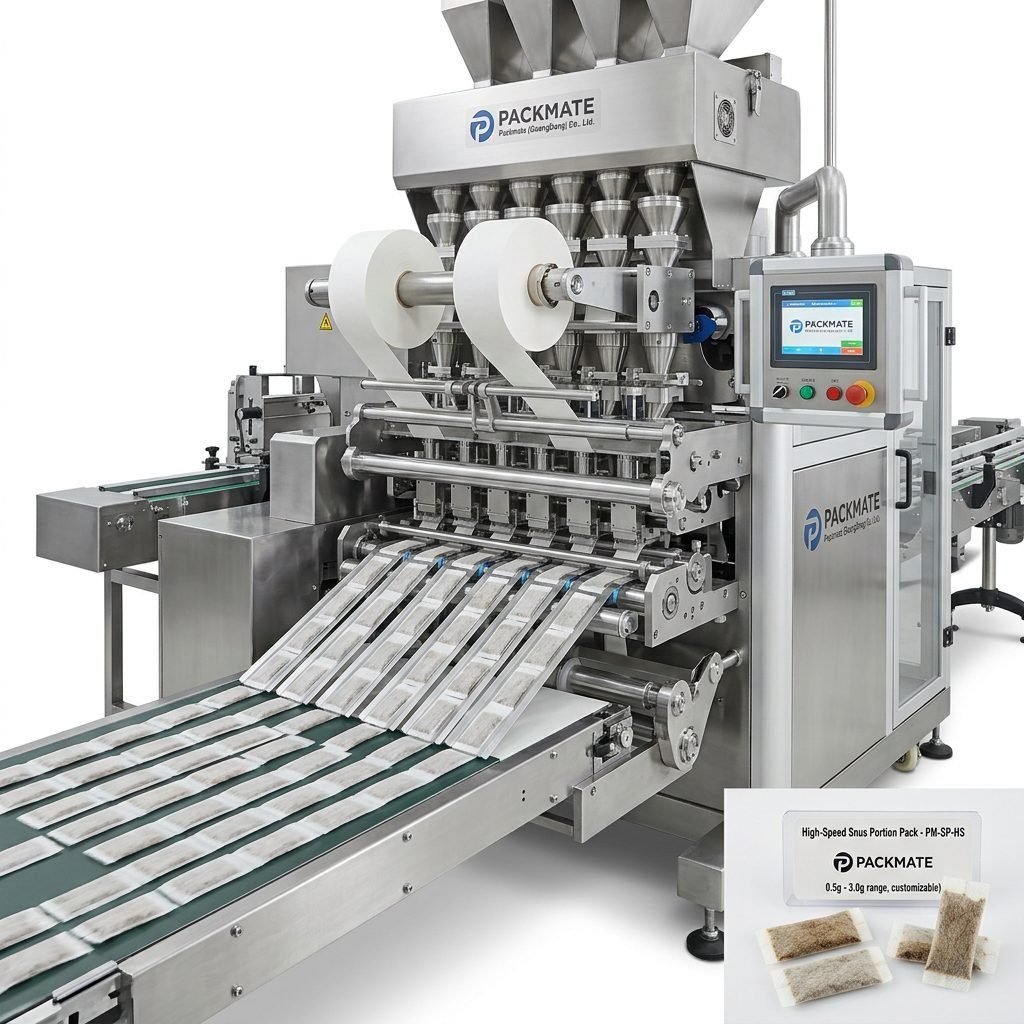
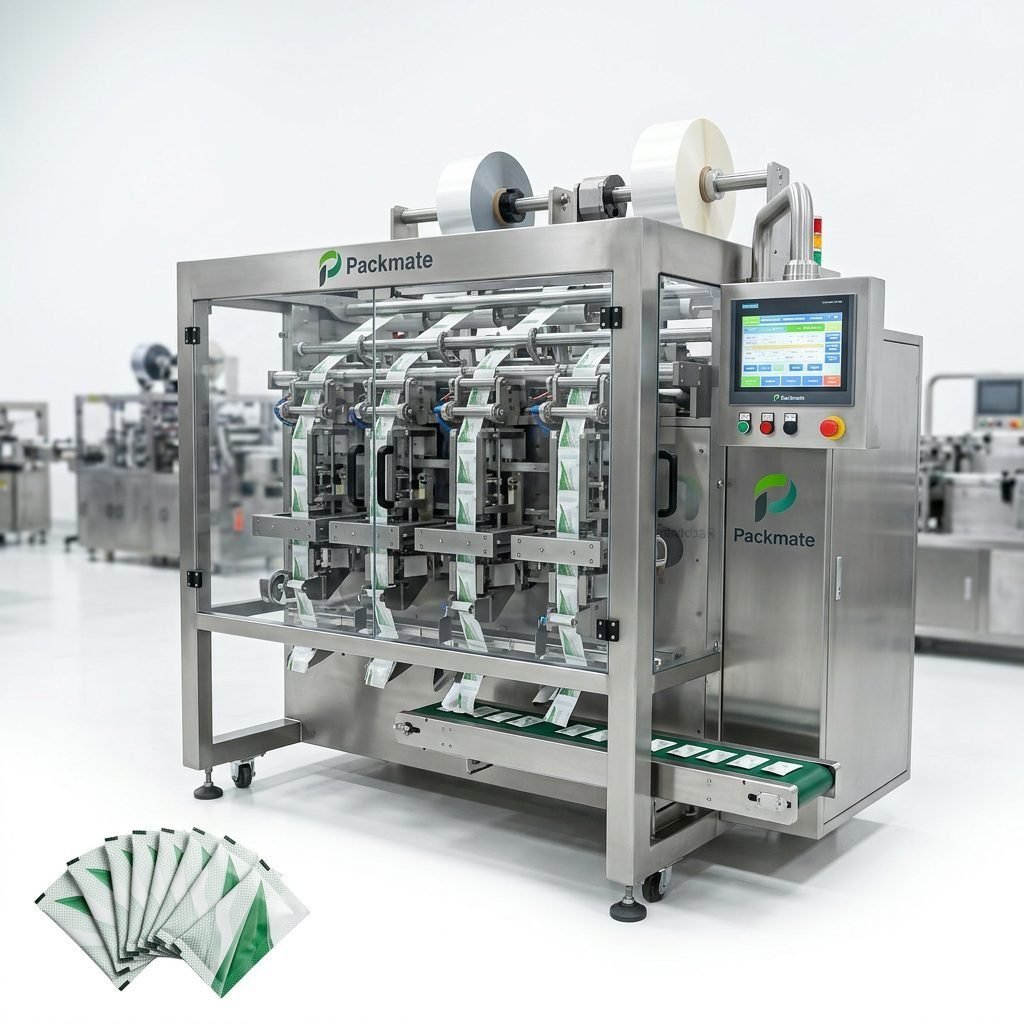
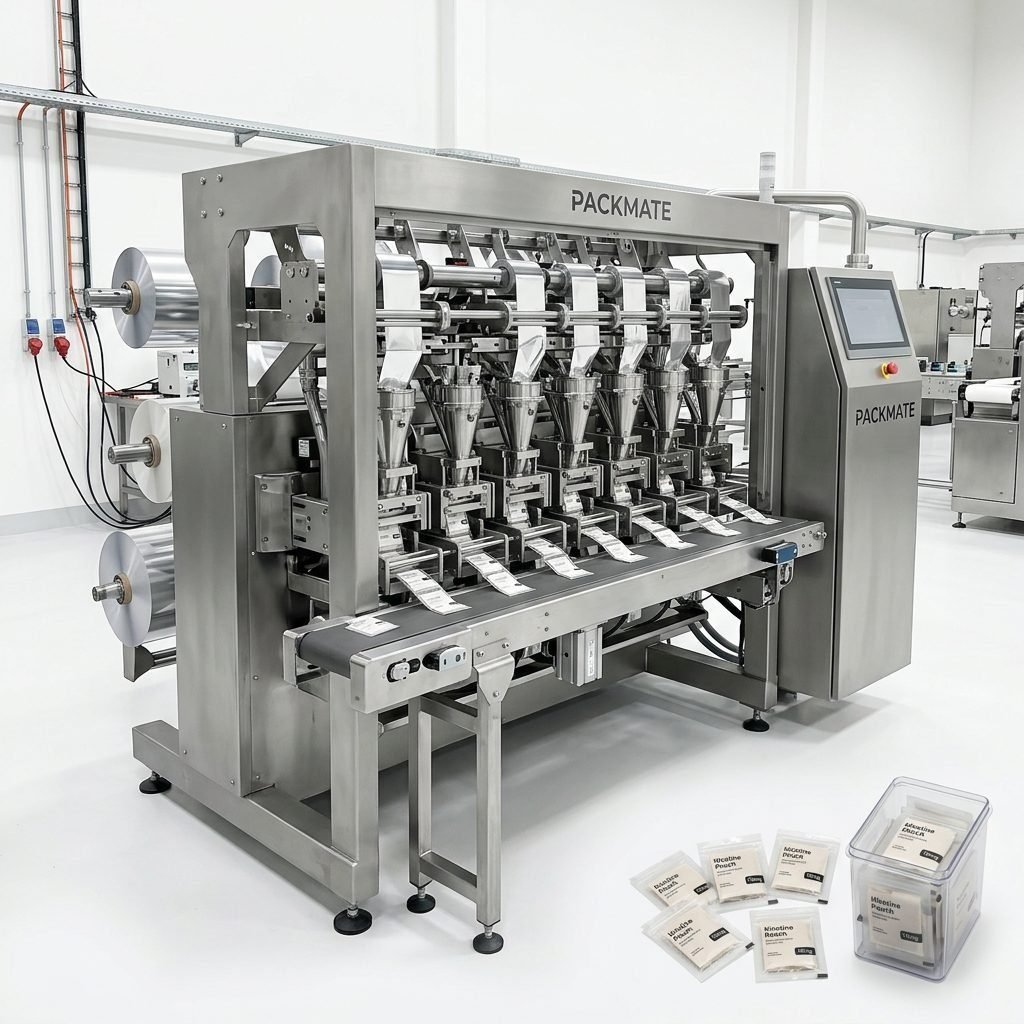
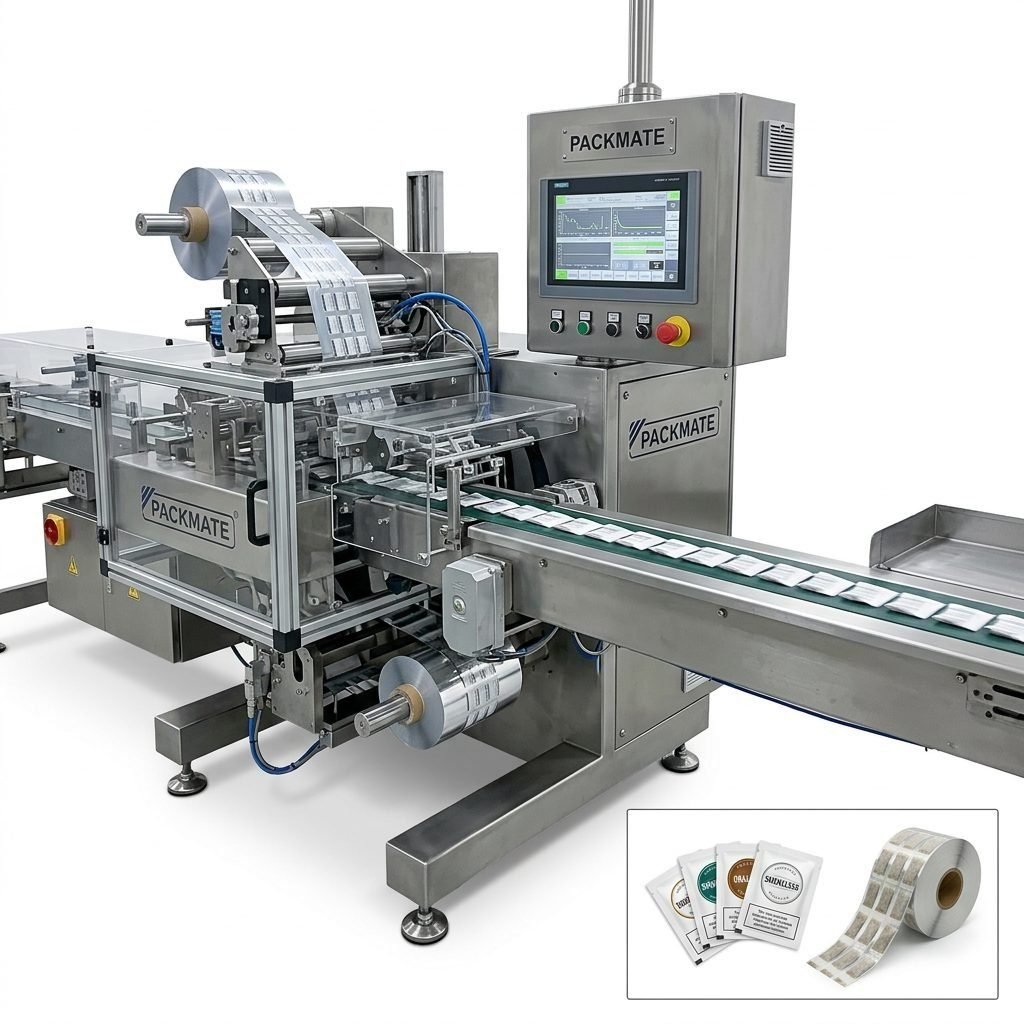
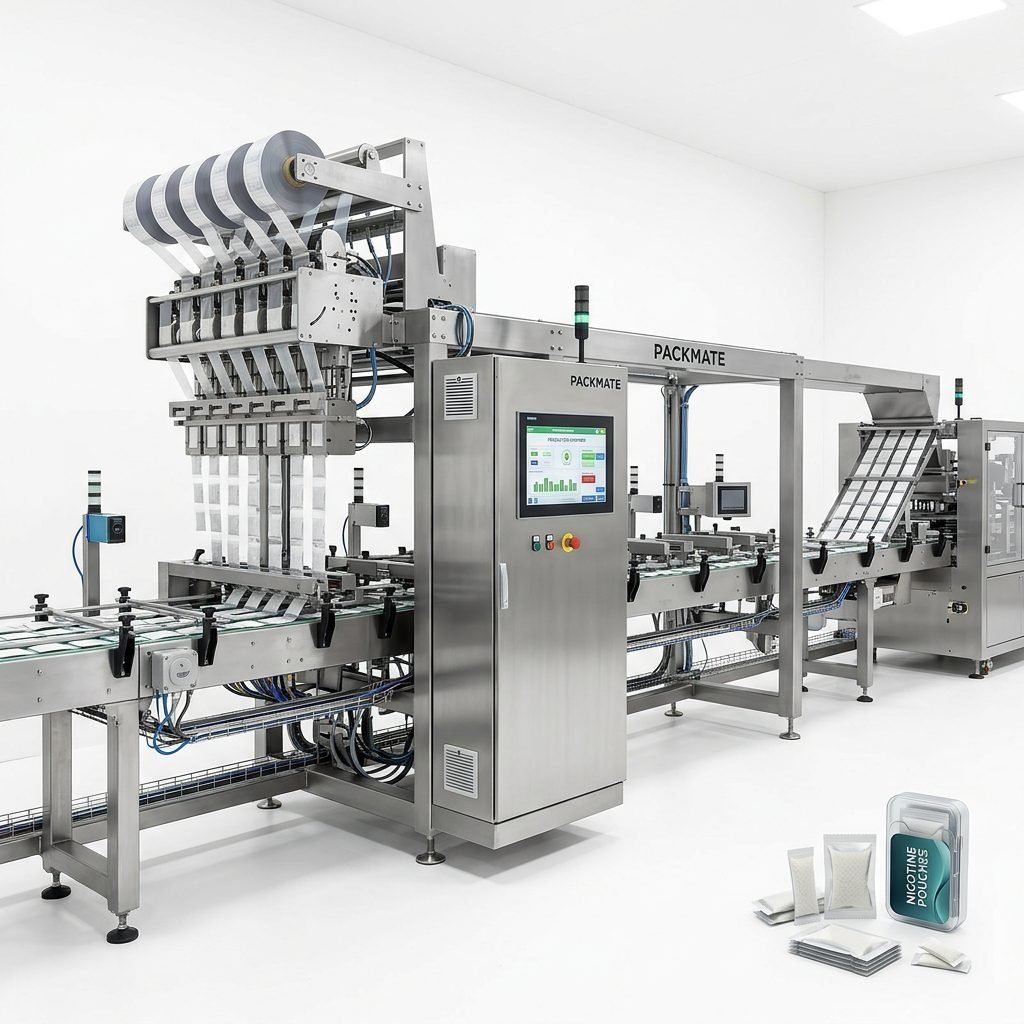
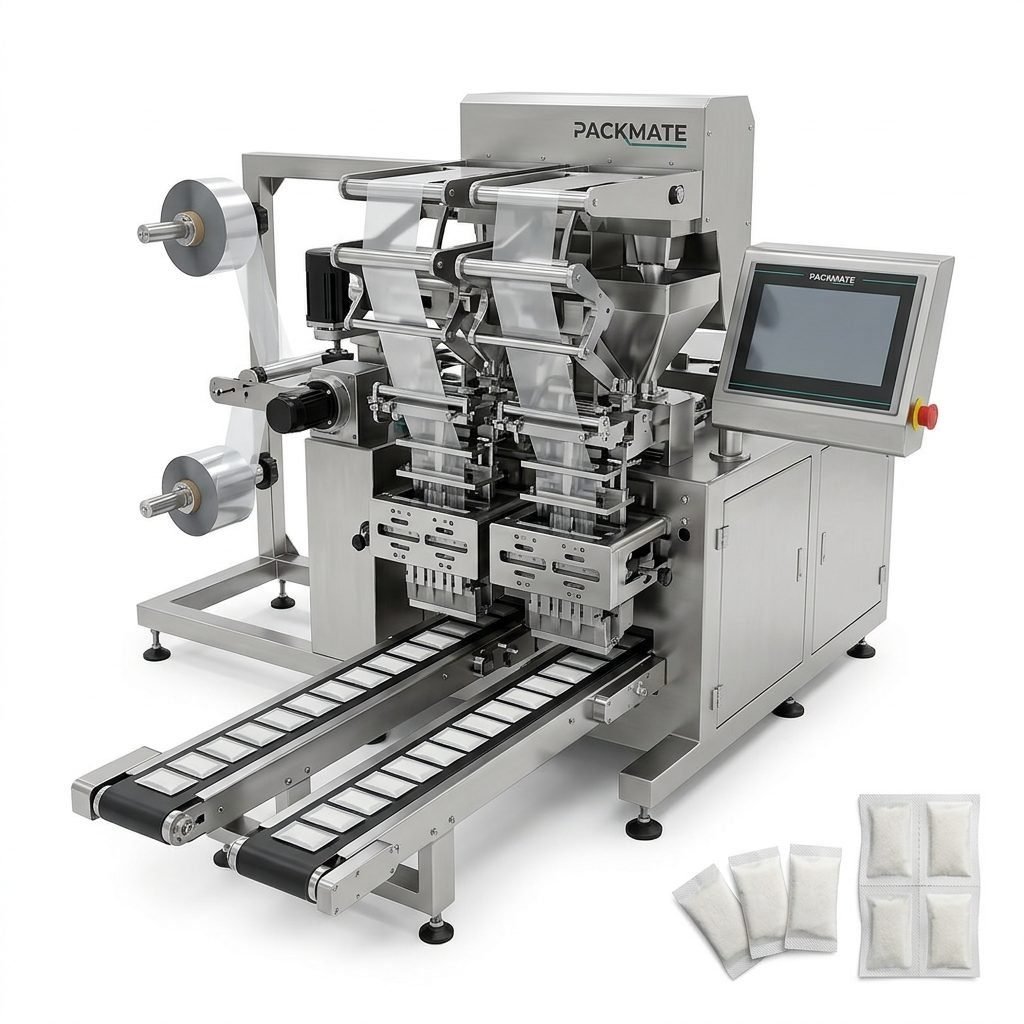
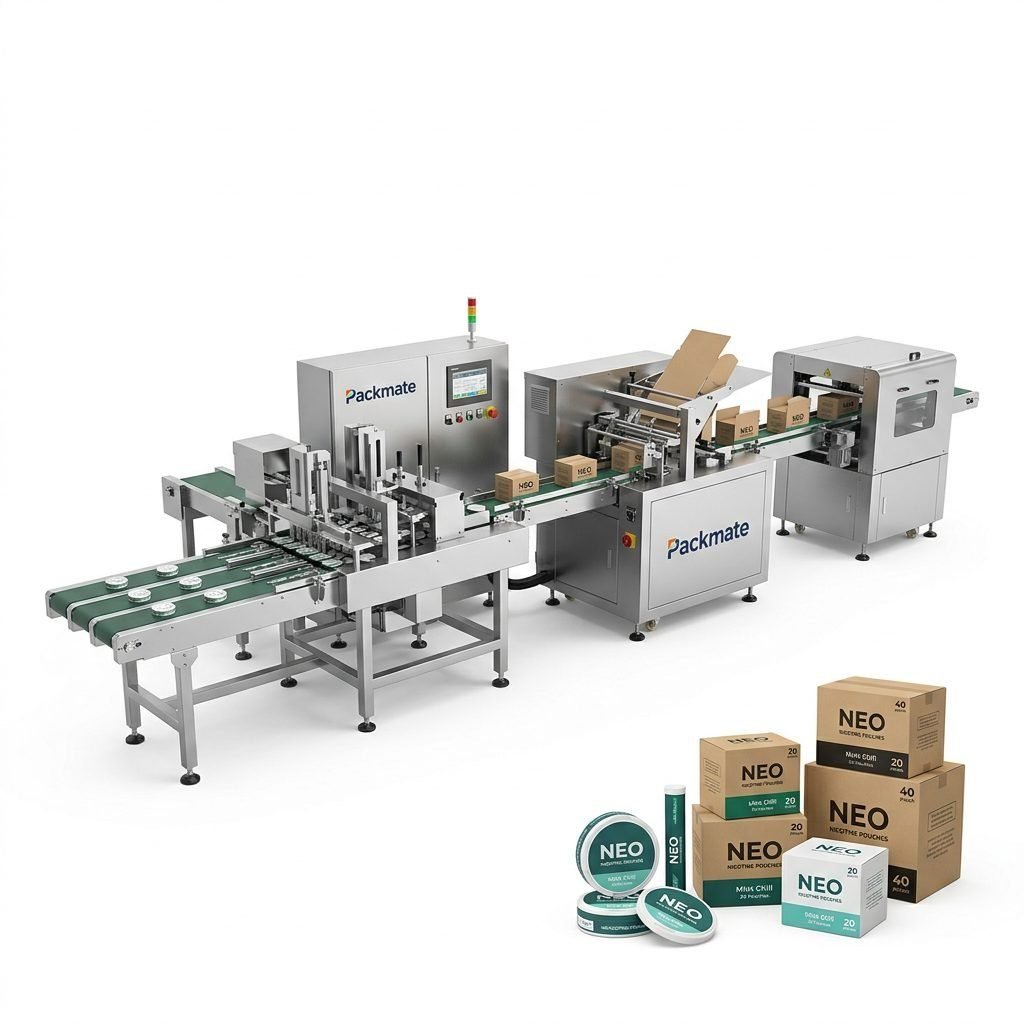
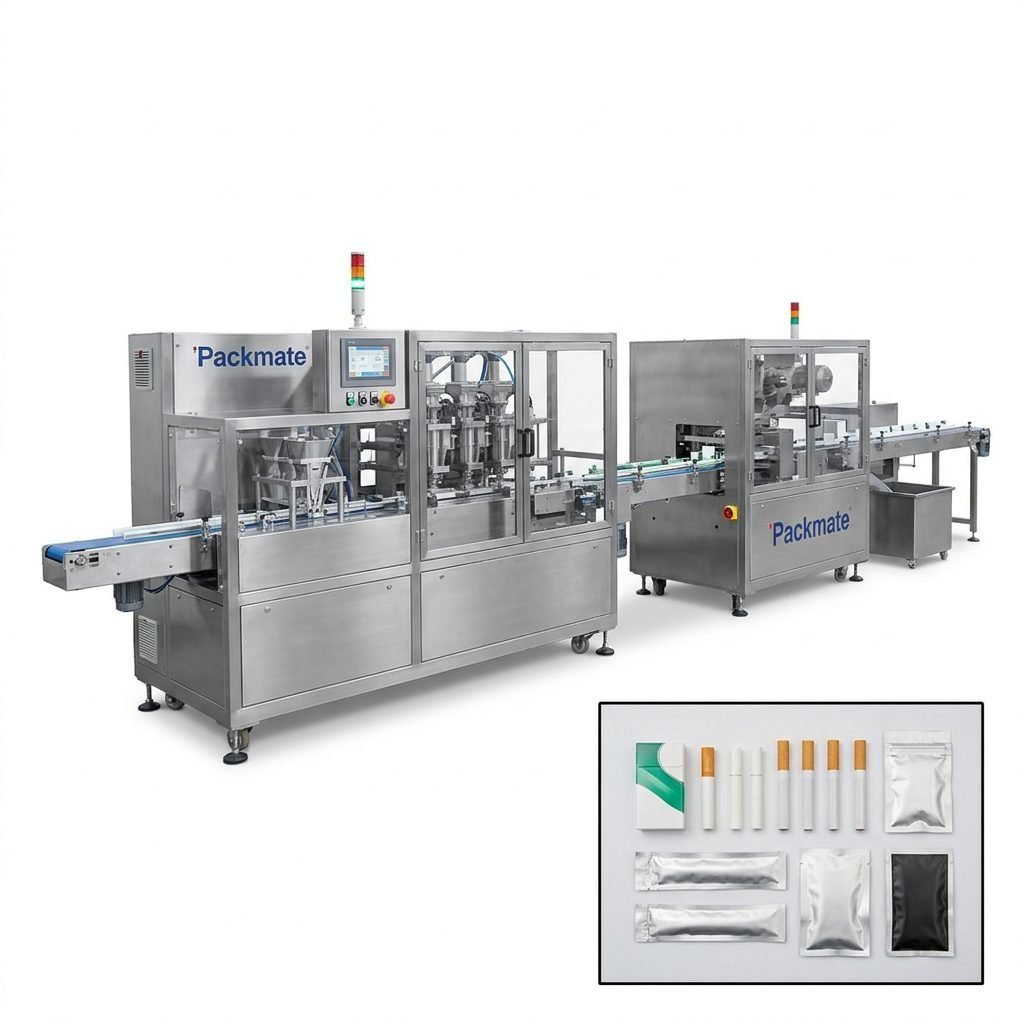
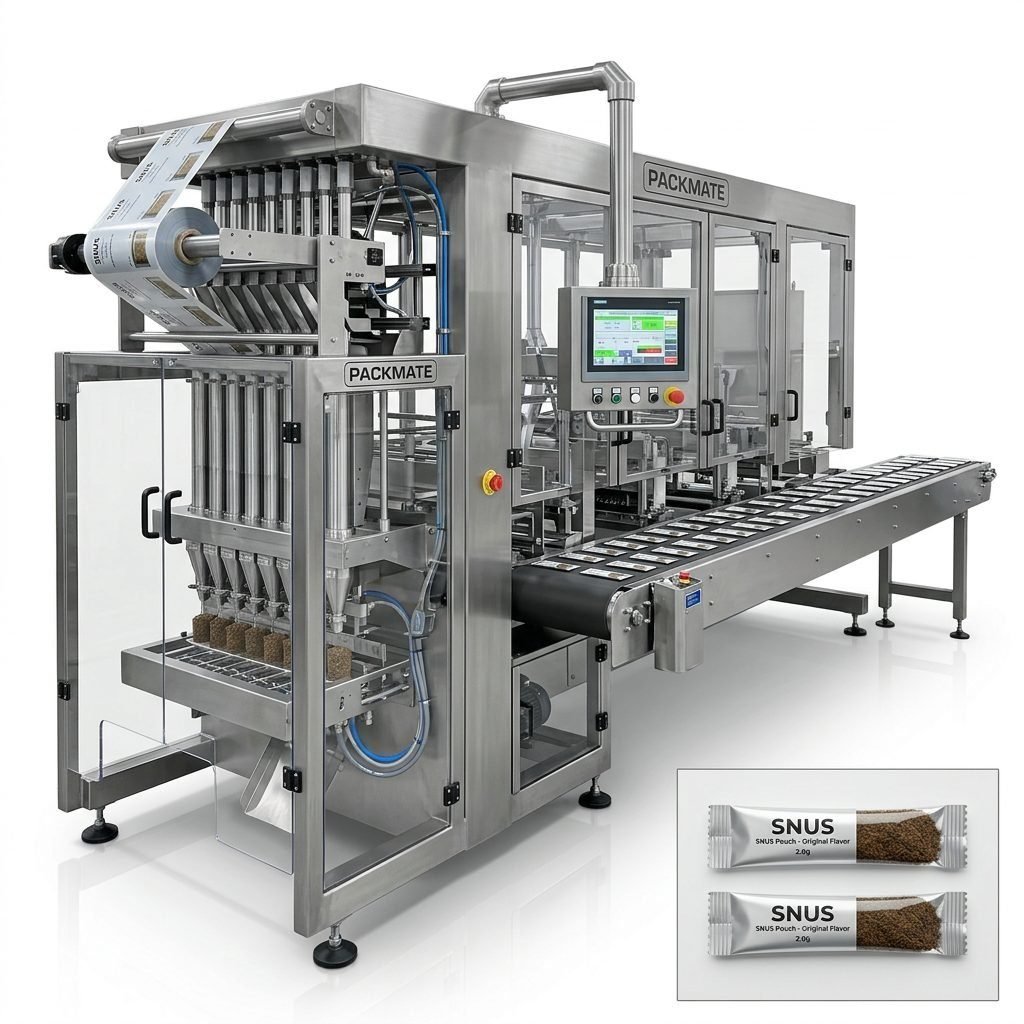
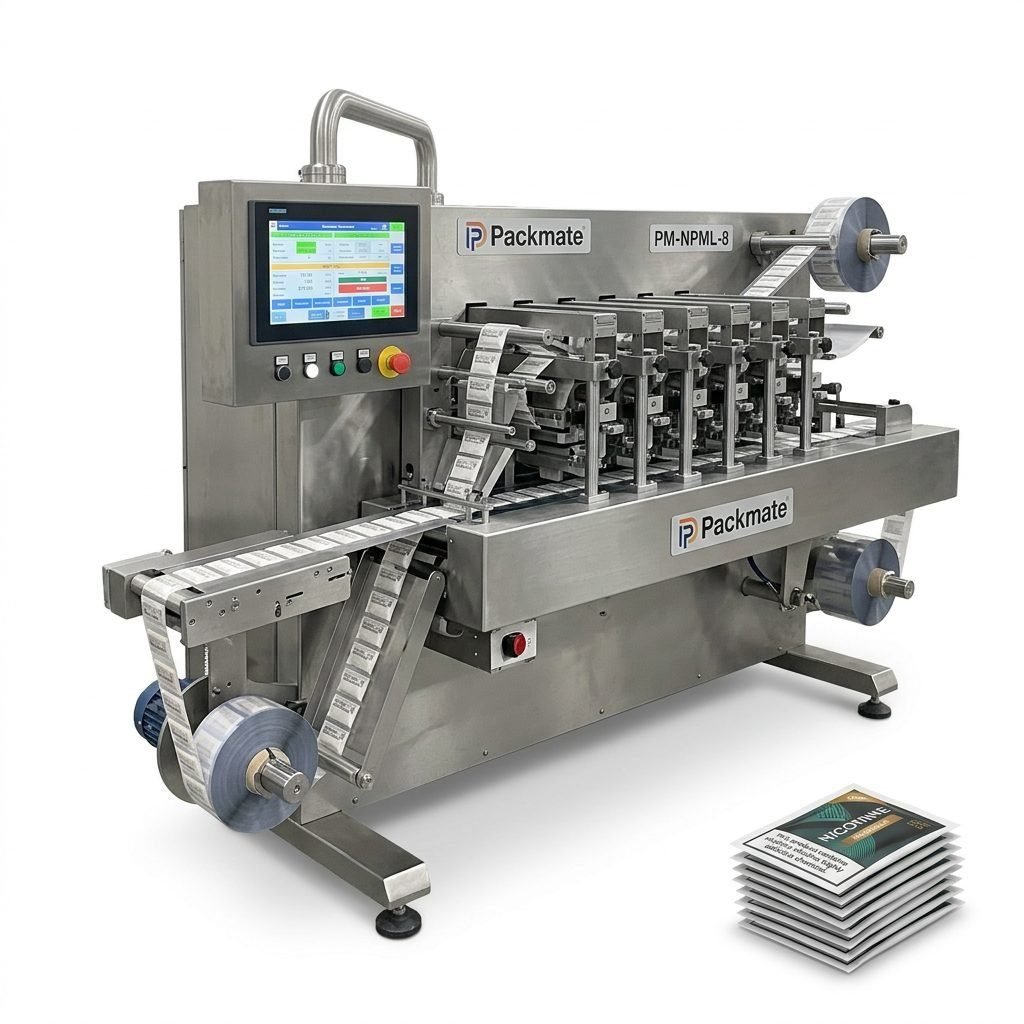
As a specialist in snus and nicotine pouch packaging with over 30 years of engineering experience, Packmate Snus Machine offers tailored solutions for nicotine pouch production. Their product range includes multi-lane snus packaging machines, stick pack systems, sachet machines, and integrated filling and packaging lines — all designed for high performance and reliability.
⚙️ Multi-lane systems tailored for small-dose nicotine pouches to maximize throughput with compact footprints.
🏭 20,000㎡ manufacturing capability with advanced CNC and precision assembly ensures consistent build quality.
📄 CE & ISO certification — helpful for customs and local regulatory submissions.
To learn more about specific machines and solutions, explore the Packmate product pages for Snus & Nicotine Packaging Machines and Filling & Packaging Lines, and review real-world implementations in the Case studies section.
Useful links:
Snus & Nicotine Packaging Machines,
Filling & Packaging Lines,
Case,
Our Exhibition,
About Packmate.
Practical negotiation tips
– Ask for a package price that includes FAT, shipping to port, installation, commissioning, operator training, and an initial spare parts kit.
– Negotiate a phased payment schedule: deposit, payment after FAT, and final payment after successful commissioning in Cambodia.
– Request documented MTBF (Mean Time Between Failures) examples and client references, ideally in similar climates or nearby regions.
Factory visit checklist
📋 Observe machine running at speed with real product or simulant.
🧑🏭 Inspect manufacturing quality: welds, paint, electrical wiring, and component sourcing.
🧾 Collect spare parts lists, maintenance manuals, and certification copies.
🤝 Meet the service & engineering team to understand local support options.
Final recommendations
1) Build a shortlist of 3 credible suppliers and compare them against the same specification sheet. 2) Prioritize suppliers that provide FAT, spare parts availability, training, and clear warranty terms. 3) Consider long-term serviceability in Cambodia — local partners or regional distributors reduce downtime. 4) Verify certifications and request client references. 5) Factor in environmental protections and facility upgrades needed for consistent machine performance in Cambodia’s climate.
Quick decision matrix (highlight)
High priority: Reliability, spare parts lead time, and local technical support.
Medium priority: Price, energy efficiency, and initial footprint.
Low priority: Cosmetic finishes (unless hygiene or export branding demands it).
Investing time in a thorough evaluation upfront reduces operational headaches later. Whether you choose a specialized snus packaging line or a fully integrated filling and packaging solution, the right supplier relationship is a strategic asset for your nicotine pouch factory in Cambodia.
Frequently Asked Questions
Q1: How do I verify a supplier’s machine performance before buying?
Ask for a Factory Acceptance Test (FAT) with your product or a close simulant, request performance reports showing speed, accuracy, and uptime, and speak with references who operate similar machines. If travel is difficult, request a live video FAT session.
Q2: What spare parts should I stock for nicotine pouch machines?
Essential spare parts typically include dosing screws or augers, sealing jaws, belts, bearings, sensors, pneumatic components, and a basic electrical/PLC spare kit. Negotiate an initial spare parts kit with the supplier.
Q3: Are there common export/import issues for packaging machines to Cambodia?
Common issues include incomplete documentation for customs, confusion over HS codes, and delays if certificates (CE/ISO) or invoices do not match declarations. Work with a freight forwarder experienced in Cambodia and ensure the supplier provides full machine documentation.
Q4: How important is local after-sales support in Cambodia?
Very important. Local or regional service reduces response times and downtime costs. If the supplier does not have local presence, confirm rapid remote support, spare parts shipping times, and options for trained local technicians.
Q5: Which Packmate resources should I review before contacting suppliers?
Review product categories for Snus & Nicotine Packaging Machines and Filling & Packaging Lines, read case studies to understand real installations, and check exhibition schedules to see live demos. Use those materials to build a focused list of questions for any supplier.