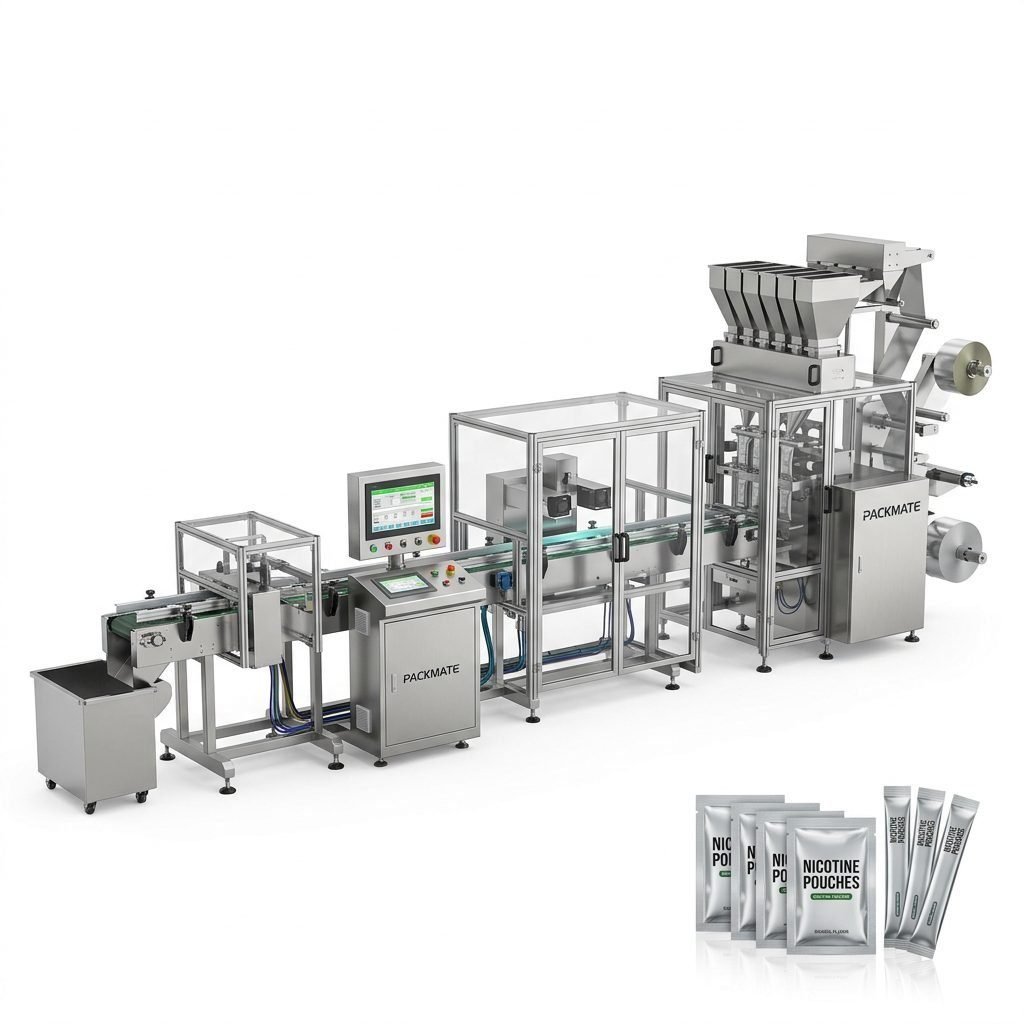
Choosing the right nicotine packaging machinery supplier for your factory in Burundi is a strategic decision that affects product quality, regulatory compliance, production efficiency, and long-term profitability. This guide walks you through practical, locally relevant factors to evaluate when selecting a supplier — from machine performance and certifications to after-sales support, logistics to Bujumbura, and cultural considerations when negotiating with international vendors.
Why the right supplier matters for nicotine pouch production
A reliable supplier delivers more than equipment: they provide turnkey solutions, training, spare parts, and documentation that keep your line running. For nicotine pouches and snus, packaging precision directly impacts portion accuracy, sealing integrity, and shelf life. Investing in high-performance equipment from an experienced manufacturer reduces downtime and product waste, helping you build a consistent brand in Burundi’s emerging market.
Local reality in Burundi and its impact on supplier selection
Burundi’s business environment has unique traits to consider: French and Kirundi are widely used in commerce, infrastructure varies between urban centers (like Bujumbura) and rural areas, and import logistics commonly route through regional ports (Dar es Salaam or Mombasa). Plan for power stability issues, customs processing times, and a workforce that may need practical machine operation training. Choose a supplier that offers clear documentation, multilingual support, and robust onsite training packages.
Key supplier credentials to verify
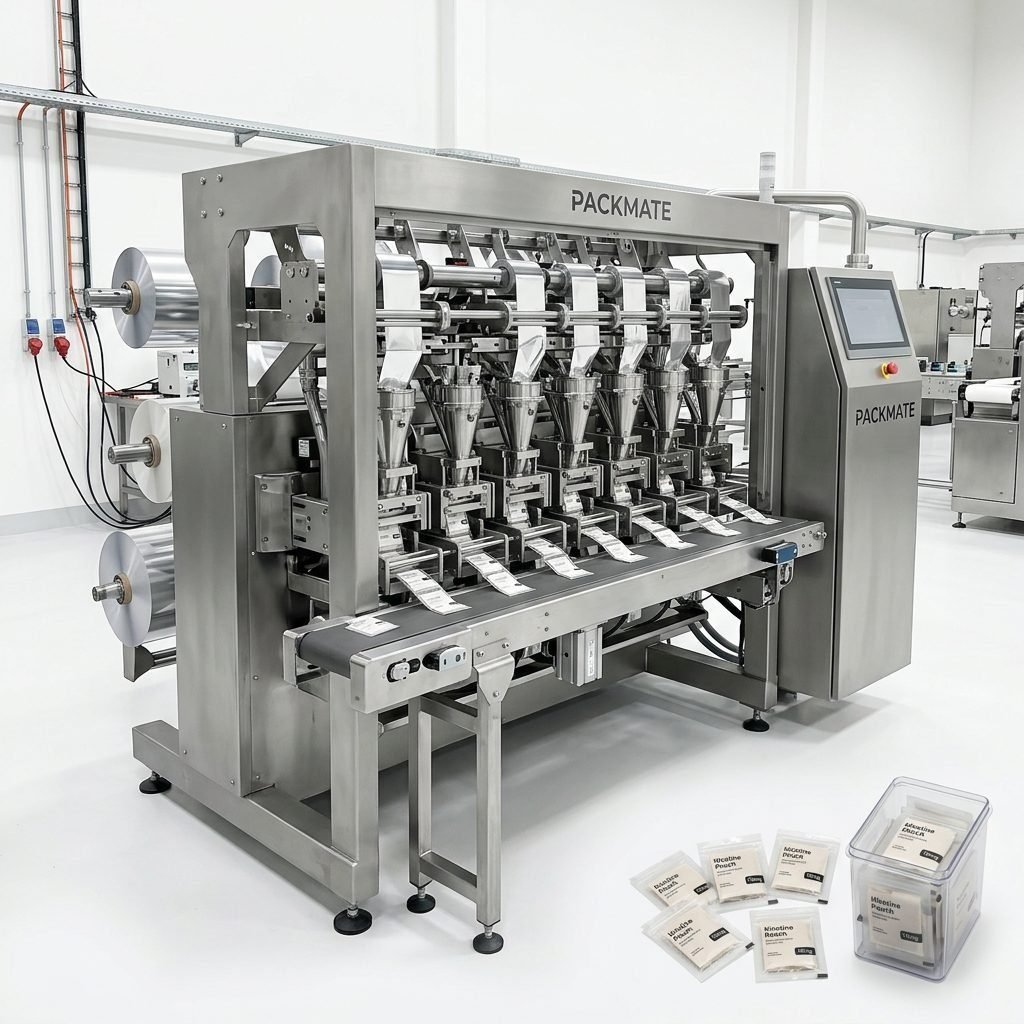
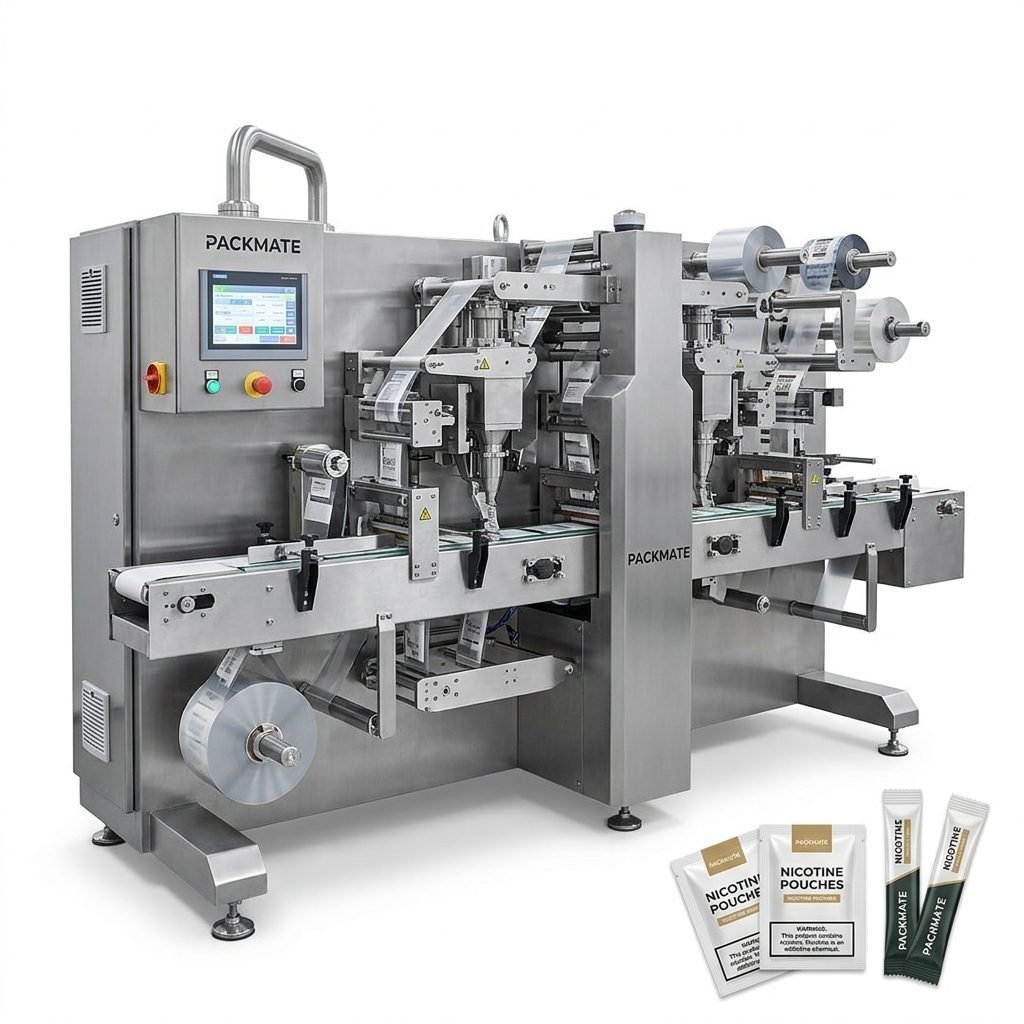
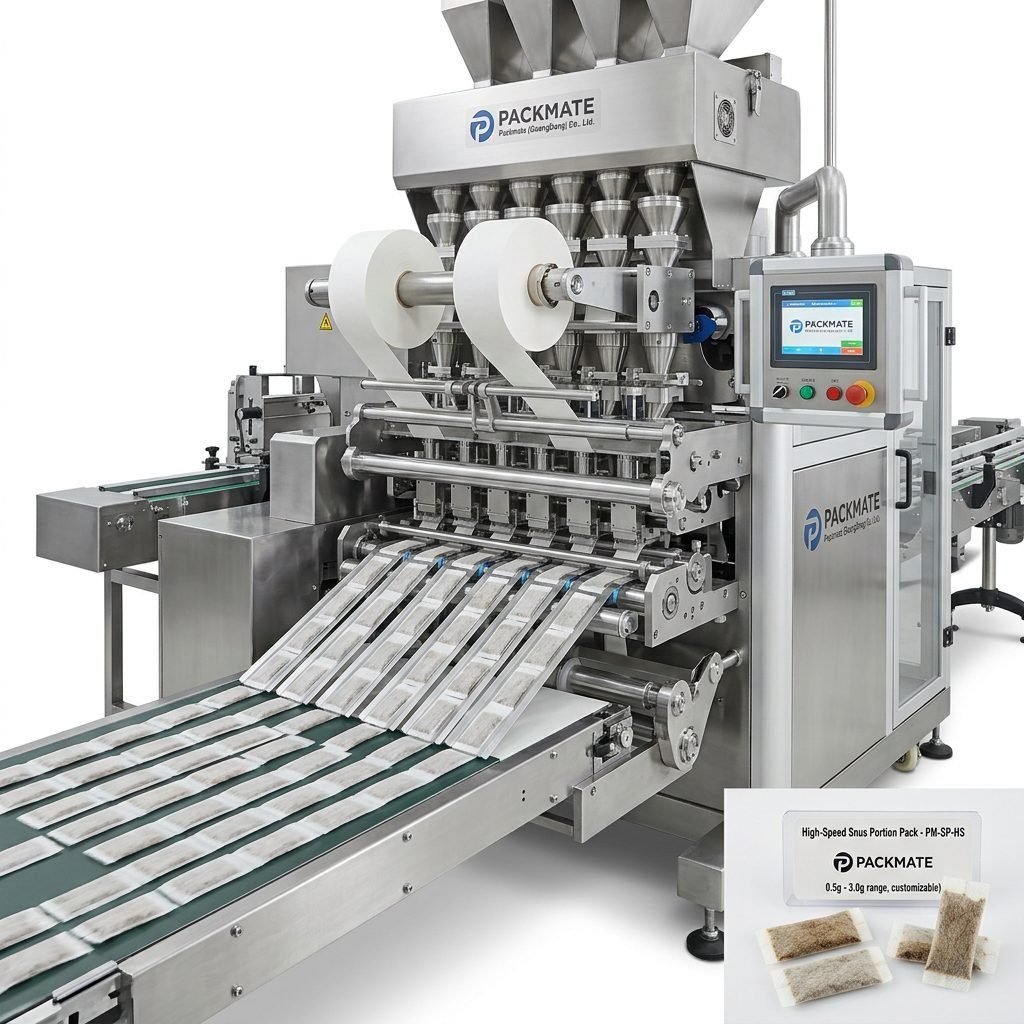
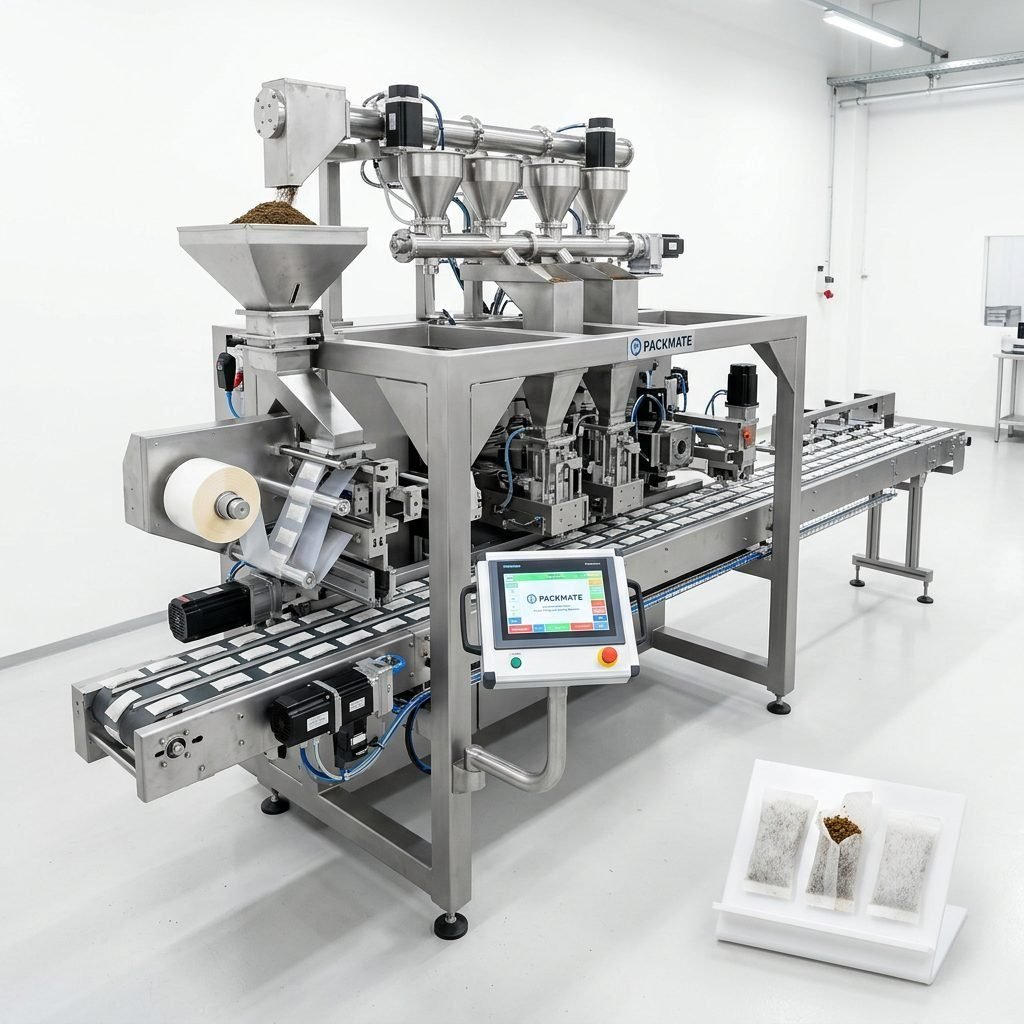
Look for these essential credentials before you proceed: CE and ISO compliance for safety and quality, proven experience with snus or nicotine pouch lines, references from similar projects, and a sizable manufacturing facility with precision equipment. Packmate Snus Machine, for example, highlights a 20,000㎡ factory, 30+ years of engineering experience, and multiple machine models — attributes that show capacity for customized turnkey solutions.
Quick check: Verify CE/ISO certificates, ask for production case studies, and confirm availability of spare parts and service engineers who can travel to Burundi.
Technical features to prioritize for nicotine pouch lines
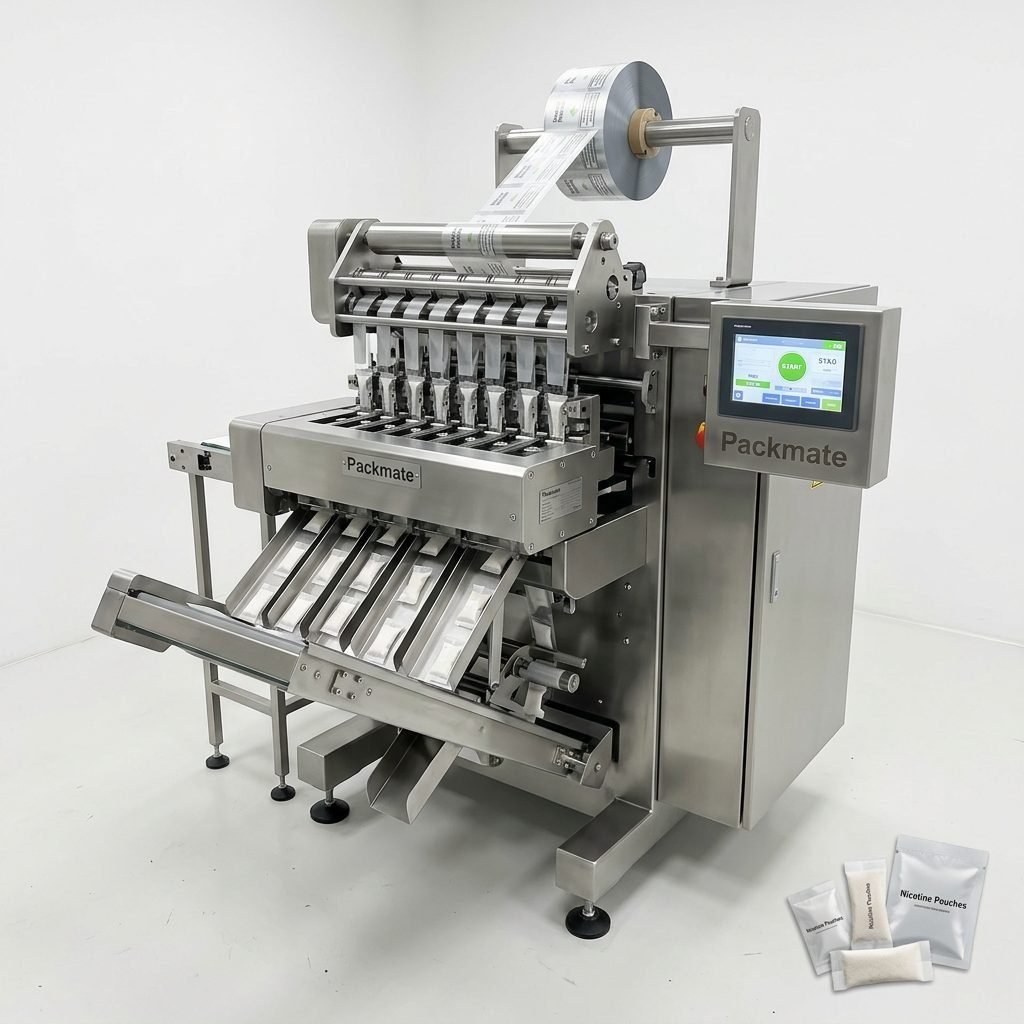
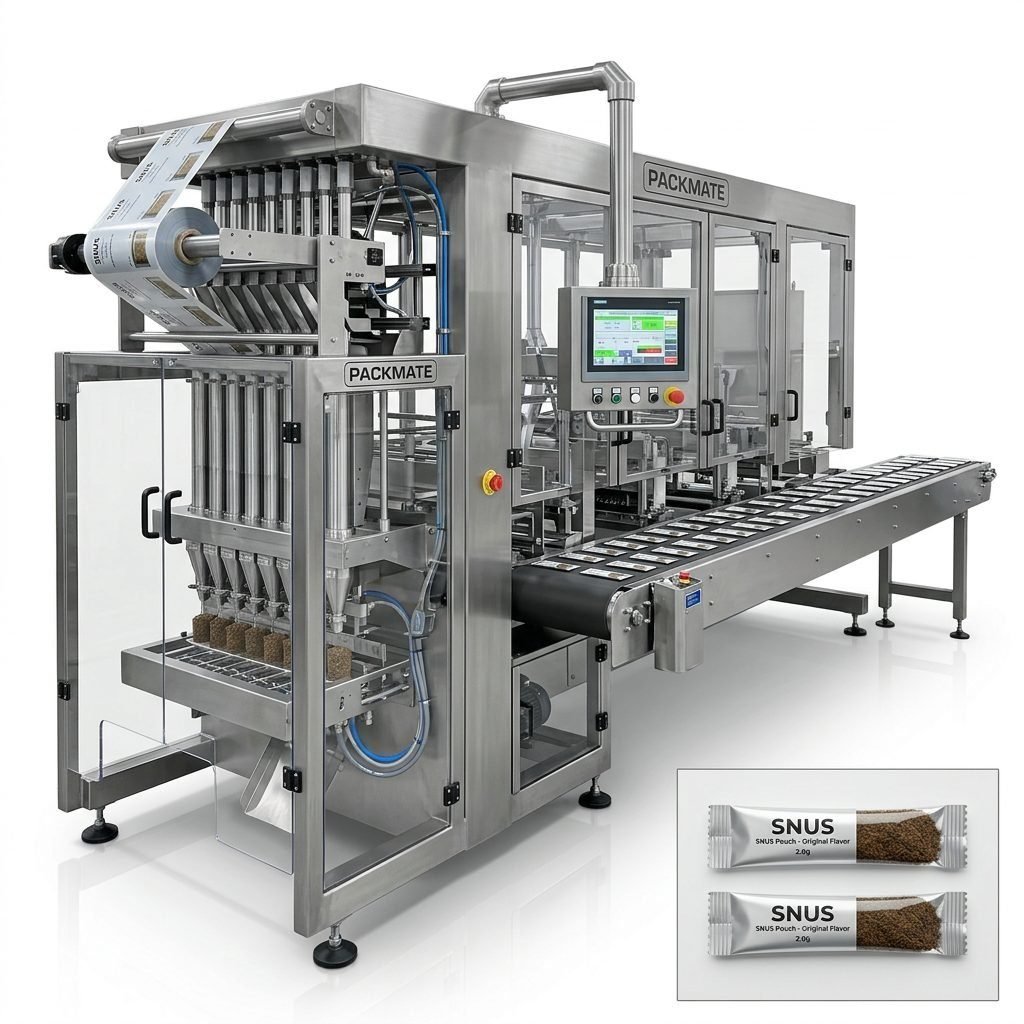
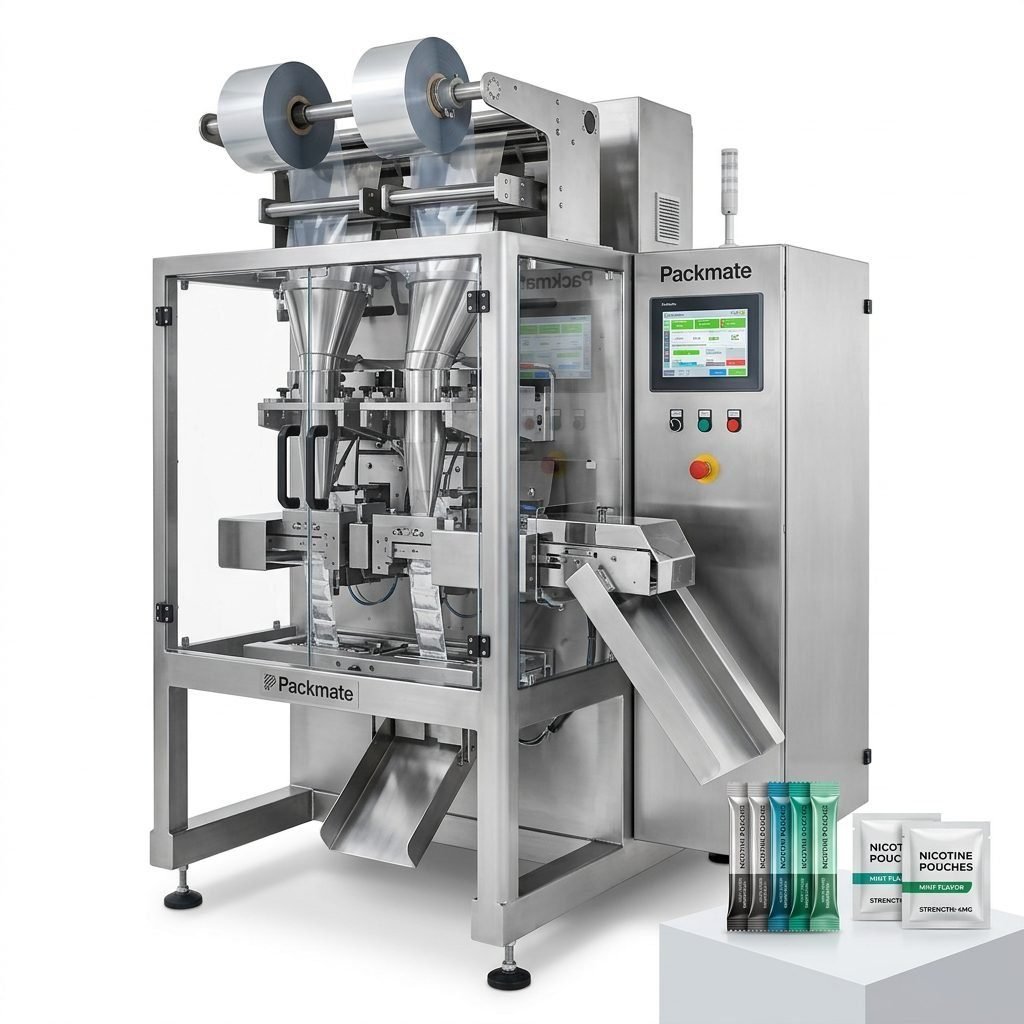
Not all packaging machines are equal. When assessing machines, focus on precision dosing, multi-lane options (for small-dose pouches), stable sealing systems, hygienic design for material contact parts, and easy adjustment for different pouch formats. Machines that support automation in feeding, weighing, and secondary packing will reduce labor dependency and improve throughput.
Performance metrics to request
Ask suppliers for realistic OEE (Overall Equipment Effectiveness) numbers, mean time between failures (MTBF), cycle rates for the specific pouch size you plan to use, and recommended spare parts list. Suppliers should provide test reports or videos showing production of nicotine pouches under similar specifications.
After-sales support and spare parts — the lifeline of continuous production
For a factory in Burundi, fast and reliable after-sales service is crucial. Confirm response time for remote technical support, availability of field engineers, and parts shipping timelines. Suppliers with global service networks or partners in East Africa will shorten downtime. Also consider training offerings: operator and maintenance training on-site and through remote video sessions ensures local teams can handle daily adjustments and basic repairs.
🔶 Must-have service items: spare parts kit, remote diagnostics, 12–24 month warranty options, and operator training in French.
Regulatory compliance and product safety in Burundi
Nicotine products are increasingly regulated globally. Before purchasing machines, confirm your planned product complies with Burundi’s import and labeling rules — consult local authorities or customs brokers. Suppliers should provide hygiene design documentation, material certifications for food-contact parts if applicable, and machine safety documentation to assist local compliance inspections.
Logistics and shipping considerations to Burundi
Heavy machinery shipping to Burundi often goes through regional ports. Discuss with your supplier how they handle packaging, sea freight booking, and customs documentation. Confirm whether the supplier provides DDP/FOB/CIF options, and if they can help with local clearance and inland transport to your factory. Suppliers experienced with East African shipments can advise on expected transit times and documentation like commercial invoices, packing lists, and certificates of origin.
Factory acceptance testing (FAT) and installation (SAT)
A reputable supplier will offer FAT and performance validation before shipment — ideally with your product or a close analog. FAT minimizes surprises on arrival. After installation at your factory, ensure Site Acceptance Testing (SAT) to confirm machine performance, operator competency, and integration with existing lines. Request documented FAT and SAT checklists that are easy to understand for bilingual teams (French/English).
Financial and commercial terms
Beyond the headline price, evaluate lifecycle costs: spare parts, installation, training, and potential upgrades. Consider payment terms, escrow arrangements for large orders, and whether the supplier can help with financing or phased delivery. In Burundi, import taxes and duty will affect total cost — consult a customs broker and include those estimates when comparing bids.
✅ Value tip: A slightly higher initial investment in a well-supported line often yields lower total cost of ownership over 3–5 years.
Cultural and negotiation advice for working with international suppliers
Burundi’s business culture values trust and clear relationships. When negotiating, be transparent about timelines, and request documentation in French when possible. Suppliers that offer local-language manuals or on-site trainers who speak French will have an operational advantage. Maintain regular, respectful communication and set milestones with agreed acceptance criteria to avoid misunderstandings.
Visiting the supplier and conducting factory audits
If possible, visit the supplier’s manufacturing facility or request virtual tours. Verify manufacturing capability — advanced CNC centers, assembly lines, and quality testing — and review previous project references. Packmate’s factory scale (20,000㎡) and decades of experience can be reassuring indicators of consistent production capacity and quality control processes.
Technology trends that benefit Burundi factories
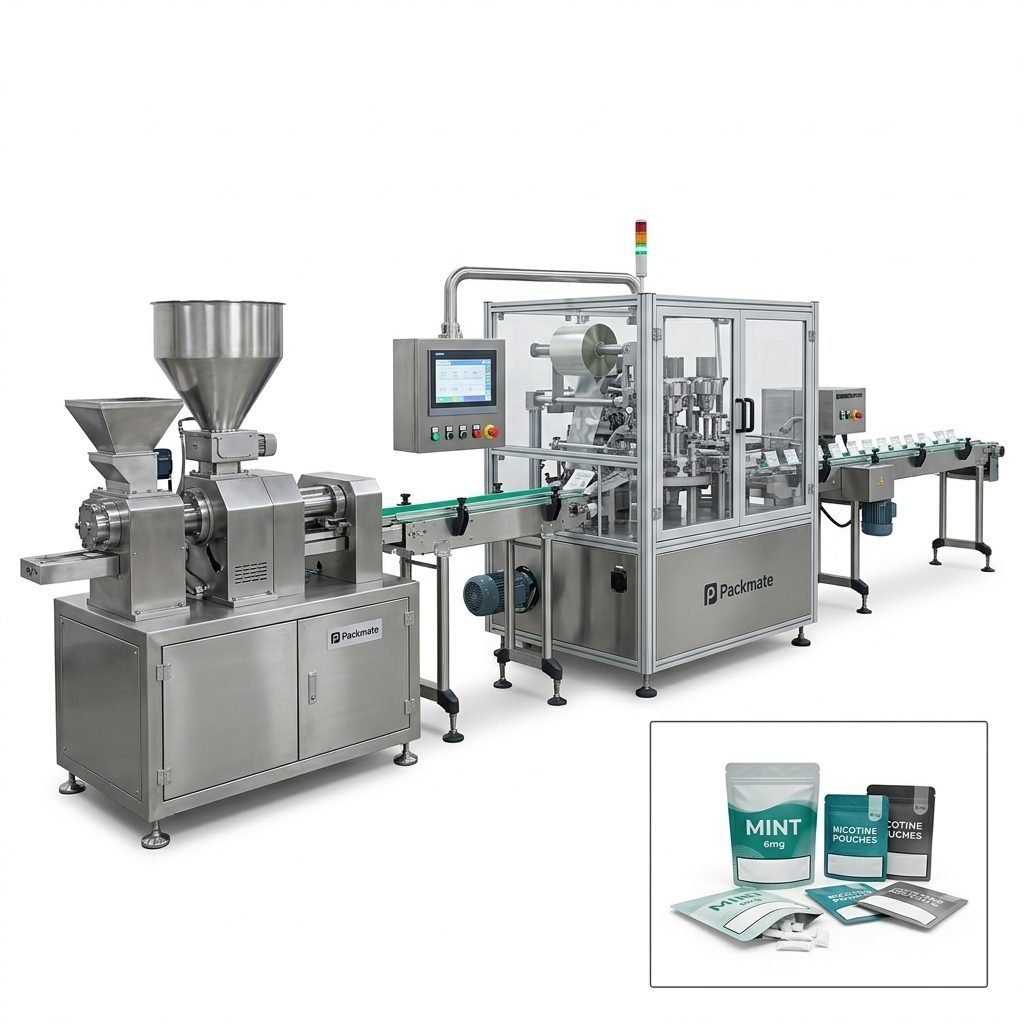
Look for machines with modular designs, remote monitoring, and energy-efficient components to reduce running costs. Multi-lane machines for small-dose pouches, automated weighing integration, and flexible format changeovers will help you adapt to market demand without long downtime. Suppliers who integrate weighing and packaging systems can deliver smoother production lines — consider reviewing integrated solutions like Weighing & Packaging Systems and Filling & Packaging Lines.
How to compare multiple supplier proposals
Create a weighted evaluation matrix covering machine performance, service response time, warranty terms, spare parts availability, total cost of ownership, and references. Ask for a clear timeline from order to installation and include penalties or responsibilities for delays. When possible, select suppliers that provide successful case studies — review manufacturer case pages such as Case for evidence of similar projects.
Supplier features that matter most for Burundi operations
Prioritize suppliers who offer:
🔶 On-site installation and operator training in French
🔶 Long warranty periods and clear spare parts availability
🔶 Experience with nicotine pouch formats and small-dose multi-lane lines
🔶 Remote technical support and documented FAT/SAT procedures
🔶 Assistance with shipping, customs paperwork, and local logistics
Useful resources and contacts
When you are ready to shortlist suppliers, review their product portfolios and after-sales pages. For example, detailed product ranges can be explored on pages like Snus & Nicotine Packaging Machines and Bag & Pouch Packaging Machines. For company background and certifications, check the About Packmate and Certificate sections, and reach out through Contact Us for tailored quotes.
Red flags to avoid
Be cautious if a supplier: cannot provide references, avoids FAT, has vague spare parts policies, lacks clear warranty terms, or shows limited experience with nicotine pouch formats. Also avoid suppliers that cannot explain import logistics to East Africa or cannot offer training in French.
⚠️ Caution: Inadequate after-sales support is the most common cause of long downtime for new packaging lines.
Final checklist before signing a contract
Ensure you have: a signed specification sheet, FAT schedule, warranty terms, training plan, spare parts list with pricing, shipping and installation timeline, and a clear invoicing/payment schedule. Confirm language preferences for manuals and training (French and English), and document who is responsible for customs clearance and local transport.
Conclusion
Selecting the best nicotine packaging machinery supplier for your Burundi factory requires combining technical due diligence with practical local planning. Prioritize suppliers with proven nicotine pouch experience, robust after-sales support, and a clear approach to logistics and compliance. The right partner will reduce risk, accelerate your time-to-market, and help you build consistent, high-quality products in Burundi’s growing marketplace.
Common Questions
Q1: How long does it typically take from ordering a line to production start in Burundi? — A1: Depending on customization and shipping routes, plan 12–20 weeks including FAT, shipping, customs clearance, installation, and SAT.
Q2: What local support should I expect from a supplier? — A2: Expect remote technical support, a spare parts kit, at least one field engineer visit for installation, and operator training. Prefer suppliers who provide French-language manuals and training.
Q3: How can I reduce import delays for machinery into Burundi? — A3: Work with a supplier experienced in East African logistics, prepare complete documentation (commercial invoice, packing list, certificate of origin), and engage a reliable customs broker at major ports like Dar es Salaam or Mombasa.
Q4: Are turnkey solutions worth the extra cost? — A4: Yes, turnkey suppliers typically reduce integration risk, provide consistent performance, and include training and documentation that save operational headaches in the long run.
Q5: Where can I review machine models and certifications? — A5: Visit supplier product and certification pages such as the Snus & Nicotine Packaging Machines and Certificate pages to evaluate models and compliance details.