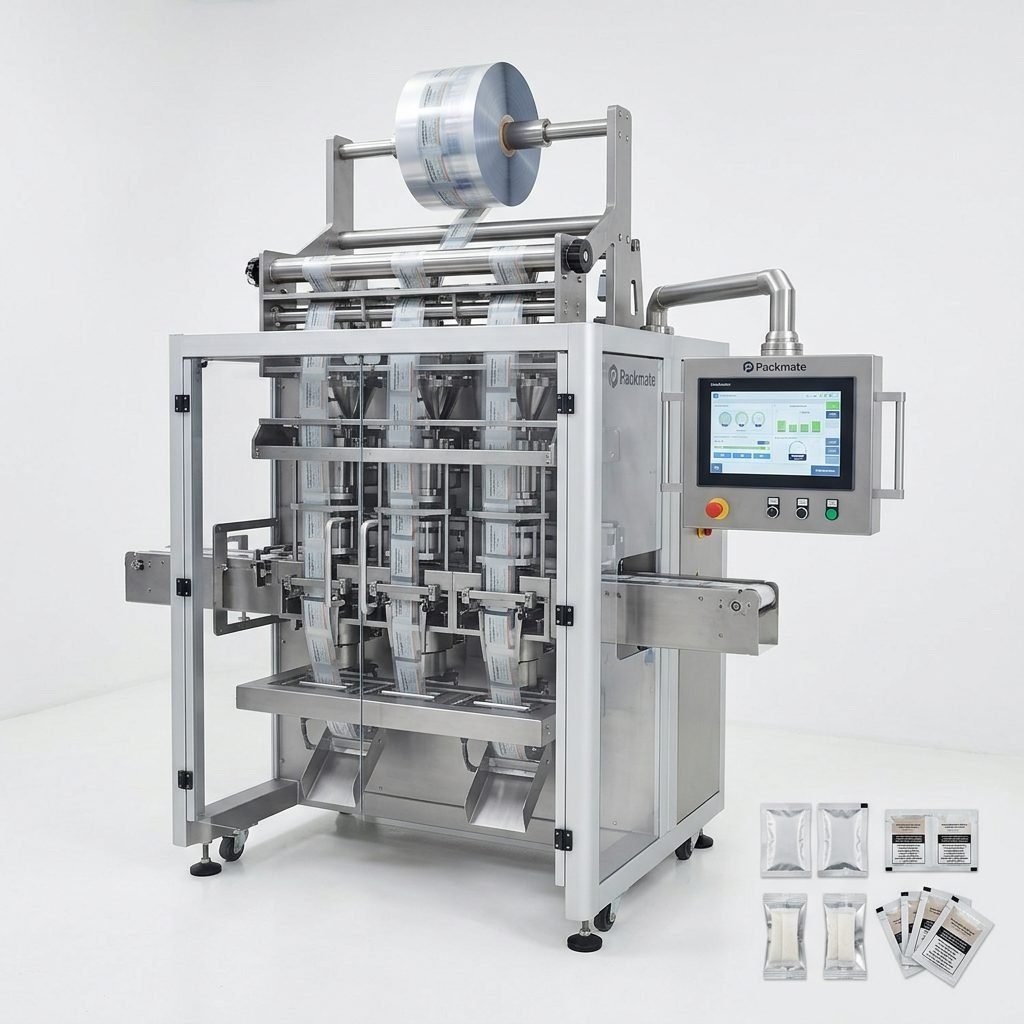
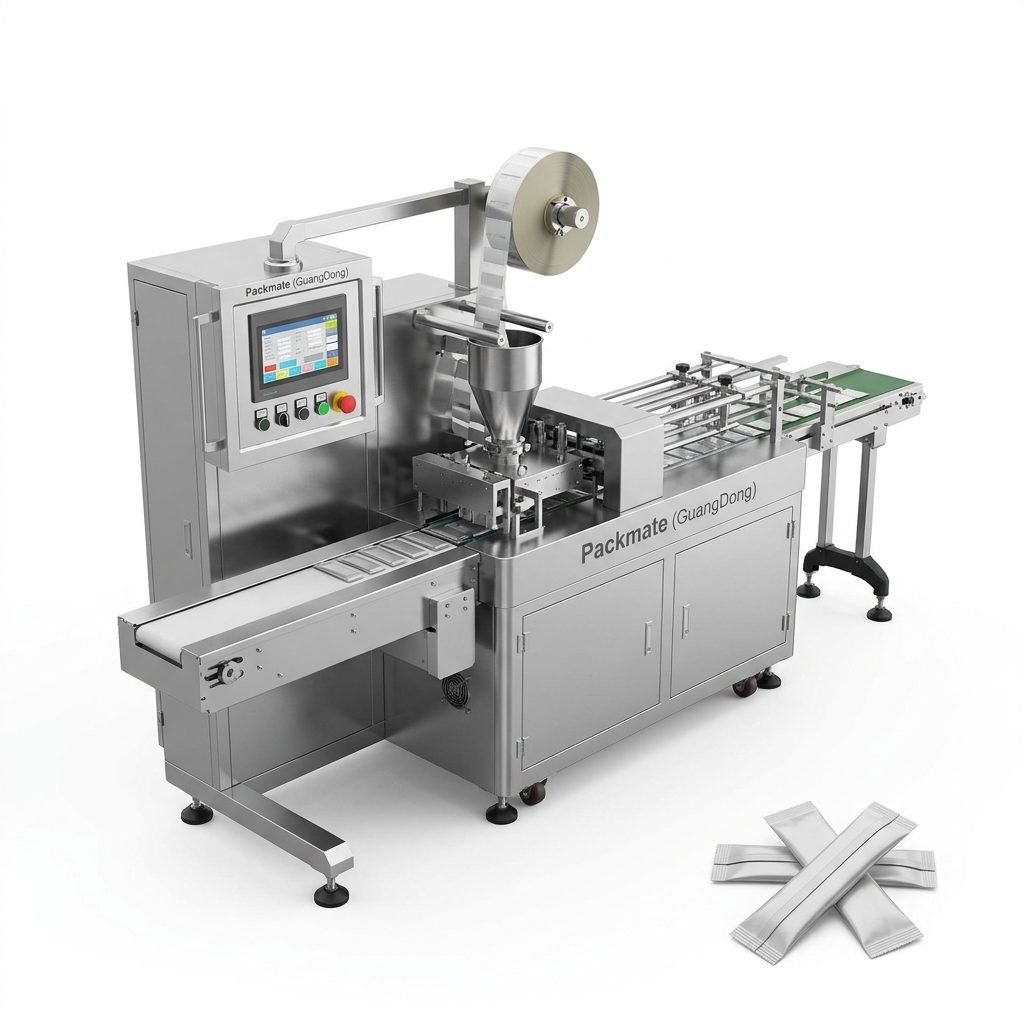
Entering the Haitian market with nicotine pouches or snus products requires more than just good packaging design. Selecting the right nicotine packaging machinery supplier will determine your factory’s productivity, product quality, compliance with local regulations, and long-term operational cost. This guide gives a practical, step-by-step approach tailored to Haiti’s business environment and cultural context, helping factory owners and production managers make a confident choice.
Understand Local Market and Cultural Considerations in Haiti
Before you engage suppliers, recognize how Haitian consumer habits and local logistics affect packaging decisions. Haiti’s climate is tropical and humid, which increases the importance of moisture-resistant packaging and corrosion-resistant machinery components. French and Haitian Creole are widely used—so technical manuals, training, and on-site instructions in French or bilingual formats can greatly improve local staff adoption and reduce errors. Additionally, consider the purchasing preferences of retailers and the informal distribution channels common across Haiti; flexible pack sizes and robust pouch seals help products maintain shelf life through long transport and variable storage conditions.
Key local factors to remember
🔧
Humidity & corrosion — Select machines with stainless components and anti-corrosion protection.
🗣️
Language & training — Request documentation and operator training available in French or Creole.
🚚
Logistics — Machines should be robust for long shipping times and flexible packaging formats for informal retail.
Checklist: What to Evaluate in a Nicotine Packaging Machinery Supplier
A systematic checklist speeds up supplier comparison. Evaluate technical performance, compliance records, after-sales support, spare parts availability, and the supplier’s experience with nicotine/snус packaging specifically. Below are the most critical items to verify.
Performance & technical capability
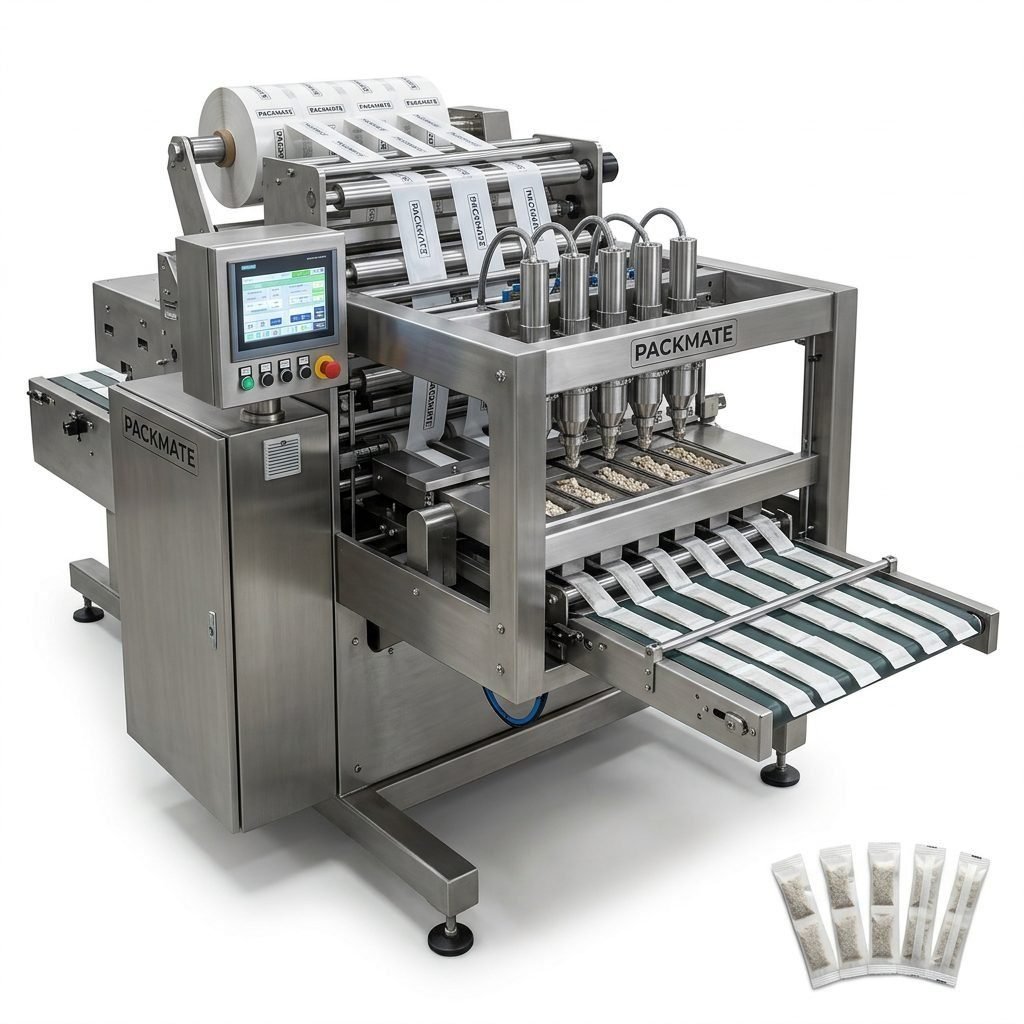
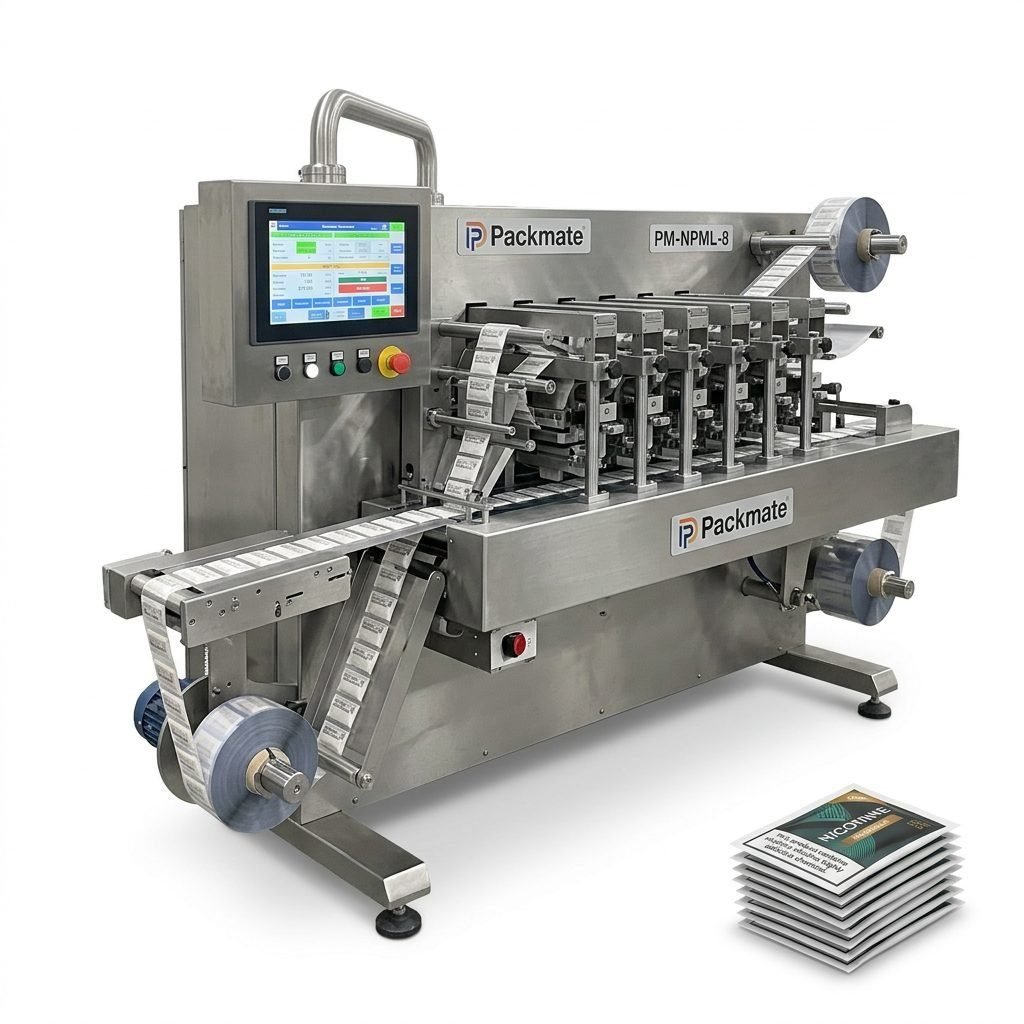
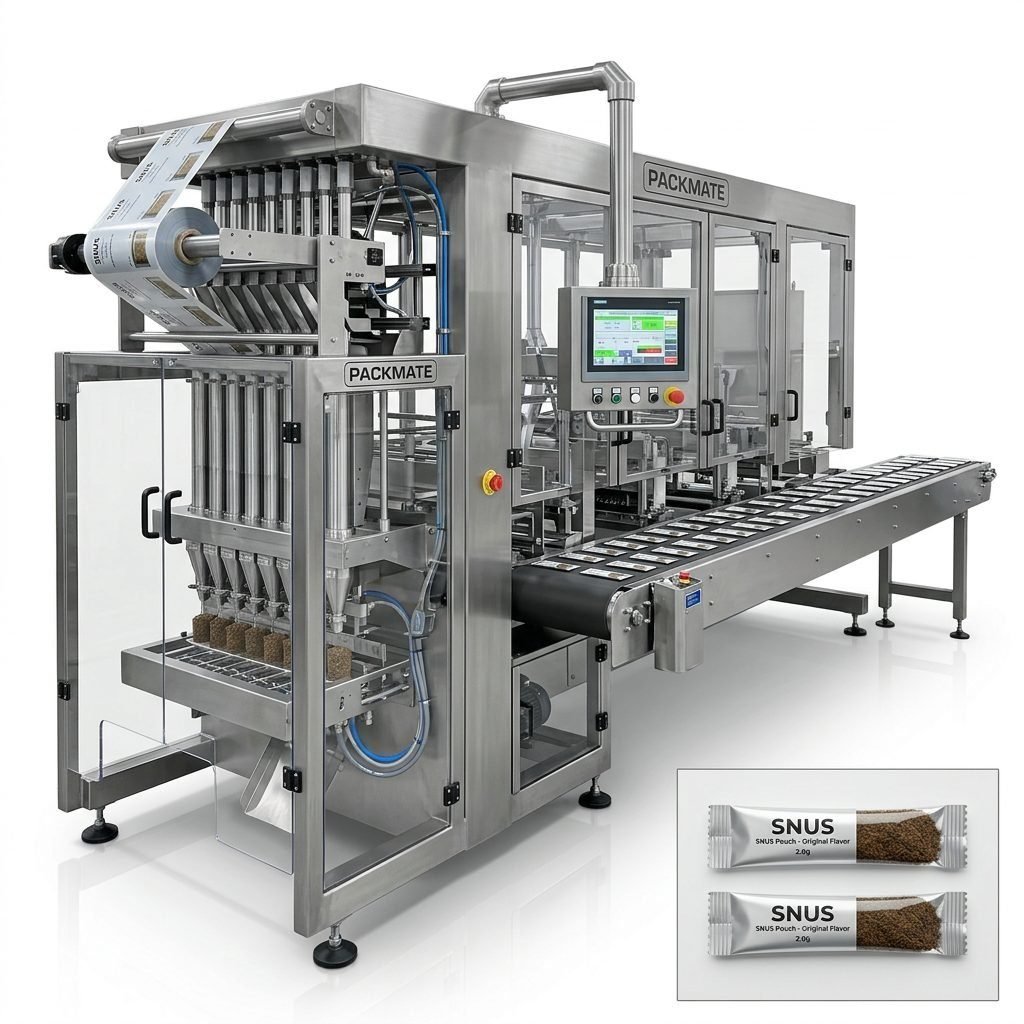
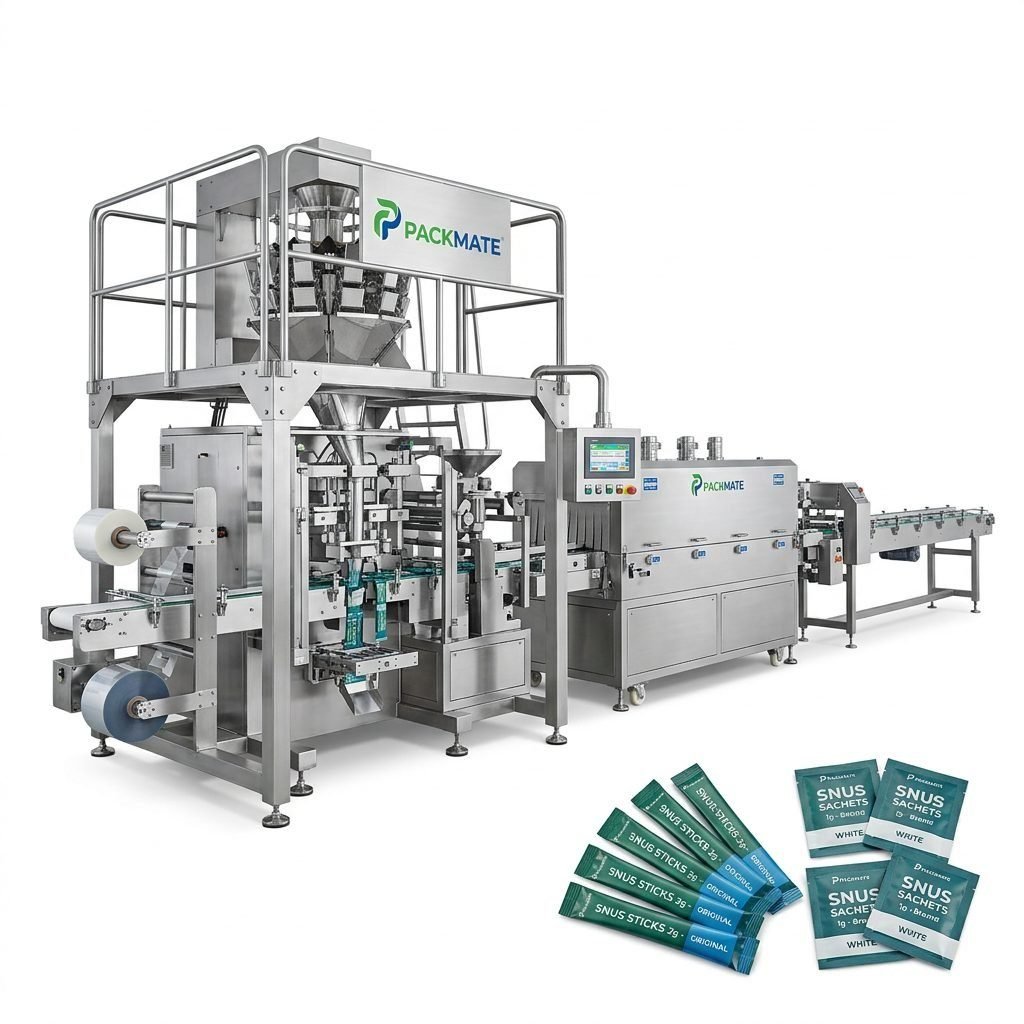
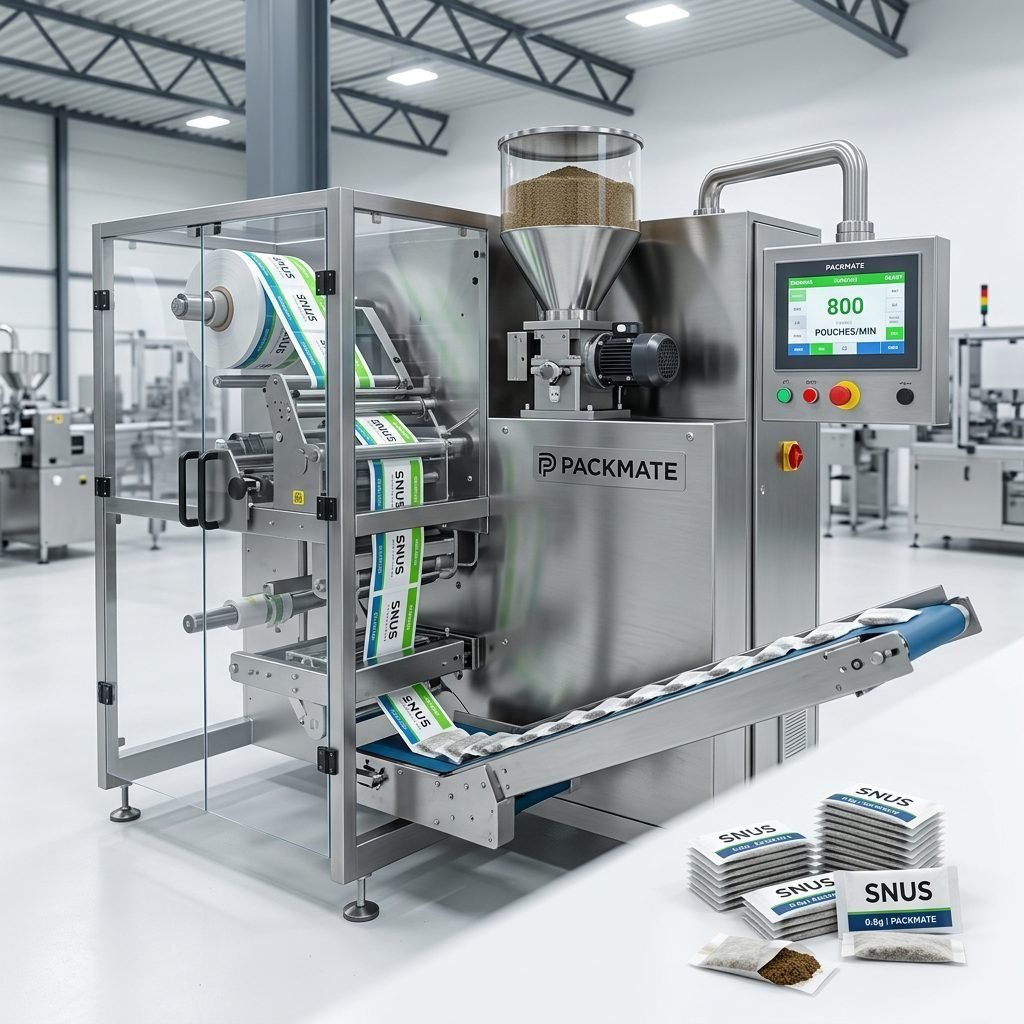
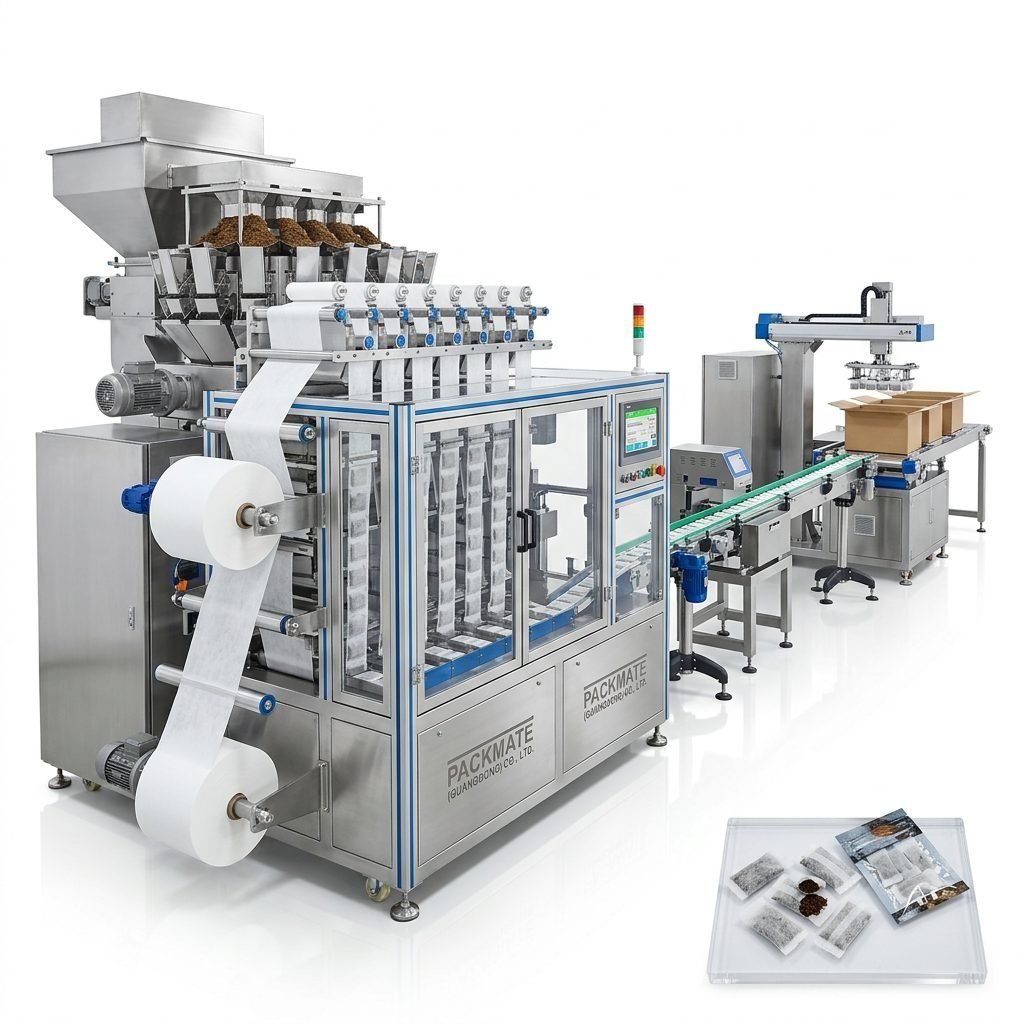
Production speed, sealing quality, pouch format flexibility, and multi-lane options are key performance indicators. For small-dose nicotine pouches, multi-lane systems can significantly increase throughput while reducing production costs. Request machine specifications that include cycle rate (pouches/min), accuracy of filling (mg tolerance), and compatibility with your chosen materials (laminate films, AL foil, etc.).
Certifications & standards
✅
Look for CE, ISO, and other international certifications to ensure safety and regulatory compliance. A certified machine is easier to import and maintain in Haiti.
After-sales service and spare parts
In Haiti, quick access to spare parts and responsive service are critical due to longer shipping times and potential customs delays. Ask potential suppliers for guaranteed lead times on spare parts, local stocking options (if any), and remote troubleshooting capabilities. Evaluate whether the supplier provides on-site commissioning, operator training, and preventative maintenance programs.
Reputation and case studies
Request references and case studies from similar installations—ideally in regions with comparable climates and logistics. A supplier with a track record in nicotine pouch production and multi-lane systems is preferable. For example, suppliers with documented global projects and exhibition presence show long-term commitment to the industry — you can learn more about supplier portfolios and case examples directly from expert manufacturers.
Explore product categories such as Snus & Nicotine Packaging Machines, Sachet & Stick Pack Machines, and integrated Filling & Packaging Lines when evaluating potential suppliers.
Financial Considerations and Total Cost of Ownership (TCO)
Purchase price is only a portion of your investment. Calculate the total cost of ownership including installation, shipping, customs duties, spare parts, consumables, training, downtime risk, and energy consumption. In Haiti, unpredictable power quality may require additional investment in stabilizers or UPS systems to protect sensitive control electronics. Choose machines designed for energy efficiency and easy maintenance to keep operating costs manageable.
Budget planning tips
⚖️
Calculate spare parts stock cost — Keep critical wear parts on site to avoid long delays.
🔌
Account for power conditioning — Budget for stabilizers or backup systems.
📦
Factor in customs & taxes — Work with freight forwarders knowledgeable about Haitian import processes.
Technical Features to Prioritize for Nicotine Pouch Lines
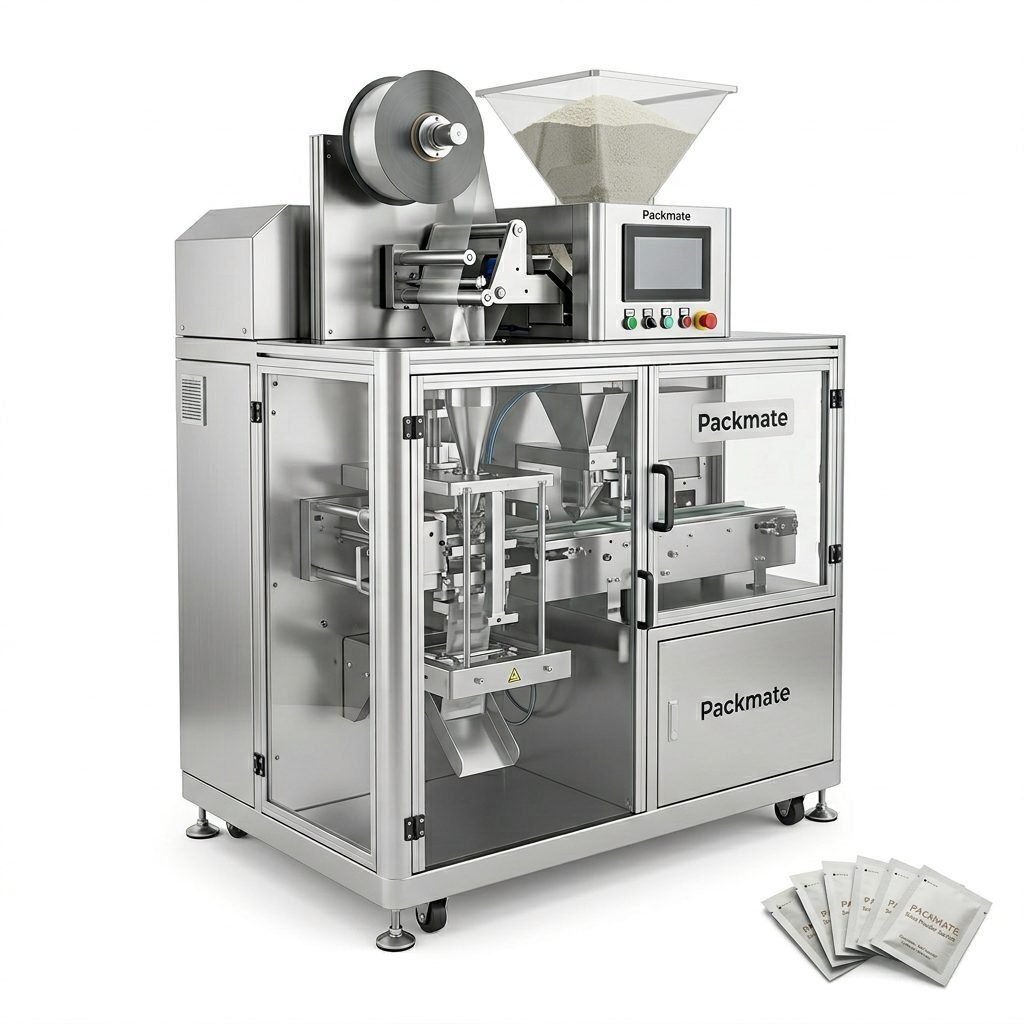
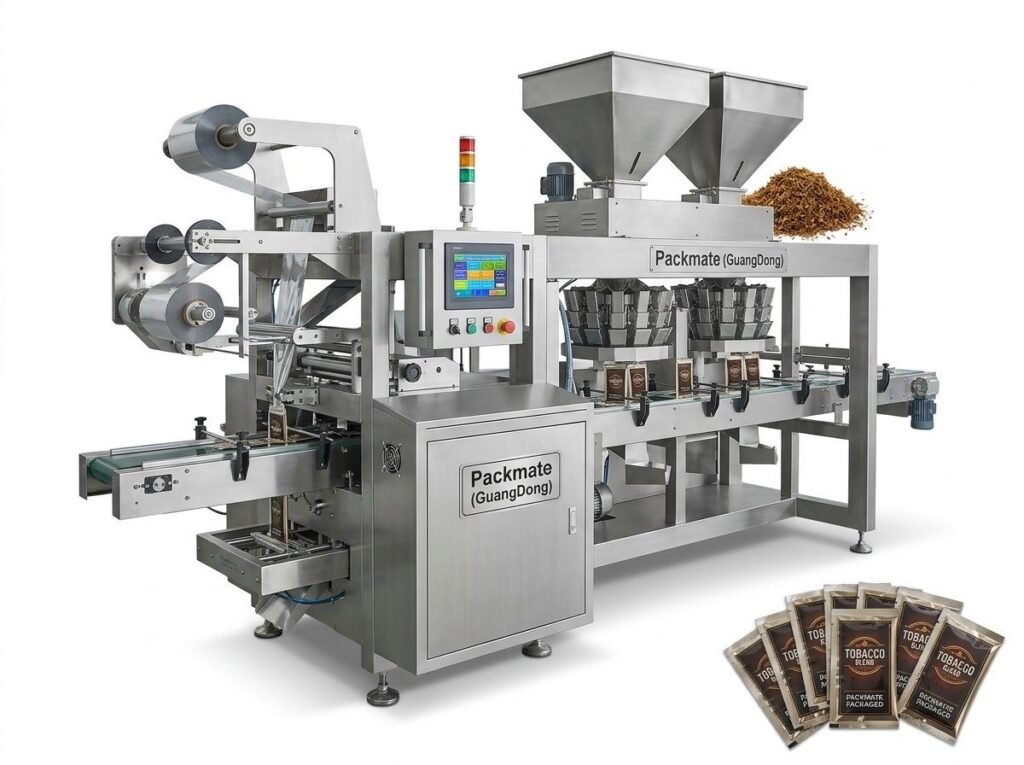
Nicotine pouch production demands precision. Prioritize machines with accurate auger or volumetric dosing, reliable pouch sealing with temperature controls, humidity protection, and consistent cutting. Additional features beneficial for Haiti’s market include modular designs for easy repair, multi-lane options to scale output, and PLC controls with remote connectivity for debugging and software updates.
Essential components and options
– High-precision dosing systems for consistent sachet weight.
– Servo-driven film unwinding with tension control to prevent wrinkles.
– Heat-seal units with adjustable temperature zones and silicone rollers.
– Multi-lane format options for small-dose nicotine pouches.
– Integrated metal detectors and checkweighers for quality assurance.
Supplier Selection Process: Practical Steps
Follow a structured procurement process: shortlist suppliers, request detailed quotations with technical sheets, schedule factory or virtual visits, test runs and sample evaluations, negotiate terms, and formalize after-sales agreements. For Haiti, insist on clear delivery timelines and documented responsibilities for customs clearance and local support.
Step-by-step approach
1. Shortlist reputable suppliers with nicotine/snus experience.
2. Request machine demos or video trials and samples produced on similar lines.
3. Confirm certifications (CE/ISO) and ask for factory audit reports.
4. Verify spare parts lead times and on-site training availability.
5. Negotiate warranty terms, including uptime guarantees and support SLAs.
Why Choose an Experienced Manufacturer: Example Case
Established manufacturers that specialize in snus and nicotine pouch systems bring decades of experience tuning machines for small-dose, multi-lane production. A manufacturer with a complete production portfolio — from fillers to packaging and auxiliary equipment — can supply integrated lines that reduce integration risk and speed up commissioning. For deeper reference on producers that offer such modular, turnkey solutions, review manufacturer portfolios and service pages.
To learn more about manufacturer’s capabilities and global cases, see their Case studies and an overview About Packmate to evaluate long-term support and expertise.
Commissioning, Training and Long-term Support
Proper commissioning and operator training are essential, especially when local teams are adapting to semi-automated or fully automated lines. Insist on supplier-provided start-up support, on-site training in French/Creole where possible, and remote diagnostic tools. Long-term support should include routine maintenance schedules, replacement part kits, and options for remote PLC updates.
📞
Ensure clear communication channels — supplier helpdesk, local technical partner, or direct engineer contact for urgent support.
Logistics, Installation and Local Compliance in Haiti
Coordinate with freight forwarders experienced in Haitian ports (Port-au-Prince) to reduce delays and ensure proper handling of sensitive equipment. Verify customs documentation and classification to avoid unnecessary taxes. Be mindful of local regulations on nicotine product packaging, labeling, and advertising; suppliers who understand compliance can advise on material choices and label placement.
Practical installation advice
Plan for level concrete floors, stable electrical supply, and controlled humidity storage for films and pouches. Provide an on-site quarantine area for incoming spare parts and consumables to prevent moisture damage. A supplier offering pre-shipment inspection and full documentation will help smooth customs clearance.
How to Negotiate Contracts with Suppliers
Negotiate clear terms covering delivery schedule, acceptance tests, performance guarantees, warranty scope, spare parts pricing, and training. Include clauses for penalties in case of significant delays, and agree on the language and jurisdiction for dispute resolution. Consider staged payments tied to milestones: factory acceptance test (FAT), shipping, installation, and final acceptance test (SAT).
Quick Recap: Priorities When Choosing a Supplier
🔍
Proven nicotine/snус experience — Look for an established track record and product-specific references.
⚙️
Robust technical support — On-site commissioning, spare parts guarantees, and remote service options.
🌍
Climate-adapted design — Corrosion-resistant materials and humidity controls.
📑
Clear contract & TCO — Warranty, spare parts, customs and logistics, training.
If you would like a reliable industrial partner with a proven history in snus and nicotine pouch equipment, explore comprehensive solutions such as Weighing & Packaging Systems and request customized turnkey options through the supplier’s Contact Us page to start a detailed consultation.
Conclusion: Making a Decision that Fits Haiti’s Reality
Choosing the right nicotine packaging machinery supplier for a Haitian factory is a combination of technical evaluation, cultural understanding, logistical foresight, and contractual clarity. Prioritize suppliers who demonstrate real-world experience with nicotine pouch lines, provide robust after-sales support, and can adapt equipment to Haiti’s climate and operational conditions. With careful planning and the right partner, you can achieve efficient, compliant, and cost-effective production tailored to the Haitian market.
Frequently Asked Questions
Q1: How important are machine certifications when importing into Haiti?
A1: Certifications such as CE and ISO are important because they attest to safety and quality standards, simplify customs review, and increase confidence in long-term reliability.
Q2: What spare parts should I stock locally for nicotine pouch lines?
A2: Keep crucial wear parts like sealing belts, knives, drive belts, bearings, and dosing components on hand. Also stock common electronic spares such as PLC modules and sensors if available.
Q3: Can suppliers provide training in French or Haitian Creole?
A3: Many international suppliers can provide documentation and training in French; request bilingual materials or a local translator to support Haitian Creole-speaking staff.
Q4: How do I reduce downtime risk for machines shipped to Haiti?
A4: Reduce risk by choosing rugged equipment, stocking critical spares, arranging preventive maintenance schedules, and ensuring remote diagnostic capabilities.
Q5: Where can I see real-world examples of nicotine pouch packaging lines?
A5: Review supplier case studies and exhibition demos to evaluate real-world performance; visit supplier case pages and attend trade shows when possible.