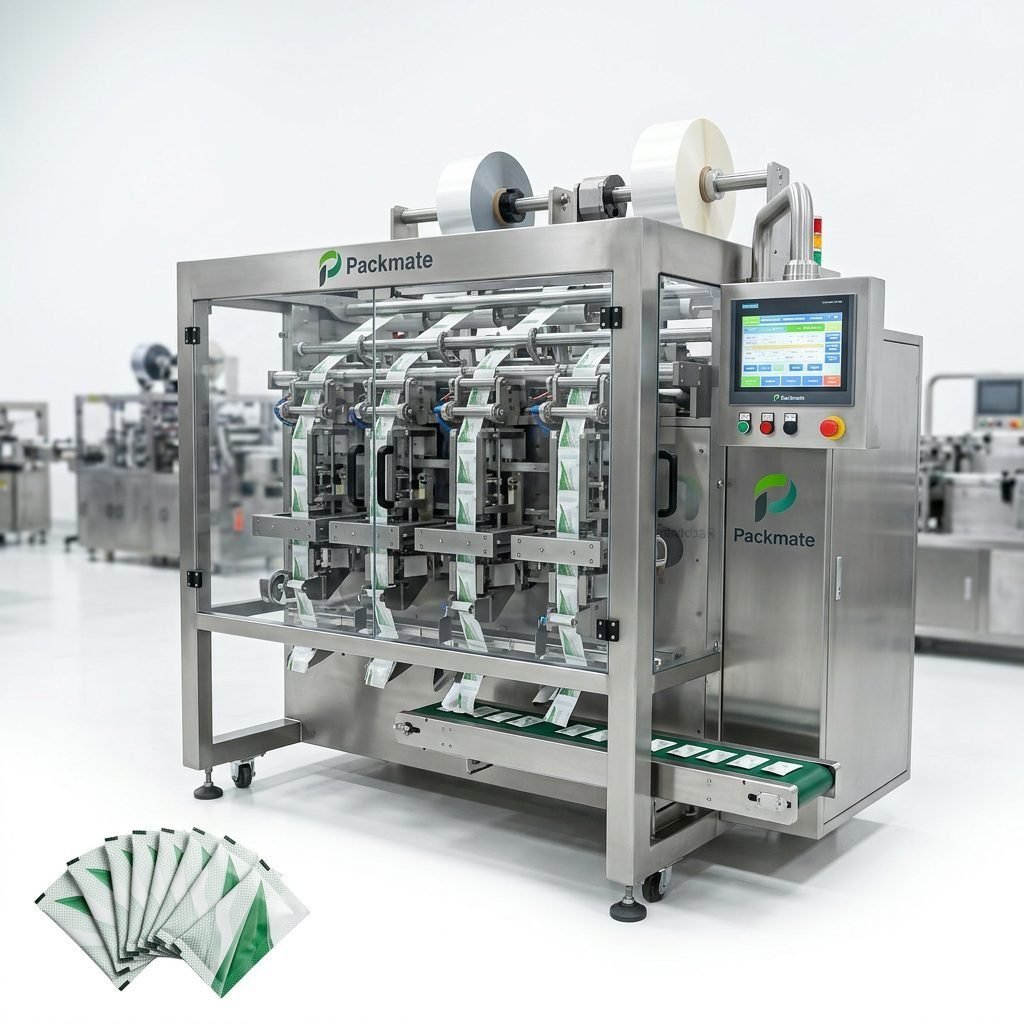
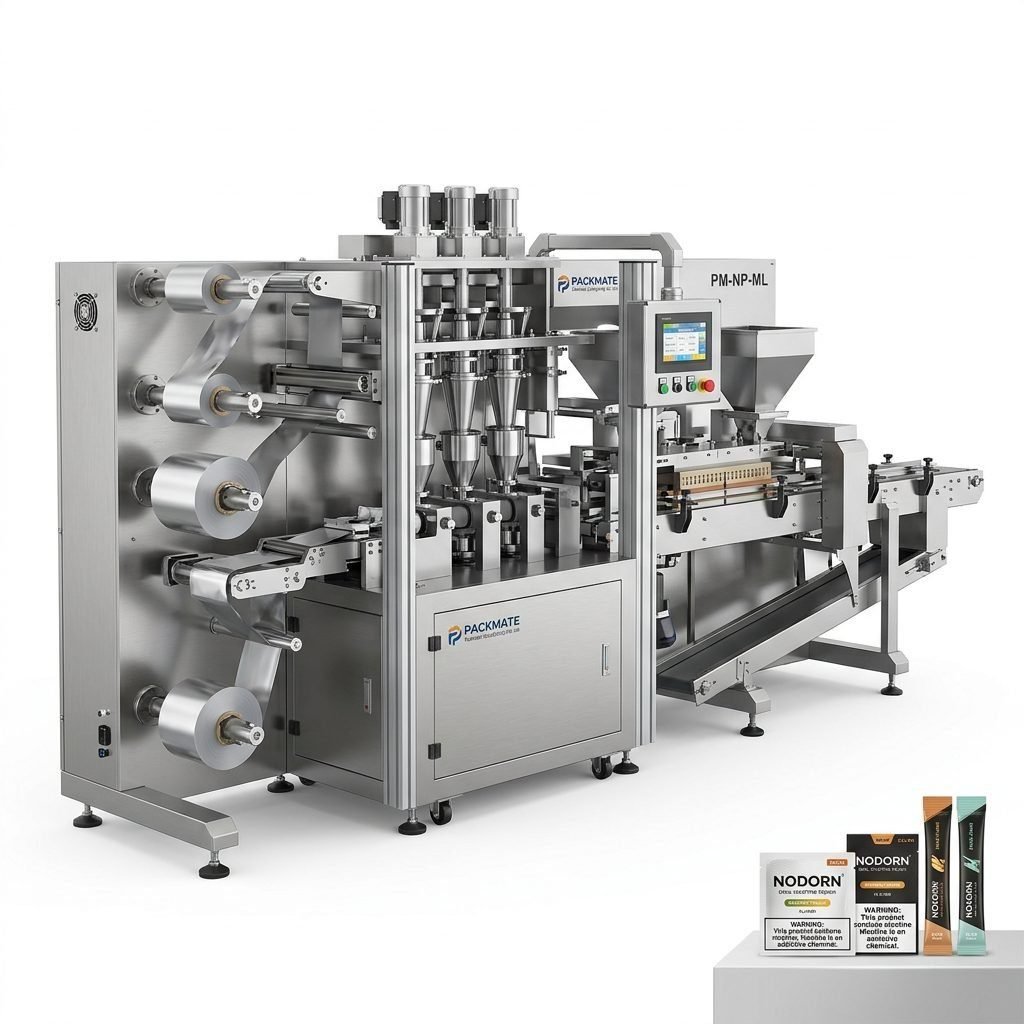
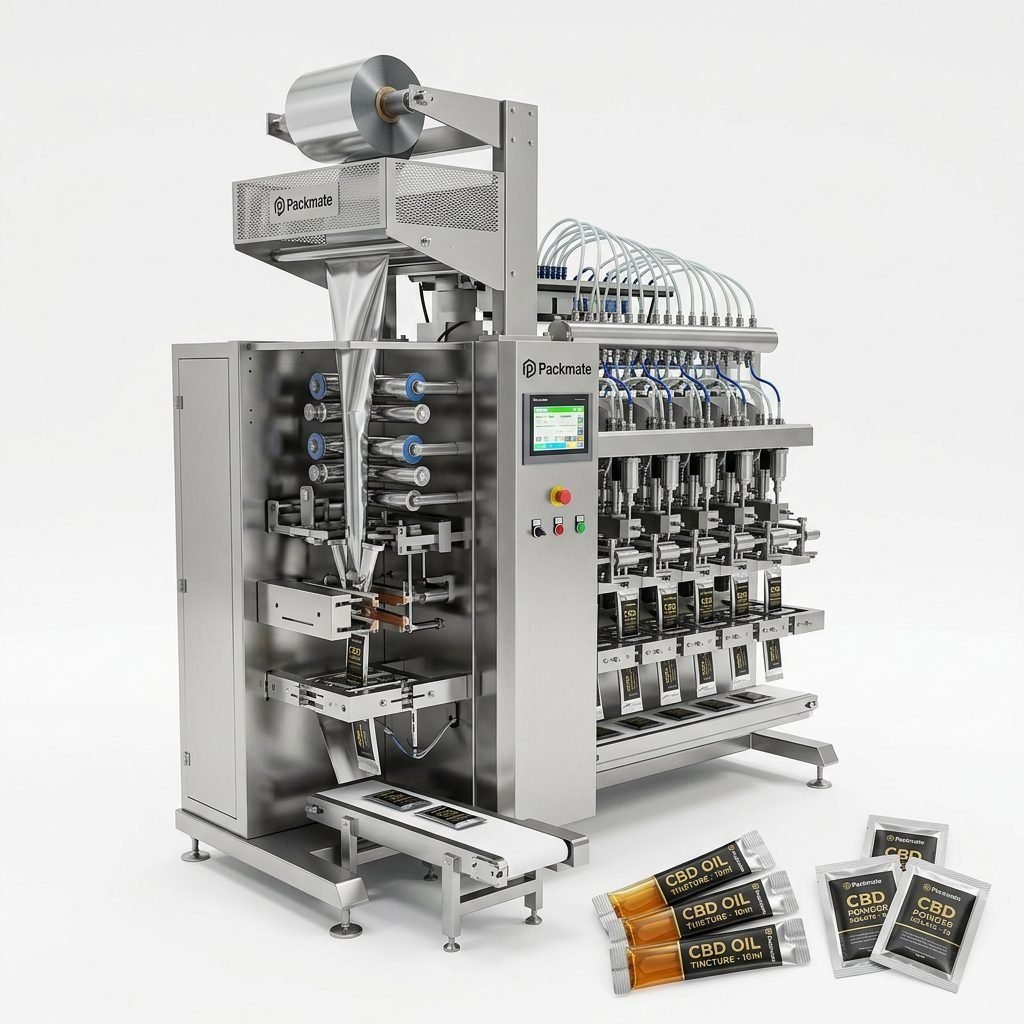
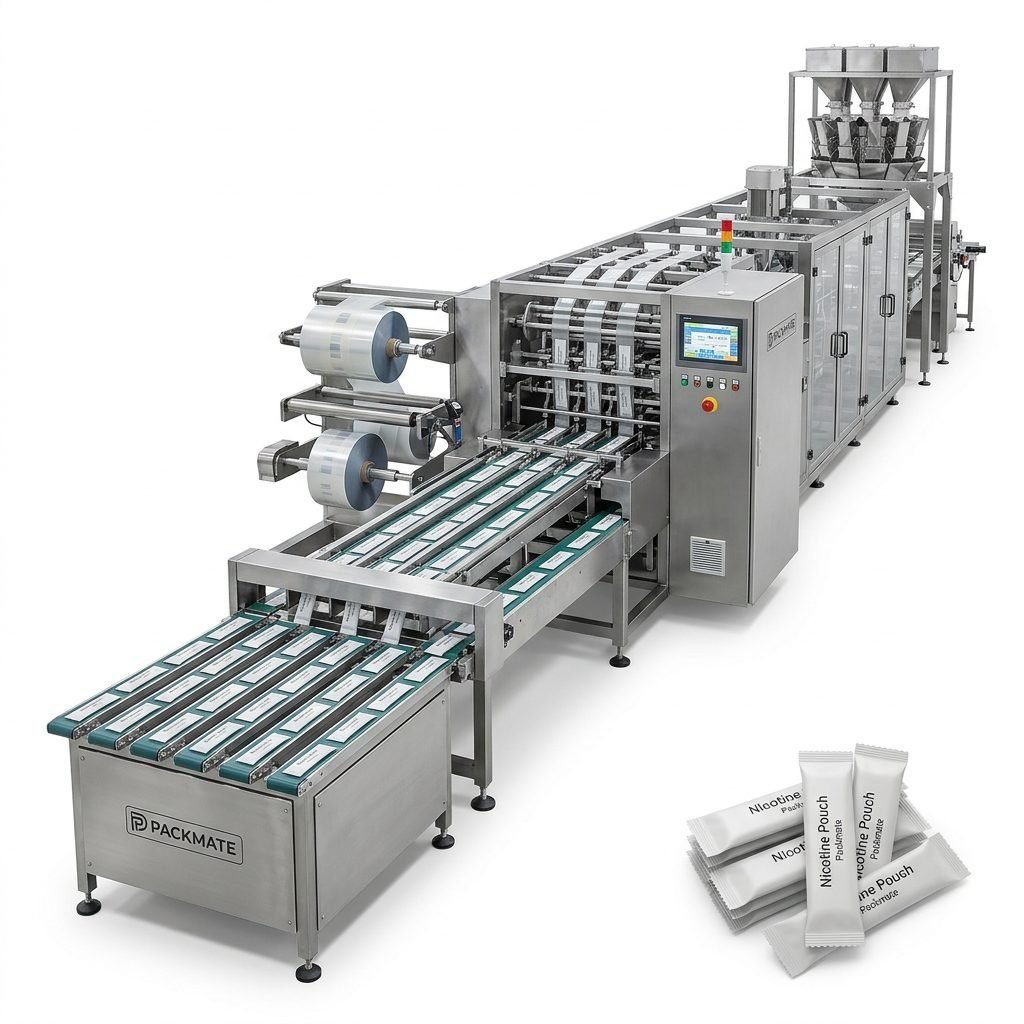
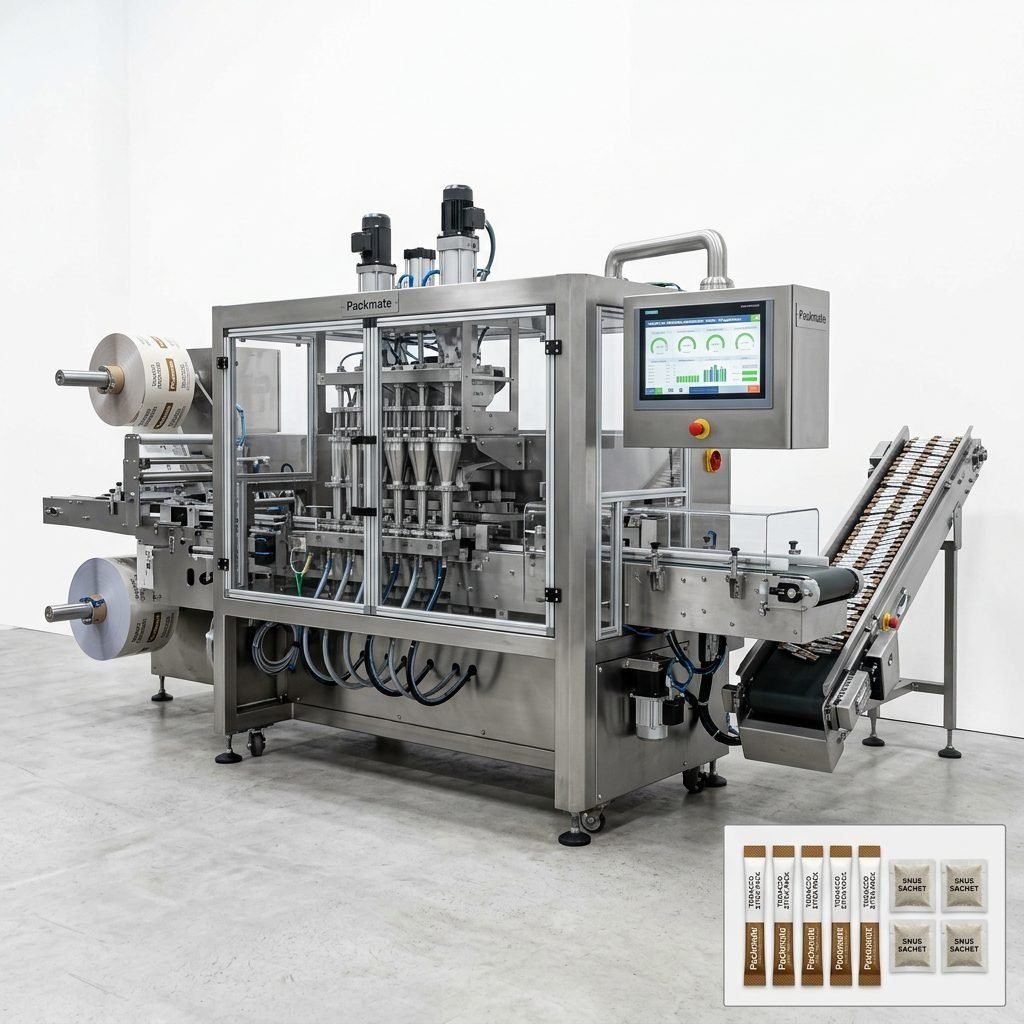
Selecting the right packaging machinery supplier for nicotine products in Papua New Guinea is more than a procurement decision — it’s an investment in uptime, regulatory compliance, and long-term partnership. This guide walks you through practical evaluation steps, PNG-specific considerations, and negotiation tactics to help your factory secure the best snus and nicotine pouch packaging line for local conditions and business objectives.
Understand the Papua New Guinea Context
Papua New Guinea (PNG) is a geographically diverse country with widely dispersed islands, high humidity, and varied electricity reliability. Business communication often uses English and Tok Pisin, and local buyers value direct relationships, reliability, and clear after-sales support. Import processes can be slower than in major hubs — plan for customs clearance, import duties, and possible quarantine inspections. Choose a supplier who understands these logistics realities and can support you with proper documentation, spare parts kits, and remote commissioning options.
Why PNG specifics matter
In PNG, harsh coastal climates and high humidity demand machinery with corrosion-resistant components and robust electrical protections. Remote plant locations require suppliers who provide rapid parts shipment options or local stocking plans. Cultural expectations around long-term relationships mean after-sales trustworthiness can outweigh the lowest bid.
Core Evaluation Criteria for Nicotine Packaging Machinery Suppliers
When comparing vendors, assess not only machine specs but the full service package. The following areas should be non-negotiable in your supplier checklist.
1. Industry experience and technical capability
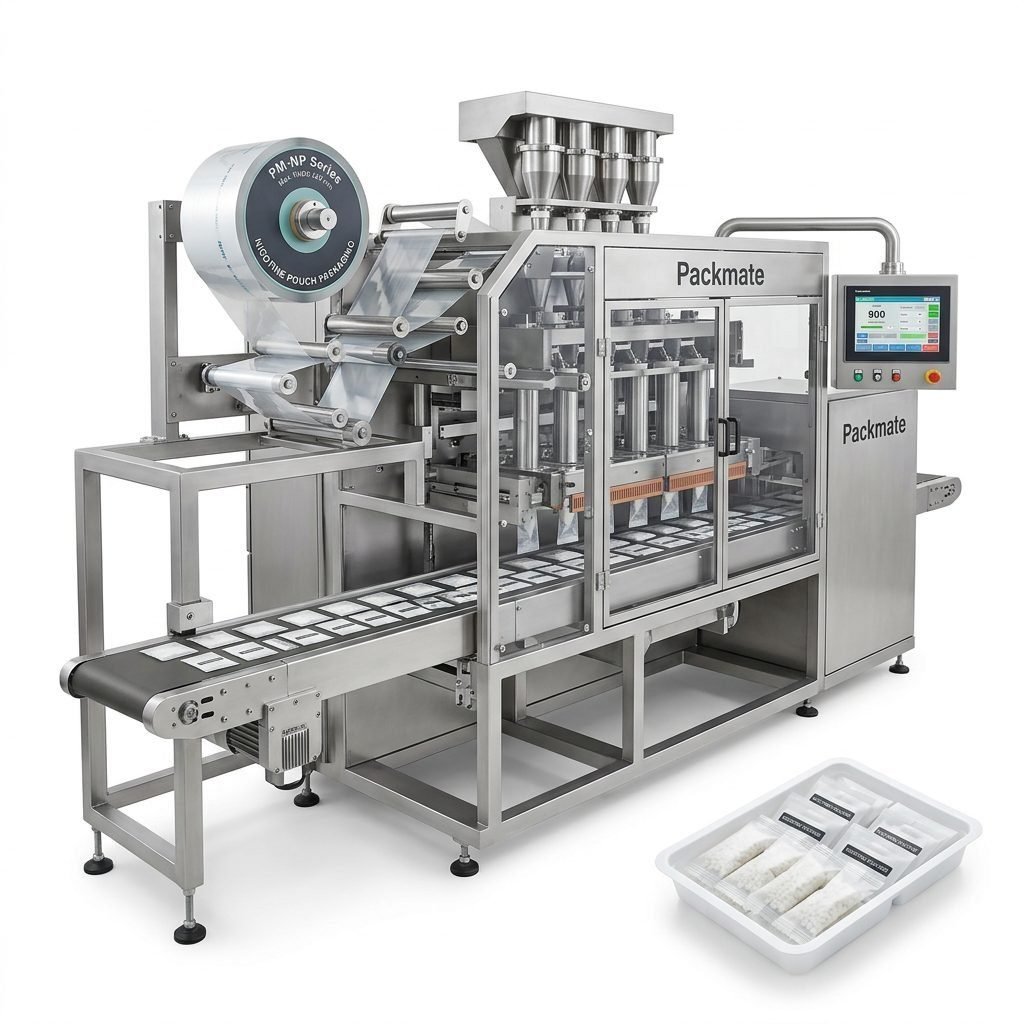
Look for suppliers with proven experience in snus and nicotine pouch lines, multi-lane small-dose systems, and flexible pouch formats. A supplier with decades of R&D and many machine models can better adapt to evolving product specs. For example, an established manufacturer that emphasizes snus packaging solutions will likely offer optimized pouch handling, precise dosing, and minimal product waste.
2. Certifications and compliance
Ensure machines meet international safety and quality standards such as CE and ISO. These certifications are not just paperwork — they indicate standardized electrical design, safer operator interfaces, and traceable quality processes that simplify import approval and insurance.
3. Production capacity, lead time and customization
Evaluate whether the supplier can scale production and deliver within required timelines. Ask about modular designs and customization for PNG-specific needs like voltage variants, humidity protection, and compact footprints for smaller facilities. A vendor with many models and turnkey options can tailor an efficient production line.
4. After-sales service and spare parts
In markets with remote locations, after-sales support is crucial. Confirm warranty terms, spare-parts lead times, remote troubleshooting capabilities (video calls, PLC remote access), and availability of on-site technicians for commissioning. A smart supplier will provide local training and a recommended spare parts kit for the first year of operation.
5. Total cost of ownership (TCO)
Compare beyond the purchase price: energy consumption, consumables, maintenance frequency, and expected uptime all influence TCO. A slightly higher initial investment in a robust line often saves money through reduced downtime and lower maintenance.
Key Technical Features to Prioritize
Prioritize machines designed specifically for nicotine pouch and snus production. The following technical features will ensure stable production and product quality.
📌 Precision dosing: Accurate low-dose filling systems for consistent pouch weights.
📌 Multi-lane capability: Scalable lanes to increase throughput while maintaining pouch integrity.
📌 Gentle pouch handling: Reduced pouch deformation, especially for thin-film materials.
📌 Hygienic and corrosion-resistant materials: Stainless components and sealed drives for humid coastal environments.
📌 Smart control systems: PLC/HMI with remote access, recipe memory, and quick-change tooling.
Questions to Ask Potential Suppliers
Use a structured questionnaire to compare vendors objectively. Essential questions include:
- How many snus/nicotine pouch lines have you delivered and to which markets?
- Can you provide references or case studies of installations in similar climates?
- What is included in the standard warranty and what optional service packages exist?
- Do you offer FAT (Factory Acceptance Test) and SAT (Site Acceptance Test)? Is customer training included?
- What are typical spare-parts lists and recommended stocking levels for the first 12 months?
Practical Tips for Smooth Procurement and Delivery to PNG
Ensure the supplier provides complete export documentation (packing list, invoice, CE/ISO certificates) and can assist with customs classification. Request pre-shipment photos and video of the packaged machine, and consider ocean freight packaging upgrades to protect against long sea voyages and salt air.
Electrical and site preparations
Confirm voltage and frequency compatibility with PNG grid or generator setups. Request a site checklist for foundation, drainage, compressed air quality, and utilities. In many PNG installations, dedicated voltage stabilization and humidity control are necessary.
Negotiation & Contracting Best Practices
Protect your investment through a clear purchase agreement. Include delivery milestones, acceptance criteria, penalty clauses for late delivery, a defined warranty period, spare-parts supply terms, training scope, and a dispute-resolution mechanism. Request an itemized quote that separates mechanical, electrical, software, and tooling costs.
Testing, Training and Commissioning
Require FAT with your production recipes and materials before shipment. Insist that the machine runs at target speeds for a reasonable test duration. On-site, plan for several days of commissioning and training for operators and maintenance staff. Ask for bilingual manuals if needed and remote support options.
🔶 FAT checklist: run full recipes, check pouch seal integrity, measure weight variance, perform endurance run for at least 8 hours.
🔶 SAT checklist: verify utilities, check operator ergonomics, validate first 10,000 pouches under real conditions.
After-sales Support: What PNG Buyers Should Expect
For reliable long-term performance, expect your supplier to offer:
- Remote troubleshooting via PLC/HMI connectivity and video support.
- Local technician visits for major repairs or annual maintenance.
- Fast spare parts air shipment options and a recommended starter parts kit.
- Training refreshers and updated manuals for new operators.
Why Choose a Specialist Snus/Nicotine Packaging Supplier
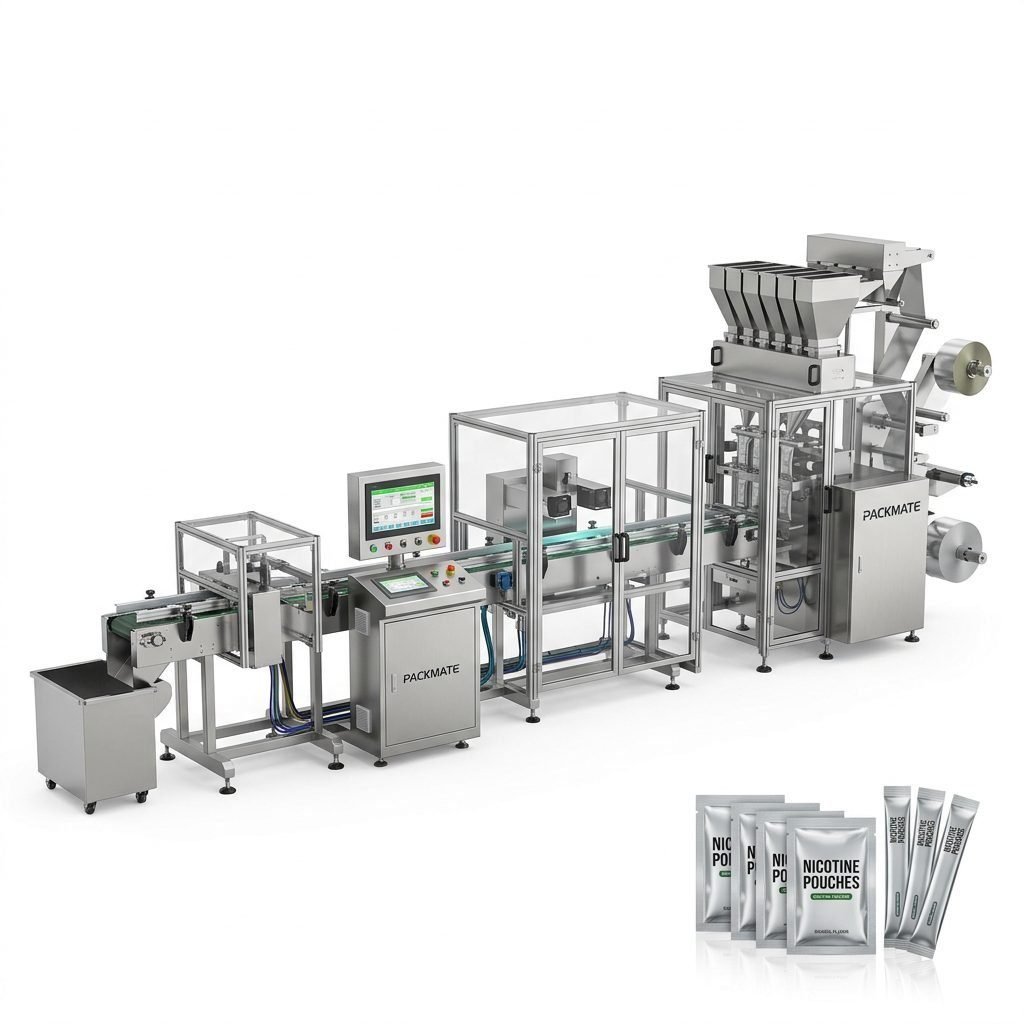
Vendors specializing in nicotine pouch and snus equipment understand unique product sensitivities — small-dose accuracy, film compatibility, and multi-lane throughput — resulting in better packaging integrity and higher yield. To explore specialized machinery options and product lines, review product pages like Snus & Nicotine Packaging Machines and related solutions for integrated lines.
Real-World Case References and Further Reading
Ask suppliers for local or regional case studies to validate performance in similar operating conditions. Many manufacturers publish case pages showing installed lines, throughput results, and client testimonials. See examples and company details at Case and learn about the supplier background at About Packmate.
Choosing the Right Product Mix for Your Facility
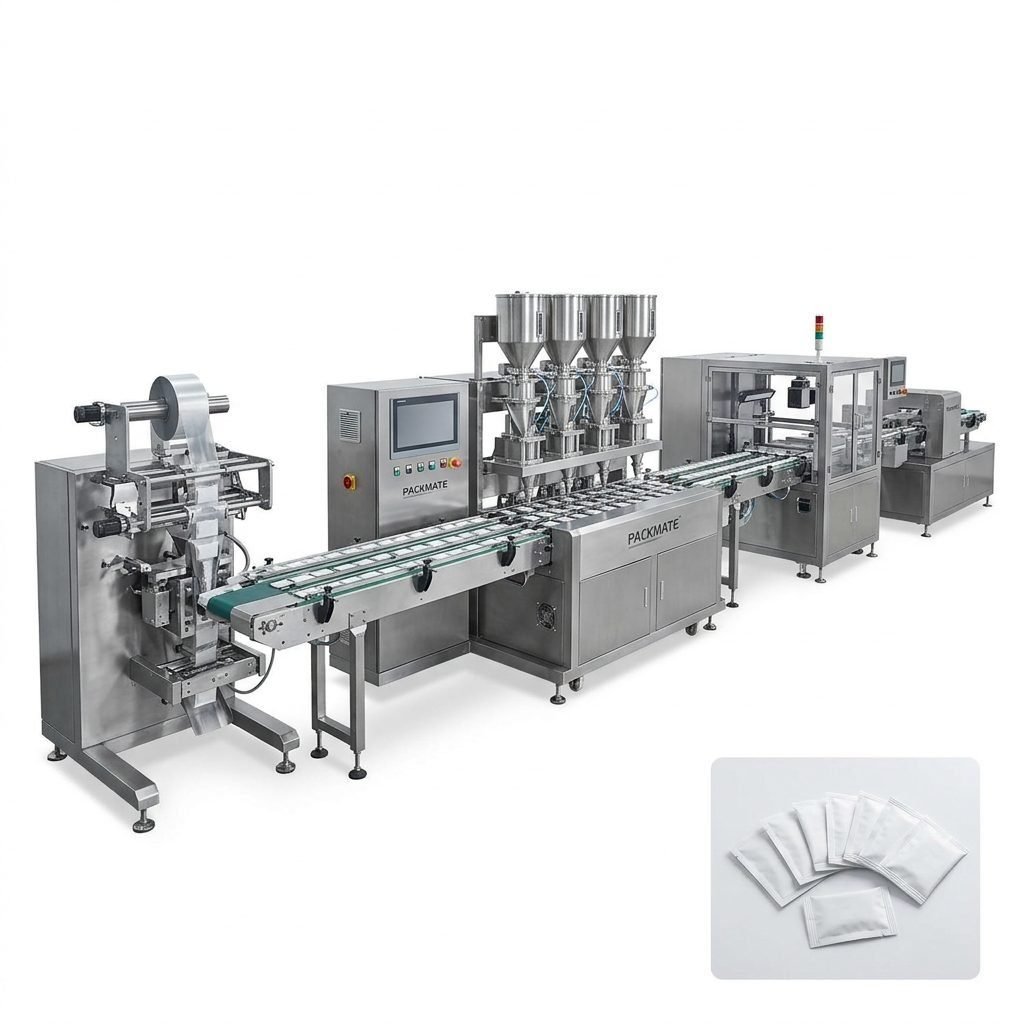
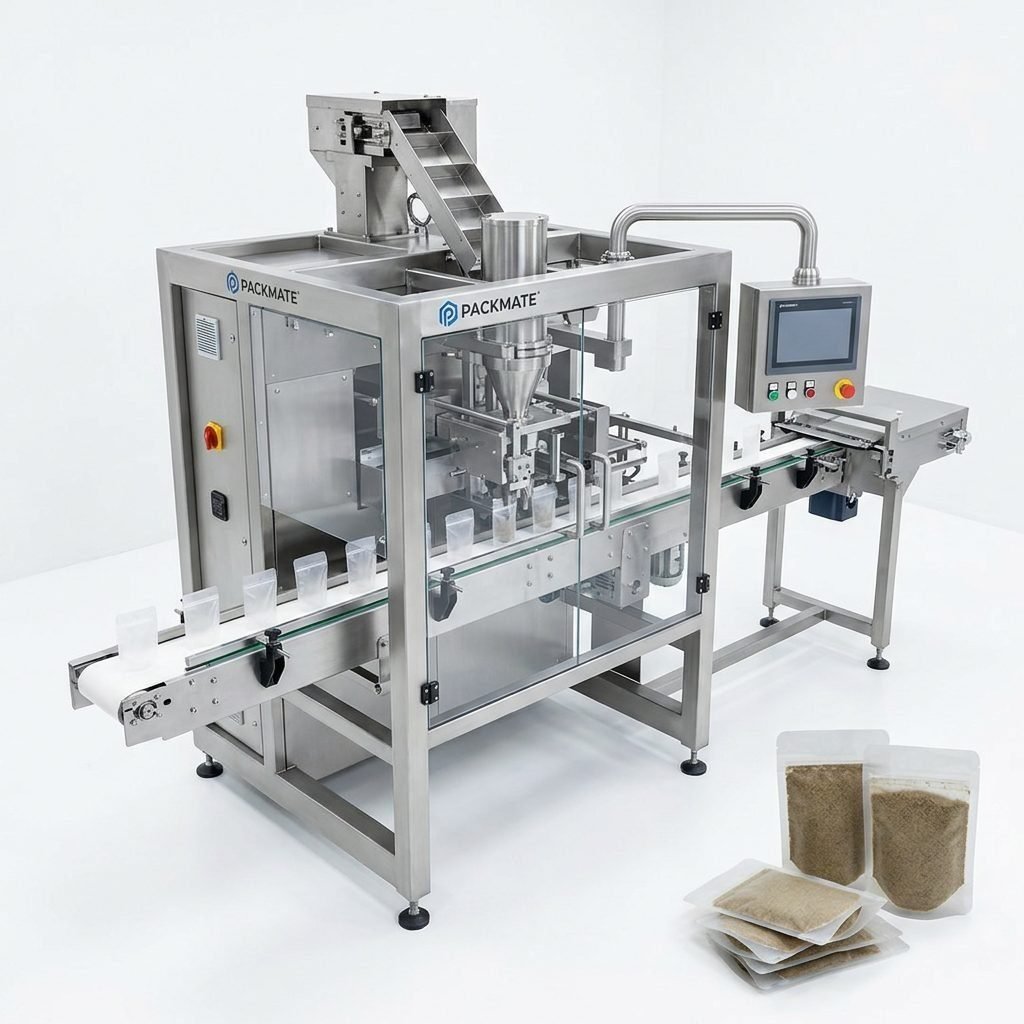
Depending on production goals, consider a combination of multi-lane pouch machines for high throughput and developmental bench-top units for new SKUs. Also evaluate complementary equipment such as weighing systems, stick pack or sachet machines, and auxiliary equipment to build an efficient line. Explore full line options at Filling & Packaging Lines and related systems.
Common Pitfalls and How to Avoid Them
Avoid these frequent mistakes:
- Buying on price alone without verifying uptime history or service coverage.
- Failing to require FAT or clear acceptance criteria.
- Ignoring local electrical and humidity requirements that can shorten equipment life.
- Not securing clear spare-parts agreements for remote locations.
Next Steps: How to Proceed with Supplier Selection
Start by shortlisting 3–5 vendors with relevant experience. Request detailed proposals, FAT dates, spare-part lists, and local reference contacts. Prioritize suppliers who offer turnkey solutions, clear documentation, remote commissioning, and reliable shipping plans to PNG. For additional machine categories and auxiliary equipment that integrate with snus lines, you can review options at Auxiliary Packaging Equipment.
Closing note
The right supplier will not only deliver a machine but will partner to ensure consistent production, regulatory compliance, and strong after-sales support in Papua New Guinea. Prioritize proven snus/nicotine specialists, robust service terms, and a clear plan for commissioning and spare parts to protect your operation from startup risks.
Frequently Asked Questions
Q1: What documents should a supplier provide for a smooth PNG import?
A1: Suppliers should provide a commercial invoice, packing list, CE/ISO certificates, machine manuals, electrical schematics, and a bill of lading. Clear HS codes and supporting inspection certificates (if applicable) speed up customs.
Q2: How important is FAT and can it be done remotely?
A2: FAT is critical — it verifies machine performance with your recipes before shipment. Many suppliers offer live video FATs with agreed test protocols; however, an in-person FAT offers higher confidence for high-value turnkey lines.
Q3: What spare parts should I stock for the first year in PNG?
A3: At minimum, stock critical wear parts (seals, belts, cutters), an electrical spare kit (fuses, sensors, PLC backup), and any proprietary tooling. Request a supplier-recommended starter kit.
Q4: Can suppliers support local training in Tok Pisin or English?
A4: Most international suppliers conduct training in English; many can provide bilingual manuals or translation support upon request. Confirm language options during contract negotiation.
Q5: Where can I find more technical specifications or request a quote?
A5: Visit the manufacturer’s product pages and contact channels for detailed specs and RFQs—for example, see Snus & Nicotine Packaging Machines and the Contact Us page to request proposals and service information.