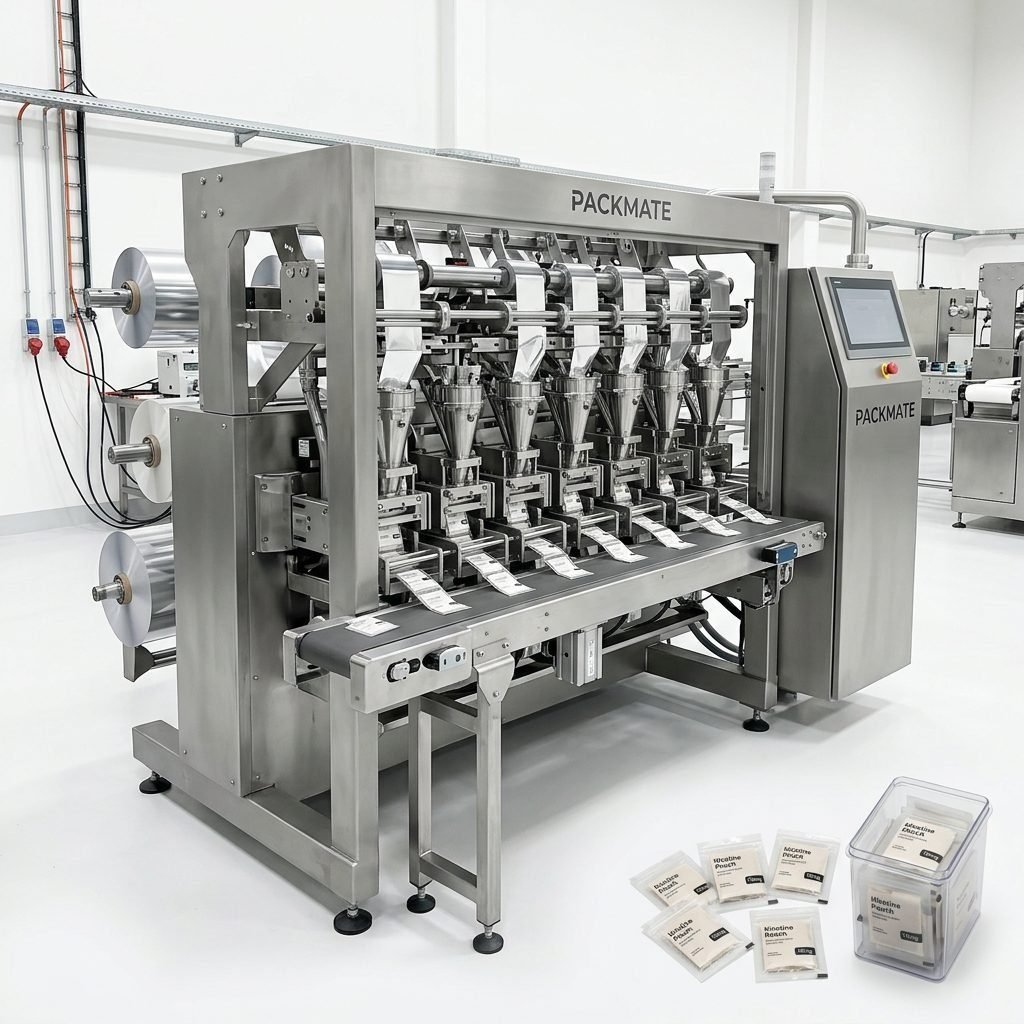
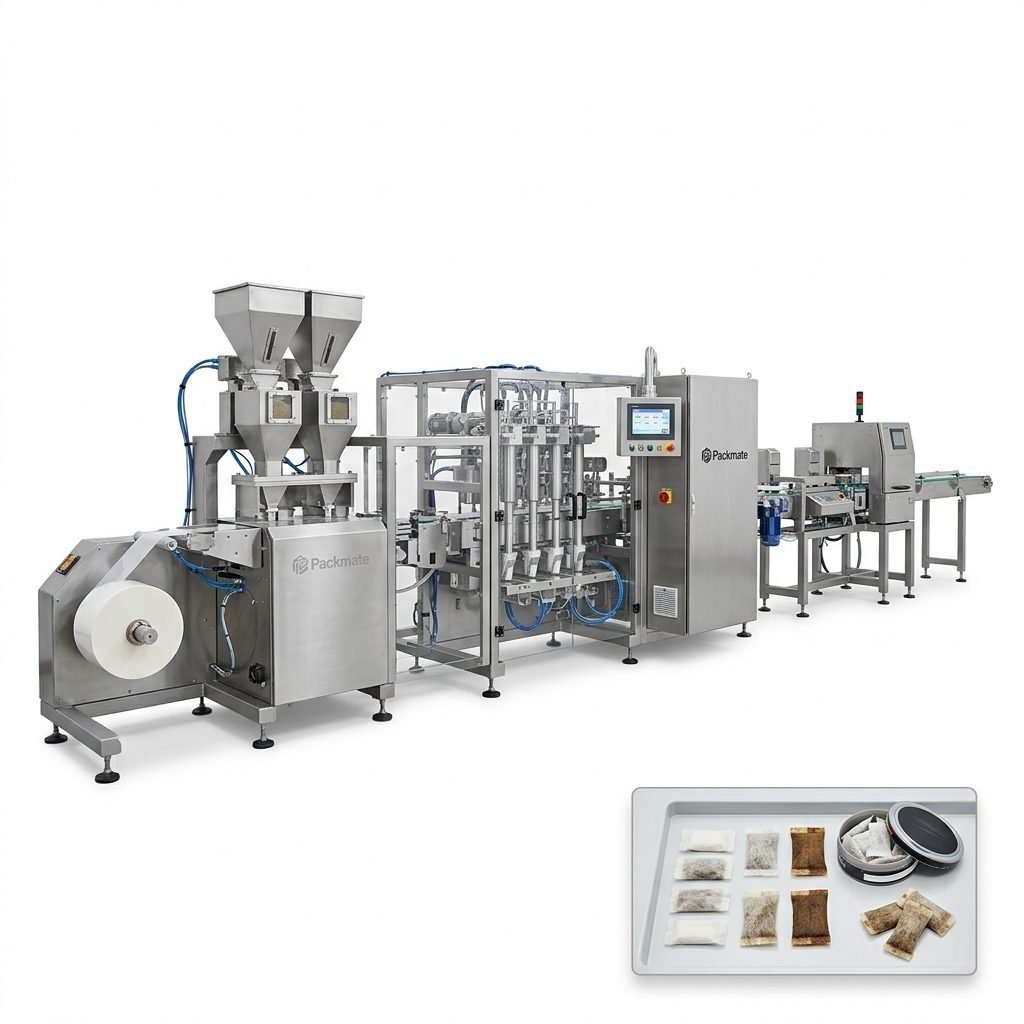
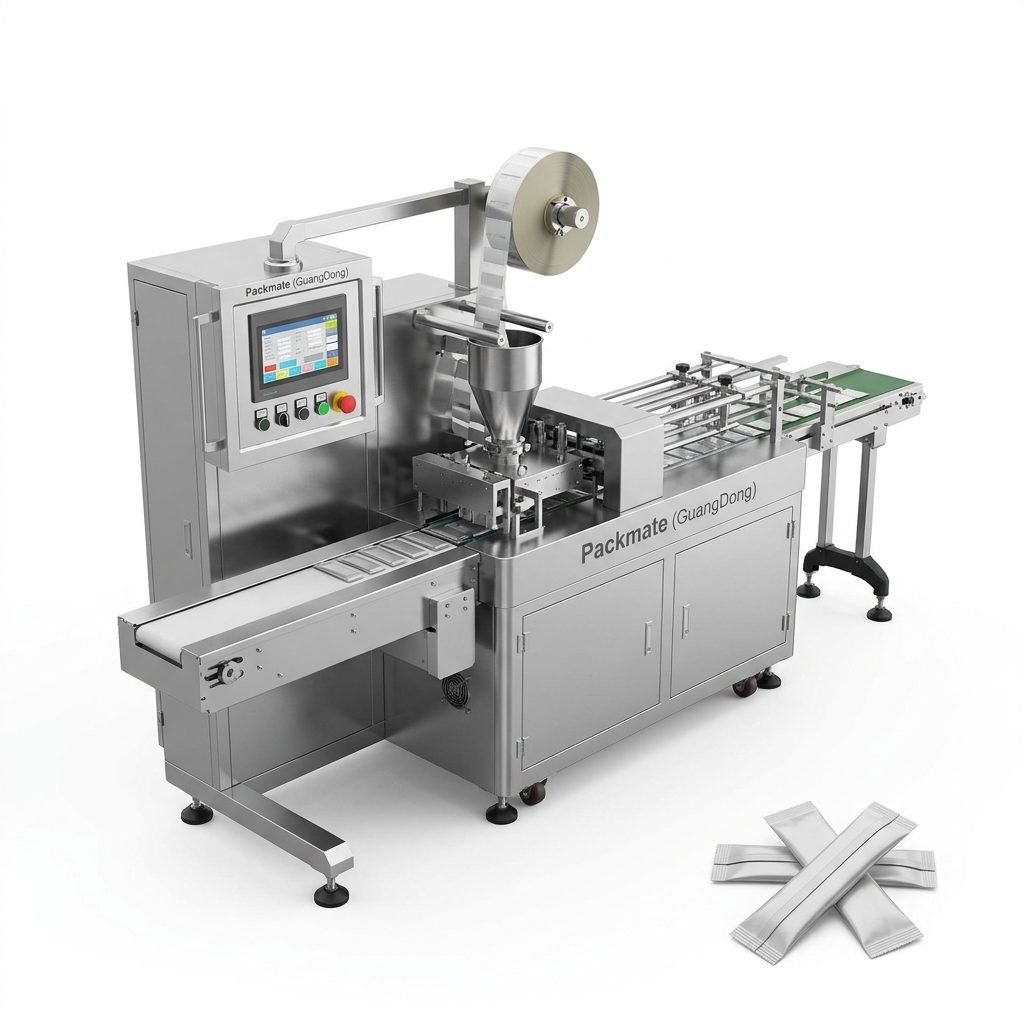
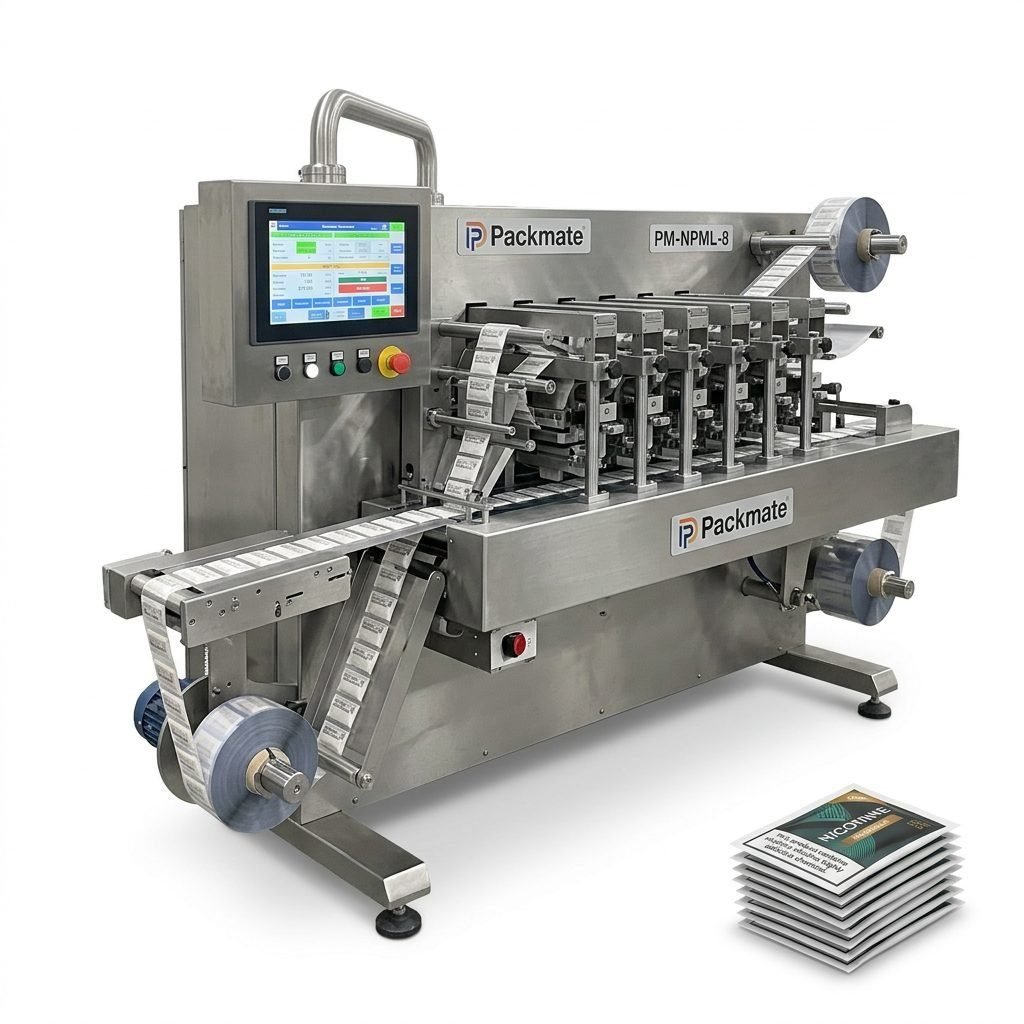
Choosing the right nicotine packaging machinery supplier in Liberia requires more than just a price comparison. You must weigh regulatory compliance, tropical operating conditions, local logistics, after-sales support, and the supplier’s manufacturing strength. This guide walks you through practical steps to select a reliable partner who can deliver stable snus and nicotine pouch packaging lines tailored for the Liberian market.
Understanding Liberia’s Market & Local Considerations
Liberia is a West African country with a business culture that values relationships, trust, and clear communication. English is the official language, which helps in technical conversations, but expect negotiation styles to be more personal and time-flexible than in some other markets. When sourcing packaging machinery, remember these local specifics:
- Ports & Logistics: Most imports arrive via the Freeport of Monrovia. Factor in customs clearance time, duties, and possible inland transport delays.
- Power & Environment: Liberia’s tropical climate is hot and humid. Machines need corrosion protection, reliable electrical tolerance, and sometimes additional climate control for consistent packaging material behavior.
- Workforce Skills: Technical training and local operator education are essential. Choose a supplier that offers onsite commissioning and staff training.
- Regulation & Compliance: Confirm product and packaging comply with Liberian regulations and any advertising/labeling rules relevant to nicotine products.
Why these matter
A machine that performs well in a European factory may need adaptation for Liberia’s humidity, volatile power, and local packaging materials. Prioritize suppliers who understand tropical conditions and offer tailored solutions such as corrosion-resistant components, voltage stabilizers, and humidity-tolerant seals.
Step 1 — Assess Supplier Manufacturing Strength
Start by verifying the supplier’s factory capabilities. Important indicators include production area, machine model range, CNC capabilities, quality checks, and years of engineering experience.
Key factory strengths to look for:
20,000㎡ manufacturing space, advanced CNC machining, multiple models, strict quality testing, and documented project cases.
How to verify
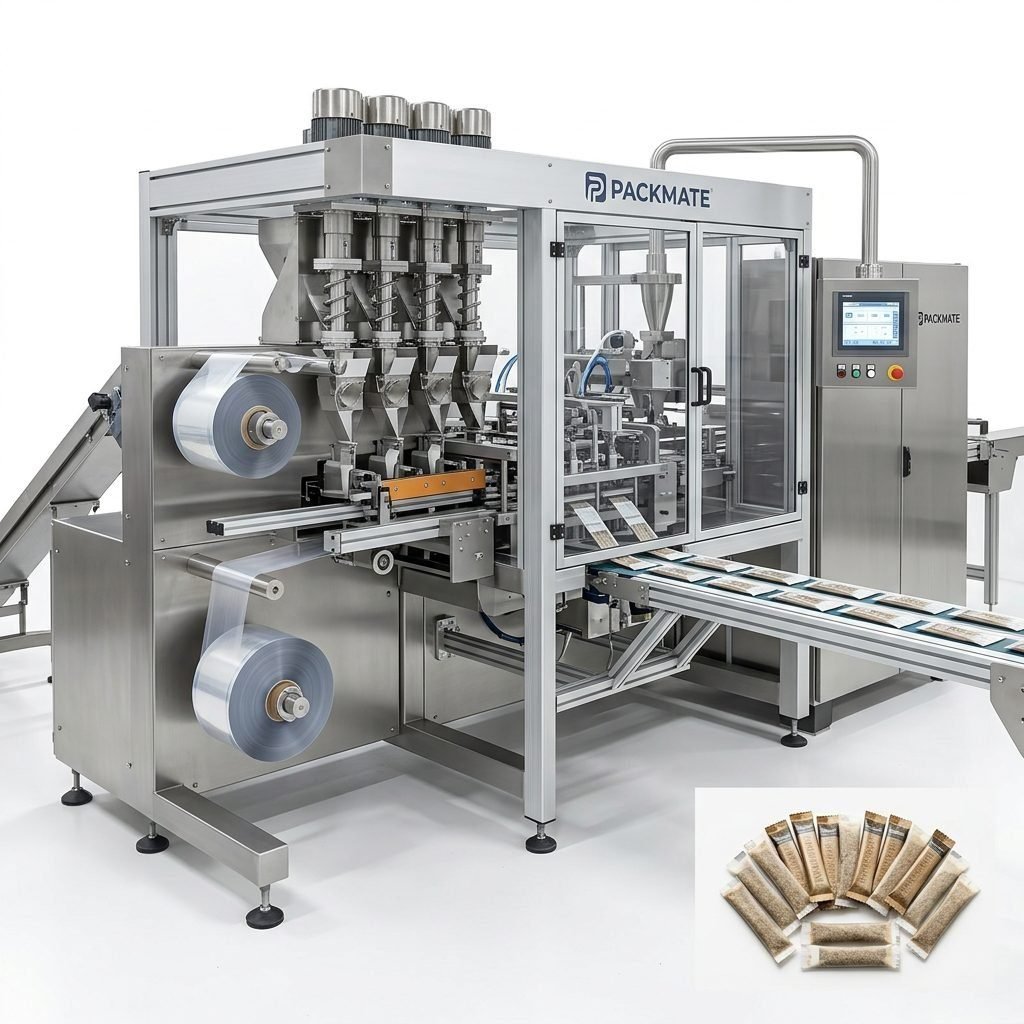
Request factory photos, video factory tours, and references. If available, review the supplier’s case studies and exhibition history to confirm real-world performance. You can learn more about a manufacturer’s product range at their product pages such as Snus & Nicotine Packaging Machines and Sachet & Stick Pack Machines.
Step 2 — Match Machine Type to Product & Volume
Different nicotine products and business models demand different packaging machines. Evaluate which machine aligns with your product format, daily output targets, and future scaling plans.
- Small-batch / Niche brands: Consider flexible stick-pack or single-lane snus packing machines for low volume and frequent changeovers.
- Medium to high volume: Multi-lane systems and high-speed sachet lines deliver higher throughput per square meter.
- Product types: If you produce powders, granules, liquids or nicotine pouches, confirm the supplier offers integrated Filling & Packaging Lines or weighing systems.
📌 Tip: Choose machines that permit quick tooling changes and have modular designs so you can adapt to market trends or new pouch sizes without a full line replacement.
Step 3 — Confirm Quality, Standards & Certifications
A trustworthy supplier provides international certifications and test records. CE and ISO compliance is a baseline for safety, reliability, and global regulatory alignment.
Ask for documented evidence of certifications, quality control procedures, and performance testing results. A supplier that lists Certificate information publicly generally demonstrates transparency and compliance.
Step 4 — After-Sales, Spare Parts & Local Support
After-sales service is often the deciding factor. In Liberia, long lead times for spare parts shipments can cause costly downtime. Prioritize suppliers who offer:
- Guaranteed spare parts availability and spare parts kits shipped with the machine.
- Remote diagnostics and training materials in English.
- Onsite commissioning and operator training at installation.
- Service contracts and planned preventive maintenance schedules.
✅ Non-negotiable: A clear warranty, parts lead-time agreement, and an escalation path for emergency support.
Step 5 — Request References & Real-World Cases
Ask for references in similar climates or industries. Case studies show how machines operate under pressure, how suppliers respond to problems, and what customization was possible. Many reliable manufacturers maintain public case pages — review them and ask for direct contact if needed. See examples at Case.
Questions to ask references
How long did installation take? Were yield and speed targets met? How responsive was after-sales support? Was spare part shipping timely? Answers to these will reveal the supplier’s real capabilities.
Step 6 — Logistics, Import & Local Requirements
Plan logistics early: machine crating specs, customs documentation, and freight insurance. Ask your supplier for an export packing list, CE/ISO certificates, and recommended crating for tropical transit.
Consider local approvals or labelling laws in Liberia before finalizing design choices. Engage a local customs broker familiar with heavy machinery clearance at the Freeport of Monrovia to avoid surprises.
Step 7 — Pricing, Payment Terms & Contracts
Price is important but should not be the only factor. Compare total cost of ownership: installation, spare parts, training, local adaptation, and energy consumption all affect long-term cost.
- Negotiate clear payment milestones tied to delivery, FAT (Factory Acceptance Test), and SAT (Site Acceptance Test).
- Ask for inclusive quotes: freight, export documentation, packing, and optional training/service fees.
- Ensure warranty clauses are explicitly stated with response times for parts and service.
Step 8 — Factory Acceptance Test (FAT) & Site Acceptance Test (SAT)
FAT and SAT are critical. FAT verifies machine performance at the supplier’s site before shipment; insist on video demonstration or an in-person FAT when possible. SAT confirms performance after installation in Liberia. Both should measure throughput, sealing quality, pouch integrity, and downtime metrics.
⚠️ Warning: Shipping a machine without a documented FAT often leads to long, expensive adjustments at your site.
Step 9 — Installation, Training & Local Capacity Building
Ensure the supplier provides structured training for engineers and operators. Training should include preventive maintenance, troubleshooting, PLC/HMI basics, and recommended spares inventory. A supplier with multilingual manuals and video tutorials will shorten the learning curve.
Look for suppliers who commit to transfer knowledge and help you build local maintenance capacity — this reduces downtime and dependence on overseas engineers.
Evaluating Packmate as a Potential Supplier
Based on the reference profile, Packmate Snus Machine offers distinct advantages for the Liberian market:
- 30+ years of engineering experience and 20,000㎡ factory area indicate strong manufacturing capacity.
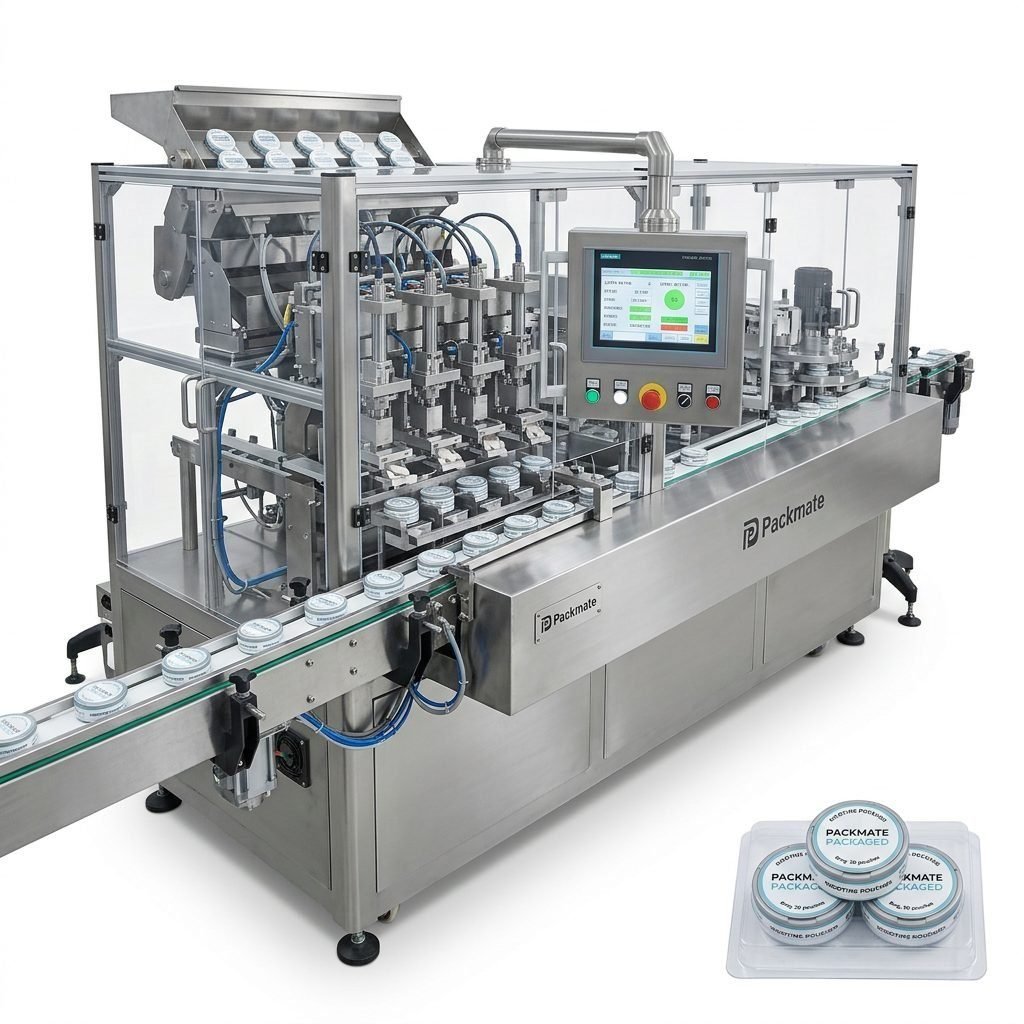
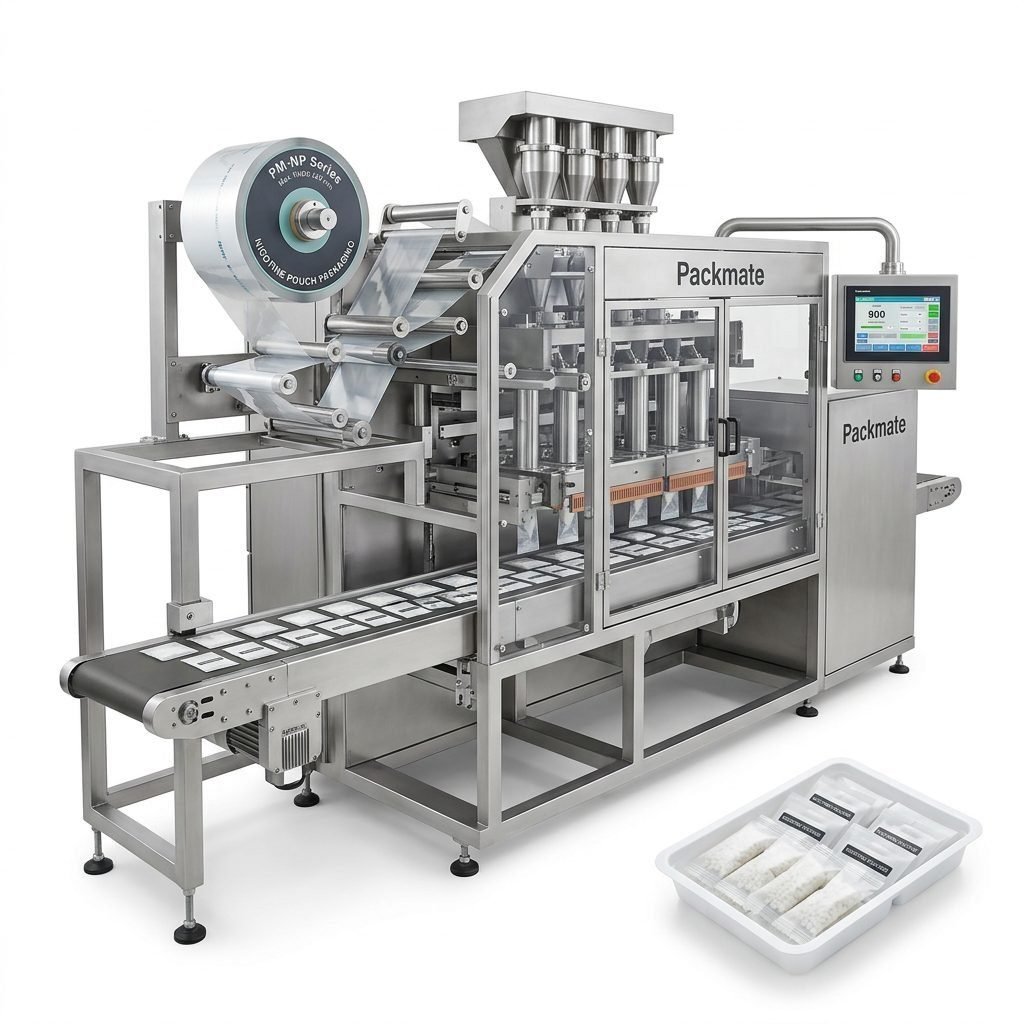
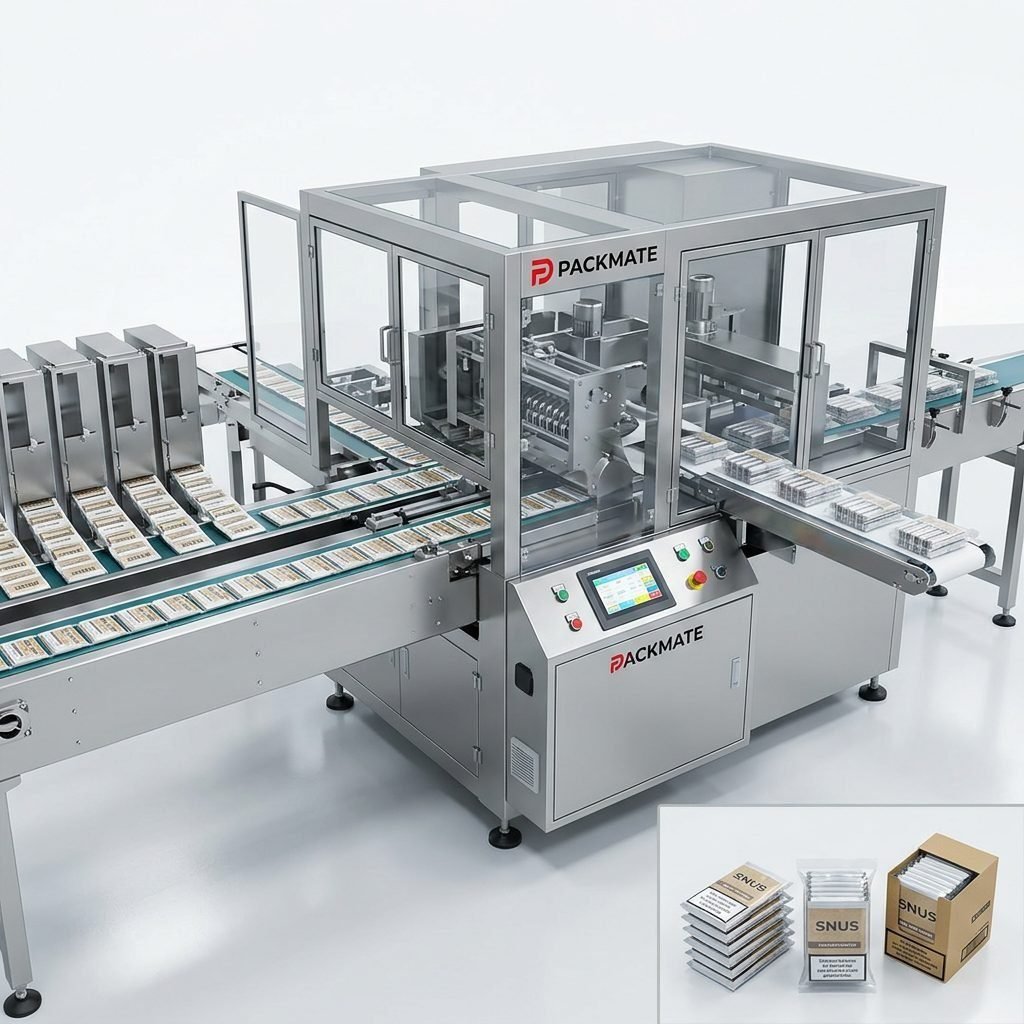
- 50+ machine models including snus and nicotine pouch-specific solutions, which helps match product formats and volumes.
- Advanced CNC and precision assembly systems support machine durability — important in humid climates.
- CE and ISO compliance indicates global standards alignment.
To explore Packmate’s offerings and learn more about specific machines, visit their product lines such as Bag & Pouch Packaging Machines and consider their About Packmate page for company background.
Checklist Before Signing
📌 Pre-signing checklist:
- Detailed machine specifications and spare parts list.
- FAT plan, acceptance criteria and timelines.
- Warranty, response times and service channel details.
- Complete pricing including freight, local taxes, and installation.
- Training plan for local staff and documentation language.
Negotiation & Long-Term Partnership Tips
Building a long-term relationship with a supplier gives advantages: priority support, better pricing for spare parts, and collaborative product improvements. Treat initial purchases as pilot projects — aim to scale with the same supplier if performance meets your expectations.
When negotiating, emphasize clear KPIs for uptime, yield, and energy consumption. Consider incremental purchases: start with one line and expand once the supplier proves reliability in Liberia’s environment.
Useful Resources & Contact Points
Before final decisions, review supplier catalogs, FAQ pages for technical clarifications and exhibition records to see live demos. Packmate lists useful resources such as Catalog, FAQs, and an Exhibition schedule where you can view machines in action.
Final Thoughts
Selecting the best nicotine packaging machinery supplier in Liberia requires holistic evaluation: factory capability, machine suitability, certifications, local adaptation, logistics, and strong after-sales support. Prioritize suppliers who demonstrate proven performance in similar climates, provide clear FAT/SAT procedures, and are committed to building local capacity.
Next steps
Start by compiling your product specs, expected daily output, and budget. Request detailed proposals including FAT plans and spare parts lists from shortlisted suppliers. If needed, contact potential suppliers directly through their contact pages such as Contact Us to arrange factory tours or remote demonstrations.
Frequently Asked Questions
Q1: How do I ensure a machine performs well in Liberia’s humid climate?
A1: Choose machines with stainless or treated metal parts, sealed electrical cabinets, humidity-resistant gaskets, and request supplier testing under similar environmental conditions during FAT. Also arrange for climate control in your production area where possible.
Q2: What is the typical lead time for spare parts to Liberia?
A2: Lead times vary by part and supplier location. For critical spare parts, request the supplier stock a parts kit with the machine or ship via express freight. Confirm typical shipping transit times to the Freeport of Monrovia during negotiations.
Q3: Should I visit the supplier’s factory before buying?
A3: A factory visit is ideal for high-value purchases. If travel is not feasible, request a live video FAT and virtual walkthroughs, and ask for references you can contact directly.
Q4: How do I manage training for operators and technicians?
A4: Insist on a supplier-provided training package including onsite commissioning, operator manuals in English, troubleshooting guides, and remote training sessions. Build a local maintenance plan that includes periodic refresher training.
Q5: Where can I view product catalogs and technical details?
A5: Visit the supplier’s catalog and product pages for specifications, examples and downloadable materials — for example, the Packmate catalog and product lines contain detailed machine sheets and case studies.