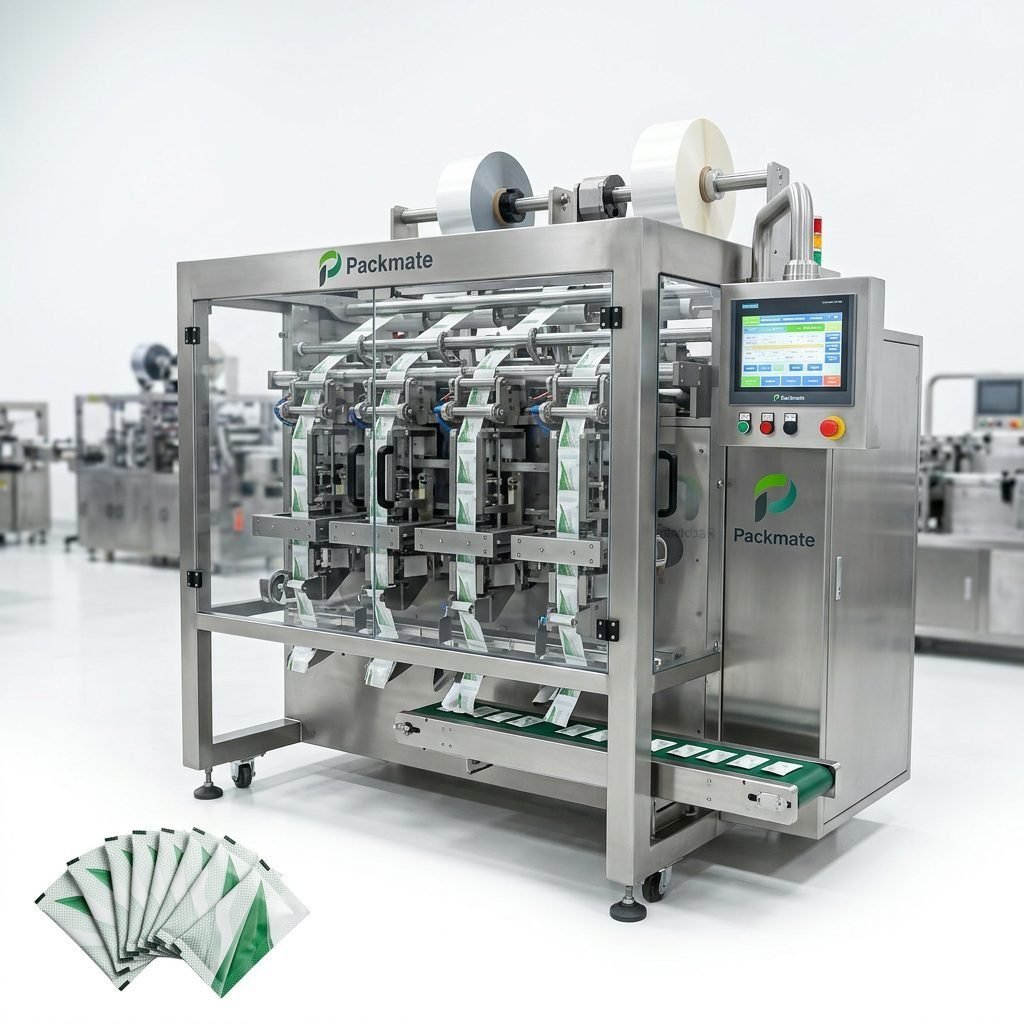
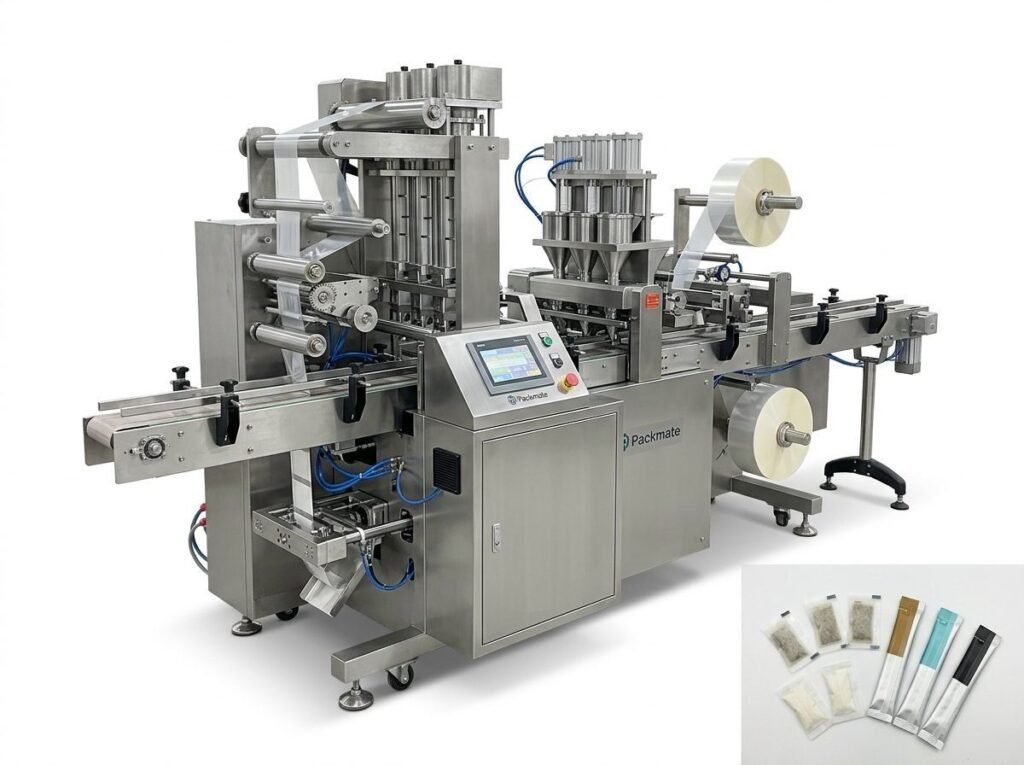
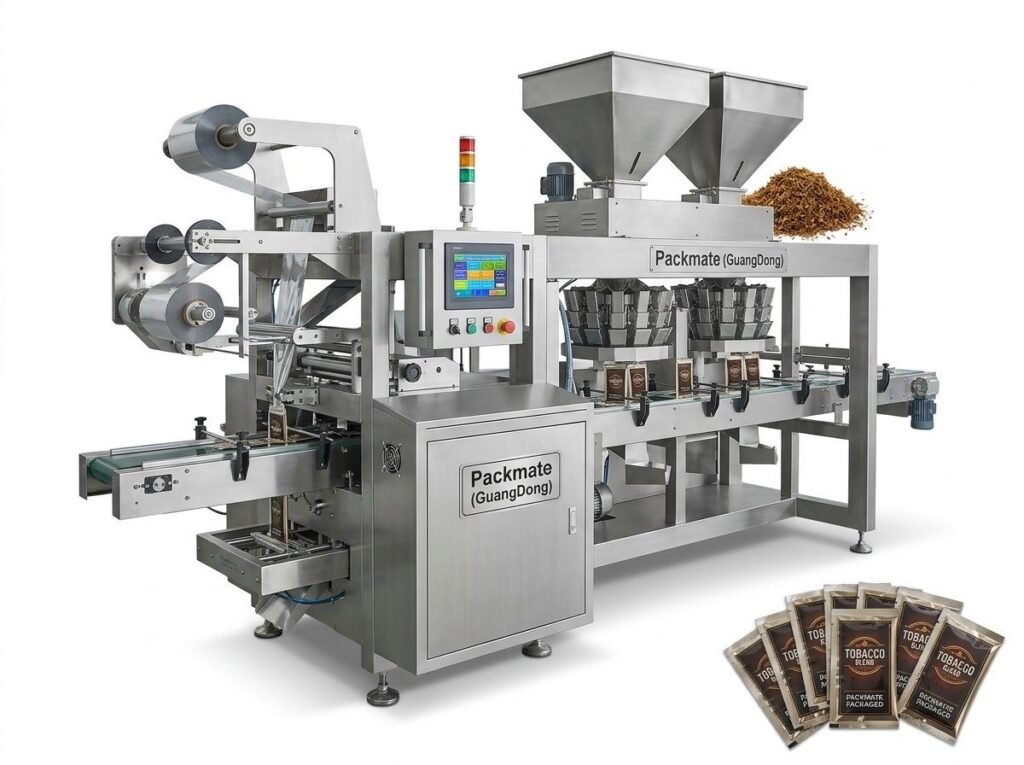
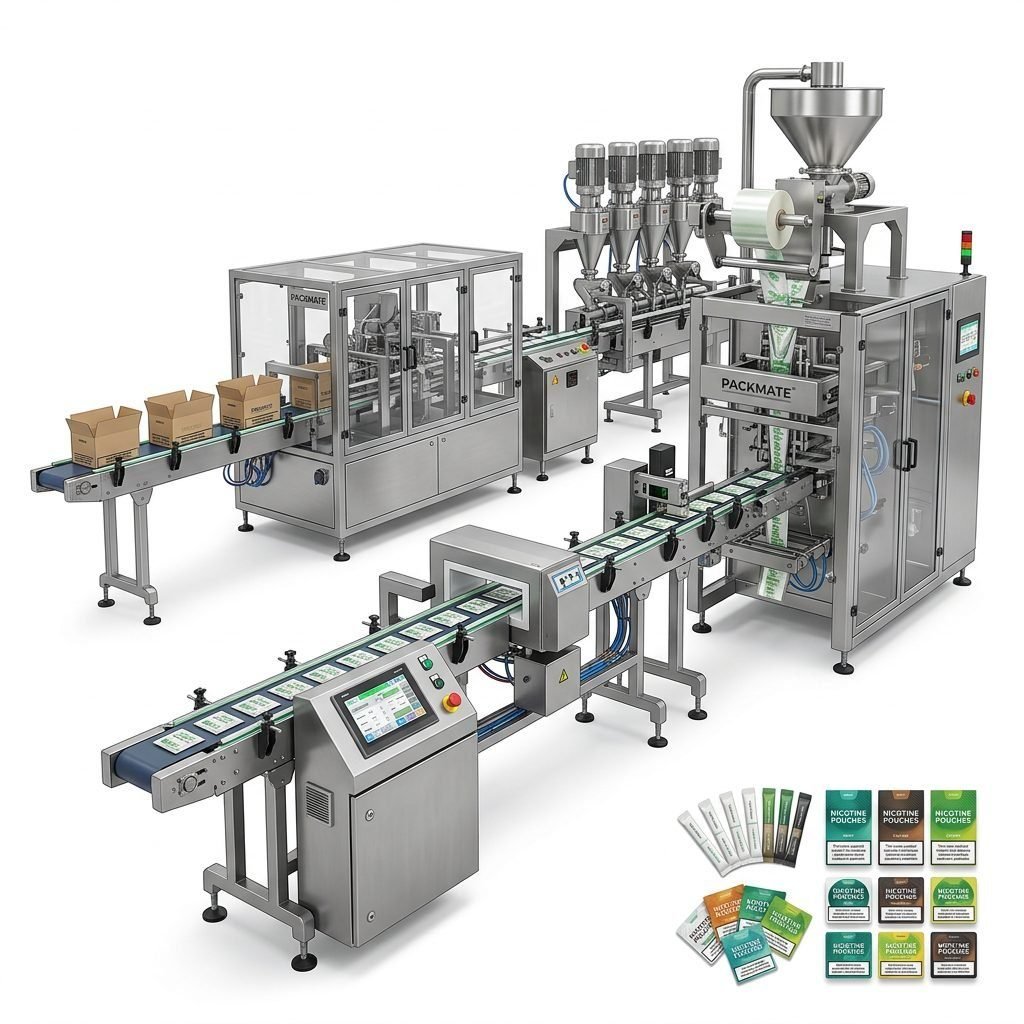
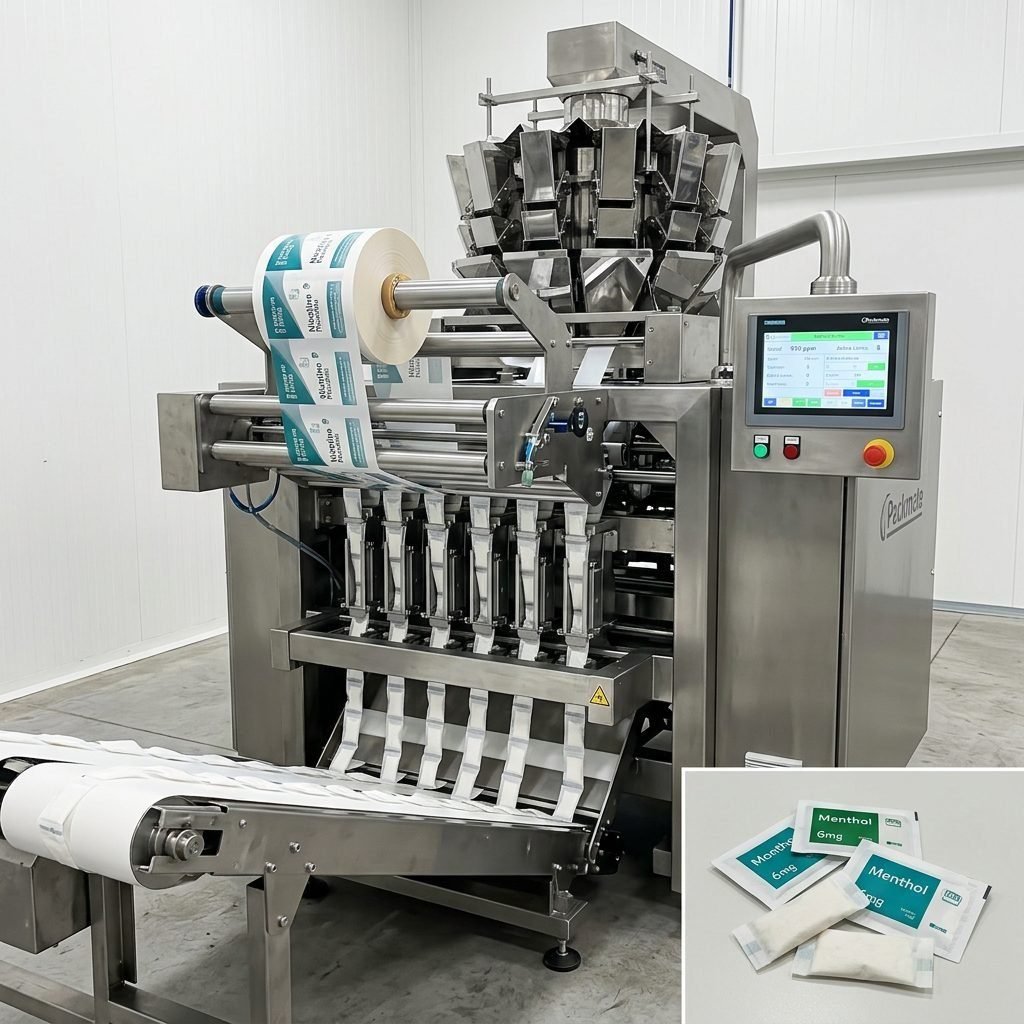
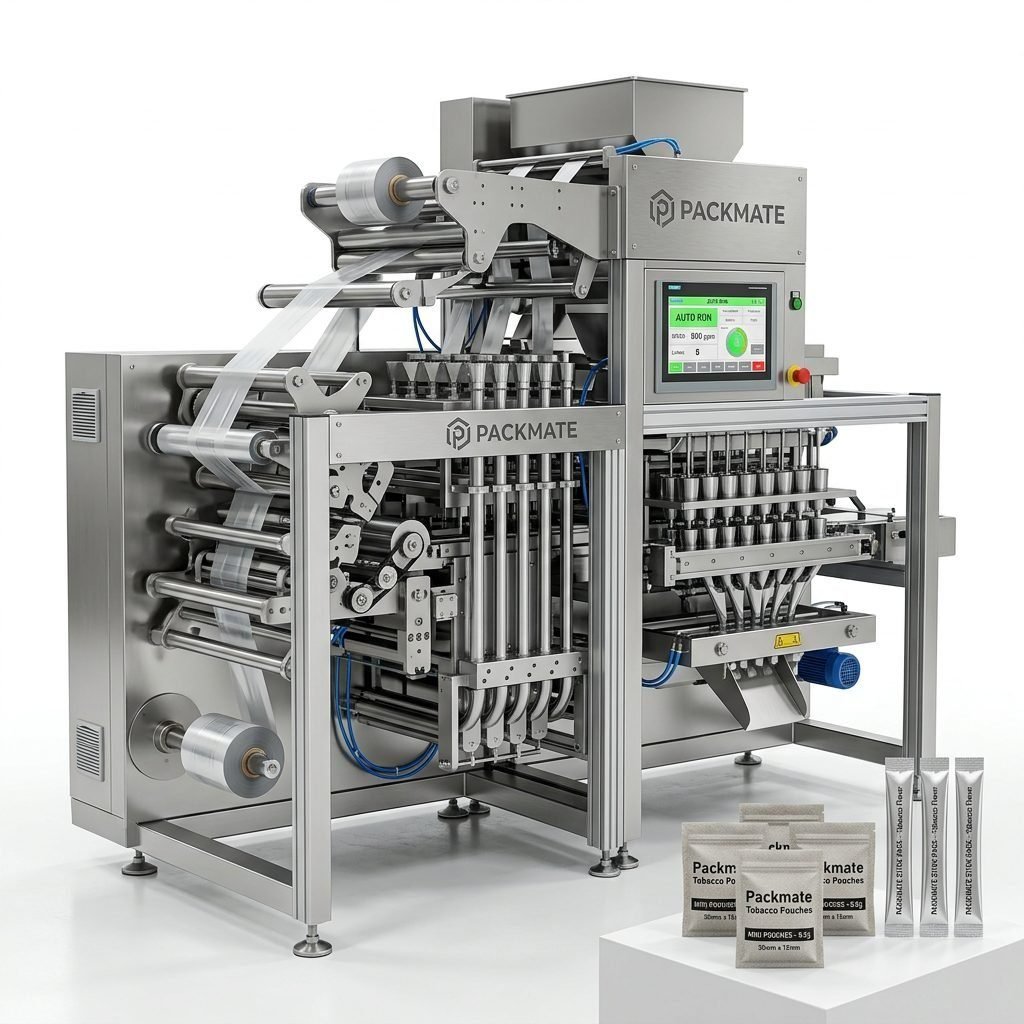
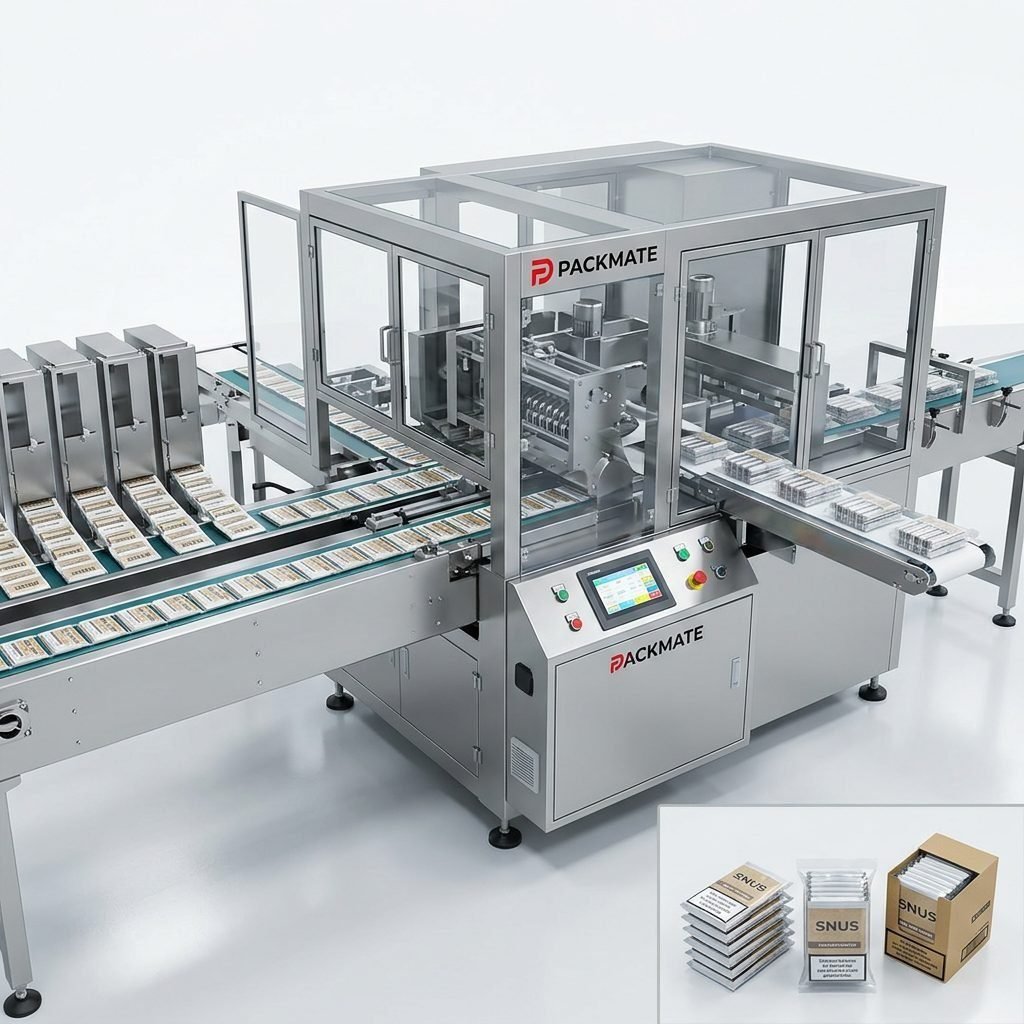
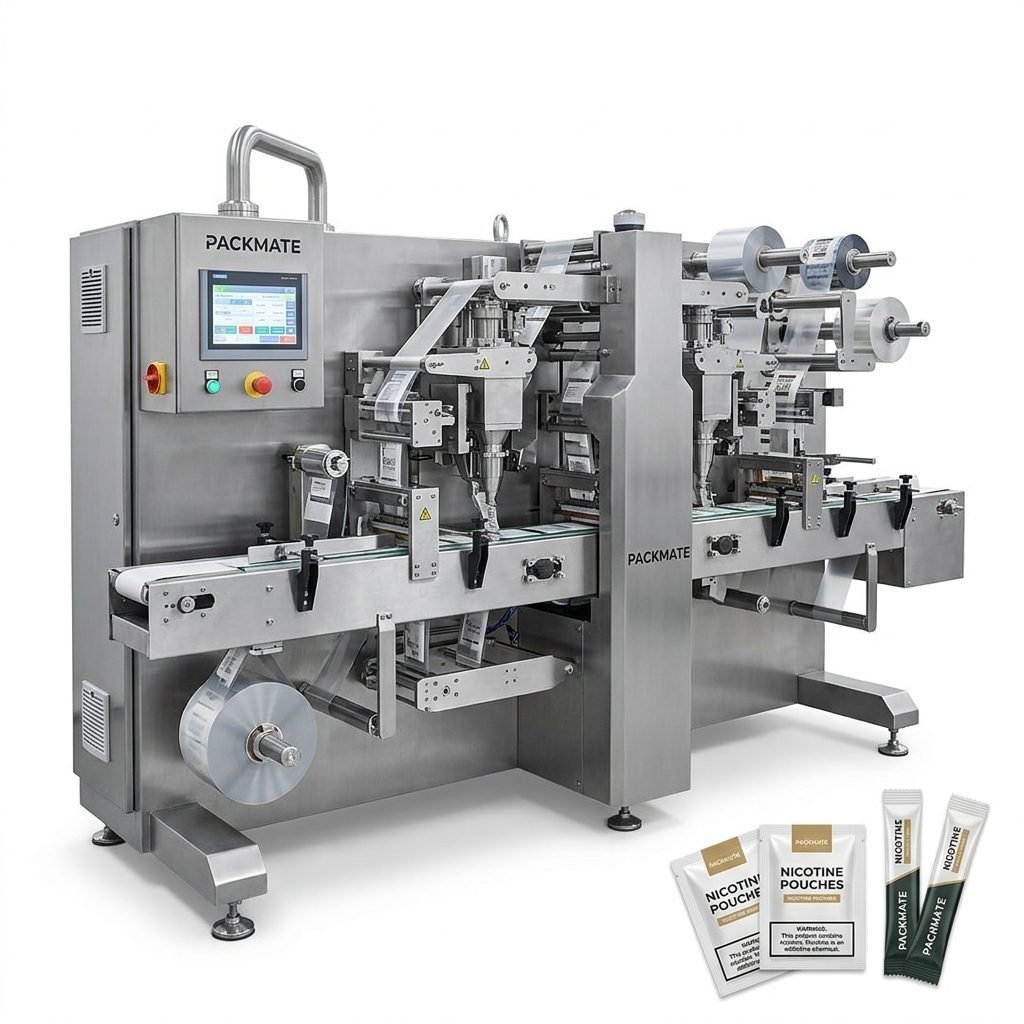
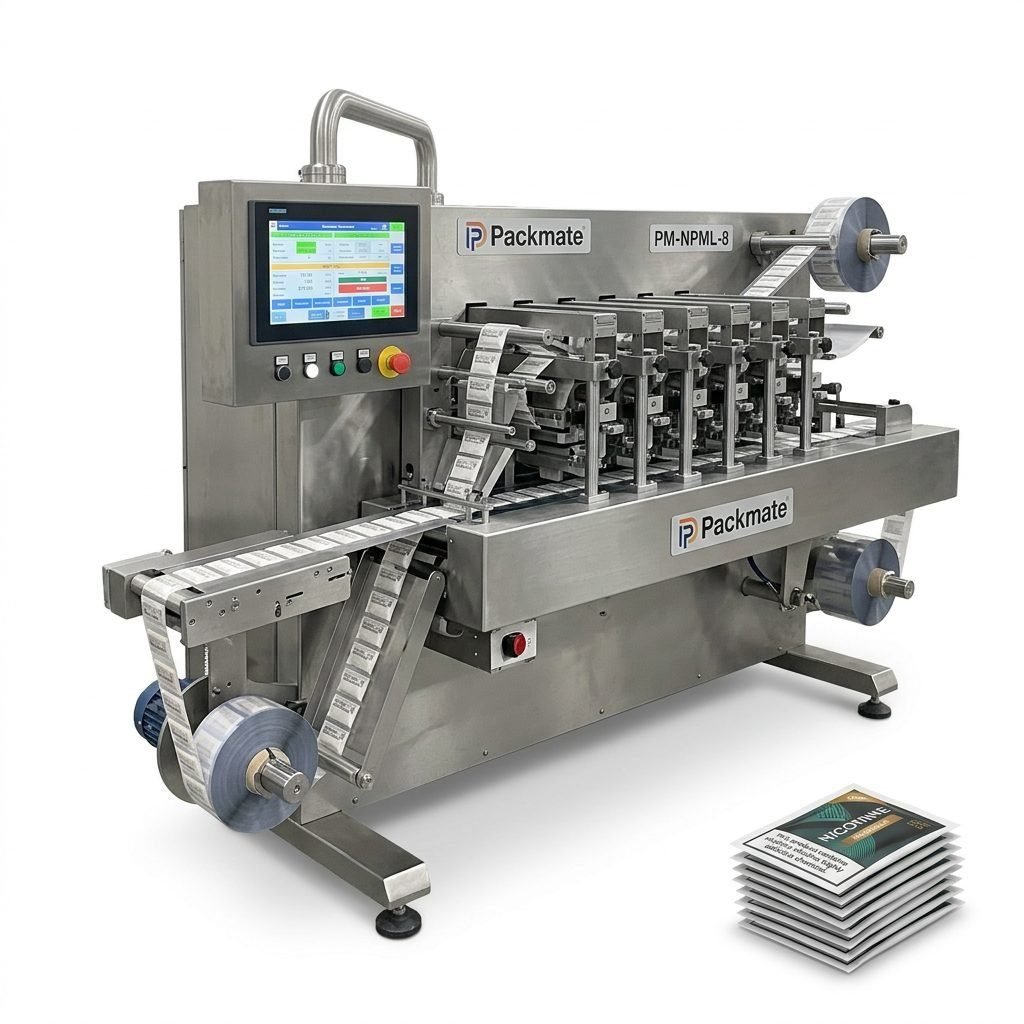
Choosing the right supplier for nicotine packaging machinery in Lebanon is a strategic decision that affects product quality, regulatory compliance, production uptime, and long-term costs. This guide walks you through practical steps, evaluation criteria, and local considerations to help manufacturers, contract packers, and distributors in Lebanon select a reliable partner for snus and nicotine pouch packaging lines.
Understand Lebanon’s Market & Local Nuances
Lebanon’s market is characterized by a mix of small-batch artisanal producers and rising demand from regional distributors. Import logistics typically flow through the Port of Beirut or Tripoli, and you should factor in customs clearance times and local taxes. Business interactions often value personal relationships, timely communication in English and Arabic, and flexible payment arrangements. Pay attention to consumer preferences in the region: flavored nicotine pouches and small-dose multi-lane formats are becoming popular across nearby markets.
Key Technical Requirements to Define First
Before contacting suppliers, prepare a clear specification sheet. Include:
- Production capacity (pouches/minute and daily throughput)
- Pouch formats (stick pack, sachet, nicotine pouch sizes)
- Filling types (powder, paste, granules, liquid)
- Automation level and integration needs (weighing, conveying, case packing)
- Regulatory and traceability requirements for export markets
Why these details matter
These parameters determine whether you need a multi-lane high-speed line (for large volumes) or a more flexible single/multi-format line for varied SKUs. Suppliers who specialize in snus & nicotine packaging will offer optimized solutions for low-dose nicotine pouches and small sachets — consider checking specialized product lines like Snus & Nicotine Packaging Machines.
Evaluate Supplier Capabilities
Not all packaging machine manufacturers are equal. Use these criteria to evaluate suppliers rigorously.
Engineering & Manufacturing Strength
Look for a supplier with strong manufacturing infrastructure: CNC machining, precision assembly lines, and a sizable production area. Suppliers like Packmate emphasize a 20,000㎡ factory with advanced CNC centers — evidence of consistent part quality and production capacity.
Product Range & Customization
The ideal partner offers a wide model range and proven turnkey solutions. Inspect product pages such as Bag & Pouch Packaging Machines and Sachet & Stick Pack Machines to evaluate if they have lines matching your specs.
Quality Standards & Certifications
Ensure the supplier complies with international standards: CE and ISO certifications are must-haves for safety and export access. Verify certificates and request factory test reports before purchase. You can review supplier credentials on pages like Certificate.
Service, Spare Parts & After-Sales Support
After-sales support is core to minimizing downtime. In Lebanon, remote troubleshooting and rapid spare parts shipping are critical due to sometimes unpredictable port lead times. Check whether the supplier offers:
- Local or regional service partners
- Spare parts kits and lead times
- Training programs for operators and maintenance staff
- Remote diagnostics and software updates
🔶 Key tip: Ask for service response times to Beirut/Tripoli and a spare parts inventory list. Confirm whether installation and training are included in the quote.
Factory Visits, Factory Acceptance Tests (FAT) and References
A pre-shipment Factory Acceptance Test (FAT) demonstrates machine performance under real load. Arrange to witness FAT either in-person or via livestream. Also, request customer references from similar markets — suppliers who operate globally often provide case studies; see Case examples.
What to check during FAT
Verify speed, pouch integrity, fill accuracy, film sealing quality, and reject handling. Confirm that changeovers are as fast as quoted and inspect electrical panels for compliance with Lebanese voltage and safety norms.
Total Cost of Ownership (TCO) vs. Purchase Price
The cheapest quote is rarely the best long-term option. Factor in installation costs, spare parts, consumables, training, warranty terms, energy consumption, and expected maintenance intervals. A reliable supplier will provide lifecycle cost estimates and mean time between failures (MTBF) data.
Financing & Payment Terms
Many suppliers offer staged payments: deposit, FAT, and final payment on acceptance. In Lebanon, importers often negotiate letters of credit or escrow arrangements to reduce risk. Confirm lead times and shipping schedules before finalizing payment terms.
Integration with Your Production Line
Evaluate how the new machine integrates with upstream and downstream equipment: weighing systems, feeding conveyors, case packers, and labeling lines. Suppliers that provide complete lines (filling, weighing, packaging) make integration smoother — review integrated offerings such as Weighing & Packaging Systems and Filling & Packaging Lines.
Automation & Software
Modern lines use PLCs, HMI touchscreens, and recipe management to reduce changeover time and errors. Request screen demos, network compatibility, and whether the supplier provides remote monitoring tools for predictive maintenance.
Legal & Regulatory Considerations in Lebanon
Nicotine products face regulatory scrutiny in many markets. For Lebanon, consult local regulations concerning product labeling, ingredient disclosure, and import restrictions. If you plan to export, ensure the supplier’s equipment supports traceability and batch coding to meet international standards.
⚠️ Compliance reminder: Ask suppliers for assistance with labeling equipment, batch coding, and software that supports export documentation.
Cultural & Business Practices to Respect
Lebanese businesses value timely face-to-face communication and trust. When possible, schedule factory visits or meet at regional exhibitions. Suppliers who participate in global events and invite buyers to live demos often demonstrate transparency and confidence — check exhibition histories on Our Exhibition.
Checklist: Questions to Ask Potential Suppliers
Use this checklist during supplier evaluation:
- 🔶 What is the machine’s tested speed with my product format?
- ✅ Can you provide FAT videos and customer references in similar markets?
- 🔶 What are warranty terms and spare part lead times?
- ✅ Do you offer training, installation, and on-site commissioning?
- 🔶 Are the machines compliant with CE/ISO and export-ready documentation?
Making the Final Decision
Balance technical fit, TCO, lead time, and service availability. A strong candidate will provide clear technical data, FAT evidence, customer references, and a reasonable TCO projection. If you need turnkey capabilities or multi-line integration, prioritize suppliers who demonstrate system-level expertise and global delivery experience.
Why consider Packmate for Lebanon?
Packmate Snus Machine specializes in snus and nicotine pouch solutions, with over 30 years of engineering experience and a broad product range of 50+ machine models. Their factory strength, certifications, and global turnkey experience make them a candidate worth evaluating — see About Packmate and Service for more details.
Step-by-step Selection Roadmap
- Define production requirements and product specifications.
- Shortlist 3–5 suppliers with proven nicotine pouch experience.
- Request detailed quotes, FAT schedules, and references.
- Perform FAT and negotiate warranty, spares, and service contracts.
- Plan installation, training, and spare parts stocking for Lebanon imports.
🔶 Final reminder: Prioritize suppliers who offer evidence of performance, robust after-sales support, and clear documentation for customs and export.
Next Steps & Useful Links
Begin by refining your specification sheet and contact trusted suppliers for FAT schedules. Useful resources include product catalogs and contact pages — for direct inquiries, consult Catalog and Contact Us.
Keep these priorities top of mind
Reliability, compliance, and after-sales responsiveness will be the pillars of a successful long-term partnership when sourcing nicotine packaging machinery for Lebanon.
Frequently Asked Questions (FAQs)
Q1: How long does it take to receive and commission a snus packaging line in Lebanon?
Typical lead times vary by model and customization but expect 8–16 weeks for production plus shipping and customs clearance. Add 1–3 weeks for on-site installation and commissioning depending on complexity.
Q2: What spare parts should I stock locally?
Keep critical items like sealing jaws, belts, sensors, and common electrical spare modules. Ask your supplier for a recommended spare parts kit and typical MTBF information.
Q3: Can machines be adapted for multiple pouch formats?
Yes. Many modern lines offer modular change parts and recipe-based HMI control to support different formats. Confirm changeover times and availability of format kits before purchase.
Q4: How do I verify supplier claims about speed and accuracy?
Request FAT under your product conditions, ask for video evidence, and speak with references who run similar products. You can also request an on-site trial at your facility where feasible.
Q5: What compliance documentation is typically provided?
Suppliers generally provide CE certificates, ISO documentation, electrical schematics, calibration reports, and user manuals. Ensure export documentation and packing lists are complete for Lebanese customs.