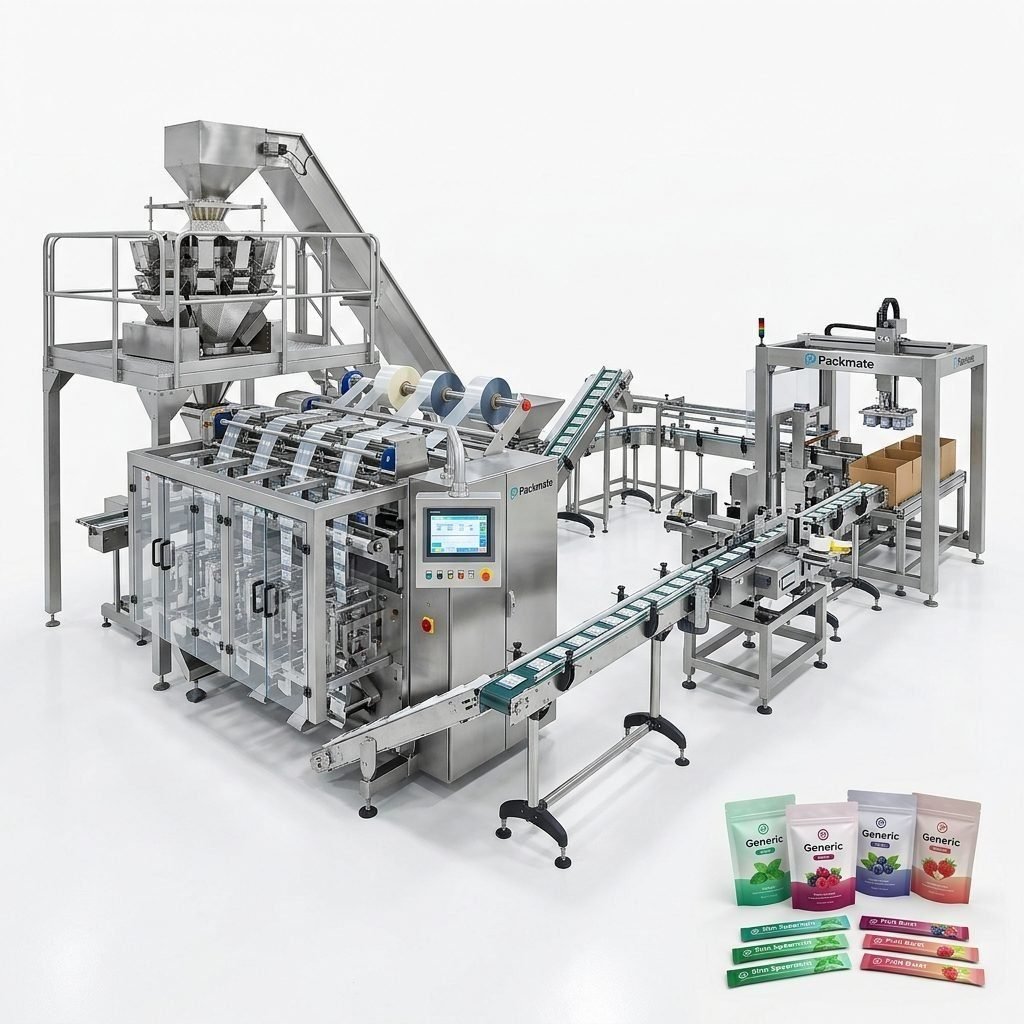
Choosing the right nicotine packaging machinery supplier for your Costa Rica factory is a strategic decision that affects production efficiency, regulatory compliance, and long-term costs. Whether you are scaling up a local snus or nicotine pouch brand, or launching a new product line for Central American distribution, this guide walks you through practical steps, local considerations, and supplier evaluation criteria to help you make a confident, well-informed purchase.
Understand Costa Rica’s Market & Local Customs
Costa Rica has a unique combination of consumer preferences and regulatory realities. Local buyers appreciate high quality, sustainable packaging, and clear Spanish labeling. Business culture tends to be friendly and relationship-focused — known locally as “pura vida” — so investing time in supplier trust and reliable communication is valuable. Many factories rely on imported equipment, often through the ports of Limón or Puntarenas, and benefit from the country’s stable electricity and skilled technical workforce. Keep in mind that any nicotine product must comply with national health regulations and labeling rules, so discuss regulatory support and documentation with potential suppliers.
Key local considerations
✓ Language: Spanish documentation and training are often required. Ask if the supplier can provide Spanish manuals and on-site translators for installation and training.
✓ Environmental expectations: Costa Rican customers value eco-friendly materials and lower energy machines.
✓ Logistics: Plan for customs clearance times and local taxes; reliable shipping partners reduce downtime.
✓ Cultural approach: Build vendor relationships through respectful communication and site visits when possible.
Define Your Production Needs Clearly
Before contacting suppliers, document your production targets and product specifications. Key items to list include daily output (pouches per minute and shift length), pouch formats (stick, sachet, multi-lane), product types (moist snus, nicotine pouches, powders), packaging materials, and desired automation level. Knowing these details helps suppliers propose machines that fit your footprint and budget.
Essential technical specs to prepare
➤ Target output (pieces/minute and daily capacity)
➤ Pouch dimensions and materials (e.g., laminated films, paper, foil)
➤ Fill weight tolerance and product flow characteristics
➤ Cleanroom or hygiene requirements for production areas
➤ Power supply, air requirements, and available factory layout
Evaluate Supplier Expertise & Track Record
Look for a supplier with deep domain knowledge in nicotine and snus packaging. A reputable manufacturer will offer a range of proven models, international certifications, and real-world installations. Check factory capacity, years of engineering experience, and case studies that demonstrate long-term machine performance.
What to verify
• Company history and manufacturing footprint (size of facility, CNC capability, assembly lines)
• Certifications like CE and ISO indicating international compliance
• Client references and installation cases in regions with similar logistics or regulations
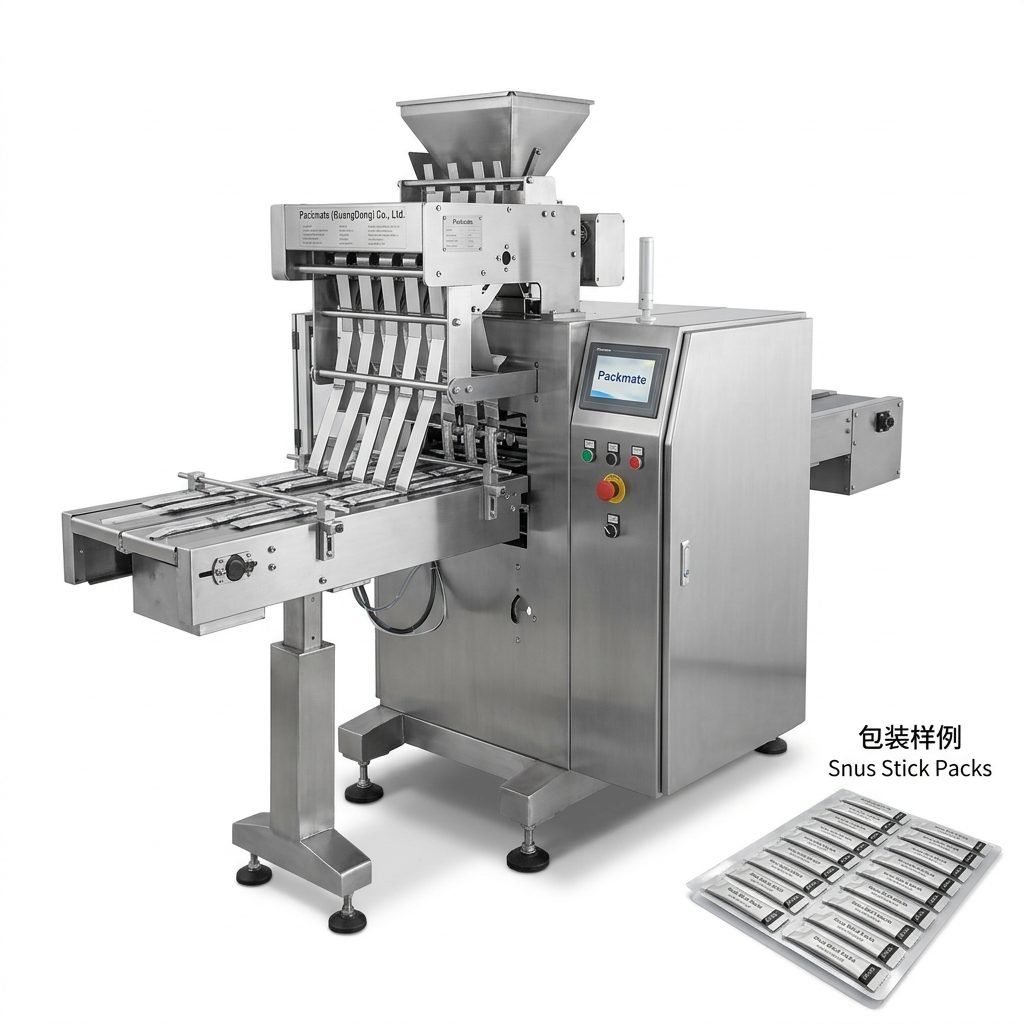
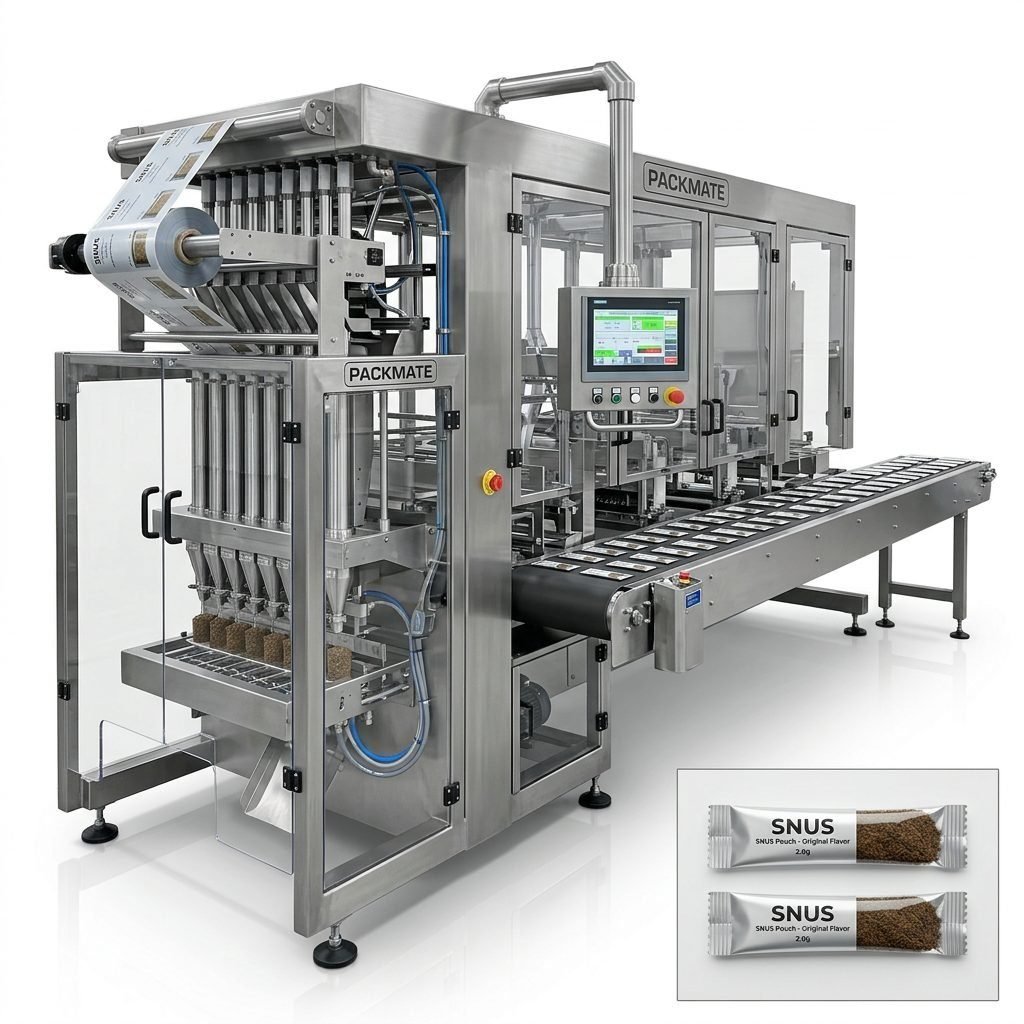
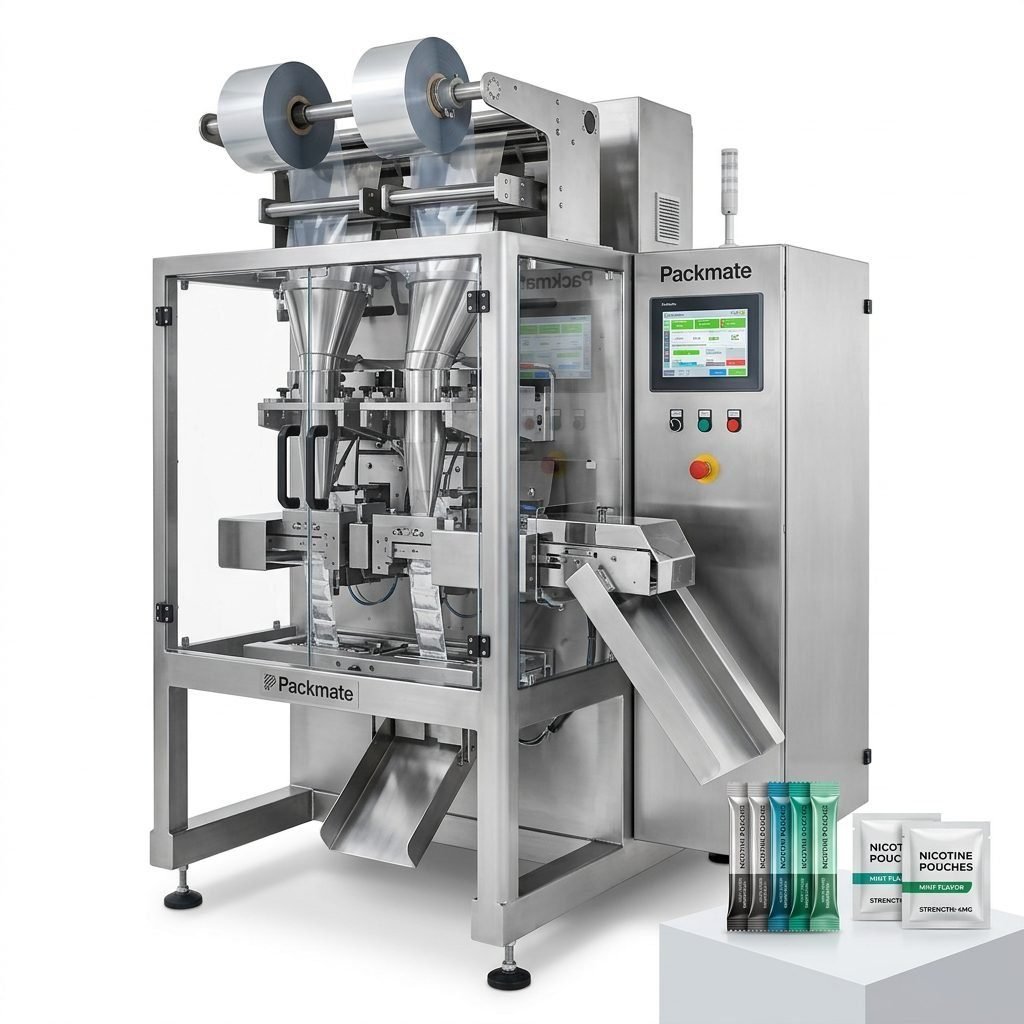
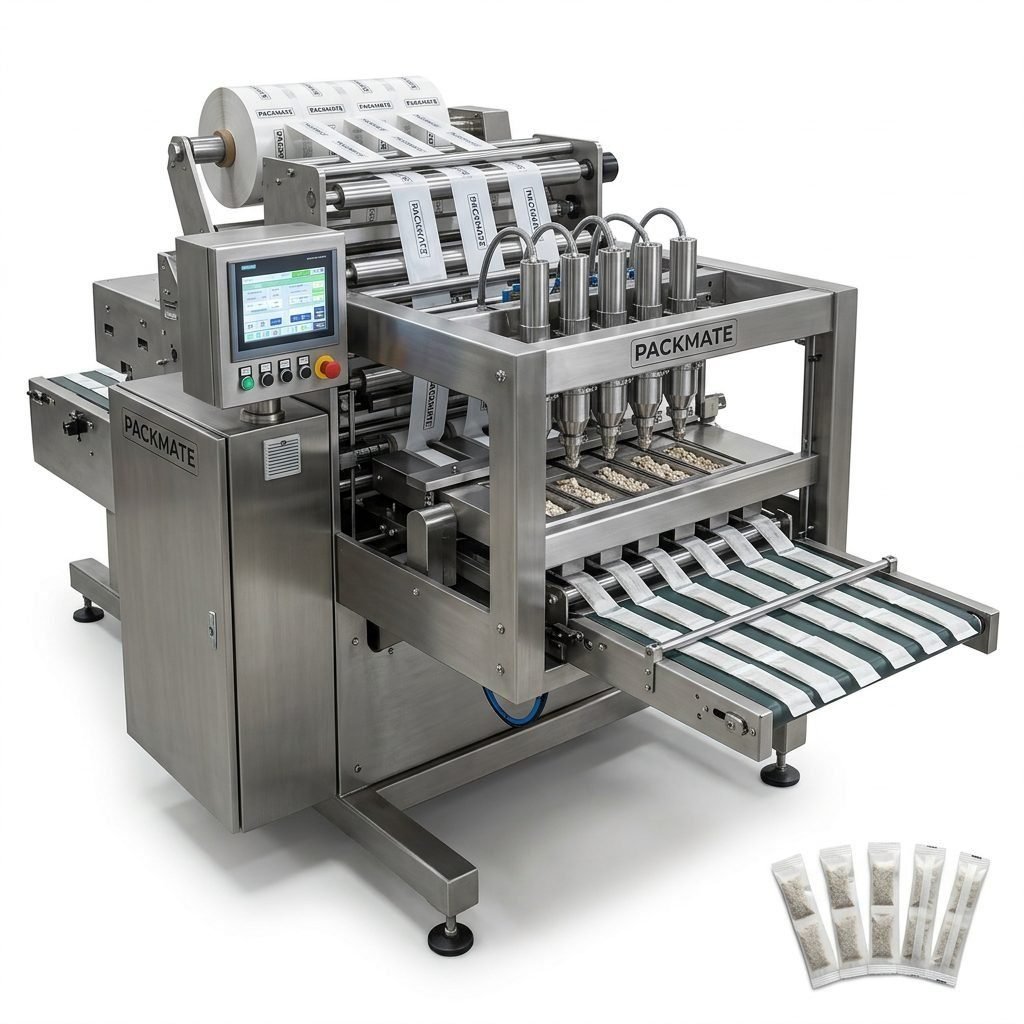
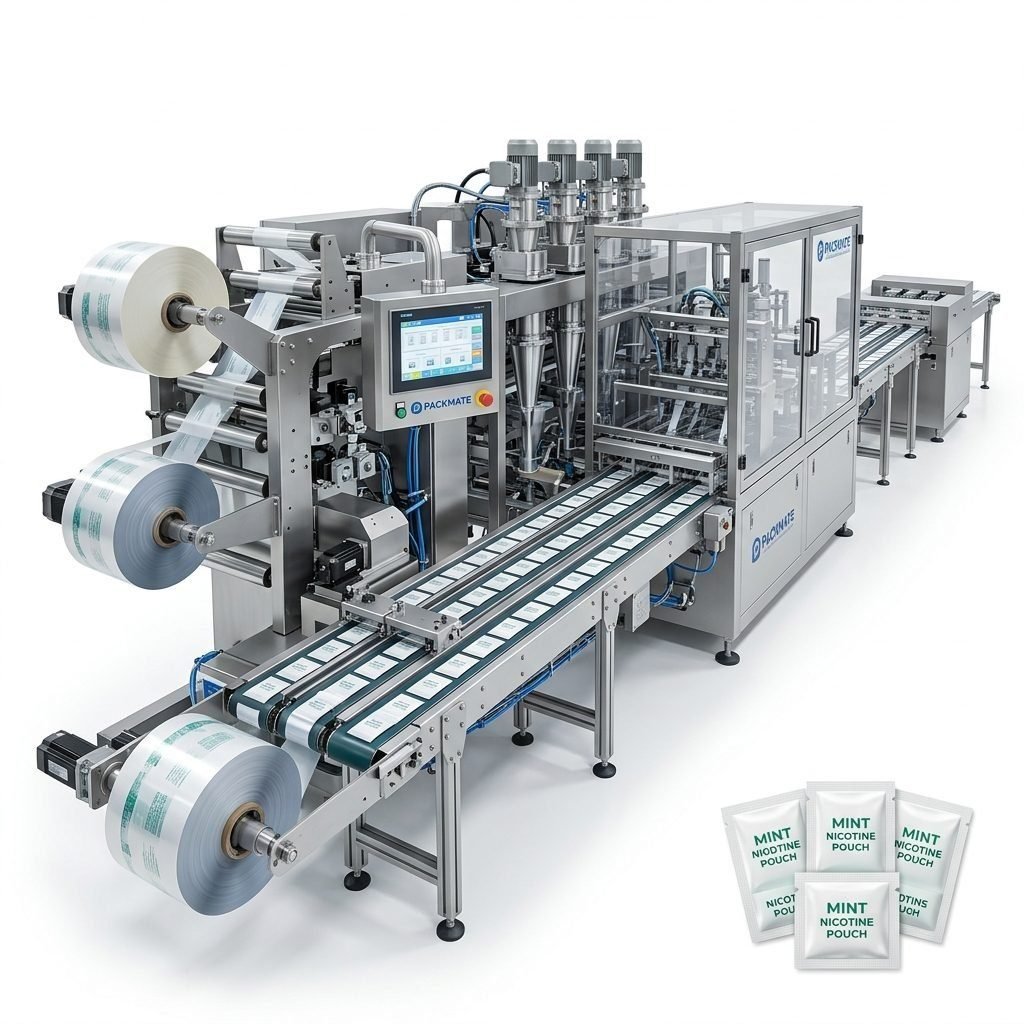
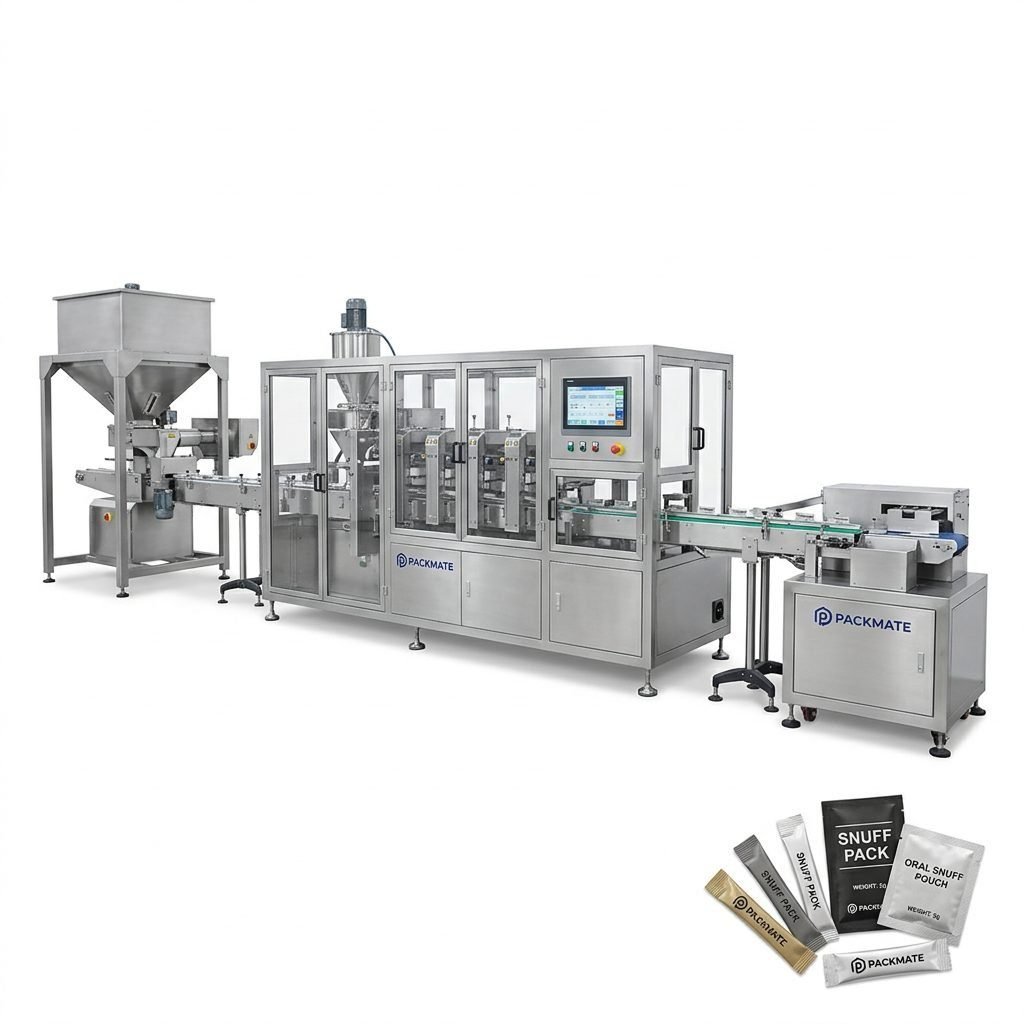
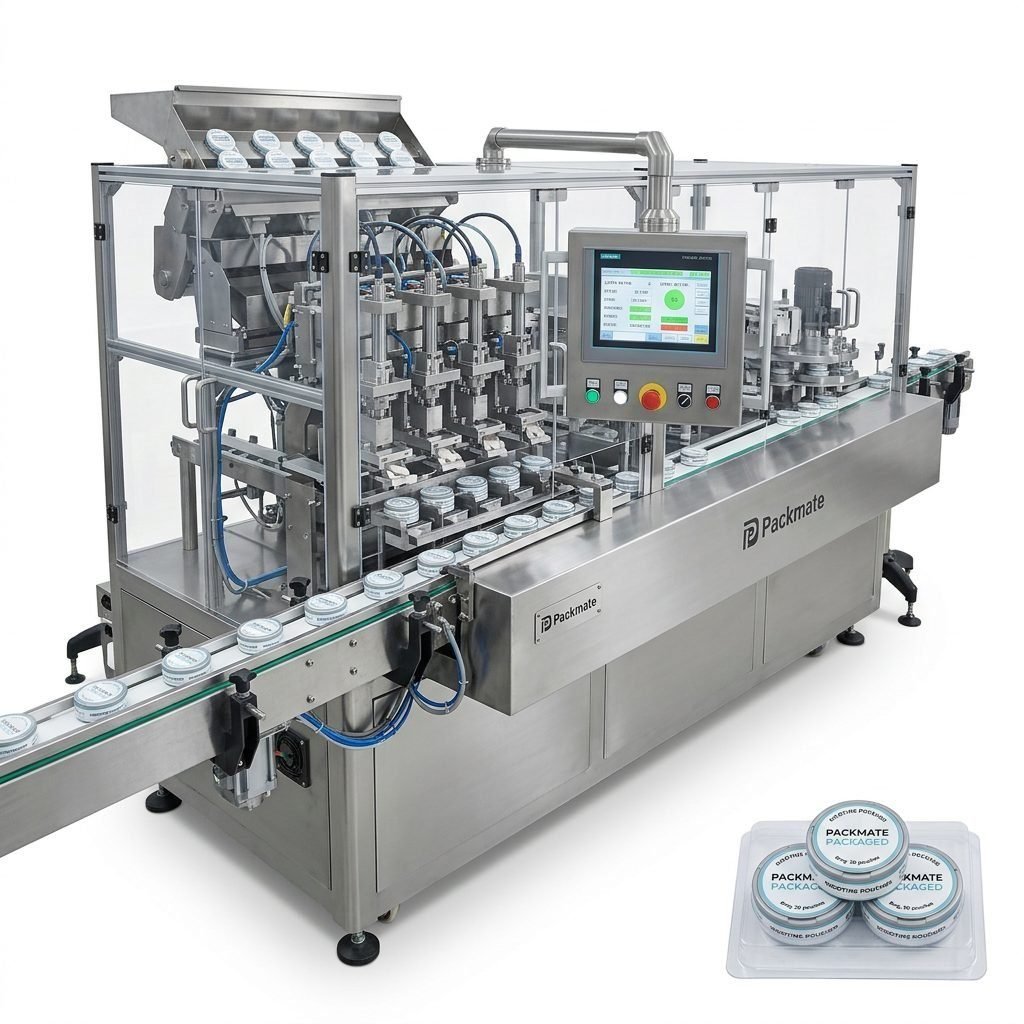
For example, a supplier experienced with snus and nicotine pouch lines and offering turnkey solutions demonstrates the ability to coordinate filling, weighing, and multi-lane packaging systems. See product ranges and case examples from specialized manufacturers such as Snus & Nicotine Packaging Machines and explore additional lines like Sachet & Stick Pack Machines.
Inspect Machine Performance & Customization Options
Modern nicotine pouch production often requires flexible multi-lane systems and precise dosing. Ask suppliers for performance data, cycle time charts, and information about stability under continuous operation. Customization matters: different markets require varied pouch designs, labeling, and secondary packaging. Ensure the supplier can adapt machines to local pouch sizes, barrier materials, and printing or coding systems.
⚙️ Important customization checks:
– Can the machine handle your pouch film and seal parameters?
– Is the control system multilingual (Spanish/English)?
– Are spare parts standardized and available locally or from a regional warehouse?
Assess After-Sales Support, Training & Spare Parts
After-sales service is often the deciding factor. Ask about warranties, field service protocols, training programs, and spare parts lead times. Ideally, the supplier provides on-site commissioning and operator training in Spanish, detailed manuals, and preventative maintenance schedules.
Reliable suppliers maintain regional support networks or dedicated service teams that can travel for installation and troubleshooting. Check for documented case studies or a service portal. You can also review their Service offerings and customer support model.
Service & warranty checklist
➤ Standard warranty duration and what it covers
➤ Availability of local or regional engineers
➤ Training duration and language of instruction
➤ Spare parts list and typical lead times
➤ Remote support options (video calls, PLC remote access)
Verify Compliance & Documentation
Since nicotine products are regulated, ensure the supplier can provide full technical documentation to support regulatory approvals: electrical schematics, safety certificates (CE/ISO), material declarations for packaging films, and risk assessments. If your product will be exported, verify that the machine and documentation meet both Costa Rican and destination-country standards.
Explore a supplier’s credibility and documentation via their Certificate pages and company background (for example, see About Packmate).
Factory Visit & Acceptance Testing
If possible, visit the supplier’s factory or request a live machine demonstration at an exhibition. On-site visits reveal build quality, machining accuracy, and assembly practices. For remote customers, insist on live demo videos or virtual FAT (Factory Acceptance Tests) where the supplier runs your exact product and packaging film.
A proper acceptance test should include continuous-run stability, seal integrity tests, and sampling for your pouch type. After delivery, perform Site Acceptance Tests to confirm machine integration with your line.
Logistics, Installation & Local Integration
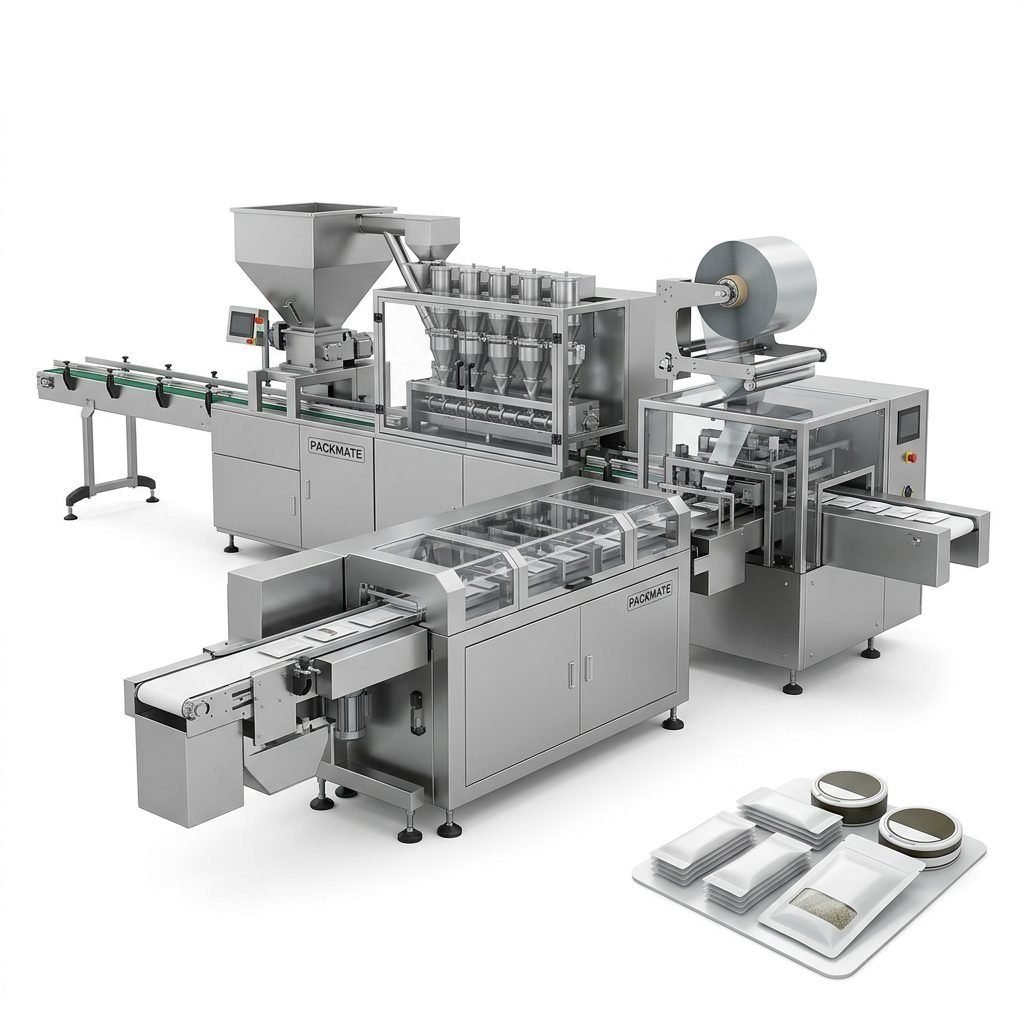
Factor in shipping to Costa Rican ports, customs clearance, and local transport to your factory. Confirm whether the supplier offers installation, crane or rigging assistance, and utility hook-ups. Many suppliers provide turnkey solutions that include auxiliary equipment such as weighing, conveyors, and sterilization systems — review their Weighing & Packaging Systems and Auxiliary Packaging Equipment.
Calculate Total Cost of Ownership (TCO)
Price is only one part of the equation. TCO includes energy consumption, spare parts, maintenance labor, downtime risk, and expected machine lifespan. Request data on power usage, mean time between failures (MTBF), and spare parts pricing to build a five-year cost model. Machines designed for high uptime and easy maintenance often justify a higher initial investment.
TCO components to include
– Initial purchase price and shipping
– Installation and training costs
– Annual maintenance and spare parts budget
– Energy and compressed-air costs
– Expected production yield improvements or reduced labor costs
Negotiate Commercial Terms & Aftercare
Negotiate payment terms, warranty extensions, and penalty clauses for missed delivery dates. Clarify who handles customs, local taxes, and import duties. Consider securing a spare-parts kit for critical wear items to minimize downtime. A clear Service Level Agreement (SLA) with response times for field engineers and remote support can protect production uptime.
Why Choose an Experienced Snus Machine Manufacturer?
Specialized manufacturers with decades of engineering experience bring predictable performance and faster problem-solving. They typically offer validated machine designs for nicotine pouches, multi-lane systems for small-dose products, and turnkey production lines that integrate filling, weighing, and packaging. A trusted supplier can accelerate time-to-market and reduce technical risks.
If you’d like to review industry-proven machine lines and factory capabilities, check product pages such as Snus & Nicotine Packaging Machines, Bag & Pouch Packaging Machines, and the complete Filling & Packaging Lines.
Practical Next Steps for Costa Rica Buyers
1. Prepare a clear product brief and production targets.
2. Shortlist 2–3 experienced suppliers with nicotine packaging references.
3. Request technical proposals, references, and FAT demonstrations.
4. Negotiate warranty, SLAs, and delivery terms, including Spanish-language support.
5. Plan logistics (ports, customs) and local installation timing.
Final Thoughts
Selecting the right nicotine packaging machinery supplier in Costa Rica combines technical requirements, regulatory readiness, and strong after-sales support. Prioritize suppliers with proven snus and nicotine experience, international certifications, and a willingness to provide localized documentation and training. The right partner will not only deliver machines but also long-term service, spare parts, and operational confidence for your factory.
Frequently Asked Questions
Q1: How important are CE and ISO certificates for machines imported into Costa Rica?
A1: Very important. CE and ISO certificates demonstrate compliance with international safety and quality standards, easing customs checks and regulatory acceptance.
Q2: Can suppliers provide on-site training in Spanish for machine operators?
A2: Many experienced suppliers offer Spanish-language manuals and training. Confirm this before signing the purchase agreement to avoid miscommunication during commissioning.
Q3: What lead times should I expect for custom snus packaging machines?
A3: Lead times vary by customization level and factory queue, typically from a few weeks to several months. Request a clear delivery schedule and penalties for delays.
Q4: Are turnkey lines (filler, weigher, packer) easier to maintain than pieced-together systems?
A4: Yes. Turnkey systems from one supplier usually integrate better, simplify spare parts supply, and reduce troubleshooting complexity.
Q5: Where can I see examples of installed lines and get more company details?
A5: Visit supplier case pages and company info sections such as Case, About Packmate, and Contact Us to request references and exhibition schedules.