Choosing the right nicotine packaging machinery supplier for a factory in Djibouti involves more than price shopping. You must match production capacity, regulatory compliance, local logistics, and after‑sales support to your business plan. This guide walks through the critical steps, practical considerations, and negotiation tactics you need to make a confident supplier selection for snus and nicotine pouch production in the Djibouti market.
Understand Your Factory’s Technical Requirements
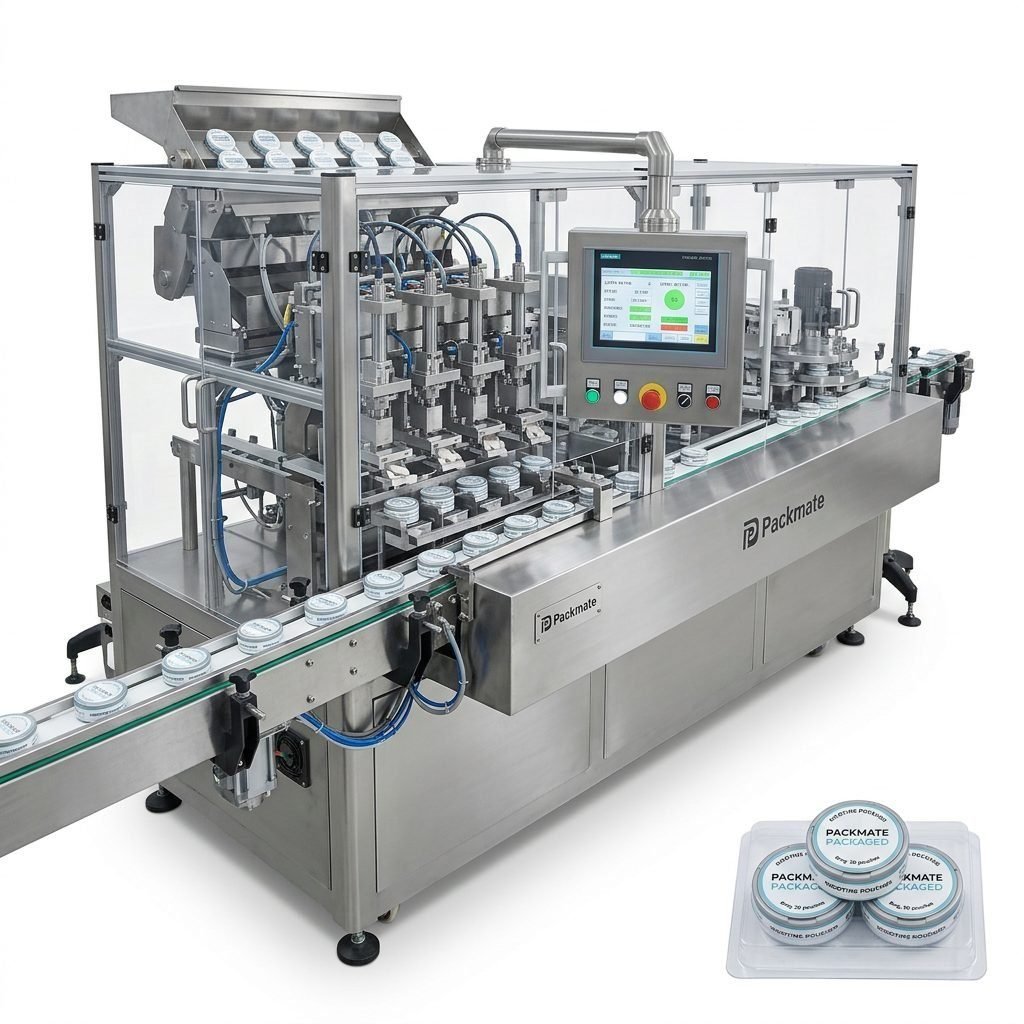
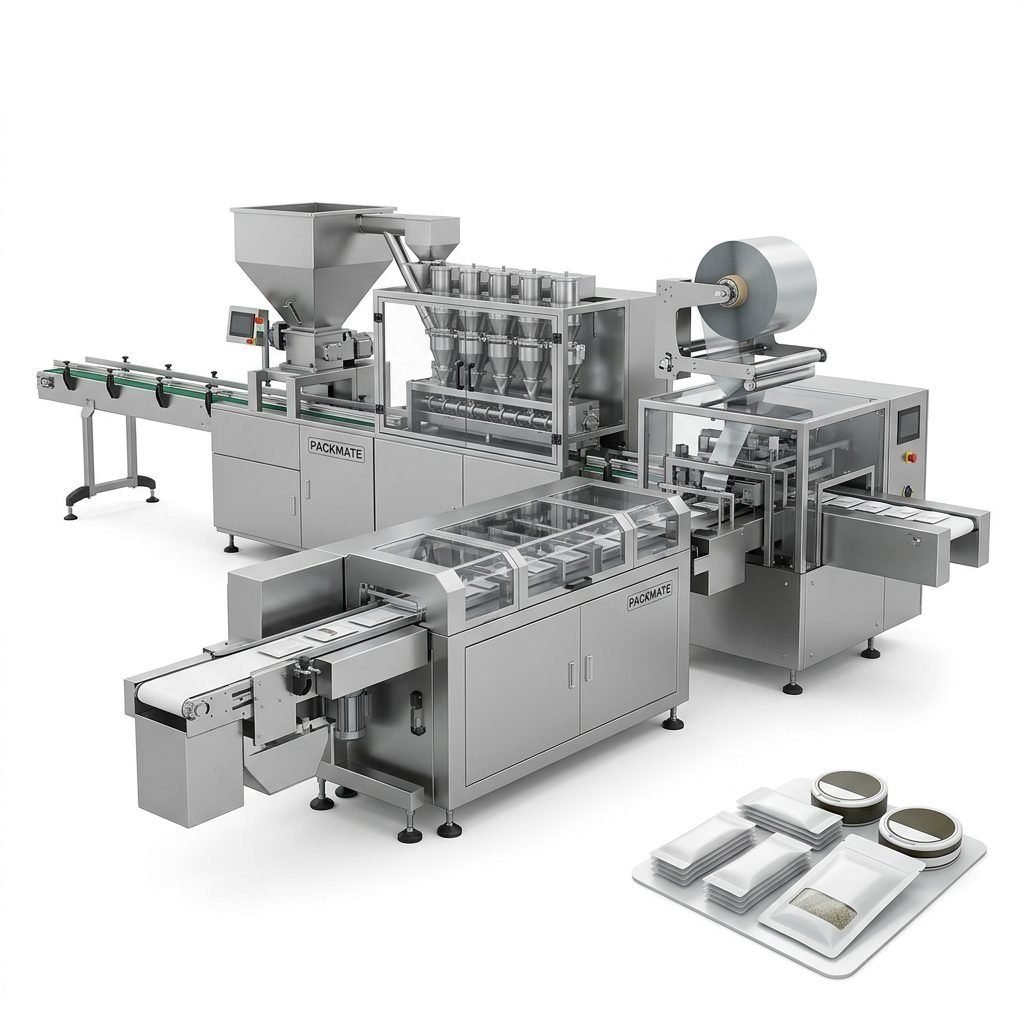
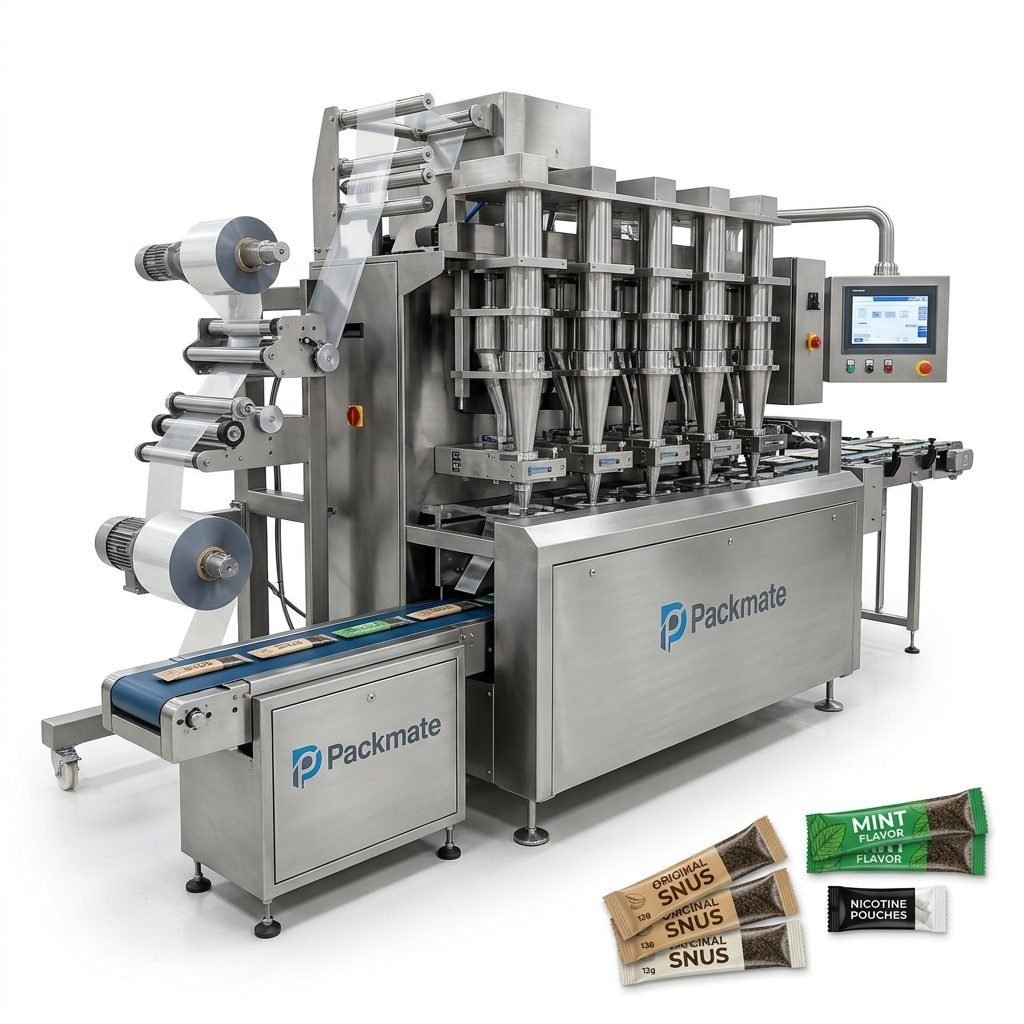
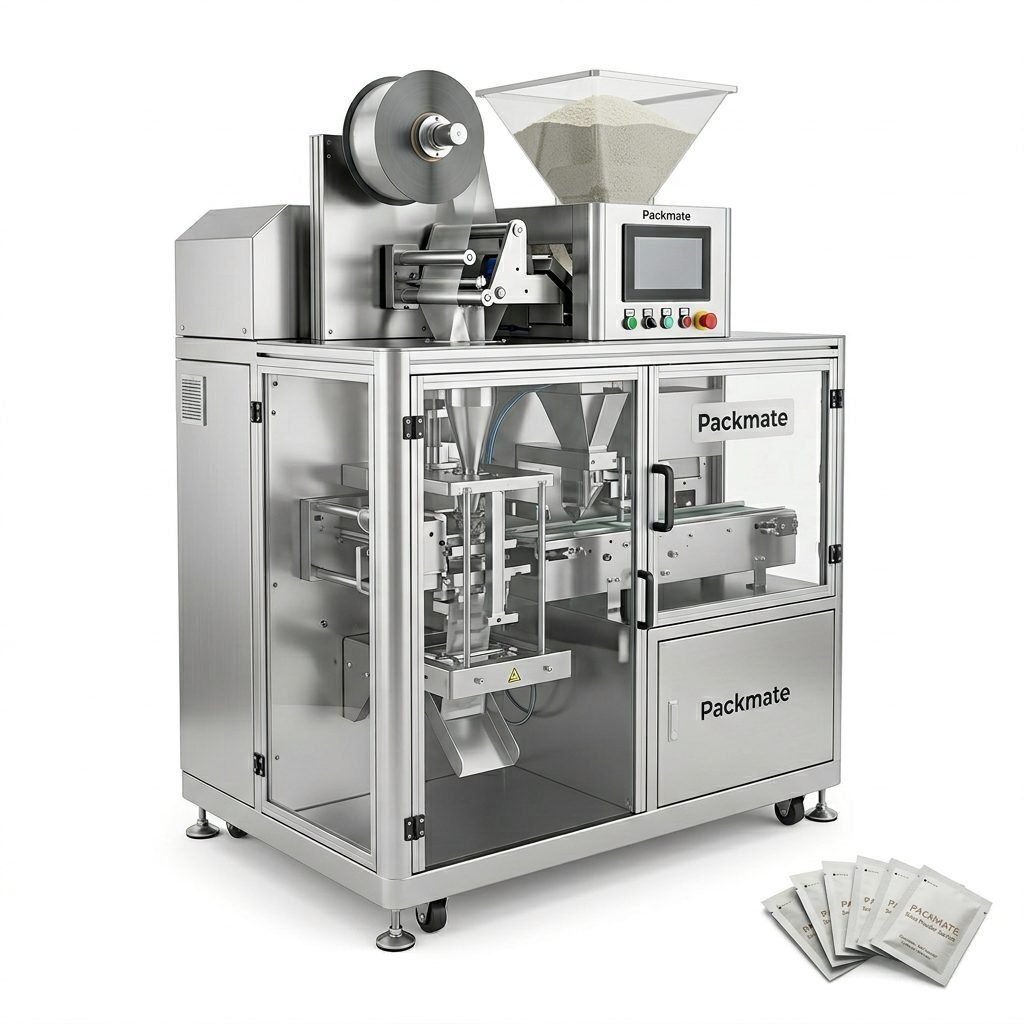
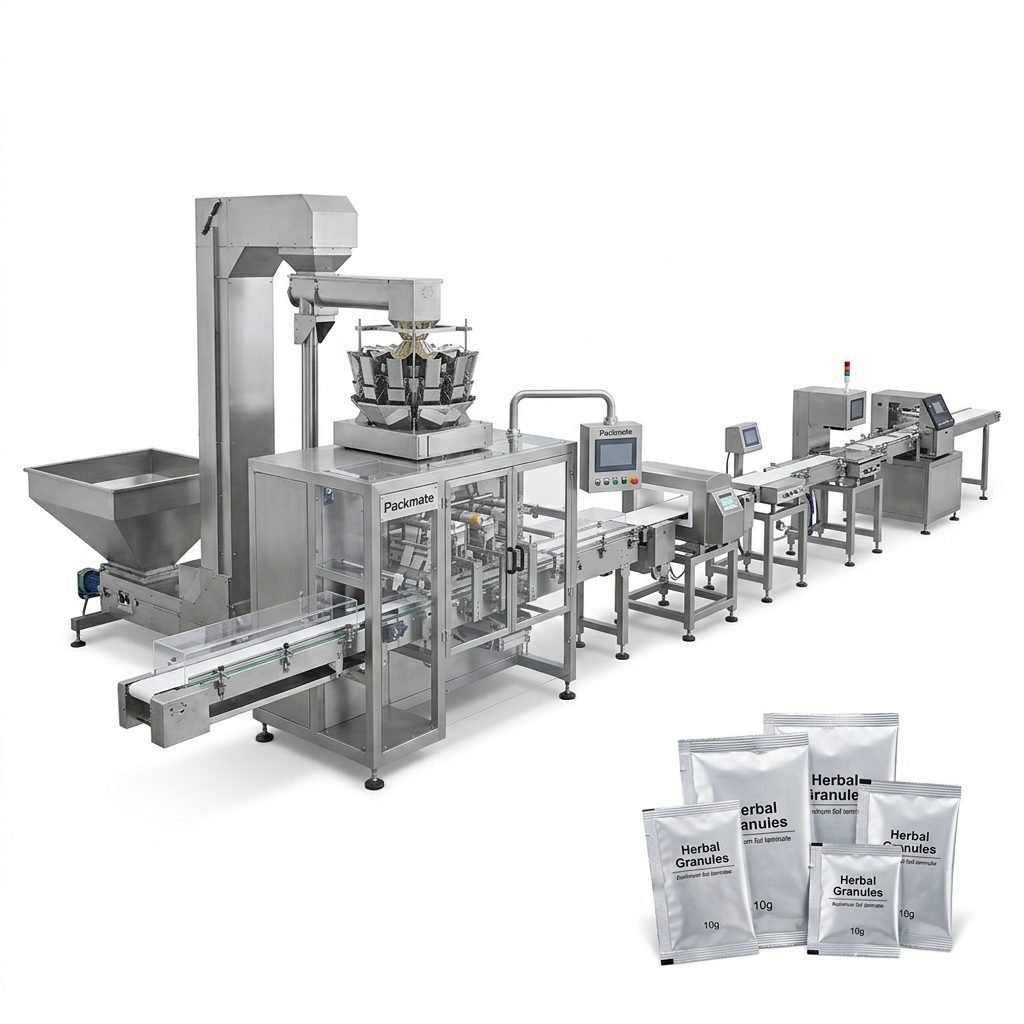
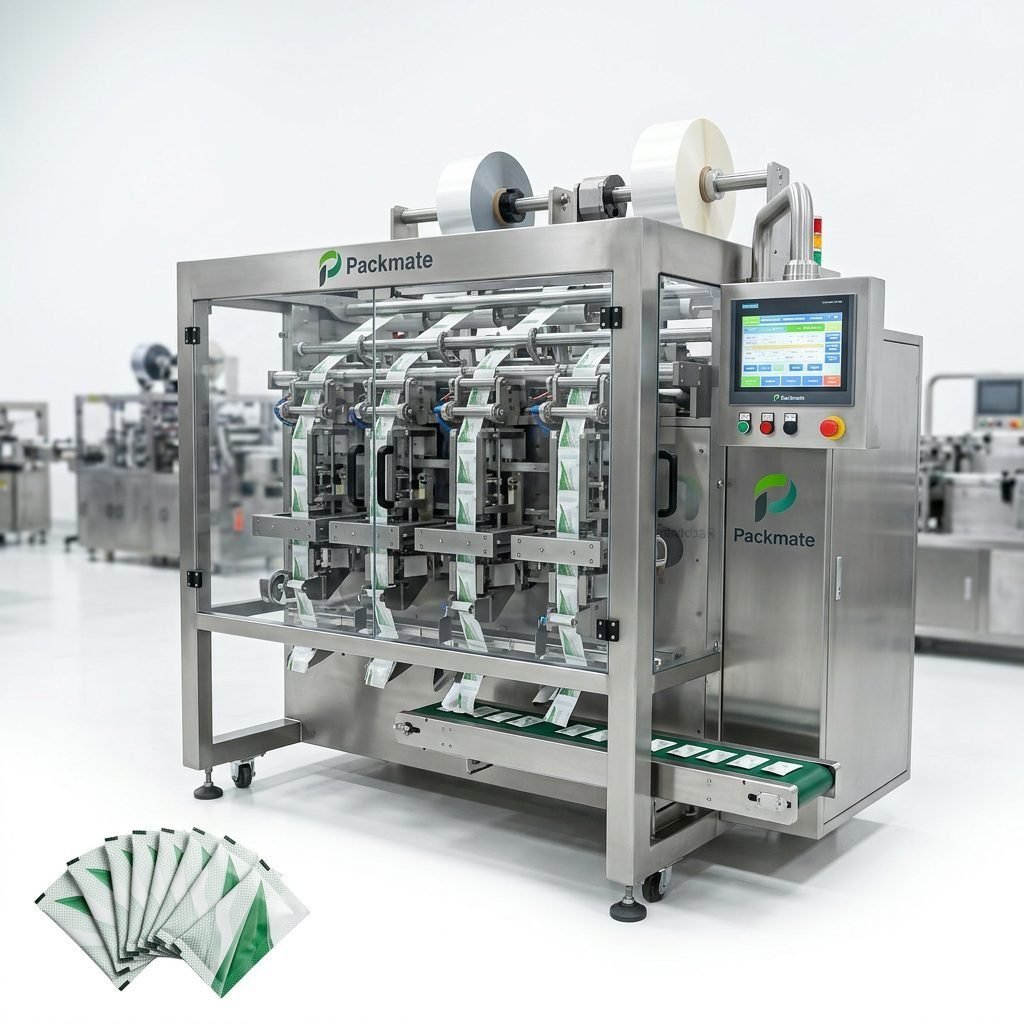
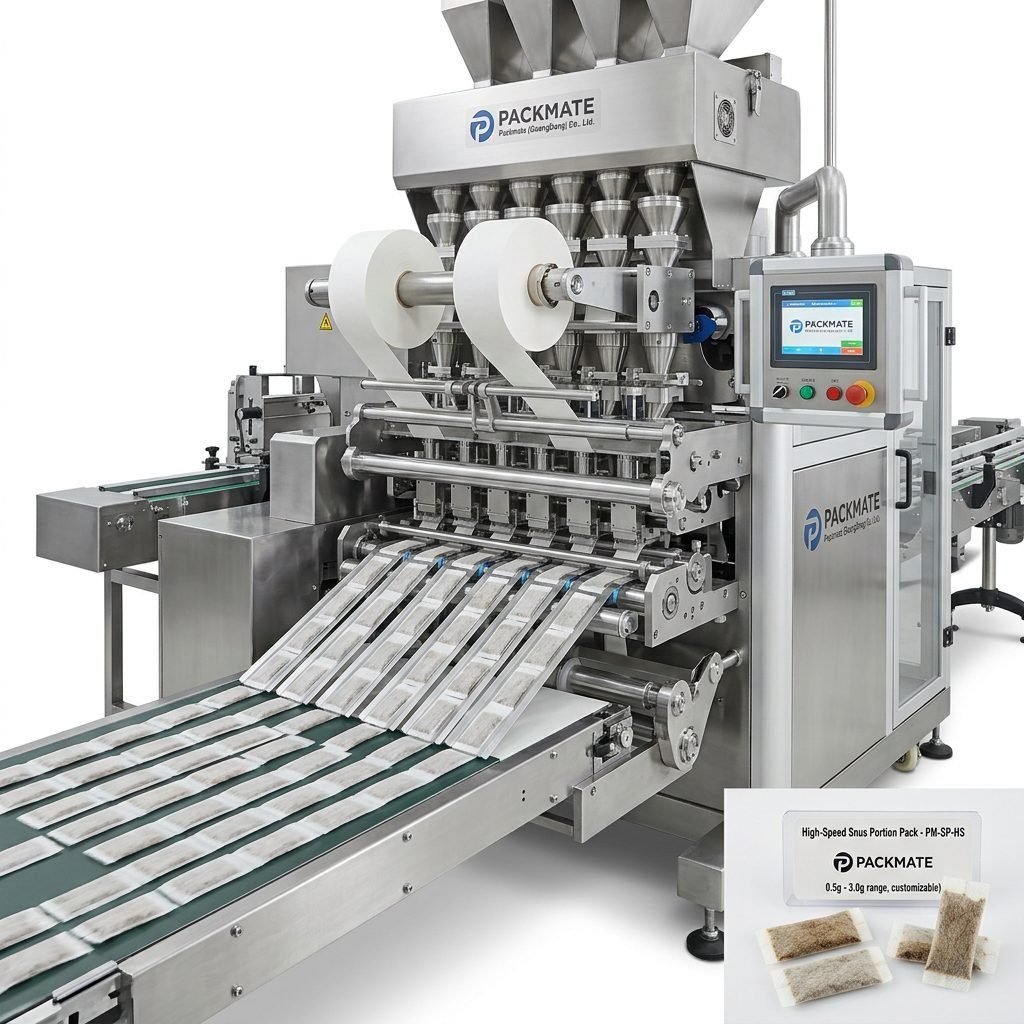
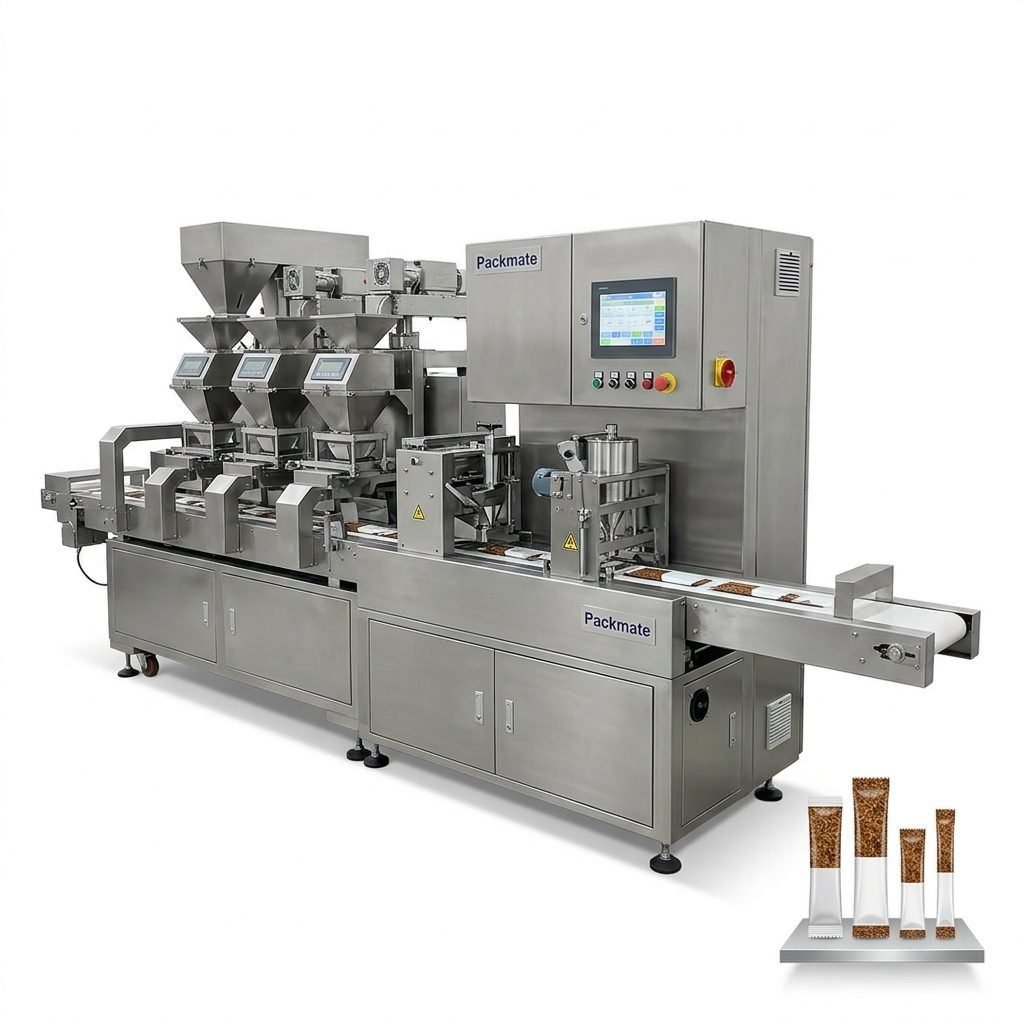
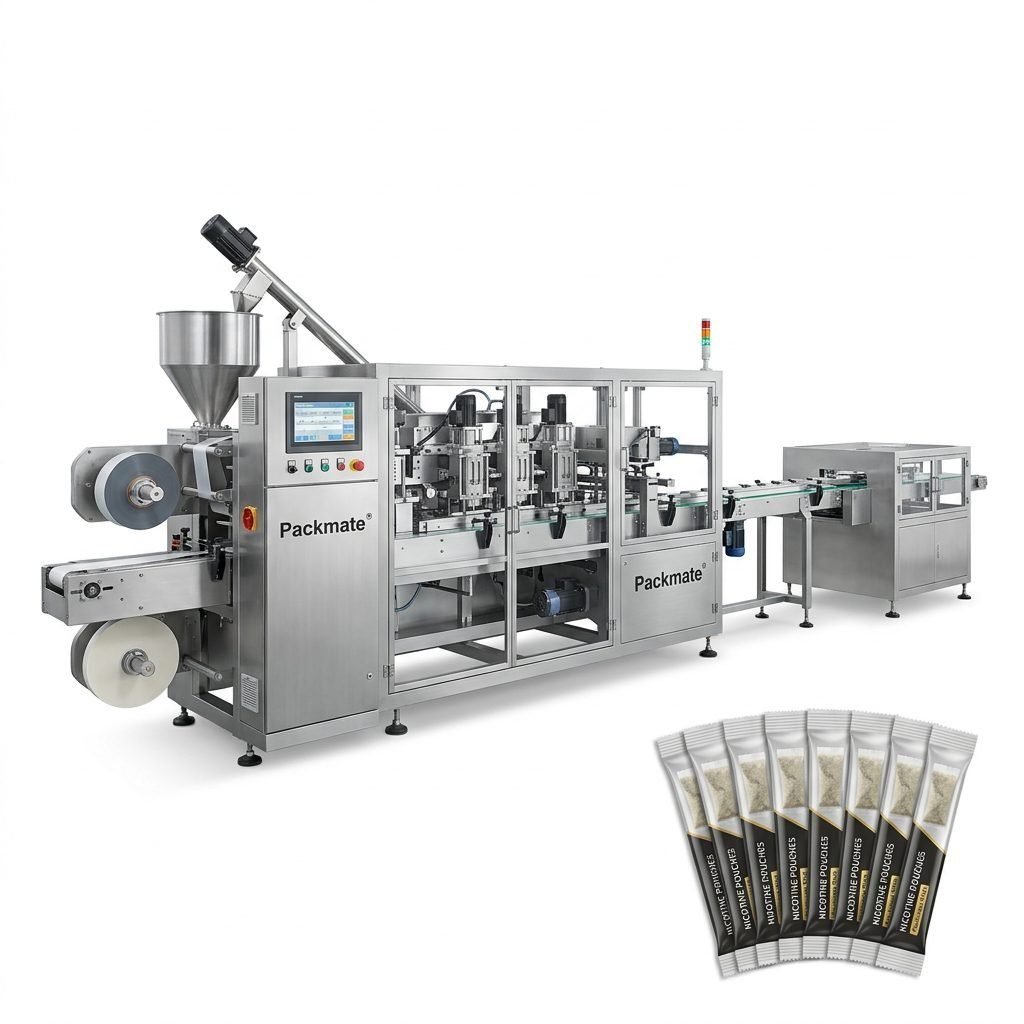
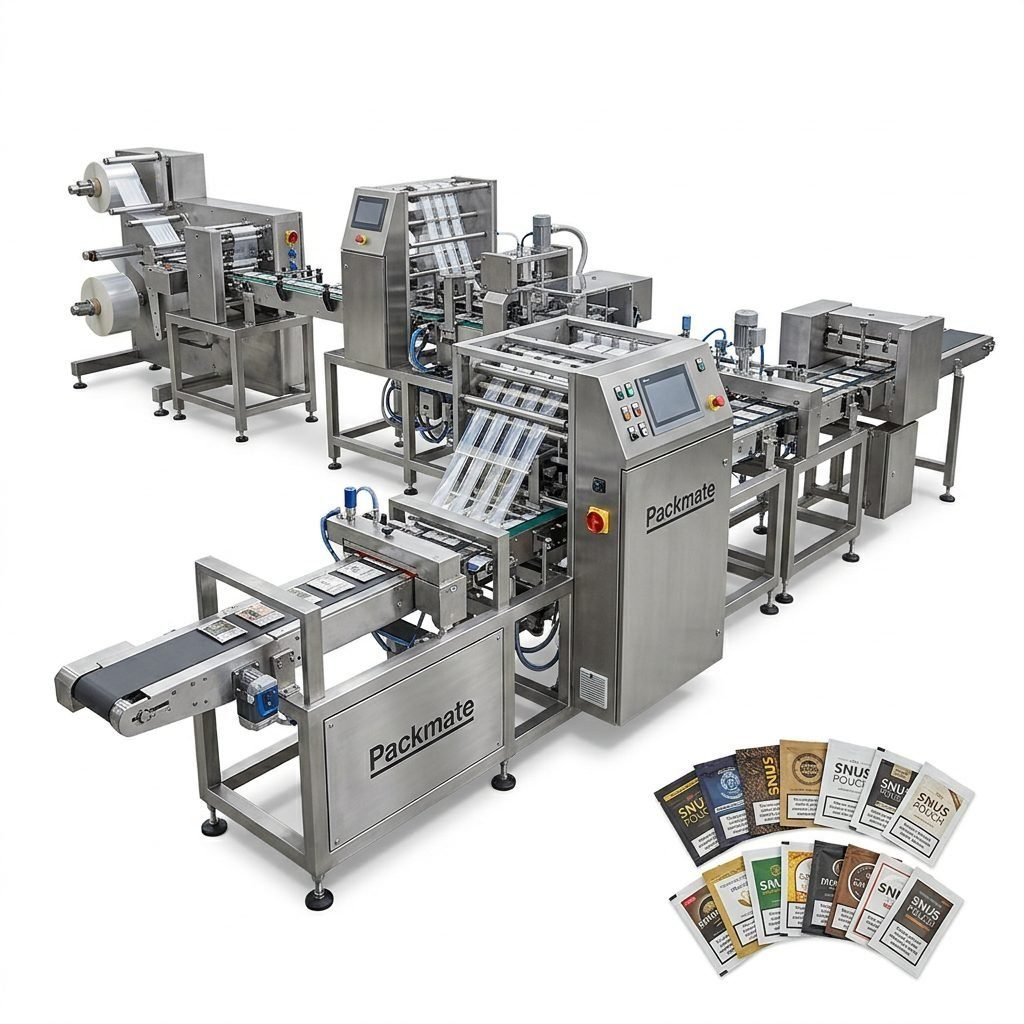
Start by defining the production profile in clear numbers: target units per minute/hour, pouch types (single‑dose nicotine pouches, snus sachets, stick packs), raw material formats (powder, granule, liquid), and desired packaging finishes (foil, paper, multi‑layer films). Suppliers like Packmate provide specialized lines for snus and nicotine pouches — review product families such as
Snus & Nicotine Packaging Machines to align equipment capability with your product specifications.
✓ Key technical checklist:
production speed, lane count, filling accuracy, film roll width, sealing method, and CIP/SOP compatibility.
Evaluate Supplier Experience, Manufacturing Strength & Certifications
A manufacturing partner with proven experience reduces integration risk. Look for suppliers with decades of engineering know‑how, sizable factories, and international certifications (CE, ISO). Packmate Snus Machine lists over 30 years of engineering history, a 20,000㎡ facility with advanced CNC centers, and a broad model range — indicators of production maturity. For background reading, see their About Packmate page and Certificate documentation when available.
Why factory scale and CNC capability matter
Large-scale machining and dedicated assembly lines improve component consistency and shorten lead times for custom parts. If you require multi‑lane high‑speed systems for small‑dose pouches, verify that the supplier has delivered similar turnkey lines — ask for case studies and performance records.
Local Regulatory & Cultural Considerations in Djibouti
Djibouti sits at a strategic crossroads near the Red Sea and Gulf of Aden; it is a hub for regional trade (notably Ethiopia) and home to a predominantly Muslim population. When planning nicotine product production and distribution, address both legal and cultural factors:
- Regulations: confirm import/export rules for nicotine products and packaging materials; nicotine regulation may differ from tobacco. Register products and machinery if required by local authorities.
- Labeling & languages: prepare packaging artwork in French and Arabic (and English where needed) to comply with local language expectations and customs clearance.
- Cultural calendar: account for Ramadan and national holidays when scheduling installation and training — many workers observe fasting and modified working hours.
- Logistics: leverage the Port of Djibouti for containers; consider customs brokers familiar with nicotine product documentation.
⚠️ Local tip:
coordinate FAT (Factory Acceptance Test) dates with supplier before Ramadan and confirm that on‑site support staff speak French or Arabic for smoother commissioning.
After‑Sales Service, Spare Parts & Training
Prioritize suppliers who provide clear after‑sales service packages: remote diagnostics, spare parts kits, scheduled maintenance, and operator training. A reliable inventory of consumables and spare parts reduces downtime risk. Check whether the supplier offers training materials in French/Arabic and whether local engineers can be trained for first‑line maintenance.
Look for global support channels and exhibition presence — this often reflects investment in customer relationships. Packmate’s global exhibition schedule and service resources are useful indicators; see their Our Exhibition and Service pages for more on support reach.
Service level considerations
Negotiate service levels: guaranteed response times, minimum spare parts stock, options for extended warranties, and a clear escalation path. Ask for remote monitoring or IoT upgrades for proactive maintenance if uptime is critical to your business model.
Quality Assurance: FAT, SAT & Performance Guarantees
Insist on formal acceptance testing: Factory Acceptance Test (FAT) at the supplier site and Site Acceptance Test (SAT) after installation. Define clear acceptance criteria for throughput, weight accuracy, sealing integrity, and packaging aesthetics. Include penalty clauses or remediation steps for unmet performance targets.
ℹ️ Practical FAT items:
test with your film and formulation, run continuous production for several hours, and measure rejected rate and weight variance.
Total Cost of Ownership (TCO) vs. Up‑Front Price
Initial machine price is only one component. Factor in energy consumption, spare parts consumption, operator hours for cleaning and maintenance, expected uptime, and consumable costs (films, adhesives). Higher initial investment in robust machinery often yields lower TCO through reduced downtime and better yield.
Cost checklist:
- Power and air requirements — confirm compatibility with Djibouti power grid and onsite compressors.
- Spare parts lead time — import transit to Djibouti can add weeks unless stock is maintained regionally.
- Training and local labor ramp-up cost.
Logistics: Lead Times, Shipping & Customs to Djibouti
Manufacturing lead times vary with customization. Plan for manufacturing, FAT, packing, ocean freight, and customs clearance. Port of Djibouti is efficient, but nicotine products may require additional documentation. Work with a freight forwarder experienced in regulated products and consider air cargo for urgent spares.
How to Create a Practical RFP & Evaluate Bids
A well-crafted Request for Proposal (RFP) speeds comparison and reduces ambiguity. Include technical specifications, acceptance criteria, warranty terms, spare parts list, training scope, and delivery schedule. Require references and case studies for similar installations. Score bids on technical fit, service proximity, TCO, and compliance assurances.
⭐ Simple scoring matrix:
Technical match (40%), Service & parts (25%), TCO (20%), Lead time & logistics (15%).
Negotiation Strategies & Contract Clauses to Secure
Negotiate clear warranty scope and durations, defined KPIs for machine performance, penalties or remedies for missed delivery or performance, and spare parts pricing for the first 2–3 years. Secure training in French or Arabic as part of the package for easier operator onboarding in Djibouti.
Installation & Commissioning: Local Workforce Considerations
Plan for intercultural communication and shifts around religious observances. When scheduling installation, be mindful of prayer times and Ramadan. Build a training plan that includes documentation in local languages and hands‑on sessions for local technicians. Consider hiring a bilingual site supervisor for the initial months.
Sustainability & Waste Management
Factor environmental controls into your selection: waste handling for production scrap, options for recyclable or mono‑material films, and energy‑efficient motors. Sustainable choices reduce costs over time and support compliance with export markets that increasingly demand environmental transparency.
Supplier Shortlist: Questions to Ask Every Candidate
- Can you provide documented FAT data for machines running similar products?
- What spare parts are included, and what is typical lead time to Djibouti?
- Do you offer remote diagnostics and what SLA do you commit to?
- Can you supply operator manuals and training in French/Arabic?
- Provide references and case studies — ask to see installations in comparable climates/markets.
If you require broader solutions for packaging lines beyond snus machines, review supplier product families including Bag & Pouch Packaging Machines, Sachet & Stick Pack Machines, and Weighing & Packaging Systems to ensure integrated line compatibility.
📦 Decision triggers:
choose the supplier that combines proven line performance, robust after‑sales support, realistic lead times to Djibouti, and training in local languages.
Final Practical Steps Before Signing
1) Request a final, itemized quotation with validity dates; 2) insist on a signed FAT plan and agreed acceptance metrics; 3) confirm spare parts kit and shipping INCOTERMS; 4) ensure documentation (manuals, wiring diagrams, certificates) will be provided in advance; 5) include a phased payment schedule tied to milestones (deposit, FAT completion, shipping, SAT).
Summary Checklist for Selecting a Nicotine Packaging Supplier in Djibouti
– Define product & throughput targets clearly.
– Verify supplier engineering depth, factory scale, and certifications.
– Account for Djibouti’s local customs, religious calendar, and language needs.
– Require FAT/SAT with clear KPIs and acceptance criteria.
– Secure spare parts, training in French/Arabic, and fast remote support.
– Compare TCO, not just headline price; include logistics to Djibouti.
– Negotiate warranty, penalties, and a realistic installation timeline.
For additional reference on turnkey packaging lines and auxiliary equipment that integrate with snus machines, consider supplier pages detailing Filling & Packaging Lines and Auxiliary Packaging Equipment. Case studies can also be helpful in understanding real‑world performance — see Case examples.
Next Actions
Create a short‑list of 3 suppliers, request FAT schedules with product samples, and secure local logistics advice for import of regulated goods. If possible, visit an exhibition or demo to see machines under production conditions; Packmate’s public exhibitions and service offerings are a good way to evaluate hands‑on performance.
Frequently Asked Questions
Q1: How long does a custom nicotine pouch line take to deliver to Djibouti?
A1: Typical lead time ranges from 12–20 weeks depending on customization, plus ocean freight and customs clearance. Plan for 4–8 additional weeks for shipping and SAT scheduling.
Q2: What documentation is required for customs when importing nicotine packaging machinery?
A2: You will generally need commercial invoice, packing list, bill of lading, machine certificates (CE/ISO where applicable), and any product registration or import permits required by Djiboutian authorities. Engage a customs broker familiar with regulated products.
Q3: Can training be provided in French or Arabic on site?
A3: Reputable suppliers offer training in major languages or provide bilingual manuals; ask for language support in your contract. On‑site trainers can usually accommodate French or Arabic with advance notice.
Q4: What level of after‑sales support should I expect for a high‑speed snus line?
A4: Expect remote diagnostics, spare parts kits for critical wear items, scheduled maintenance visits, and availability of engineers for commissioning. Negotiate response times and spare parts availability explicitly.
Q5: Are there local partners in Djibouti who can assist with installation and maintenance?
A5: Local industrial service providers and mechanical contractors can assist, but ensure they are trained by the supplier. Many suppliers coordinate with regional partners or provide initial supervision until local teams are fully competent.