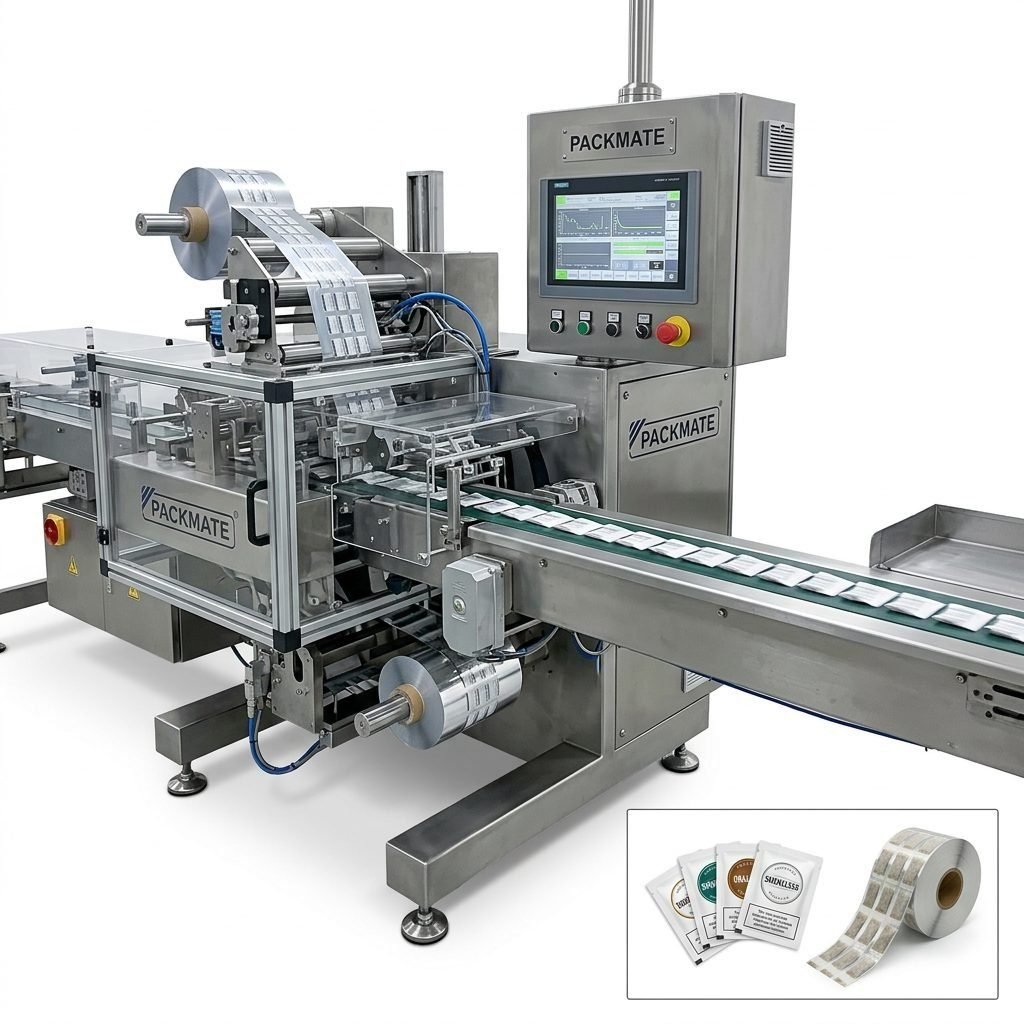
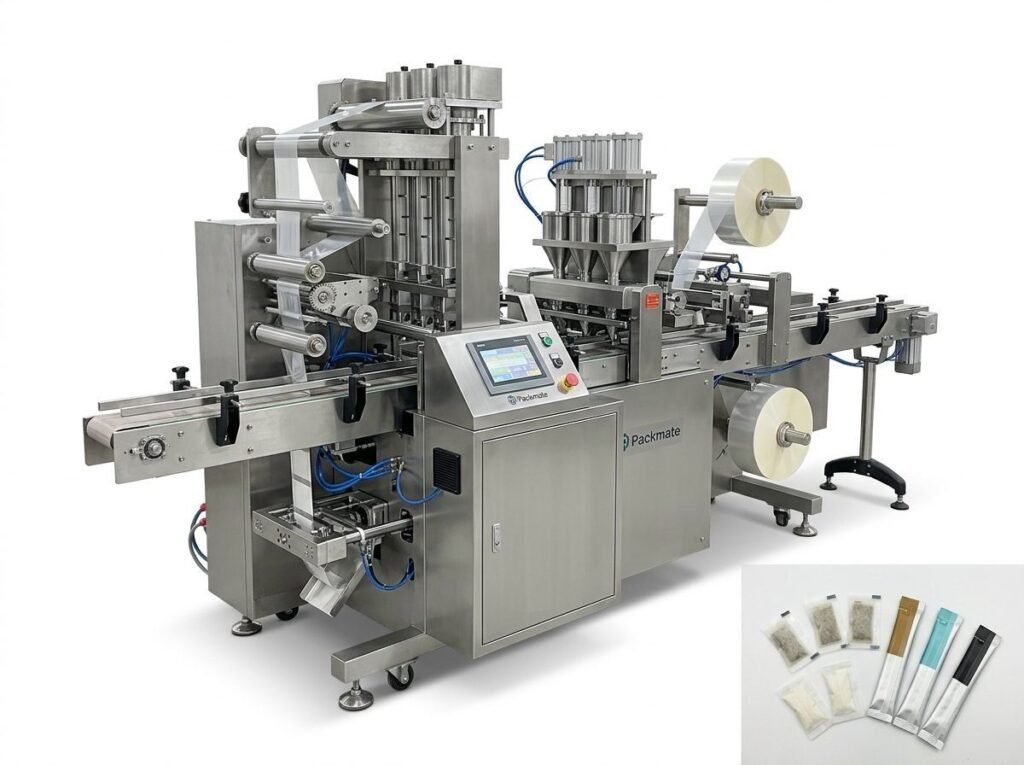
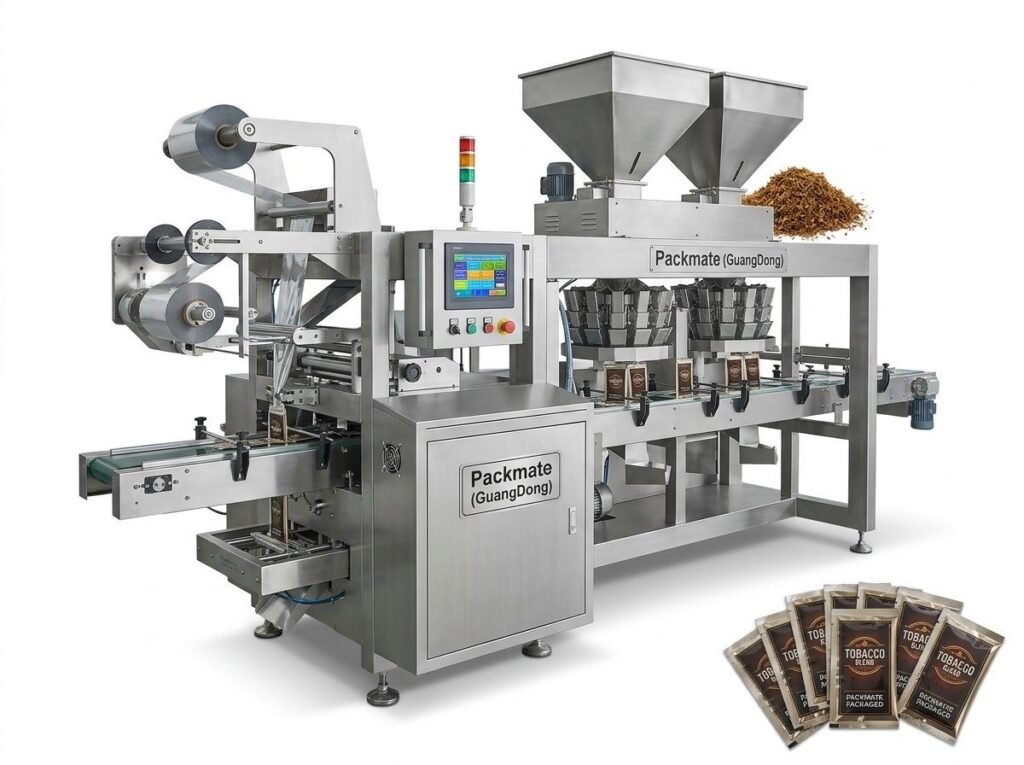
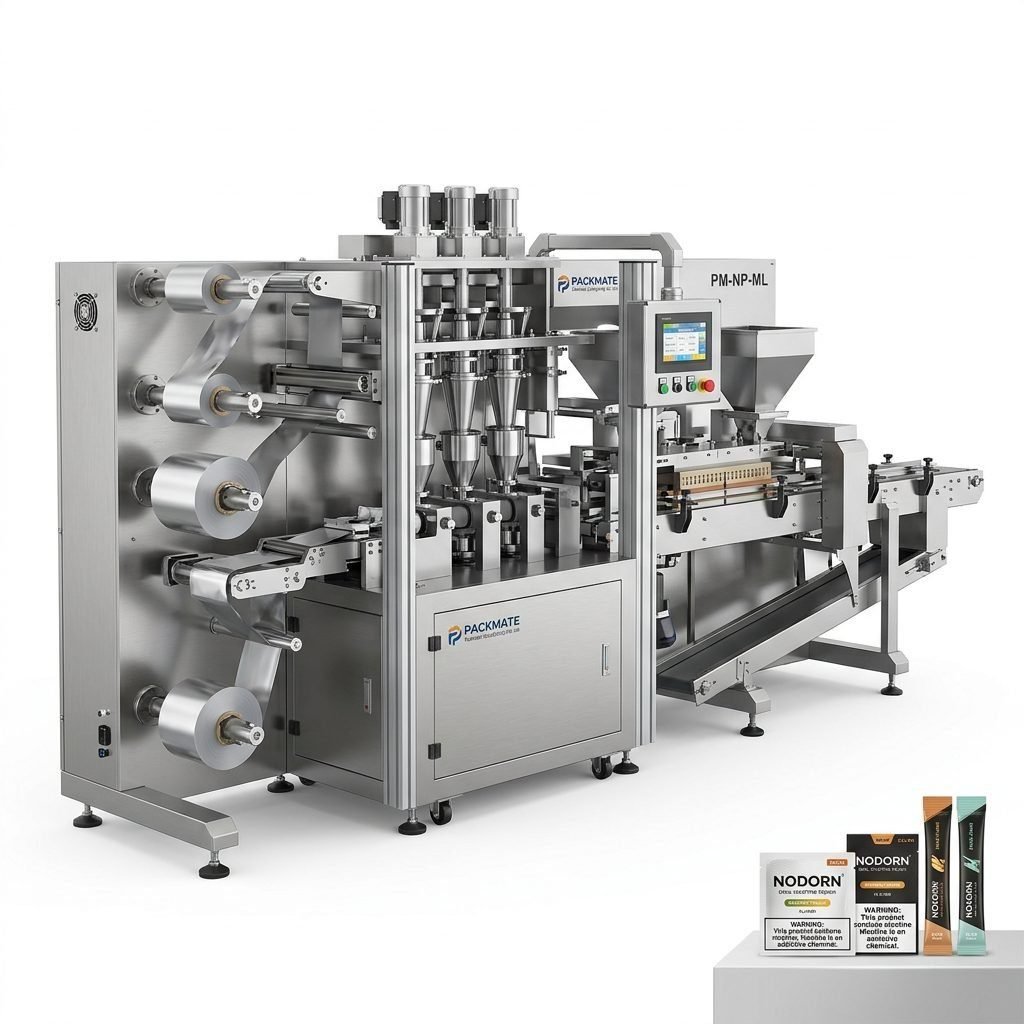
Choosing the right nicotine packaging machinery supplier is a critical step for any business in Fiji that wants to scale reliably, stay compliant, and reduce production costs. In this guide you will find a practical, locally-informed approach to selecting a supplier who understands nicotine pouch/sn
us packaging requirements, Pacific logistics, and Fijian market sensitivities. The goal is to make your decision data-driven and culturally aware so you get machinery that delivers uptime, consistent quality, and long-term value.
Understand Fiji’s Regulatory & Market Context
Before evaluating machines or suppliers, begin with compliance and market demand. Fiji has specific import rules, health regulations and community standards that affect nicotine products:
- ⚖️ Import & Customs: Check Fiji Customs for duties and required documentation. Some packaging materials and machines require special permits or declarations.
- 🩺 Health & Labeling: Ensure packaging meets Ministry of Health labeling rules—warnings, ingredients, and language options (English and iTaukei when required).
- 🌏 Market Preferences: Pacific consumers often prefer clear labeling, small single-dose formats, and culturally respectful marketing. Test local acceptance of nicotine pouches and flavors before scaling up.
- 🚚 Logistics: Shipping to Fiji from Asia or Europe involves port handling, inland trucking and possible warehousing—factor lead times and spare parts availability into vendor evaluation.
Why local cultural understanding matters
Business in Fiji places high value on relationships and trust. Suppliers who acknowledge local trading habits, timetable preferences (e.g., holiday schedules for public and cultural events), and reliable after-sales support are easier to work with. Value suppliers that show awareness of Pacific community norms and have experience exporting to island nations.
Key Technical Criteria for Nicotine Packaging Machinery
Select machines that match your product format, throughput target and quality tolerance. Technical fit is the most common reason for purchasing the wrong machine.
Quick checklist: speed (pouches/min), pouch format (single-dose pouches, sachets, stick packs), multi-lane capability, dosing accuracy, material compatibility (foil, film, paper), changeover time, and CIP/cleaning requirements.
Common machine types to consider
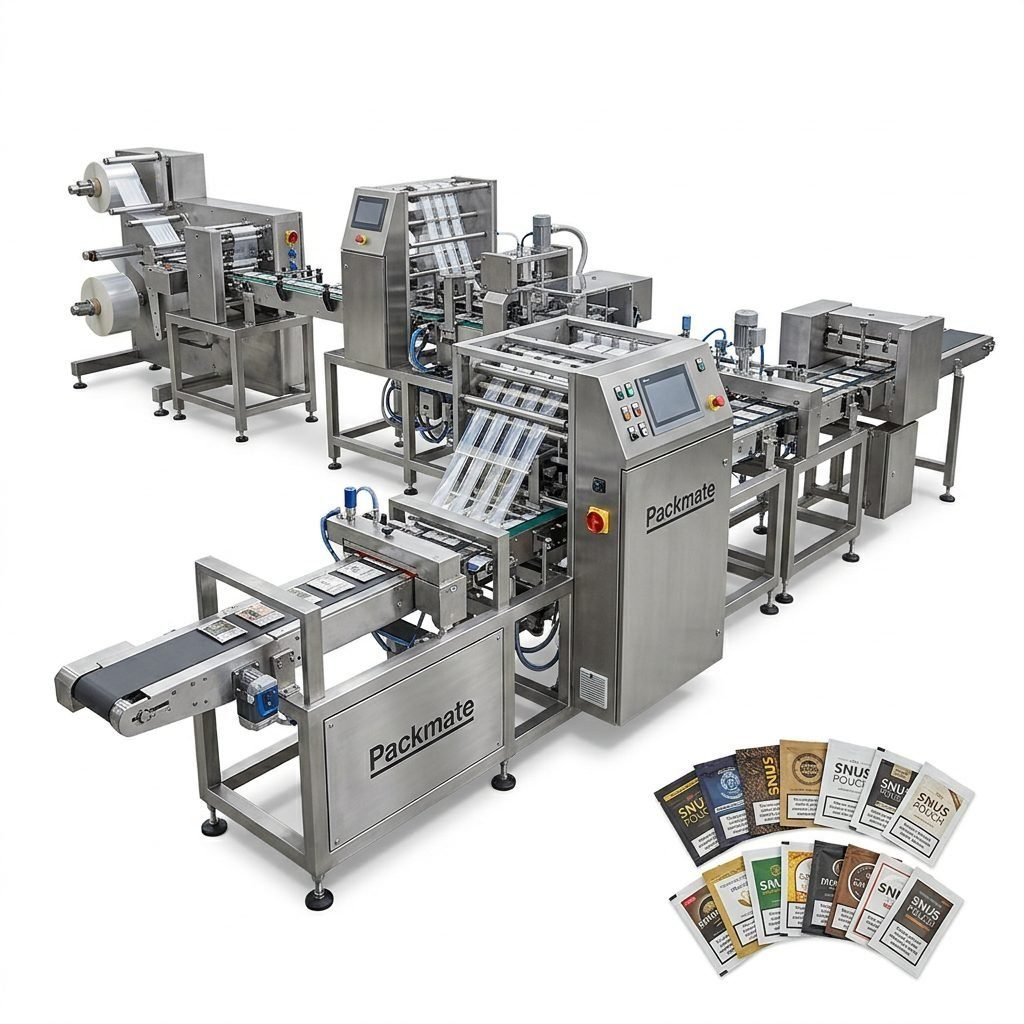
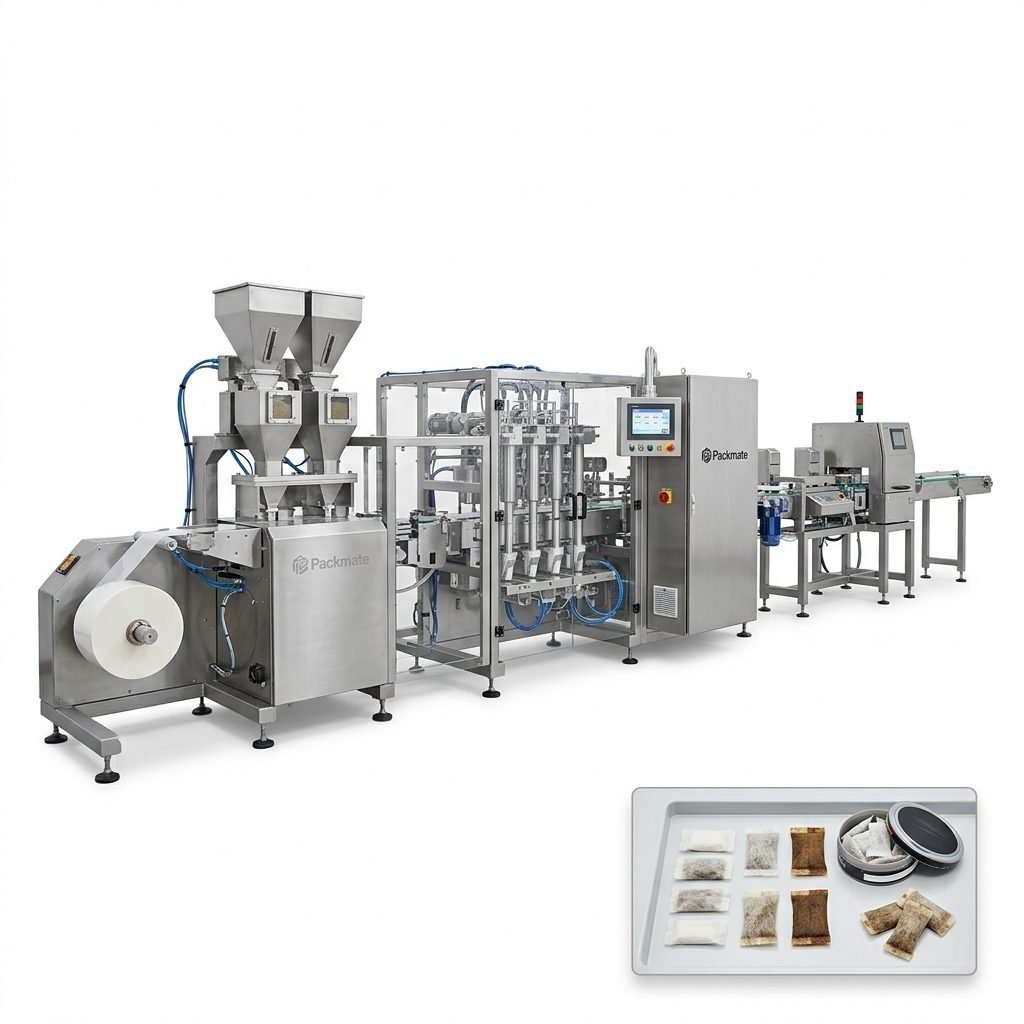
- 🔧 Snus / Nicotine Pouch Packing Machines: Engineered for precise small-dose filling, sealing and consistent pouch weight.
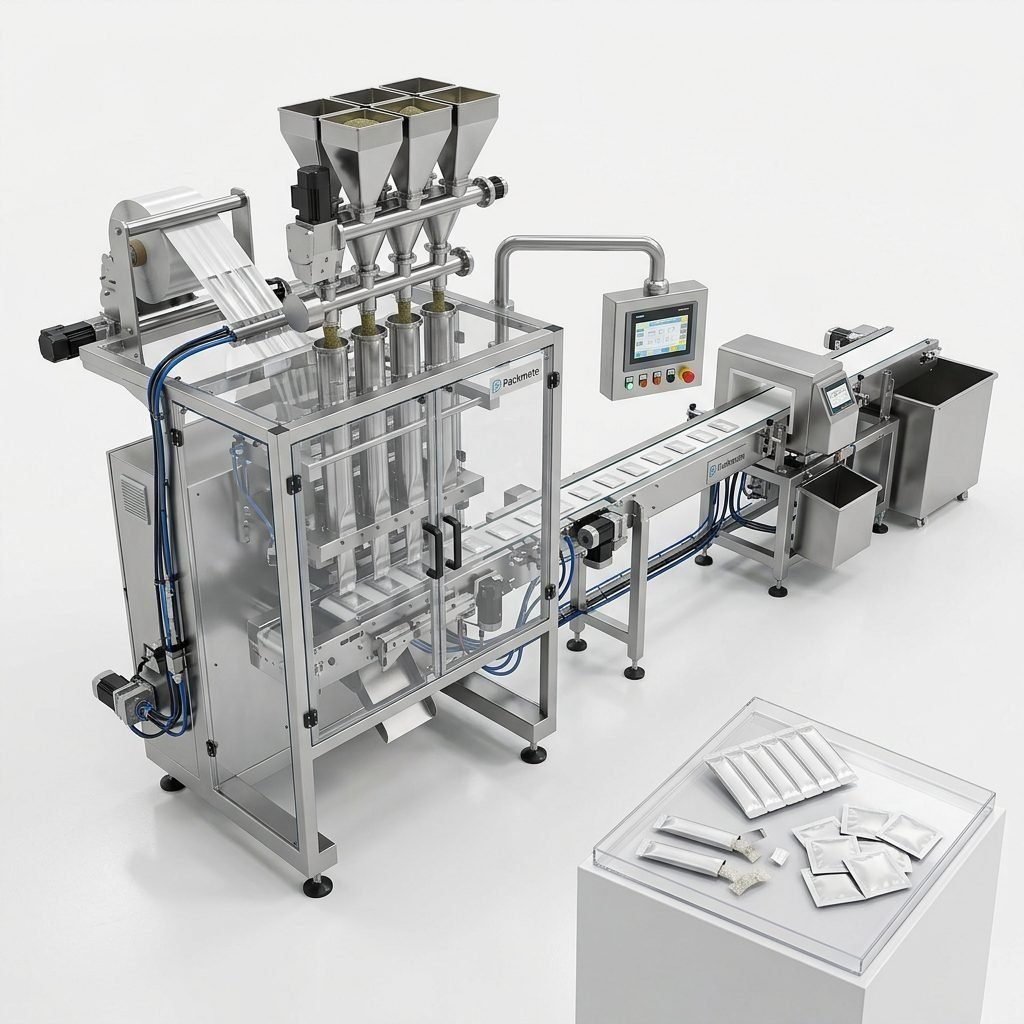
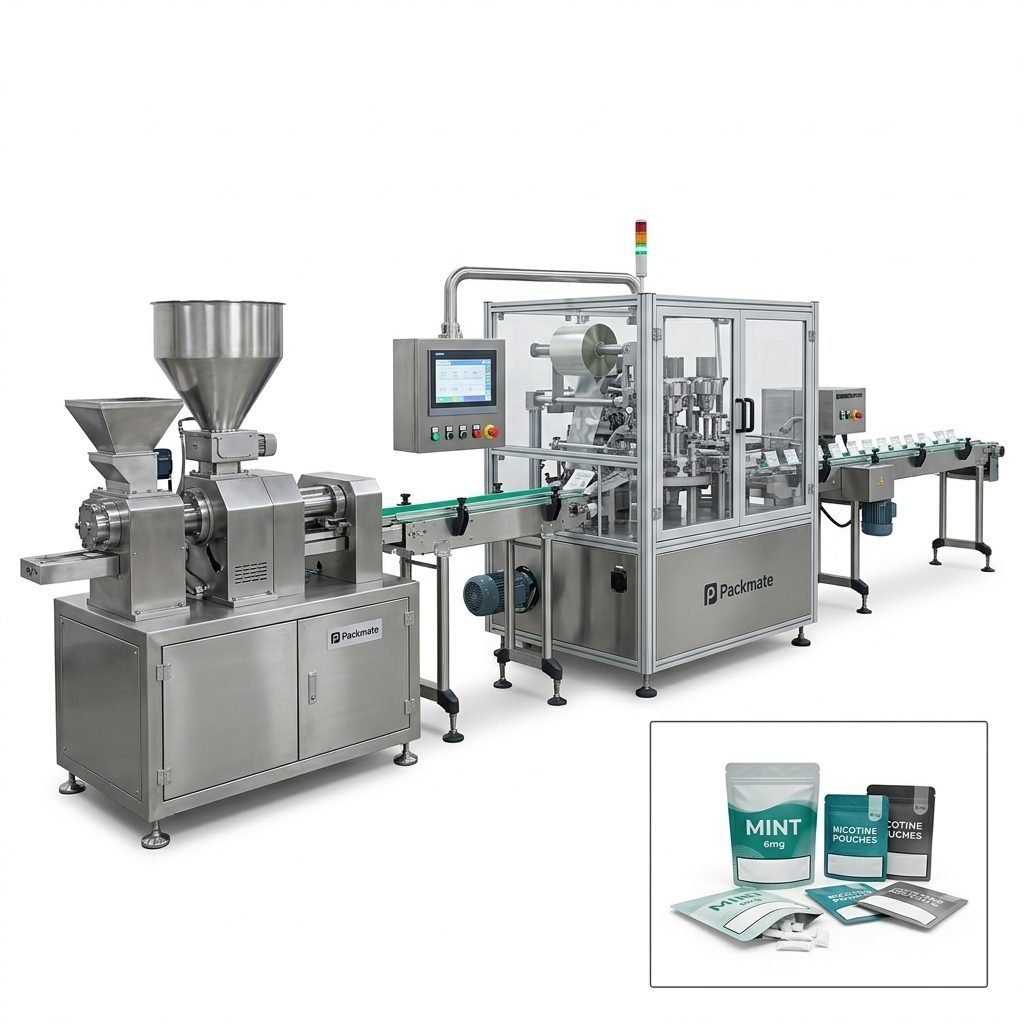
- 📦 Sachet & Stick Pack Machines: Good for single-serve formats and flexible packaging designs.
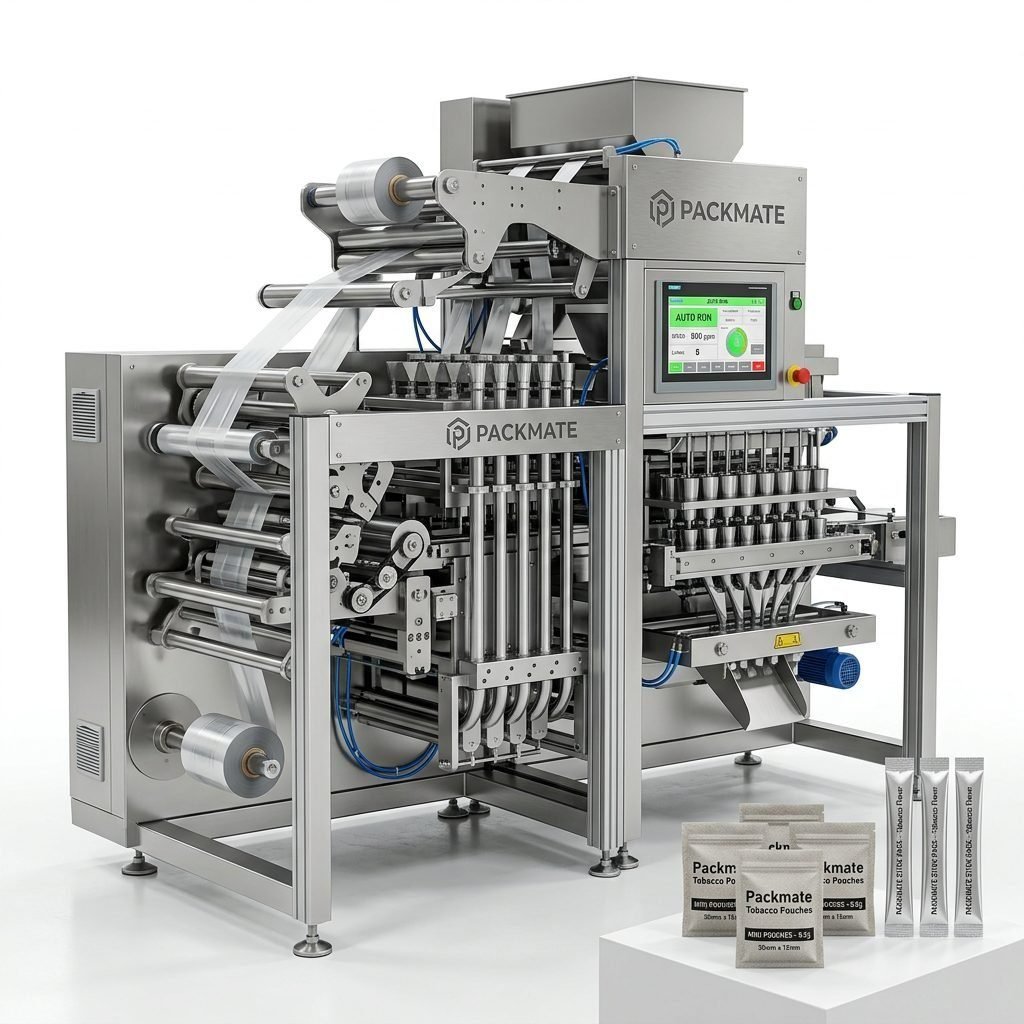
- 🧪 Weighing & Multi-Lane Systems: For higher throughput with strict dosing accuracy—useful when expanding SKU lines.
Explore product categories and machine models to match your intended output: for examples and detailed specs, review suppliers’ product pages such as
Snus & Nicotine Packaging Machines,
Sachet & Stick Pack Machines and
Weighing & Packaging Systems.
Evaluating Suppliers: Beyond the Price Tag
Price is important but should not be the only deciding factor. A reliable supplier ensures uptime, spare parts availability, proper installation, and training. Here are critical aspects to evaluate:
- ✅ Track Record & Experience: Look for suppliers with a proven history in nicotine packaging and a strong manufacturing background (e.g., companies with 20,000㎡ factories and 30+ years of engineering know-how).
- ✅ Certifications & Compliance: Confirm CE, ISO and other certificates that prove the equipment meets international safety and quality standards.
- ✅ After-sales Support: Evaluate warranty terms, remote troubleshooting, local technicians or partner networks, and spare parts lead times to Fiji.
- ✅ References & Case Studies: Ask for references, installation videos, and case studies—especially exports to island nations or Pacific customers.
- ✅ Customization & Turnkey Solutions: Consider suppliers who provide full production lines and customization for specific pouch designs or multi-SKU operations.
Tip: A supplier with rich OEM expertise (advanced CNC machining, precision assembly lines) typically offers machines that run longer with fewer breakdowns.
Questions to ask potential suppliers
- What is the typical uptime and MTBF (mean time between failures) for this model?
- Can you provide documentation on dosing accuracy and validation reports?
- How long does installation and commissioning typically take onsite in Fiji?
- Do you have spare parts held in regional warehouses or a fast shipping option to Suva/Lautoka?
- Are there local technicians or certified partners that can perform preventive maintenance?
Logistics & Operational Considerations for Fiji
Operating in Fiji introduces unique logistics challenges and cost considerations. Here’s how to prepare:
- 🚢 Shipping & Port Handling: Select suppliers experienced with maritime export packaging and customs paperwork. Machines often ship as crates or containers—confirm lift requirements and port capabilities in Fiji.
- 🏭 Installation & Training: Ensure the vendor provides comprehensive onsite training or live remote commissioning. Account for local holidays and cultural events when scheduling.
- 🧩 Spare Parts Strategy: Negotiate spare parts kits and air-shipping options for critical components. Consider stocking fast-moving items to minimize downtime.
- 💡 Power & Utilities: Verify machine power requirements (voltage, phase) and ensure you have stable supply or a plan for stabilizers/UPS in areas with variable grid reliability.
Factory Visit & Testing: What to Inspect
If possible, arrange a factory visit or at least a live demo. Seeing machines in operation and inspecting the manufacturer’s facilities gives insight into build quality and engineering culture.
- 🏭 Manufacturing Capability: Look for advanced CNC centers, precision assembly lines and strict quality testing procedures.
- 🎯 Live Trials: Request trials using your product formulation and packaging film to verify dosing, seal integrity and appearance.
- 📑 Documentation: Ensure clear operation manuals, spare parts lists, electrical schematics and CE/ISO certificates are provided.
Commercial Terms & Long-Term Relationship
The right commercial terms can reduce risk and align incentives for long-term success.
- 📄 Warranty & SLA: Negotiate a clear warranty and service-level agreement (SLA) with defined response times for parts and technical support.
- 💸 Payment Terms: Seek terms that balance cash flow (e.g., deposit + balance at shipment) and use letters of credit if needed for risk management.
- 🔁 Spare Parts & Upgrades: Agree on parts pricing and availability for the first 3–5 years, including upgrade paths for automation or additional lanes.
Why Choose an Experienced Snus & Nicotine Packaging Manufacturer
Manufacturers that specialize in nicotine pouch lines bring domain-specific knowledge—critical for accurate filling, sealing and shelf-life protection. A solid manufacturer profile often includes:
Indicators of a reliable supplier: decades of engineering experience, 50+ machine models, global turnkey solutions, and certifications (CE/ISO). These factors reduce technical and commercial risk.
For reference, review company pages and case studies to validate capabilities, for example:
About Packmate,
Case Studies and
Our Exhibition.
Implementation Roadmap for Fijian Businesses
A step-by-step implementation plan helps ensure a smooth rollout and predictable ROI.
- Research: Define product SKUs, packaging materials, desired throughput and budget.
- Shortlist: Evaluate 3–5 suppliers based on technical fit, references and local export experience.
- Trial: Request pilot runs or in-factory trials using your formulations and films.
- Negotiate: Finalize prices, warranties, spare parts and shipping terms. Confirm port delivery details in Fiji.
- Install & Train: Plan for installation, commissioning and operator training with local calendar considerations.
- Scale: Monitor uptime and quality, then gradually increase SKUs and production lanes.
Local partners & service networks
If your chosen supplier does not have a direct presence in Fiji, identify local engineering partners or third-party maintenance providers who can support mechanical and electrical issues. Confirm responsibilities before shipment to avoid service gaps.
Final Checklist: Ready-to-buy signals
You’ll be ready to buy when these boxes are checked:
- ✅ Technical trials confirm dosing accuracy and film compatibility.
- ✅ Clear SLA and spare parts strategy covering shipments to Fiji.
- ✅ Regulatory compliance and labeling plan for the Fijian market.
- ✅ Training and commissioning schedule aligned with your production calendar.
- ✅ Financial terms are acceptable and logistics to port are confirmed.
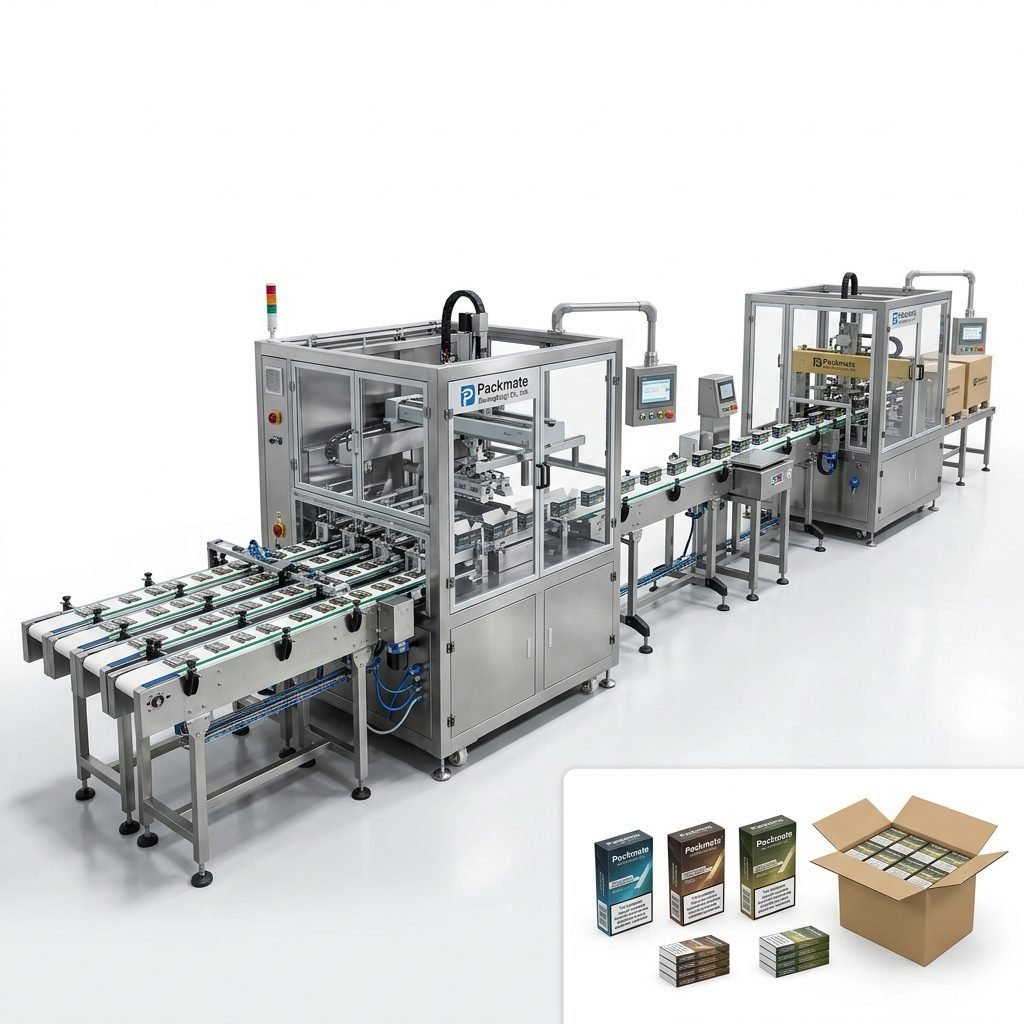
Pro tip: Prioritize suppliers who offer turnkey solutions—from filling and weighing to final packaging—so you can scale without managing multiple vendors. Explore integrated lines like those shown on the
Filling & Packaging Lines page.
Closing summary
Selecting the best nicotine packaging machinery supplier for your Fiji business is a balanced decision between technical performance, regulatory compliance, local logistics and long-term support. Choose a supplier with proven snus/nicotine experience, transparent commercial terms, and the ability to support Pacific shipping and aftermarket service. This ensures your production runs smoothly and your brand grows sustainably in the Fijian market.
Frequently Asked Questions
Q1: How long does it take to ship and install a packaging line in Fiji?
A1: Typical lead times include manufacturing (4–12 weeks depending on customization), international shipping (2–6 weeks), and onsite installation & commissioning (3–10 days). Customs clearance timing varies—allow extra buffer for paperwork.
Q2: What spare parts should I stock in Fiji?
A2: Stock critical wear parts: sealing jaws, belts, motors, PLC modules, sensors and dosing nozzles. Ask your supplier for a recommended initial spare parts kit tailored to your machine model.
Q3: Can suppliers help with regulatory labeling for Fiji?
A3: Some full-service suppliers offer label design advice and can customize packaging formats. However, final compliance is the manufacturer’s responsibility—consult Fiji’s health authorities or a local compliance expert.
Q4: Where can I see proven machine models and case studies?
A4: Review supplier product pages and case studies to validate performance. For example, check manufacturer product lines and customer examples on Bag & Pouch Packaging Machines and the Case page.
Q5: How important is after-sales training?
A5: Extremely important. Proper operator and maintenance training reduces downtime and ensures consistent product quality. Negotiate training sessions as part of the purchase agreement.