Choosing the right nicotine packaging machinery supplier is a critical decision for manufacturers in Belize who want reliable, compliant, and scalable production. Whether you are producing nicotine pouches, snus, or other small-dose oral products, the right supplier influences product consistency, regulatory compliance, and your speed to market. This guide walks you through practical steps, key evaluation criteria, and Belize-specific considerations to help you select a supplier capable of supporting long-term production success.
Understand Your Production Needs First
Start by defining your production targets and technical requirements. Important questions include: What daily output do you need? What pouch size and dosing accuracy are required? Do you need single-lane or multi-lane lines for small-dose nicotine pouches? Precise answers guide equipment selection and avoid costly over- or under-investment.
📌 Target hourly and daily output • Required pouch formats (stick, sachet, multi-lane) • Filling accuracy and dosing range • Integration with upstream weighing and downstream case packing
Evaluate Technical Capabilities and Machine Types
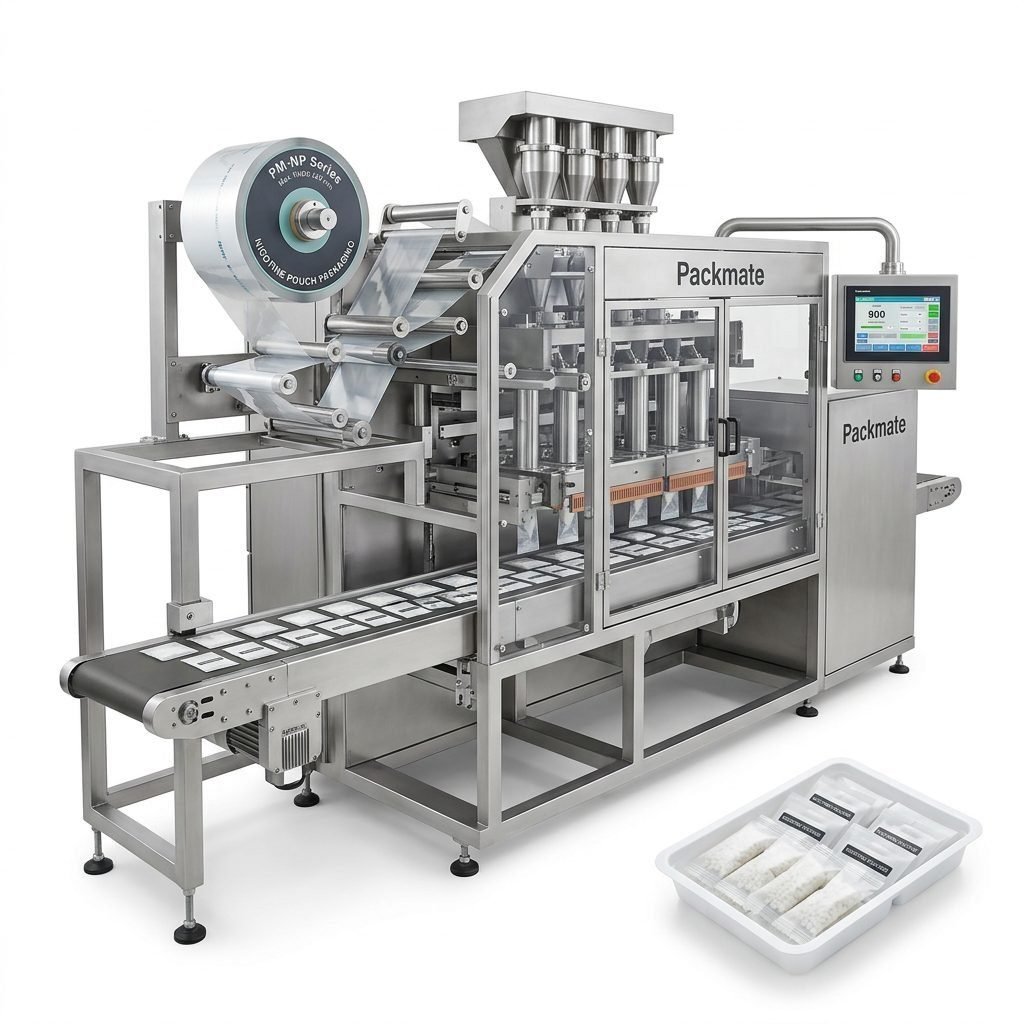
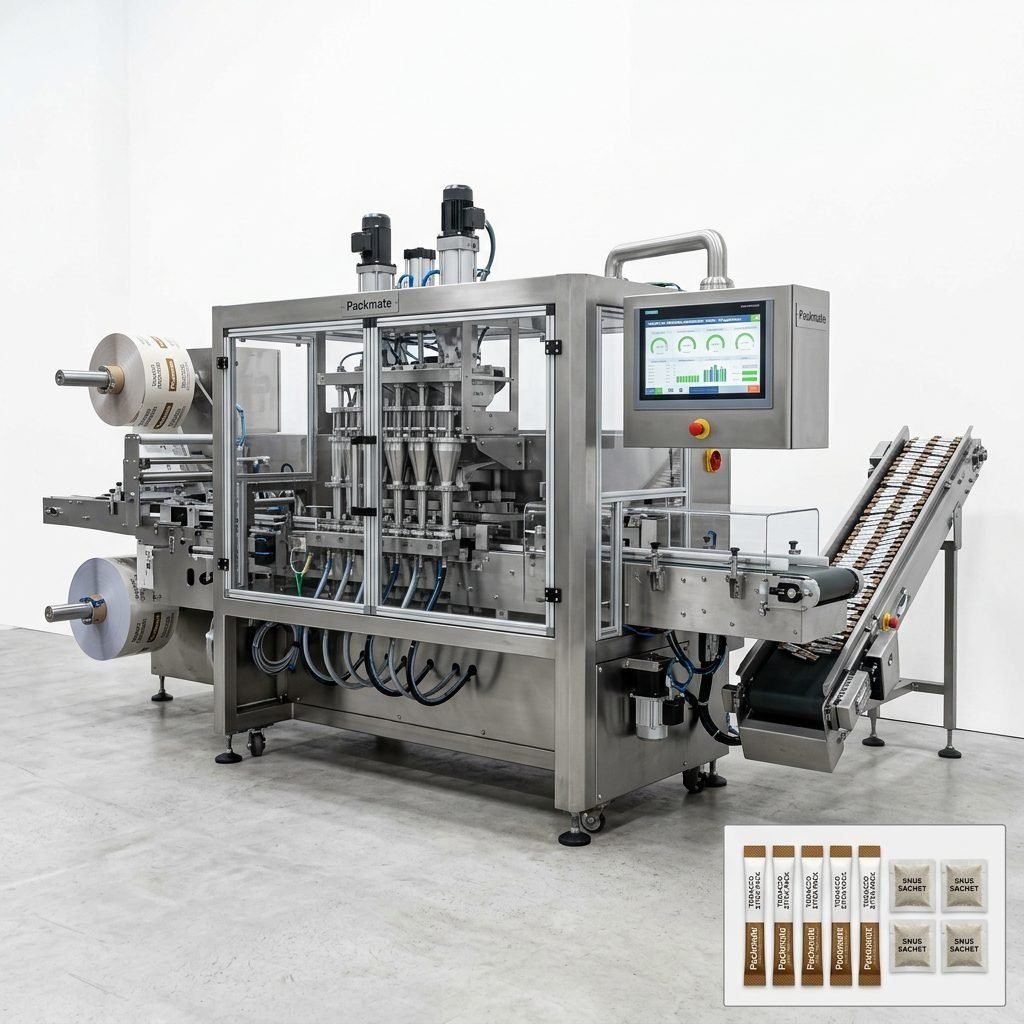
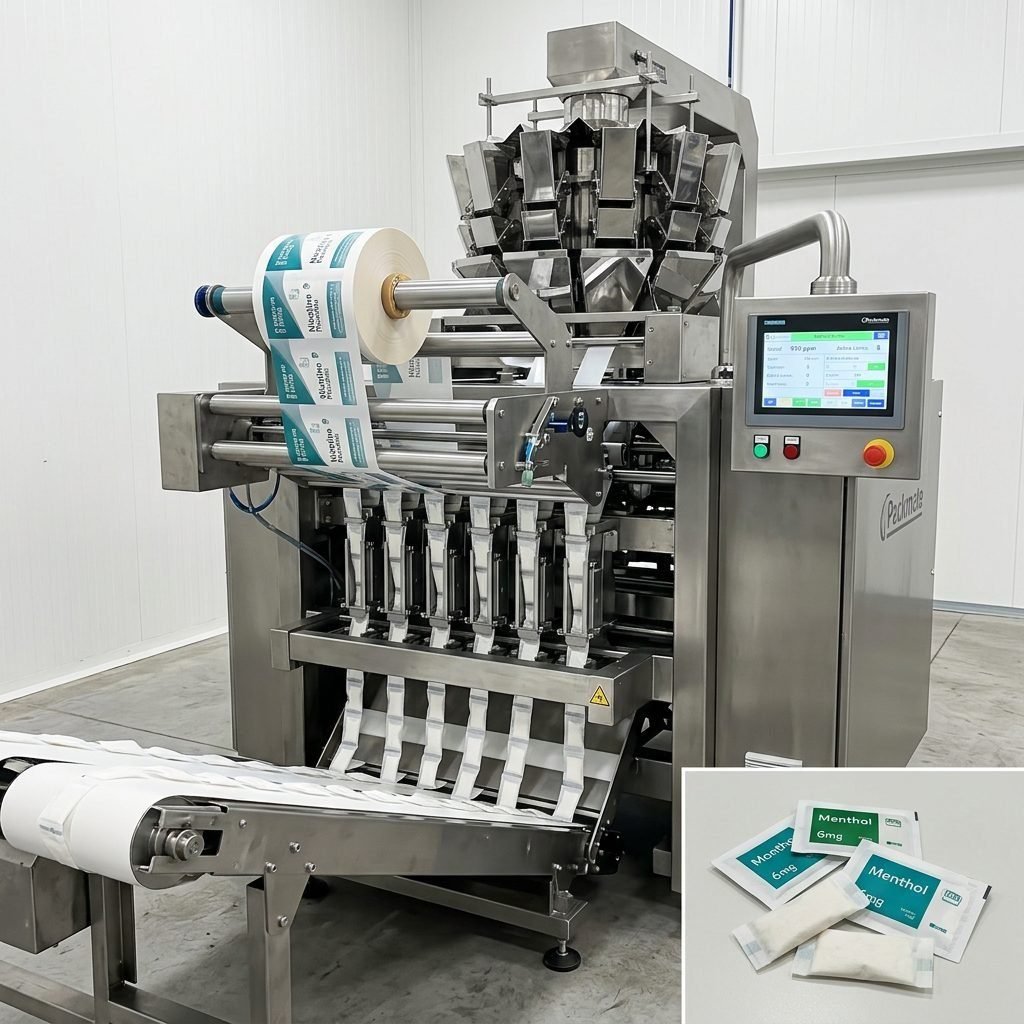
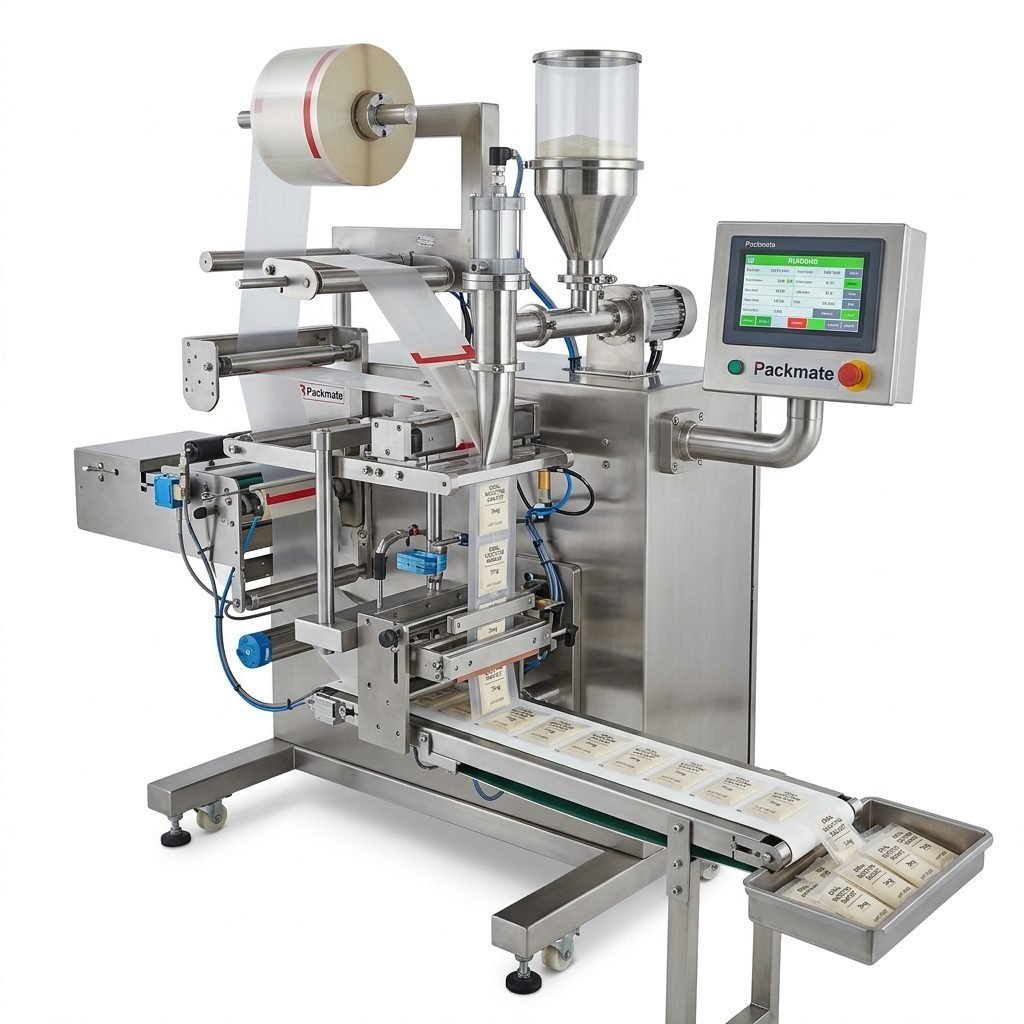
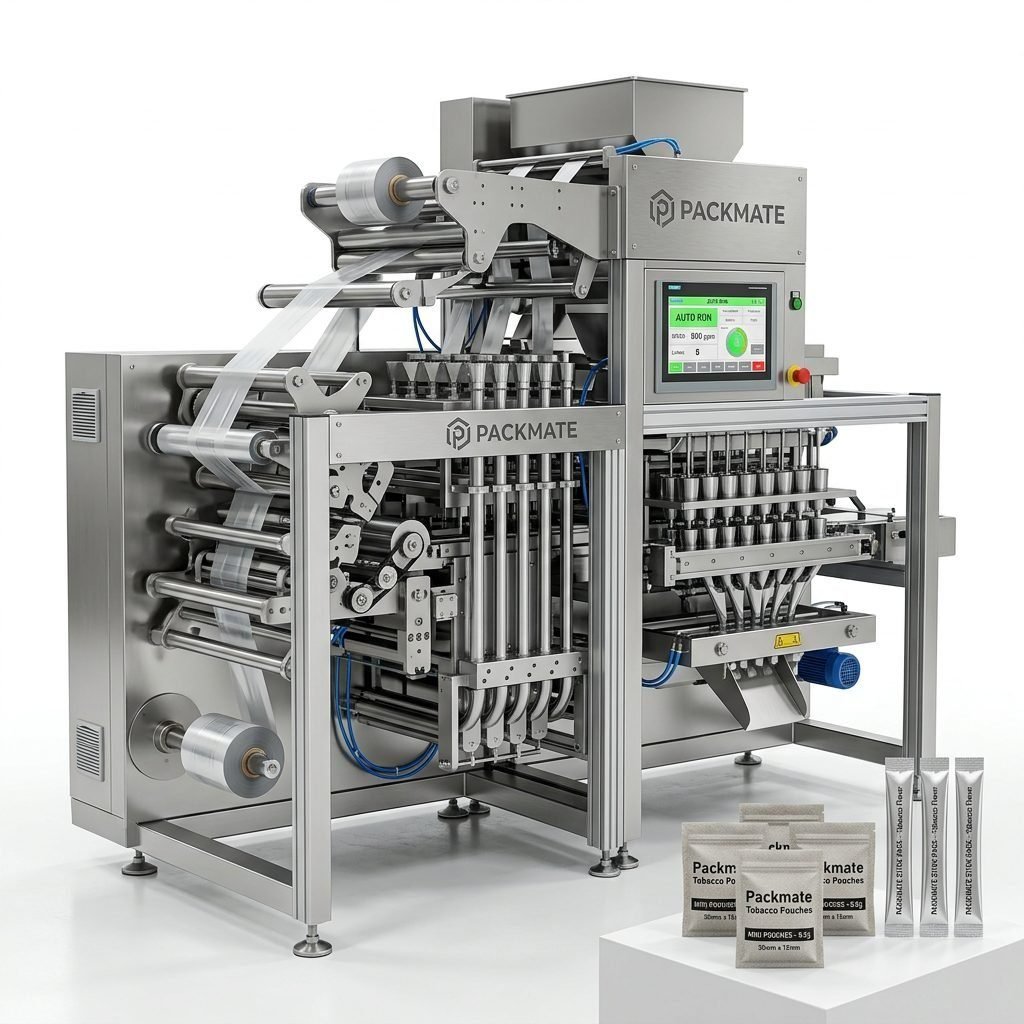
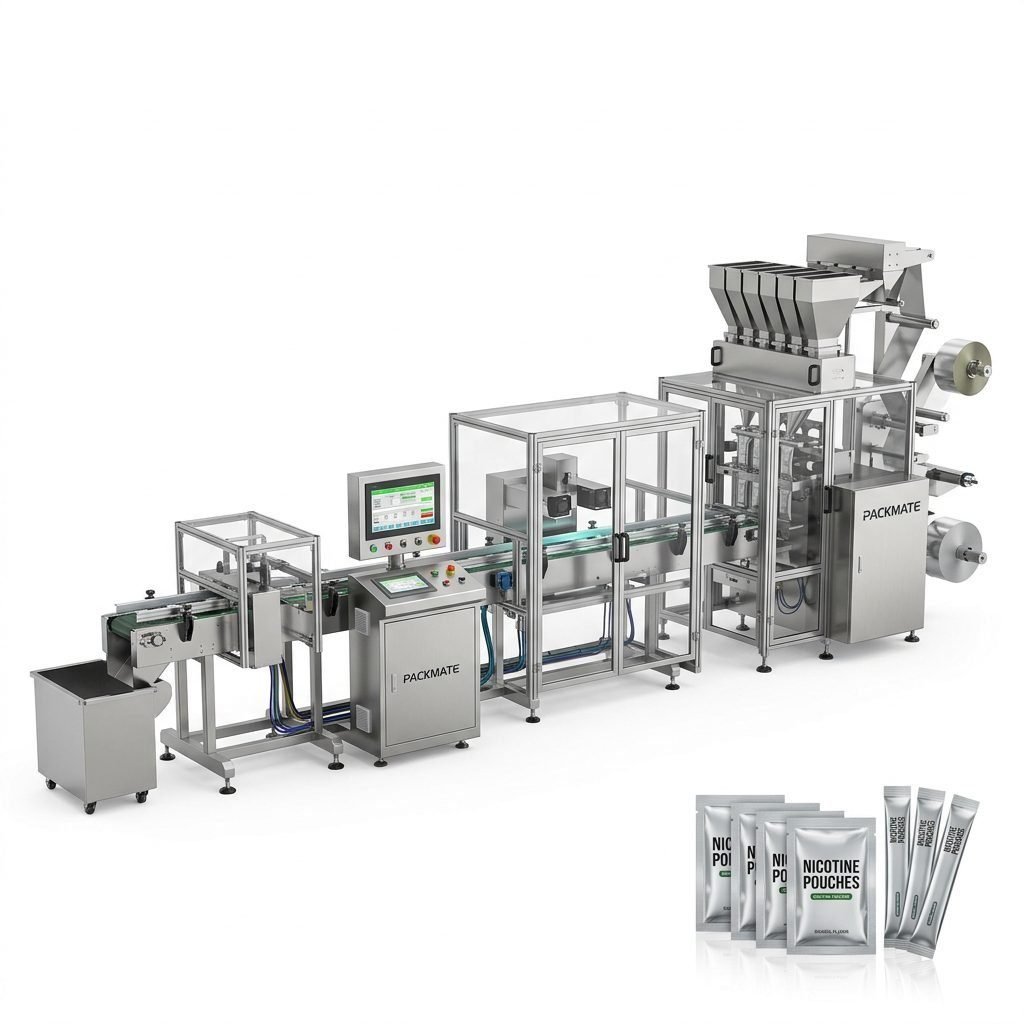
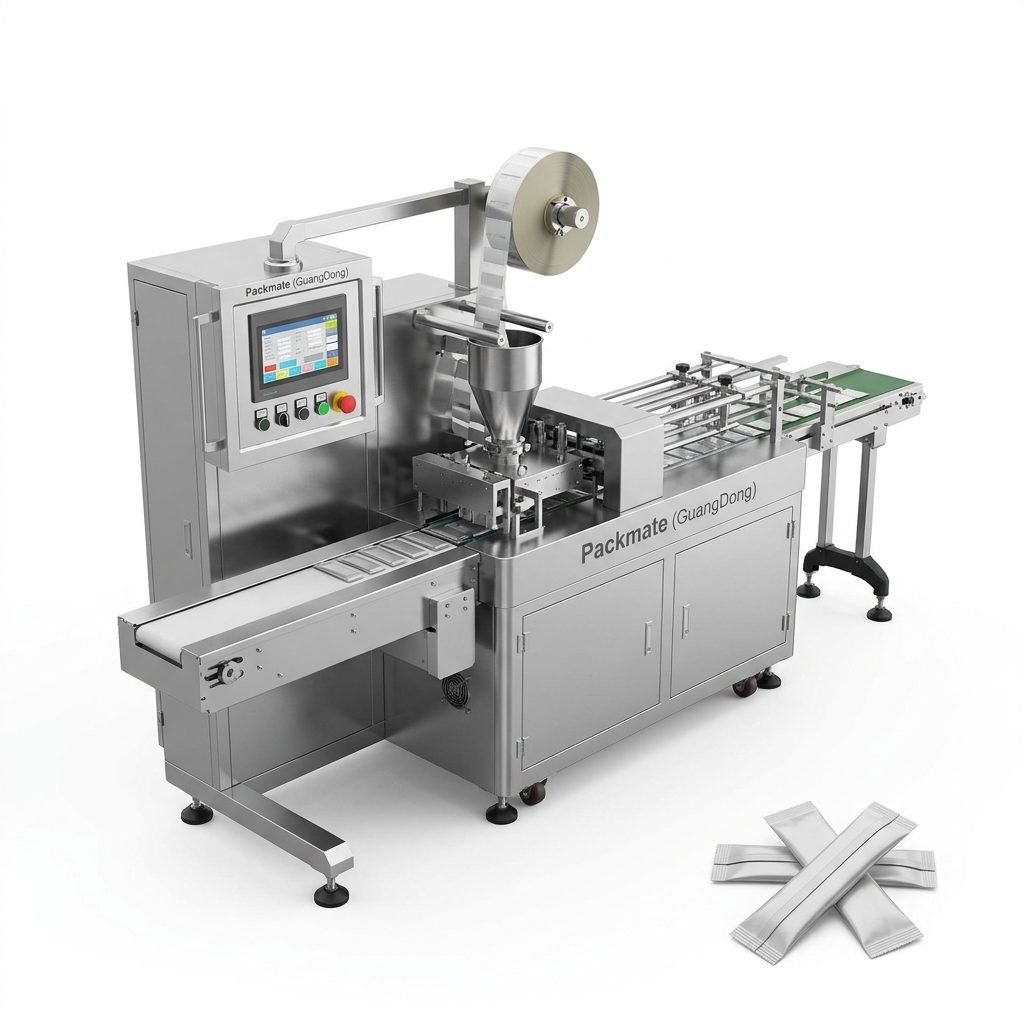
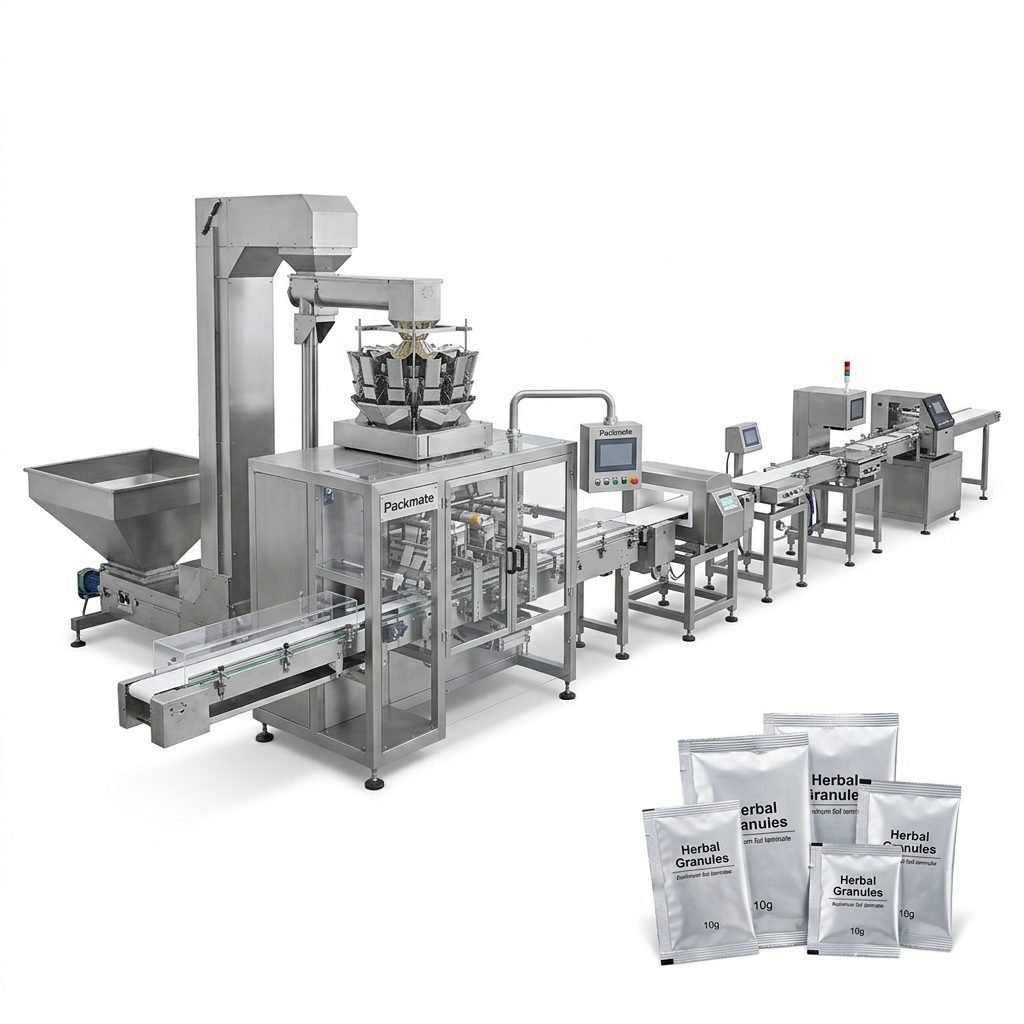
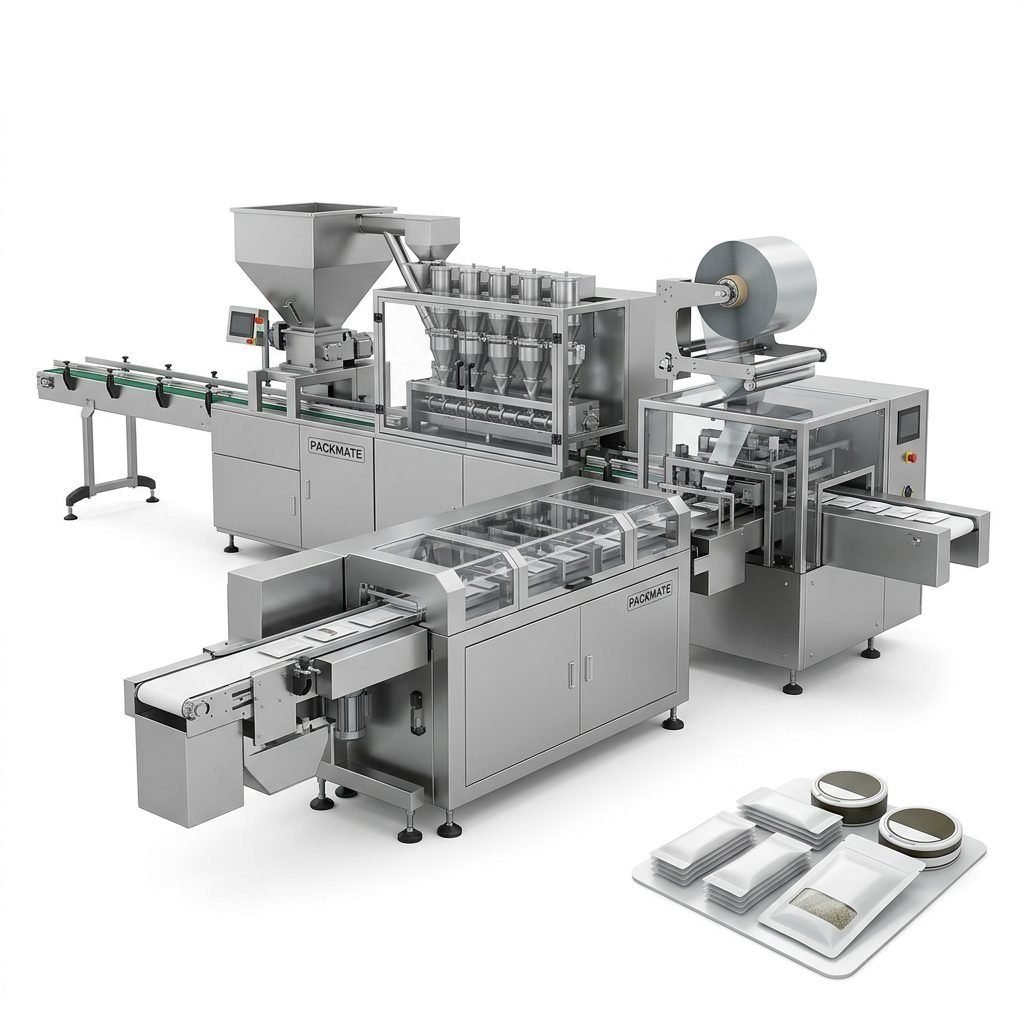
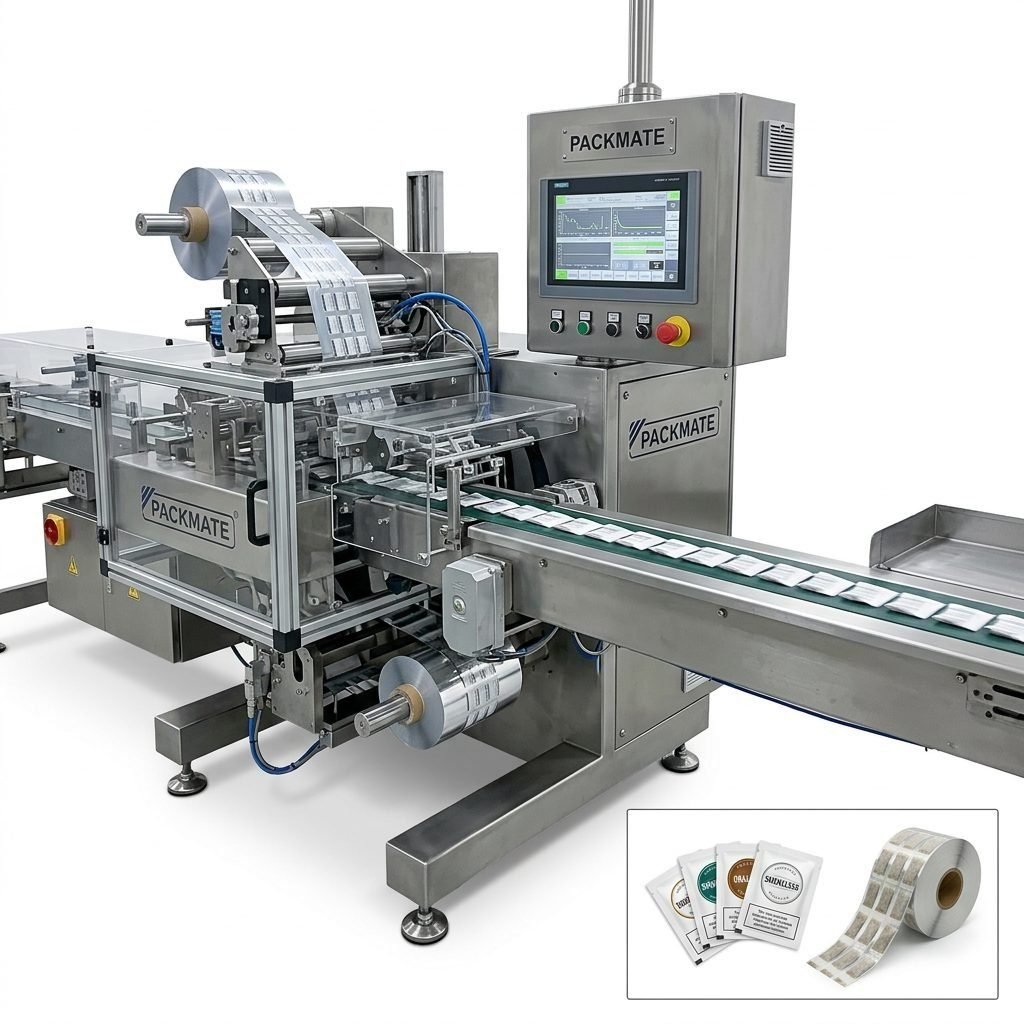
Nicotine pouch production demands precision, hygiene, and stable speed. Suppliers that specialize in snus and nicotine pouch equipment will offer dedicated designs such as multi-lane pouch forming systems, sachet and stick pack machines, and complete filling & packaging lines. Look for modular solutions that can scale as your demand grows.
If you want to explore proven machine families, consider vendors that list detailed product categories such as Snus & Nicotine Packaging Machines, Sachet & Stick Pack Machines, and Weighing & Packaging Systems.
Key technical features to check
- Precision dosing and minimal dose variation across lanes
- Hygienic contact surfaces and easy-clean designs
- Reliable sealing and pouch integrity at target speeds
- PLC controls, recipe management, and remote diagnostics
- Availability of spare parts and modular upgrades
Verify Certifications and Compliance
For nicotine products, regulatory scrutiny can be high. Ensure your potential supplier provides machines that meet international standards (CE, ISO) and can be validated within your local quality framework. Certificates reduce risk and help with customs clearance and import approvals.
✓ CE and ISO certificates • Factory acceptance test (FAT) reports • Material declarations for contact parts • Case studies and client references
Assess Manufacturer Experience and Factory Strength
Suppliers with decades of experience in snus and nicotine pouch machines bring mature engineering and stable designs. A robust factory with CNC centers and precision assembly lines indicates consistent quality control and the ability to customize equipment for special product formats.
For example, experienced manufacturers often showcase their production capacity and development history. You can learn more about a manufacturer’s background and capabilities on pages such as About Packmate and product case studies like Case.
After-Sales Service, Spare Parts and Local Support in Belize
Reliable after-sales service is often the deciding factor. Check the supplier’s spare parts strategy: Do they stock common wear parts? What are lead times for replacement components? Remote support and on-site commissioning options are crucial when operating outside major manufacturing hubs.
If the supplier has local or regional partners, inquire about trained technicians who can travel to Belize. For international manufacturers, fast-response remote diagnostics and clear spare-parts kits for first-line maintenance are essential.
Service items to confirm before purchase
- Warranty terms and extended service plans
- Turnaround time for spare parts shipped to Belize (via Belize City port)
- Training for local operators and maintenance staff
- Availability of remote troubleshooting and software updates
Consider Logistics and Belize-Specific Supply Chain Factors
Belize’s logistics landscape presents both opportunities and constraints. Belize imports much industrial equipment—major seaports and air freight routes serve the country, but lead times can be impacted by customs procedures or seasonal shipping peaks. Plan for transit times, customs clearance documentation, and on-site handling needs.
⚠️ Engage a local customs broker early • Book inland transport in advance • Confirm machine crating dimensions for port handling • Plan commissioning visit around local holidays and weather seasons
Factor in Local Business Culture and Relationships
Business in Belize often values personal relationships and clear communication. Belizean companies appreciate suppliers who can provide straightforward timelines, honor commitments, and build trust. Scheduling virtual meetings in advance of visits, offering bilingual support (English is official; Spanish and Belizean Creole are common), and being mindful of local holidays will help build productive partnerships.
Inspect Factory and Request Demonstrations
Whenever possible, inspect the vendor’s factory or request live demonstrations. Witnessing machine performance, material handling, and operator ergonomics gives clarity on real-world operation. If an in-person visit isn’t feasible, ask for a live video FAT, recorded runs with your pouch material, and sample product outputs.
Many experienced suppliers provide robust pre-shipment testing protocols and will share FAT documentation, performance curves, and sample packs. Trusted suppliers also maintain public galleries of projects and exhibitions—consult manufacturer exhibition pages like Our Exhibition to see live demos and event participation.
Verify References and Global Delivery Track Record
Ask for references in similar markets. Suppliers with proven deliveries across Europe, Asia, and the Americas demonstrate the ability to navigate diverse regulatory, logistical, and cultural settings. Examine completed projects, client testimonials, and long-term service relationships.
A reliable supplier will gladly share client case studies, installation photos, and performance metrics—these are practical signs of long-term reliability.
Negotiate Terms: Pricing, Lead Times and Risk Sharing
Beyond the headline price, clarify lead times, payment terms, warranty coverage, and acceptance criteria. For longer lead-time builds, consider milestone payments linked to clear deliverables such as design approval, FAT completion, and shipping. Negotiate spare-parts kits and initial operator training as part of the contract to reduce ramp-up risk.
Consider Turnkey vs. Modular Solutions
A turnkey line includes all upstream and downstream equipment integrated and tested by the supplier, reducing interface risk. Modular solutions enable gradual scaling, often reducing initial capital expenditure. For new operations in Belize, turnkey solutions minimize integration work but require careful validation of the supplier’s system integration experience.
If you’re evaluating full line providers, review integrated lines such as Filling & Packaging Lines and auxiliary equipment options on supplier product pages.
Why a Specialized Snus Machine Manufacturer Matters
Specialized manufacturers bring domain knowledge: they understand unique pouch materials, small-dose accuracy, and the nuances of snus and nicotine pouch formats. Their long-term R&D in multi-lane systems and pouch integrity often results in machines that are more stable at high speeds, easier to maintain, and better documented for regulatory audits.
Manufacturers with a long history and transparent credentials reduce procurement risk. For more technical and business details about an experienced supplier, refer to corporate pages like Mission & Vision and technical catalogs such as Catalog.
❌ No FAT or sample testing with your materials • ❌ Unclear spare parts availability • ❌ No local support options for Belize • ❌ Missing certifications or vague compliance documentation
Making the Final Decision
Compile a supplier scorecard covering technical fit, certifications, service model, logistics readiness, commercial terms, and references. Prioritize suppliers who demonstrate transparency, provide FAT and acceptance tests, and offer clear training and spare parts plans. A strong candidate will combine engineering expertise, a credible factory footprint, and practical experience delivering to diverse global markets.
If you need further help
Contact vetted manufacturers directly to request tailored proposals, factory tours, and FAT schedules. For example, manufacturers often provide contact options and service details on their support pages—see Service and Contact Us for direct inquiries.
Conclusion
Selecting the best nicotine packaging machinery supplier for Belize requires a balance of technical capability, regulatory compliance, logistical planning, and strong after-sales support. Prioritize suppliers with proven snus and nicotine pouch experience, documented FAT procedures, accessible spare parts, and a commitment to training and remote assistance. Building a relationship with such a partner will reduce operational risk, accelerate time-to-market, and help you maintain consistent product quality.
Frequently Asked Questions
Q1: What certifications should I insist on?
Ask for CE and ISO certificates, material contact declarations, and FAT documentation. These show the supplier adheres to international safety and quality processes and help with customs and regulatory audits in Belize.
Q2: How long does shipping and installation usually take for Belize?
Shipping depends on the factory location, freight mode, and customs processing; expect several weeks to a few months. Factor in time for customs clearance at Belize City, inland transport, and on-site commissioning. Early coordination with a local customs broker reduces delays.
Q3: Should I choose turnkey or modular equipment?
Turnkey lines reduce integration risk and are ideal for fast ramp-up, while modular solutions lower initial cost and allow phased scaling. Choose based on budget, in-house engineering capability, and timeline requirements.
Q4: How can I ensure fast support after purchase?
Negotiate spare-parts kits, remote diagnostics, and guaranteed response times into your contract. Ensure the supplier provides operator training and clear maintenance documentation to minimize downtime.
Q5: Where can I find reliable supplier references and product information?
Review supplier case studies, exhibition footage, and product catalogs. Manufacturer pages like Case, Certificate, and FAQs provide useful insights into past projects and technical references.