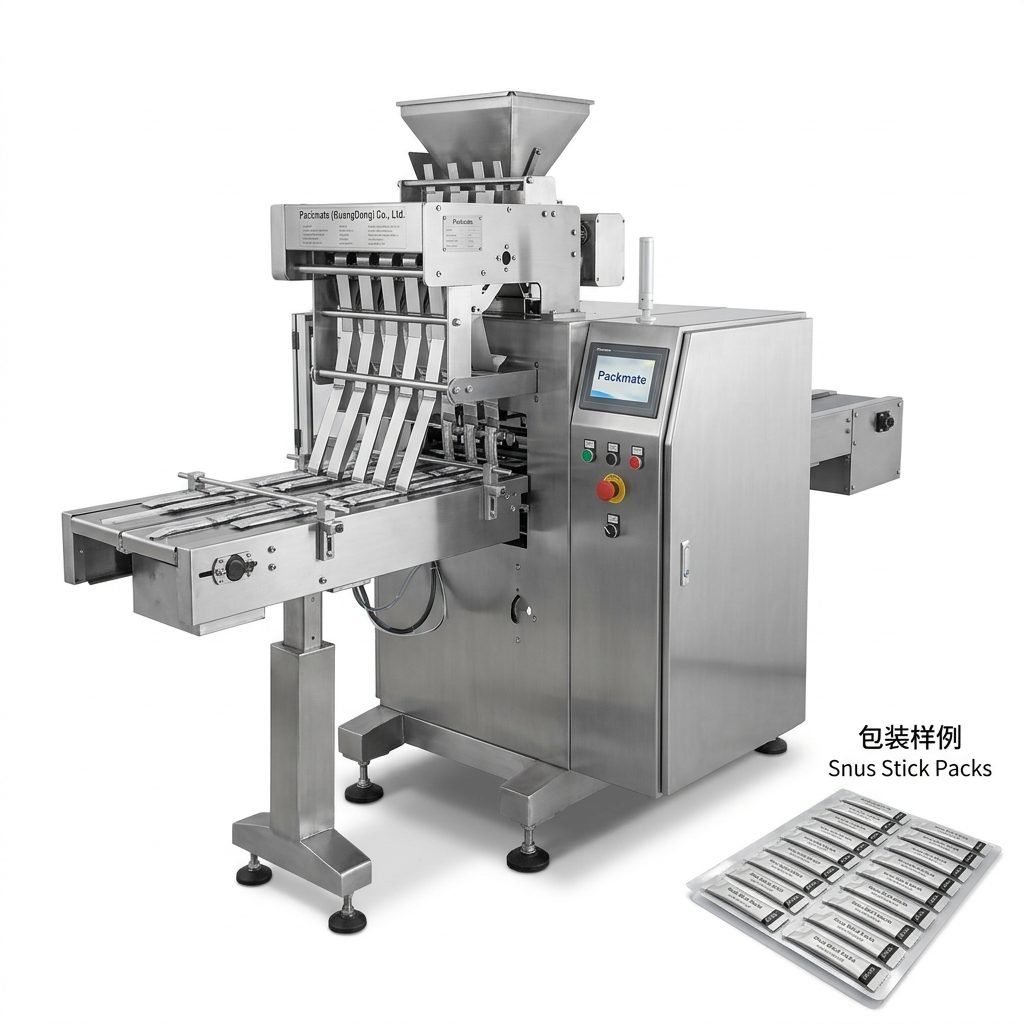
Choosing the right nicotine packaging machine supplier in Benin is a strategic decision that affects product quality, compliance, and profitability. Whether you are producing nicotine pouches, snus, sachets, or stick packs, selecting a reliable partner means evaluating technical capability, after-sales service, logistics, and local market needs. This guide helps manufacturers, entrepreneurs, and procurement teams in Benin make informed choices by highlighting practical tips, supplier criteria, and local considerations unique to Benin’s business environment.
Understand the Beninese Market and Cultural Context
Benin is a French-speaking West African country where small and medium enterprises (SMEs) and informal trade dominate many consumer goods markets. Packaging often needs to be bilingual (French and local languages) and resilient to high humidity and heat. When evaluating suppliers, consider machines that support flexible print and labeling options to comply with local language and regulatory requirements. Also, be mindful that business dealings in Benin value face-to-face relationships and trust-building, so suppliers who provide clear local communication and reliable timelines will stand out.
Local Logistics & Infrastructure Considerations
Power stability, shipping to Cotonou port, customs clearance, and available technical talent for installation and maintenance are practical constraints. Choose machines that tolerate voltage fluctuations or come with recommended voltage stabilizers, and ensure the supplier assists with shipping documentation and customs support. Look for compact footprint options if your facility space is limited.
🔶 Tip: Request a shipping checklist and electrical requirements sheet before placing an order so you can prepare your Benin site for installation and avoid unnecessary delays.
Key Machine Types and What They Mean for Your Production
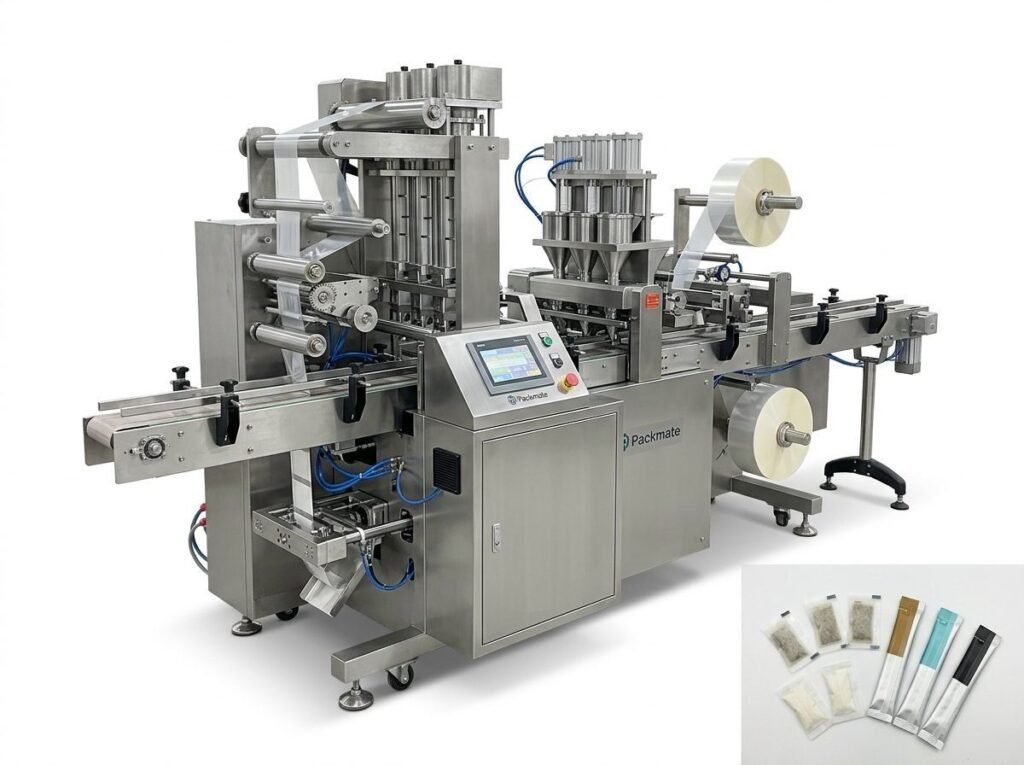
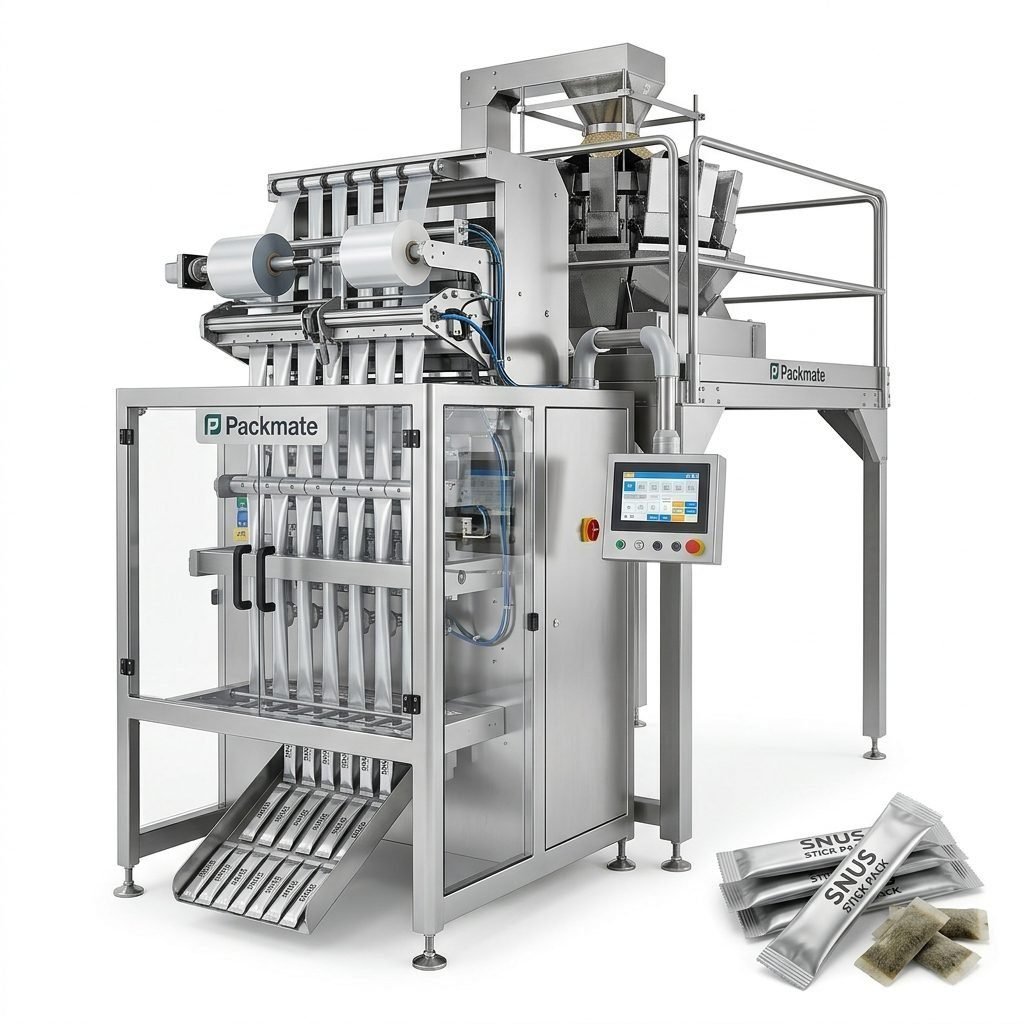
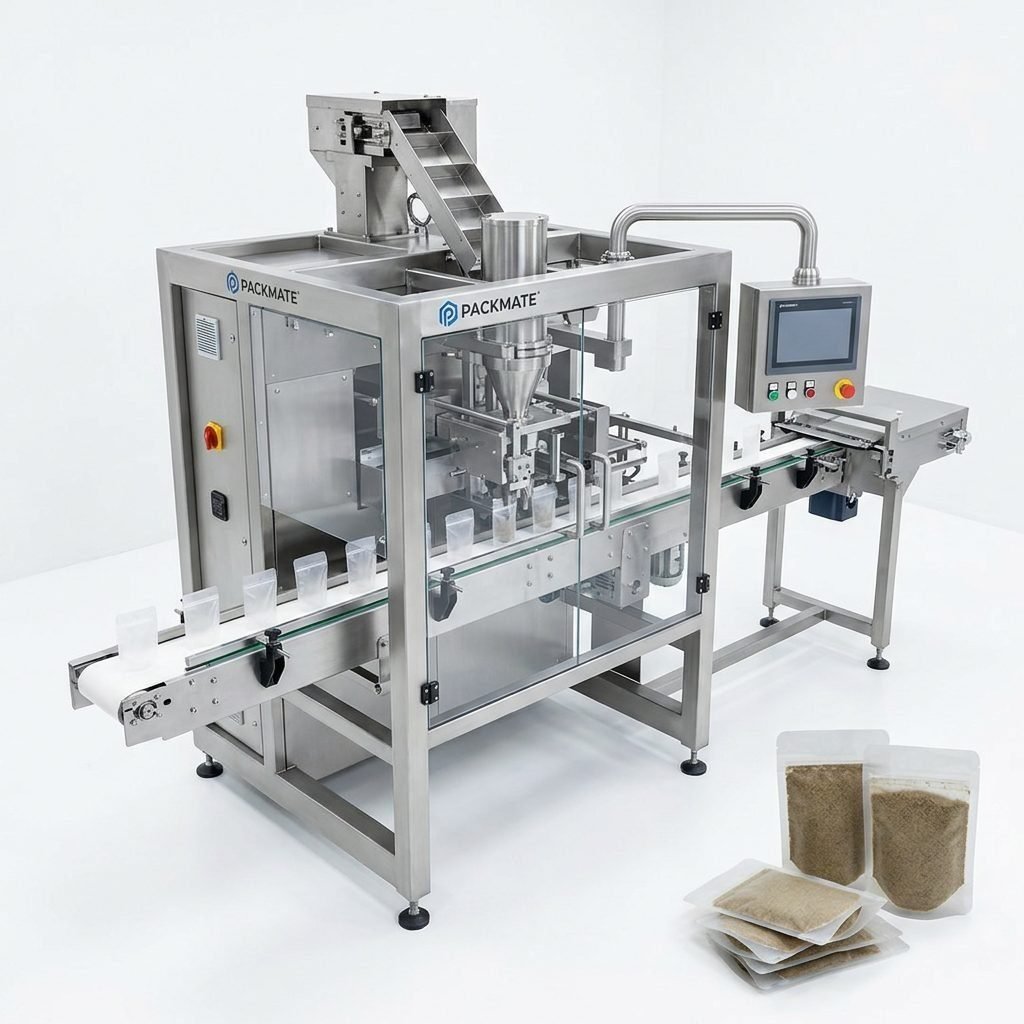
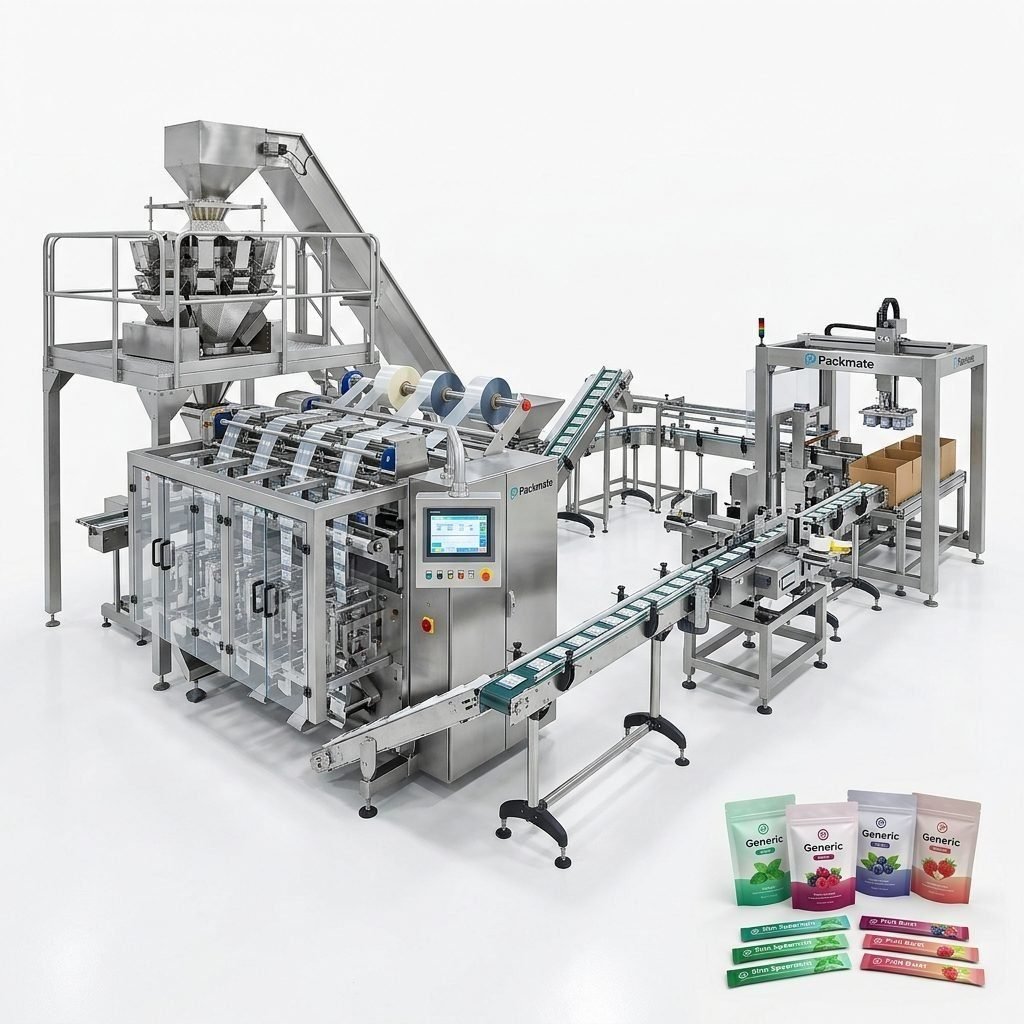
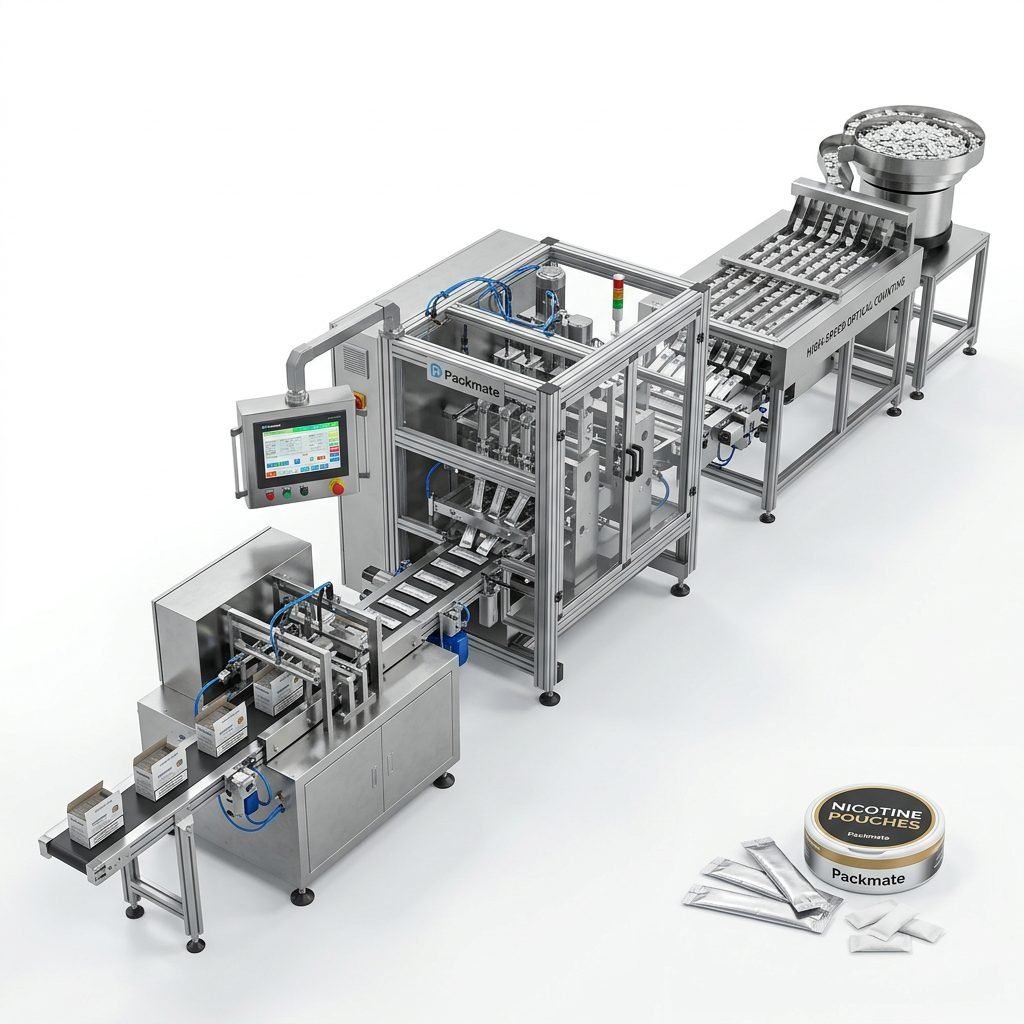
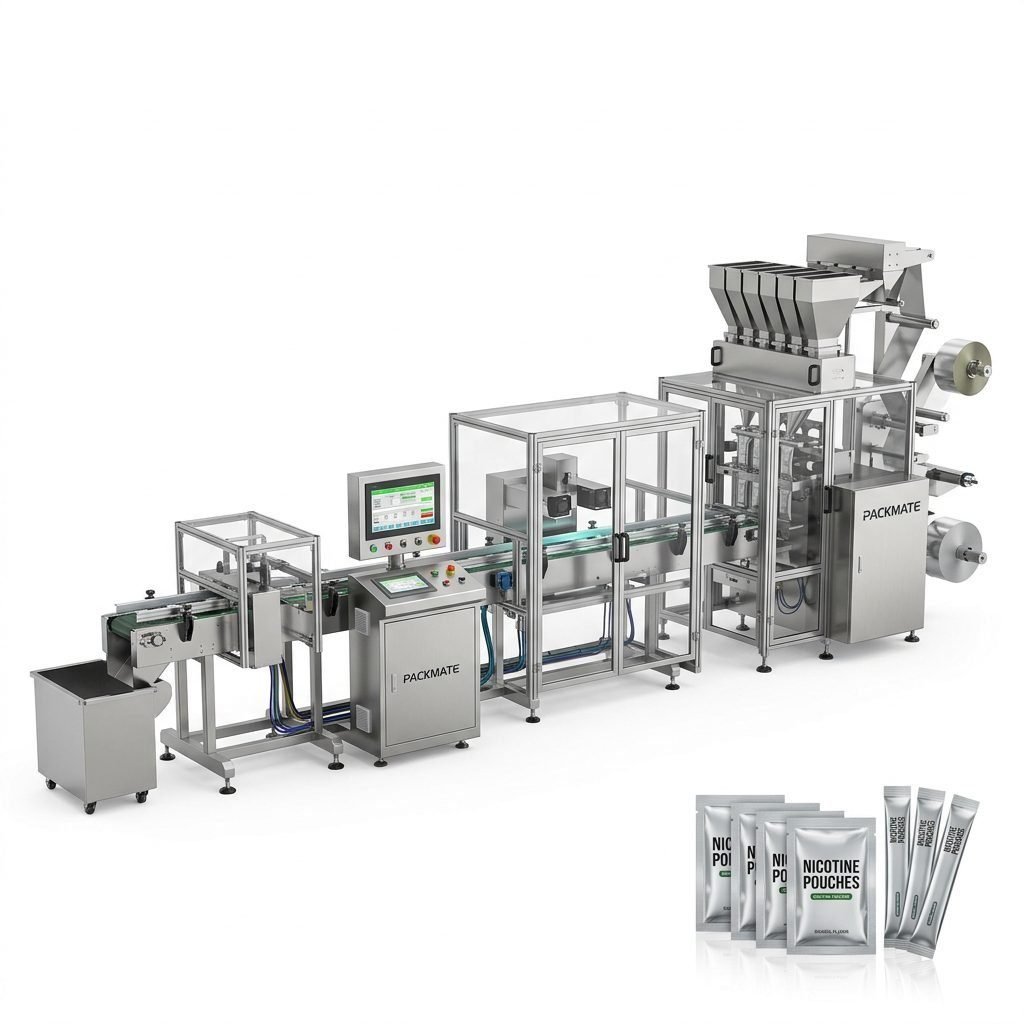
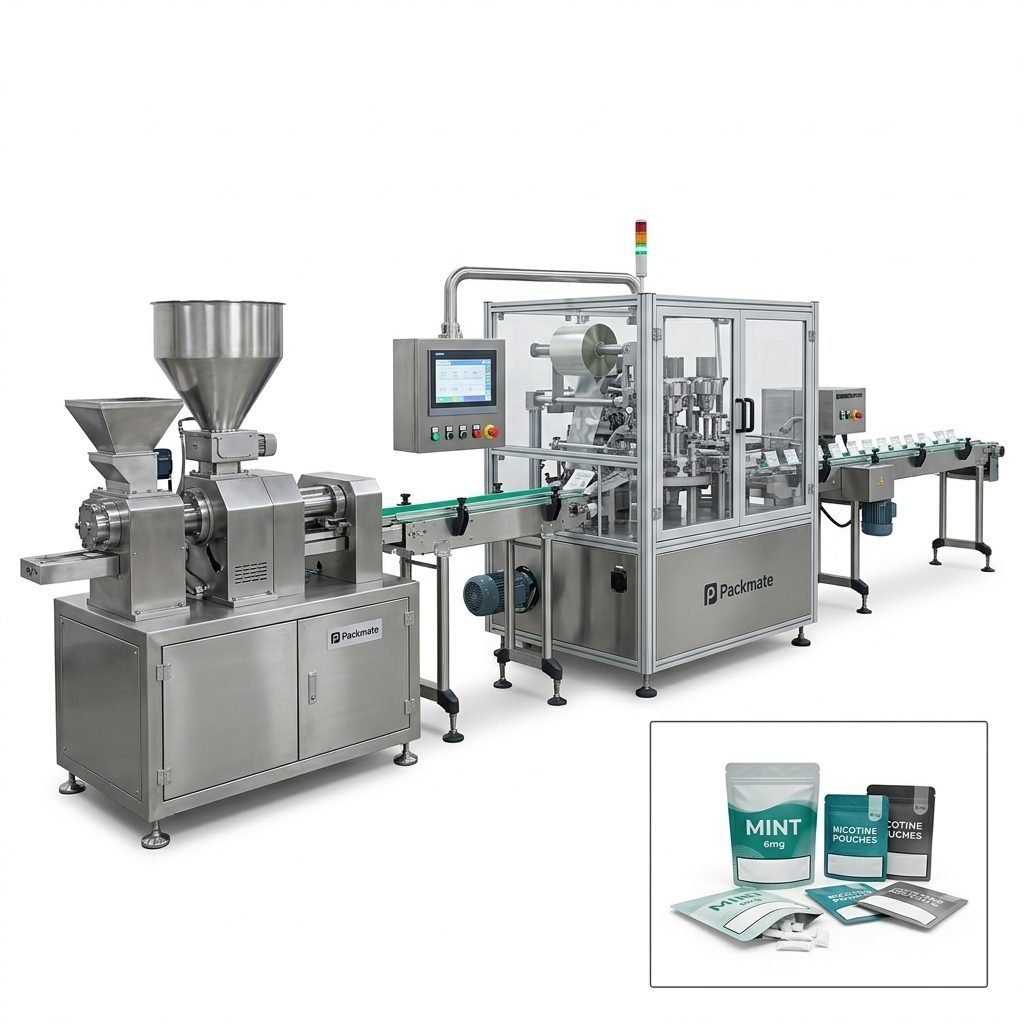
Evaluate the primary packaging formats you need: nicotine pouches/snус pouches, stick packs, sachets, or multi-lane small-dose systems. Each format requires specific filling, sealing, and dosing technologies. For example, multi-lane pouch systems accelerate output for small-dose nicotine pouches, while stick pack machines are ideal for single-serve tobacco-free nicotine sachets.
What to verify for each machine type
- Accuracy of dosing (mg tolerance for nicotine pouch contents).
- Material compatibility (paper, foil, laminated films) for moisture protection.
- Changeover time and tool-less adjustments for small batch production.
- Speed and multi-lane capabilities to meet projected output.
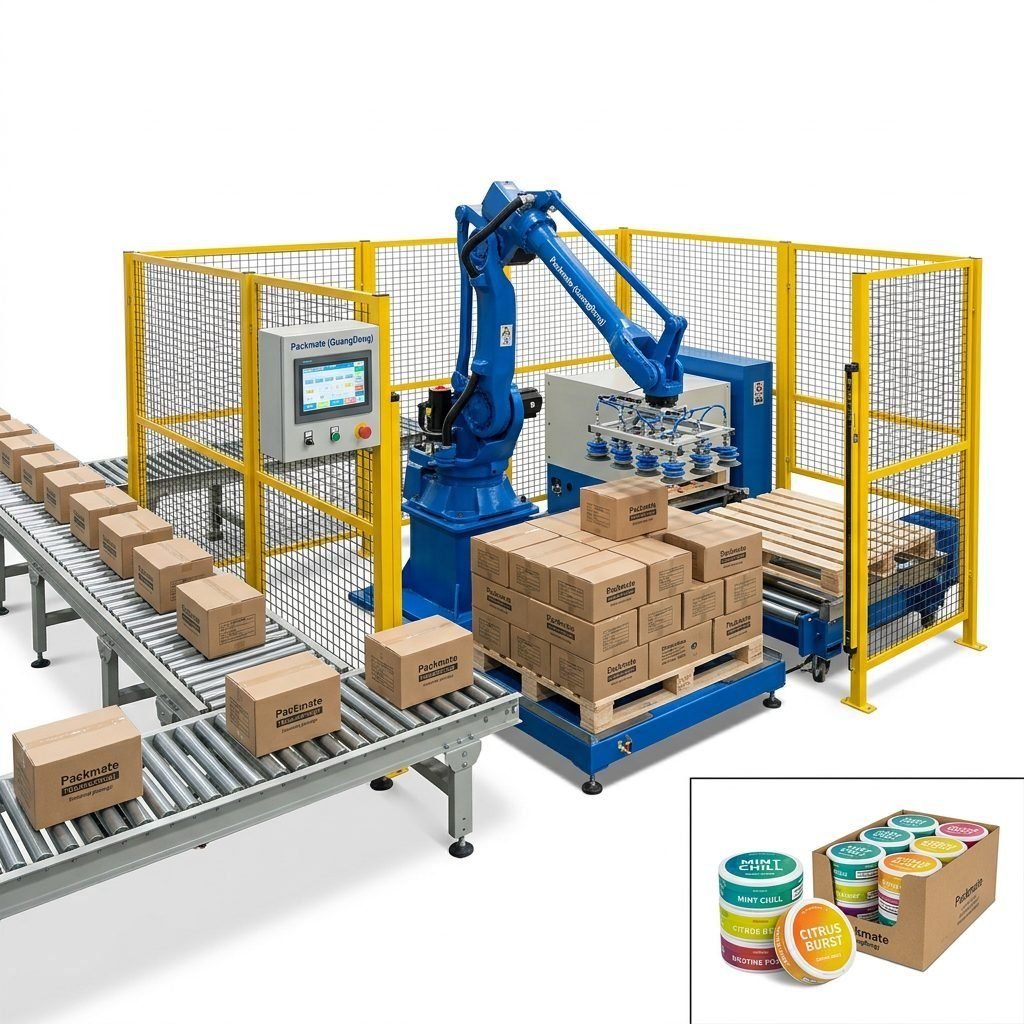
- Integration with upstream weighing and downstream cartoning systems.
Technical Specifications: What to Inspect Closely
Technical performance is the backbone of any supplier evaluation. Pay attention to these technical parameters and ask for verified test data:
✅ Accuracy: Minimum dosing error and repeatability figures. For nicotine pouches, mg-level accuracy is critical.
✅ Speed & Yield: Expected output (pieces/min or lanes x speed) plus real-world yield rates after stoppages.
✅ Material Handling: Supported film types, pouch sizes, and compatibility with barrier films for tropical climates.
Quality, Certifications, and Compliance
Reliable suppliers will provide certifications and testing evidence. For international markets and for ensuring product safety:
- Ask for CE and ISO certificates to confirm production and safety standards.
- Request material compliance reports (food contact and barrier properties) where applicable.
- Verify calibration and traceability for weighing and dosing systems.
Supplier Transparency
Transparent suppliers share factory photos, line run videos, and customer references. If a supplier offers turnkey solutions—integrating feeding, weighing, filling, and final packaging—this simplifies implementation in Benin and reduces coordination risks.
After-Sales Support, Spares, and Training
After-sales service is a decisive factor for operations in Benin, where local technical resources may be limited. Consider these service aspects:
- Availability of spare parts and average lead times for shipments to Benin.
- Remote support options (video troubleshooting, spare parts lists, diagnostic tools).
- On-site commissioning, operator training, and preventive maintenance packages.
⚠️ Important: Confirm whether training is provided in French and if documentation is available in French to better serve Beninese teams.
Total Cost of Ownership and ROI
Upfront machine price is only part of the equation. Calculate total cost of ownership (TCO) using:
- Initial machine cost and shipping to Benin (include duties and handling).
- Installation and commissioning fees.
- Spare parts consumption and consumables (seals, knives, belts).
- Energy consumption and maintenance labor.
- Downtime costs—choose models known for stability in humid climates.
Vendor Selection Checklist
Use a standardized checklist to compare suppliers objectively. Key items include:
- Machine performance data and independent test reports.
- Factory capability and experience with nicotine pouch/snус equipment.
- Certifications (CE, ISO) and client references in similar markets.
- Lead times for manufacturing and spare parts supply to West Africa.
- Local language support and technical documentation availability.
- Warranty terms and availability of remote diagnostics or local partners.
Why Packmate Snus Machine is Worth Considering
Packmate Snus Machine, with over 30 years of engineering experience and a 20,000㎡ manufacturing facility, specializes in snus and nicotine pouch packing solutions. Their offerings include multi-lane small-dose pouch machines, sachet and stick pack systems, and fully integrated lines. For buyers in Benin looking for reliability and turnkey support, Packmate provides factory-backed certifications, global service, and flexible customized systems.
Explore relevant product lines and technical descriptions from Packmate:
Snus & Nicotine Packaging Machines,
Sachet & Stick Pack Machines, and
Weighing & Packaging Systems.
Practical Negotiation and Procurement Tips for Benin
In Benin, trust and clarity in commercial terms matter. When negotiating:
- Request clear Incoterms (FOB, CIF, DDP) and compare total landed cost to Cotonou.
- Negotiate payment milestones tied to factory acceptance tests (FAT), shipping, and successful commissioning.
- Ask for FAT videos and spare parts lists before shipment.
- Confirm who will handle customs clearance and local agent responsibilities.
🔶 Pro tip: Seek suppliers who participate in global trade shows and can provide real case studies—this indicates credibility and experience with international logistics. See Packmate’s exhibition records for reference: Our Exhibition.
Installation, Commissioning, and Local Workforce Training
Successful installation is critical in Benin. Confirm the supplier will:
- Provide on-site commissioning or remote guidance in French.
- Deliver spare parts kits and recommended maintenance schedules.
- Offer operator training and machine manuals in French.
Maintenance Best Practices to Maximize Machine Uptime
Adopt preventive maintenance plans to minimize downtime. Key practices:
- Keep consumables (seals, blades) in stock locally.
- Schedule routine calibration for weighing systems.
- Train local technicians for first-line troubleshooting.
Connecting with the Supplier
Reach out for catalogs, case studies, and service information. Useful links from Packmate:
Catalog,
Case Studies, and
Contact Us.
🔧 Checklist before signing: factory certification, FAT results, spare parts list, training plan, shipping Incoterms, warranty coverage, and language of documentation.
Summary and Final Decision Factors
In Benin, prioritize suppliers who combine technical excellence with practical logistics and local-language support. Evaluate machines for accuracy, material compatibility, and humidity resilience. Ensure the supplier provides spare parts, remote support, and French-language documentation or training. Consider total cost of ownership and choose partners who back their machines with clear FAT evidence and post-sale service.
Additional Resources
For product categories and system overviews, check Packmate’s product pages for snus and nicotine packaging solutions, weighing systems, and auxiliary equipment:
Snus & Nicotine Packaging Machines,
Filling & Packaging Lines, and
Service.
Frequently Asked Questions
Q1: How long does shipping and customs typically take to Benin?
A1: Transit to Cotonou usually ranges from 3–6 weeks depending on routing and Incoterms; customs clearance can take extra days if paperwork is incomplete. Plan for 6–10 weeks from factory to commissioned operation.
Q2: Are Packmate machines suitable for humid, tropical climates like Benin?
A2: Yes. Packmate emphasizes material compatibility and robust sealing technologies; discuss film barrier properties and environmental controls to ensure product shelf life under local conditions.
Q3: What local preparations are needed before machine arrival?
A3: Prepare a cleaned, leveled installation area, ensure power supply matches machine specifications (or install stabilizers), and arrange for customs clearance documents and local technical staff to be available during commissioning.
Q4: How can I verify supplier reliability before purchase?
A4: Request FAT videos, client references, factory photos, certification documents (CE/ISO), and warranty terms. If possible, visit exhibitions where the supplier demonstrates equipment or review case studies online.
Q5: Where can I get technical catalogs and contact support?
A5: Download catalogs and view product lines at the manufacturer’s website: Catalog and contact support via Contact Us.