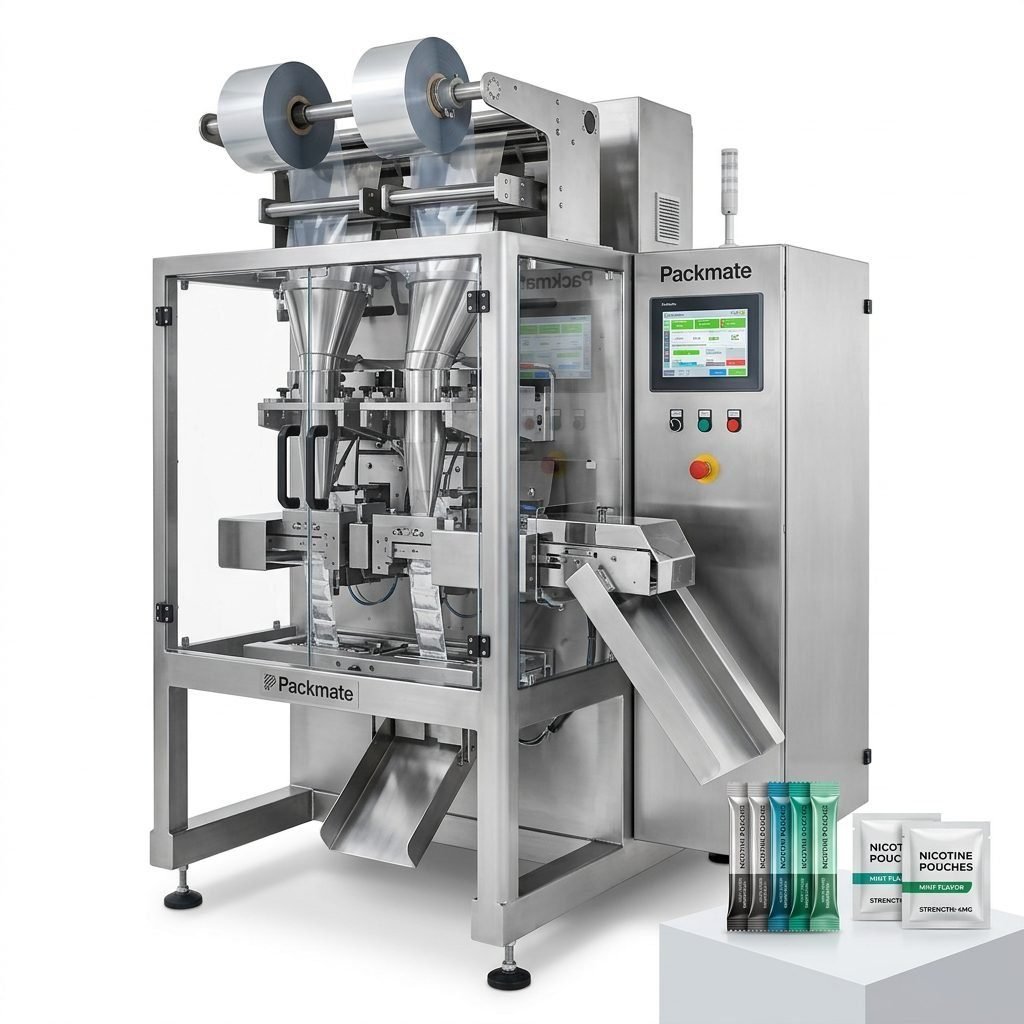
Choosing the right nicotine packaging machinery supplier for operations in the Marshall Islands requires more than price comparison — it needs an understanding of local import practices, compliance expectations, and the niche demands of snus and nicotine pouch production. This guide walks purchasing managers, business owners, and plant engineers through a practical, step-by-step process to select a supplier who delivers reliable machines, turnkey lines, and long-term support.
Understand the Local Context in the Marshall Islands
The Marshall Islands is a small Pacific nation with specific logistical and cultural considerations. Freight typically arrives by sea and then moves across limited local transport networks, so lead times and packing robustness are crucial. Business culture is relationship-driven — long-term trust and clear communication matter. When evaluating suppliers, prioritize those who demonstrate experience serving island nations or remote customers and who can offer detailed shipping plans, local customs documentation, and remote training where on-site visits may be limited.
Why supplier selection matters for nicotine packaging
Nicotine pouch and snus packaging lines have high precision and hygiene demands. A wrong choice can mean frequent downtime, inconsistent dosing, compliance risks, or high spare-parts costs. For small markets like the Marshall Islands, downtime caused by incorrect machinery can translate into long delays for replacement parts — so choose a supplier who prioritizes durability and remote diagnostic support.
Key takeaway: Suppliers with proven global experience, strong manufacturing capacity, and clear after-sales plans deliver the best outcomes for island operations.
1. Verify Manufacturer Experience & Factory Strength
Look for suppliers with decades of engineering history, advanced manufacturing facilities, and multiple machine models. A supplier with an established production base can offer faster customizations, better quality control, and reliable spare part availability. For example, a manufacturer with a 20,000㎡ factory, CNC machining centers, and precision assembly lines indicates strong production capabilities and quality consistency.
Checklist
- Years in industry (ideally 10+; 30+ is excellent)
- Factory size and machining capability
- Number of machine models and customization options
- Global turnkey project references
2. Evaluate Product Range: Match Machines to Your Product
Your supplier must offer machines that fit your nicotine pouch formats, dosing needs, and throughput goals. Core machine categories to evaluate:
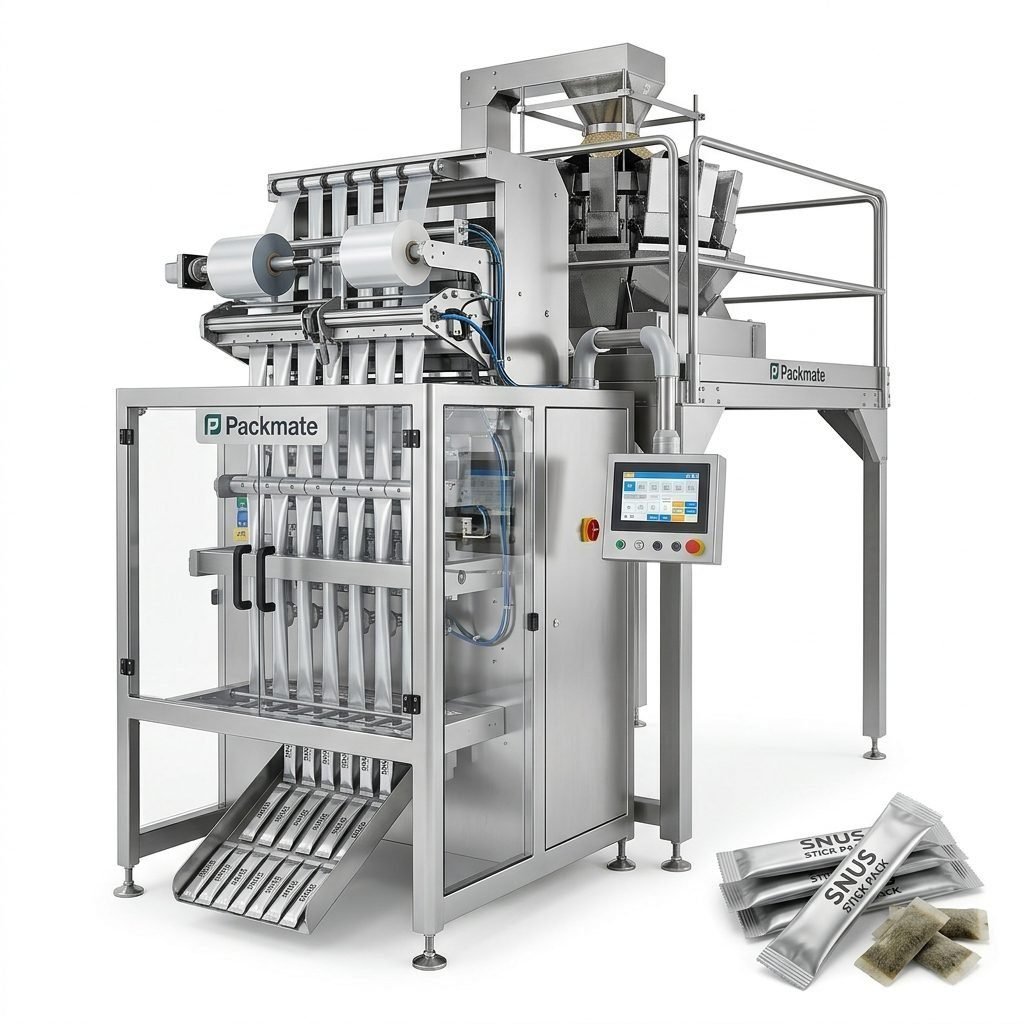
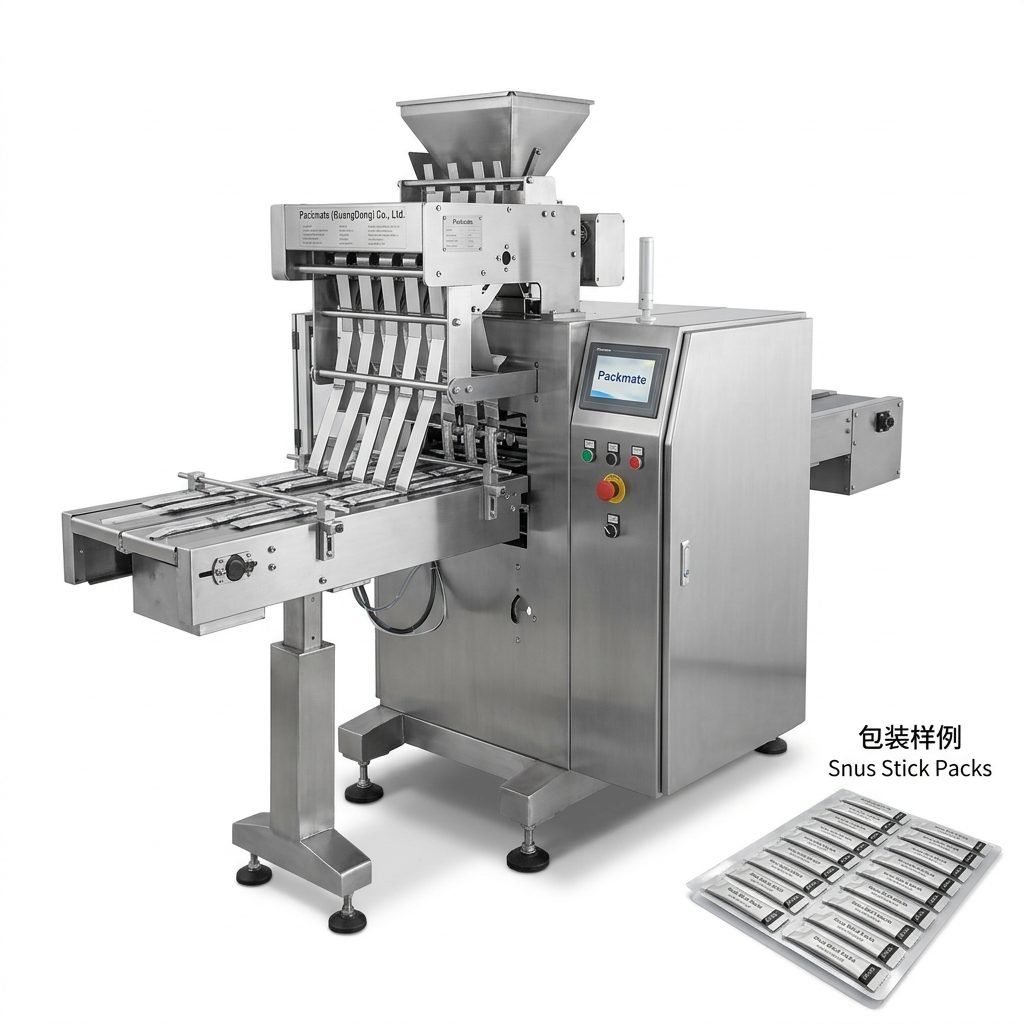
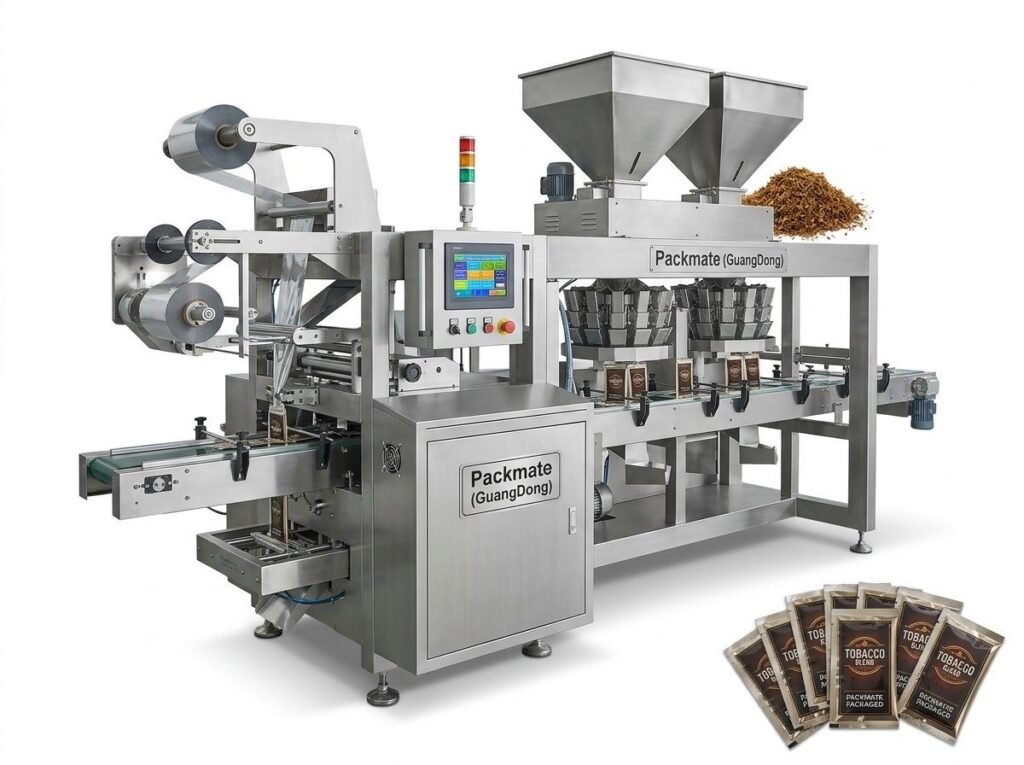
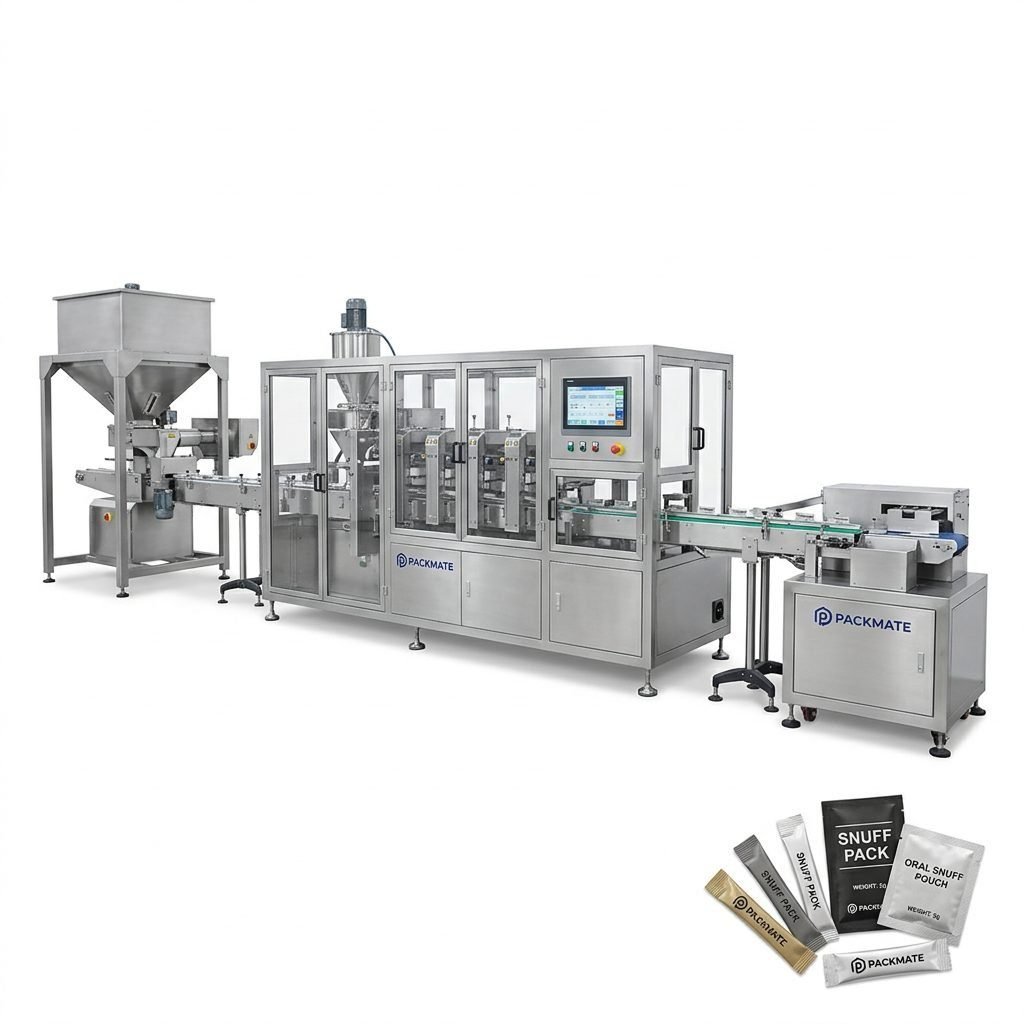
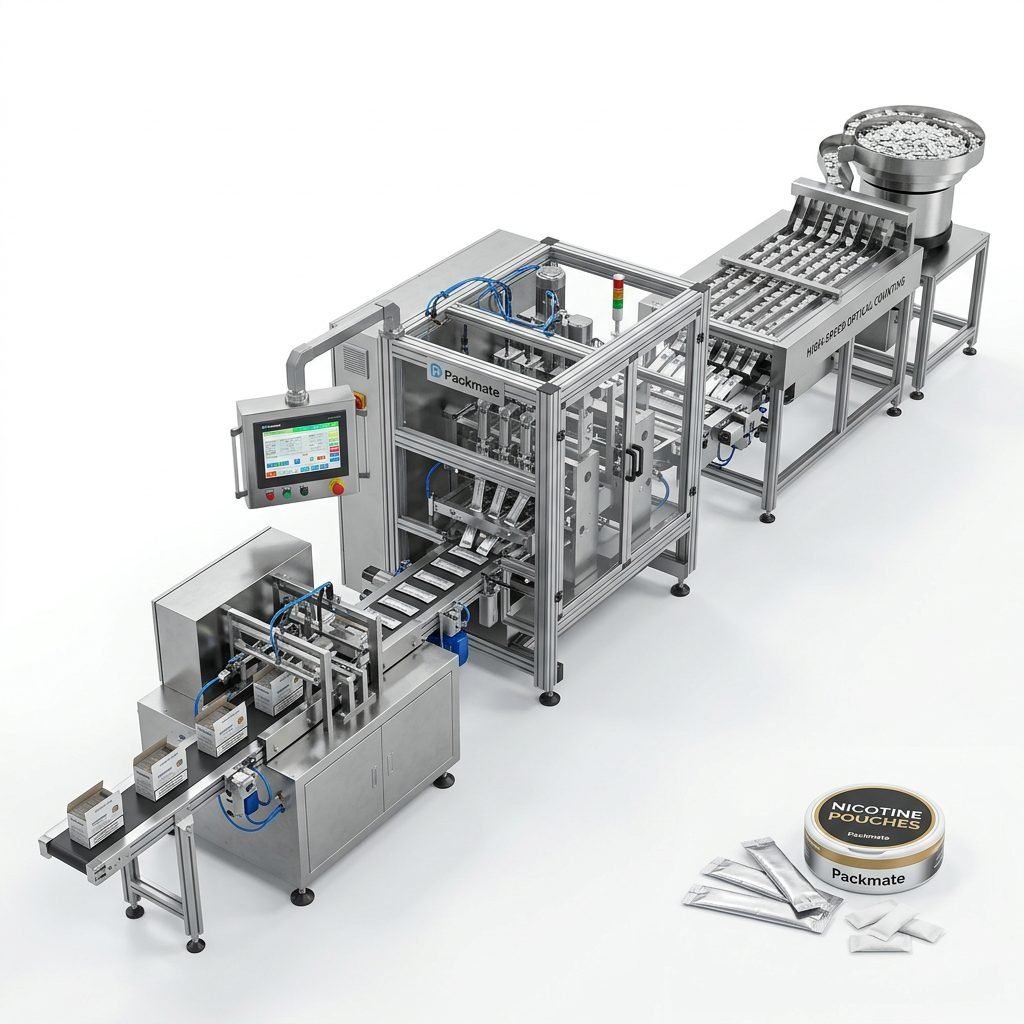
- Snus / Nicotine Pouch Packing Machines — for small-dose pouches with hygienic handling
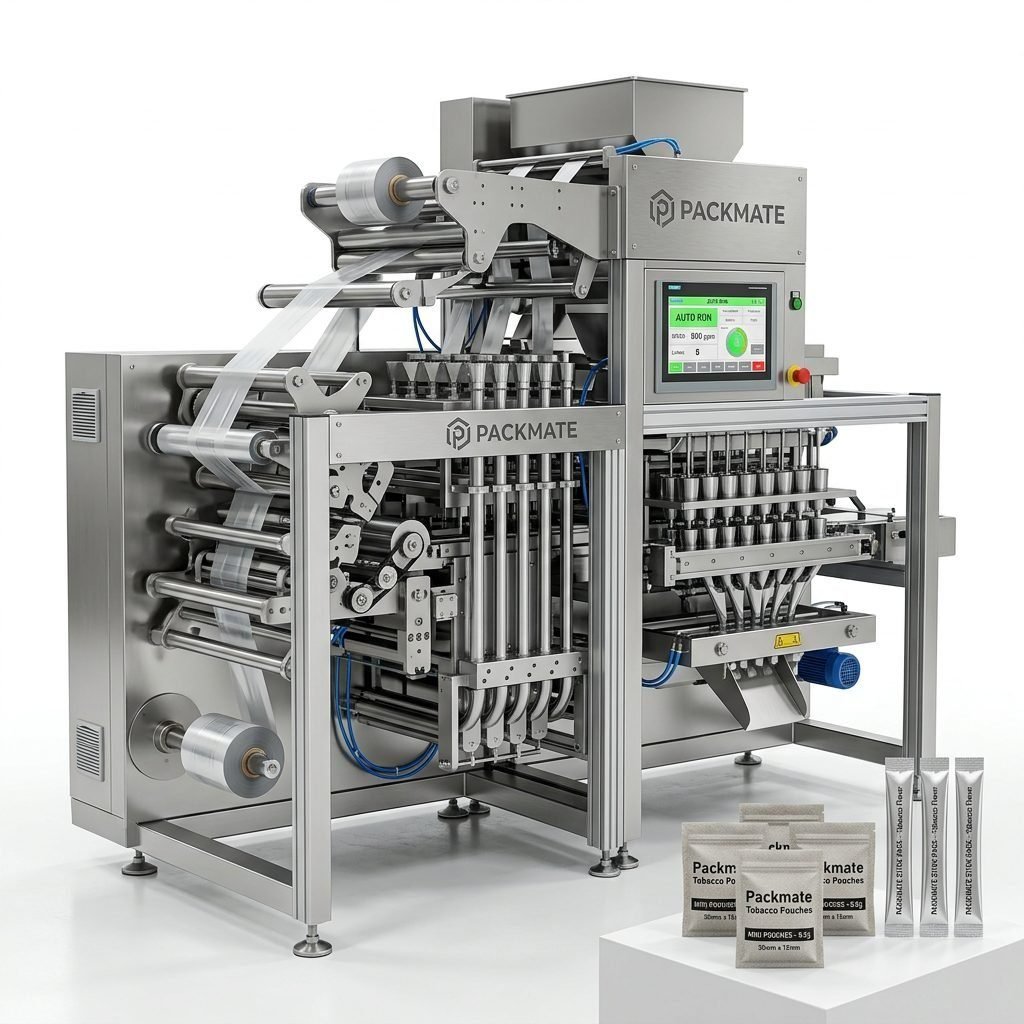
- Stick Pack & Sachet Machines — for single-portion and promotional formats
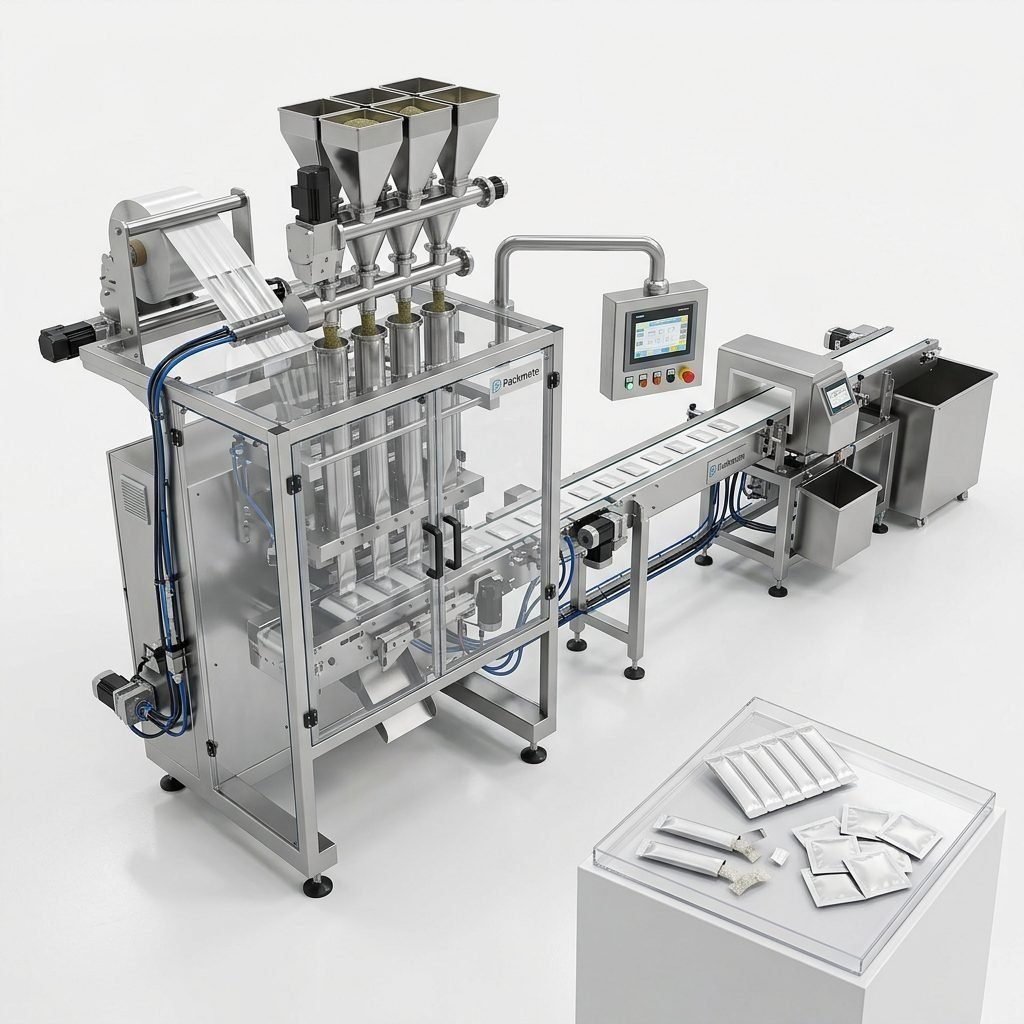
- Weighing & Multi-lane Systems — for high-speed, small-dose accuracy
- Filling & Auxiliary Equipment — for liquids, powders, and seamless lines
Explore a supplier’s product pages to confirm the technical fit. Sample links: Snus & Nicotine Packaging Machines, Sachet & Stick Pack Machines, and Weighing & Packaging Systems.
Pro tip: Ask for production samples or videos of the exact model running your product. This helps confirm fill accuracy, pouch sealing quality, and running speed.
3. Certifications & Compliance
Ensure machines meet international safety and quality standards. CE and ISO certifications are baseline evidence of compliance and consistent manufacturing processes. For nicotine products, hygiene, material contact safety, and traceability are also critical.
4. After-Sales Service, Spare Parts & Remote Support
Downtime costs are magnified by shipping delays to the Marshall Islands. Confirm the supplier’s parts inventory, service network, and remote diagnostic tools. Look for:
- Clear spare parts catalog and lead times
- Remote troubleshooting via video, PLC access, or IoT diagnostics
- Training options for local operators — on-site, remote, or factory training
- Fast shipping options and customs documentation support
5. Turnkey Capabilities and Customization
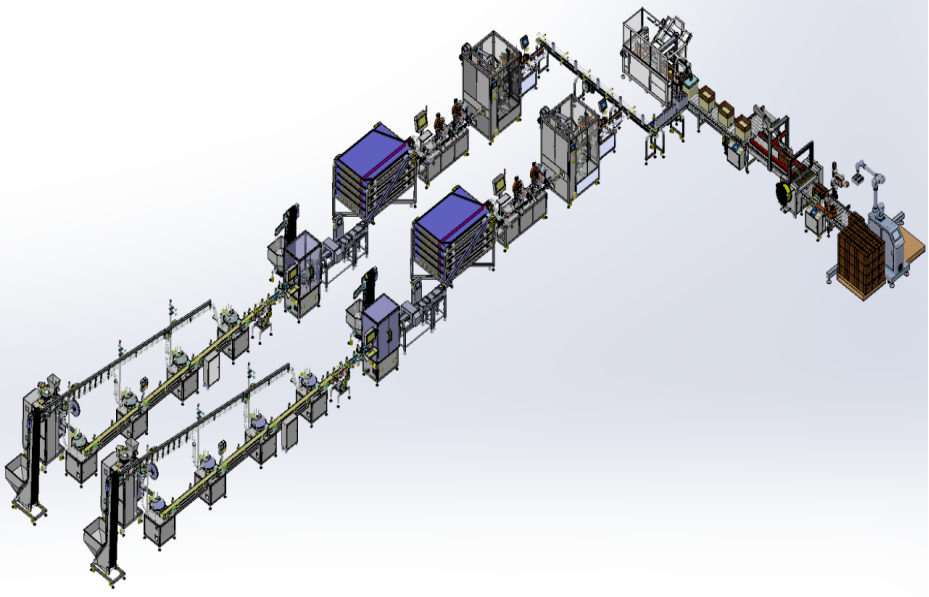
If you need a full line — from dosing and conveying to packing and case packing — a supplier that offers turnkey solutions saves time and integration headaches. Confirm their ability to deliver a complete workflow, plus PLC-level integration and electrical schematics for future maintenance.
For product-specific customizations (e.g., unique pouch shapes, multi-lane dosing for low-dose pouches), suppliers with in-house R&D and a wide range of models provide better-fit solutions. See the supplier’s customization examples and case studies: Case.
6. Factory Acceptance Test (FAT) & Quality Assurance
A rigorous FAT process reduces surprises at commissioning. Ask for:
- Live FAT with your raw materials or simulated production
- Detailed test reports for speed, accuracy, stability, and sealing integrity
- Photographic and video evidence if you cannot attend in person
- Traceable quality checks and serial-numbered components
Must-have: A signed FAT protocol that lists acceptance criteria for performance, IQ/OQ documentation, and packaging specifications.
7. Logistics, Export Documentation & Local Customs
Shipping to the Marshall Islands can add complexity. Confirm that the supplier will:
- Provide complete export documentation, packing lists, and certificates
- Offer crating solutions for long sea voyages
- Coordinate with freight forwarders familiar with Pacific island shipping
- Advise on import duties, quarantine rules, and local regulatory paperwork
8. Pricing, Payment Terms & Total Cost of Ownership
Price alone is deceptive. Consider total cost of ownership: spare parts, consumables, expected uptime, training, and energy consumption. Negotiate:
- Transparent quotations with itemized options
- Clear warranty terms and scope
- Payment milestones aligned with FAT and shipping
- Optional service contracts for preventive maintenance
9. Warranty, Training & Long-Term Partnership
A trustworthy supplier treats the sale as the start of a partnership. Check for:
- Comprehensive machine warranty and response time commitments
- Operator and maintenance training programs (remote and on-site)
- Local language support or reliable translation for technical manuals
- Case studies and references from similar installations
Learn more about the supplier’s commitment and network on their company page: About Packmate and their service options at Service.
10. Red Flags to Avoid
Be cautious if a supplier:
- Cannot provide verifiable factory photos or FAT videos
- Offers vague or non-existent spare parts lists
- Refuses reasonable contractual terms on warranty and acceptance testing
- Has limited references in nicotine or snus packaging sectors
Warning: A low bid that omits FAT, commissioning, or training will often cost more in the long run.
Practical Purchase Workflow
Follow this practical workflow to minimize risk:
- Define your product specs, target throughput, and packaging format.
- Shortlist suppliers with relevant experience and product fit.
- Request technical proposals, FAT plans, and references.
- Validate factory capability (videos, virtual tours, or visits).
- Agree on FAT acceptance criteria, delivery schedule, and payment milestones.
- Plan shipping and local customs support well in advance.
- Schedule commissioning, operator training, and remote support windows.
Supplier Example: What to expect from an experienced manufacturer
An experienced supplier typically offers a wide product portfolio including snus packing machines, stick pack and sachet lines, and complete filling systems. They should provide CE/ISO certification, a structured FAT, and global exhibition presence. Explore their product range and catalogs: Catalog.
Commissioning & Long-Term Operation Tips for Marshall Islands
After installation, ensure steady operation by focusing on preventive maintenance, local operator competency, and maintaining a core spare parts kit on-site. Because ocean transit can delay replacements, stock commonly replaced items such as belts, seals, sensors, and PLC modules. Arrange seasonal service checks and remote performance audits to keep the line optimized.
Quick checklist for on-site spares: belts, servo fuses, sensors, spare nozzles, sealing jaws, PLC backup modules.
Final selection criteria summary
Prioritize suppliers that combine technical fit, proven factory strength, international certifications, robust FAT procedures, clear spare part strategies, and reliable shipping/documentation support. This blend reduces the risk for companies based in remote locations like the Marshall Islands and fosters a long-term partnership that supports growth.
Useful Links & Resources
For additional product information and examples, visit the supplier’s product pages: Bag & Pouch Packaging Machines, Filling & Packaging Lines, and company credentials at Certificate.
Conclusion
Selecting the right nicotine packaging machinery supplier for the Marshall Islands combines standard procurement rigor with island-specific logistics planning. Focus on manufacturers that show strong engineering history, factory capability, compliance credentials, and a clear commitment to after-sales service and remote support. This approach minimizes downtime, protects product quality, and helps your business grow sustainably in a challenging logistical environment.
Common Questions
Q: How long does it typically take from order to installation for a complete snus packaging line?
A: Typical lead times range from 12 to 26 weeks depending on customization, FAT scheduling, and shipping arrangements. Allow additional time for ocean freight to the Marshall Islands and local customs clearance.
Q: What certifications should I expect for nicotine packaging machines?
A: Look for CE and ISO as minimum standards. Also request material-contact documentation, electrical schematics, and any country-specific certificates needed for import or operation.
Q: Can I get remote commissioning support if an engineer cannot travel to the Marshall Islands?
A: Yes — many suppliers offer remote commissioning, PLC access, live video guidance, and scheduled virtual training sessions to bridge travel restrictions or cost constraints.
Q: What spare parts should I prioritize stocking locally?
A: Prioritize belts, fuses, sensors, sealing components, nozzles, and PLC backups to reduce downtime from common failures and long shipping gaps.