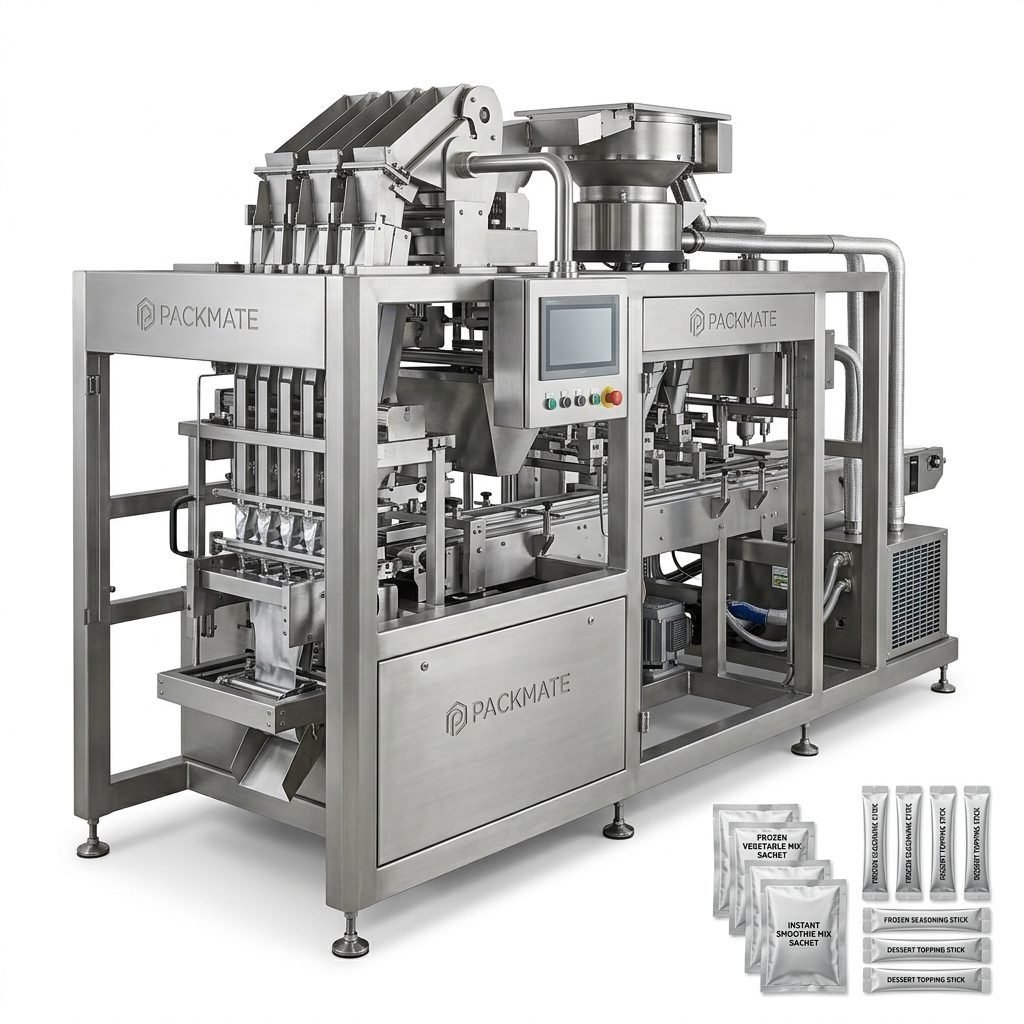
Choosing the right nicotine packaging machinery manufacturer when entering a specialized market like Equatorial Guinea requires more than comparing price tags. You must evaluate technical reliability, regulatory compliance, local service potential, and cultural fit. This guide walks you through practical steps to identify a partner who can supply durable, high-performance snus and nicotine pouch packaging lines while supporting your operations in Equatorial Guinea’s unique business environment.
Understand Local Market and Cultural Context
Equatorial Guinea is a small but growing market concentrated in coastal cities like Malabo and Bata. Spanish is widely spoken, and business relationships often rely on trust and direct introductions. When sourcing packaging machinery, consider:
✔ Business etiquette: face-to-face meetings, Spanish-language documentation, and respect for local seniority can accelerate approvals and contracts.
✔ Logistics & climate: high humidity and coastal salt air can affect electronic controls and material handling—ask manufacturers about corrosion-resistant finishes and humidity-tolerant components.
Key Regulatory and Practical Considerations
Nicotine products face strict regulations worldwide. In Equatorial Guinea, import procedures and customs documentation can be time-consuming. Verify that suppliers provide full compliance documentation (CE/ISO where applicable) and clear customs paperwork to avoid delays.
Important: Ask for certificates such as CE and ISO, calibration certificates for weighing systems, and a bill of materials for electronic components. This helps local authorities and import agents process shipments smoothly.
Selection Criteria: What to Look For in a Manufacturer
When evaluating nicotine packaging machinery suppliers, score them against these practical criteria. Use numeric weighting if making a comparative spreadsheet.
1. Proven Industry Experience
Choose manufacturers with a long track record in nicotine pouch/snус machinery and multi-lane systems. A partner with decades of engineering experience will better handle small-dose pouch challenges and offer mature production recipes and troubleshooting knowledge.
2. Product Range & Customization
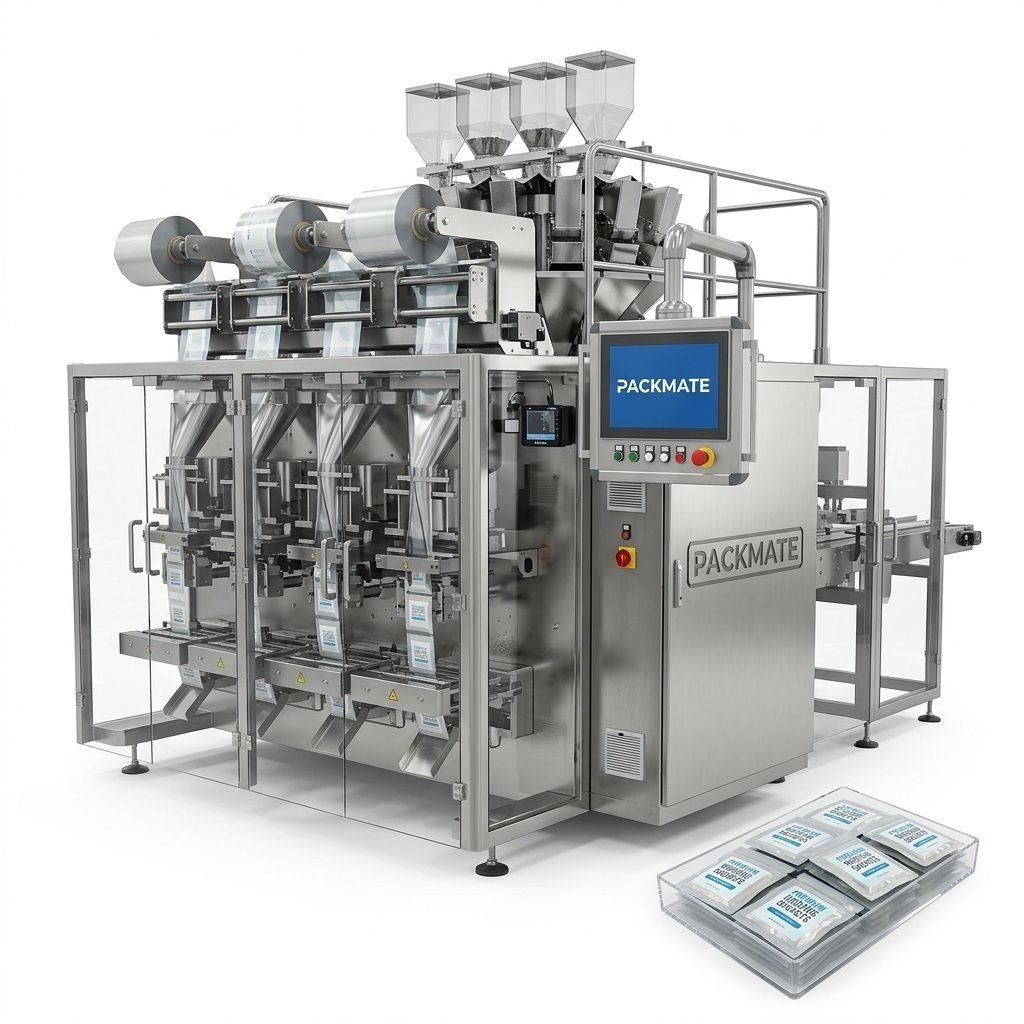
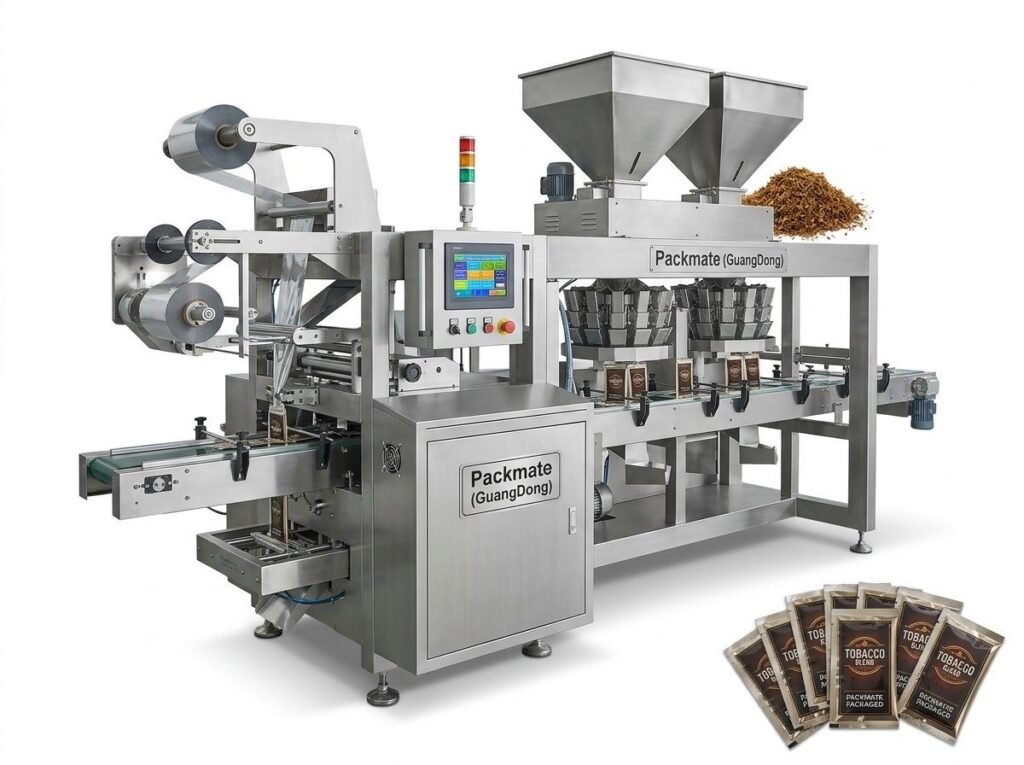
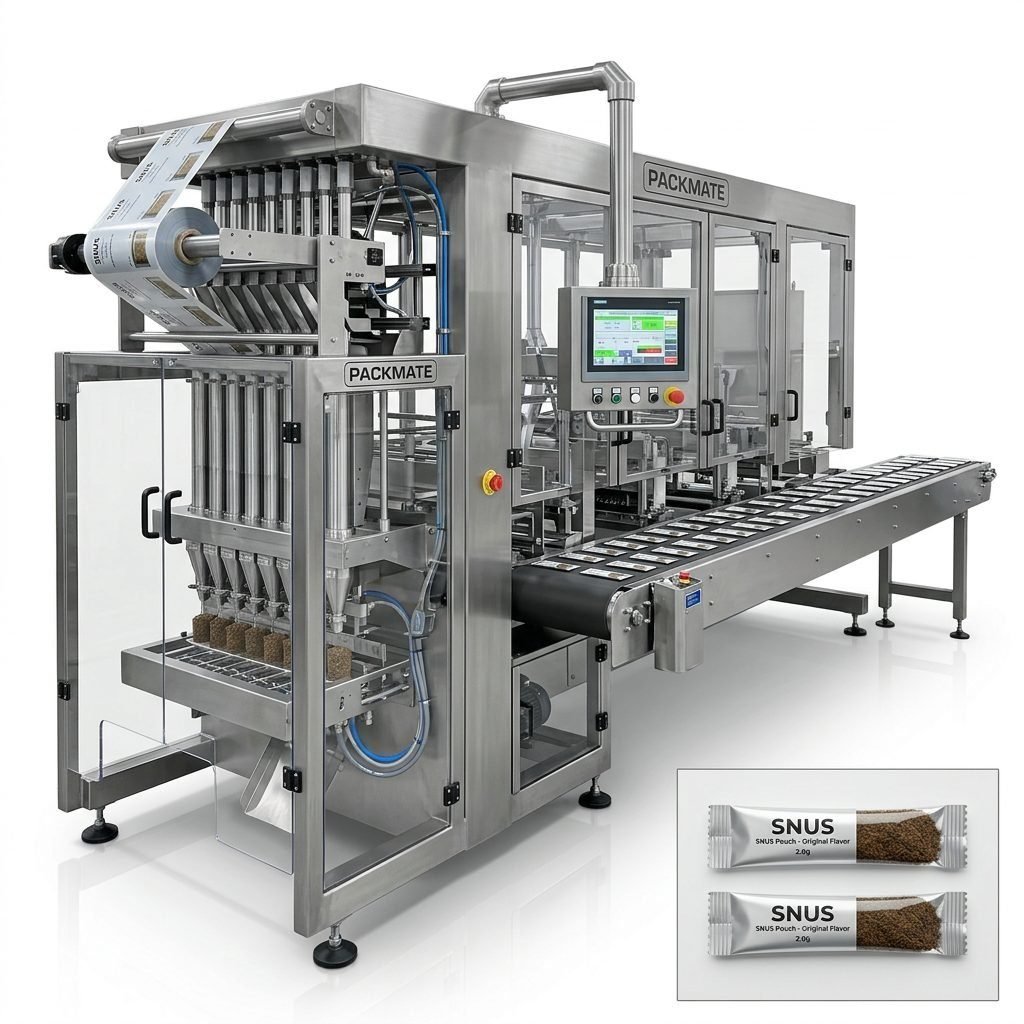
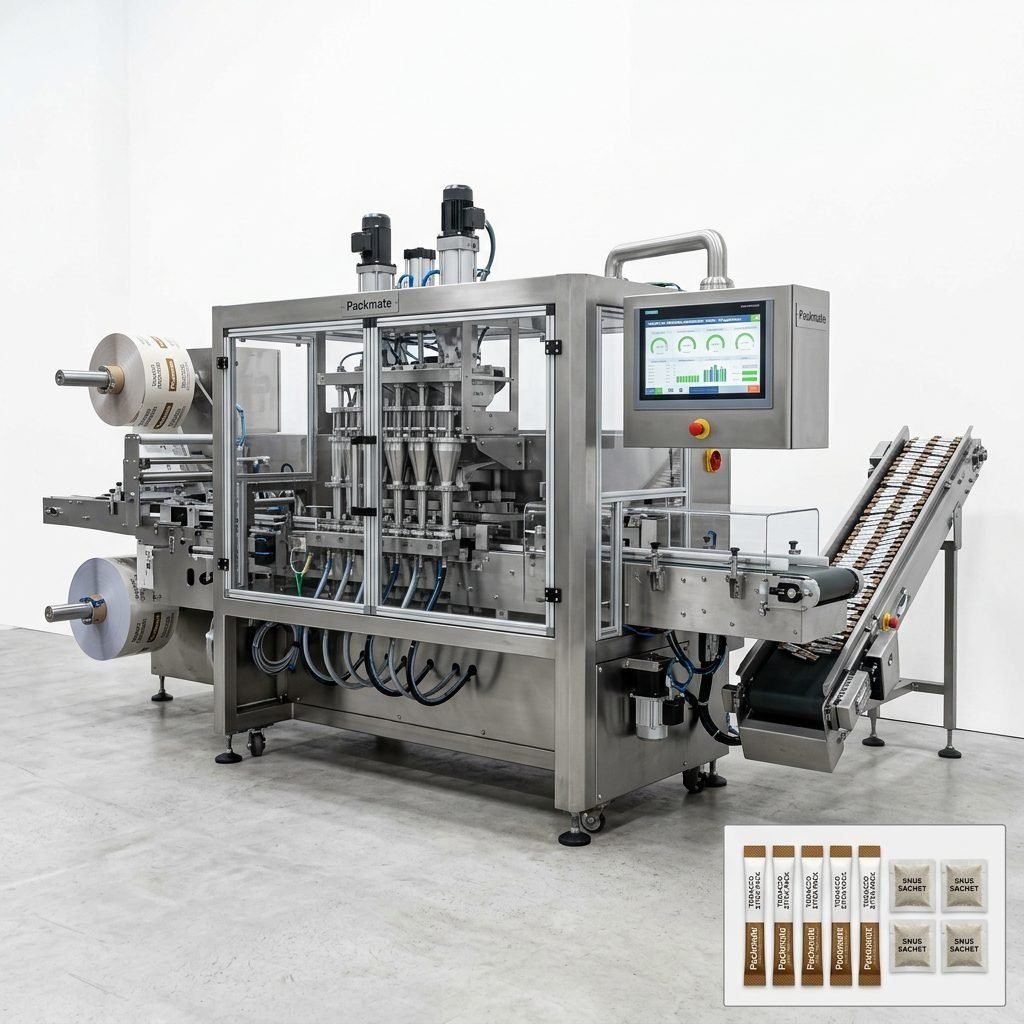
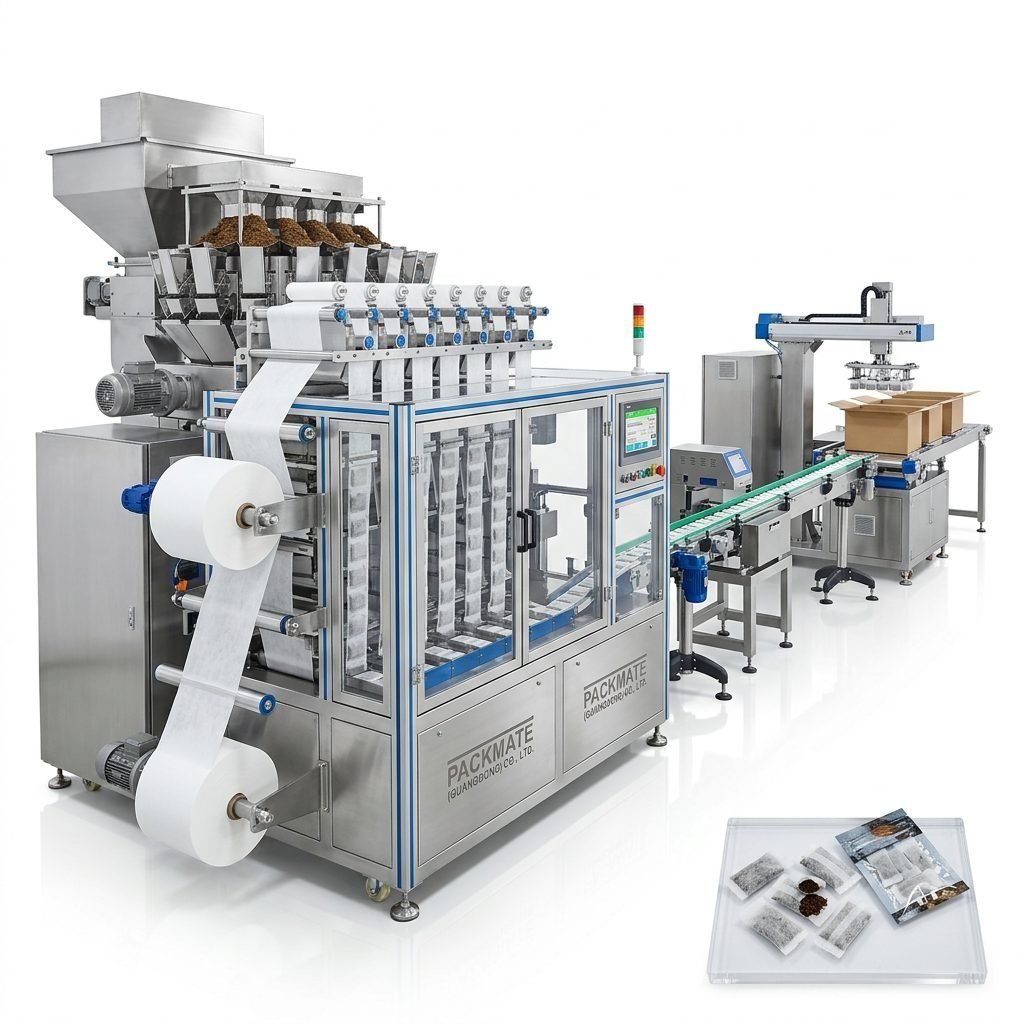
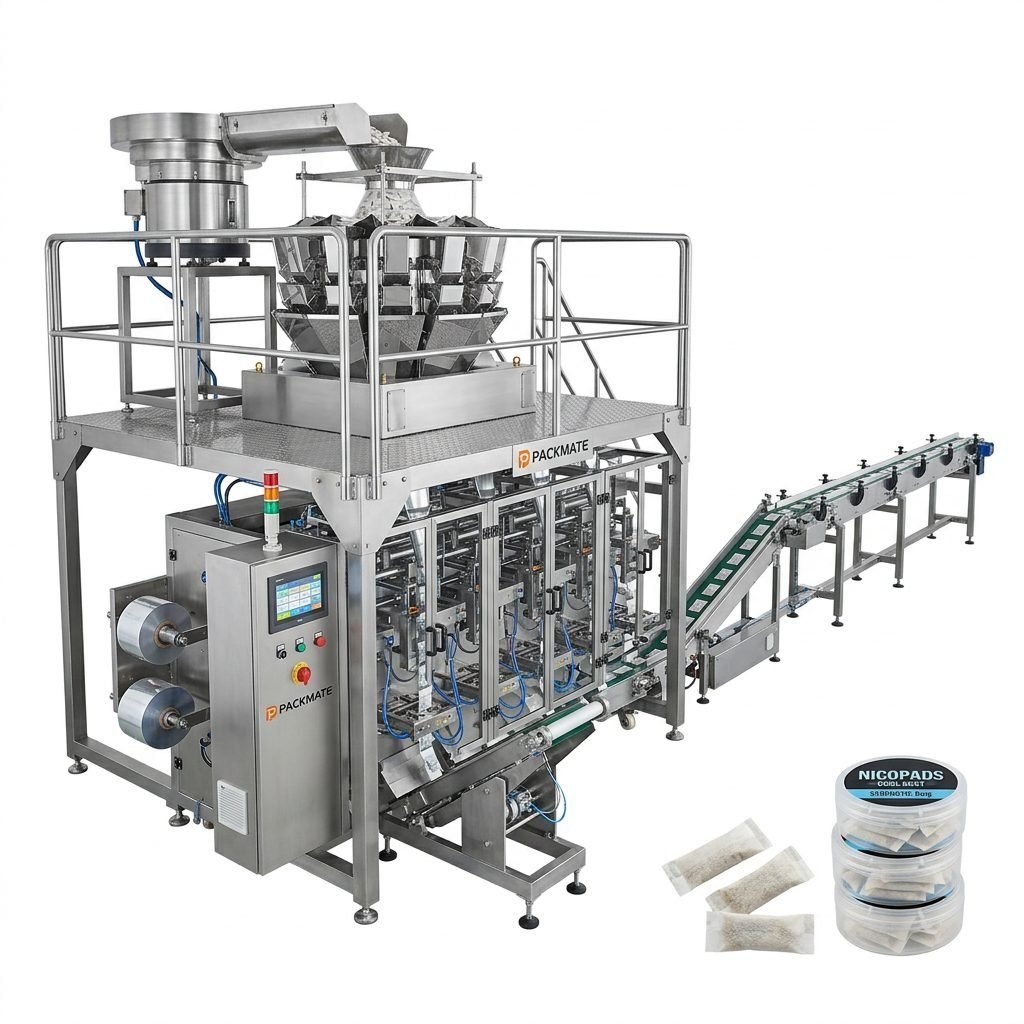
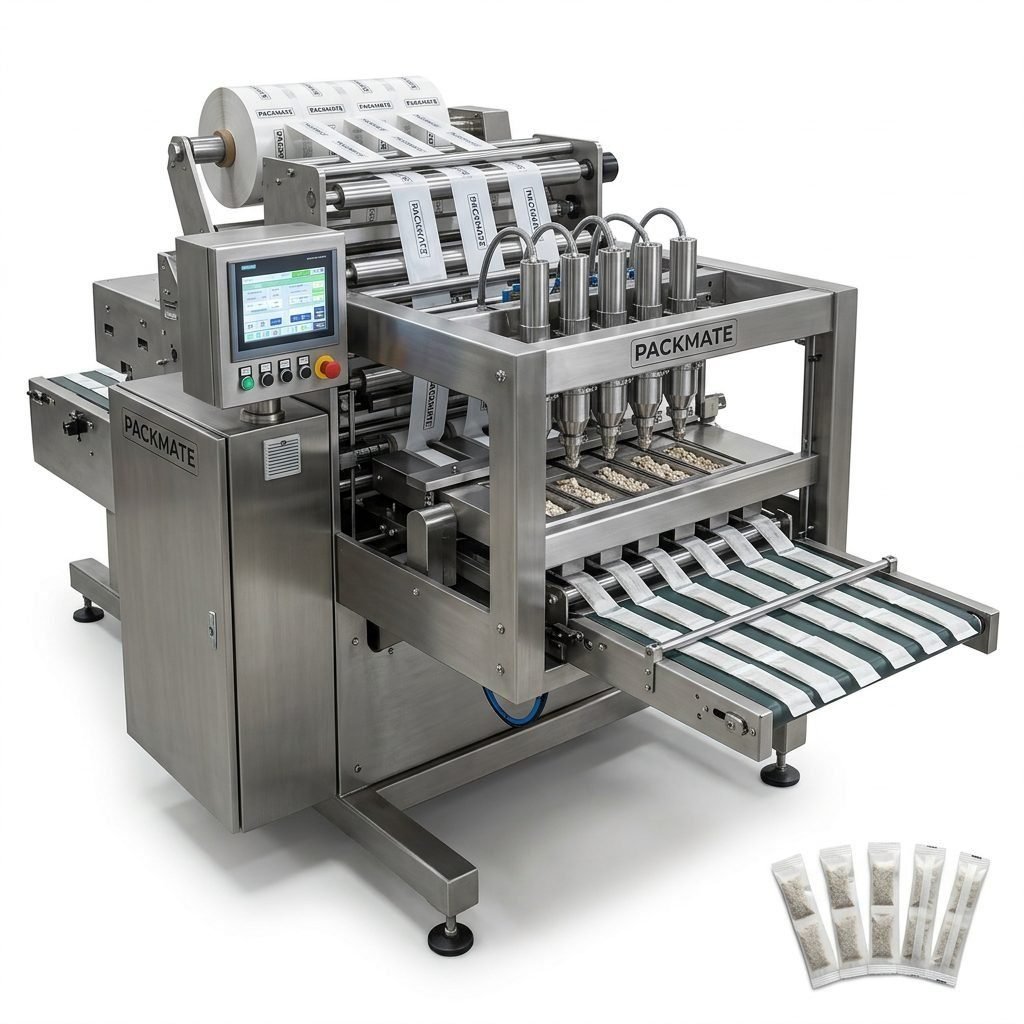
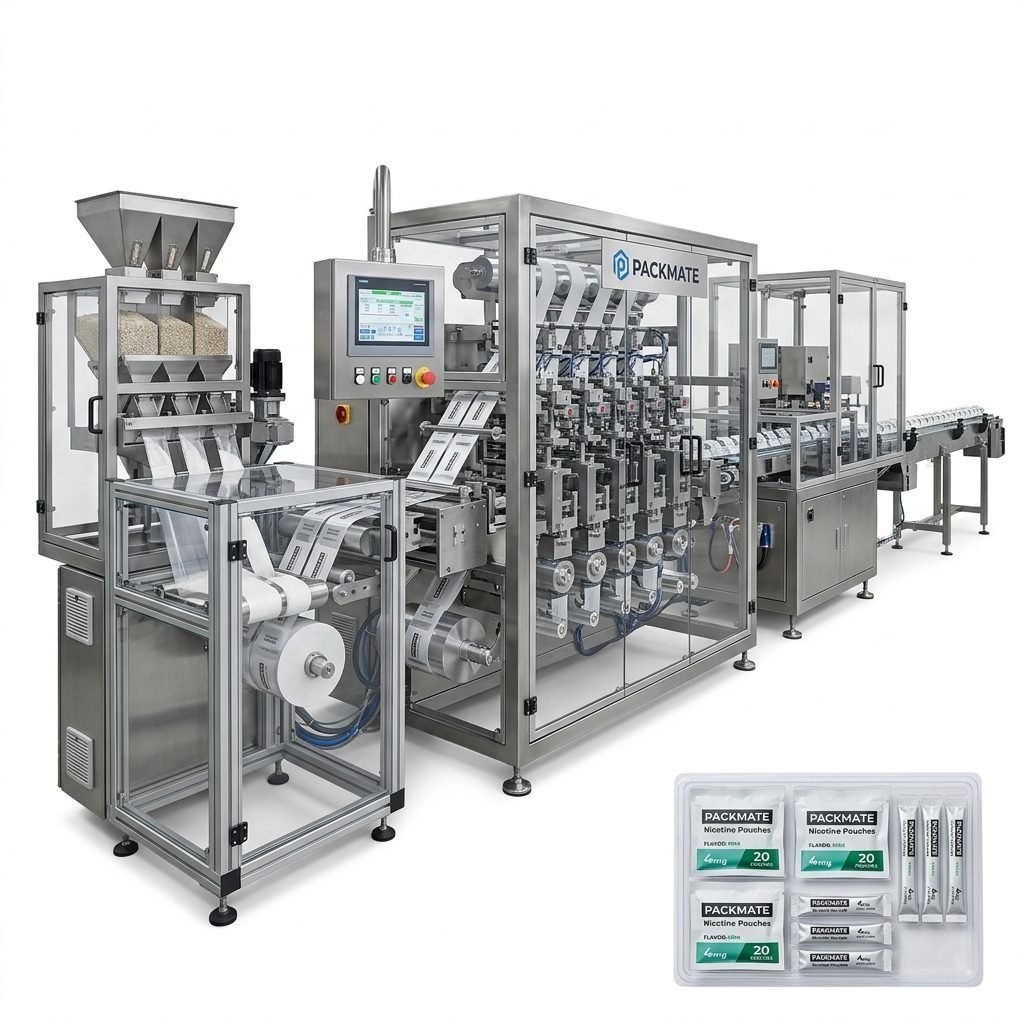
Look for suppliers offering a wide range of models—stick pack, sachet, multi-lane pouch machines—and the ability to customize for pouch size, fill materials (powder, granule, liquid), and packaging materials. Manufacturers that offer complete lines, including weighing and auxiliary equipment, simplify integration.
Recommended product pages for reference:
Snus & Nicotine Packaging Machines,
Bag & Pouch Packaging Machines,
Sachet & Stick Pack Machines.
3. Factory Capability & Quality Control
A manufacturer with a large, well-equipped factory and advanced CNC machining centers reduces production delays and ensures component precision. Verify that the supplier runs systematic quality tests and provides traceable reports for critical components.
Tip: request photos or virtual tours of the factory assembly lines and CNC centers. Suppliers with transparent assembly and testing processes are more reliable long-term.
4. After-Sales Support & Local Service
For Equatorial Guinea, local or regional service presence is valuable. Confirm lead times for spare parts shipments, remote diagnostics capability, and whether the manufacturer provides on-site installation and operator training in Spanish or provides translators.
5. Compliance, Documentation & Warranty
Ensure the manufacturer supplies complete compliance packs: CE/ISO certificates, material safety documentation, electrical schematics, and a clear warranty policy including response time commitments. This helps with customs clearances and local approvals.
Technical Specs to Prioritize
Technical robustness matters more than flashy features. Seek machines with:
- Stable multi-lane systems for high throughput with precise dosing
- Corrosion-resistant materials and sealed control cabinets suitable for humid climates
- Integrated weighing and filling options compatible with nicotine powder or granules
- Modular auxiliary equipment (conveyors, checkweighers, metal detectors)
- Simple human-machine interface with Spanish language options or easy-to-switch language packs
Evaluating Manufacturers — A Practical Checklist
Use this checklist during supplier conversations and factory visits:
✔ Documentation: CE, ISO, electrical diagrams, user manuals in Spanish or English.
✔ Spare parts: availability and shipping lead times to Malabo/Bata.
✔ References: recent case studies or customers in nearby African markets and exhibition appearances.
Ask for Demonstrations & References
Live demonstrations, factory acceptance tests, and customer references are decisive. Reliable manufacturers will provide video demos of machines running your product type, detailed production data, and customer contact information. You can also review case histories and exhibition participations for credibility:
Case,
Our Exhibition.
Negotiation & Contract Tips for Equatorial Guinea
Negotiating overseas requires clarity on delivery terms, payment methods, and after-sales service. Consider:
- Use Incoterms that match your logistics capabilities—CIF to Malabo or FOB from factory? Clarify which party arranges customs clearance.
- Split payments—deposit, pre-shipment inspection acceptance, and final payment after commissioning.
- Get a Service Level Agreement (SLA) for spare parts, remote support, and technician visits in Spanish if needed.
- Confirm training scope: operator training, maintenance training, and troubleshooting guides for local staff.
Installation, Commissioning & Local Training
Professional installation and commissioning are essential. Ensure the manufacturer commits to on-site setup and performance testing, or provides certified partners in West/Central Africa. Multilingual manuals and Spanish-language training sessions are a major advantage for Equatorial Guinea operations.
Why Consider Packmate Snus Machine as a Supplier?
Packmate Snus Machine brings over 30 years of engineering experience, a broad product range, and international compliance. Their strengths align with what buyers in Equatorial Guinea value:
- Experienced engineering: 30+ years of R&D and machine development
- Full production lines: from snus/nicotine pouch machines to weighing and auxiliary equipment — see their Filling & Packaging Lines and Weighing & Packaging Systems
- Factory capacity: 20,000㎡ facility with advanced CNC machining and precision assembly
- Compliance & exhibitions: CE/ISO compliant equipment and global exhibition presence for live demos
Learn more about Packmate’s background and services:
About Packmate,
Weighing & Packaging Systems,
Filling & Packaging Lines.
Practical On-the-Ground Steps
Once you shortlist suppliers, follow these steps to reduce risk:
- Request a machine trial with your product or a close analog.
- Ask for customer references within Africa or similar markets; contact them for honest feedback.
- Schedule a pre-shipment inspection and a video-based Factory Acceptance Test (FAT).
- Confirm spare parts kits and recommended maintenance intervals.
Local tip: engage a bilingual logistics agent familiar with Malabo or Bata ports to manage customs and inland delivery—this often shortens clearance time and reduces risk of paperwork rejection.
Final Checklist Before Signing the Contract
Review the final terms carefully:
- Detailed scope of supply and excluded items
- Delivery timeline and Incoterms
- Warranty period, spare parts pricing, and SLA
- Training, documentation language, and commissioning plan
- Payment milestones tied to Factory Acceptance and successful commissioning
Where to Get More Help
For product catalogs, technical support, and direct contact:
Catalog,
Service,
Contact Us.
Conclusion
Selecting a nicotine packaging machinery manufacturer for Equatorial Guinea requires balancing technical capability, compliance, and on-the-ground support. Prioritize manufacturers with strong engineering backgrounds, transparent quality controls, comprehensive documentation, and reliable after-sales service. Integrating local cultural understanding—Spanish language support, reliable logistics partners, and humidity-resistant machine designs—will significantly improve installation success and operational uptime.
Frequently Asked Questions
Q1: How important are CE and ISO certifications for equipment imported into Equatorial Guinea?
Certifications like CE and ISO greatly simplify customs clearance and demonstrate international compliance. They also reassure local regulators and buyers about safety and manufacturing quality.
Q2: Can manufacturers provide Spanish-language manuals and training?
Many global suppliers offer multilingual documentation; confirm availability during contract negotiations. Suppliers experienced in Latin markets often provide Spanish-language manuals and training sessions or translators for on-site commissioning.
Q3: What are typical lead times for snus/nicotine pouch packaging lines?
Lead times vary by customization level and factory workload. Expect anywhere from a few weeks for standard machines to several months for fully customized multi-lane lines. Always request a realistic delivery schedule and milestones.
Q4: How can I ensure fast spare parts delivery to Equatorial Guinea?
Negotiate a spare parts kit with express shipping options, identify regional distributors, and keep a minimal critical spare parts inventory locally. Confirm supplier commitment to response times and air-shipping options for urgent needs.