Choosing the right nicotine packaging machine in Côte d’Ivoire requires more than comparing specs on paper — it demands an understanding of local consumption habits, regulatory expectations, production volumes, and the tough tropical environment. This buyer’s guide walks local producers through practical steps to select a machine that balances performance, cost, and long-term reliability while respecting Ivorian market realities.
Market snapshot: Côte d’Ivoire context you must consider 📦
Côte d’Ivoire (Ivory Coast) is a francophone country with a dynamic urban population concentrated around Abidjan. Consumer preferences often favor small, affordable portions sold through kiosks and informal retail networks. Packaging that is durable in humid conditions and labeled in French will improve acceptance. Local festivals and seasonal patterns (harvests, holidays) can create spikes in demand — plan production flexibility accordingly.
Regulatory & labeling essentials ⚖️
Before buying equipment, confirm national regulations on nicotine products, import approvals, and labeling rules. In Côte d’Ivoire, French-language labeling is expected; labels should clearly state ingredients and warnings according to local law. Engage with a local compliance advisor early — machines that can handle variable label sizes and print-on-demand will save headaches.
Which machine type suits your product best? 🔧
Nicotine and snus producers typically choose among sachet machines, stick pack lines, and multi-lane pouch systems. Consider the following:
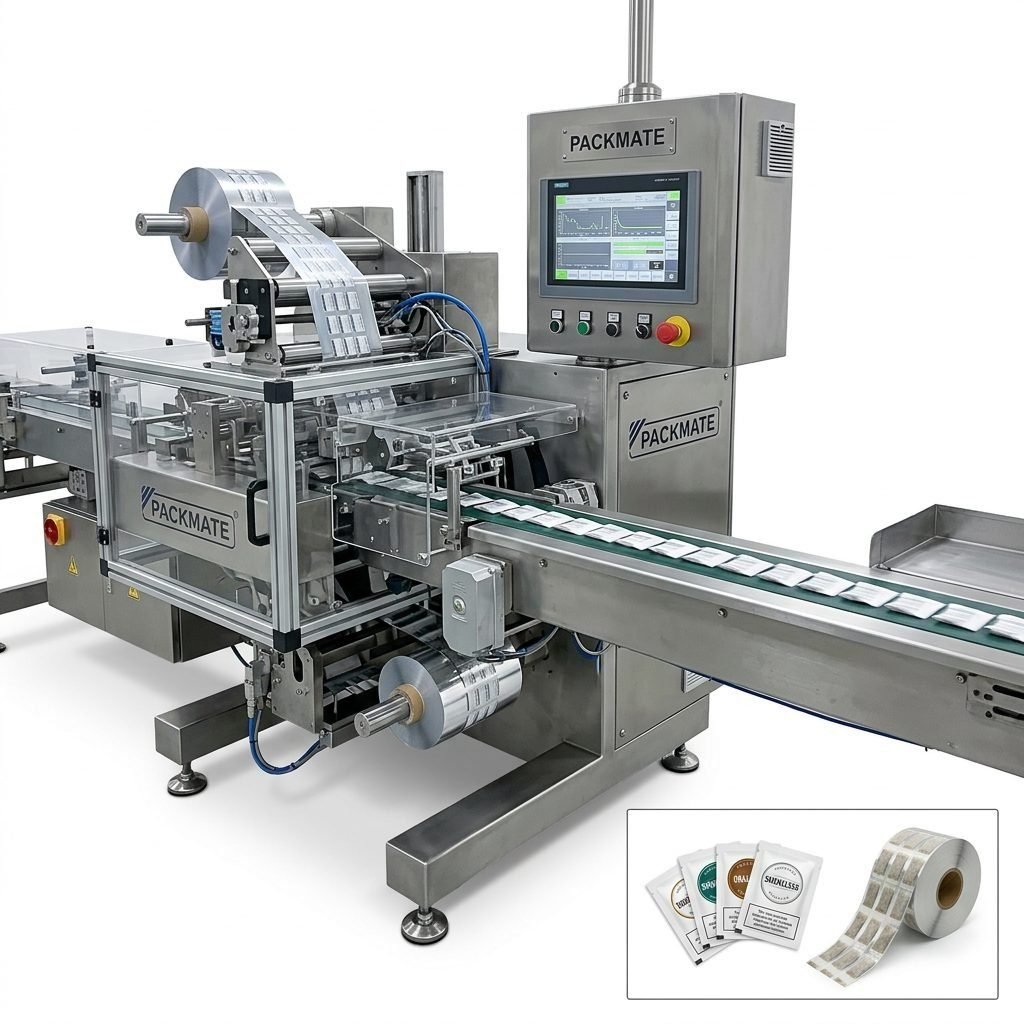
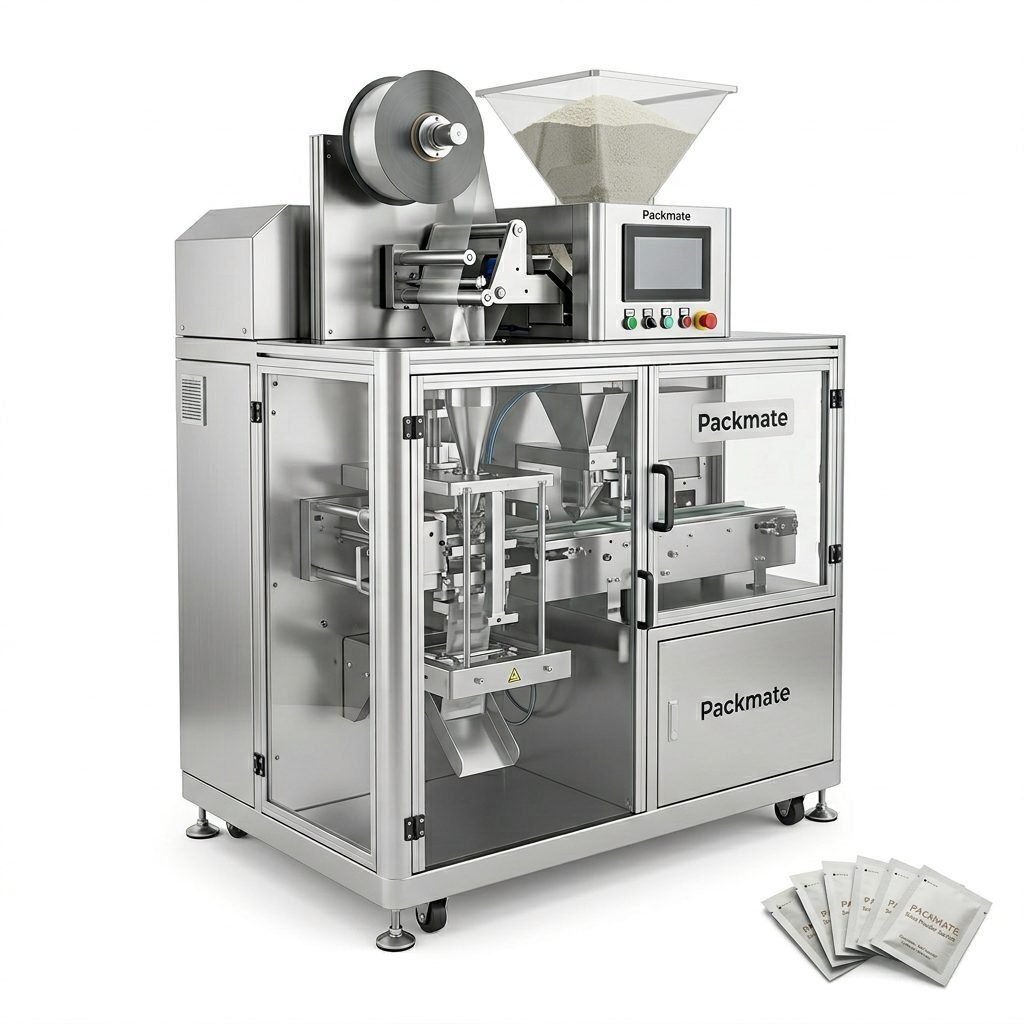
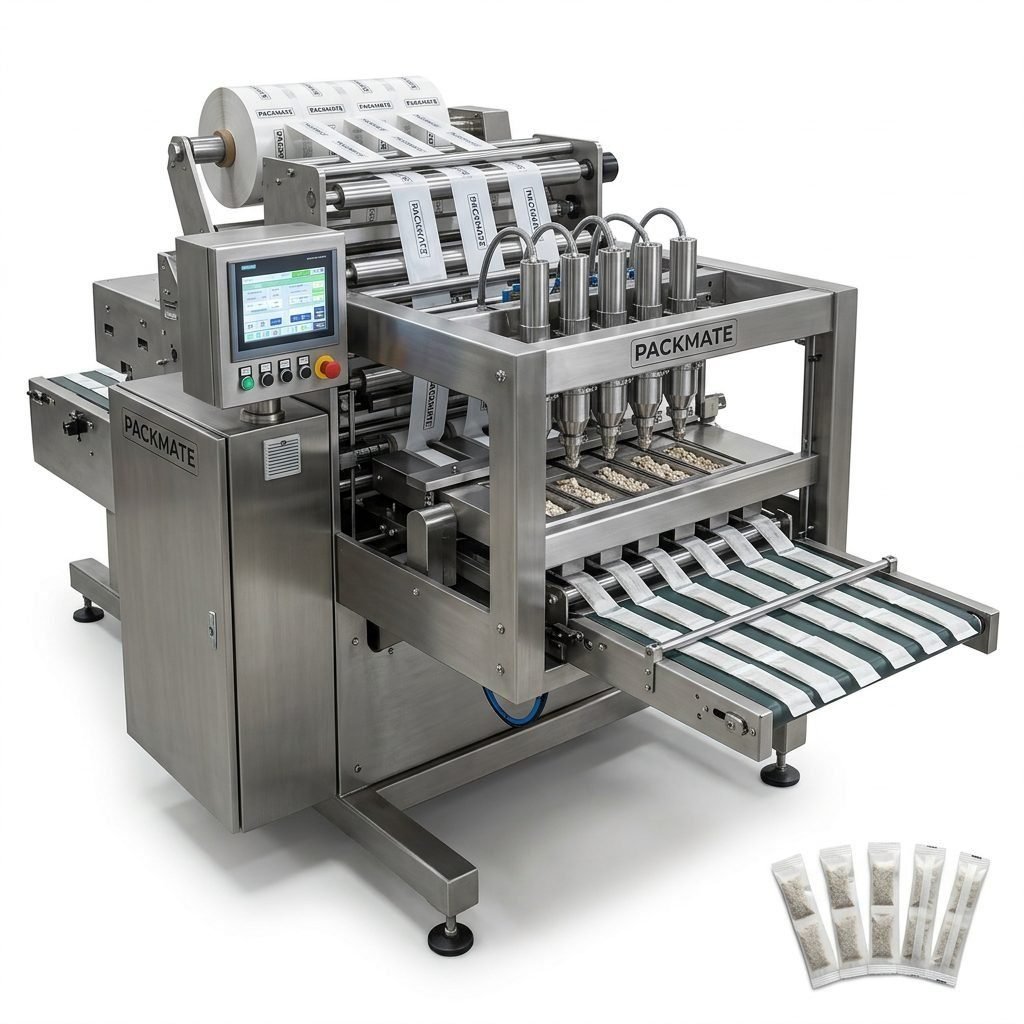
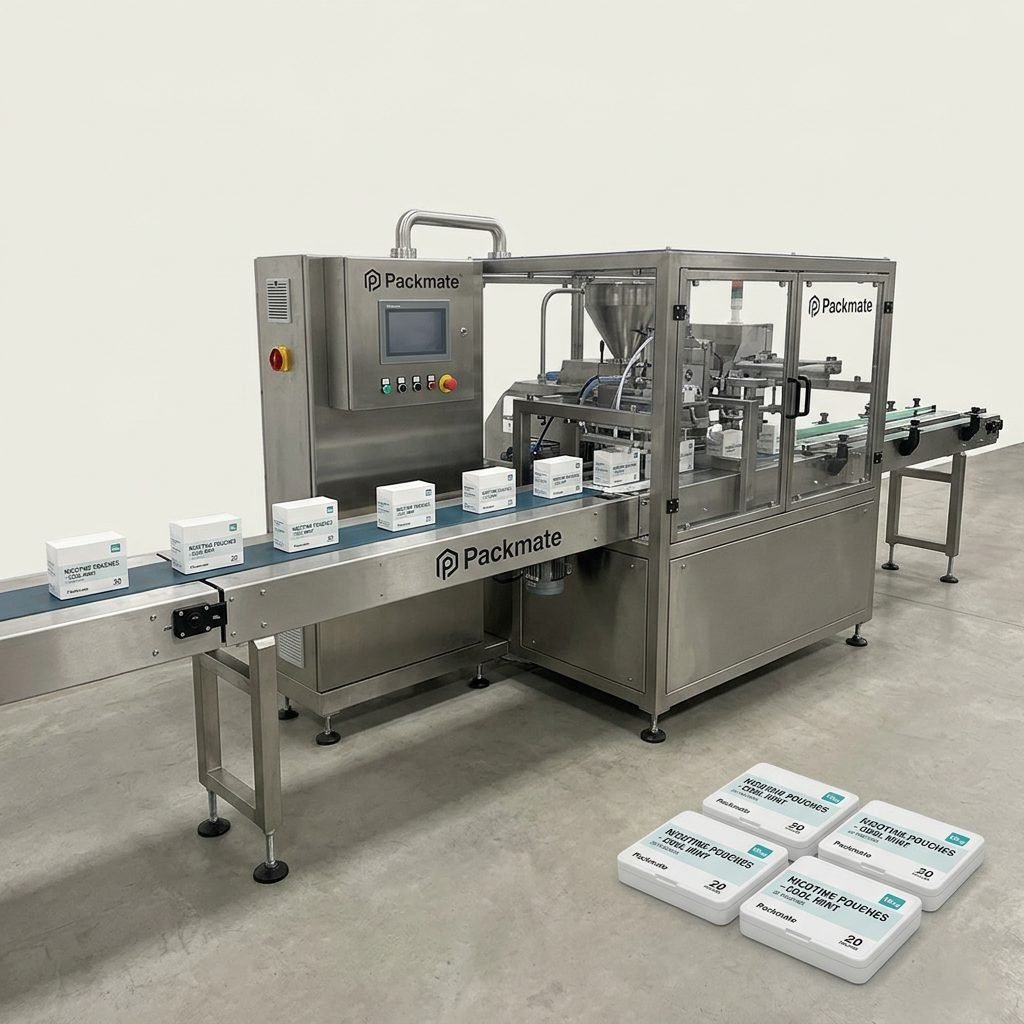
Sachet & Stick Pack Machines — ideal for single-dose sachets and stick packs commonly sold at kiosks. They offer cost-effective formats for low-to-medium speeds and are great if you need quick SKU changes.
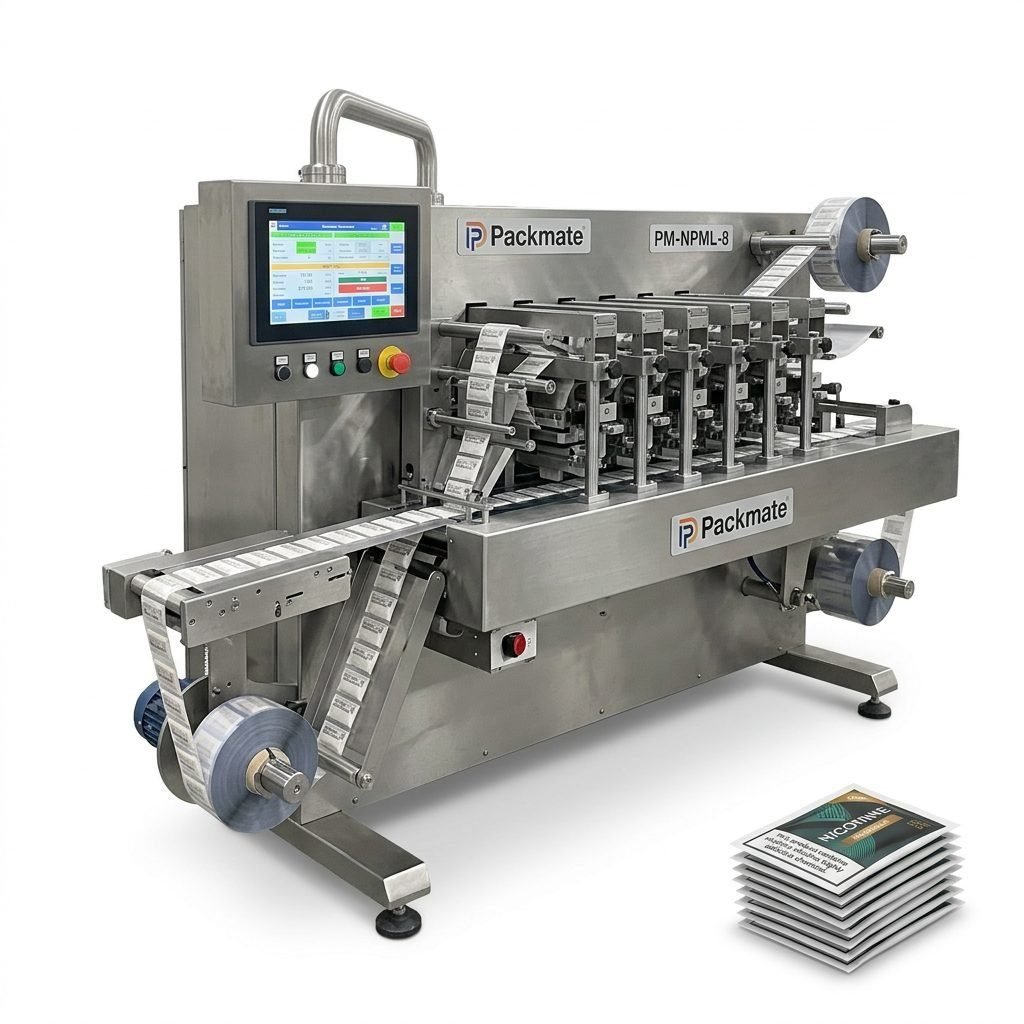
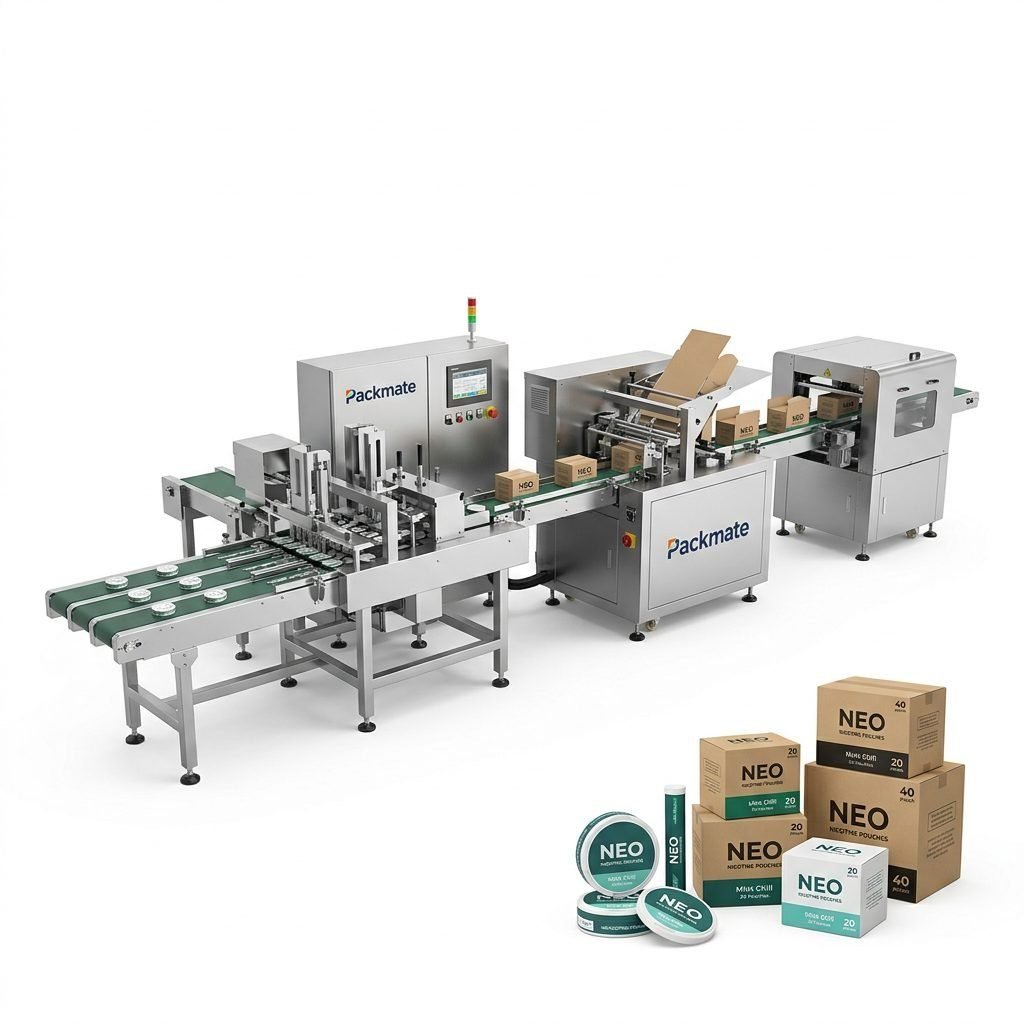
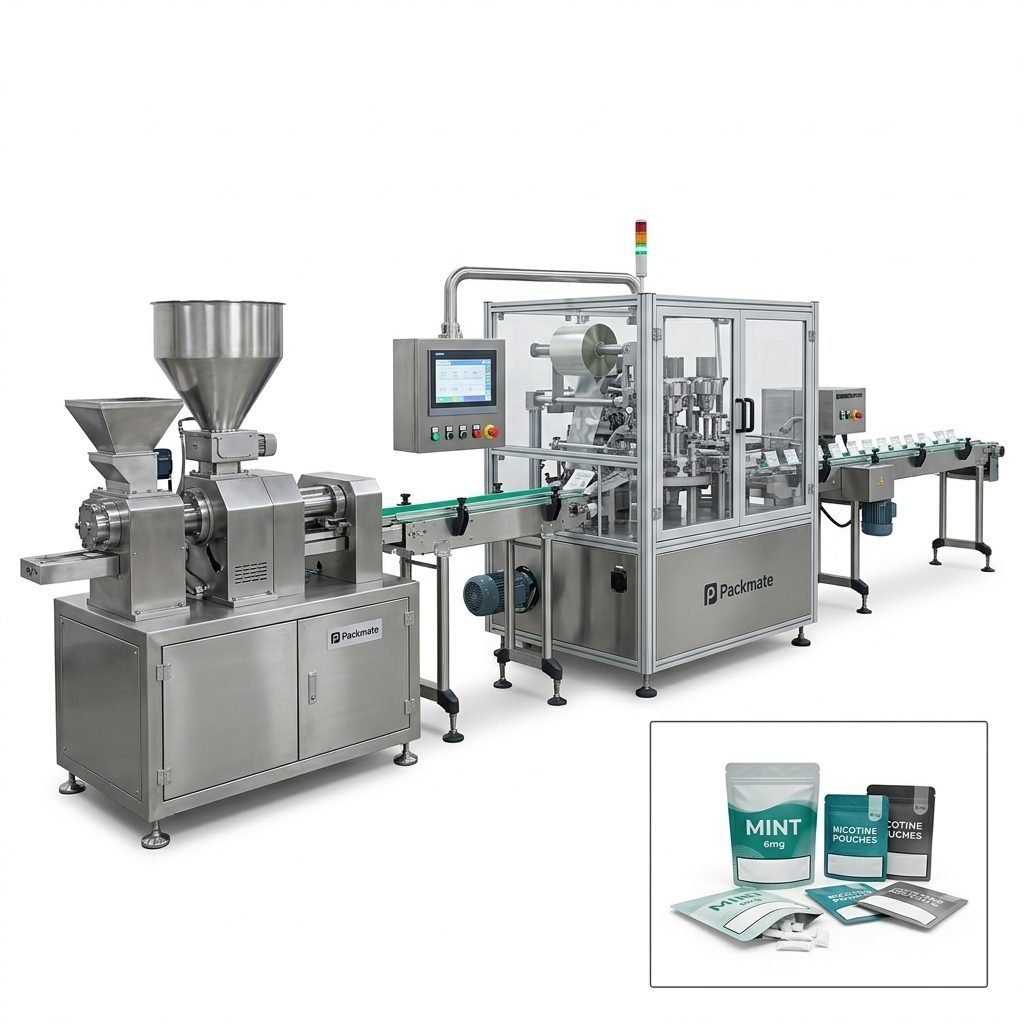
Snus & Nicotine Pouch Machines — built for small-dose pouch formats (including multilane systems) and suited for higher-speed, automated production. They usually handle pouch-forming, filling, sealing, and optional outer packaging.
Key specification checklist (what to compare) ✅
When evaluating models, compare these crucial specs:
• Speed (pouches/min): Match machine throughput to your peak demand while leaving headroom for growth.
• Number of lanes: Multi-lane systems multiply output but require higher upfront investment and stricter material handling.
• Filling accuracy: For nicotine pouches, precision is critical — choose machines with reliable dosing and minimal giveaway.
• Material compatibility: Can the machine handle your pouch film (foil, laminated films, cellulose) and any barrier requirements for humidity?
• Hygiene & cleanability: Stainless contact parts, easy washdown, and CIP-friendly components are essential in hot, humid climates.
Climate, power, and material handling in tropical conditions 🌡️
Ivory Coast’s humidity and occasional power instability should influence your machine choice. Choose equipment with:
- Corrosion-resistant materials and sealed electrical enclosures.
- Stable servo systems tolerant of voltage fluctuations or specify voltage stabilizers and UPS for control systems.
- Integrated dehumidification or controlled storage for hygroscopic raw materials (nicotine pouches can absorb moisture quickly).
Packaging film & sealing: what works in Côte d’Ivoire?
High-humidity environments require films with good barrier properties. Laminated foil or metallized films help maintain product integrity and shelf life. Ensure the sealing system on the machine can achieve consistent seals at the selected film thickness to avoid failures during transit from the Port of Abidjan to inland retailers.
Automation, integration & scalability 🌍
Start with a modular solution: machines that can be upgraded from semi-automatic to fully automatic reduce initial capital while enabling growth. Look for lines that integrate weighing/filling, pouch forming, and secondary packaging. Suppliers that offer turnkey lines and integration with your ERP help simplify production planning and traceability.
After-sales service, spare parts & training — critical for West Africa 🤝
Reliable local service partners or fast international support are essential. Ask potential suppliers for:
• On-site commissioning and operator training in French or with a translator.
• Readily available spare parts or local stocking options to minimize downtime.
• Remote diagnostics and a clear service SLA.
For full packaging solutions from an experienced supplier, consider reviewing Packmate’s equipment and turnkey options on their product pages like Snus & Nicotine Packaging Machines and explore About Packmate for company background.
Budgeting & total cost of ownership (TCO) 💰
Beyond purchase price, calculate TCO: energy consumption, maintenance, spare parts, operator training, installation, and expected production losses from downtime. In Ivory Coast, shipping, import duties, and local customs clearance at Abidjan port should be included. Machines with higher initial cost but greater energy efficiency and lower maintenance can be cheaper over the long run.
ROI example (simple) 📈
Estimate monthly production, average unit margin, and machine utilization. A multi-lane pouch machine may cost more but can shorten the payback period if it significantly increases net output and reduces labor costs. Run conservative scenarios to account for seasonality typical in Ivorian markets.
Supplier selection: questions to ask potential vendors 📝
When vetting suppliers, ask for:
• Delivery timelines and shipping terms to Abidjan port.
• References or case studies of installations in similar climates or African markets — review Case examples where possible.
• Warranty periods, spare-parts lists, and typical lead times for consumables.
• On-site training availability in French and technician certification programs.
Factory setup & utilities checklist 🔌
Plan for the machine footprint, utility requirements (3-phase power, compressed air, water for cleaning), and environmental controls. Given local grid variability, budget for stabilizers or an industrial UPS for critical control electronics. Ensure your plant has proper waste handling for materials and compliance with local environmental rules.
Installation, commissioning & operator training 🚀
A well-executed installation and training program reduces time-to-market. Confirm the supplier provides:
- On-site commissioning with process validation.
- Hands-on operator and maintenance training in French.
- Accessible manuals and preventive maintenance schedules.
Local partnerships and logistics — practical advice 🧭
Work with local freight forwarders familiar with the Port of Abidjan and Ivorian customs to avoid delays. If you plan to scale, negotiate spare-part kits and consider local stocking in Abidjan to speed repairs. Establish a maintenance contract early to ensure machine uptime during high-demand periods.
Quick buyer’s checklist — Before you sign
✓ Confirm local regulatory compliance and language needs.
✓ Validate machine performance with references or on-site demos.
✓ Ensure French-language training and documentation are provided.
✓ Budget for power stabilization and humidity control.
Why experience matters: manufacturer capabilities to look for 🏭
Choose a manufacturer with deep experience in snus and nicotine packaging, proven multi-lane designs, and a history of turnkey solutions. Established factories with advanced CNC and quality systems typically deliver more reliable machines and better long-term support. Learn more about experienced suppliers’ product lines such as Bag & Pouch Packaging Machines and integrated Weighing & Packaging Systems.
Final tips for Ivorian producers 📝
– Prioritize machines that balance automation with maintainability — a highly automated line is valuable only if technicians and spare parts are available nearby.
– Use French-language labeling templates and train staff on regulatory updates.
– Protect materials and finished goods from humidity and handle logistics through trusted Abidjan-based partners.
– Pilot new SKUs with small batches before committing to full-scale runs.
Where to get more information & support
For tailored solutions and consultation, visit the manufacturer’s product pages and service information to evaluate specific models and after-sales packages. Explore detailed machine options on Sachet & Stick Pack Machines, and contact the supplier directly via their Contact Us page for quotes and local support planning.
Frequently Asked Questions (FAQs)
Q1: What machine speed do I need for a small Ivorian kiosk distribution network?
A1: For local kiosk distribution, a machine running 30–150 pouches/min per lane is often sufficient; multi-lane systems are recommended if you expect rapid expansion or higher-volume wholesale distribution.
Q2: How important is local language support and documentation?
A2: Very important — French-language manuals, training, and on-site commissioning reduce errors and speed operator proficiency, which is critical for quality control and regulatory compliance.
Q3: What about power reliability in Côte d’Ivoire — can machines handle fluctuations?
A3: Most sensitive electronics need stabilized power. Budget for voltage stabilizers or UPS systems and ensure electrical work is done by a qualified local electrician to protect servo drives and PLCs.
Q4: Are multi-lane machines worth the extra cost for a first production line?
A4: If you anticipate scaling in 12–24 months or need high throughput, multi-lane machines offer better per-unit labor costs. For conservative starts, a single-lane or 2-lane system may provide lower initial investment.
Q5: How do I ensure quick repairs and parts availability?
A5: Negotiate spare-part kits with your supplier and identify local service agents or authorized partners. Confirm lead times for critical consumables and consider stocking essential parts in Abidjan.