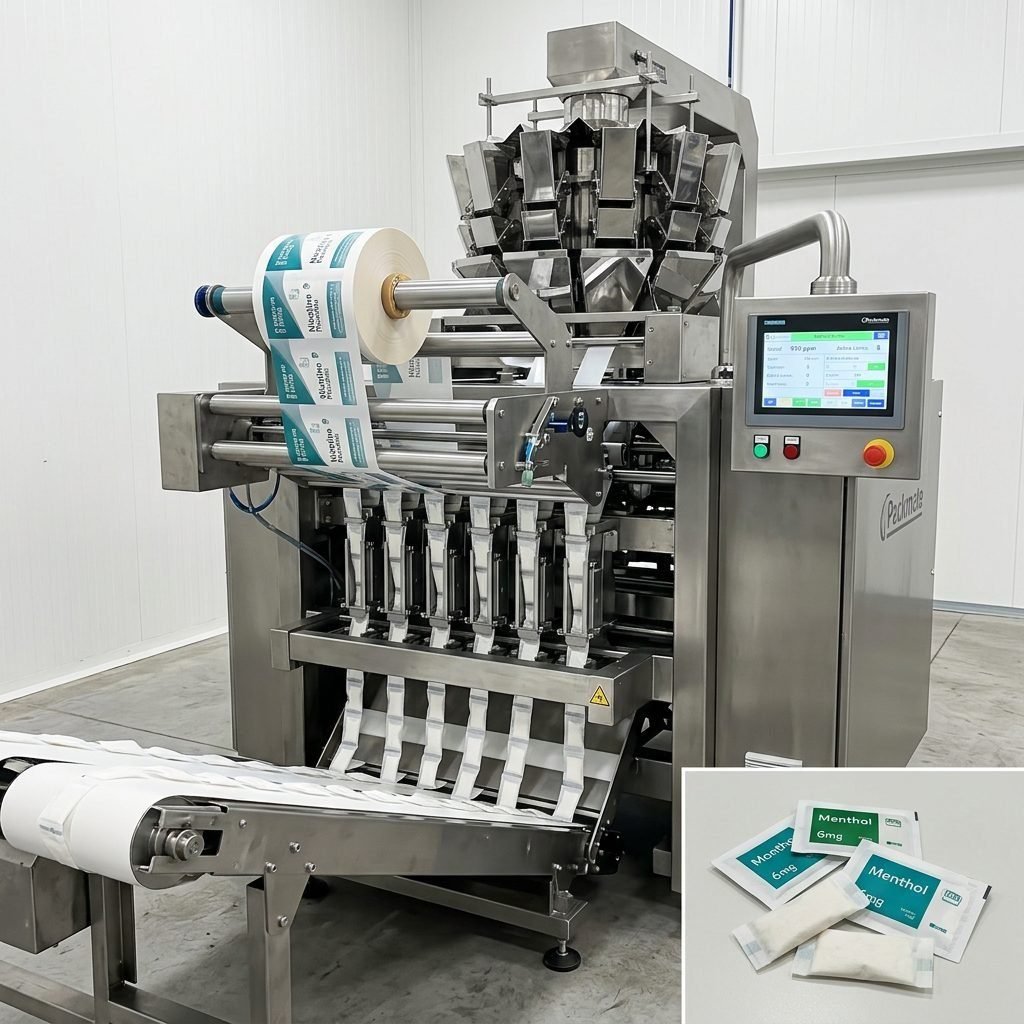
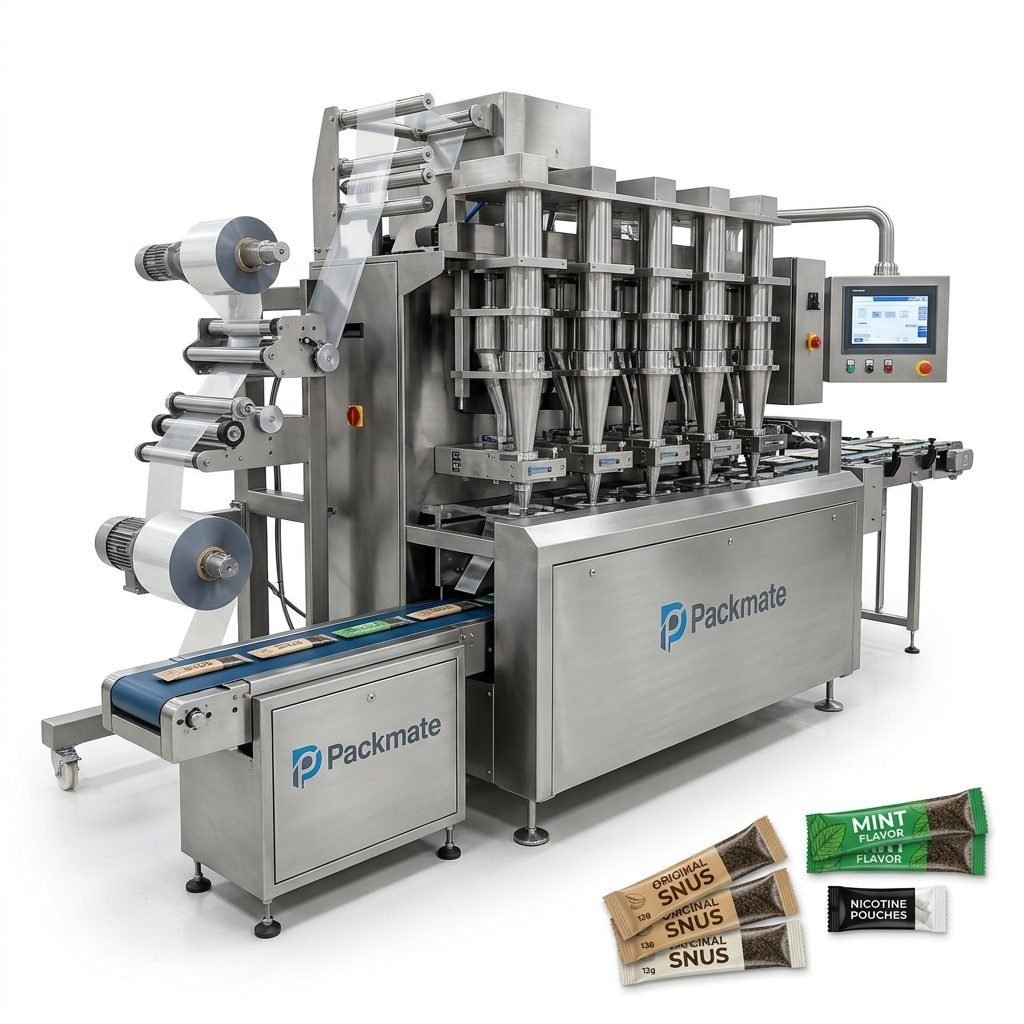
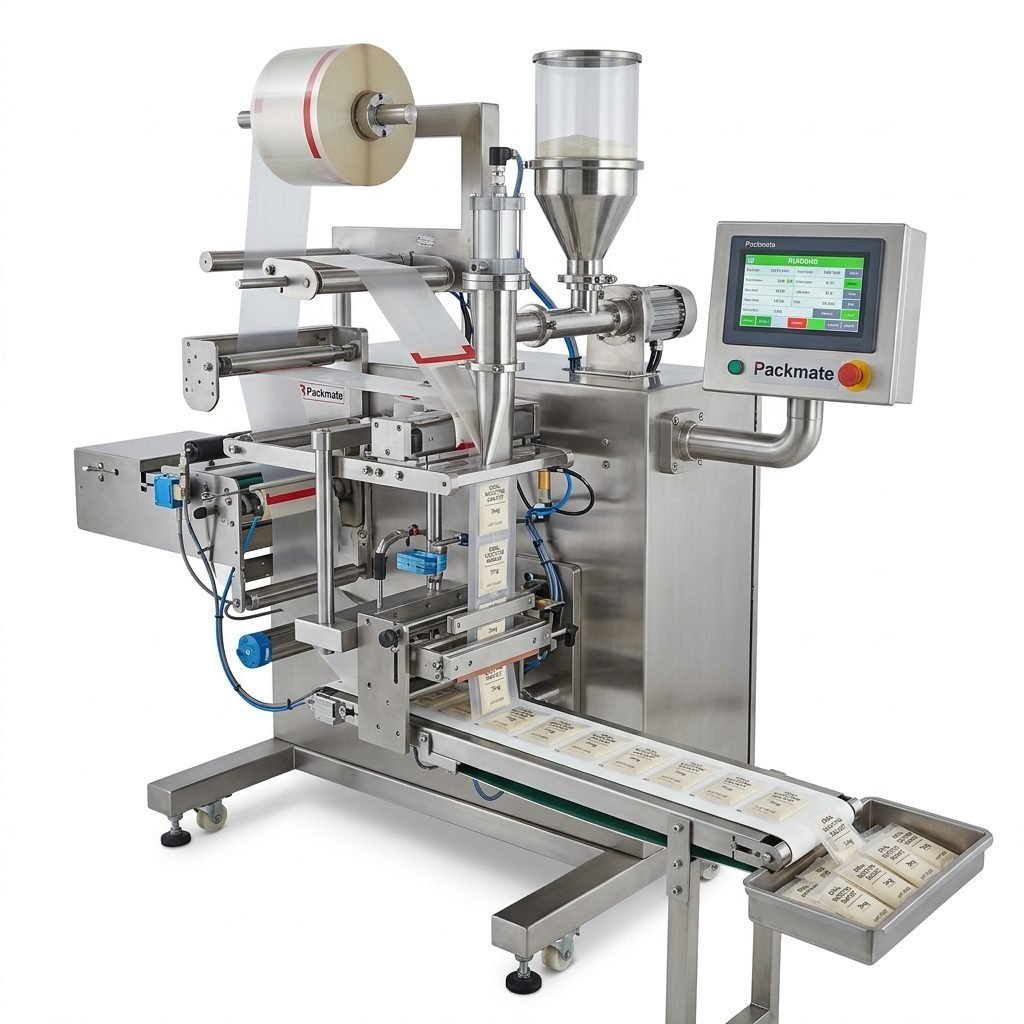
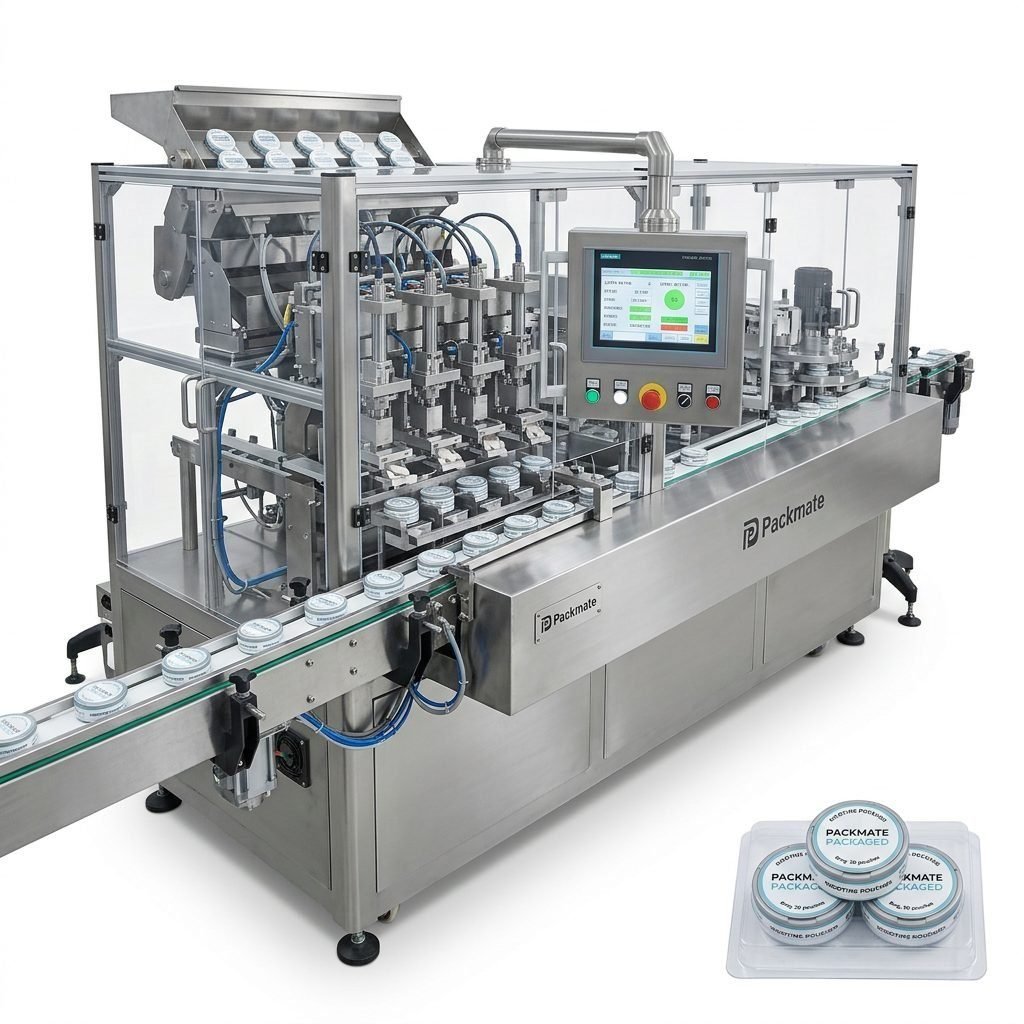
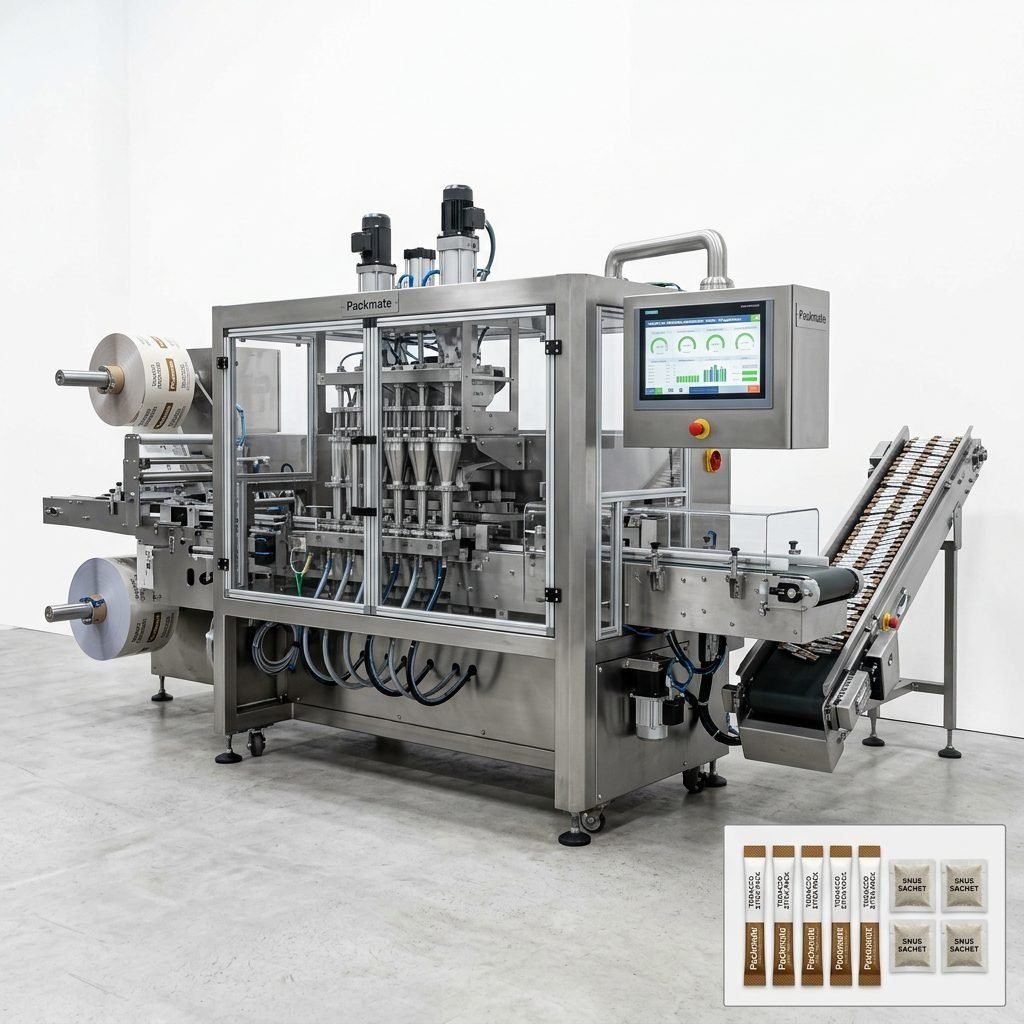
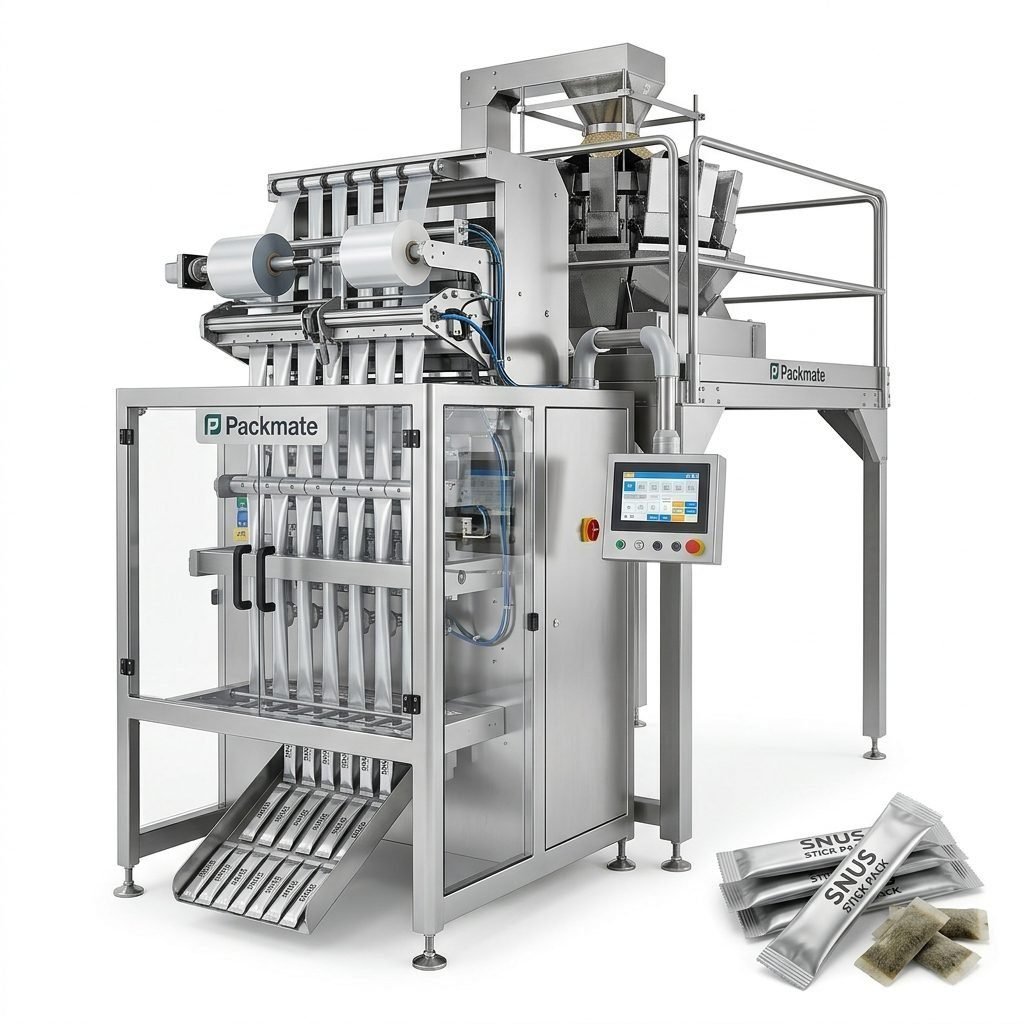
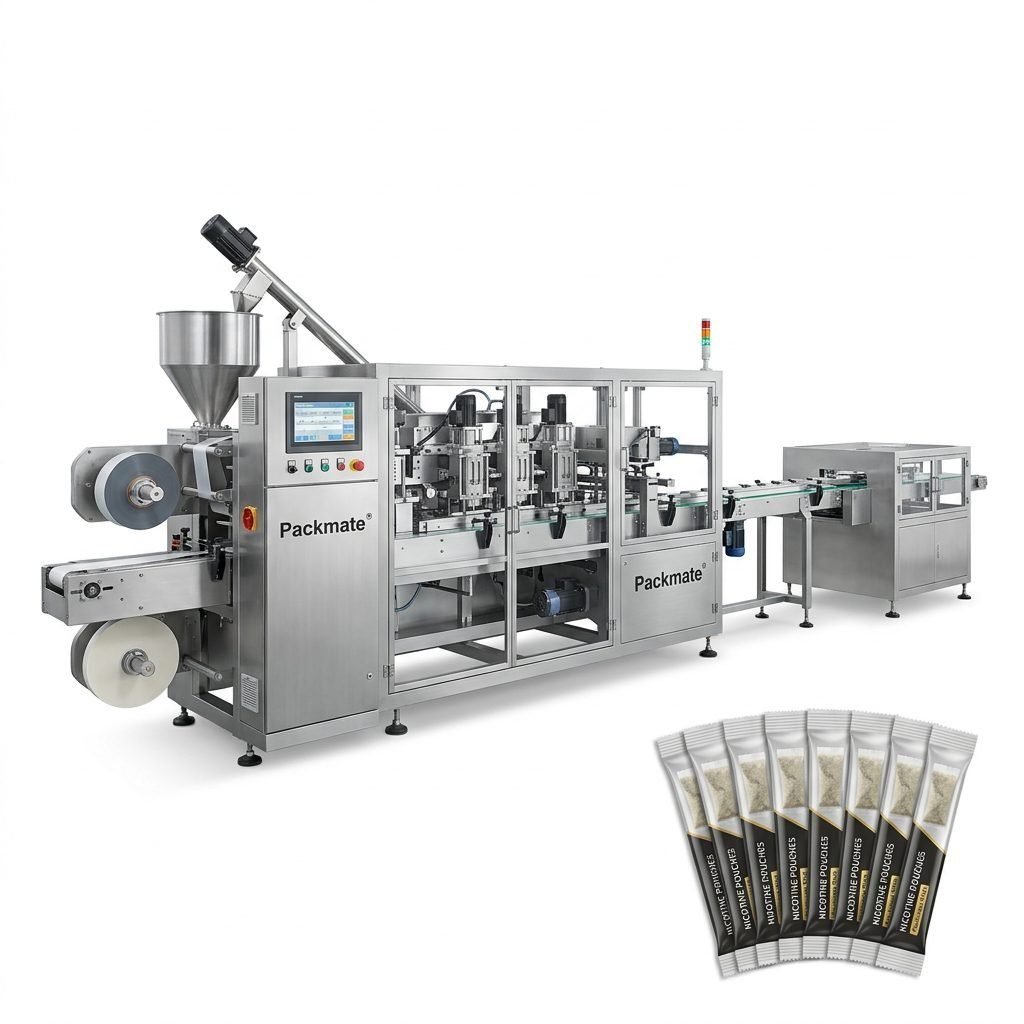
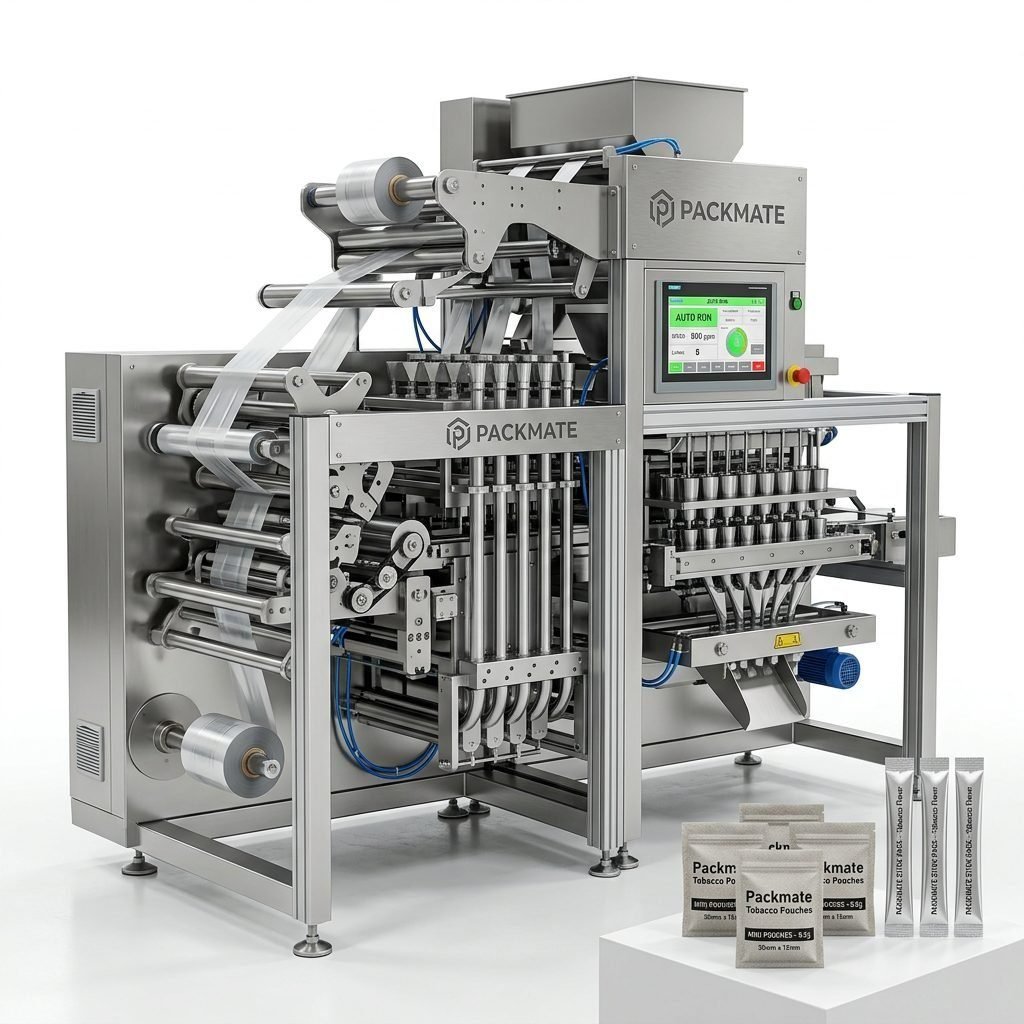
Choosing the right snus packaging machine in Honduras requires more than just comparing prices and speeds. Local market preferences, climate conditions, import regulations, and the type of snus or nicotine pouch product you plan to offer will all affect the optimal machine selection. This guide walks you through the practical steps and critical factors—technical, commercial, and cultural—to help manufacturers, distributors, and small brands in Honduras make a confident, long-term decision.
Understanding the Honduran Market & Local Habits 📦
Honduras has a tobacco culture influenced by neighboring Central American countries and global trends. While traditional smoking remains common, interest in smoke-free nicotine products including snus and nicotine pouches is growing among urban consumers and younger adults who seek discreet, portable formats. Retail channels include neighborhood stores (pulperías), small pharmacies, and specialty tobacco shops in Tegucigalpa and San Pedro Sula. Successful packaging must therefore prioritize portability, clear labeling in Spanish, and durable seals to handle humid coastal climates.
Why Packaging Matters for Snus in Honduras 🌎
Packaging is not just aesthetics. For snus products, it preserves moisture balance, prevents odor escape, ensures compliance with labelling rules, and communicates brand identity quickly at the point of sale. In Honduras, where refrigeration and storage practices can vary widely, robust packaging that resists humidity and rough handling will reduce returns, maintain product freshness, and build consumer trust.
Types of Machines to Consider (Overview) ⚙️
There are several machine classes commonly used for snus and nicotine pouches:
• Single-lane sachet/round pouch machines for artisanal or low-volume lines.
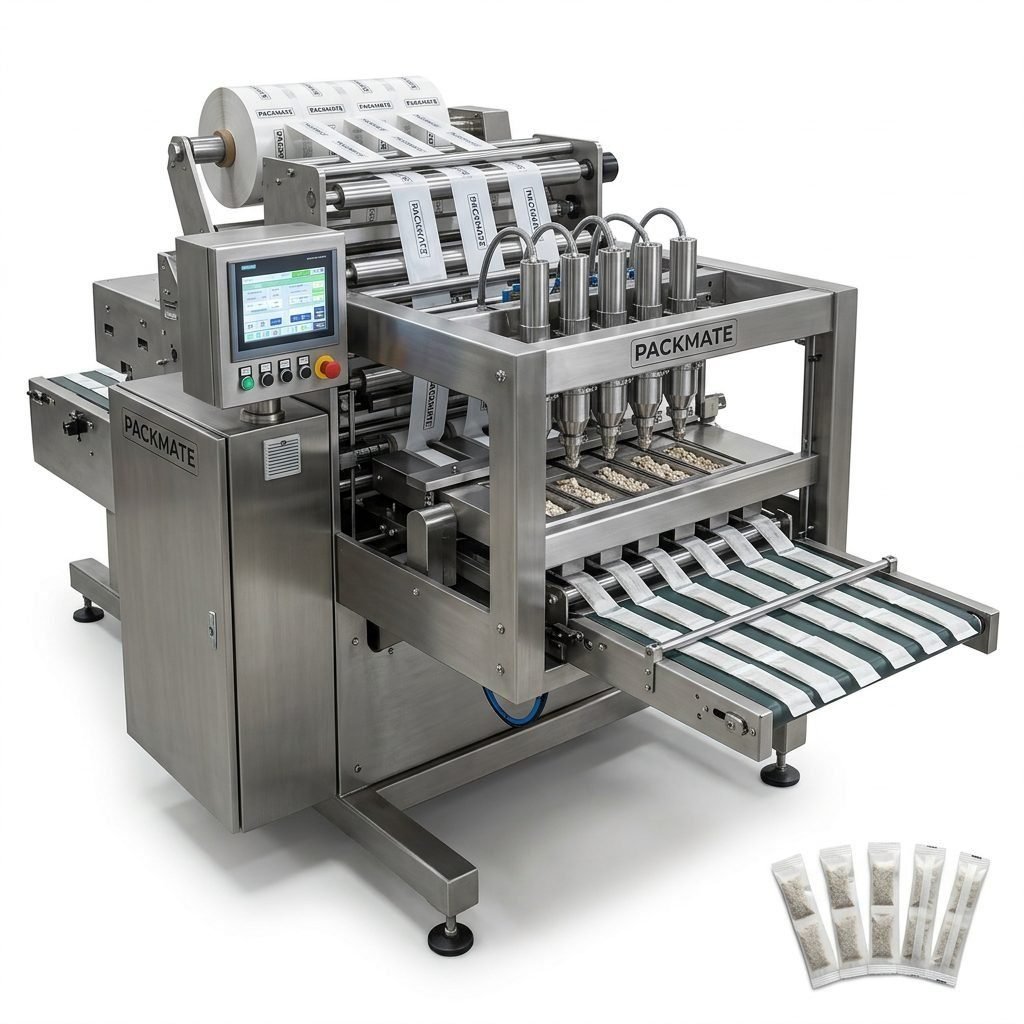
• Multi-lane high-speed pouch machines for scalable production.
• Stick pack and sachet machines for individual-dose formats.
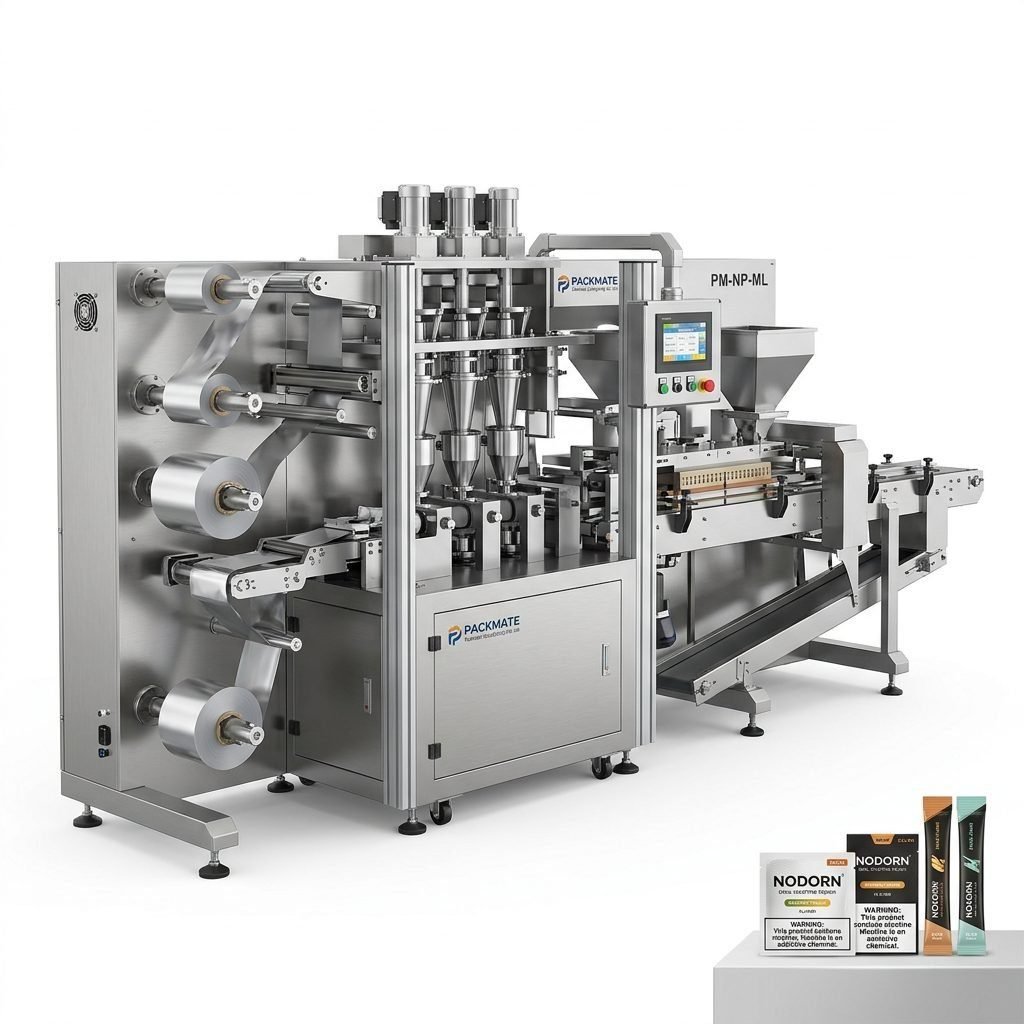
• Integrated filling and weighing lines for powders or moist granules.
Choose a machine based on product format, expected throughput, and the level of automation needed.
Key Technical Factors to Evaluate
When comparing suppliers and models, prioritize these technical attributes:
Production speed & lanes: Match machine speed (pouches/min) with your forecasted demand. Multi-lane machines can boost output without multiplying footprint.
Filling accuracy: Consistency in dose weight matters for regulatory compliance and consumer experience. Look for machines with precise dosing systems and low weight variance.
Sealing reliability & material compatibility: The machine must work with your chosen film, foil, or pouch materials and produce hermetic seals to protect against Honduras’ humidity.
Tip: If you expect coastal distribution, select films with high barrier properties (EVOH or metallized laminates) and test seals under high humidity conditions before ordering full production equipment.
Packaging Materials and Climate Considerations
Honduras’ varied climate from humid lowlands to cooler inland areas affects shelf life. Materials and machine settings should account for:
• Moisture barrier selection and proper desiccant integration if required.
• Sealing temperature and dwell time adjustments to adapt to film types.
• Controlled environment for sensitive filling operations when possible.
Automation Level & Integration Needs 🤖
Decide how much automation you need early:
• Manual-fed machines keep capital costs low but increase labor. Ideal for startups or test batches.
• Semi-automatic lines offer a balance for mid-sized operations.
• Fully automated, integrated lines (including weighing, filling, sealing, and packaging) minimize per-unit labor and are suitable for factories targeting national or export distribution.
Throughput Planning & Scalability
Plan for growth. If you expect rapid market adoption in Honduras and regional export to Central America, invest in modular machines that allow lane expansion or additional modules. Packmate’s range of multi-lane systems provides an example of scalable solutions that can grow from pilot to commercial volumes without a full equipment replacement.
Compliance, Certifications & Labeling
Ensure the machine supplier can provide CE and ISO documentation if you plan to export or to meet corporate compliance standards. Also verify whether the packaging process supports required labeling in Spanish and regulatory information demanded by Honduran authorities.
Note: Machines meeting international standards (CE, ISO) often come with clearer documentation and easier customs clearance when importing into Honduras.
Local Service, Spare Parts & Training
After-sale service matters more than the purchase. Check if the manufacturer offers:
• Local or regional technicians and a supply chain for spare parts.
• On-site commissioning and operator training in Spanish.
• Remote support and predictive maintenance packages.
Working with suppliers that provide clear user manuals, training, and spare parts reduces downtime in Honduras where importing replacement parts can take time.
Budgeting & Return on Investment (ROI) 💰
Evaluate total cost of ownership: purchase cost, installation, shipping, customs, operator training, spare parts, and energy use. Higher initial investment in a reliable multi-lane line may pay off faster due to lower labor costs and reduced scrap rates.
Supplier Reputation & Factory Capabilities
Look for manufacturers with a proven history in snus packaging. Packmate Snus Machine, for example, has 30+ years of packaging experience, advanced CNC machining centers, and a wide range of snus-specific machines—information that helps evaluate their capacity to deliver consistent, customized solutions. You can learn more about product lines and certifications through their product pages and company profile.
Recommended references:
• Snus & Nicotine Packaging Machines
• Bag & Pouch Packaging Machines
• About Packmate
Installation, Testing & Pre-Production Runs
Before full production, run pre-production batches in a controlled environment. Confirm:
• Seal integrity under Honduran storage conditions.
• Fill weight repeatability and pouch uniformity.
• Label legibility in Spanish and compliance with any local warnings.
Pre-Ship Checklist: Factory acceptance test (FAT) reports, operation manuals in Spanish, spare parts list, training schedule, and updated certification documents.
Common Pitfalls and How to Avoid Them ⚠️
Many buyers under-estimate the importance of material compatibility, environmental control, and spare parts availability. Avoid these mistakes:
• Choosing a machine without verifying film supplier recommendations.
• Skipping on operator training to save short-term costs.
• Overlooking customs documentation that delays shipment to Honduras.
Practical Checklist Before Purchase
✔️ Confirm product format and film compatibility.
✔️ Validate throughput requirements and scalability.
✔️ Check sealing tests under expected humidity.
✔️ Ensure supplier provides spare parts and Spanish-language training.
✔️ Obtain FAT and CE/ISO documentation for customs and compliance.
Working with International Suppliers from Honduras
If importing machines, coordinate shipping logistics and customs clearance early. Ask for detailed packing lists and, if possible, partner with suppliers who have experience exporting to Central America. Suppliers who attend regional exhibitions and can provide customer references may reduce your risk—see examples of global case deliveries and exhibition participation to evaluate credibility.
Useful links for further reading:
• Case
• Our Exhibition
• Contact Us
Summary: How to Decide
Select a snus packaging machine by balancing present needs with future ambitions. Prioritize material and sealing compatibility for Honduras’ climate, require clear documentation and after-sales support, and choose modular systems for scalability. Testing and operator training in Spanish will mitigate operational risks and improve time-to-market.
Final Practical Recommendations
• Start with a medium-speed multi-lane machine if you expect quick expansion.
• Always run FAT and pre-shipment tests with your chosen film.
• Secure a spare parts package and written training plan.
• Build relationships with suppliers that have relevant snus experience and clear certification packages.
Frequently Asked Questions (FAQs)
Q1: What machine speed do I need to serve the Honduran market initially?
A1: For local sales and phased growth, a machine capable of 100–400 pouches per minute (single- to multi-lane modular) is often sufficient. If you plan regional exports, consider higher-capacity multi-lane machines that scale without replacing the core equipment.
Q2: How important is it to have Spanish-language manuals and training?
A2: Very important. Spanish-language documentation and on-site training reduce operator errors, speed up commissioning, and ensure safer machine operation.
Q3: Which packaging materials work best in humid Honduran regions?
A3: High-barrier laminates, metallized films, or EVOH-based structures provide better moisture protection. Pair film selection with validated sealing parameters from the machine supplier.
Q4: Can I expand capacity without buying a new machine?
A4: Choose modular multi-lane platforms that allow adding lanes or integrating additional modules (weighing, secondary packaging). This approach minimizes capital expense while increasing throughput.
Q5: Where can I find reliable snus packaging equipment and support documentation?
A5: Look for established manufacturers with snus-specific experience, clear certifications, and global service networks. Resources like product pages, case studies, and company profiles help evaluate capabilities: Snus & Nicotine Packaging Machines, Weighing & Packaging Systems, and Certificate.