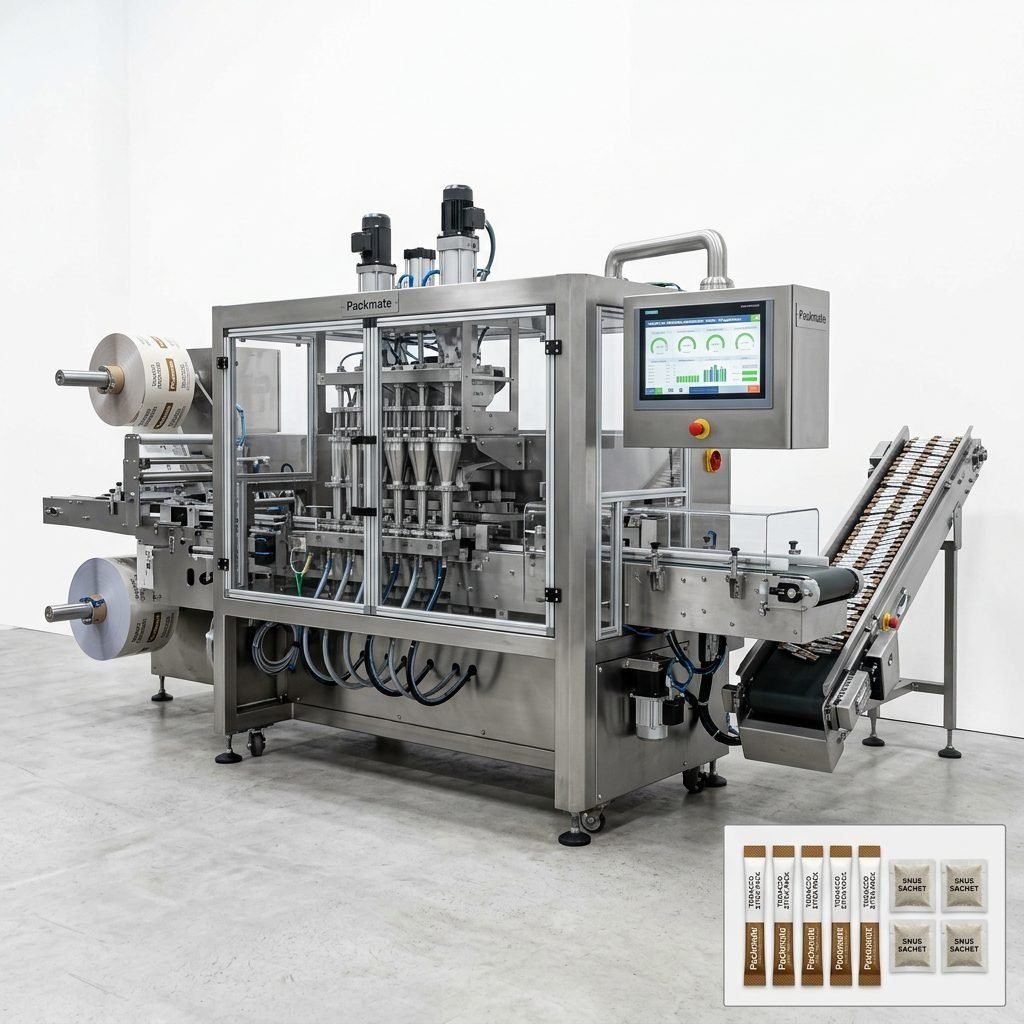
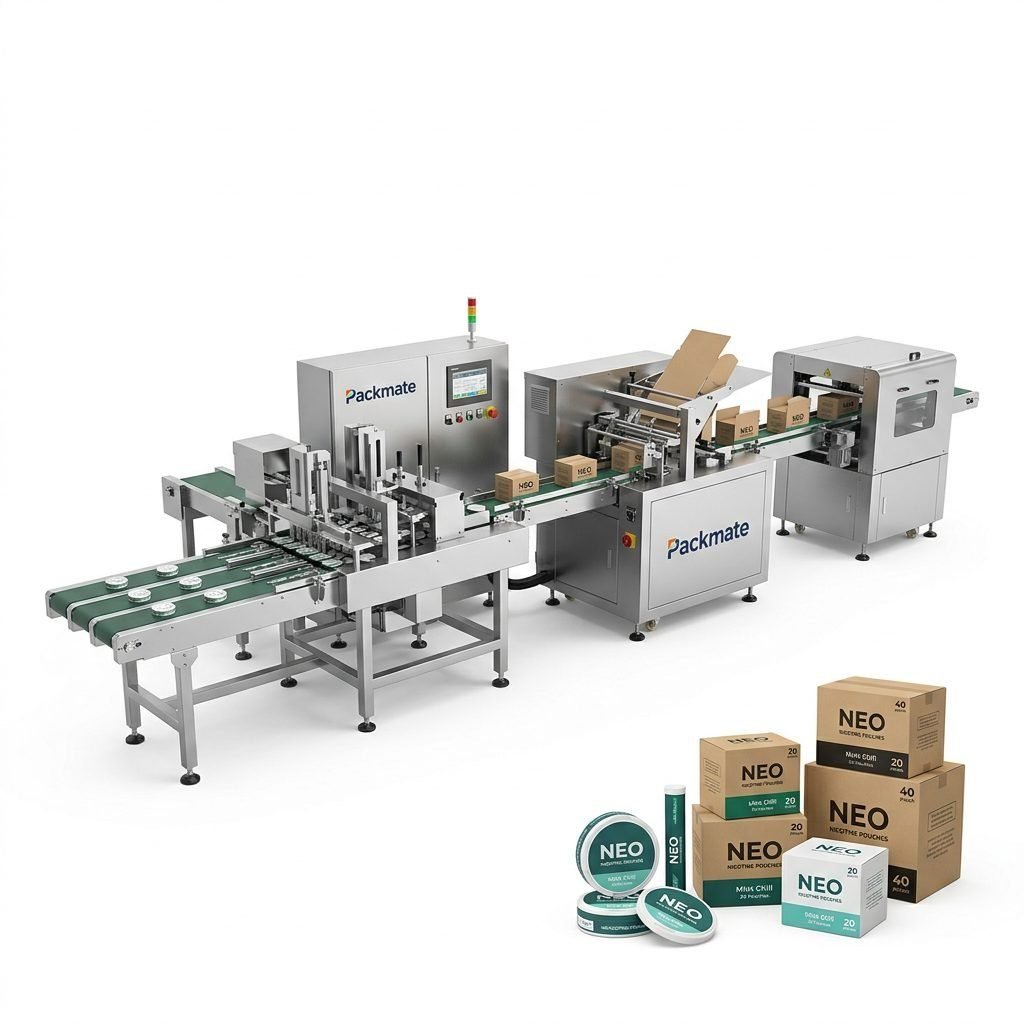
Choosing the right nicotine packaging machine for the Mongolian market requires more than comparing speeds and prices. Mongolia’s unique climate, distribution patterns, and regulatory environment influence which machine features deliver reliable performance and cost-effective operation. This guide summarizes the key factors buyers should evaluate when selecting snus and nicotine pouch packaging equipment, practical buying tips, and ways to work with established manufacturers to secure a turnkey solution.
Understand Mongolia’s Market and Operational Context
Mongolia has a mix of urban centers (Ulaanbaatar, Darkhan) and vast rural areas where temperature swings and long transport routes are the norm. Buyers should account for:
- Cold winters and strong temperature variations — machines must tolerate low ambient temperatures or be installed in climate-controlled facilities.
- Distribution via small retailers and kiosks — packaging must protect product stability and offer shelf appeal in small-format displays.
- Language and labelling — consider machines that support multi-lingual printing (Mongolian/Cyrillic and possibly Russian/English) for compliance and marketing.
- Regulatory compliance — ensure your supplier understands import rules, local tobacco/nicotine regulations, and documentation needs for customs clearance.
Key Machine Types and Which Fit Mongolia Best
There are several popular packaging formats for nicotine pouches and snus. Choose based on product form, production volume, and retail expectations:
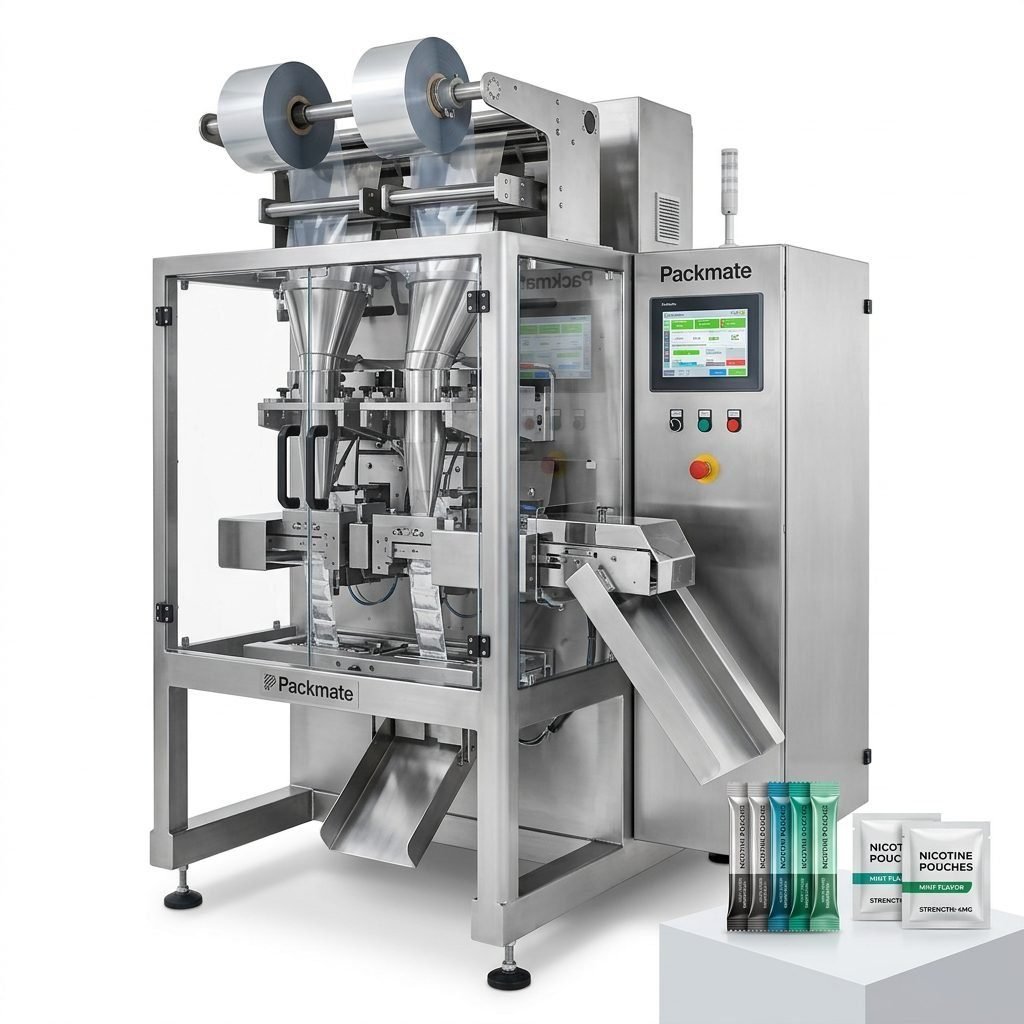
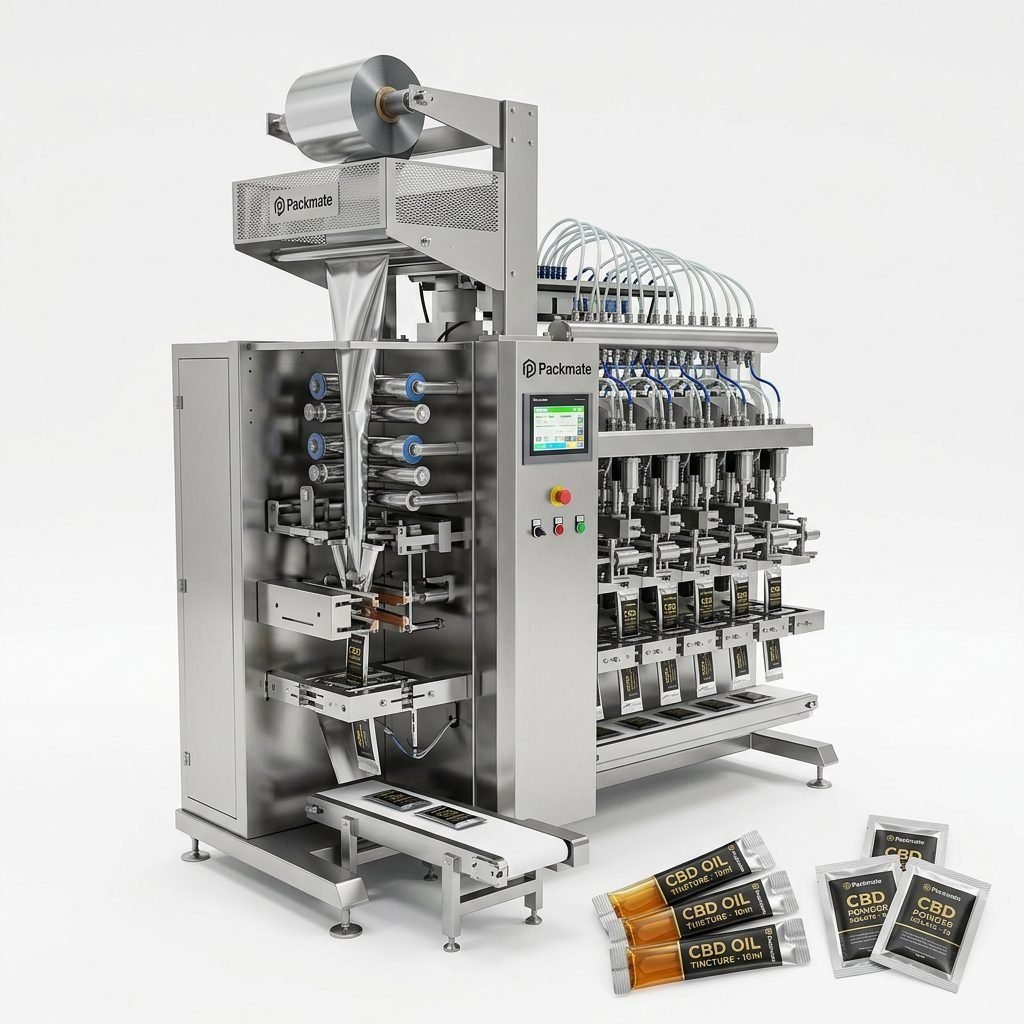
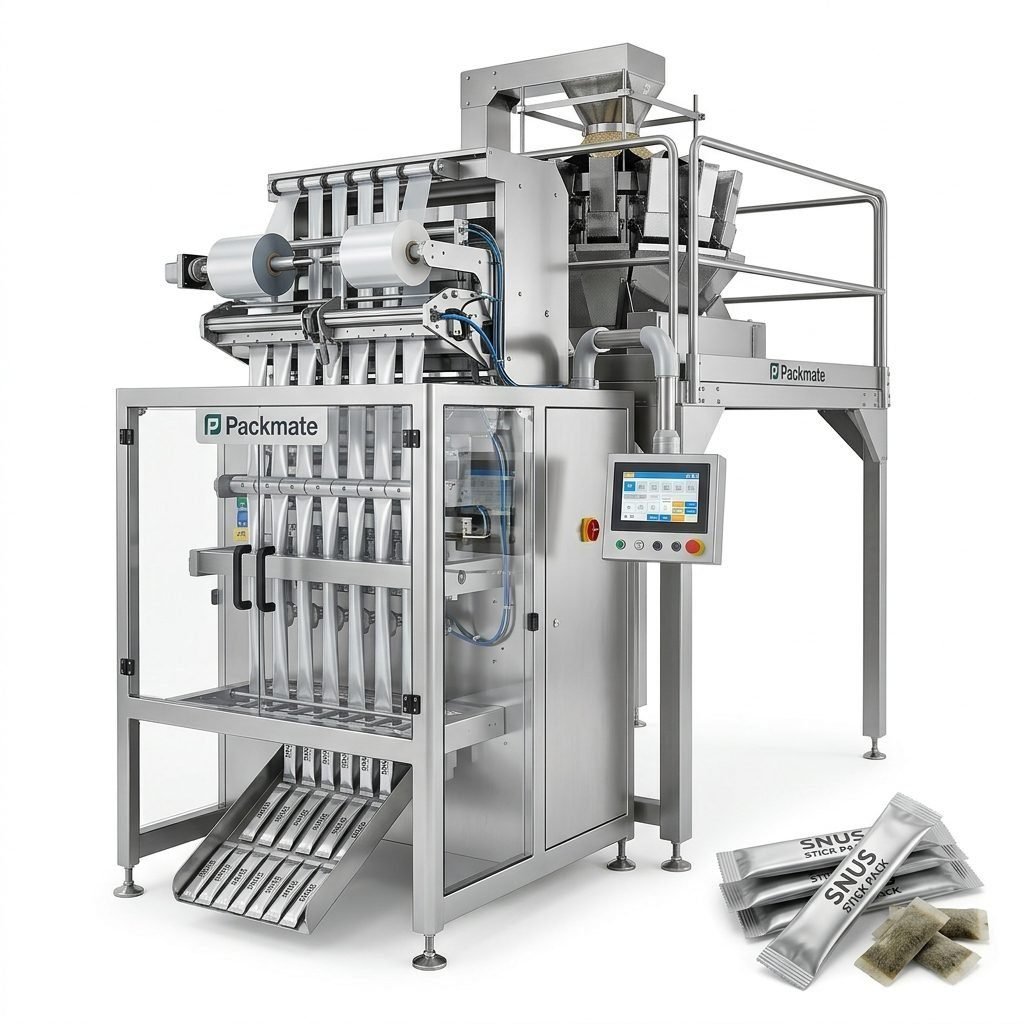
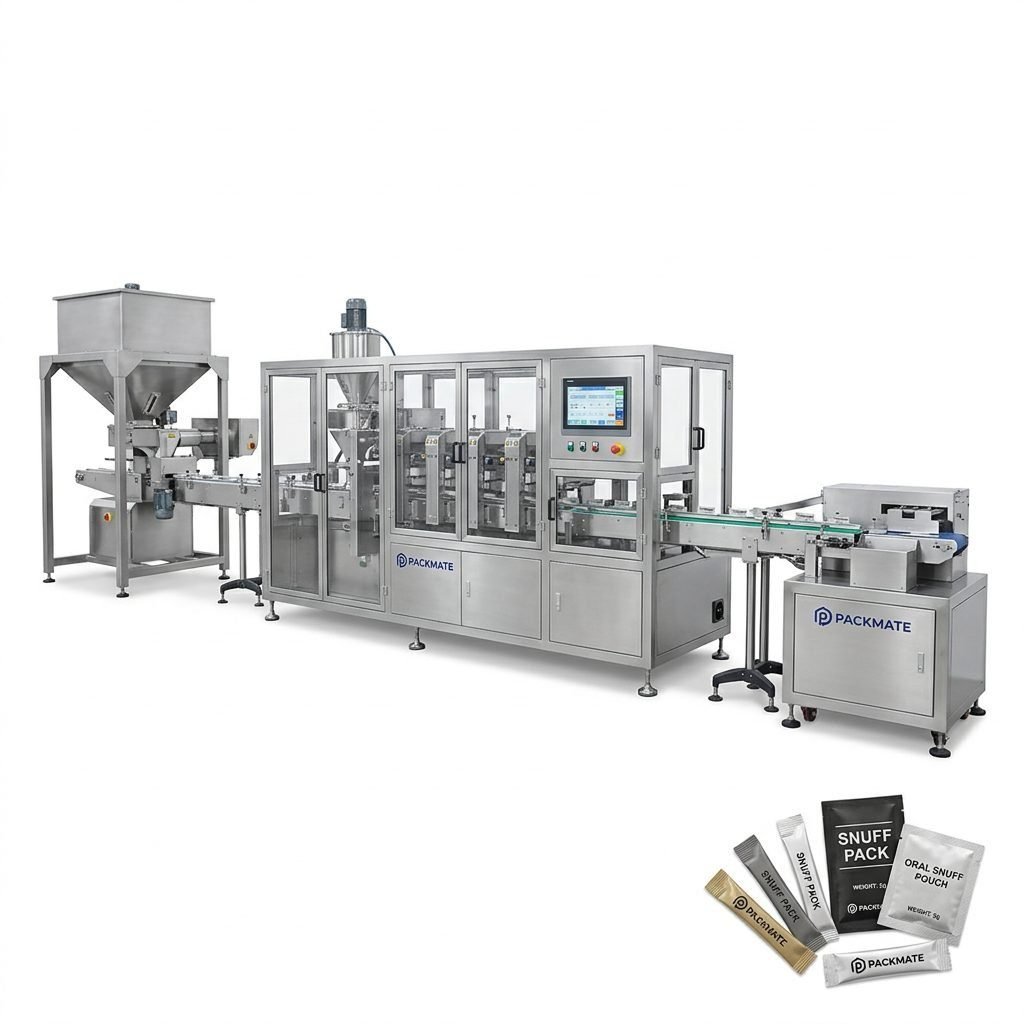
- Stick pack & sachet machines — best for single-dose pouches and convenient retail use. They are cost-effective for medium to high production runs.
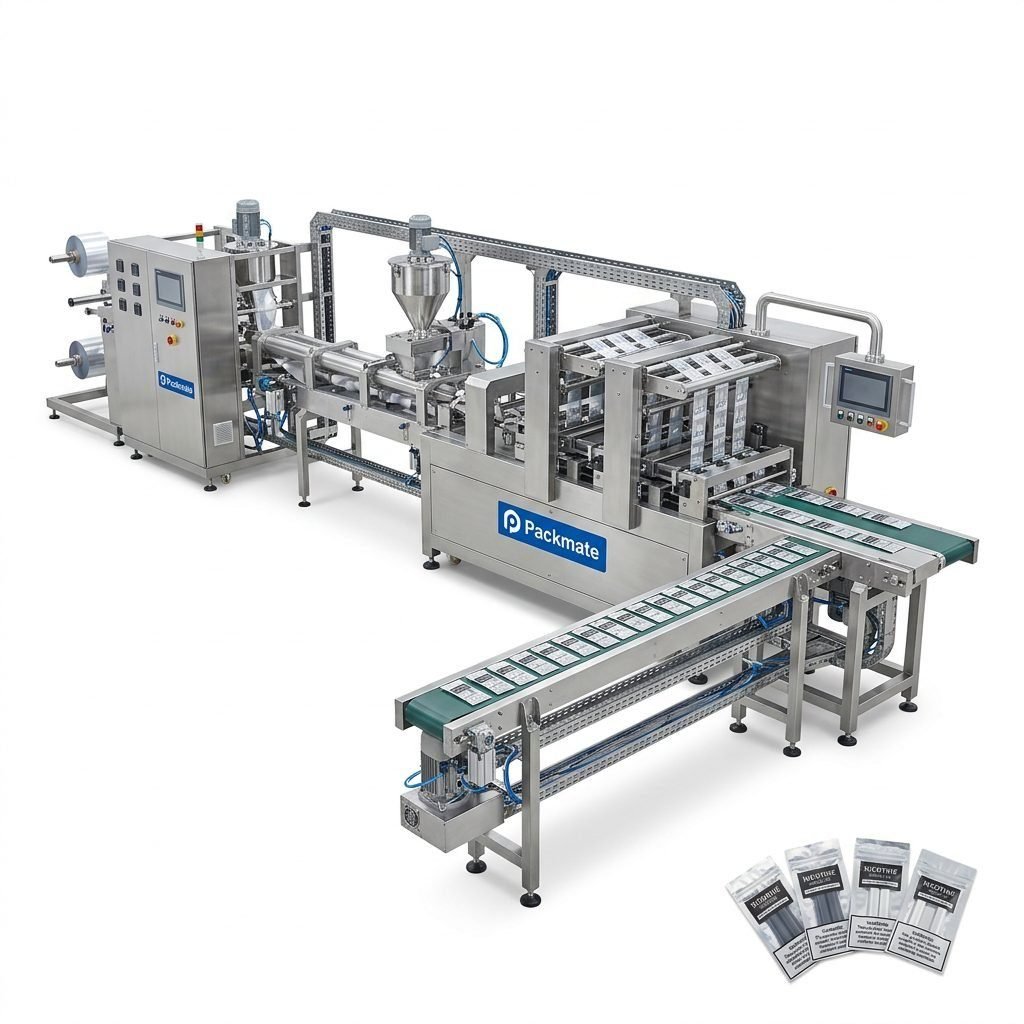
- Multi-lane pouch machines — ideal for manufacturers scaling output while keeping footprint compact. Multi-lane systems accelerate output without multiplying staff costs.
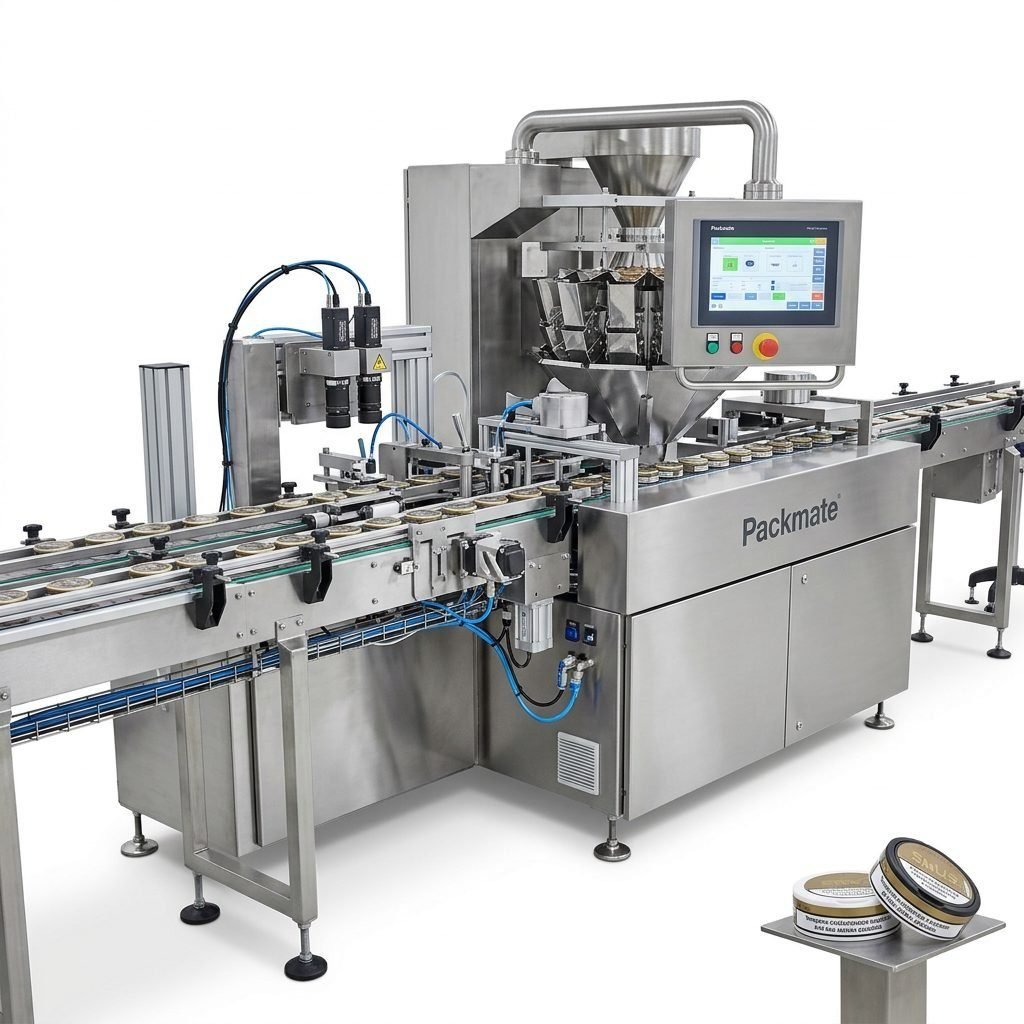
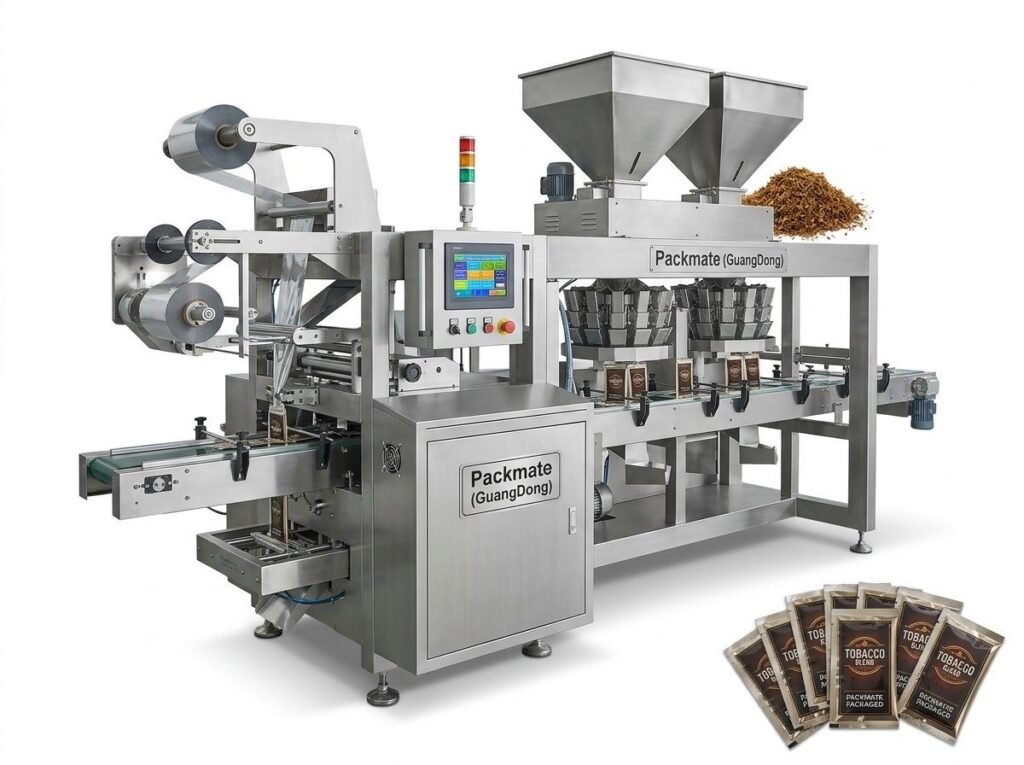
- Bag & pouch packaging lines — suitable when secondary packaging (reclosable pouches or retail bags) is needed for shelf presence and moisture protection.
🛈 Important: For Mongolia, machines that combine accurate filling and robust sealing are particularly important due to long cold-chain gaps and fluctuating humidity. Consider equipment with enhanced sealing options and in-built check systems to prevent leakage.
Top Technical Specifications to Verify
When comparing suppliers and models, pay close attention to technical specs rather than marketing claims. Key specs include:
- Production speed — expressed as pouches/min or bags/min. Match the machine speed with realistic working hours, shifts, and expected downtime.
- Filling accuracy — particularly critical for nicotine pouches where tolerance ranges are tightly controlled. Higher accuracy reduces waste and regulatory risk.
- Material compatibility — confirm the machine can handle the pouch material, desiccant packs, and any foil or barrier films used for moisture protection.
- Multi-lane capability — for scaling, a multi-lane unit can multiply throughput while saving floor space and operators.
- Automation & control — modern PLC/HMI platforms provide recipe storage, quick changeovers, and remote diagnostics.
Automation, HMI and Remote Support
Look for machines with a user-friendly HMI, recipe management for different pouch sizes, and support for remote troubleshooting. Given Mongolia’s distance from major vendors, remote diagnostics and clear escalation protocols are essential to minimize downtime.
Quality, Certifications and After-sales Service
Buy from manufacturers that can provide:
- International certifications such as CE and ISO — these demonstrate adherence to safety and quality benchmarks.
- Comprehensive warranty, spare parts kits, and local or regional service partners.
- Installation and operator training — crucial for operators unfamiliar with high-speed pouch machines.
✅ Tip: Working with an established snus specialist (with 20,000㎡ manufacturing capacity and decades of engineering experience) reduces risks. Established firms typically offer turnkey lines — from filling to sealing to secondary packaging — which simplifies technical and regulatory coordination.
Material & Packaging Considerations for Harsh Climates
Mongolia’s cold, dry winters and summer dust storms impose constraints on packaging:
- Barrier films with low water vapor transmission rate (WVTR) help preserve nicotine pouch integrity over long transport times.
- Desiccant inclusion and robust seals protect against moisture during brief warm periods or storage in non-climate-controlled retail spaces.
- Durable secondary packaging protects pouches during long road or rail transit and can be critical for exports to neighboring markets.
Operational Cost Factors to Evaluate
Initial purchase price is only one part of the total cost of ownership. Consider:
- Energy consumption — high-speed machines may require more power; compare efficiency ratings.
- Spare parts availability and cost — select brands with clear spare parts supply chains and local stocking options.
- Labor — machines with faster changeovers and better automation reduce skilled labor needs.
- Maintenance plans — preventive maintenance contracts help maintain uptime and extend machine life.
Evaluating ROI
Calculate ROI by estimating increased throughput, reduced product waste from filling inaccuracies, lower labor costs, and savings from fewer rejects. Don’t forget logistics savings if better packaging reduces product loss in transit across Mongolia’s long routes.
⚙️ Supplier checklist: Verify factory capabilities (CNC machining, precision assembly), ask for case studies in similar climates, request references, and confirm certifications. Manufacturers like Packmate can provide multi-lane snus solutions, full lines, and international support.
Customisation & Scalability — What to Ask Your Vendor
Key customisation options include:
- Ability to run different pouch sizes or switch between stick packs and sachets with quick tool change kits.
- Integration with weighing, feeding, and overwrapping lines for a complete production solution.
- Optional modules like nitrogen flushing, inline metal detection, or vision inspection for printing and seal integrity.
If you expect volume growth, prefer modular lines that allow upgrading lane counts or adding automation modules without a full replacement.
Logistics: Importing Machines into Mongolia
Important logistics points:
- Choose vendors experienced in international shipping and documentation to simplify customs clearance.
- Consider local installation support partners or remote guidance if on-site commissioning experts are not immediately available.
- Check whether pre-shipment testing, FAT (Factory Acceptance Test) videos, and full documentation (manuals, electrical drawings) are provided.
Why Partner with an Experienced Snus Machine Manufacturer
Specialist manufacturers bring advantages:
- Proven designs for nicotine pouches and snus that reduce trial-and-error in production setup.
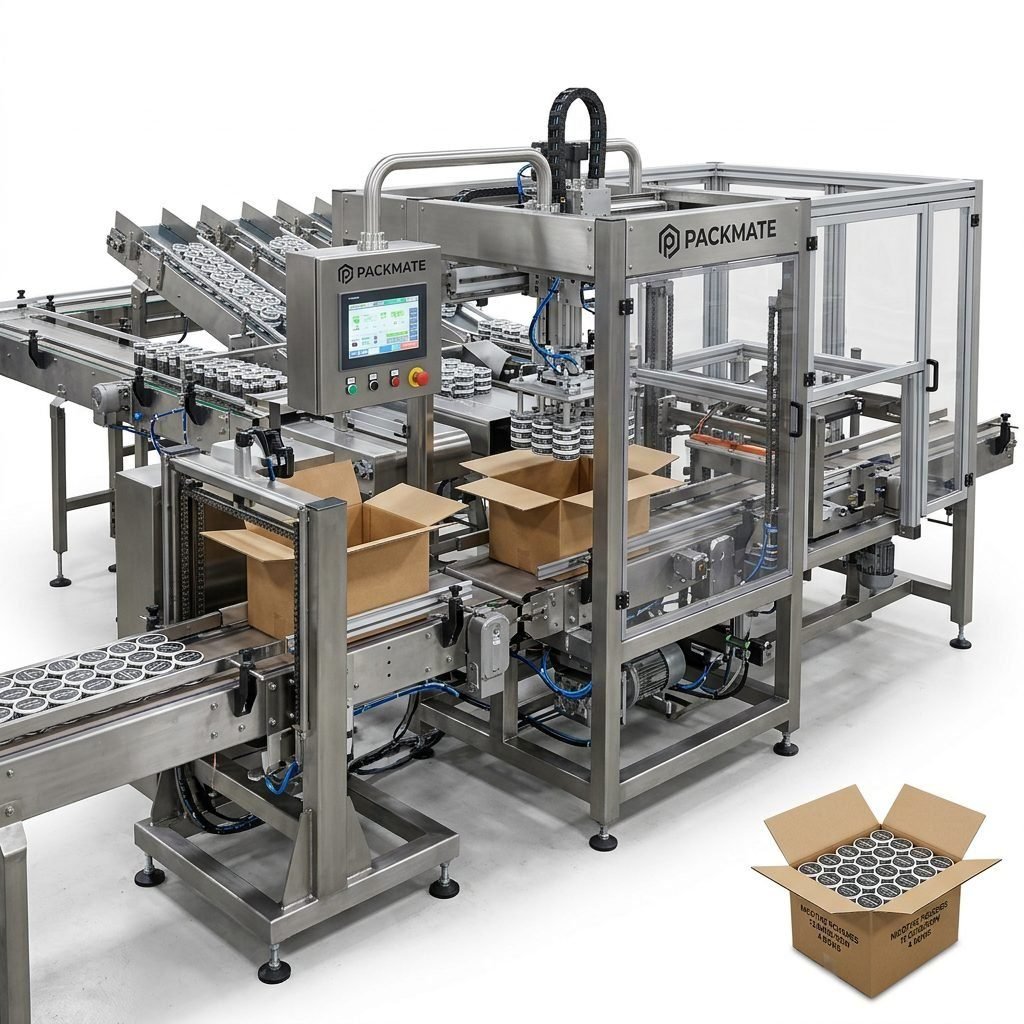
- Turnkey capabilities — from filling and sealing to secondary packing and palletizing.
- Long-term support, parts availability, and upgrades — valuable for operators in remote markets like Mongolia.
For example, suppliers with decades of experience and a broad product range (snus & nicotine packaging machines, bag & pouch systems, sachet & stick pack machinery) can tailor solutions from single machines to complete filling & packaging lines. Learn more about product ranges and factory strength from manufacturer resources such as Snus & Nicotine Packaging Machines, Bag & Pouch Packaging Machines, or read the company profile at About Packmate.
📌 Practical next steps: shortlist 2–3 vendors, request machine videos and FAT documentation, compare total cost of ownership, and arrange a pilot run or sample trial before signing a full purchase order.
Negotiation & Contract Points
When finalizing a purchase, clarify:
- Lead times — machining, assembly, testing, and shipping schedules.
- Warranty terms and response times for critical components.
- Training scope — onsite vs remote, language support, and duration.
- Spare parts package and recommended maintenance schedule.
- Payment terms and acceptance criteria upon delivery.
If you need localized support in Mongolia, ask whether the supplier has regional partners or can provide long-term service contracts with guaranteed response windows.
After Purchase: Commissioning and Training
Successful commissioning includes FAT, SAT (site acceptance test), operator training, and a clear maintenance plan. Well-documented SOPs and preventive maintenance checklists reduce downtime and extend equipment life.
Summary Checklist Before You Buy
Quick buyer checklist:
- Match machine type to pouch format and target volumes.
- Confirm filling accuracy, sealing reliability, and material compatibility.
- Verify certifications (CE/ISO) and factory capabilities.
- Ensure spare parts access and clear after-sales support.
- Plan for climate considerations and robust secondary packaging.
If you want concrete examples of installed lines and customer cases, explore machine ranges and case studies available from experienced suppliers: Case and Filling & Packaging Lines. When you’re ready, contact suppliers for tailored quotes: Contact Us.
Final Considerations for Mongolia
Selecting the right nicotine packaging machine for Mongolia balances machine capability with local realities: temperature extremes, distribution channels, and regulatory compliance. Prioritize machines with robust sealing, accurate dosing, and strong supplier support to ensure consistent product quality and reliable operations across seasons and long distribution routes.
Frequently Asked Questions
Q1: How do I choose between single-lane and multi-lane pouch machines for a Mongolian plant?
A1: Assess current and projected volumes. Multi-lane machines are ideal if you expect rapid scale-up or need high throughput in a small footprint. For lower volumes or frequent product changes, a single-lane may be more flexible and cost-effective.
Q2: What packaging materials work best for Mongolia’s climate?
A2: Use high-barrier laminates or foil-based films with low WVTR and strong seals. Consider desiccants and robust secondary packaging to protect pouches from humidity swings and transportation stress.
Q3: How important is after-sales service and spare parts availability?
A3: Extremely important. For remote markets like Mongolia, rapid access to spare parts and remote diagnostics minimize downtime. Choose vendors who offer clear spare parts lists, kits, and reliable service agreements.
Q4: Can suppliers help with regulatory documentation for importing machines into Mongolia?
A4: Many experienced manufacturers provide full export documentation, CE/ISO certificates, manuals, and FAT reports. Confirm these during negotiations to ease customs clearance and meet local regulatory needs.
Q5: Where can I find suppliers who specialize in snus and nicotine pouch equipment?
A5: Look for specialist manufacturers with proven snus equipment portfolios, turnkey solutions, and documented factory capabilities. Explore product pages such as Snus & Nicotine Packaging Machines and Weighing & Packaging Systems for options and then request case studies to validate performance.