Choosing the right nicotine packaging machinery for production in Mauritania requires careful planning across technical, regulatory, and local-operational dimensions. This guide walks you through practical steps to match machinery capabilities to your product format, daily output goals, and the realities of operating in Mauritania — from climate and customs to workforce language and after-sales support.
Understand Local Market & Regulatory Environment
Before selecting equipment, research Mauritania’s regulations on nicotine and tobacco-related products. As an Islamic country, public health policy and import rules may be strict — confirm legality and labeling requirements with local authorities and customs brokers. Also consider consumer preferences: nicotine pouch sizes, flavor regulations, and packaging language (Arabic and French are commonly used).
🔍 Tip: Engage a local legal advisor or customs broker to verify import permits, excise taxes, and product classification before ordering equipment or materials.
Assess Your Production Needs
Start with a clear profile of your production plan:
• Target daily / monthly output (units per minute, per shift).
• Product format: nicotine pouches (snus), stick packs, sachets, or multi-dose pouches.
• Pouch materials and barrier requirements (aluminum, foil, paper, laminated films).
These choices drive machine type, lane count, and auxiliary systems such as dosing, sealing, and vision inspection.
Which Machine Types Fit Nicotine Pouch Production?
There are several common packaging systems used for nicotine products. Match them to your format and volume:
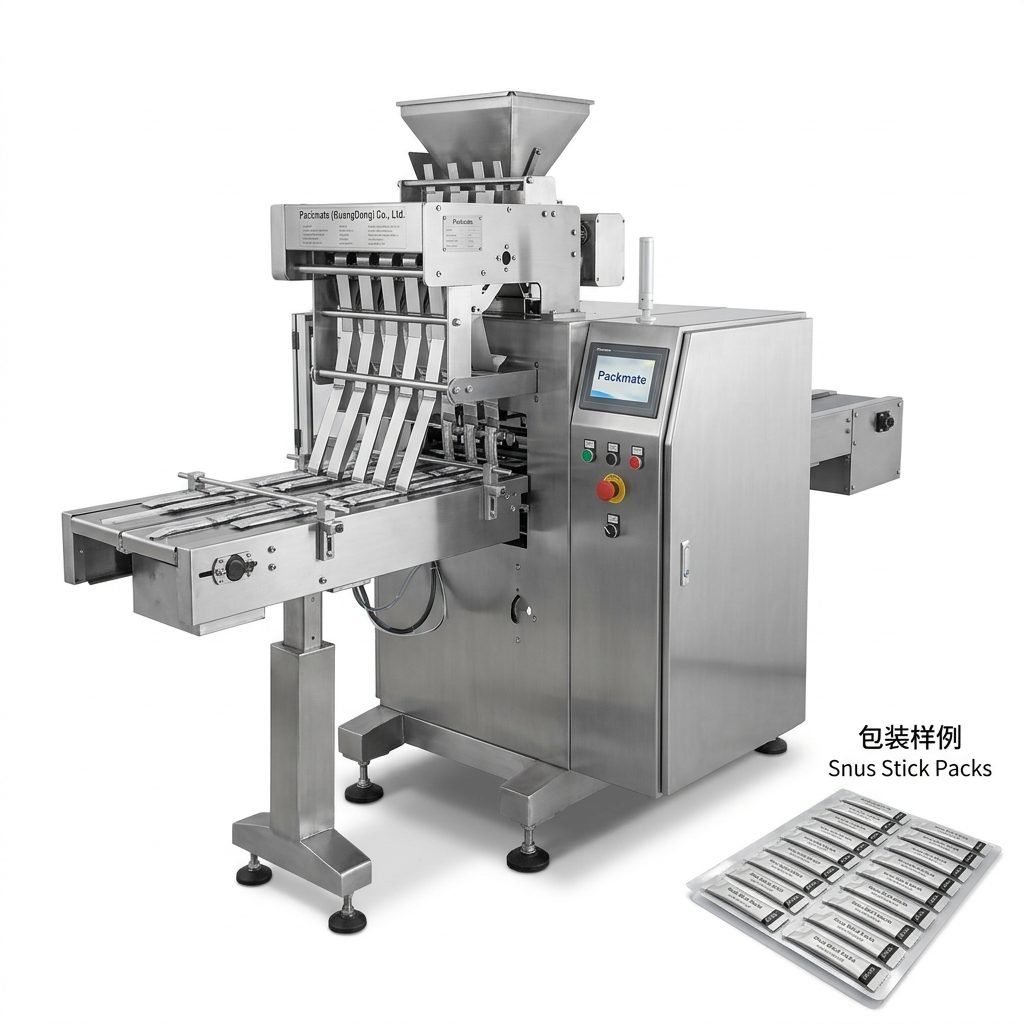
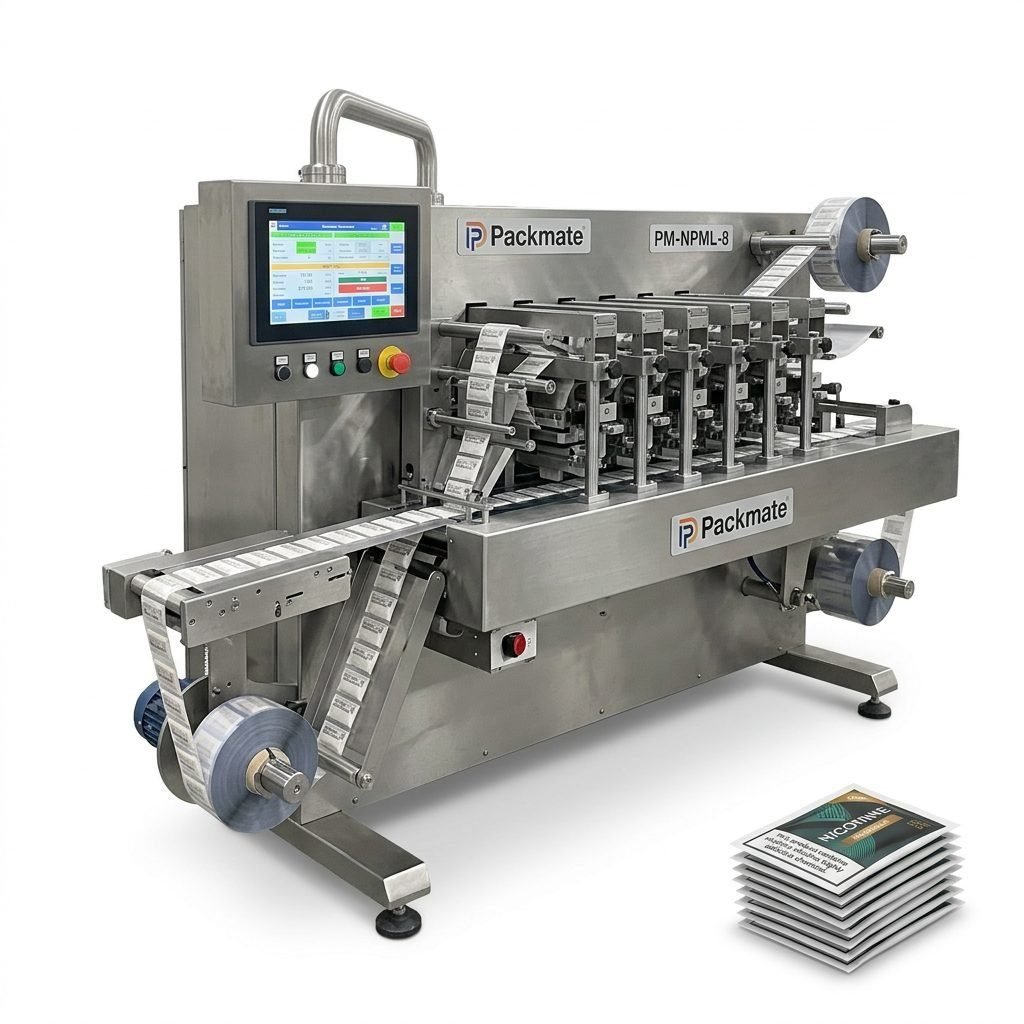
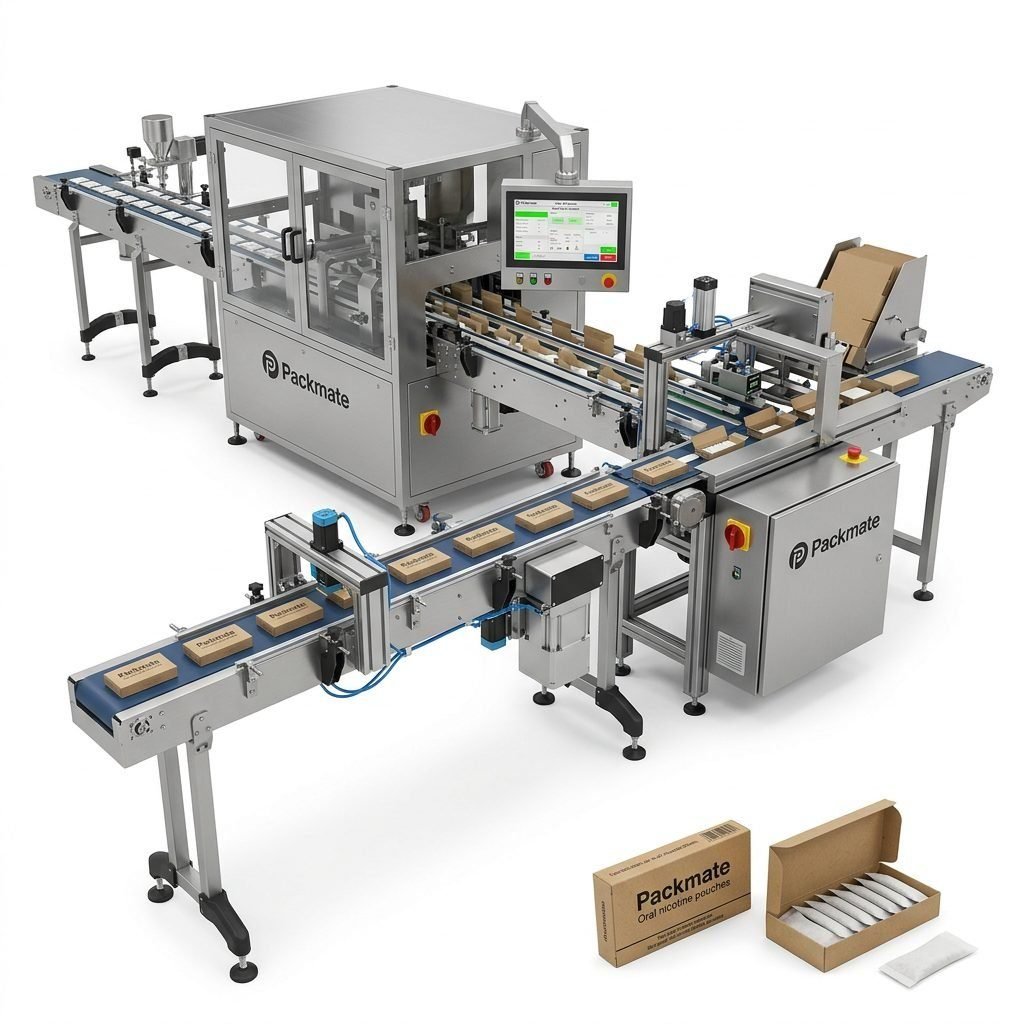
Snus & Nicotine Pouch Packaging Machines
These are specialized machines designed for small-dose pouches with precise fill weights and gentle handling. If your product is a nicotine pouch/snuspouch, prioritize machines with accurate dosing and anti-static handling.
For product examples and specifications see Snus & Nicotine Packaging Machines.
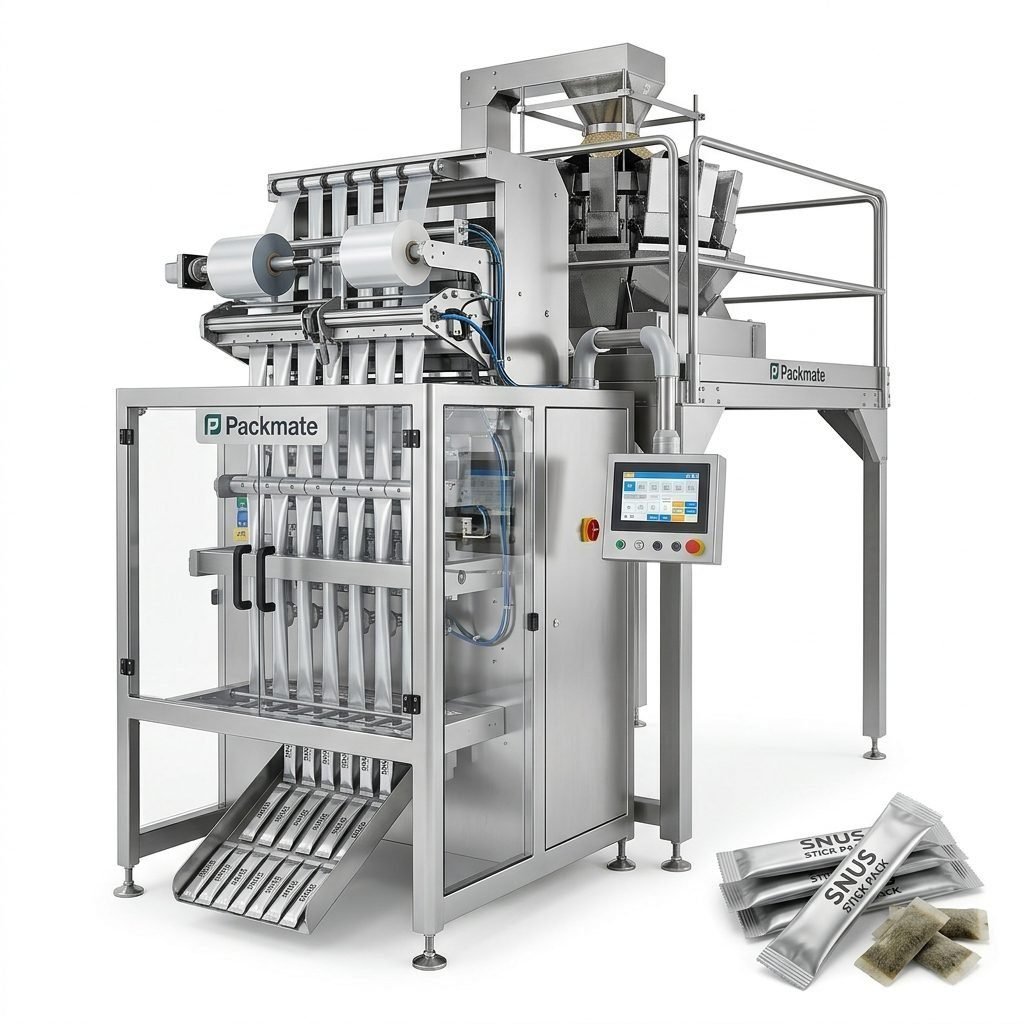
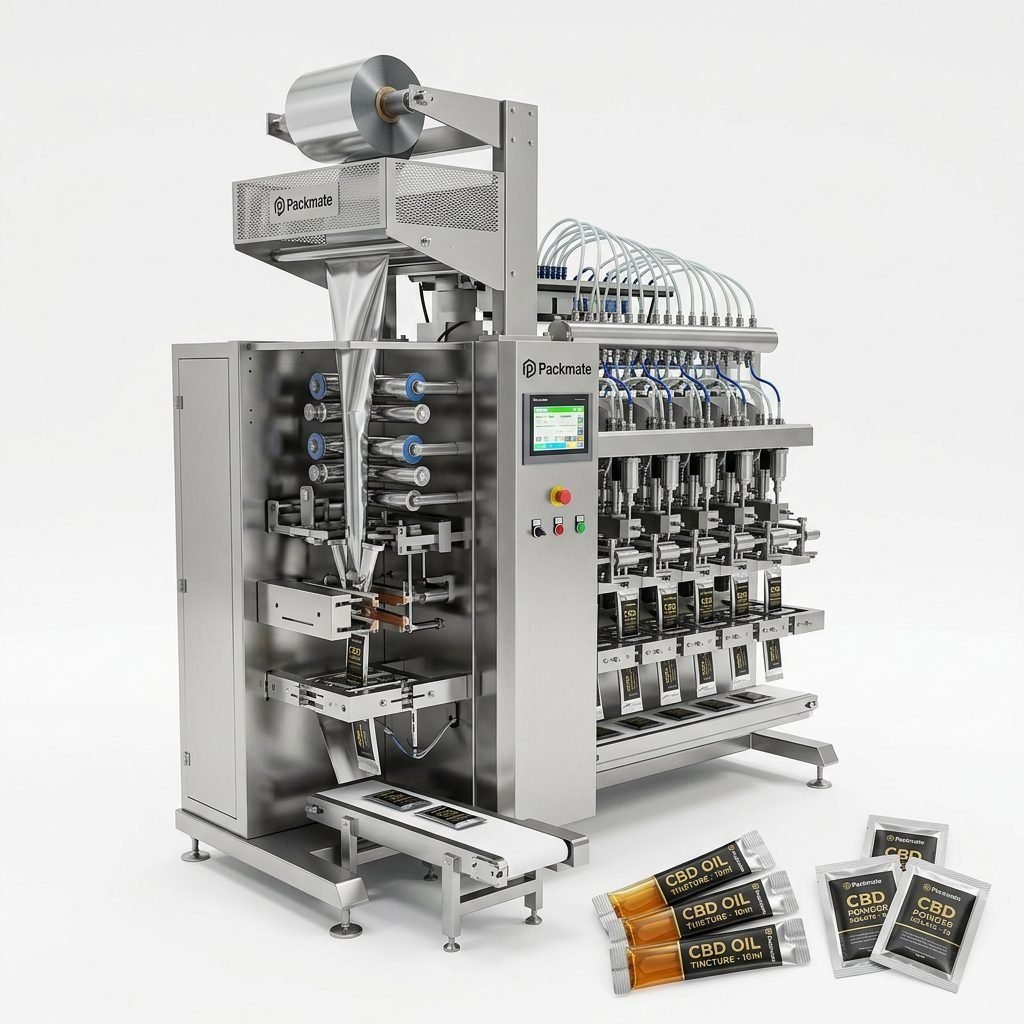
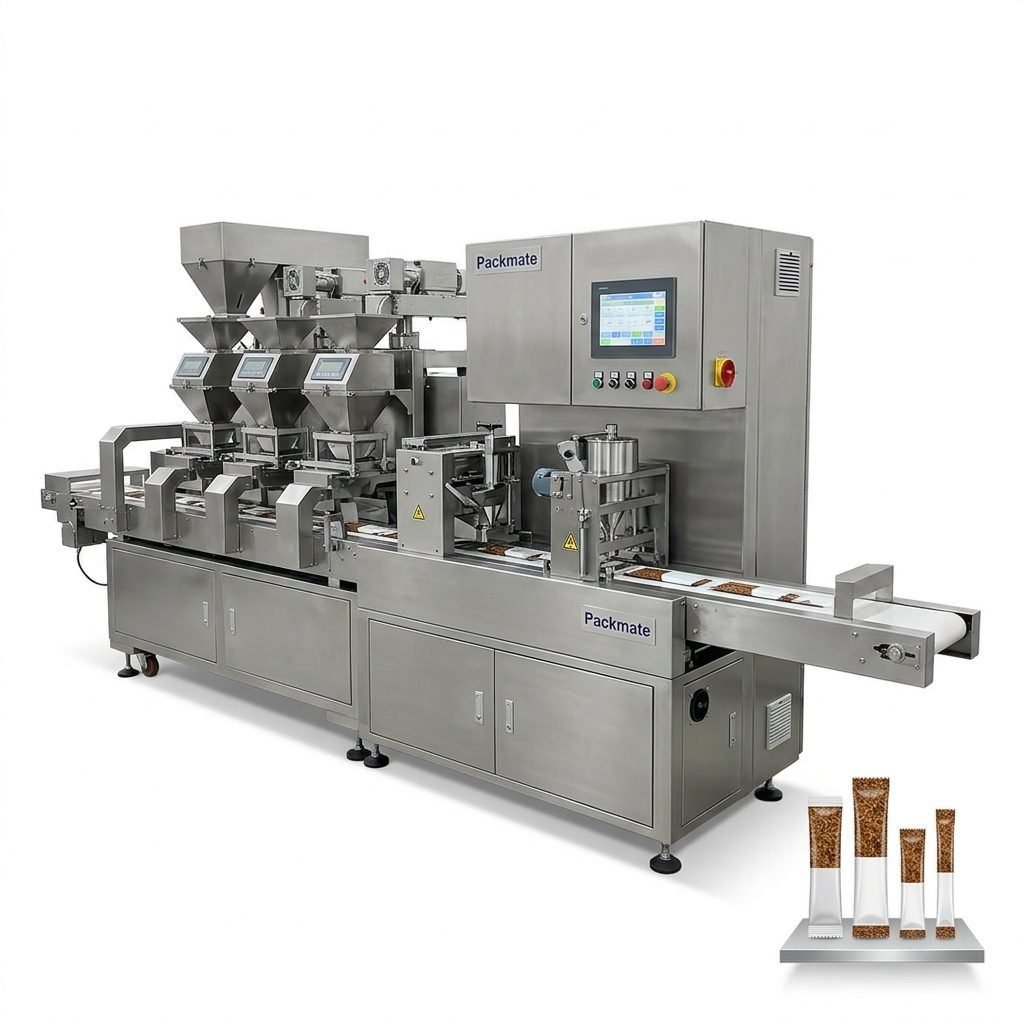
Sachet & Stick Pack Machines
If you plan on stick or sachet formats, choose high-speed sachet or stick pack machines suitable for powder/granule nicotine blends. These are effective for single-dose portioning at higher line speeds. Learn more at Sachet & Stick Pack Machines.
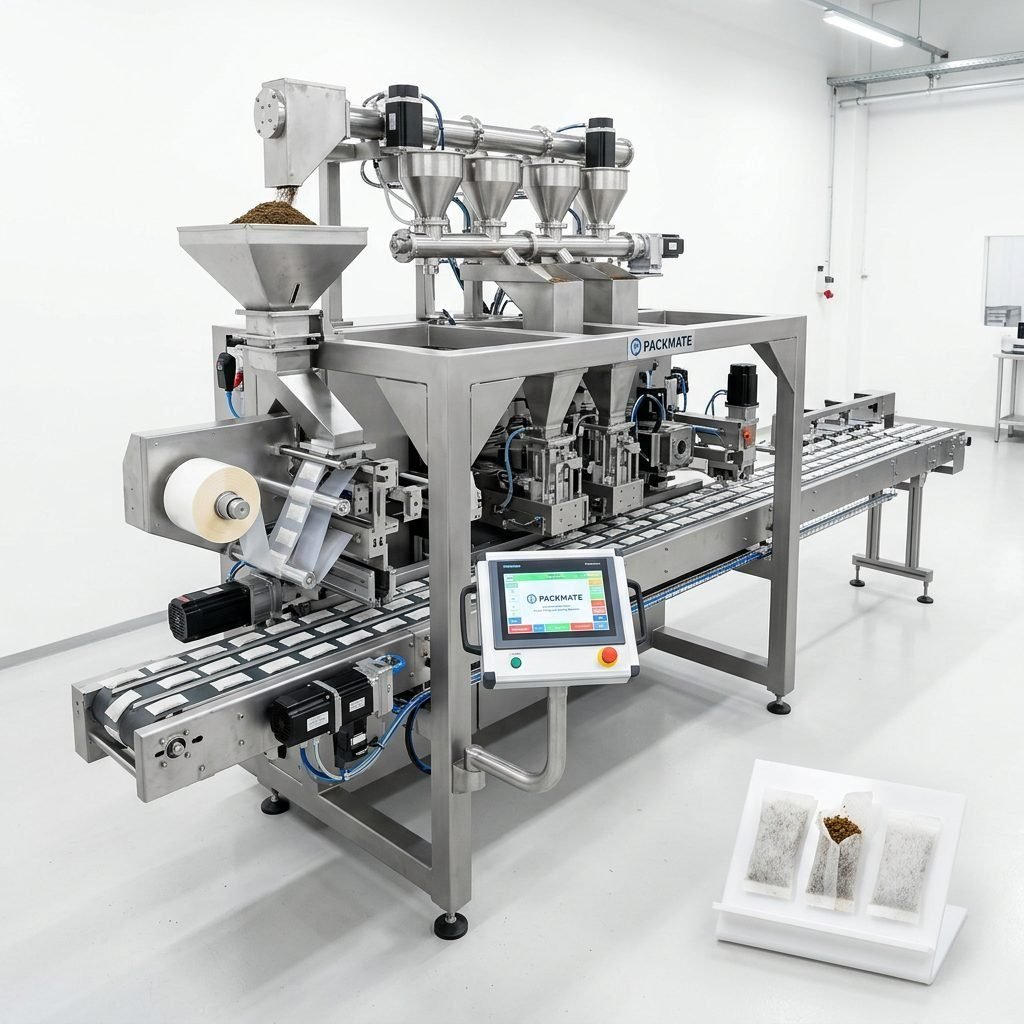
Multi-lane Systems
For scaling production quickly, multi-lane machines multiply output without increasing floor footprint proportionally. Choose multi-lane designs if you expect rapid growth or large batch runs.
Key Technical Specifications to Compare
When evaluating machine offers, focus on the specs that affect yield, quality and operating cost:
⚙️ Filling Accuracy: ± tolerance in mg/grams — critical for nicotine dosing.
🔁 Production Speed: packets/min or lanes × speed for overall throughput.
🔍 Sealing Quality & Leak Testing: suitable for hygroscopic products and shelf-life stability.
🧰 Changeover Time: time to switch formats — important for small batch flexibility.
Environmental & Site Considerations in Mauritania
Mauritania’s climate and infrastructure affect machine selection and installation:
• Dust, sand and coastal humidity: choose equipment with sealed electrical cabinets, IP-rated drives, and corrosion-resistant components if operating near the Atlantic coast.
• Power: verify local supply voltage and phase; consider voltage stabilizers or UPS for sensitive controls.
• Workshop & floor: machines need stable load-bearing floors and clearance for maintenance. Plan HVAC for clean-room level if product sensitivity requires.
Local Workforce & Language
Training materials and interface language matter: French and Arabic are widely used. Ensure supplier provides manuals, HMI localization, and training in a language your operators understand. Remote and onsite training options are helpful, especially during commissioning.
Supplier Selection: What to Verify
Selecting a reliable supplier reduces operational risk. Check:
• Factory capabilities: modern CNC machining, precision assembly lines and quality testing. Suppliers with a large manufacturing footprint and R&D experience are preferable.
• Certifications: CE and ISO compliance indicate adherence to international safety and quality standards — important for export and bank financing.
• References and cases: ask for global case studies and exhibition demos to validate performance in similar markets. See machine ranges and case examples such as Case.
• After-sales support: guaranteed spare parts availability, remote diagnostics, and local partner networks shorten downtime. Consider suppliers offering installation, commissioning and operator training. Learn about supplier background at About Packmate.
📌 Tip: Ask for a full line demo video or virtual run of your product on the supplier’s machine. This validates fill accuracy, sealing and how your product behaves in real conditions.
Ancillary Equipment & Turnkey Lines
Nicotine pouch production often requires more than a single packing machine. Consider auxiliary systems:
• Weighing and dosing feeders for consistent filling (Weighing & Packaging Systems).
• Filling & packaging lines integrated for continuous production (Filling & Packaging Lines).
• Inspection systems, metal detectors, and checkweighers for quality assurance.
Cost Considerations & Return on Investment
Evaluate total cost of ownership beyond the purchase price:
• Shipping and import duties to Nouakchott or local ports.
• Installation, training and commissioning costs.
• Spare parts inventory and estimated mean time between failures (MTBF).
A higher initial investment in a robust machine can pay off through reduced downtime, lower waste and better yield — important for regulated nicotine products.
Why Consider Packmate Snus Machine
Packmate Snus Machine is a specialist with over 30 years of engineering experience focused on snus and nicotine packaging. Their advantages include:
• A broad product range including snus/nicotine pouch machines, stick pack, sachet and multi-lane systems.
• 20,000㎡ factory with CNC machining and precision assembly; CE and ISO certifications ensure international standards.
If you want to view specific product lines or arrange a consultation, explore Packmate’s offerings: Snus & Nicotine Packaging Machines and Bag & Pouch Packaging Machines. For sales and technical contact, visit Contact Us.
✅ Checklist before Purchase: production forecast, material specs, site power and environment, spare parts plan, legal compliance, demo/acceptance run.
Implementation & Commissioning Tips
Plan for a smooth startup:
• Schedule FAT / SAT (Factory & Site Acceptance Tests) with witnesses; insist on running your product.
• Prepare local logistics: lifting equipment, clearances, power connections and safety compliance.
• Secure spare parts for critical wear items and plan preventive maintenance routines.
• Ensure training covers both operators and maintenance teams; demand translated manuals if needed.
Final Practical Advice
Investing time in due diligence saves operational headaches: verify machine performance on your product, confirm after-sales capabilities, and adapt your facility for environmental protection against dust and humidity. Building a relationship with a supplier experienced in nicotine pouch lines will accelerate your time-to-market and reduce risks.
Useful Links
For more detailed product browsing and technical specs, visit the manufacturer pages:
• Snus & Nicotine Packaging Machines
• Bag & Pouch Packaging Machines
• About Packmate — company background and certifications.
Common Questions (FAQs)
Q1: Is nicotine pouch packaging legal in Mauritania? — A1: Regulations vary and are often strict. Always confirm local legal status and labeling/import requirements with authorities before importing materials or machines.
Q2: What machine speed should I choose for a small start-up? — A2: For startups, prioritize accuracy and flexibility over maximum speed. A machine with modular lane options or easy changeover supports growth without overspending.
Q3: How do I manage spare parts and maintenance in Mauritania? — A3: Stock critical wear parts locally and choose suppliers who provide fast international shipping and remote troubleshooting. Negotiate a spare parts kit and preventive maintenance contract at purchase.
Q4: What environmental protections are needed for machines in coastal or desert areas? — A4: Use sealed electrical cabinets, corrosion-resistant components and controlled indoor environments (filters, dehumidifiers) to protect precision equipment from sand and humidity.
Q5: How can I verify supplier reliability? — A5: Request CE/ISO certificates, factory photos, FAT videos, client references, and arrange remote or on-site demonstrations. Suppliers with a broad product range and long history in snus packaging (like Packmate) tend to offer mature solutions.