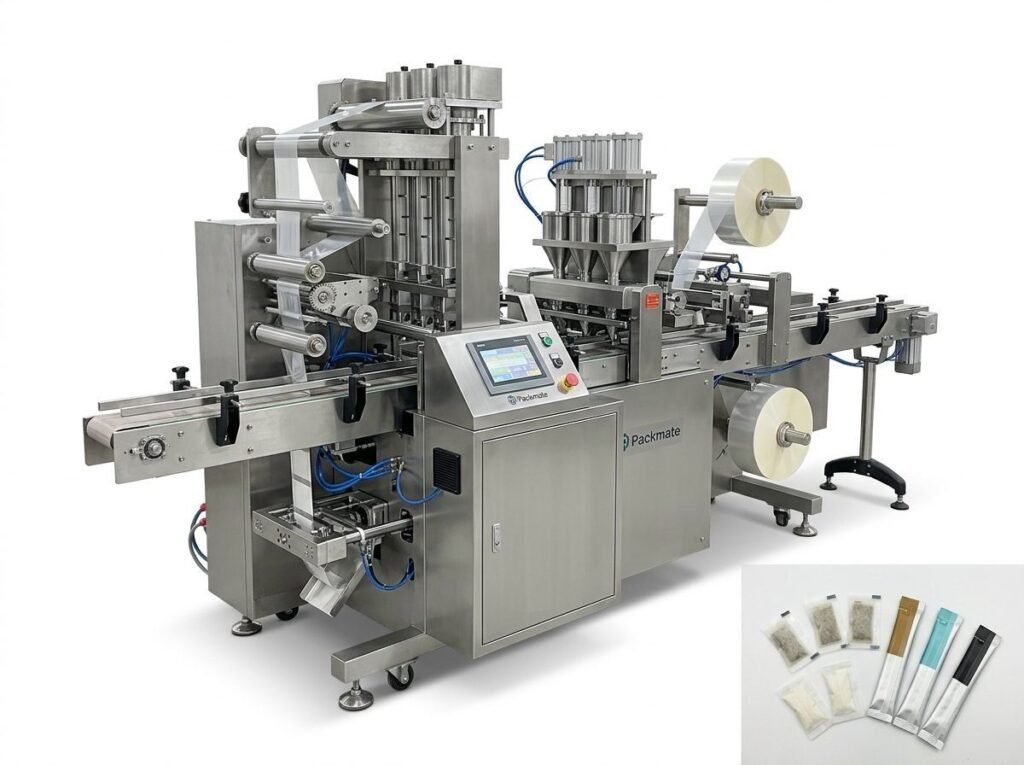
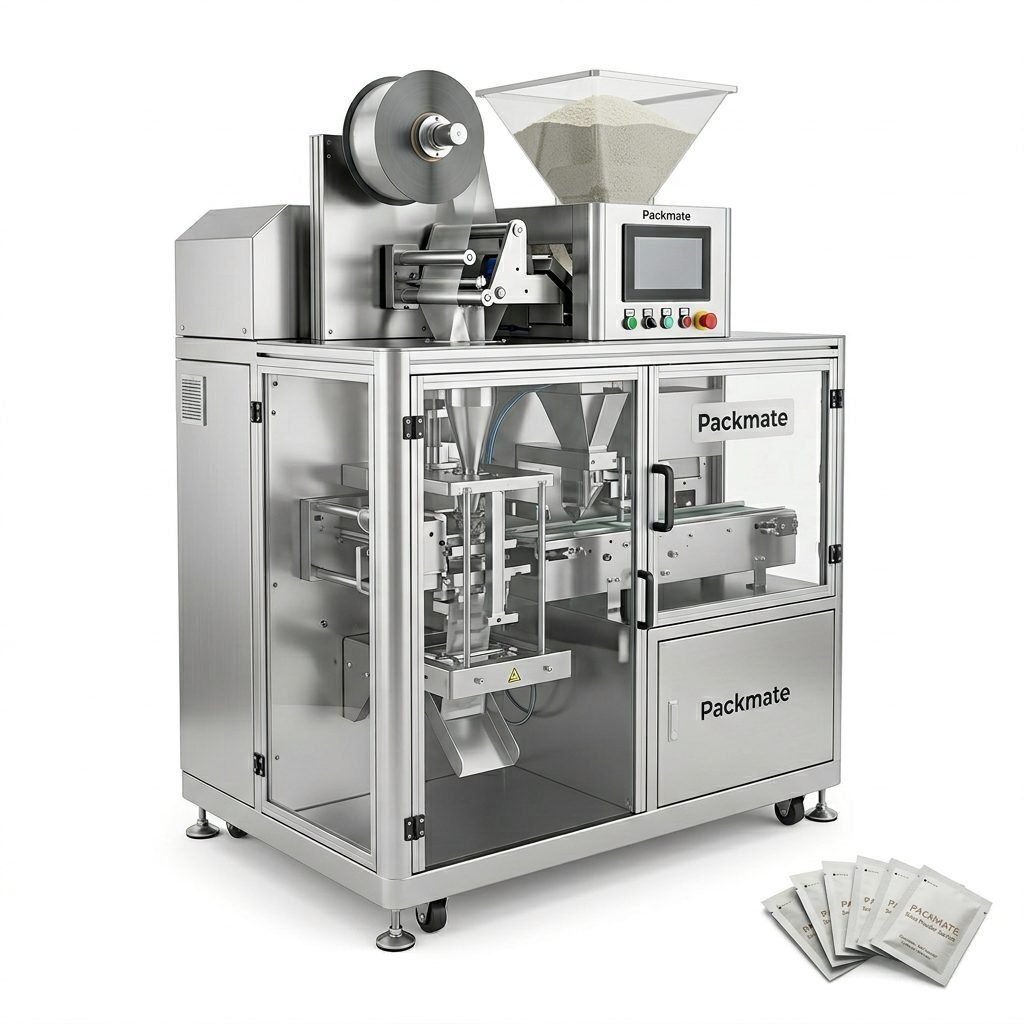
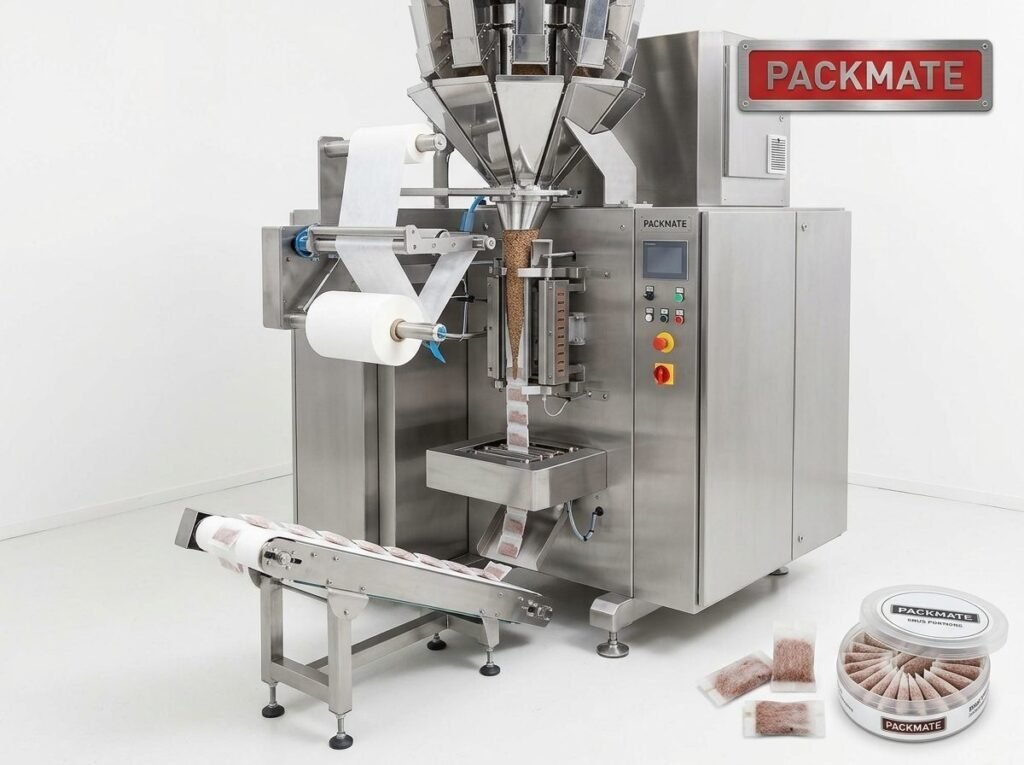
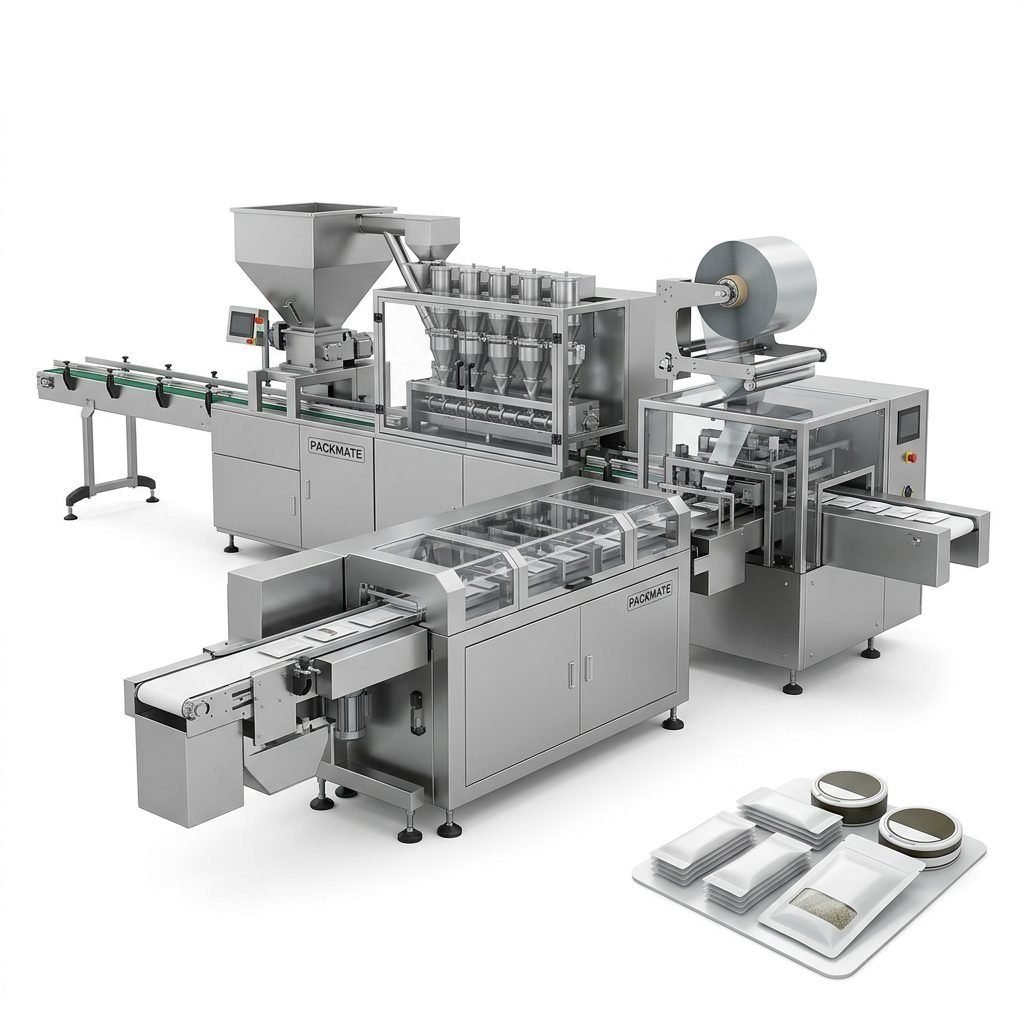
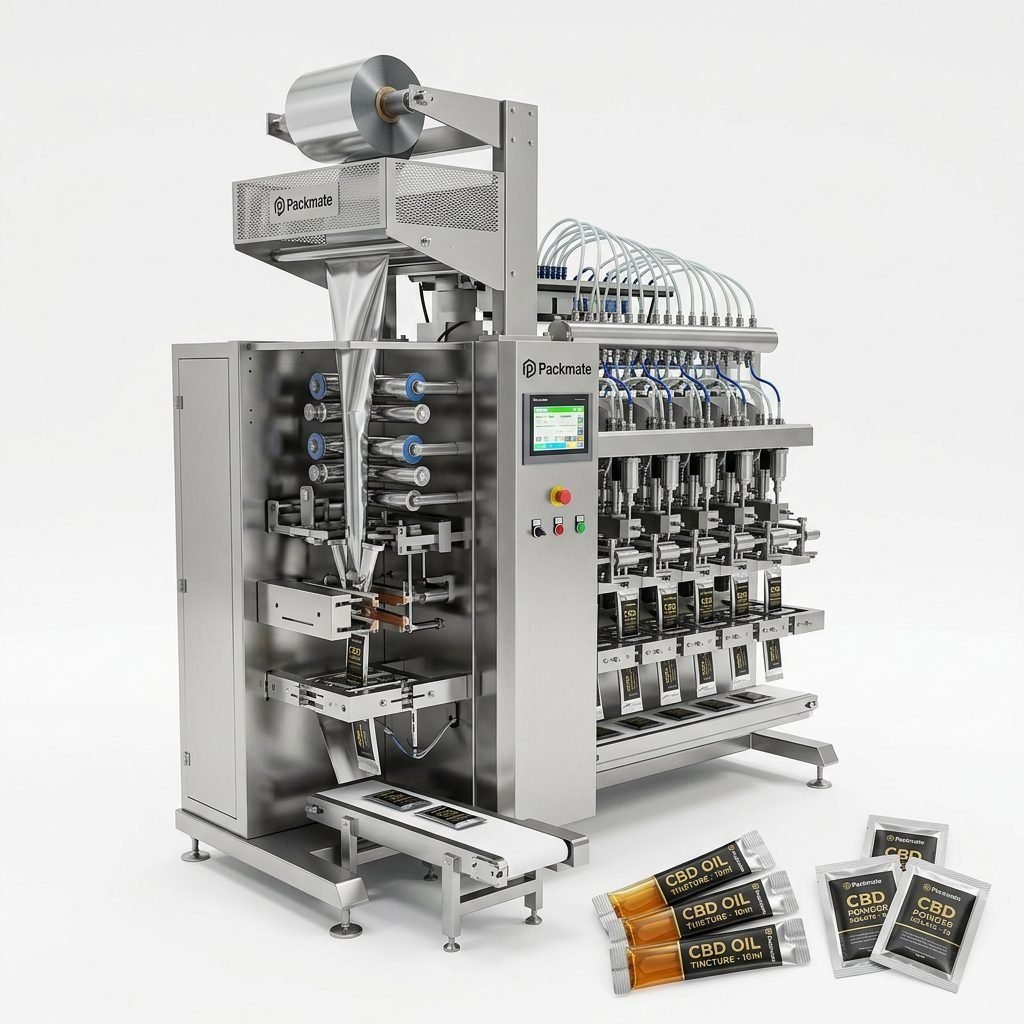
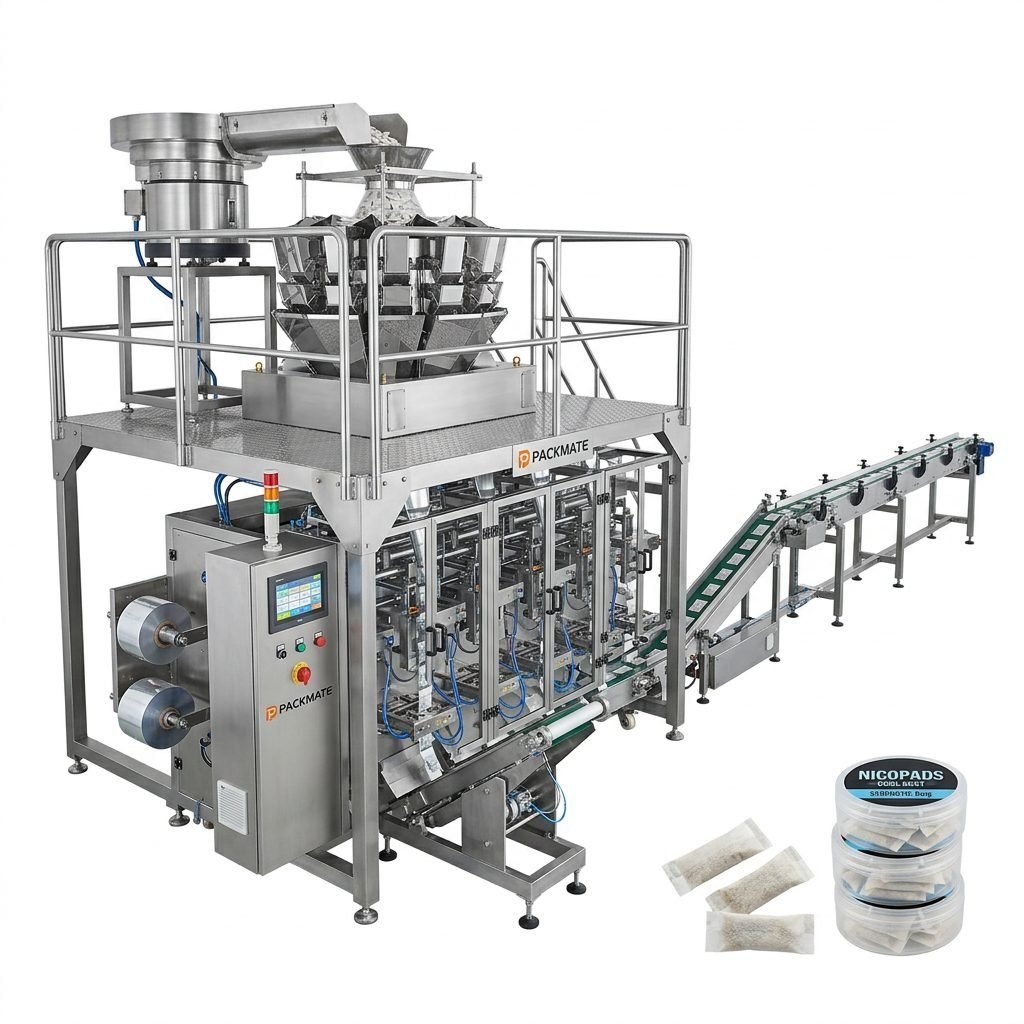
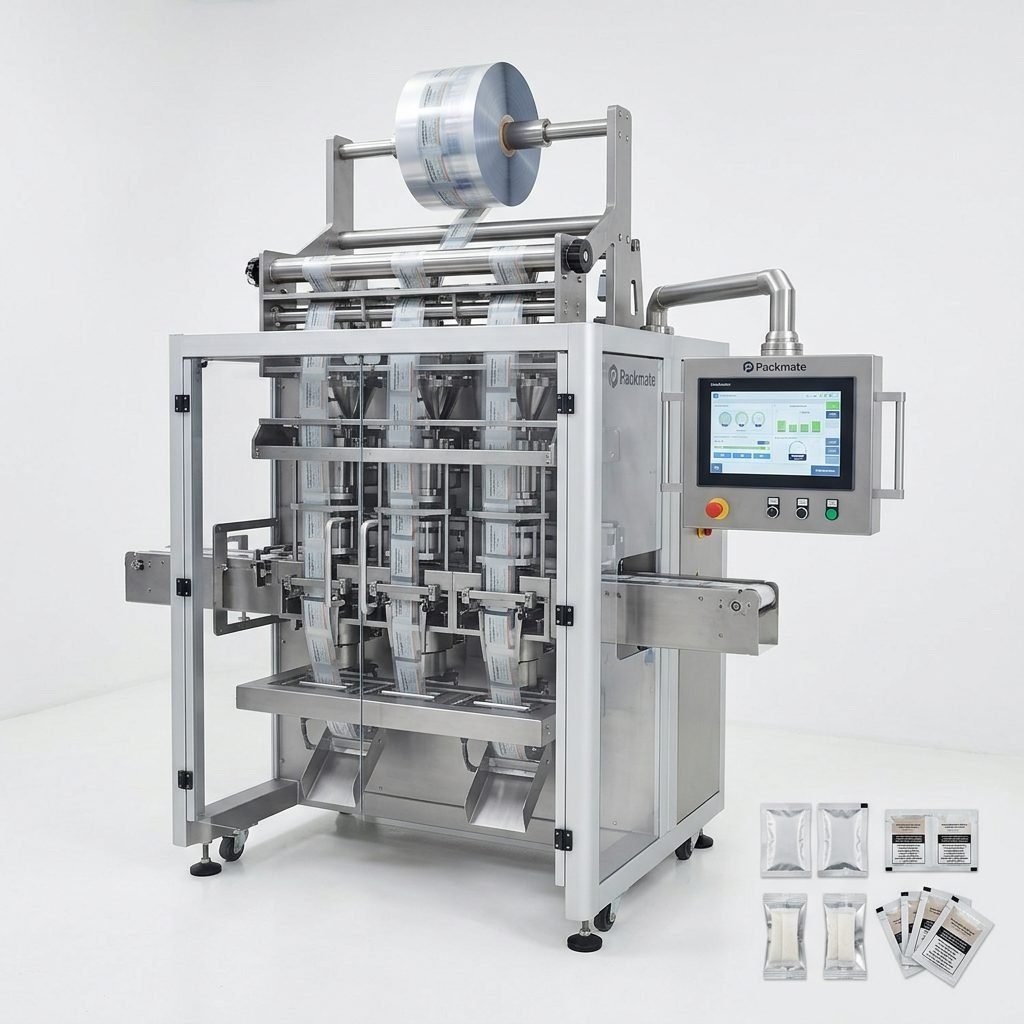
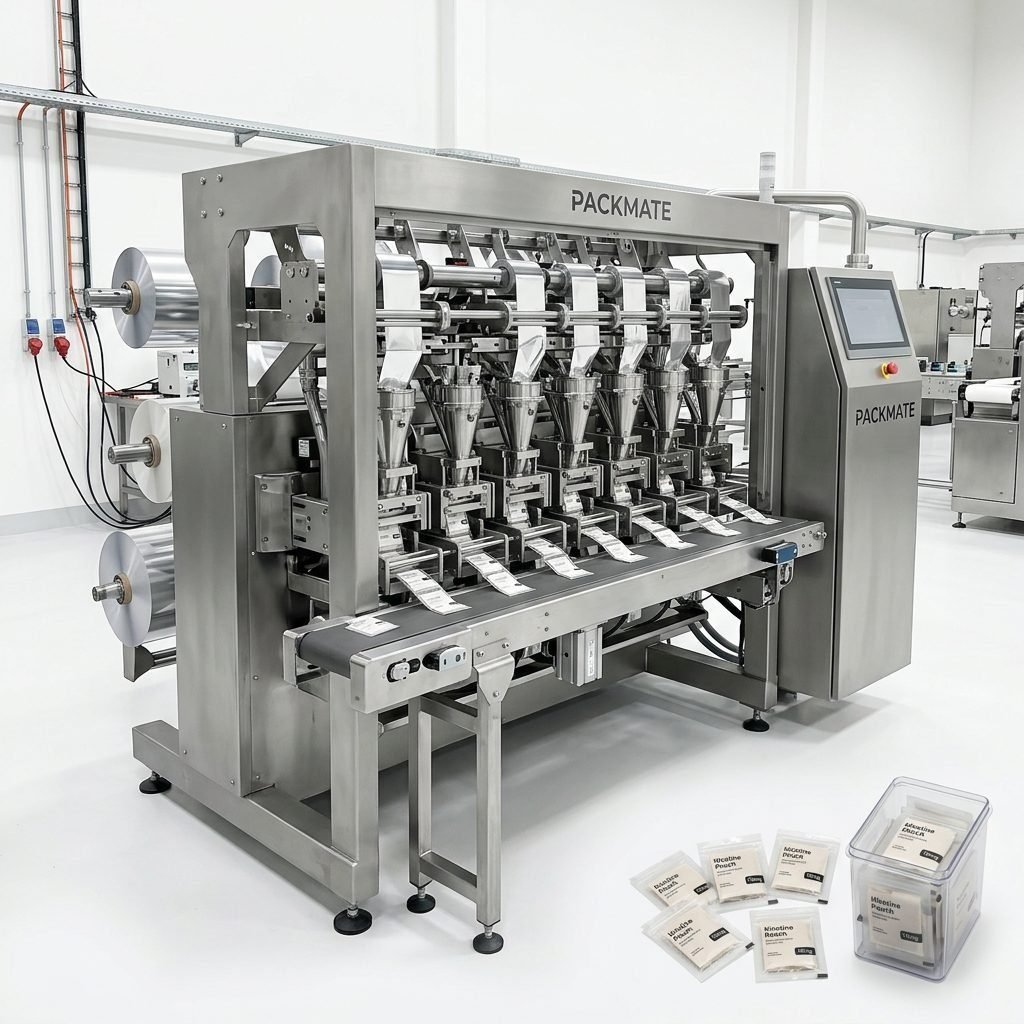
Choosing the right snus packaging machinery manufacturer is one of the most important strategic decisions for any business entering or expanding in the nicotine pouch and snus market in Cameroon. This guide explains practical selection criteria, local considerations for Cameroonian customers, and specific features to look for in machines and suppliers so your investment delivers consistent product quality, regulatory compliance, and reliable after-sales support.
Understand the Cameroon Market and Local Habits
Cameroon is a culturally diverse country with both French and English widely used in business, and strong regional differences in consumer preferences. Many consumers prefer small, affordable sachets or pouches sold through informal retail networks. The climate is predominantly warm and humid in coastal areas like Douala, which affects product moisture stability and packaging integrity. When selecting a packaging machine, prioritize features that address:
Moisture control and sealing quality — reliable heat sealing and humidity-resistant materials; multi-lane capability for high throughput with small-dose pouches; and localized documentation and support in English and French to speed operator training and troubleshooting.
Why local habits matter
In Cameroon, many sales happen through small shops and kiosks, where package size and presentation can strongly influence purchase decisions. Machines producing stick packs, sachets, or small-dose pouches are particularly suitable. Also consider cosmetic finishes and printing options that enhance shelf appeal and withstand humid conditions.
Key Selection Criteria for a Snus Packaging Machinery Manufacturer
Selecting a supplier means evaluating technical capability, production capacity, certifications, and after-sales services. Below are the most critical areas to assess before signing a purchase agreement.
✔️ Experience & Track Record — look for manufacturers with decades of experience in snus and pouch machinery, proven multi-lane systems, and a portfolio of delivered lines. Packmate, for example, highlights 30+ years of engineering history and a broad machine range which indicates stability and deep domain knowledge.
🔧 Manufacturing Strength & Quality Control — a modern factory with CNC machining centers and precision assembly reduces variability and improves long-term reliability. Verify certification such as CE and ISO to meet international safety and quality norms.
📦 Range of Machine Models & Customization — a supplier with 50+ models and turnkey solutions can adapt to production scale and product formats (stick pack, sachet, sachet-multi-lane). Check for modular designs that allow future upgrades.
🛠️ After-Sales Service & Spare Parts — rapid spare parts supply, remote diagnostics, and local training reduce downtime. For Cameroon, ensure the manufacturer offers clear logistics plans to Douala or Yaoundé and bilingual manuals.
Operational and Financial Considerations
When evaluating total cost of ownership, include installation, operator training, spare parts stock, shipping, customs duties at Cameroonian ports, and potential taxes. A lower purchase price can be misleading if machines require frequent maintenance or lack local support. Consider machines with high automation to reduce labor costs and enhance product consistency.
Technical Features to Prioritize
Focus on technical aspects that directly impact product quality and production stability in Cameroon’s operating conditions:
- Precision weighing and filling systems for accurate nicotine pouch dosing.
- Stable multi-lane synchronized drives for high throughput with minimal product variation.
- Reliable heat-sealing systems and vacuum/modified atmosphere options for moisture sensitivity.
- HMI with multilingual support (French/English) and clear fault diagnostics.
- Robust stainless-steel contact parts and easy-clean designs to meet hygiene standards.
Automation vs. Flexibility
High automation reduces labor dependency but can increase initial costs. If your Cameroon operations plan to scale quickly, prioritize machines with automated infeed, pouch forming, dosing, sealing, and secondary packaging. For smaller, flexible runs, choose modular systems that allow manual adjustments without complex retooling.
Assessing the Manufacturer: Questions to Ask
Prepare a checklist for supplier evaluation. Ask for documentation, references, and demonstrations:
📌 Can you provide case studies or references from similar markets? (e.g., Africa, Southeast Asia) — check their case portfolio for delivered lines.
📌 What are the lead times, and how do you handle logistics to Douala or other Cameroonian ports? Confirm packaging and export documentation processes.
📌 Do you offer factory acceptance tests (FAT) and on-site installation and commissioning? Request videos or live demos; many suppliers attend exhibitions—see exhibition schedules.
📌 What warranties and spare parts guarantees do you provide? Confirm response times for critical components and the availability of maintenance contracts.
Evaluating Supplier Credibility
Trust is paramount. Verify claims by visiting the factory if possible, or request a virtual tour. Review certifications such as CE and ISO and check the supplier’s global footprint. Companies participating in international exhibitions and offering transparent case studies typically have stronger customer-service systems and product maturity.
Explore product lines like Snus & Nicotine Packaging Machines, Sachet & Stick Pack Machines, or integrated Filling & Packaging Lines to compare features and scalability.
Factory Visit & FAT Checklist
During a factory visit or FAT, check machine build quality, electrical panels, PLC brands, weld finish, and test runs with your actual product. Verify documentation, spare parts lists, and training materials in English and French to match Cameroonian staff needs.
Installation, Training and After-Sales in Cameroon
A high-quality machine still needs local competence to run efficiently. Confirm that the manufacturer provides:
- On-site installation and commissioning or a local technical partner.
- Operator and maintenance training in English and French.
- Remote support options (video calls, diagnostic software).
- Reasonable spare parts shipping times to Cameroon and clear customs documentation.
- Service contracts and preventative maintenance schedules.
⚠️ Tip: Build a small local stock of critical wear parts (sealing elements, belts, sensors) to cut downtime. Confirm the supplier’s shipping arrangements to Cameroon ports and customs paperwork support.
Legal & Regulatory Considerations in Cameroon
While packaging machinery itself is generally unregulated, the product you package must meet Cameroon’s health and import regulations. Ensure your packaging materials and labelling comply with local requirements and that the manufacturer can produce tamper-evident seals and compliant labels. Use certified suppliers and request documentation for materials used in product contact areas.
Cultural Sensitivity and Marketing
Work with local marketing partners to develop pouch designs and messaging that respect cultural norms and languages. Bilingual packaging (French/English) increases accessibility across Cameroon’s regions and supports compliance with local regulations.
How Packmate Aligns with Cameroon Buyers
Suppliers with global experience and turnkey solutions can simplify market entry. Packmate’s 20,000㎡ facility, 30+ years of engineering experience, and a portfolio of multi-lane systems are examples of strengths Cameroonian businesses should value. Their products comply with CE/ISO standards, and they publish case studies and exhibition records that demonstrate international deployment.
For more details on company services and support, review the About Packmate page and their service offerings.
Practical Roadmap for Buying Your First Line
Follow these steps to minimize risk and ensure a successful launch:
- Define product formats, target volumes, and required cycle times.
- Request detailed quotes and compare total cost of ownership rather than purchase price alone.
- Ask for FAT with your product; verify sealing, fill accuracy, and throughput.
- Confirm logistics, installation, training, and spare parts supply to Cameroon.
- Negotiate warranties, KPI acceptance criteria, and penalties for non-conformance where appropriate.
Final Considerations
Choosing the right snus packaging machinery manufacturer for Cameroon requires balancing technical capability, manufacturing quality, localized support, and commercial terms. Focus on suppliers that demonstrate real-world experience with nicotine pouch production, maintain rigorous quality systems, and offer practical after-sales support tailored to Cameroonian operating conditions.
✅ Actionable next step: Compile a short list of 2–3 manufacturers, request FATs with your product, and verify references in similar climates and market contexts. Visit supplier pages such as Snus & Nicotine Packaging Machines and review their case studies to compare real deployments.
Frequently Asked Questions
Q1: How important are certifications like CE or ISO when buying machinery for Cameroon?
A1: Certifications indicate compliance with international safety and quality standards and are valuable for import clearance and ensuring machine reliability. They should be part of your evaluation.
Q2: What is the typical lead time for a multi-lane snus pouch line?
A2: Lead times vary by customization level and factory backlog. Expect anywhere from a few weeks for standard machines to several months for fully customized turnkey lines. Confirm timelines during quotation.
Q3: Can manufacturers support bilingual training and manuals for Cameroon?
A3: Reputable suppliers provide documentation and training in multiple languages. Ensure English and French materials are included to meet Cameroonian needs.
Q4: How do I manage spare parts and reduce downtime in Cameroon?
A4: Keep critical wear parts in local stock, negotiate guaranteed spare parts supply times, and confirm the supplier’s ability to ship quickly to Douala or Yaoundé.
Q5: Where can I get more technical specifications and witness machine demos?
A5: Review product pages and request FATs or live demonstrations; consult Contact Us for arranging factory visits or virtual demos.