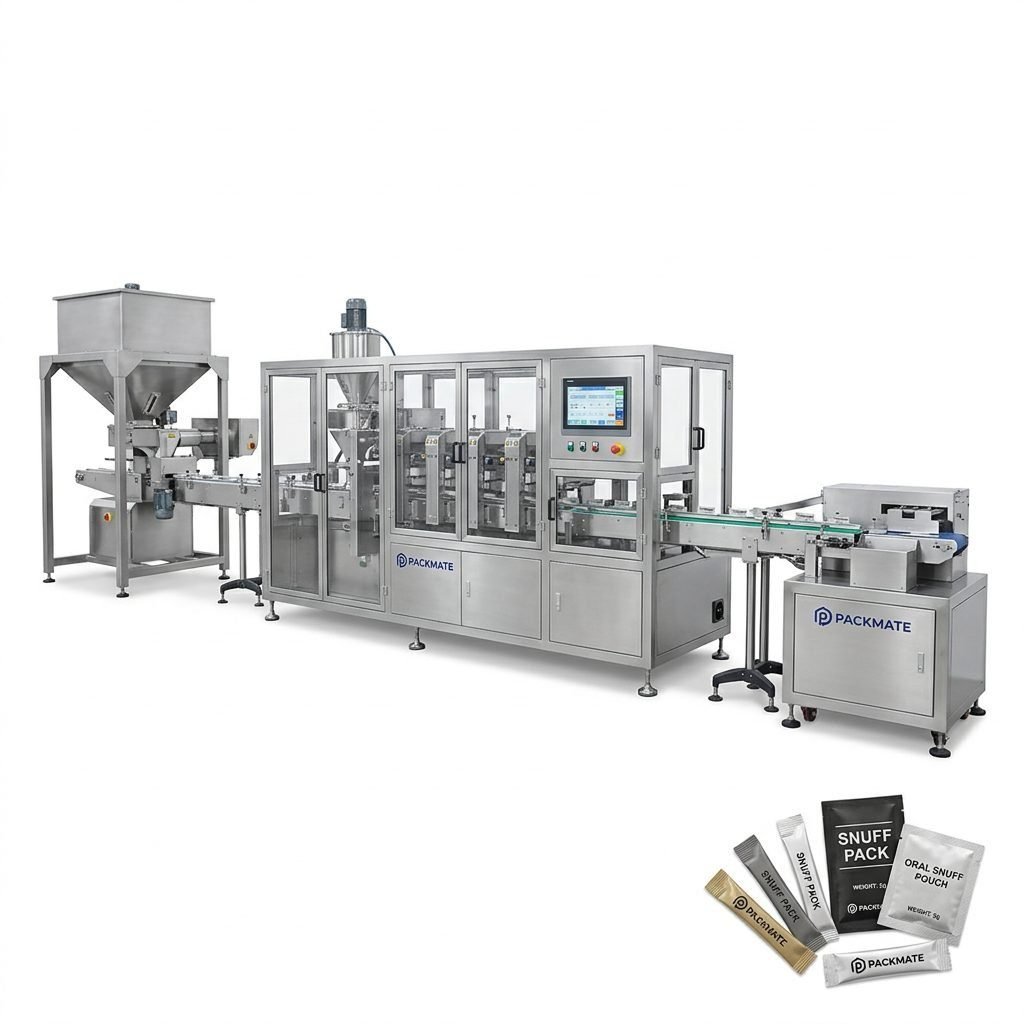
Choosing the right snus packaging machine manufacturer in China is a pivotal decision for any business entering or expanding in the nicotine pouch, snus, or related consumer product market. The right supplier not only supplies equipment but also delivers long-term production stability, compliance support, and after-sales service that protects your investment. This guide walks you through the practical steps, technical checks, cultural considerations in China, and negotiation tips to help you select the best partner for your snus packing needs.
Understand Your Production Needs First
Before reaching out to manufacturers, map out your production requirements: expected daily output, pouch formats (stick, sachet, multi-lane pouches), dose precision, raw material types (powder, granules, liquids), and desired automation level. Some manufacturers specialize in multifaceted turnkey lines, while others focus on single machines. Aligning internal specifications first saves time and reduces mismatched proposals.
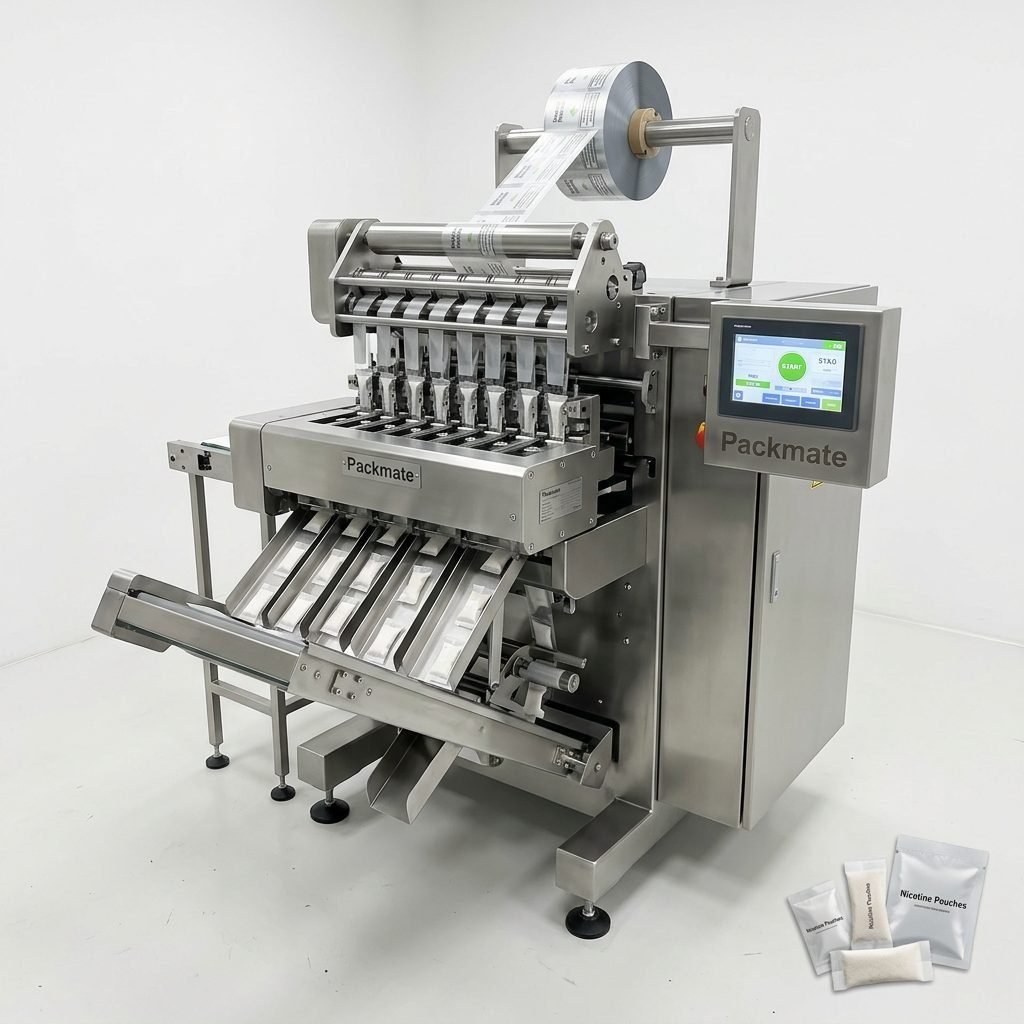
If you need high throughput for small-dose nicotine pouches, prioritize manufacturers with multi-lane systems and modular designs to scale production easily.
Key production criteria to document
- Target daily/weekly output (pouches per minute, lanes)
- Pouch types and sizes (stick, sachet, round, custom shapes)
- Material flow and fill types (powder, granule, liquid, wet mass)
- Accuracy and weight tolerance for dosing
- Regulatory and cleaning requirements (CIP, GMP compatibility)
Evaluate Manufacturer Capabilities and Experience
Proven experience in snus and nicotine pouch packaging is non-negotiable. Look for a manufacturer with decades of engineering expertise, advanced manufacturing facilities, and a track record delivering turnkey packaging lines. A strong supplier will demonstrate:
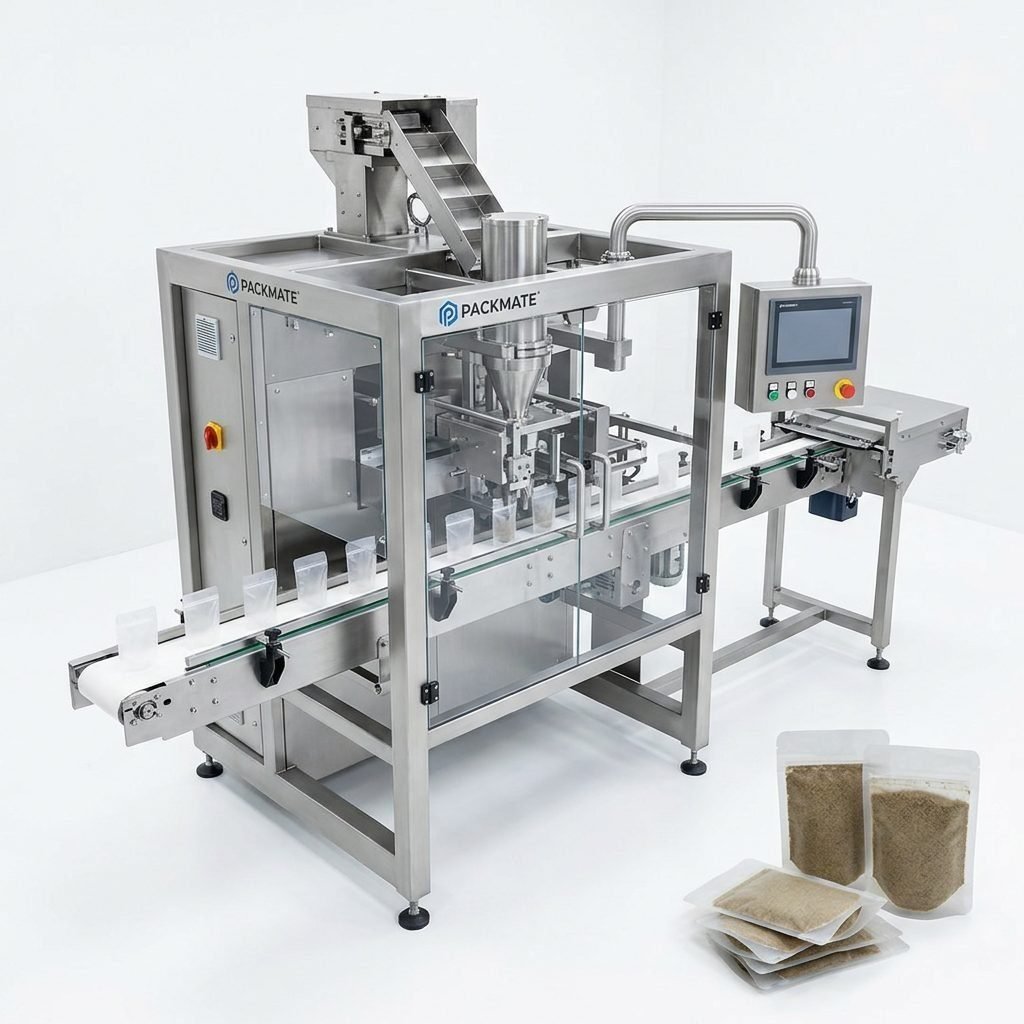
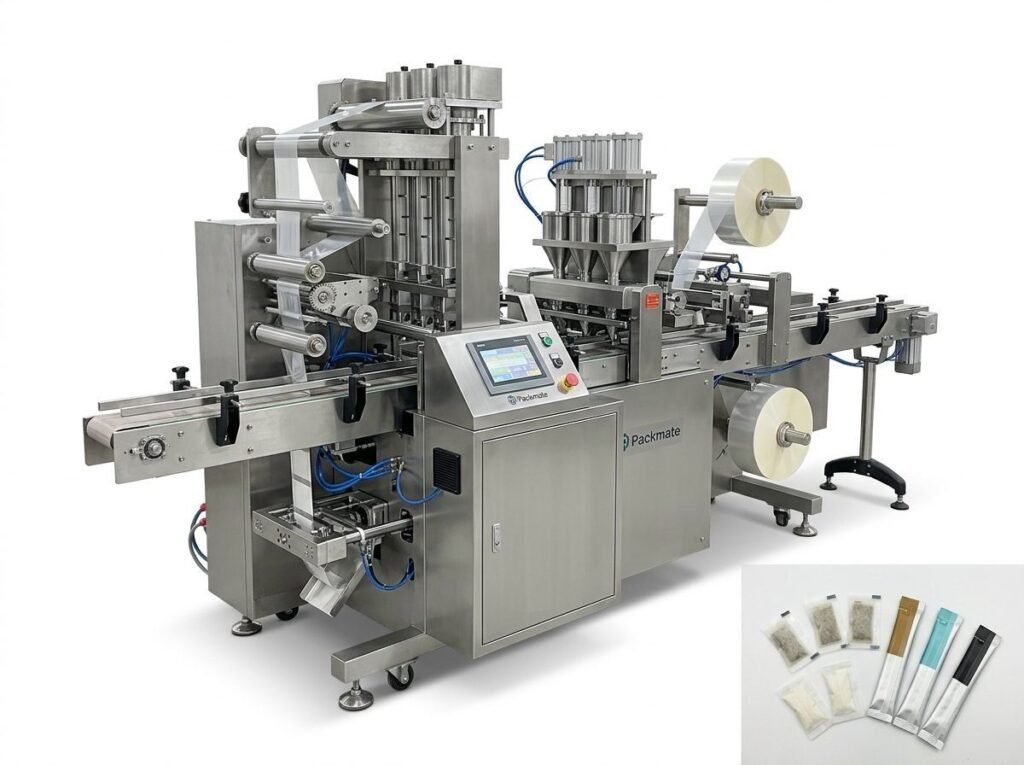
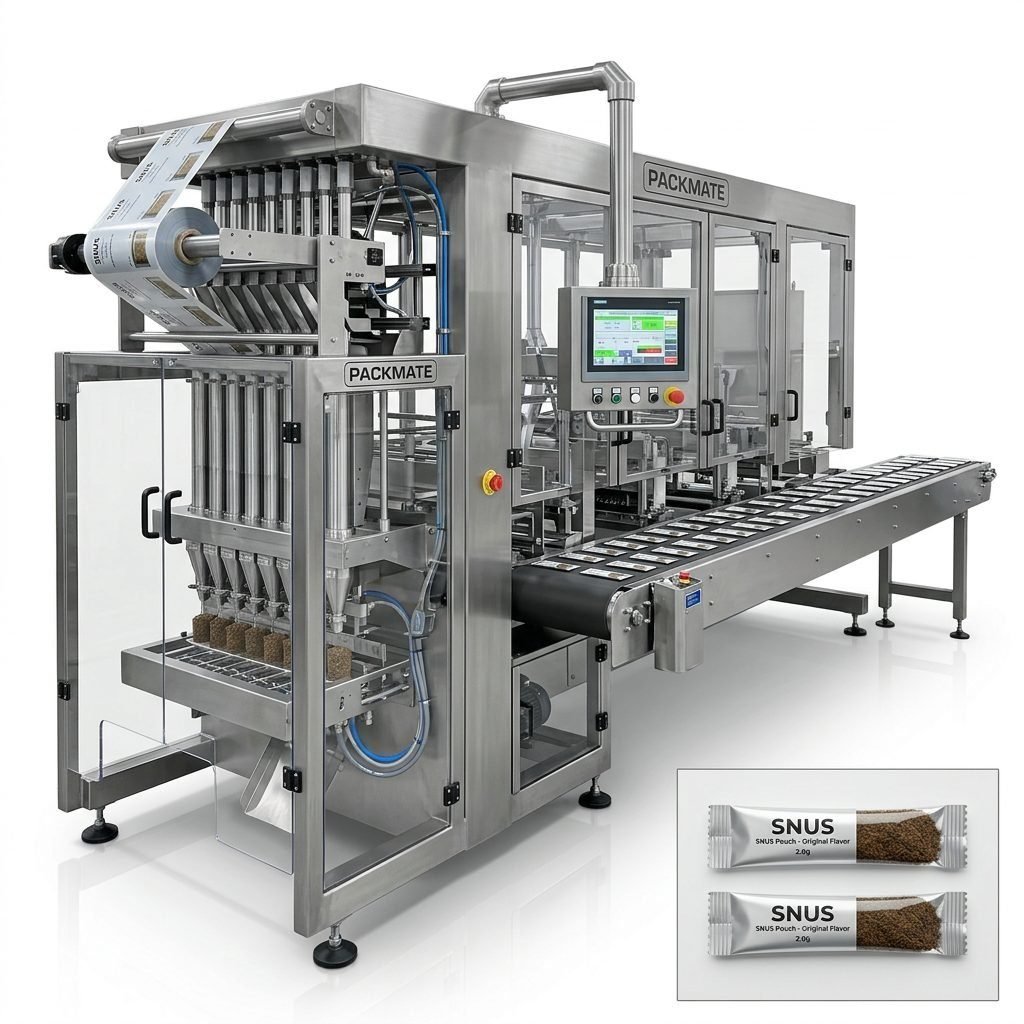
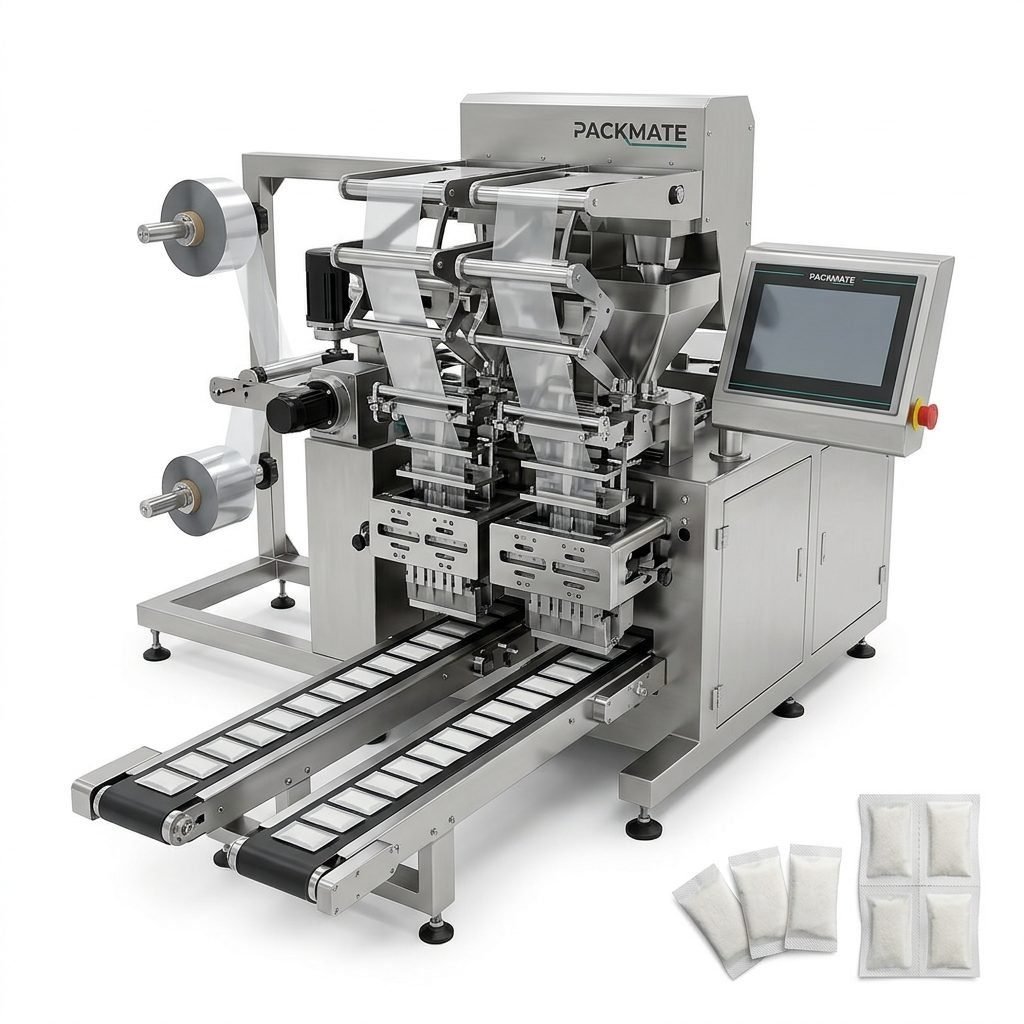
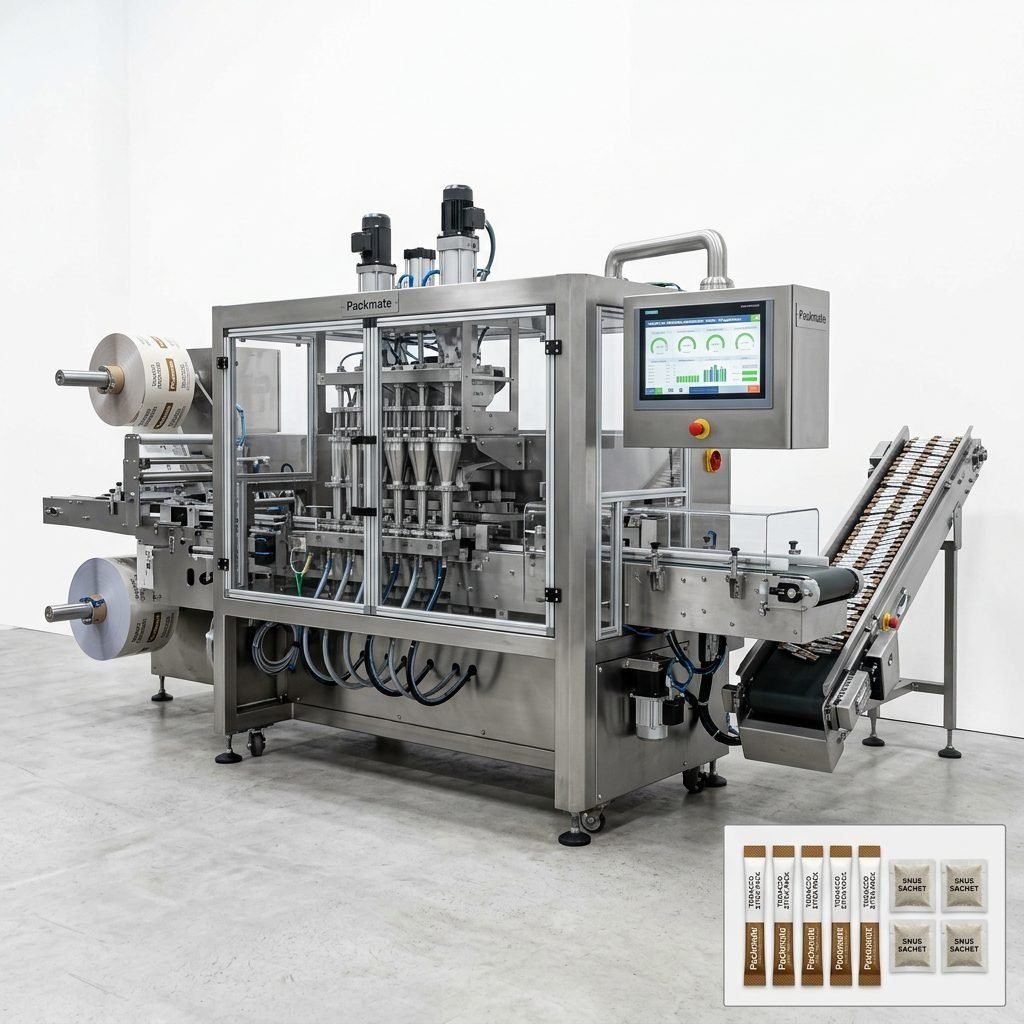
In China, manufacturers like Packmate Snus Machine (Packmate) combine long-term R&D with specialized production lines for snus and nicotine pouches. Explore detailed product lines such as their Snus & Nicotine Packaging Machines and Sachet & Stick Pack Machines to compare features and application fits.
Questions to ask during capability screening
- How many snus machine models do you offer, and can you customize them?
- Do you provide multi-lane systems for small-dose pouches?
- Can you share case studies or client references in Europe, Asia, or the Americas?
- What are your factory testing and commissioning procedures?
Inspecting Factory Strength and Quality Control
A visit — physical or virtual — can reveal manufacturing maturity. Key indicators include a large production area, advanced CNC machines, strict testing zones, and a dedicated assembly line for packaging lines. For overseas buyers, detailed video tours and third-party audits can substitute an on-site visit.
- Manufacturing area size (20,000㎡ or above is a strong signal)
- Dedicated assembly and quality testing lines
- Documentation of CE/ISO certificates and quality records
- Spare parts inventory and after-sales organization
Verify Technology, Customization & Turnkey Expertise
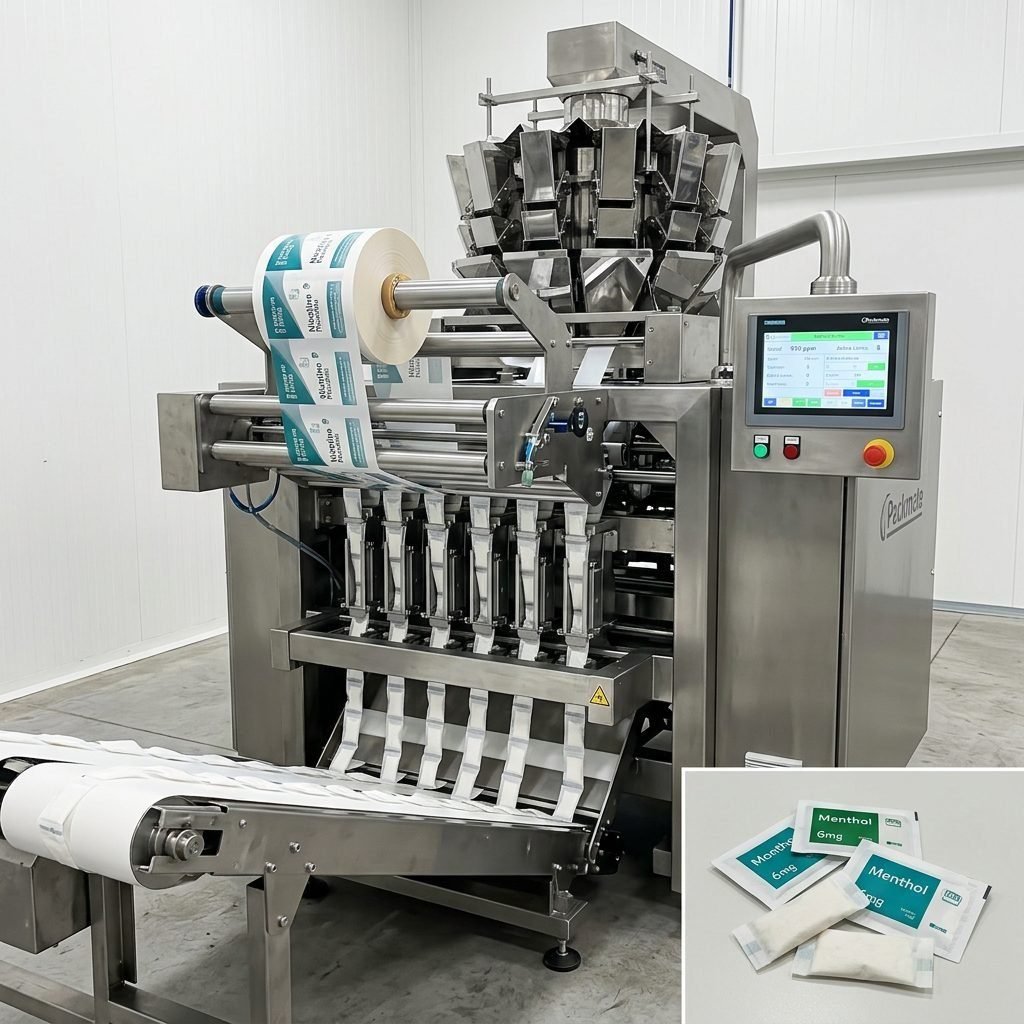
Technology matters for reliability, maintenance, and ability to scale. Ask for details on control systems (PLC/HMI brands), motion control, servo systems, and sanitary design for food/pharma-grade products. If you require a full line — from weighing and filling to packaging and sealing — choose a supplier that can integrate weighing & packaging systems, auxiliary equipment, and automated conveyors into a seamless solution. Packmate’s portfolio lists multiple systems including Weighing & Packaging Systems and Filling & Packaging Lines.
Customization examples to confirm
- Multi-lane synchronization and individual lane speed control
- Flexibility to handle different pouch materials and barrier films
- Quick-change tooling for format swaps
- Integration of vision inspection, metal detection, or desiccant insertion
Service, Spare Parts & After-Sales Support
After-sales responsiveness is essential. Even the best machines require preventive maintenance and occasional parts replacement. Verify the manufacturer’s service model: remote troubleshooting, on-site commissioning, SLA for spare parts delivery, and training programs for your operators and maintenance team. Manufacturers that exhibit a global presence and regular exhibition activity typically have stronger service capabilities — see their exhibition and case references for assurance.
- Local service partners or authorized technicians
- Comprehensive spare parts catalog and lead times
- Operator and maintenance training packages
- Clear warranty terms and upgrade paths
Consider Cultural and Business Practices in China
Doing business in China often blends formal contract negotiation with relationship-building (guanxi). Respectful communication, multiple rounds of technical clarifications, and factory visits strengthen trust. Expect thorough technical documentation and a willingness to provide demonstrations. Chinese manufacturers usually respond quickly to technical inquiries and can accelerate customization when commercial relationships are solidified.
Negotiation tips
- Be explicit about acceptance tests and FAT (Factory Acceptance Test) criteria.
- Negotiate clear timelines for delivery, installation, and training.
- Include penalty clauses or liquidated damages for critical milestone failures if needed.
- Request a detailed spare parts and consumables list with pricing.
Assess Compliance, Documentation & Certifications
Regulatory compliance is crucial when packaging nicotine products. Ensure your chosen manufacturer provides necessary documentation: CE declarations, material certificates, electrical safety reports, and ISO-aligned quality records. For export markets, verify that machine hygiene design meets local food or pharma standards and that the machine’s electrical and control systems are compatible with your country’s utility and regulatory requirements.
Price vs. Total Cost of Ownership (TCO)
While initial equipment price matters, evaluate TCO: spare parts, energy consumption, downtime risk, and upgradeability. Cheaper machines may cost more over time due to lower reliability or poor after-sales support. Prioritize machine durability, vendor reputation, and parts availability when calculating TCO.
Ask for a lifecycle cost estimate including expected spare part replacements over 3–5 years and recommended preventive maintenance intervals.
Factory Acceptance Test (FAT) and Commissioning
A detailed FAT defines the acceptance criteria and prevents disputes later. FAT should include performance trials with your actual materials, speed and accuracy validation, packaging integrity tests, and electrical safety checks. During commissioning at your site, confirm integration with upstream and downstream equipment and validate operator training effectiveness.
FAT checklist
- Run tests using customer’s pouch film and product material
- Verify target speeds and lane synchronization
- Test alarms, safety interlocks, and emergency stops
- Document video and performance logs as acceptance evidence
How to Compare Final Offers
Create a side-by-side comparison table of final proposals. Key comparison items: machine model, speed & lanes, included accessories, control system brands, warranty terms, spare parts list, training hours, FAT scope, delivery time, and total cost. Always request clarifications to ambiguous points and keep everything documented in the purchase agreement.
Useful supplier links
- About Packmate — company profile, history, and manufacturing strength
- Case studies — real-world installations and global cooperation examples
- Service & after-sales — support offerings and spare parts policies
Final Selection Checklist
Use the following checklist to finalize your decision. Only sign when you can confidently mark most items as satisfactory:
- Verified factory capabilities and certifications
- Confirmed machine performance with your materials (FAT)
- Complete spare parts & consumables list included
- Clear after-sales, training and commissioning plan
- Transparent TCO and warranty terms
- Signed agreement with delivery milestones and penalties
Practical Example: What Packmate Offers
Packmate Snus Machine brings decades of design evolution specifically for snus and nicotine pouches. Their product range includes stick pack, sachet packaging, multi-lane systems, and integrated filling and weighing systems. For businesses that need a full production solution, their catalog spans automated lines, auxiliary equipment, and tailored control systems — ideal for companies seeking one-stop solutions.
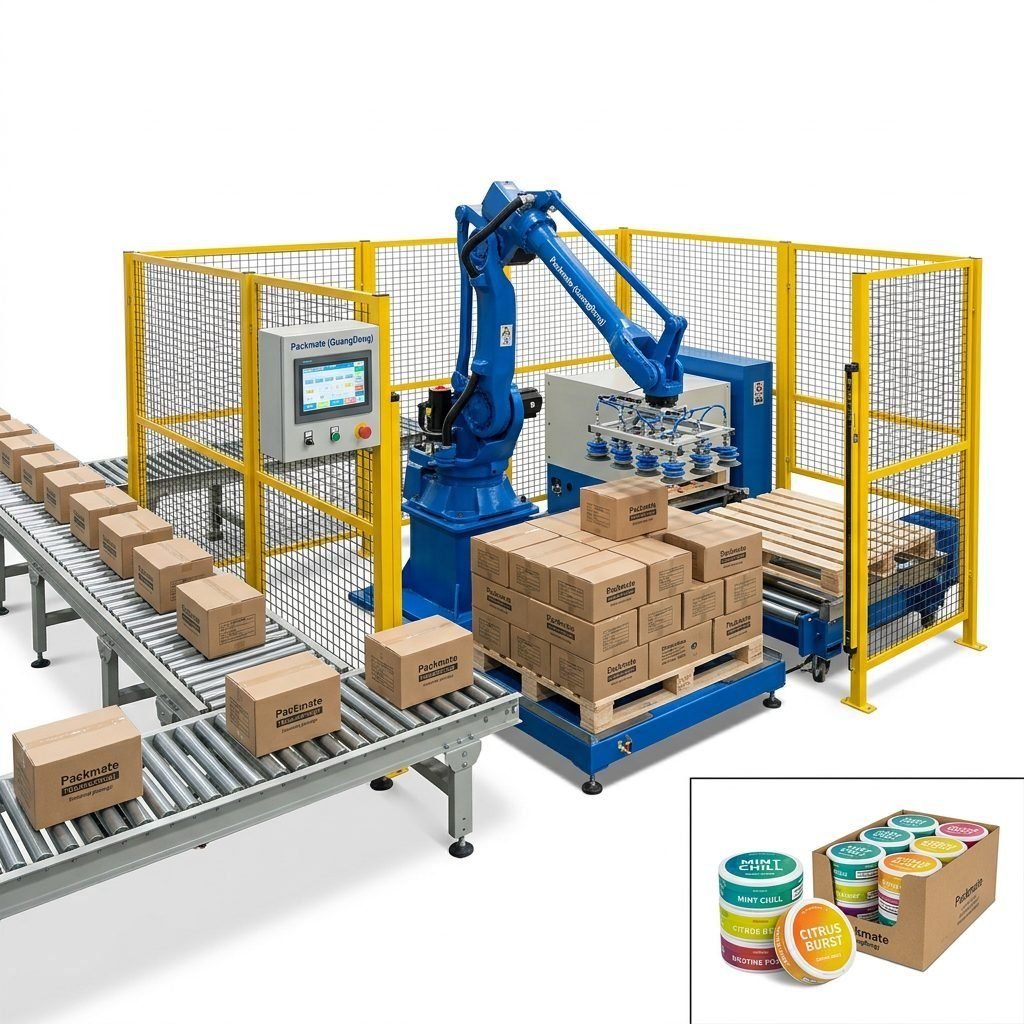
If you want to explore Packmate’s product categories in depth, review their Bag & Pouch Packaging Machines and the Auxiliary Packaging Equipment for a clear view of integration options.
Closing Advice — Prioritize Long-Term Partnership Over Lowest Price
In the snus and nicotine pouch market, machine uptime and consistent product quality are the most essential competitive advantages. Invest in a manufacturer who demonstrates robust engineering, transparent documentation, and reliable after-sales service. A trusted partner in China can not only deliver machines but help optimize production workflows, reduce waste, and accelerate time-to-market for your products.
Next steps
- Prepare your production brief and required FAT criteria.
- Request detailed quotes and spare parts lists from shortlisted manufacturers.
- Arrange a virtual or on-site factory visit and FAT session.
- Negotiate service levels, warranty, and delivery milestones before signing.
Frequently Asked Questions
Q1: How long does it take to deliver a turnkey snus packaging line?
Lead times vary by complexity. Standard single machines may ship within weeks, while full turnkey multi-lane lines typically require 3–6 months for customization, manufacturing, FAT, and shipping.
Q2: Can Chinese manufacturers provide FAT and commissioning support abroad?
Yes. Reputable suppliers provide FAT at their factory, remote assistance, and on-site commissioning teams or certified partners in your region. Verify travel and local support terms in the contract.
Q3: What certifications should I ask for when buying snus packaging equipment?
Request CE declarations, ISO quality management evidence, electrical safety reports, and material contact certificates. For pharma-grade lines, GMP-related design documentation is also important.
Q4: How about spare parts and consumables availability?
A reliable manufacturer provides a detailed spare parts list, recommended stock levels, and typical lead times. Ask for local stocking options or international shipping plans for critical components.
Q5: Where can I view product catalogs and request more information?
Start with the manufacturer’s online resources like their Catalog, FAQs, and directly Contact Us for tailored quotes and technical discussions.