Choosing the right nicotine packaging machinery for production in Croatia requires balancing regulatory compliance, local consumer habits, production scale, and long-term service support. This guide walks through the practical considerations—technical, commercial, and cultural—so manufacturers and packagers can select equipment that fits Croatian market realities while achieving high efficiency and product quality.
Understand the Croatian and EU regulatory environment
Croatia is an EU member state, so EU regulations—including product safety, labeling, and machinery certifications—are central to any packaging operation. For nicotine pouches (which in many EU countries are regulated differently from combustible tobacco), ensure packaging meets labeling rules, child‑resistant requirements where applicable, and ingredient disclosures in Croatian or appropriate EU languages.
Key compliance steps: CE and ISO certification for equipment, clear batch tracking, and ensuring packing formats comply with retail and cross‑border sale rules.
Local consumer habits and market nuances in Croatia
Croatian consumers value discreet, convenient formats when it comes to nicotine pouches. Coastal tourist regions may also create demand for premium souvenir packaging or small travel-friendly sachets. Consider that Croatian retailers and kiosks often prioritize compact displays and clear labeling in Croatian. Packaging styles that emphasize subtle design, high-quality materials, and reliable seal integrity tend to perform well.
Practical takeaway
Choose machines that can produce a range of pouch sizes and materials for both local small-format retail and tourist-oriented premium packs. Flexibility is key.
Key technical features to prioritize
When evaluating equipment, focus on:
✅ Sealing quality: Reliable heat or ultrasonic seals to maintain freshness and prevent leakage.
✅ Filling accuracy: Precise dosing systems to control nicotine portioning and minimize waste.
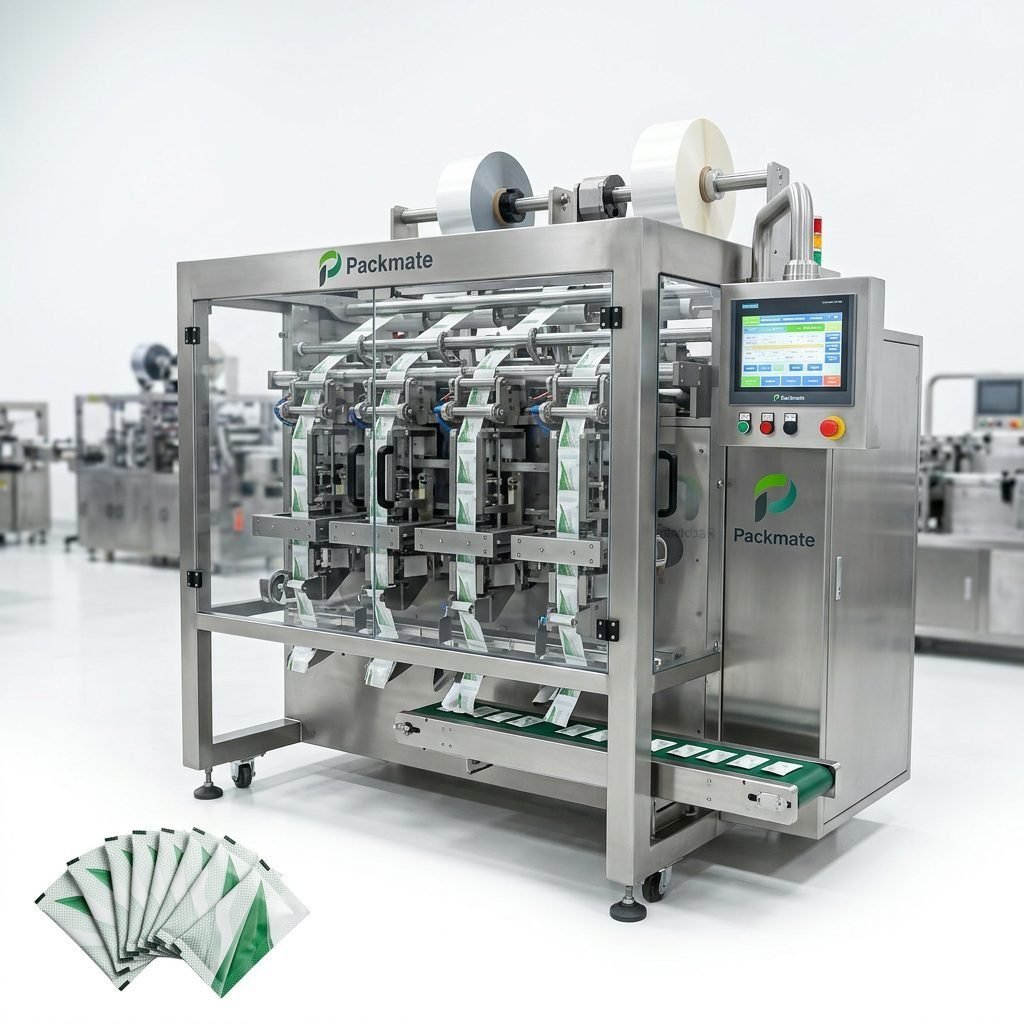
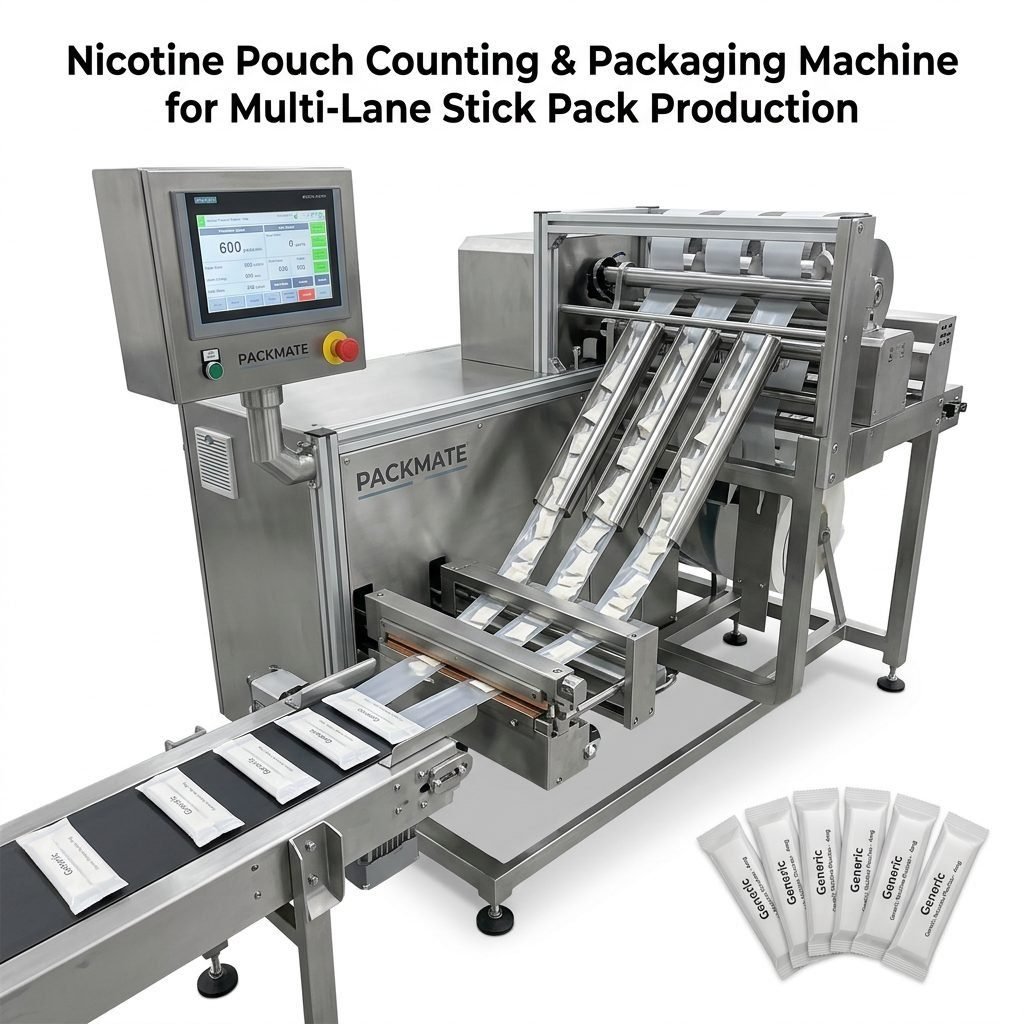
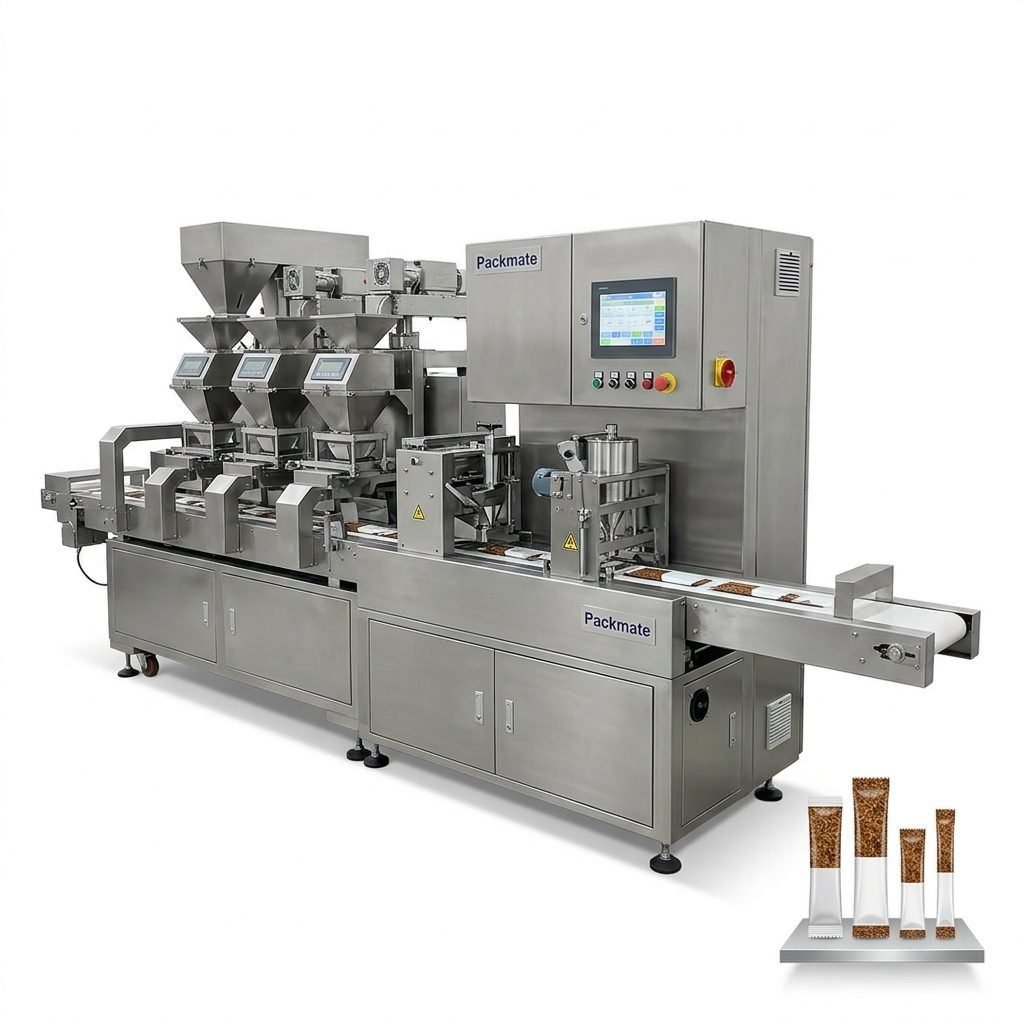
✅ Multi‑lane capability: If planning high throughput, multi‑lane stick or sachet systems boost output while keeping footprint reasonable.
✅ Material compatibility: Machines that handle varied pouch films, laminates, and biodegradable options for eco-friendly lines.
Types of machines and which fits your needs
Different nicotine formats require different machines. Consider the following categories and match them to your product roadmap:
Sachet / Stick pack machines
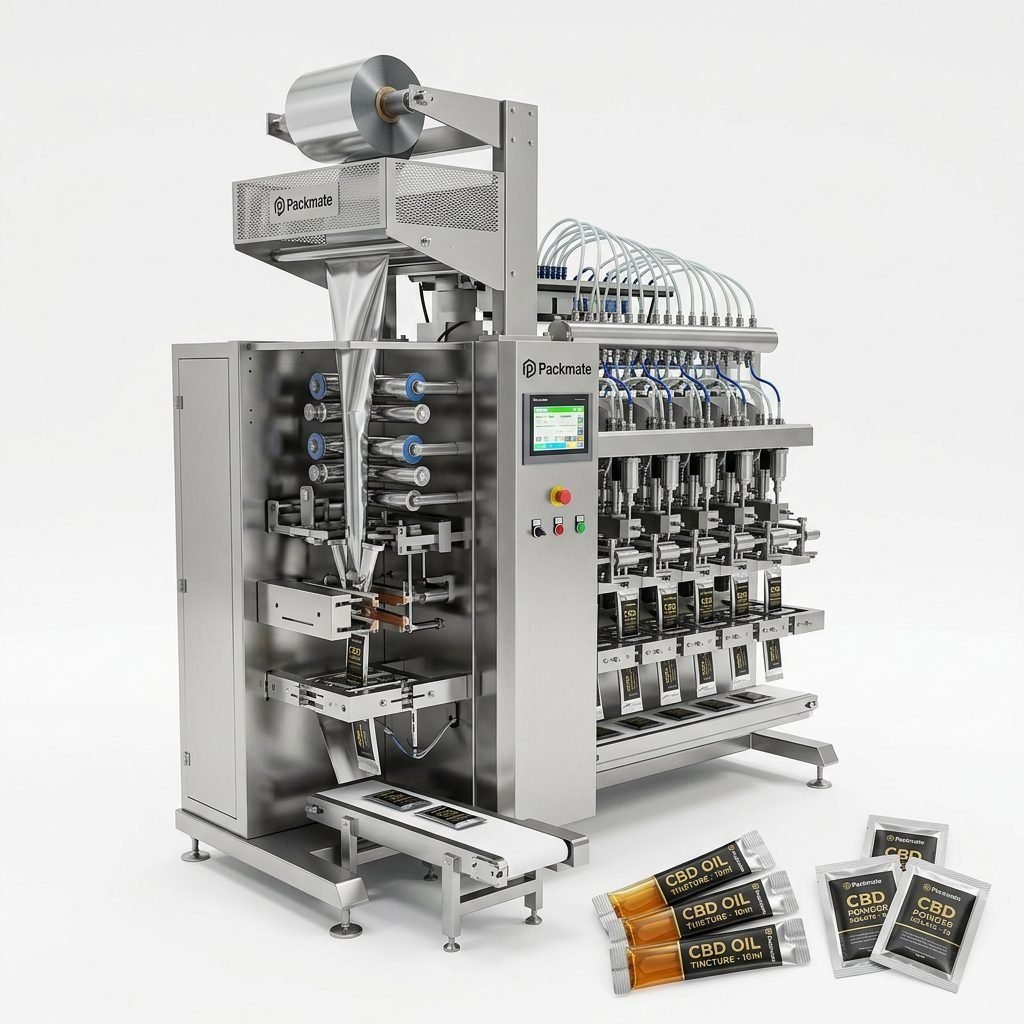
These are ideal for single-dose and strip formats. Stick pack solutions can run multi-lane modules for rapid output—useful when distributing to retail chains across Croatia and neighboring EU markets. For proven models, explore options in stick and sachet lines to compare speed and material handling.
Pouch packaging machines (snus / nicotine pouch lines)
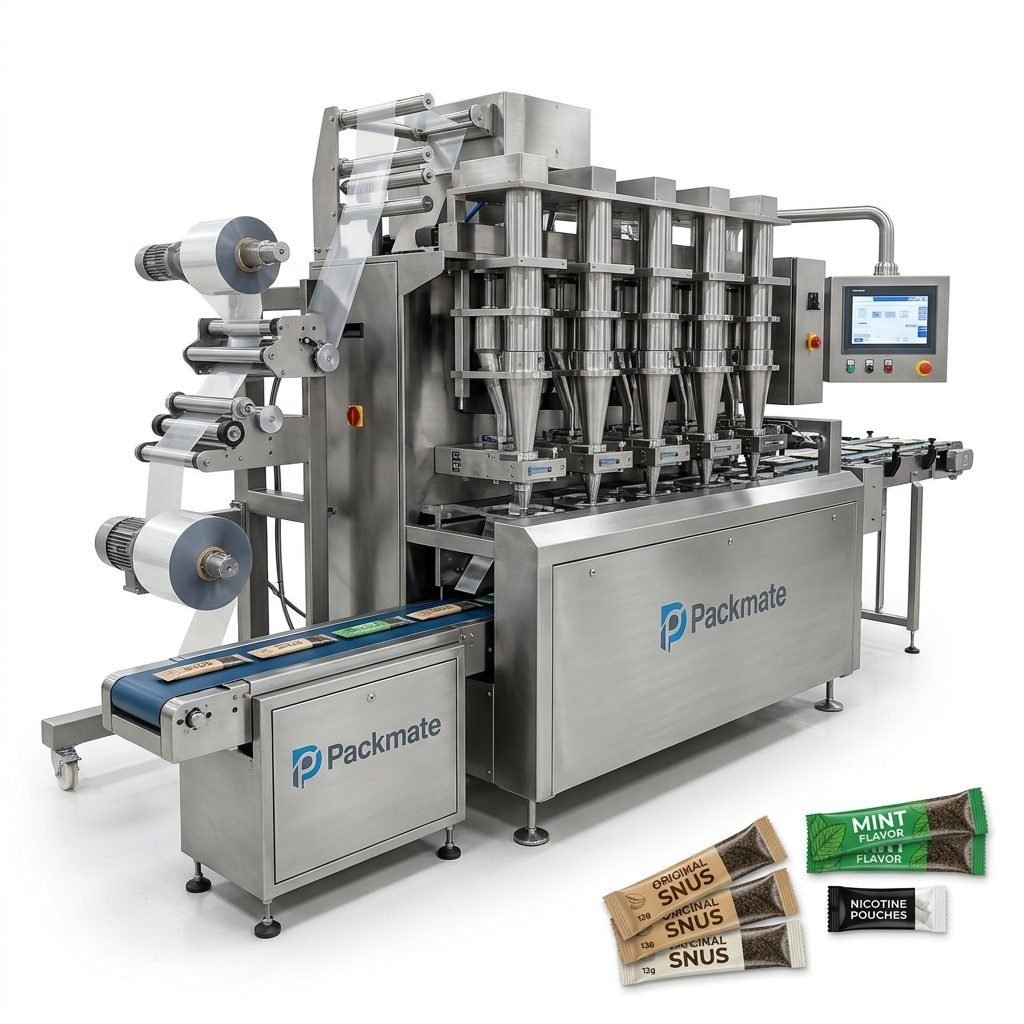
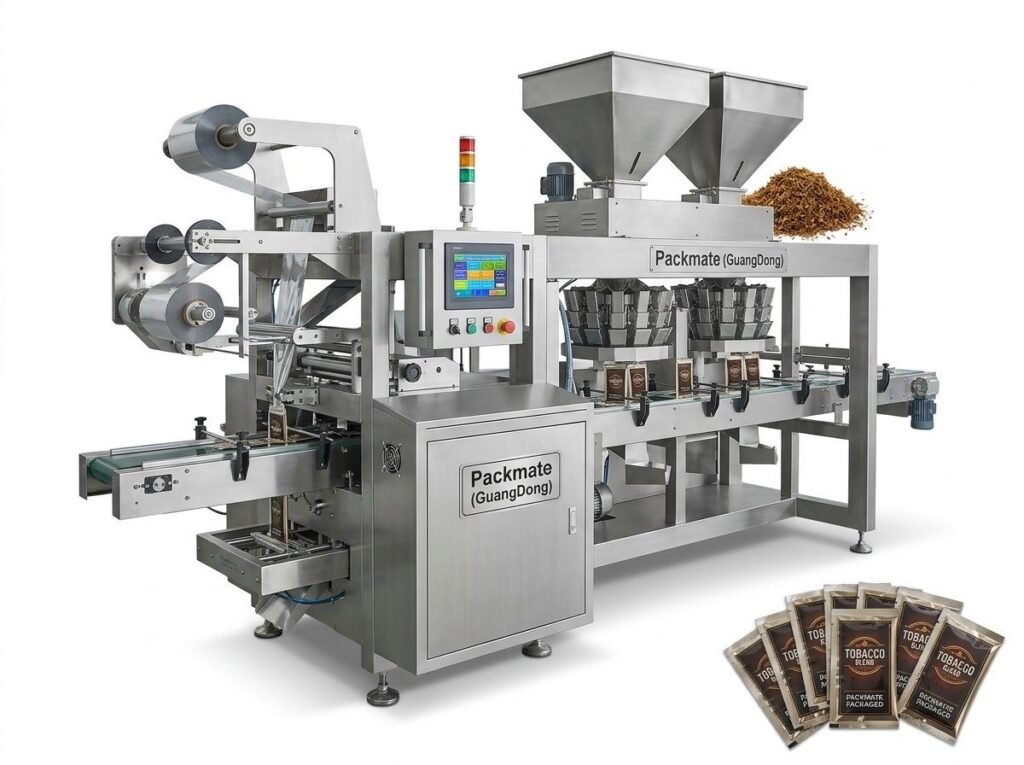
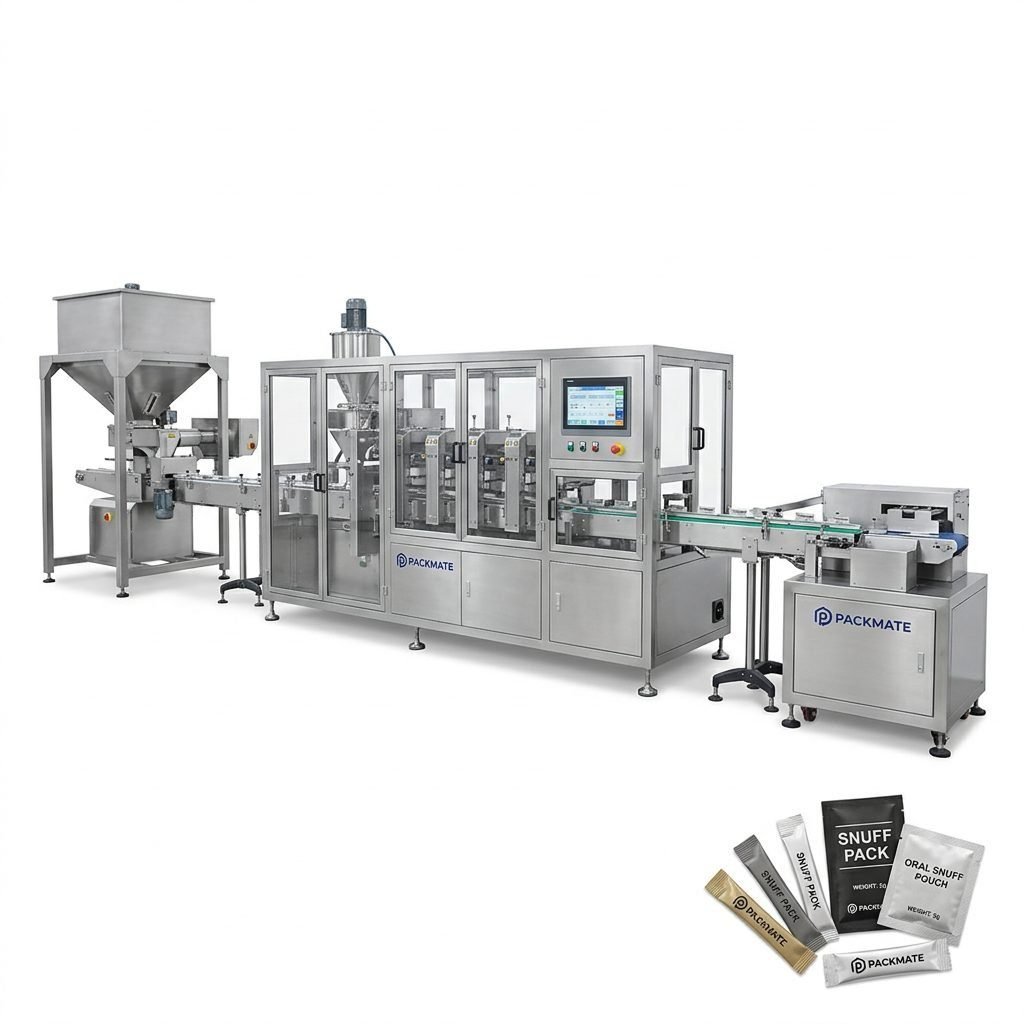
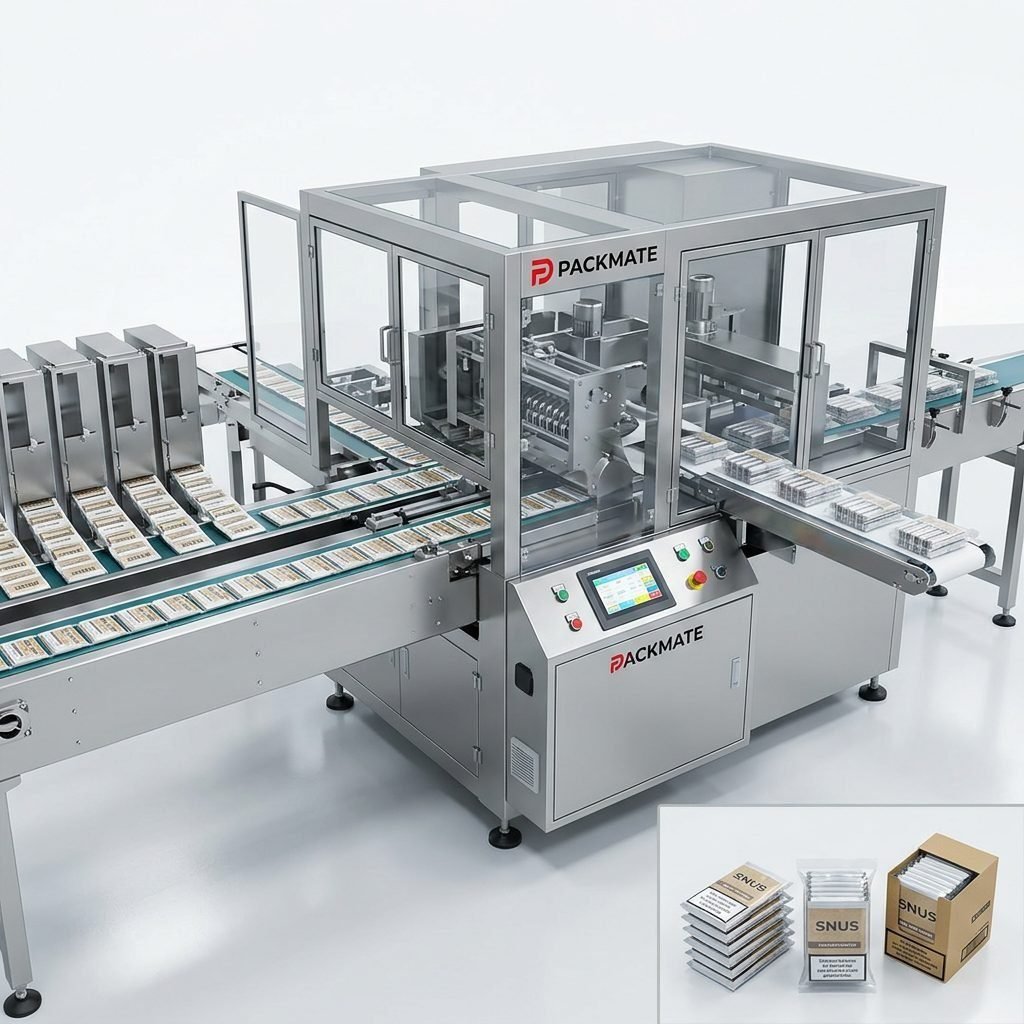
Pouch machines designed specifically for snus and nicotine pouches focus on tight control over portion size, hygienic handling, and gentle forming to keep consistency. If your brand targets premium markets or tourist retail, pouch aesthetics (embossing, matte finishes) may matter—choose machines that support printing or lamination workflows.
For central product platforms see: Snus & Nicotine Packaging Machines.
Production scale & factory layout considerations
Decide if you need a single high‑speed line or several flexible mid‑speed lines. In Croatian industrial zones, space can be at a premium—especially near ports like Rijeka—so footprint matters. Multi‑lane machines deliver high throughput per square meter but require higher initial investment and skill levels for maintenance.
Workflow tips
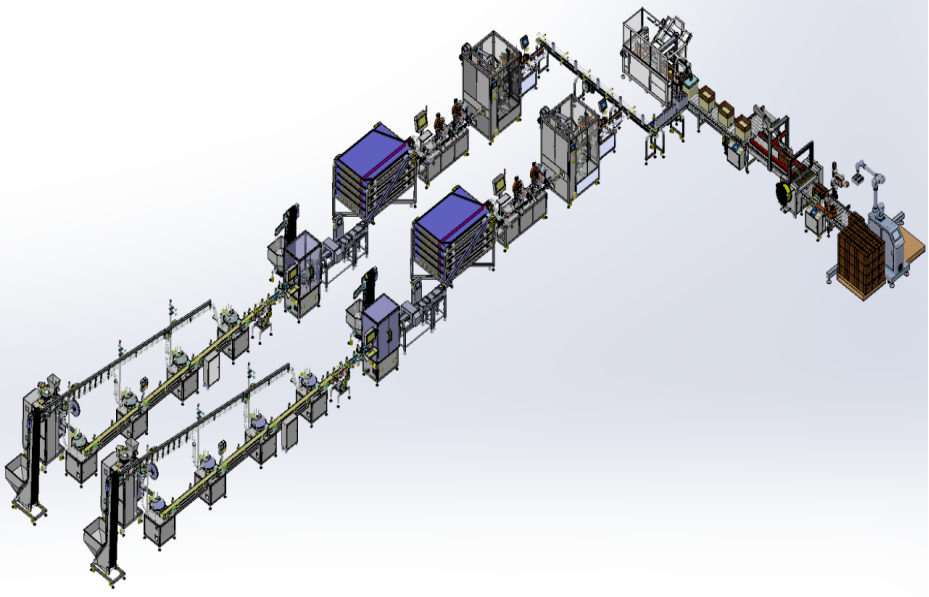
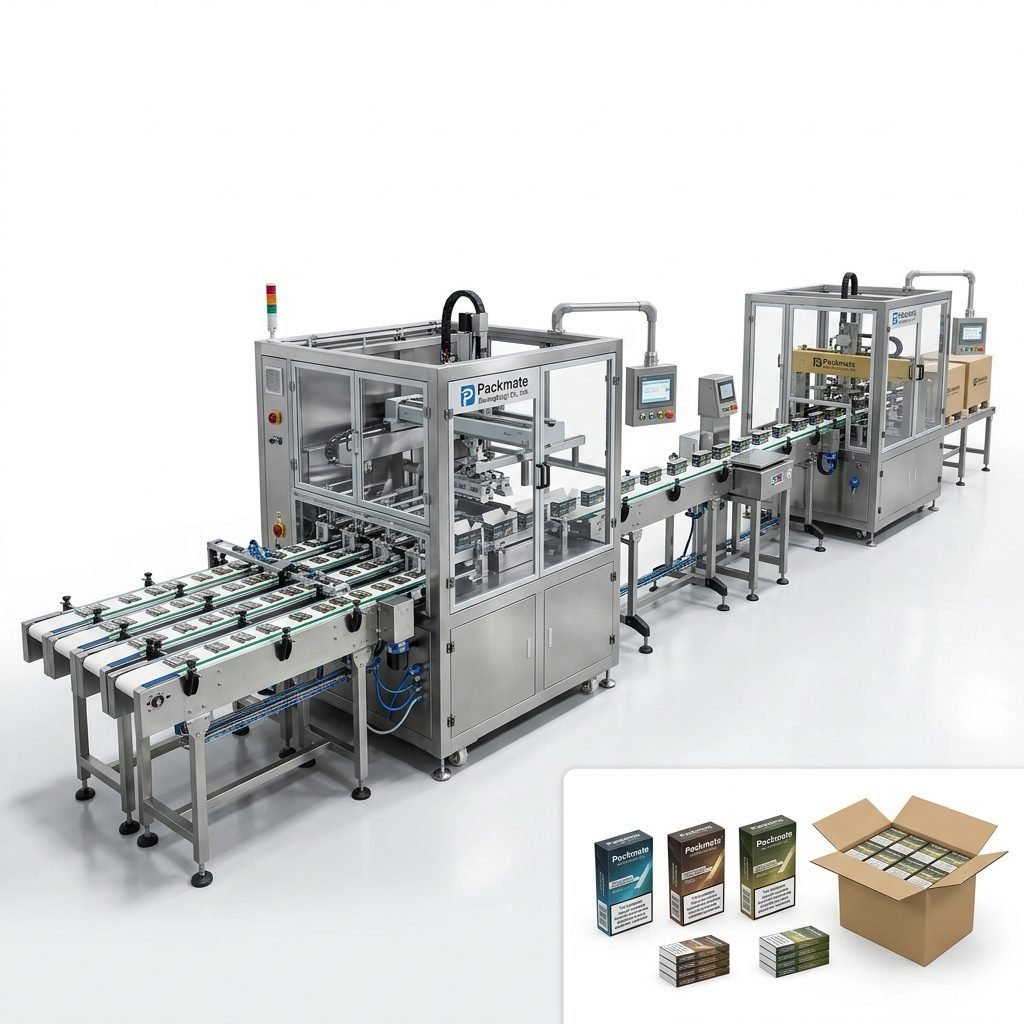
Plan for upstream weighing/filling systems and downstream inspection and cartoning. Integrating weighing & packaging systems and simple inline vision inspection can reduce recalls and maintain batch traceability.
Materials, sustainability, and consumer perception
Croatian shoppers—especially younger demographics and tourists—are increasingly attentive to sustainability. Offering recyclable or lower‑impact laminates can be a market differentiator. Ensure machinery supports heat-sealing and cold-sealing films and can adapt to mono‑materials when transitioning to circular packaging.
Consider machines that minimize material waste through accurate cutting and nesting, and that support quick changeovers between film types.
Quality control, traceability and inspection
Inline quality checks are essential. Recommended features: vision systems for print and label verification, leak detection for sealed pouches, metal detection where applicable, and batch coding systems for full traceability. These systems help you meet EU supply chain transparency expectations and reduce negative retailer feedback.
Service, spare parts and local support
Long-term uptime depends on supplier support. When sourcing machinery for Croatia, prefer manufacturers with global support networks, quick spare parts delivery, and remote troubleshooting capabilities. Packmate Snus Machine, for example, offers full turnkey solutions and after-sales assistance—review their service offerings here: Service and company background at About Packmate.
Cost, ROI and financing
Evaluate total cost of ownership: purchase price, installation, training, spare part inventories, and energy consumption. Calculate ROI based on projected volumes, scrap rates, and labor savings from automation. In Croatia, access to EU financing or local industrial incentives for modernization may help offset investment—consult local financial advisors.
Customizations and branding considerations
If you need bespoke pouch shapes, embossed finishes, or variable printing for tourist seasons (e.g., seasonal Croatian language promos), choose a supplier that offers tailored tooling and print integration. Custom tooling capabilities reduce lead time for launching specialty SKUs.
Logistics, packaging formats and retail fit
Plan final packaging to align with Croatian retail channels—convenience stores, kiosks, duty‑free, and tourism boutiques. Machines that produce both small retail pouches and larger multipacks allow you to serve multiple channels without separate production lines.
Selecting a supplier: checklist
Use the checklist below when evaluating vendors:
🧭 Proven industry experience (ideally 10+ years in nicotine/snusequipment).
⚙️ Clear CE and ISO compliance documentation.
🔥 Spare parts availability in EU and capability for remote diagnostics.
✅ References or case studies in similar markets: view manufacturer case examples Case.
📦 Ability to provide complete lines (filling, weighing, packing) for turnkey installation: see Filling & Packaging Lines.
Installation, training and pilot runs
Request on-site training and a pilot run before full production. This ensures staff understand changeovers, preventive maintenance, and quality checks. A supplier that supports pilot production helps you fine-tune formulations, portion sizes, and pack aesthetics before scaling.
Why Packmate could be a fit for Croatian producers
Packmate Snus Machine has >30 years of engineering experience and a range of snus and pouch packaging models suitable for nicotine products. Their facility and global turnkey delivery mean they can supply high‑precision multi‑lane systems along with after-sales support—helpful when entering or scaling within EU markets. Explore product lines: Bag & Pouch Packaging Machines and Sachet & Stick Pack Machines.
Final recommendations
In summary, prioritize:
• Compliance with EU and Croatian labeling and machinery standards.
• Flexibility for multiple pouch sizes and materials.
• Local support and spare parts availability to maximize uptime.
• Pilot runs and training to ensure product quality from day one.
Helpful links and resources
For more technical specifications and product catalogs, review manufacturer materials and certifications: Catalog, Certificate, and show participation updates at Our Exhibition.
Common questions (FAQs)
Q: How do I ensure my packaging complies with Croatian/EU labeling rules?
A: Work with regulatory consultants and require your machine supplier to support variable printing and coding so you can include required language, batch codes, and warning statements. Keep documentation for CE and ISO compliance on file.
Q: What is the typical lead time for a multi‑lane nicotine pouch line?
A: Lead times vary with customization. Standard configurations may ship in months, while fully customized turnkey lines (including upstream weighing and downstream cartoning) can take longer—plan for supplier engineering, FAT (Factory Acceptance Test), and installation timelines.
Q: Can I test materials and prototypes before ordering full production equipment?
A: Yes. Request pilot runs or small-batch trials from suppliers. This helps validate seal integrity, portion accuracy, and print registration before committing to full production.
Q: What after-sales services should I require?
A: Insist on training, spare parts kits, remote diagnostics, and a clear SLA for on-site support. Verify availability of critical components within the EU to reduce downtime.
Q: How do I balance automation with labor costs in Croatia?
A: Calculate labor cost savings against investment. For high-volume projects, automation reduces per-unit cost and improves consistency. For smaller runs, flexible mid-speed lines with quick changeovers may be more economical.