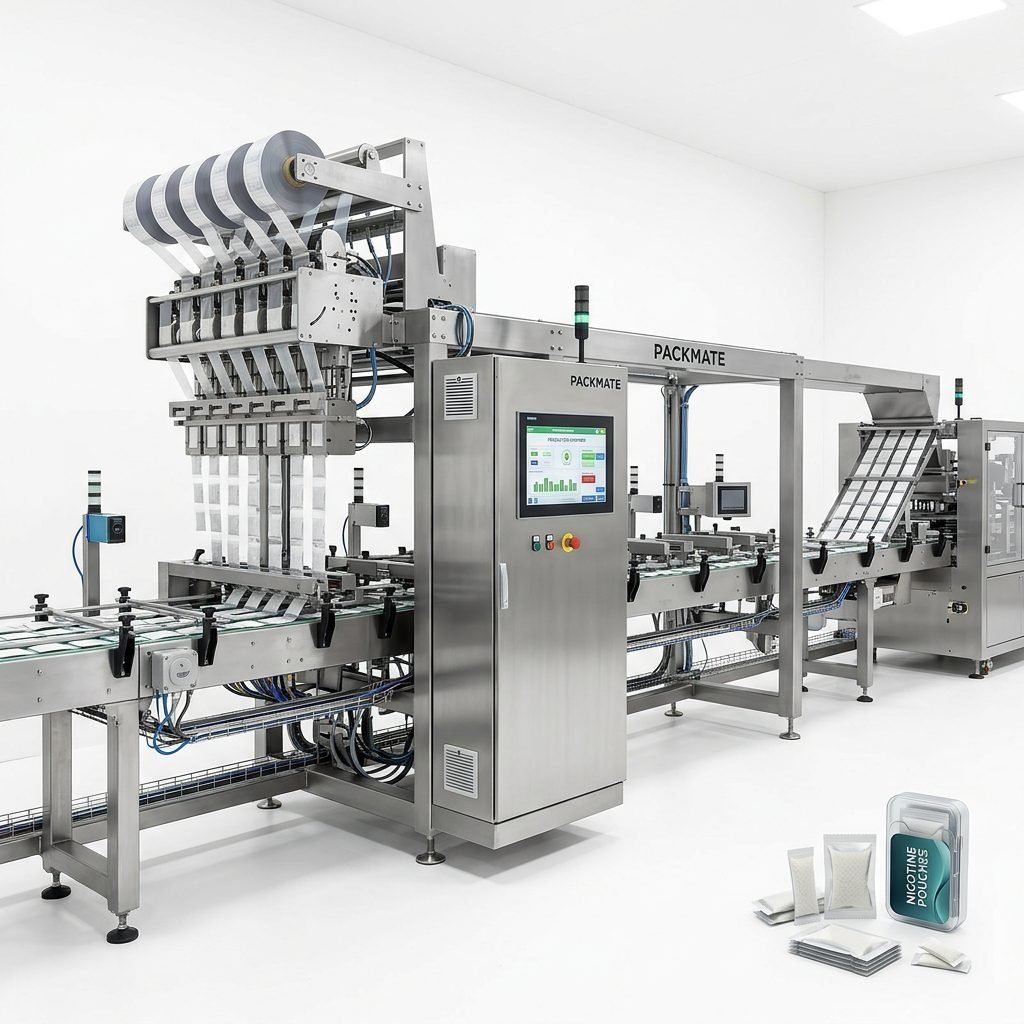
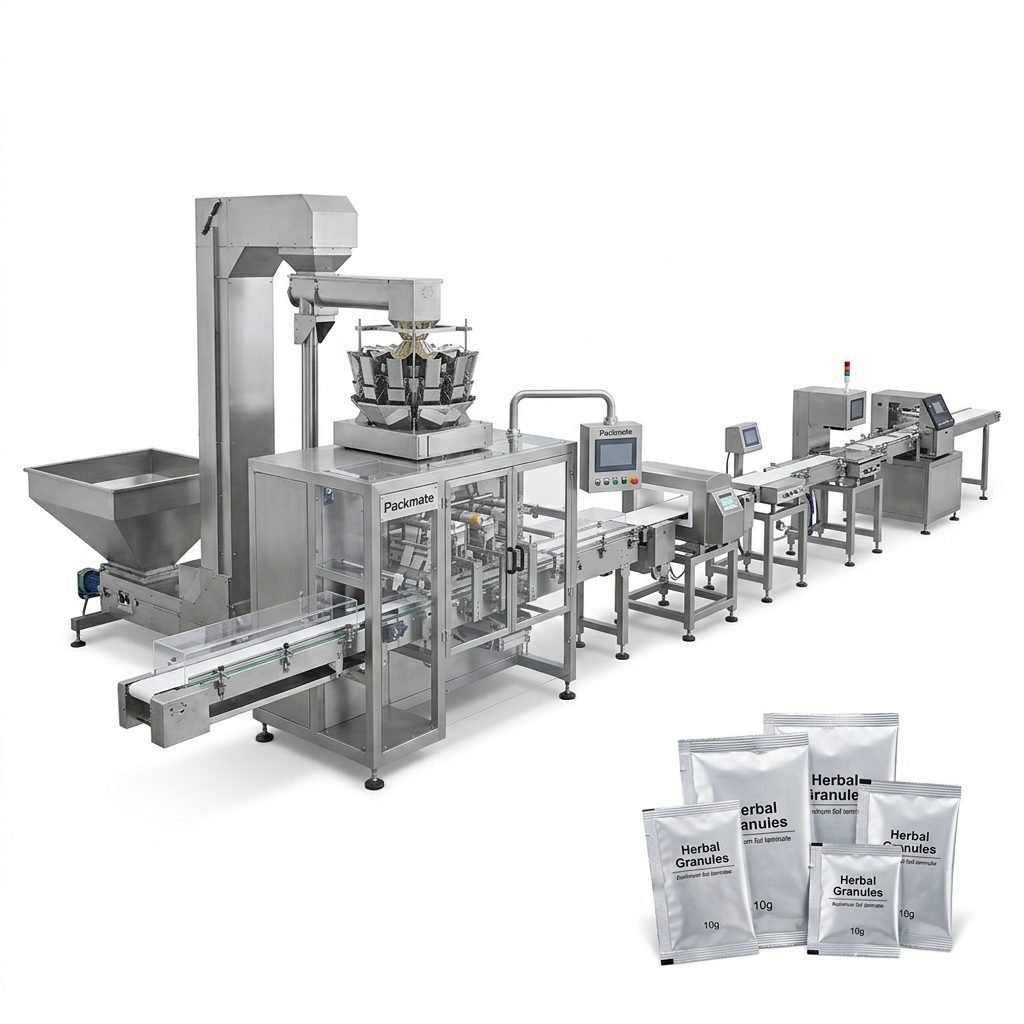
Choosing the right snus packaging machine in Eswatini is a strategic decision that blends technical requirements, local market knowledge, and long-term business planning. Whether you are launching a new nicotine pouch brand or scaling production for regional distribution within Southern Africa, the right equipment affects product quality, regulatory compliance, and profitability.
Understand Your Product and Market Needs 🔍
The first step is to clearly define the product format and the market you will serve. In Eswatini, both English and siSwati are commonly used on packaging, and many retailers serve customers who prefer discreet, small-format packs sold through kiosks and independent shops. Consider:
- Product format: nicotine pouch, snus sachet, stick pack, or multi-dose pouch.
- Dose size and pouch weight: machines must handle low-dose precise filling for consistent quality.
- Barrier and storage needs: Eswatini’s climate can be warm; choose packaging films with proper moisture and oxygen barrier properties to maintain shelf life.
Local consumer behaviors and distribution channels
Many purchases in Eswatini occur in informal retail environments and roadside kiosks, so compact, durable, and visually clear packaging works best. Discretion and compliance with local cultural expectations are important: many consumers prefer packaging that is tidy and modest rather than ostentatious.
Key Technical Criteria for Snus Packaging Machines 🛠️
When evaluating machines, compare core technical specifications against your production forecast and product design.
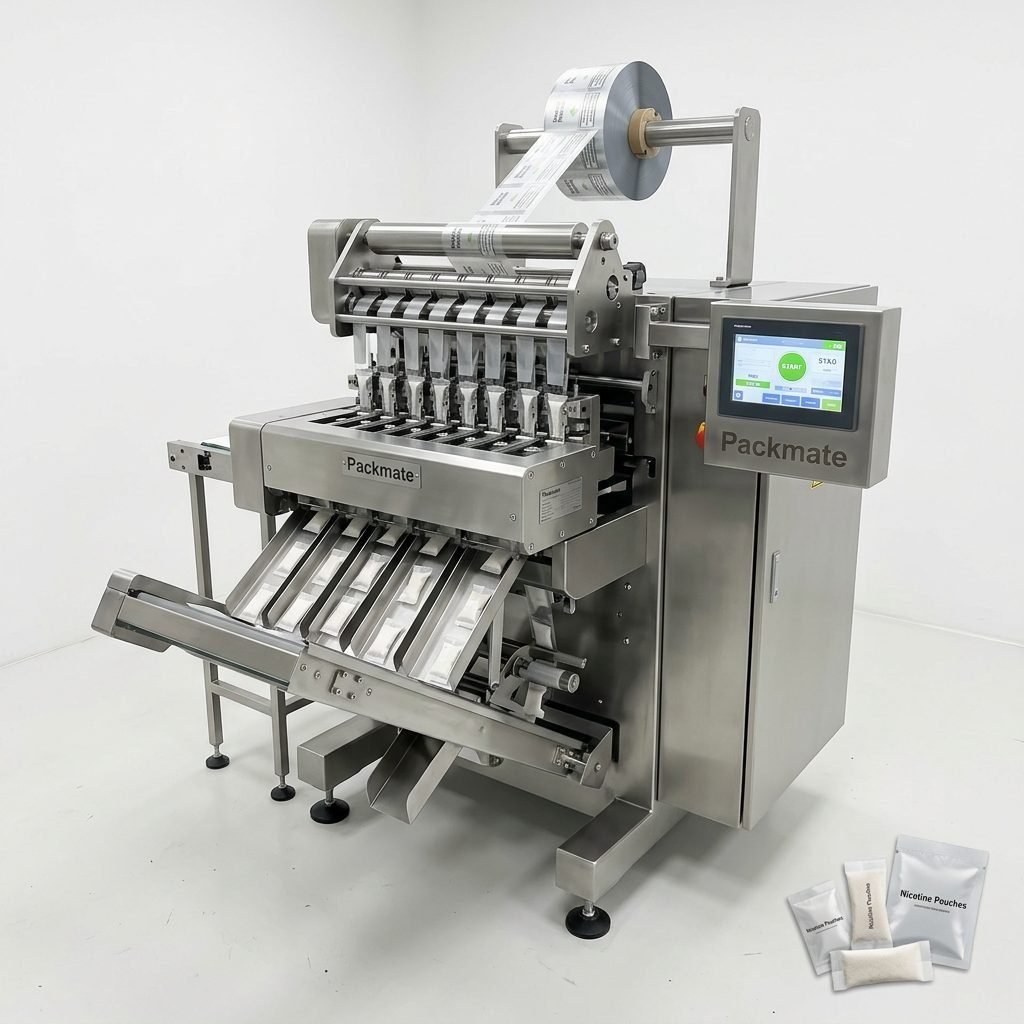
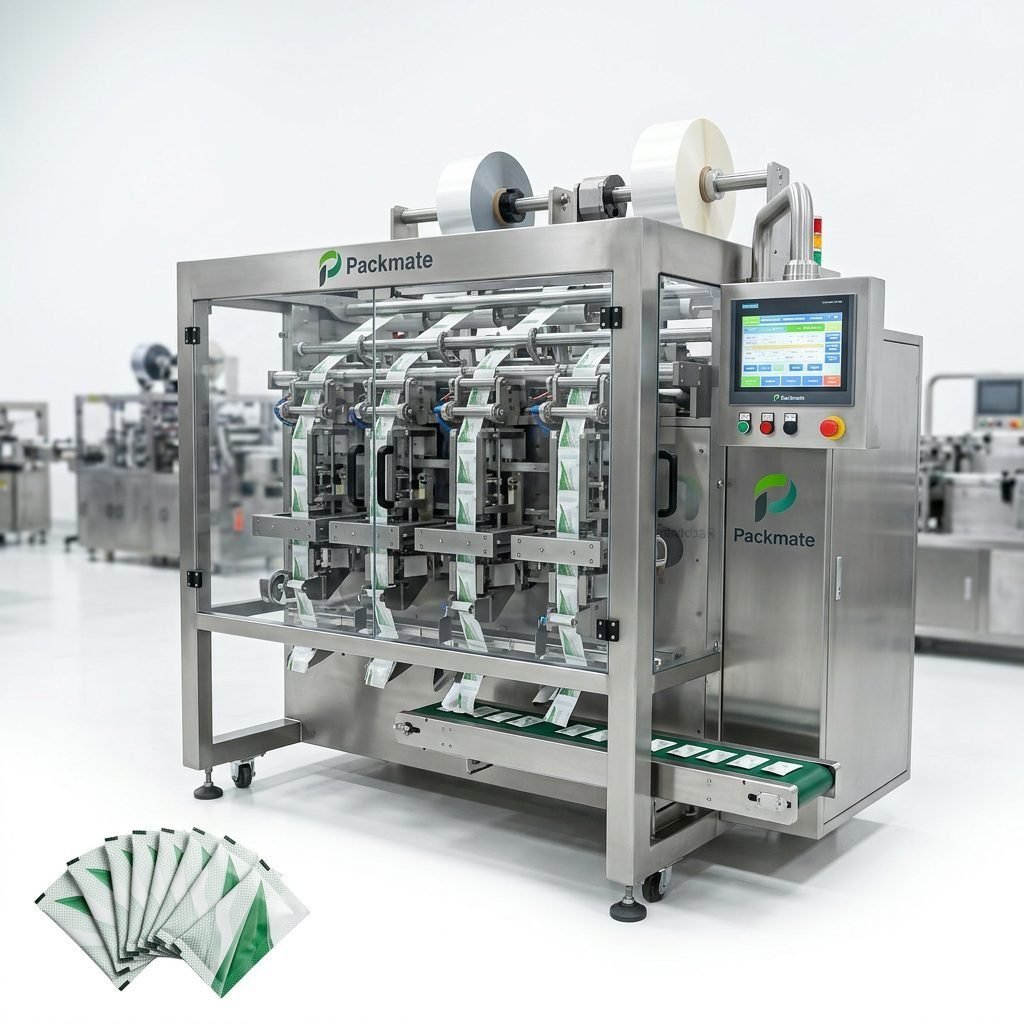
Speed & throughput: Determine required pouches per minute and select single-lane or multi-lane systems accordingly. Multi-lane options are ideal for scaling quickly with consistent accuracy.
Filling accuracy: For nicotine pouches, precision weighing systems reduce waste and ensure regulatory compliance on nicotine content.
Sealing quality & film compatibility: Choose machines that accommodate your chosen film materials (foil-laminates, PE, PET, etc.) and ensure strong seals in humid conditions.
Machine types to consider
Depending on your format, you may consider:
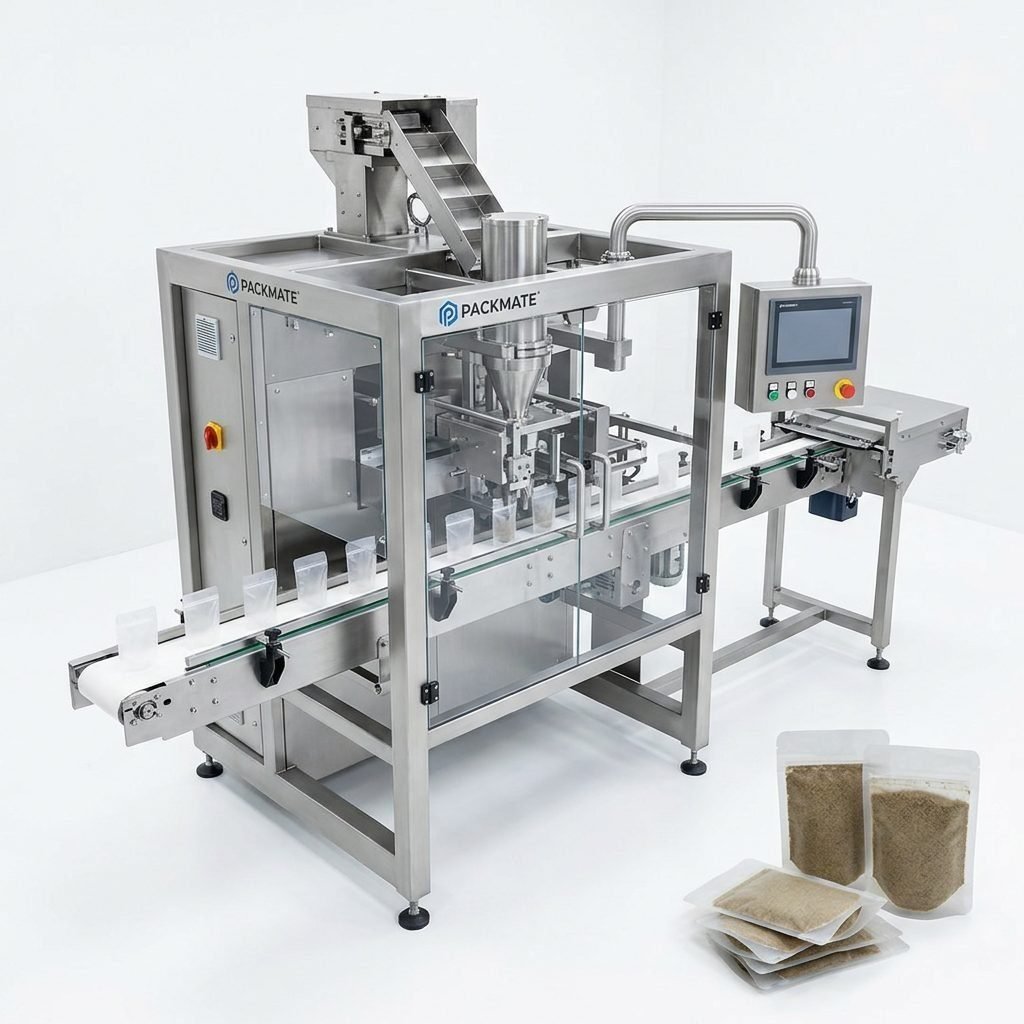
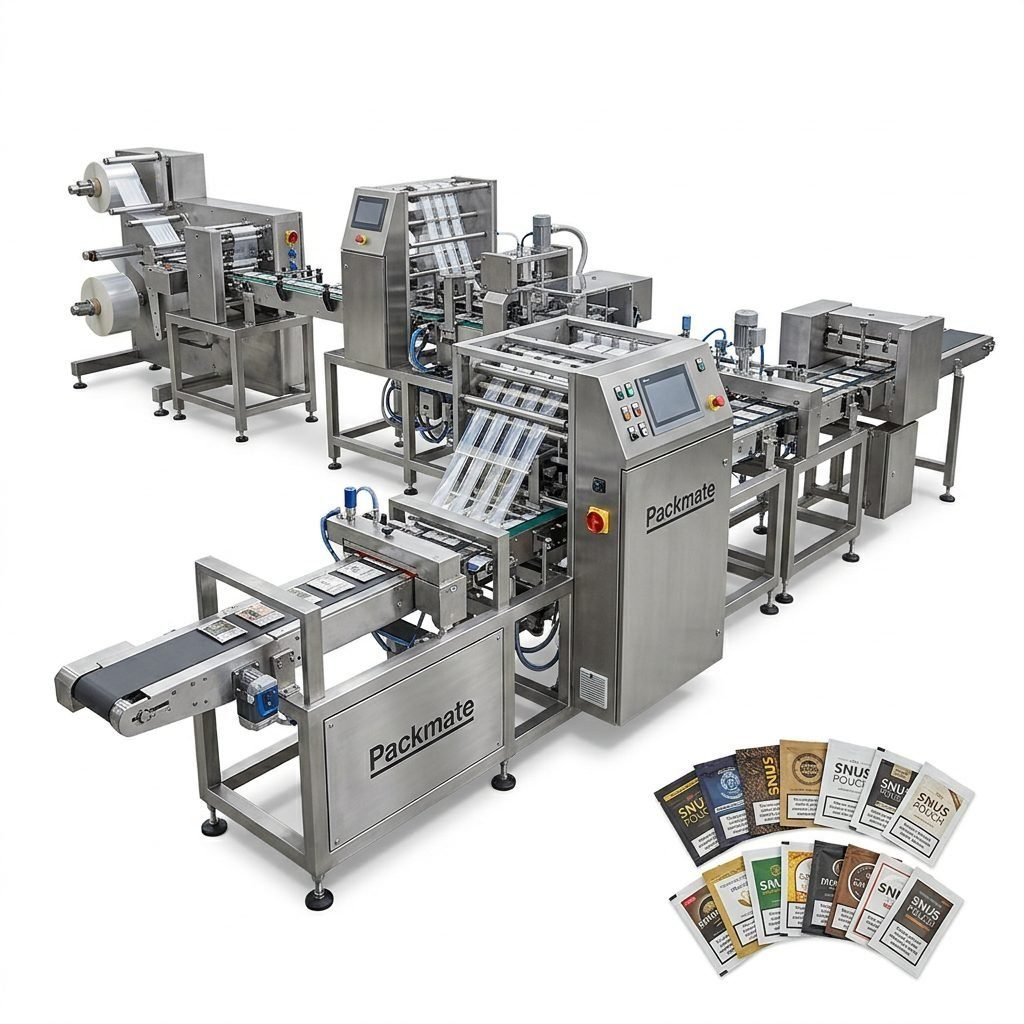
- Sachet & stick pack machines for single-dosage retail packs (fast, efficient for stick/slim packs) — see suitable models here: Sachet & Stick Pack Machines.
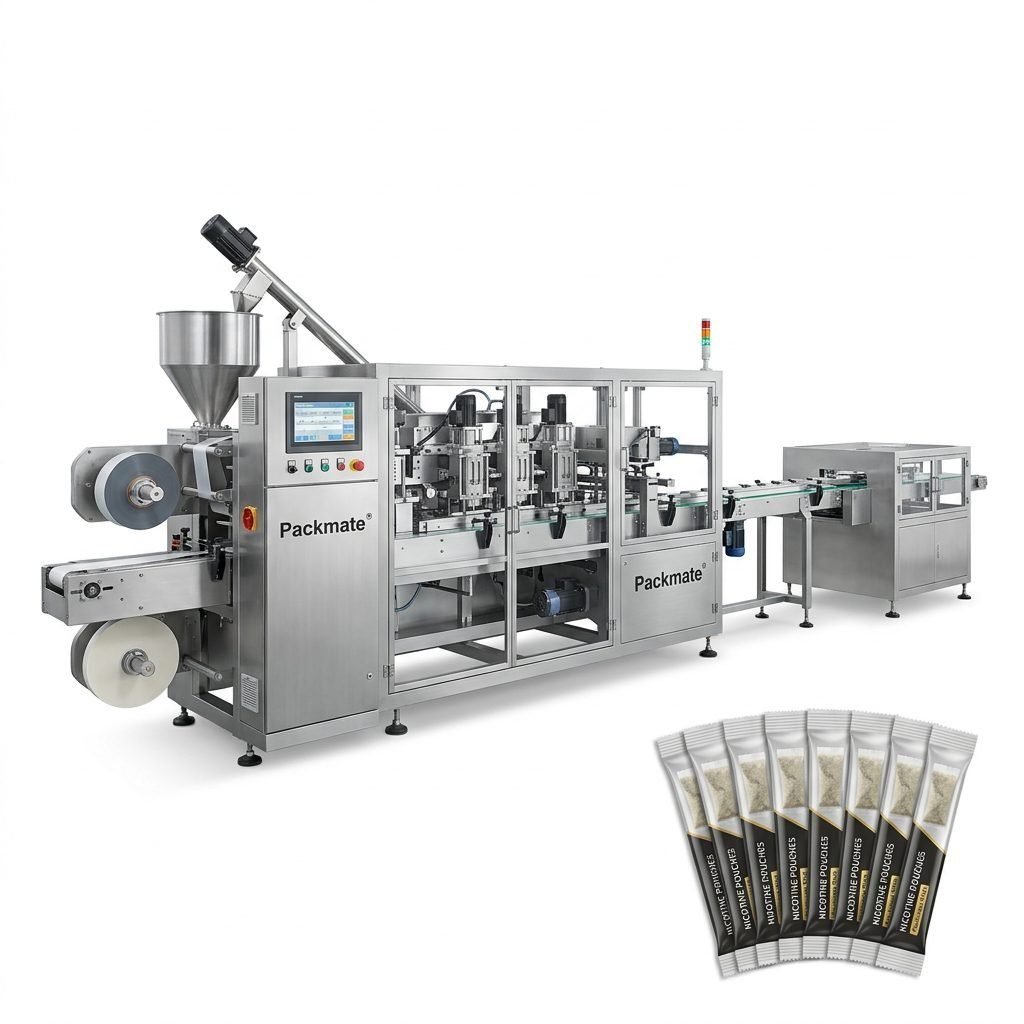
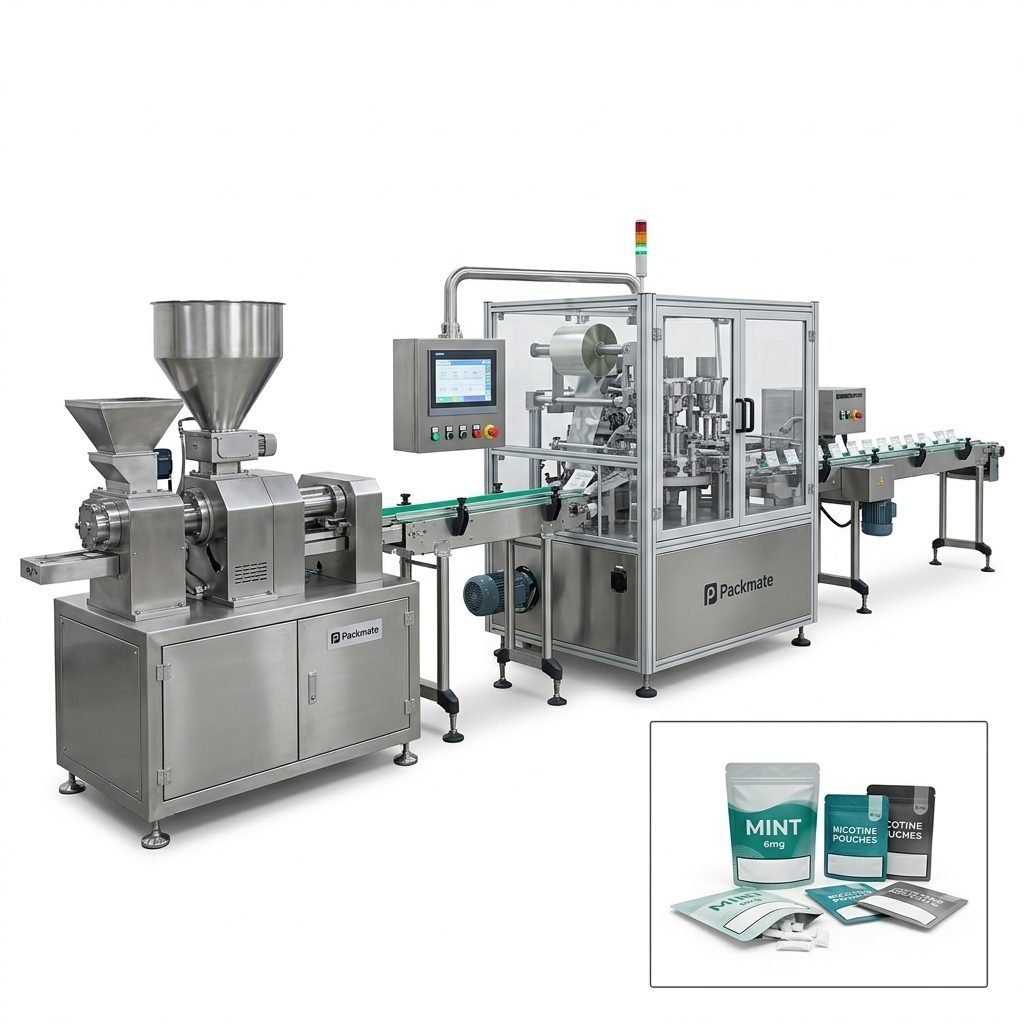
- Snus & nicotine pouch machines for dedicated pouch forming, filling and sealing lines — detailed options here: Snus & Nicotine Packaging Machines.
- Multi-lane systems if you need to multiply output without increasing footprint dramatically.
Quality, Certifications and Compliance ✅
Certification and international standards matter when selling into regulated markets or expanding exports from Eswatini to neighboring countries in SADC. Look for vendors whose machines meet CE and ISO standards, and who can provide documentation to help with import and regulatory clearance.
Why certifications matter: They reduce customs delays, demonstrate safety for operators, and ease entry into export markets such as South Africa and other neighboring nations.
Service, Training and Local Support 🔧
In Eswatini’s market environment, local technical support and accessible spare parts are vital. Machines are long-term investments — choose suppliers offering:
- On-site training for operators and maintenance teams;
- Comprehensive spare parts packages;
- Remote technical support and fast shipping options for critical components.
Manufacturers like Packmate highlight decades of experience and global installation cases — you can review examples to understand reliability and support options: Case.
Installation footprint & local utilities
Account for factory floor space, electrical supply stability, and backup power. Eswatini’s infrastructure is developing — ensure the machine’s power requirements match available resources and plan for stable supply to avoid downtime.
Total Cost of Ownership & ROI Calculations 💰
Beyond purchase price, evaluate total cost of ownership:
- Energy consumption and efficiency;
- Production yield and waste rates;
- Maintenance intervals and expected lifespan;
- Training costs and staffing needs;
- Consumable costs such as specialized films and sealing materials.
Build a simple ROI model showing payback period under different production scenarios (conservative, target, optimistic). Multi-lane machinery can reduce per-unit labor costs and speed up payback for growing brands.
Packaging Design, Labelling and Local Regulations 📦
Eswatini requires clear labelling and may follow regional tobacco and nicotine regulations. Work with legal advisors to ensure warnings, ingredient declarations, and manufacturing details comply with local and export requirements.
Practical tip: Use bilingual labels (English and siSwati) where practical to build local trust and ensure clarity for retail partners.
Child safety and discreet packaging
Many retailers and consumers prefer packaging that is discreet and secure. Consider tamper-evident seals and child-resistant features when designing final packs, and ensure compatibility with the chosen filling/sealing machine.
Selecting a Trusted Manufacturer — Why Packmate Stands Out
Choose a supplier with proven engineering strength, a wide model range, and real-world references. Packmate has over 30 years of experience, a 20,000㎡ manufacturing facility, and multiple certifications that support reliable delivery and long-term partnership.
Explore product lines and services: Snus & Nicotine Packaging Machines, Bag & Pouch Packaging Machines, and learn more about the company: About Packmate.
Implementation Roadmap — From Purchase to Production 🗺️
- Define product specs and projected volumes.
- Shortlist machines by format and capacity.
- Request technical sheets, references, and live demos.
- Assess installation needs (power, space, utilities).
- Negotiate warranty, spare parts, and training packages.
- Plan a phased ramp-up with quality control checks.
Live demonstrations at exhibitions often provide the clearest perspective—manufacturers often showcase their machinery at global events. For upcoming events and demonstrations, see: Our Exhibition.
Common Pitfalls to Avoid ⚠️
Avoid these frequent errors:
- Underestimating the need for spare parts and local technical training.
- Choosing a machine solely on initial cost rather than total cost of ownership.
- Ignoring film and pouch testing for local climate stresses.
- Failing to verify supplier certifications and export documentation.
Energy and environmental considerations
Consider energy-efficient machines to reduce operating costs, and explore recyclable film options if sustainability is part of your brand promise. Some governments and retailers favor environmentally conscious packaging, which can be a competitive advantage.
Checklist — Before you sign:
1. Confirm machine compatibility with chosen pouch/film materials.
2. Ensure training and spare parts availability in-region.
3. Verify certifications and export documentation support.
4. Run a sample production plan and ROI estimate for 6–24 months.
How to Test and Validate Machines Locally 🧪
Before final acceptance, perform FAT (Factory Acceptance Test) and SAT (Site Acceptance Test). Request sample runs using your actual film and formulation. Check:
- Weight accuracy and consistency across shifts;
- Seal integrity after temperature and humidity cycling;
- Ease of cleaning and maintenance routines;
- Operator ergonomics and user interface language options (English is widely used in Eswatini).
Final Recommendations for Businesses in Eswatini 🇸🇿
– Start with a scalable solution: invest in modular machines that let you add lanes or modules as demand grows.
– Prioritize precision weighing and sealing for nicotine pouches due to regulatory scrutiny and consumer safety expectations.
– Ensure bilingual labelling and discrete pack options to match local retail patterns and cultural sensibilities.
– Secure a supplier with strong after-sales support and clear spare parts logistics to Eswatini and regional hubs.
Useful Links & Resources
For deeper technical details and to explore product models and turnkey solutions, check these resources:
- Weighing & Packaging Systems
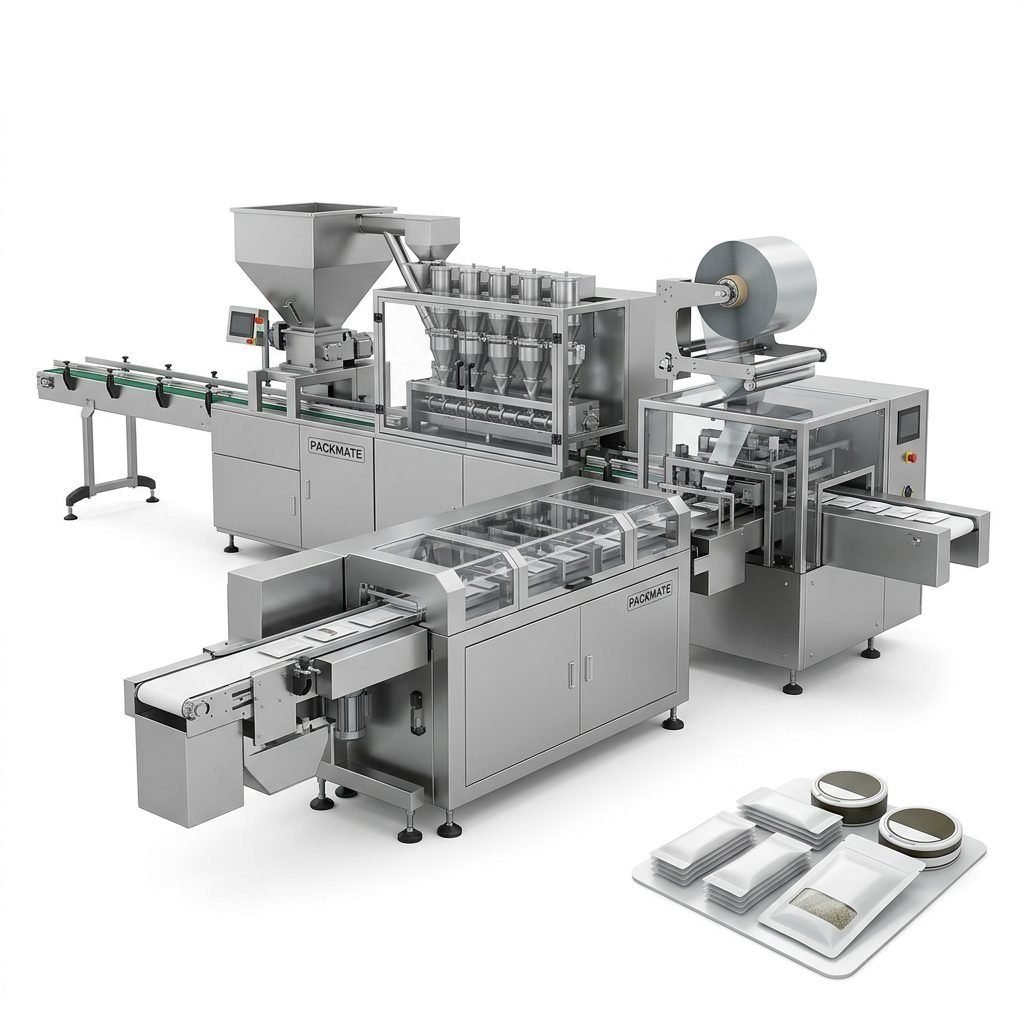
- Filling & Packaging Lines
- Service — maintenance and after-sales support options
Conclusion
Selecting the best snus packaging machine in Eswatini means balancing technical performance, local market fit, regulatory compliance, and long-term partner reliability. With careful planning, proper testing, and a supplier who understands both the product and regional needs, your packaging line can become a dependable backbone for growth across Eswatini and neighboring markets.
Frequently Asked Questions (FAQs)
Q1: What machine capacity should a small Eswatini startup buy?
For startups, a single-lane or low-channel high-precision machine with capacity to meet 3–6 months projected sales is practical; ensure modular expandability for future growth.
Q2: How important is local spare parts availability?
Extremely important. Delays in spare parts shipping can lead to extended downtime. Confirm part lead times and consider stocking critical spares locally.
Q3: Do I need special films for Eswatini’s climate?
Yes. In warmer climates, choose films with strong moisture and oxygen barriers and verify seal strength after temperature cycling.
Q4: Can I export products packed on these machines from Eswatini?
Yes, but ensure machine certifications, production documentation, and labelling comply with target export market rules. Suppliers with export experience can provide necessary paperwork.
Q5: Where can I see machine demos and get technical specs?
You can request live demos and detailed specs from manufacturers and consult online resources such as their product pages and exhibition listings: Catalog.