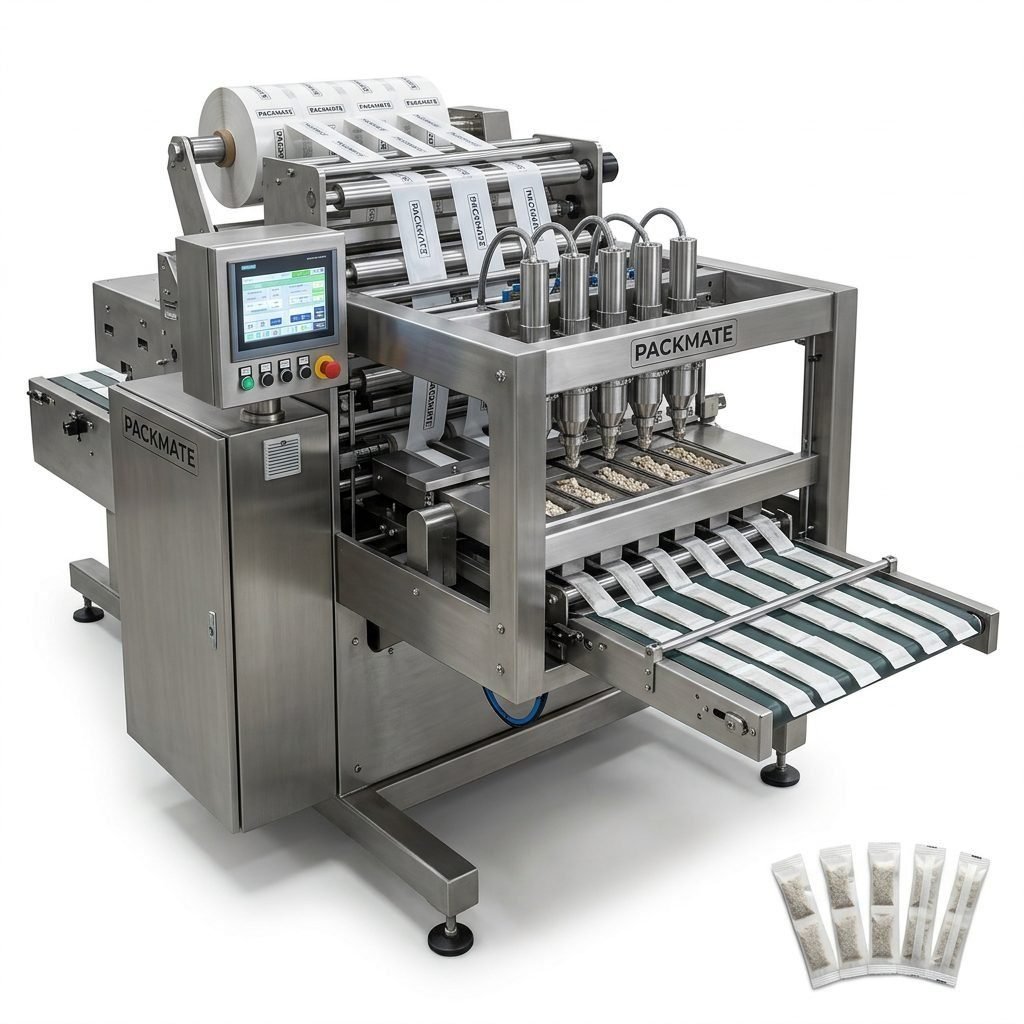
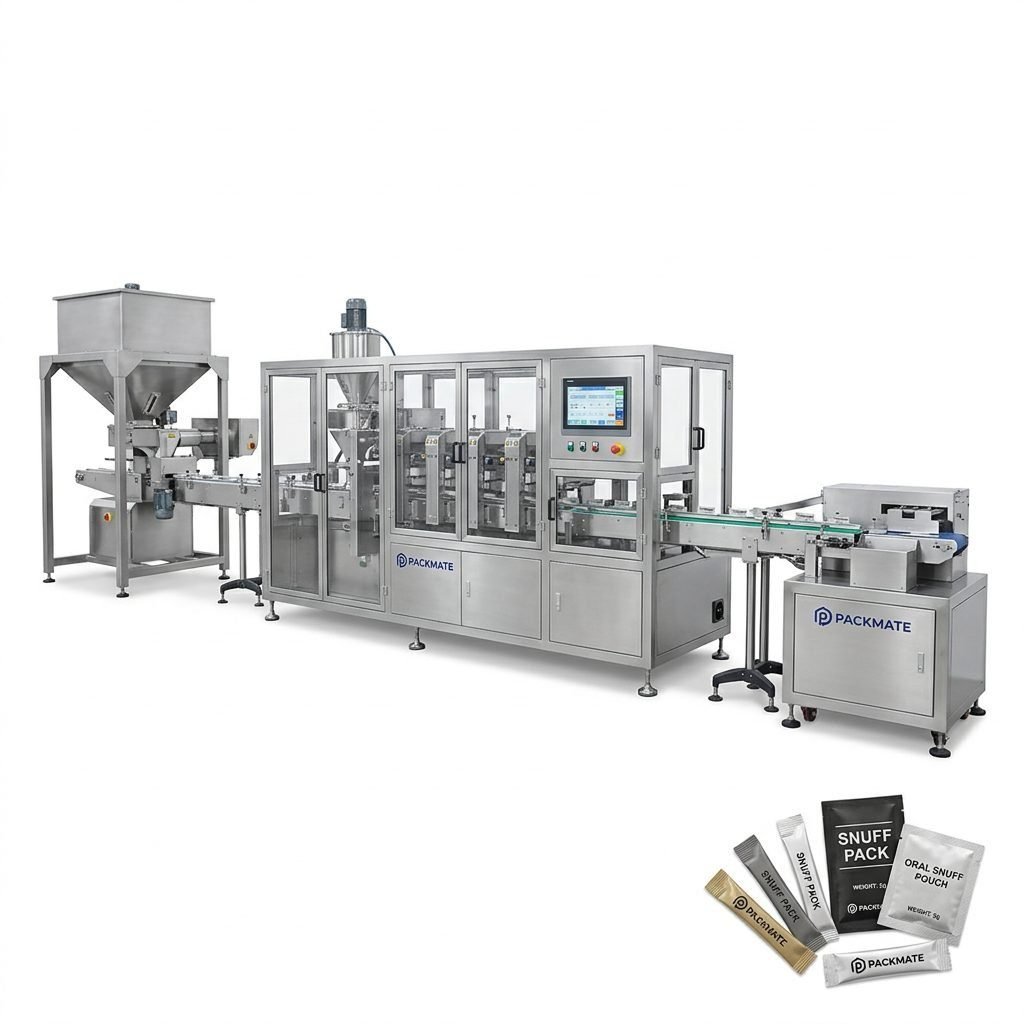
Entering the nicotine pouch or snus packaging market in Nepal requires more than a good product — it demands the right packaging machinery partner. Choosing the best nicotine packaging machinery manufacturer in Nepal for your business means balancing technical performance, regulatory compliance, supply chain realities, and cultural preferences. This guide walks you step-by-step through the practical factors to evaluate, helping you select machinery that delivers consistent production, reliable service, and long-term value.
Understand Nepal’s Market & Cultural Context 🇳🇵
Nepalese consumers and trade patterns have unique traits that affect packaging decisions. Urban buyers in Kathmandu and Pokhara often prioritize discreet, portable packaging; tourists and expatriates expect clear English labeling alongside Nepali; festival seasons such as Dashain and Tihar can spike short-term demand. When evaluating manufacturers, ensure machines can handle small-batch flexibility and multi-language label printing to match local customs and retail expectations.
Local regulation & import considerations
Nepal’s regulatory environment for nicotine-related products can evolve — import duties, labeling requirements, and health warnings vary across regions. Choose a manufacturer that provides CE/ISO compliant equipment and clear documentation for customs clearance. A supplier experienced in exporting to South Asia will streamline logistics and reduce the risk of shipment delays.
Key Technical Criteria to Compare ⚙️
Not all packaging machines are built alike. When examining manufacturers, focus on these technical benchmarks:
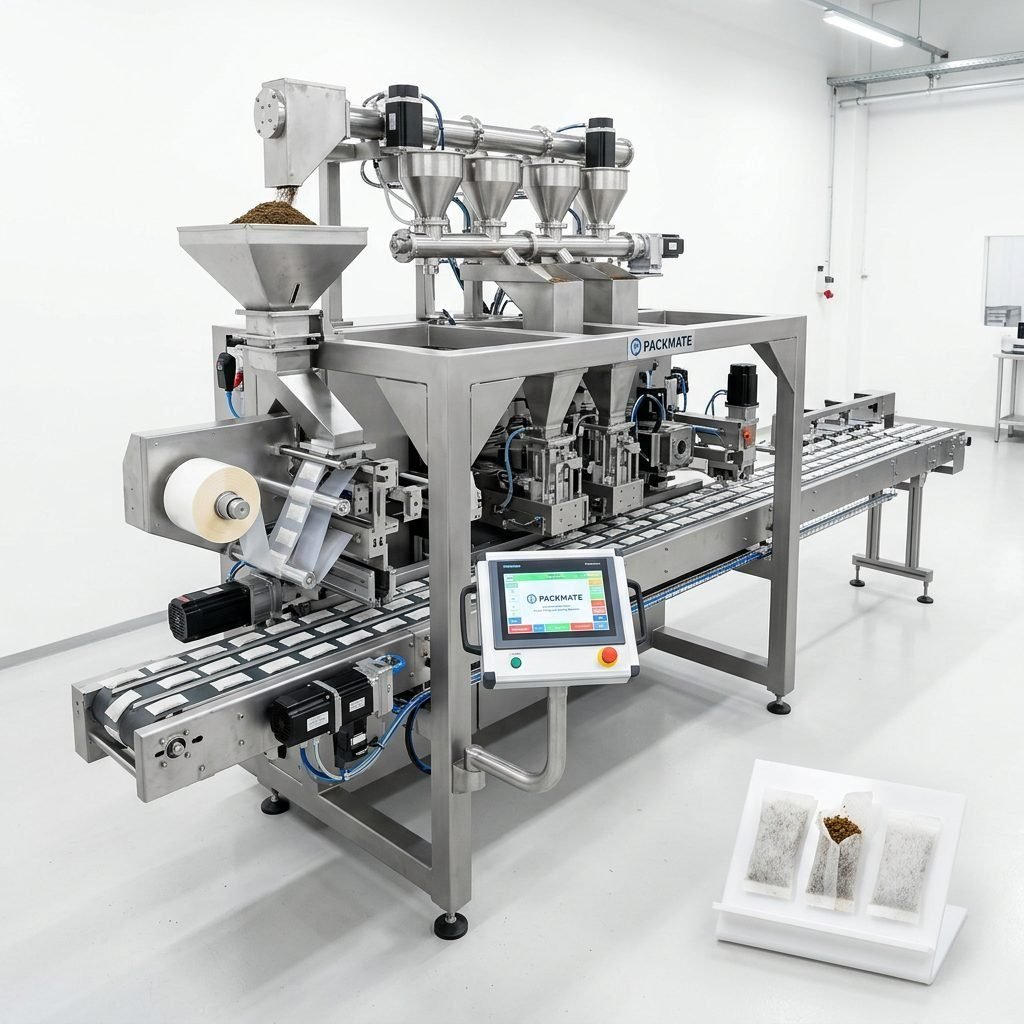
✅ Throughput & Accuracy: Check pouch-per-minute rates and weight control accuracy. High-performance multi-lane systems are ideal for small-dose nicotine pouches where precision is essential.
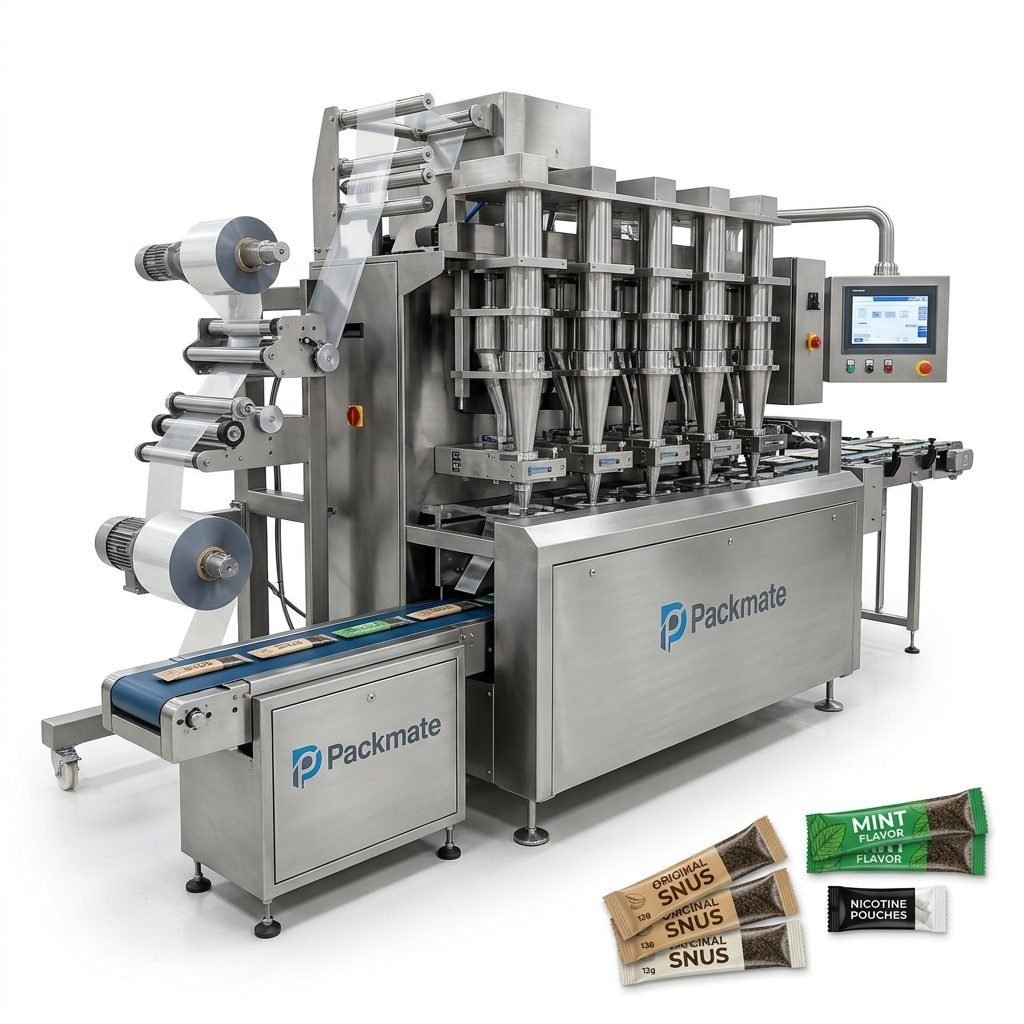
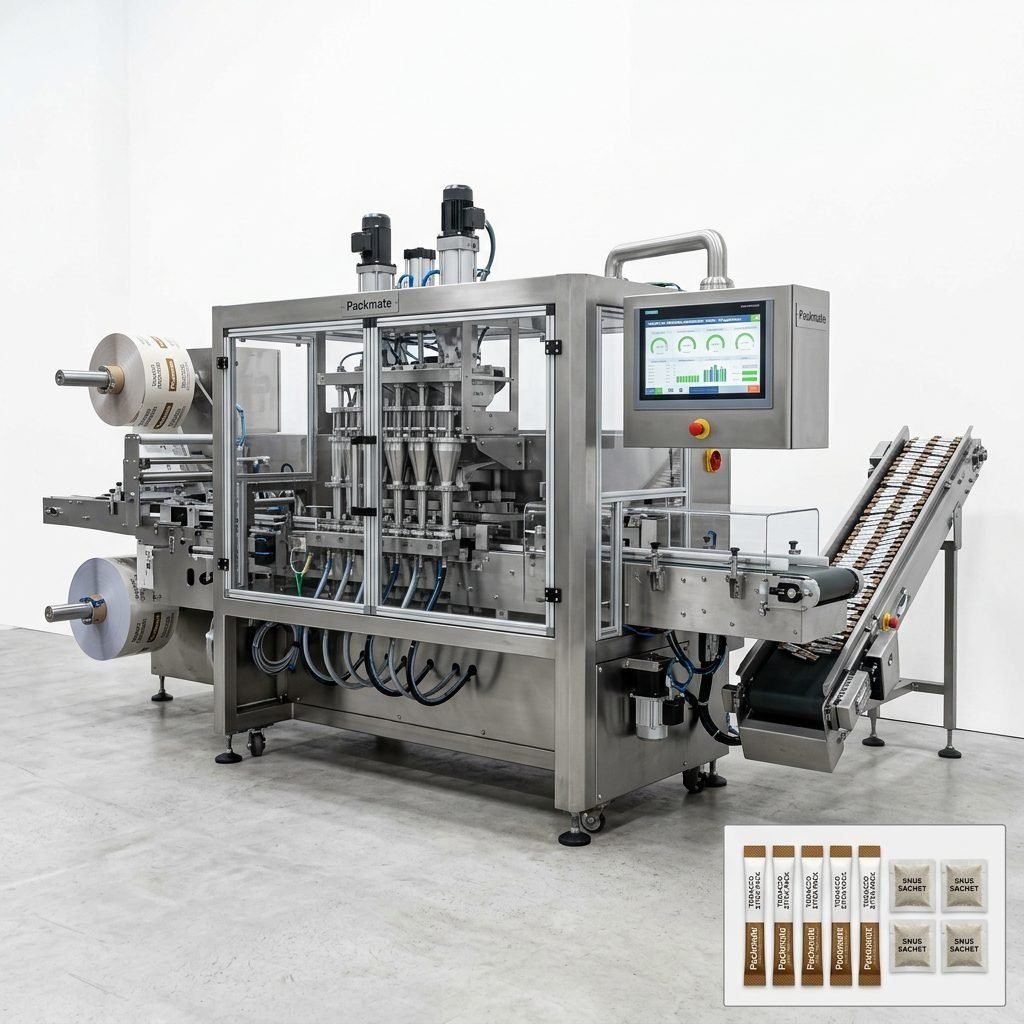
✅ Flexibility: Can the machine switch between stick pack, sachet, or pouch formats without extensive downtime?
✅ Material Compatibility: Support for foil, barrier films, and reclosable pouches to match product shelf-life and user preferences.
Automation & Integration
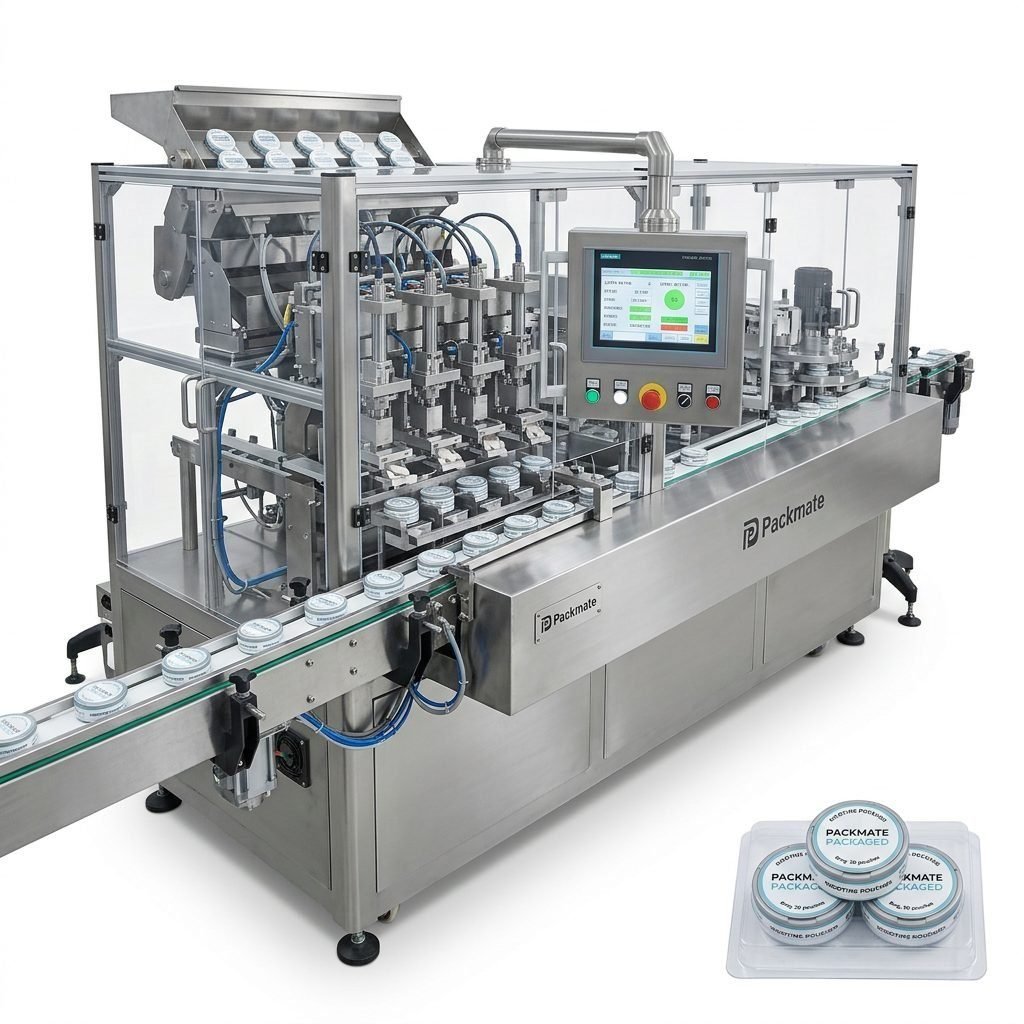
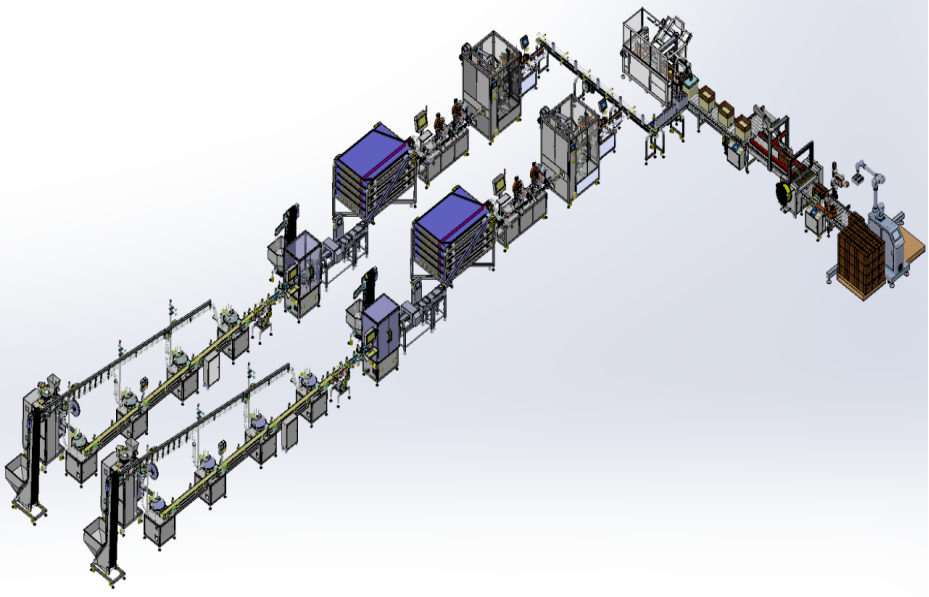
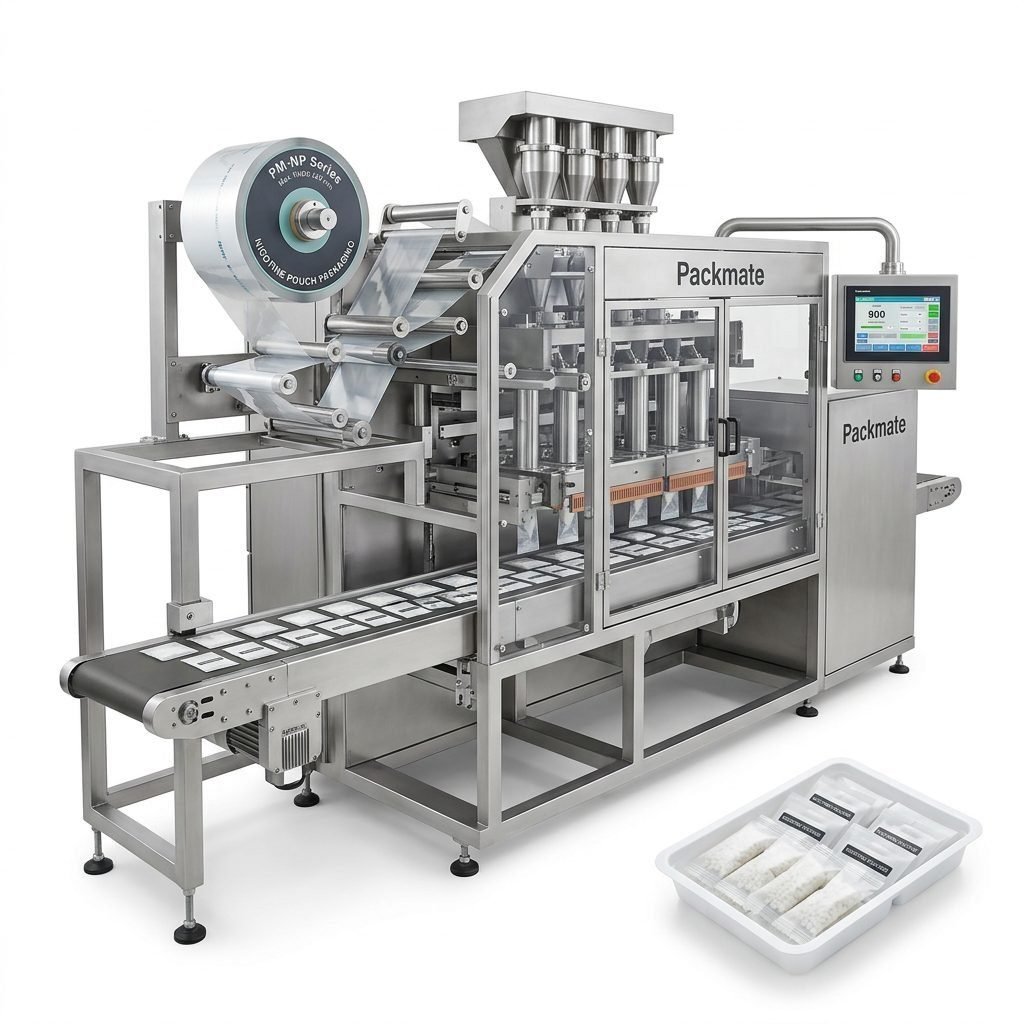
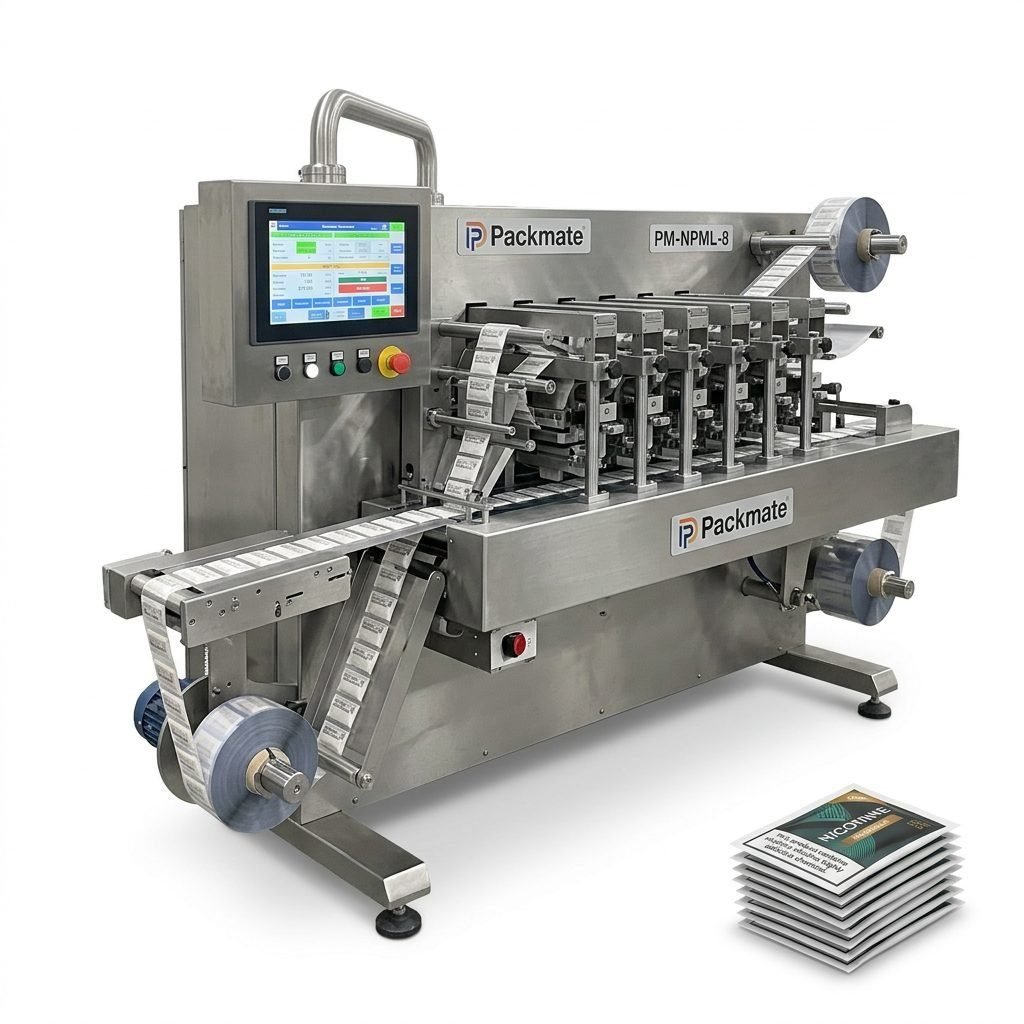
Evaluate whether the packaging line can integrate with weighing, metal detection, labeling, and cartoning equipment. Manufacturers that offer turnkey solutions reduce integration risk. For example, consider systems that combine high-precision dosing with automated multi-lane packaging to maximize output while maintaining consistency.
Quality, Certifications & Reliability
Reliability is non-negotiable. Machines that break frequently cost production time and reputation. Ask for:
- Proof of CE and ISO certifications to show international compliance.
- Factory acceptance tests (FAT) and machine run videos demonstrating continuous operation.
- References or case studies in similar markets — this gives insight into real-world uptime.
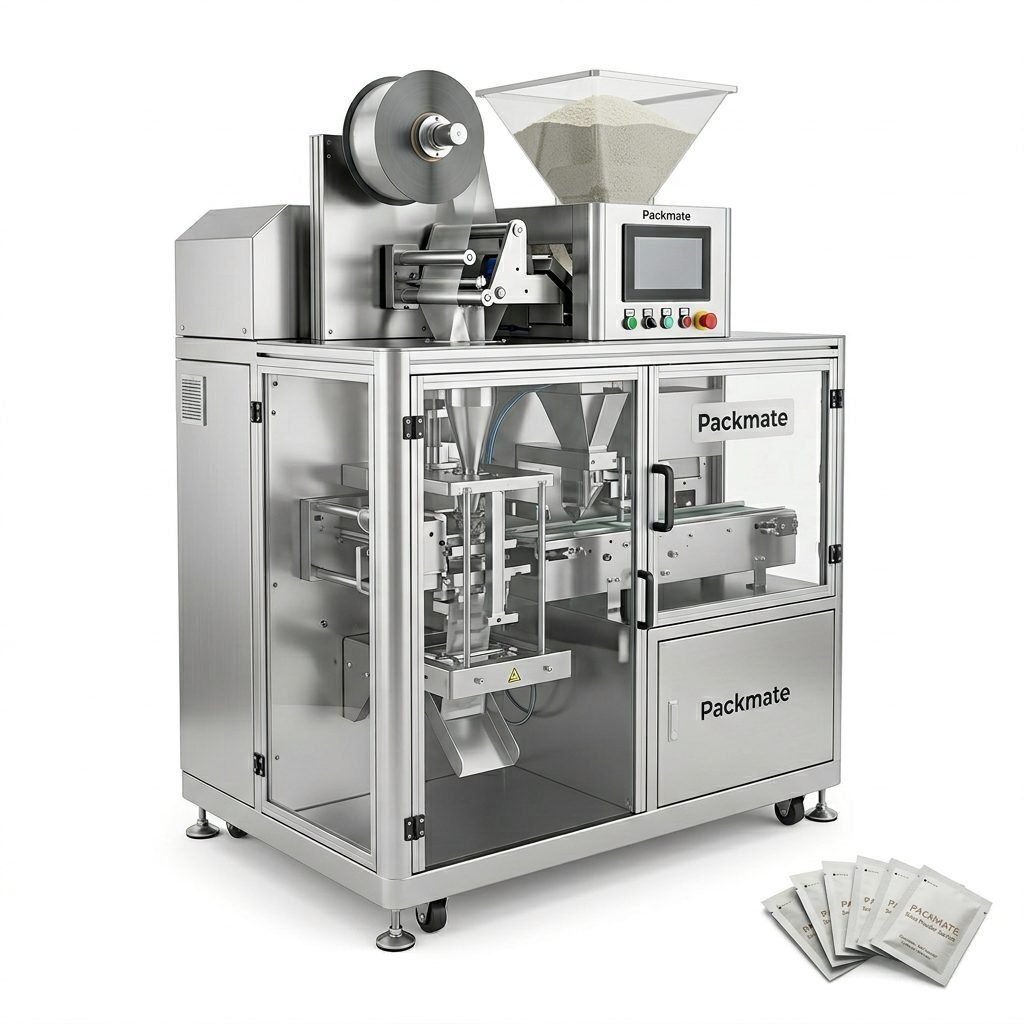
Packmate Snus Machine, with 30+ years of experience and CE/ISO-compliant equipment, is an example of a supplier that can meet export and regulatory needs. See product ranges such as Snus & Nicotine Packaging Machines and Sachet & Stick Pack Machines for versatile options.
Assess Factory Capacity & Customization Ability 🏭
A manufacturer with a strong workshop, CNC machining capability, and clear assembly lines is more likely to deliver quality and customization. Look for:
– Factory area and equipment: Larger facilities with precision CNC centers often produce more consistent parts and faster lead times.
– Custom engineering: Ability to tailor multi-lane systems, dosing heads, and pouch formats to local product requirements.
– Spare parts availability: A vendor with local warehouses or quick shipping options reduces downtime.
Packmate’s Factory Strength
With a 20,000㎡ manufacturing facility and advanced CNC machining centers, Packmate emphasizes precision assembly and rigorous quality control. Their experience supplying turnkey lines globally can shorten your learning curve and time-to-market. Explore sample lines and case examples on their Case page.
Service, Training & After-Sales Support 🔧
For operations in Nepal, responsive after-sales support is critical. Confirm whether the manufacturer provides:
- Local or regional technical partners for faster onsite troubleshooting.
- Remote support, PLC program backups, and spare parts kits with clear part numbers.
- Operator and maintenance training, including documentation in English and optionally Nepali.
A supplier with a clear Service policy and Contact channels ensures your Nepal operation can stay productive during peak seasons.
Total Cost of Ownership & ROI Analysis 💰
Upfront cost is only one part of the investment. Calculate the total cost of ownership (TCO) including:
- Initial purchase and installation fees
- Expected downtime and maintenance expenses
- Spare parts lead time and shipping to Nepal
- Energy consumption and consumable film costs
Compare TCO across suppliers. Machines with higher initial cost but lower downtime and faster line speeds often produce a better return over three to five years.
Factory Acceptance Tests & Supplier Evaluation Checklist ✅
Before finalizing any purchase, insist on:
- Factory Acceptance Test (FAT) demonstrating continuous run at target speed.
- Sampling: Real product samples produced and approved.
- Spare parts list, electrical diagrams, and PLC program delivered with the machine.
- Clear warranty, on-site installation plans, and training schedules.
Red flags to watch for
Be cautious if suppliers cannot provide verifiable references, refuse FATs, or lack standardized documentation. Also ask about machine traceability and whether critical parts are sourced from reputable brands.
Customization & Future Scalability
Your packaging needs may evolve — new pouch designs, flavors, or regulatory labels. Choose a manufacturer willing to co-develop customized solutions, upgrade to multi-lane formats, and add inline quality inspection systems.
Why a Global Supplier Can Be a Smart Choice
Global suppliers with export experience understand documentation, customs, and logistics for Nepal. They often provide more sophisticated engineering, documented compliance, and case studies from similar markets. Explore product lines such as Filling & Packaging Lines and Weighing & Packaging Systems to compare integrated solutions.
Quick checklist: throughput, accuracy, certification, FAT, spare parts, training, and local/regional support. A single vendor that can deliver turnkey lines reduces integration risk and speeds ramp-up.
Negotiation Tips & Contract Essentials 📝
Contracts should clearly define delivery schedules, acceptance criteria, warranty terms, spare parts lead times, and training scope. Negotiate payment milestones tied to FAT completion and successful installation in Nepal. Consider inclusive packages that cover installation, commissioning, and a short-term spare parts kit.
Final Selection: Aligning Technical Fit & Local Business Needs
The best manufacturer for your Nepal business will combine technical excellence with export experience, after-sales readiness, and adaptability to local consumer preferences. Prioritize long-term partnerships: a reliable supplier will help you scale, meet regulatory changes, and maintain product quality through seasonal demand cycles.
How Packmate Can Help
With over 30 years in packaging engineering, Packmate provides high-performance multi-lane systems for nicotine pouches and turnkey solutions that include weighing, filling, and auxiliary equipment. Learn more about their company credentials and global exhibitions on the About Packmate and Our Exhibition pages.
Conclusion
Selecting the best nicotine packaging machinery manufacturer in Nepal is a strategic decision that affects product quality, regulatory compliance, and business scalability. Focus on technical performance, certifications, service capabilities, and the supplier’s ability to adapt to local market customs. Conduct thorough FATs, request references, and evaluate total cost of ownership to make an informed choice. A global, experienced supplier can fast-track your entry and growth in Nepal’s evolving market.
Frequently Asked Questions
Q1 🔎 What certifications should I insist on for nicotine packaging machines?
A: Request CE and ISO certifications as a baseline. Also verify electrical safety documentation, material contact certificates (for food-grade components), and export documentation for Nepal customs clearance.
Q2 📦 How important is local support and spare parts availability?
A: Very important. Fast access to spare parts and technicians reduces downtime, especially during festival-driven demand peaks. Prioritize vendors with regional partners or fast international shipping for critical components.
Q3 ⚙️ Should I buy a single high-speed line or multiple smaller lines for Nepal?
A: Consider your product mix and seasonality. Multiple flexible lines offer resilience for varied SKUs and smaller batches, while a high-speed multi-lane line is ideal for steady high-volume SKUs with strict weight control needs.
Q4 🧾 How can I ensure smooth customs clearance when importing machines to Nepal?
A: Work with a supplier that provides complete documentation (packing list, commercial invoice, CE/ISO certificates, user manuals). Engage a customs broker experienced in machinery imports to advise on duties and necessary permits.
Q5 🤝 Where can I see real-world examples of packaging lines before deciding?
A: Ask suppliers for case studies, factory demonstration videos, and references in similar markets. Packmate’s Case section showcases global turnkey solutions and real installations you can review.