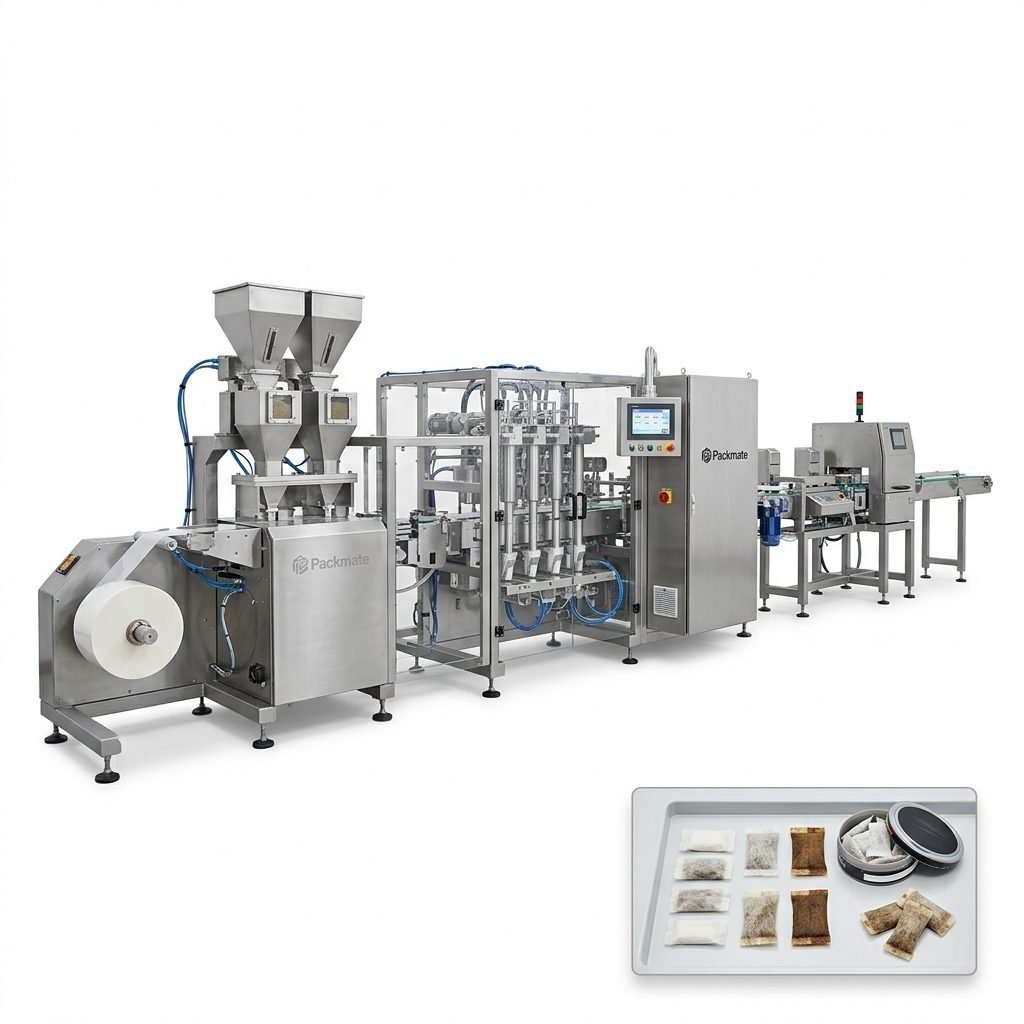
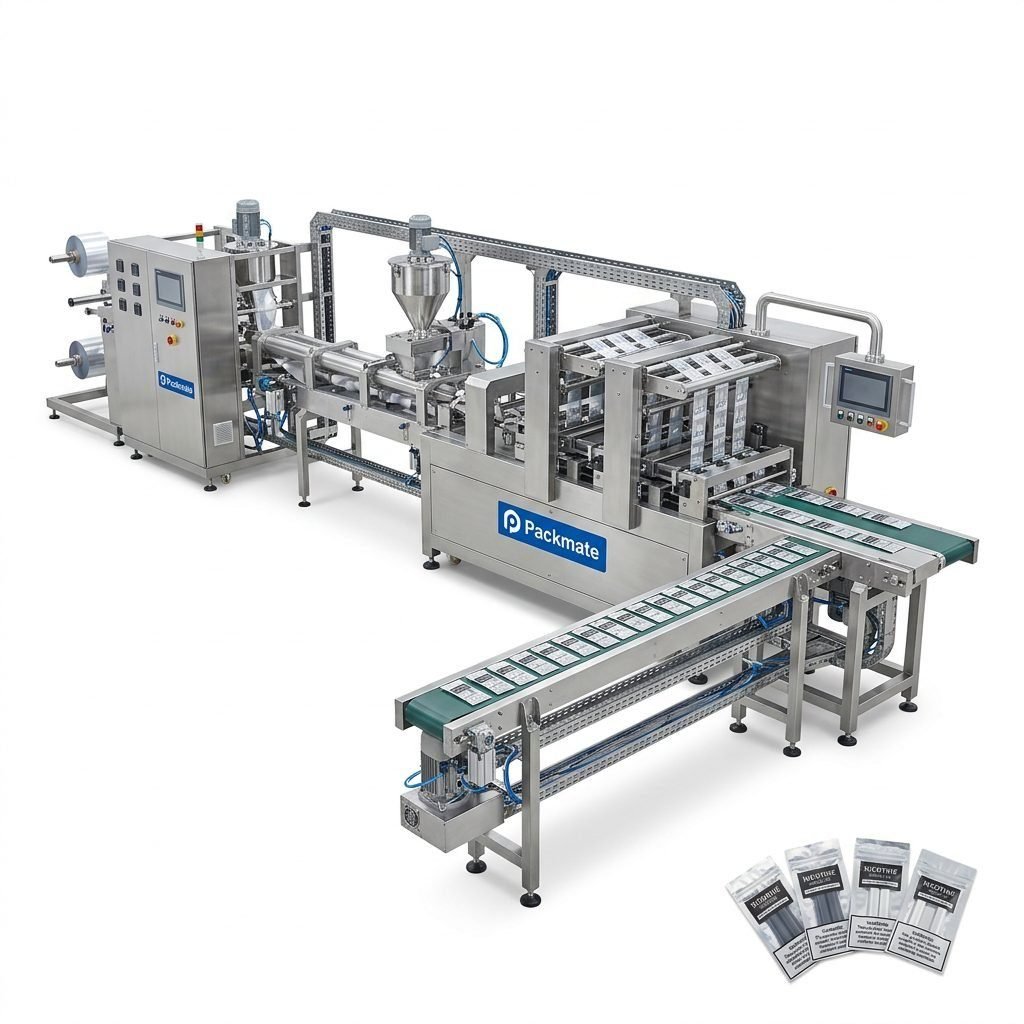
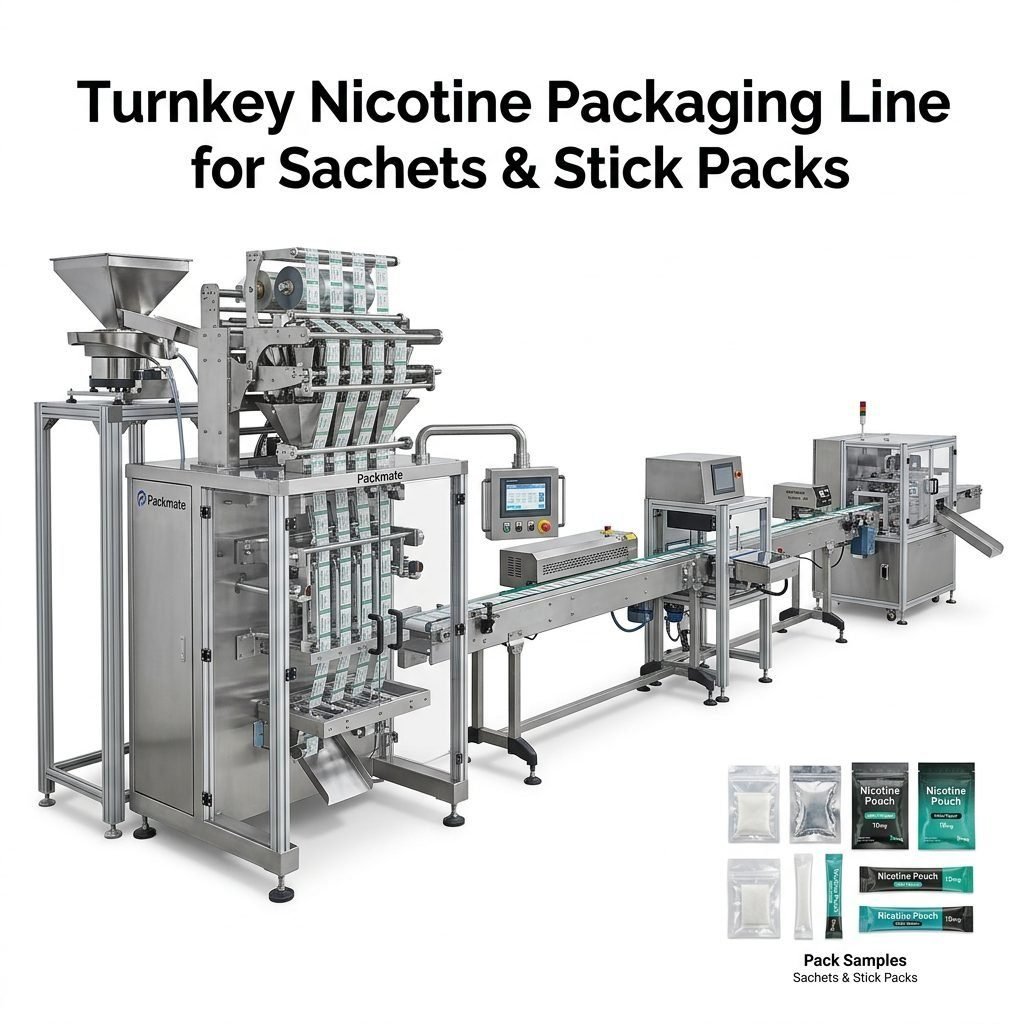
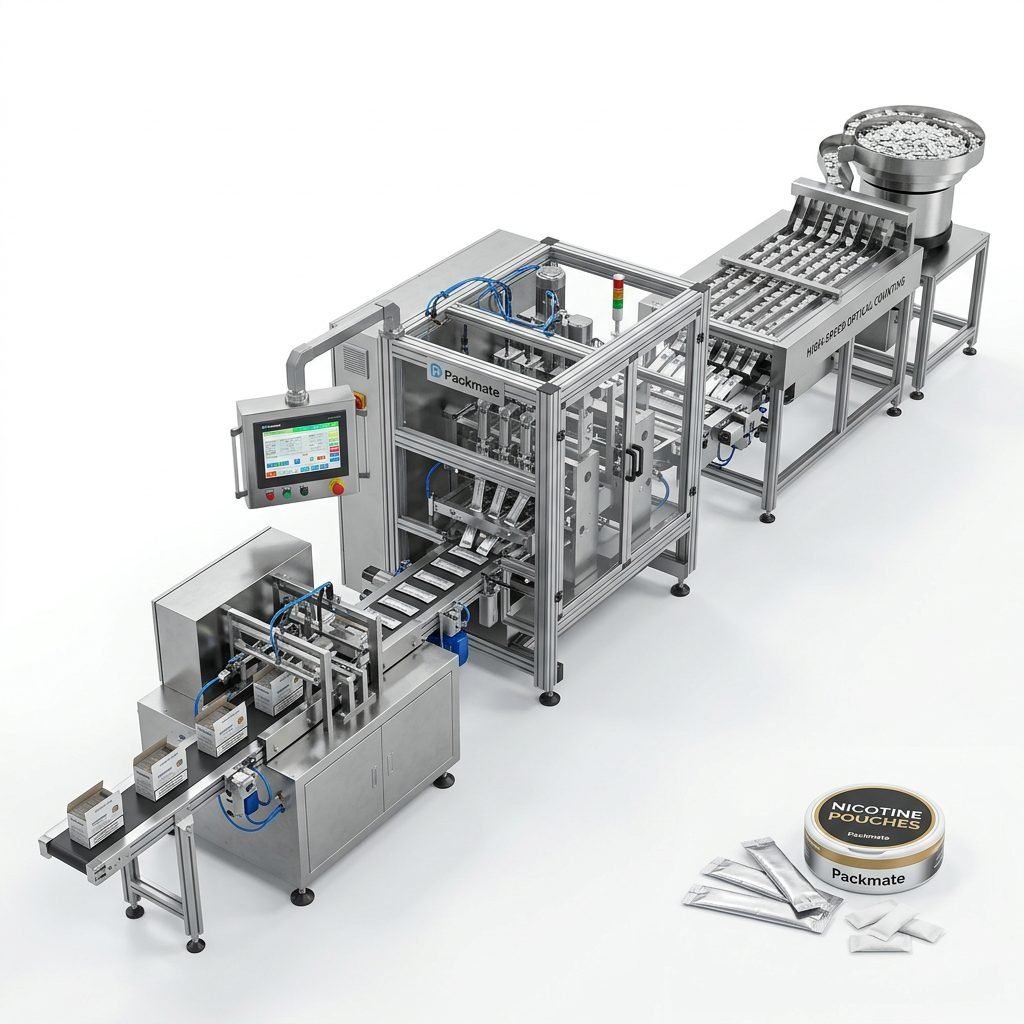
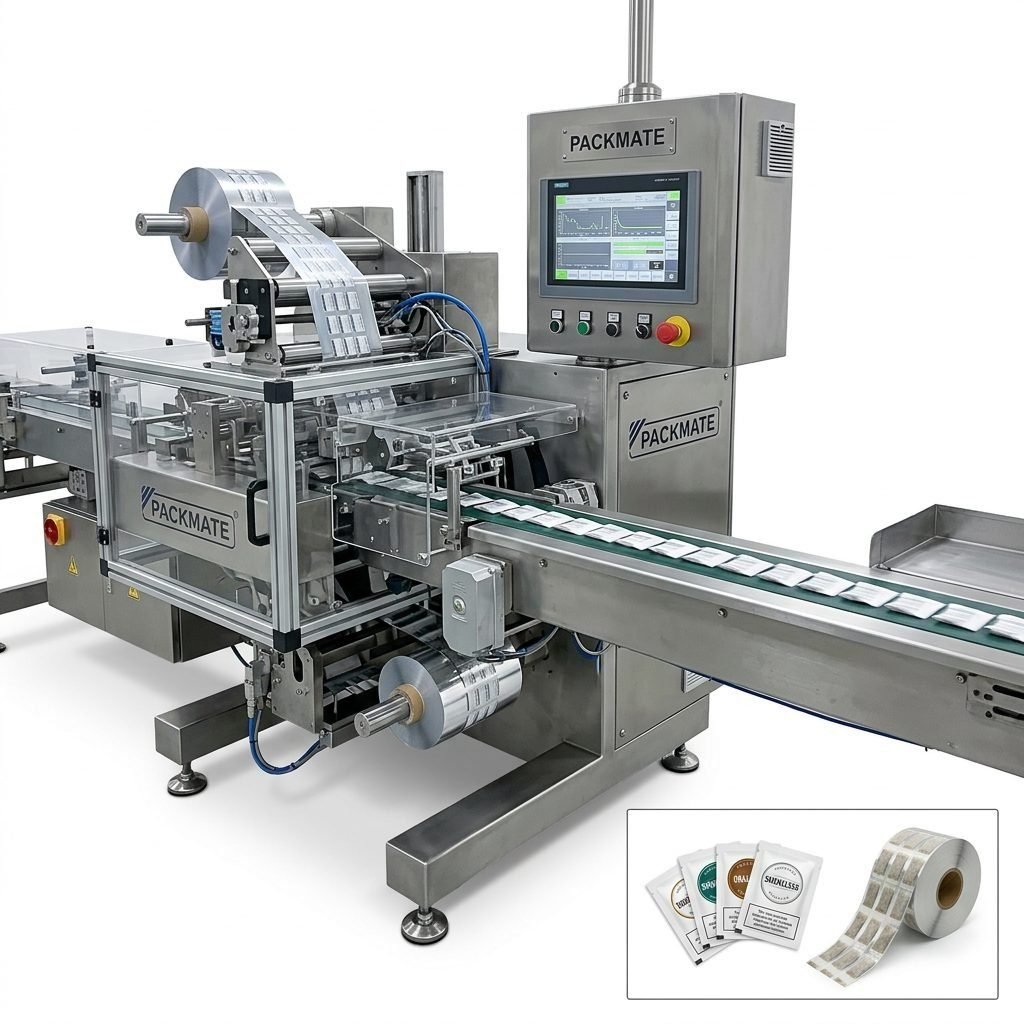
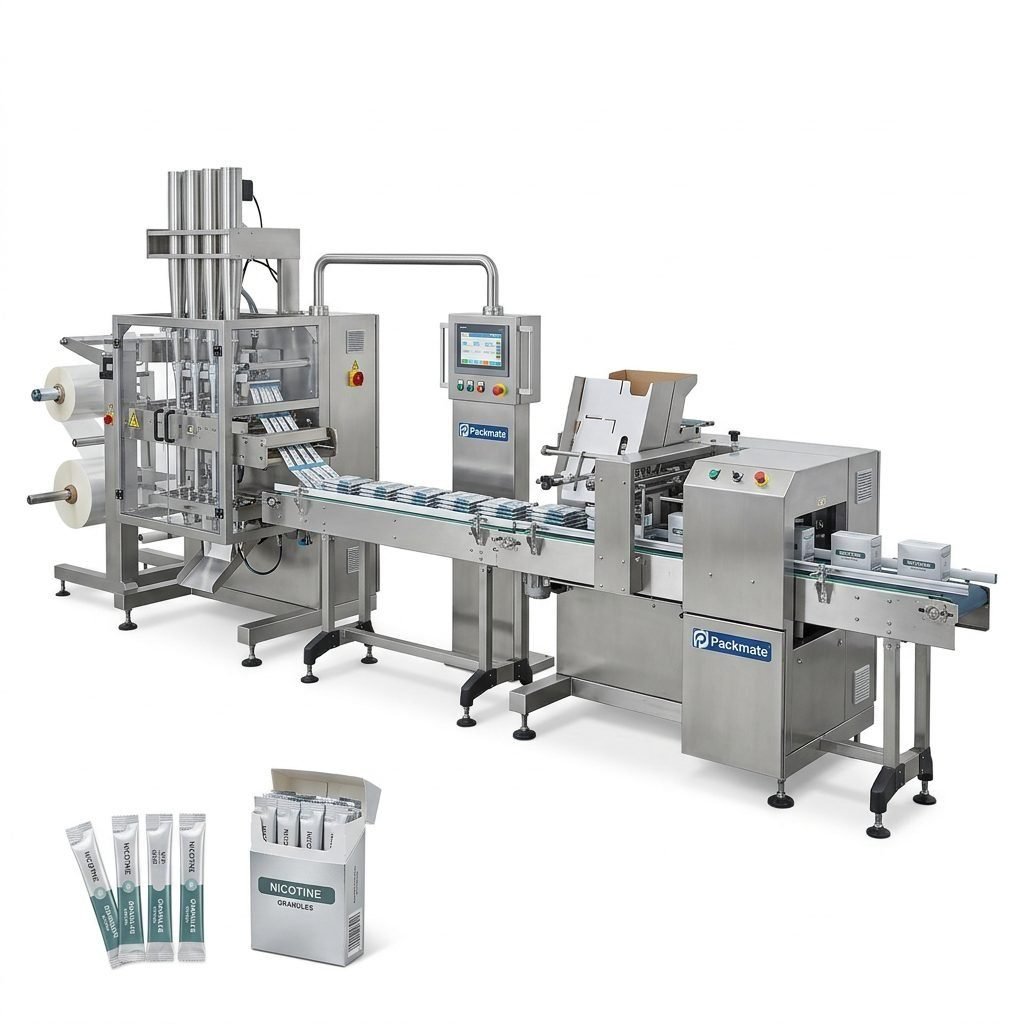
In today’s competitive snus and nicotine pouch market, manufacturers are under increasing pressure to reduce operational costs and lower environmental impact. A Low Power Snus Production Line can deliver significant advantages by combining advanced mechanical design, smart controls, and optimized process flows to reduce energy consumption without compromising output or product quality.
Why Low Power Matters for Snus Manufacturing
Energy costs represent a substantial portion of a factory’s operating budget. For plants producing snus, nicotine pouches, or similar small-dose pouch products, inefficient packaging lines can waste electricity through overpowered motors, excessive pneumatic use, and outdated control systems. Adopting a low power production line helps reduce those costs, improves sustainability metrics, and often enhances machine longevity.
⚡ Key advantage: A modern low power design can cut energy usage by up to 20-40% compared with legacy lines, depending on production profile and local energy prices.
Core Components of an Energy‑Efficient Snus Production Line
Designing a low power line requires attention to mechanical, electrical, and pneumatic systems. Key components include:
• High-efficiency servo drives that replace older induction motors to reduce energy draw during acceleration and deceleration.
• Intelligent PLC and HMI integration that optimize machine cycles, standby modes, and fault recovery to avoid wasted run time.
• Optimized pneumatic systems with leak detection, pressure regulation, and on-demand actuation instead of continuous supply.
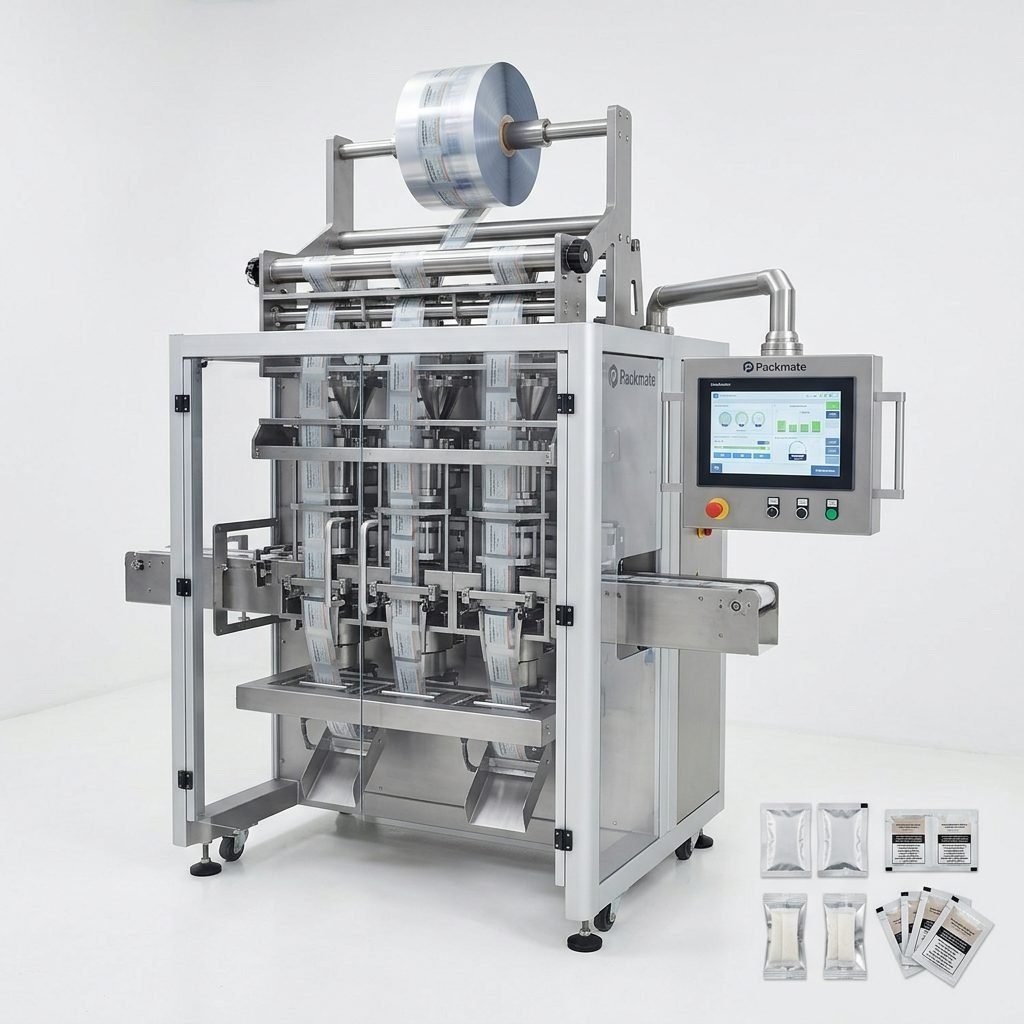
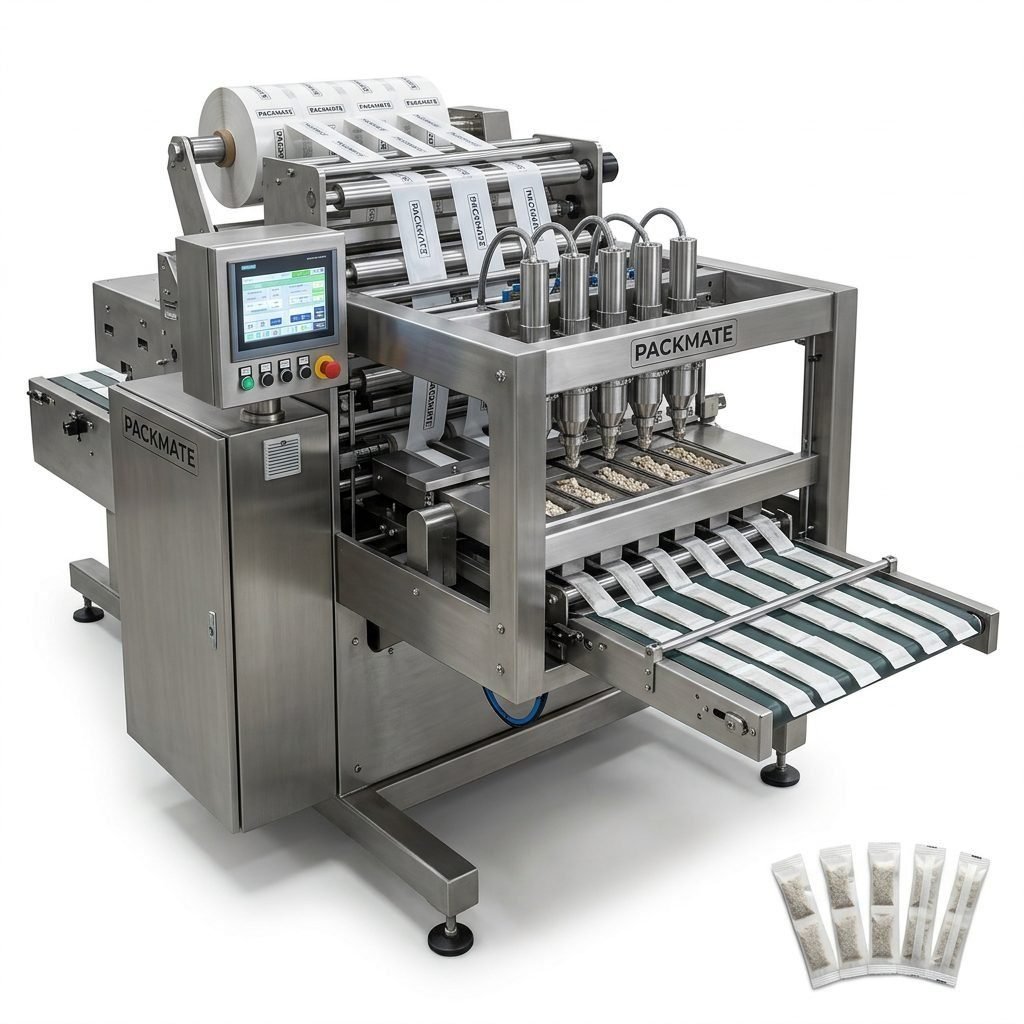
• Modular multi-lane architectures that run only the required lanes for current output, saving power when full capacity isn’t needed.
📌 Design tip: Choose machines that allow lane-by-lane shutdown and intelligent sleep modes to match variable production schedules.
Packmate’s Approach to Low Power Snus Lines
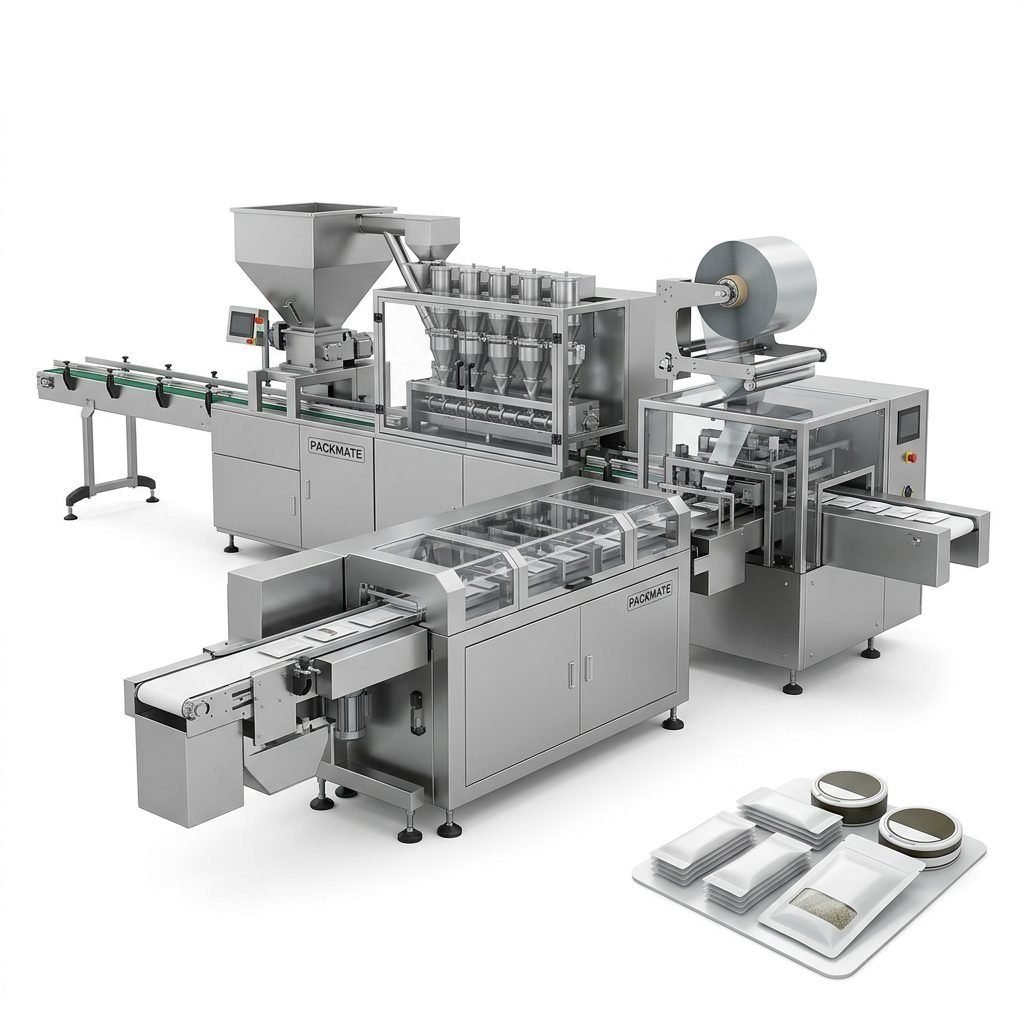
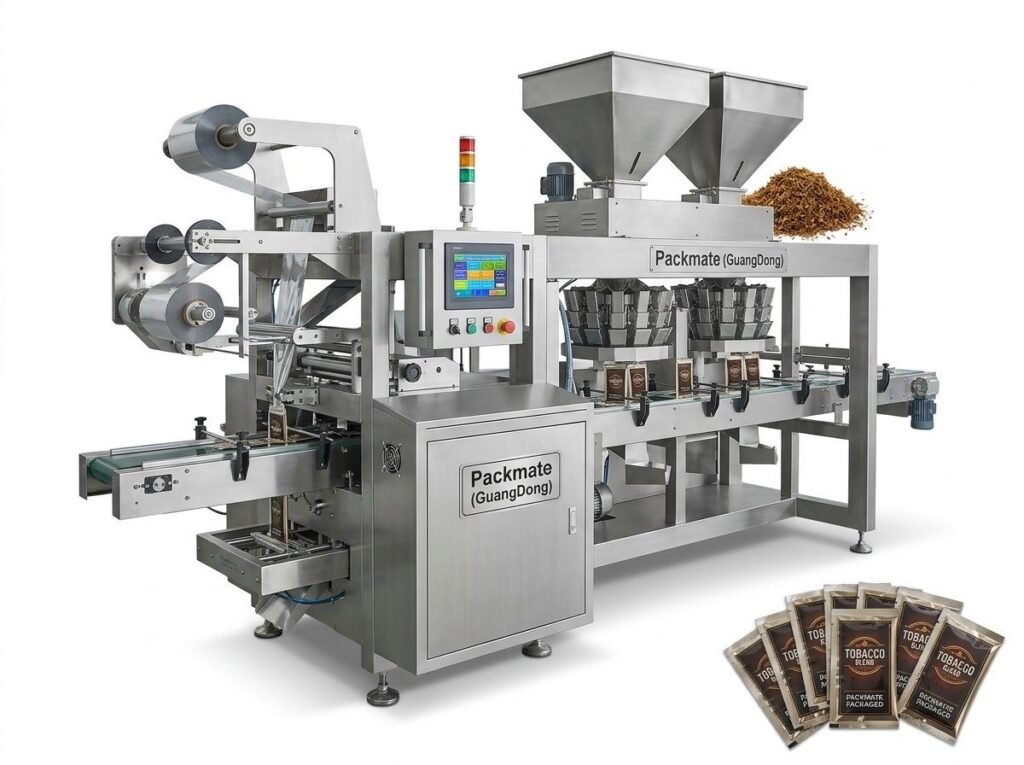
With over three decades of engineering experience, Packmate Snus Machine emphasizes precision mechanics and efficient automation. Our solutions combine compact mechanical layouts, advanced CNC-manufactured components, and electronic controls designed for low consumption and high uptime. Explore our product families such as the Snus & Nicotine Packaging Machines to see models tailored for small-dose pouch production.
Energy-Saving Technologies Explained
Several technologies play a crucial role in reducing energy consumption across a production line:
• Regenerative drives and energy recovery capture kinetic energy during deceleration and feed it back into the system.
• Smart standby and wake-up routines put motors and heaters into low-power states when idle, with predictable wake-up to preserve throughput.
• Variable-frequency drives (VFDs) for pumps and fans that match power to demand instead of fixed-speed operation.
• Advanced sensors and machine vision to reduce rework and jam-related energy spikes by detecting errors early.
Feature Spotlight: Multi‑Lane Efficiency
For many snus producers, demand fluctuates daily or weekly. Packmate’s multi-lane systems allow operators to run only the active lanes, minimizing the number of motors and actuators in use. This approach dramatically lowers instantaneous power draw while maintaining the ability to scale up quickly during peak demand.
🔧 Operational benefit: Lane control can reduce idle-line consumption by more than half in many mixed-volume operations.
Practical ROI: How Energy Savings Translate to Profit
Investing in energy-efficient packaging equipment is not just environmentally responsible — it is financially sound. Lower energy bills, reduced cooling load, and fewer breakdowns typically yield a payback period that many operations find attractive. Factors that affect ROI include local energy tariffs, production hours, and labor costs.
Packmate’s turnkey lines are engineered to deliver predictable performance. You can review real-world installations in our Case studies to estimate savings and throughput improvements for your facility.
Compliance, Certifications and Global Standards
Regulatory compliance is essential for manufacturers supplying multiple markets. All Packmate equipment is built to international standards and carries CE and ISO compliance to meet safety and quality requirements. Being compliant helps avoid costly retrofits and ensures machines are accepted across regulated markets.
Customization: Matching the Line to Local Practices
Different regions have unique habits and regulatory environments surrounding nicotine products. For instance, in Northern Europe where snus has cultural prominence, manufacturers often require high-volume multi-lane systems with tight portion control. In markets with stricter packaging and labeling rules, lines must be adapted for additional printing, serialization, or tamper-evident features. Packmate offers tailored solutions and global support; learn more About Packmate.
Installation, Training and After‑Sales Service
A low power line is most effective when integrated correctly. Proper alignment, pneumatic calibration, and electrical commissioning maximize efficiency from day one. Packmate supports installations with on-site commissioning, operator training, and service plans to keep machines running at peak efficiency. For service inquiries, you can contact our team via the Contact Us page.
✅ Pro tip: Schedule predictive maintenance and monitor energy patterns to spot inefficiencies before they impact production.
Selecting the Right Low Power Line for Your Facility
When evaluating suppliers and models consider:
• Throughput flexibility — ability to scale lanes and speeds to match demand.
• Energy monitoring — built-in meters and analytics for continuous improvement.
• Service and parts availability — ensure local support and spares to minimize downtime.
• Compliance and documentation — CE, ISO, and proper technical manuals for audits and inspections.
Complementary Equipment and Systems
To maximize energy efficiency across the entire production chain, consider pairing your low power snus line with optimized upstream and downstream equipment:
• Weighing and dosing systems with high-accuracy feeders to reduce rejects — see our Weighing & Packaging Systems.
• Efficient pouch formation modules that minimize heat and seal time, lowering heater power draw.
• Automated case packers and palletizers with VFD-driven conveyors and optimized motion profiles.
Real-World Example
A mid-size European snus producer replaced aging stick-pack and sachet equipment with a Packmate low power multi-lane system. After commissioning and fine-tuning, they reported:
• 30% reduction in average line energy consumption
• 12% increase in effective throughput due to fewer stoppages and faster changeovers
• Short payback period driven by lower power bills and reduced maintenance costs
Next Steps for Manufacturers
If you are evaluating an upgrade or greenfield project, begin with a site energy audit and production forecast. That data helps determine whether a modular low power line or a full turnkey solution is most appropriate. For detailed product options and tailored proposals, Packmate’s product pages and catalogs are a useful starting point — see our Bag & Pouch Packaging Machines and Sachet & Stick Pack Machines.
Summary
Transitioning to a low power snus production line is a strategic investment that reduces operational expense, supports sustainability goals, and improves overall production reliability. By choosing modern drives, intelligent control systems, modular lanes, and supportive after-sales service, manufacturers can achieve measurable savings while preparing for future growth.
Frequently Asked Questions
Q1: How much energy can I realistically save by upgrading to a low power line?
A1: Savings vary by installation, but many operators report reductions between 20% and 40% compared to older equipment. The exact figure depends on production schedules, machine utilization, and the technologies implemented (e.g., VFDs, servo motors, lane control).
Q2: Will energy-efficient machines affect product quality or throughput?
A2: Properly designed low power systems maintain or improve product quality and can increase effective throughput by reducing downtime and improving control precision. It’s important to work with experienced manufacturers who validate performance under real production conditions.
Q3: Are there additional costs for installing these energy-saving technologies?
A3: Upfront costs may be higher for advanced drives and control systems, but the payback period is typically short due to energy savings, lower maintenance, and fewer production losses. Total cost of ownership is the key metric to evaluate.
Q4: Does Packmate offer turnkey solutions and local support?
A4: Yes. Packmate provides turnkey lines, installation, training, and after-sales service. For more information on services and exhibitions, visit our Service and Our Exhibition pages.
Q5: How can I get a tailored quote for my factory?
A5: Share your production targets, current energy usage, and desired features with Packmate via the Contact Us page to receive a customized proposal and expected ROI analysis.