Choosing the right snus packaging machinery in Nigeria requires balancing cost, reliability, and local market needs. This practical buyer’s guide will walk you through technical requirements, machine types, production planning, and after-sales considerations tailored to Nigerian climate conditions, distribution channels, and consumer habits. Whether you are launching a nicotine pouch brand or upgrading an existing line, this article helps you make an informed decision that protects product quality and your bottom line.
Understanding the Nigerian Snus Market and Local Habits
Nigeria’s consumer landscape is diverse: coastal and southern regions show urban consumption trends, while northern areas may have different preferences due to cultural and religious factors. There is a growing interest in discreet nicotine products among young urban professionals, which favors compact pouch formats and attractive retail-ready packages. Keep in mind the country’s hot and humid climate, which affects packaging material selection and machine requirements for moisture control.
Key local factors to consider: high ambient humidity, fluctuating power supply in some regions, prevalence of informal retail channels, and cost-sensitive buyers who value efficient production and low labor intensity.
Why humidity and temperature matter
Heat and moisture can degrade nicotine pouches and compromise seal integrity. Machines with controlled sealing temperatures, quick processing to minimize dwell time, and packaging materials with strong barrier properties (e.g., multi-layer laminates) are essential. Choose systems that allow easy parameter adjustment for local environmental conditions.
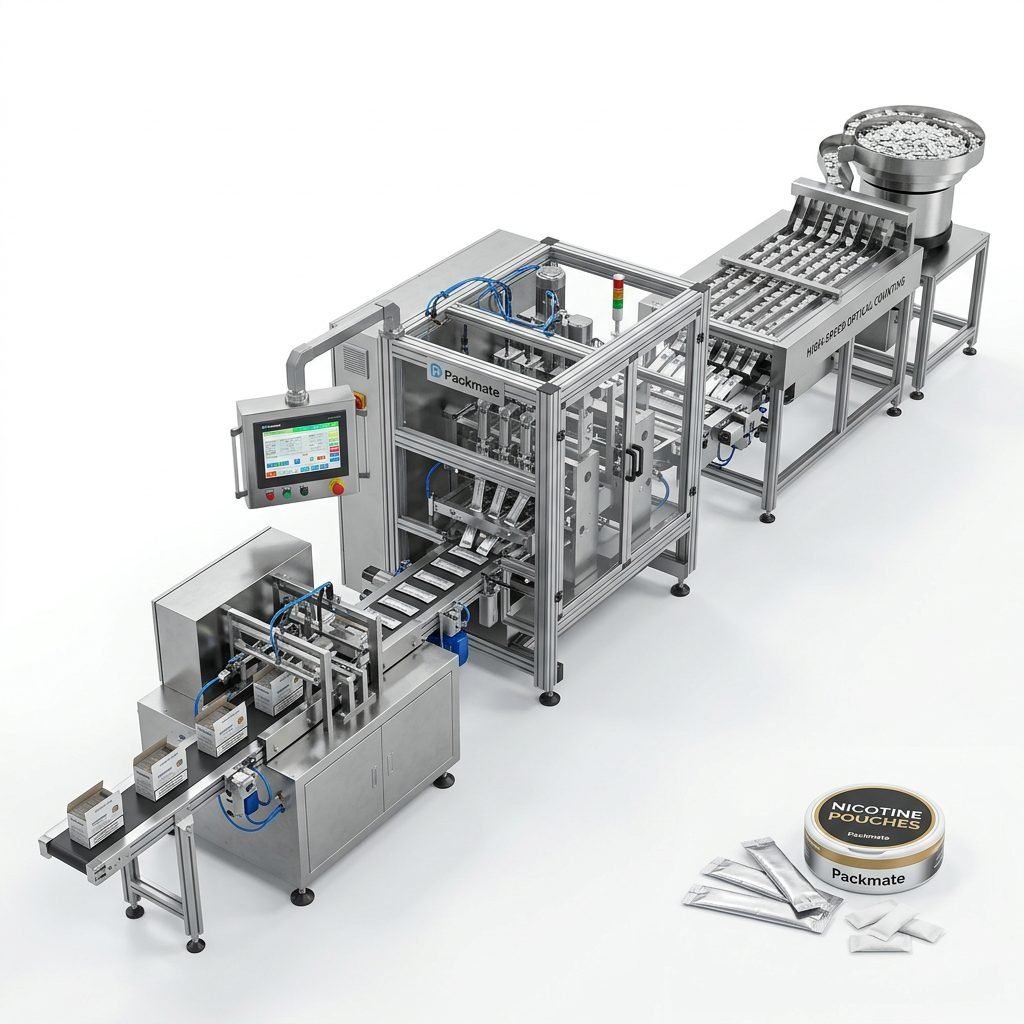
Types of Snus Packaging Machines and Their Applications
Different production goals require different equipment. Below are common machine types and recommended scenarios for Nigerian operations.
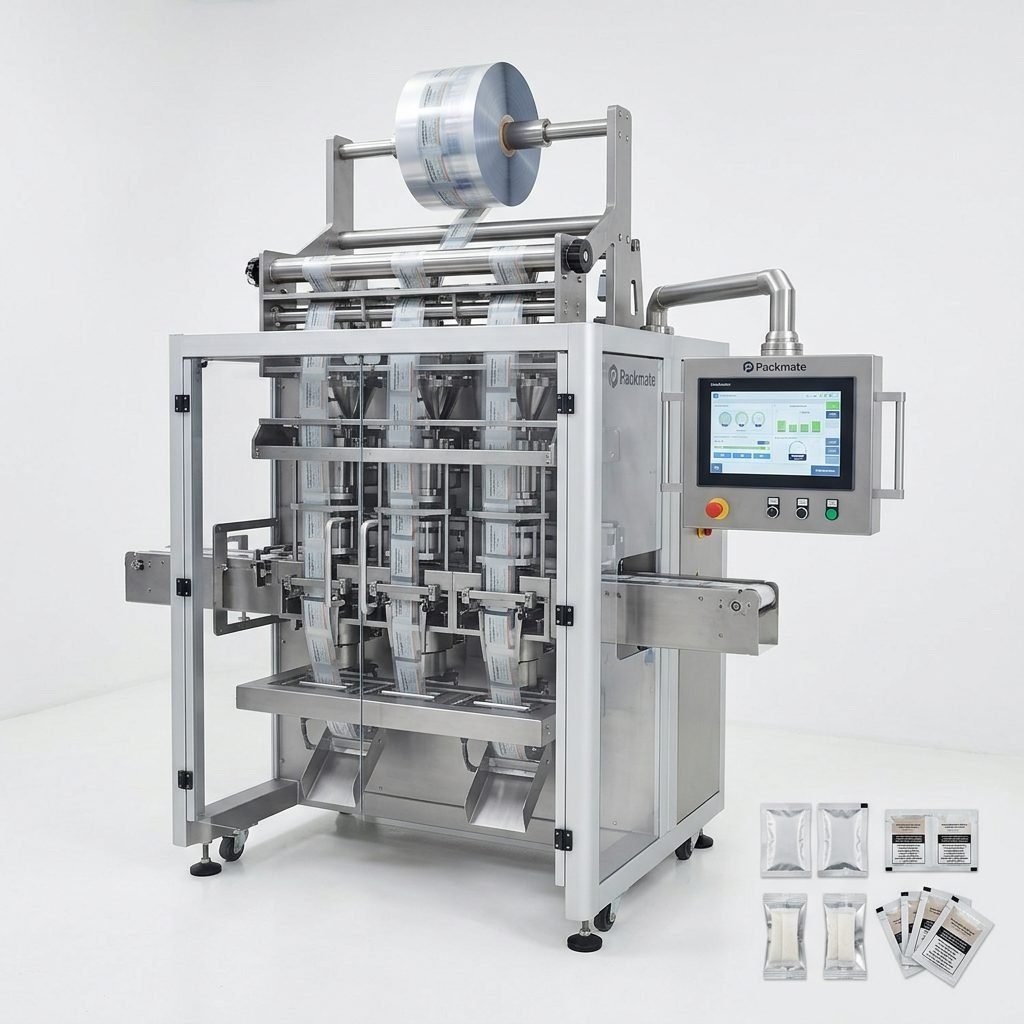
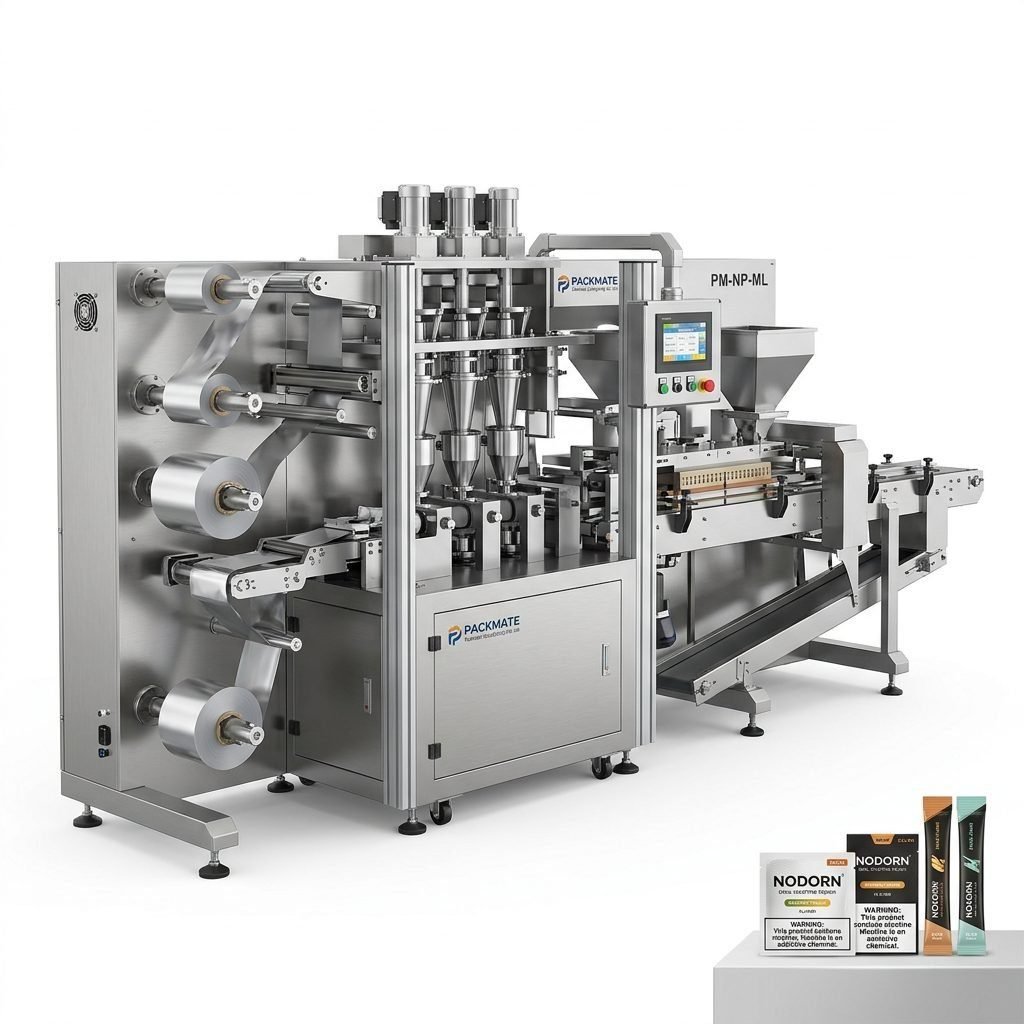
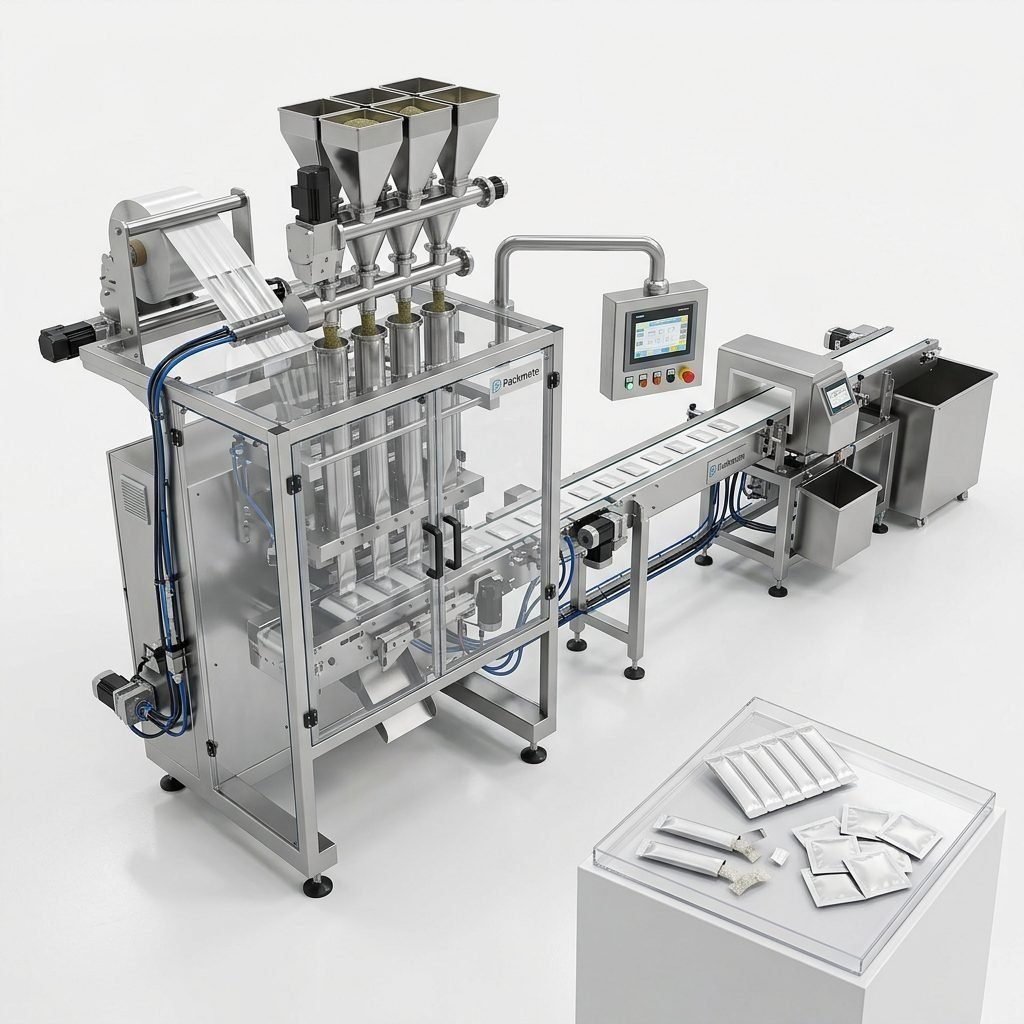
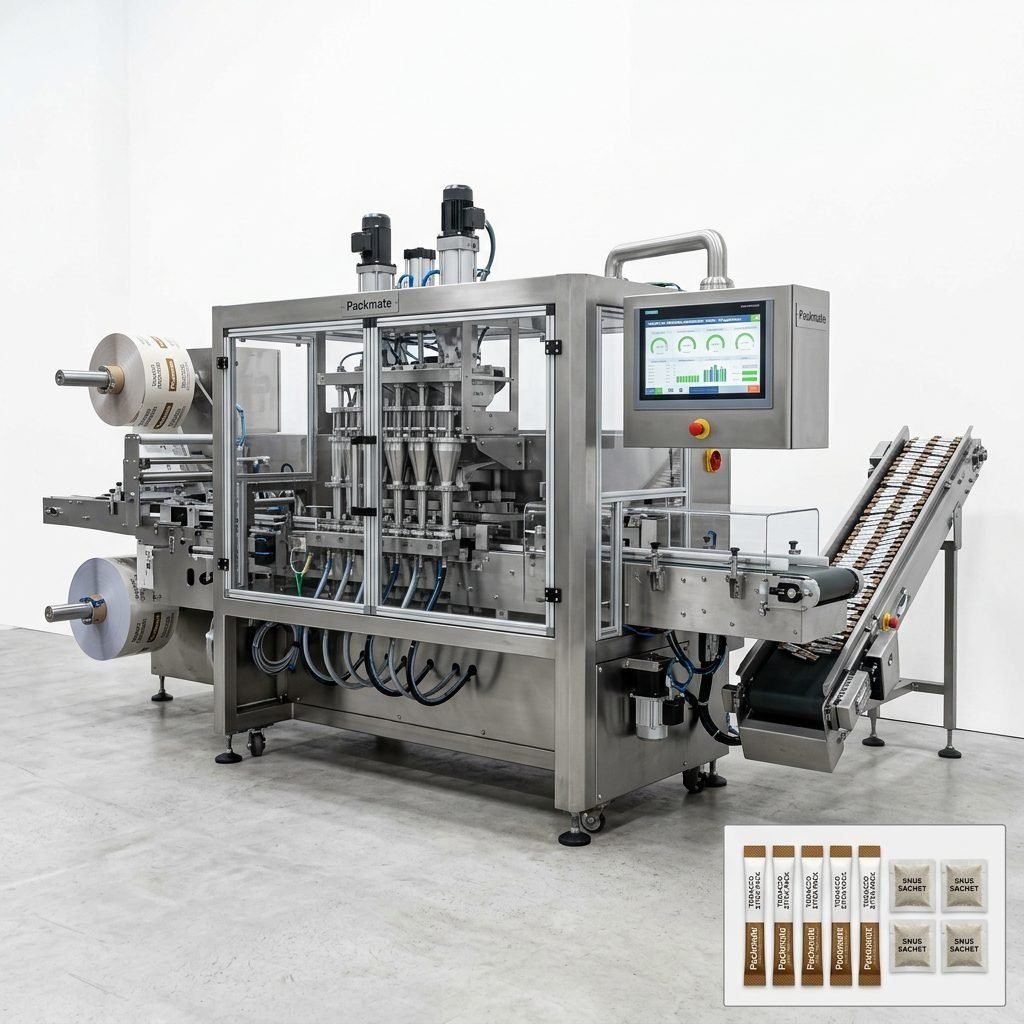
Stick Pack Machines
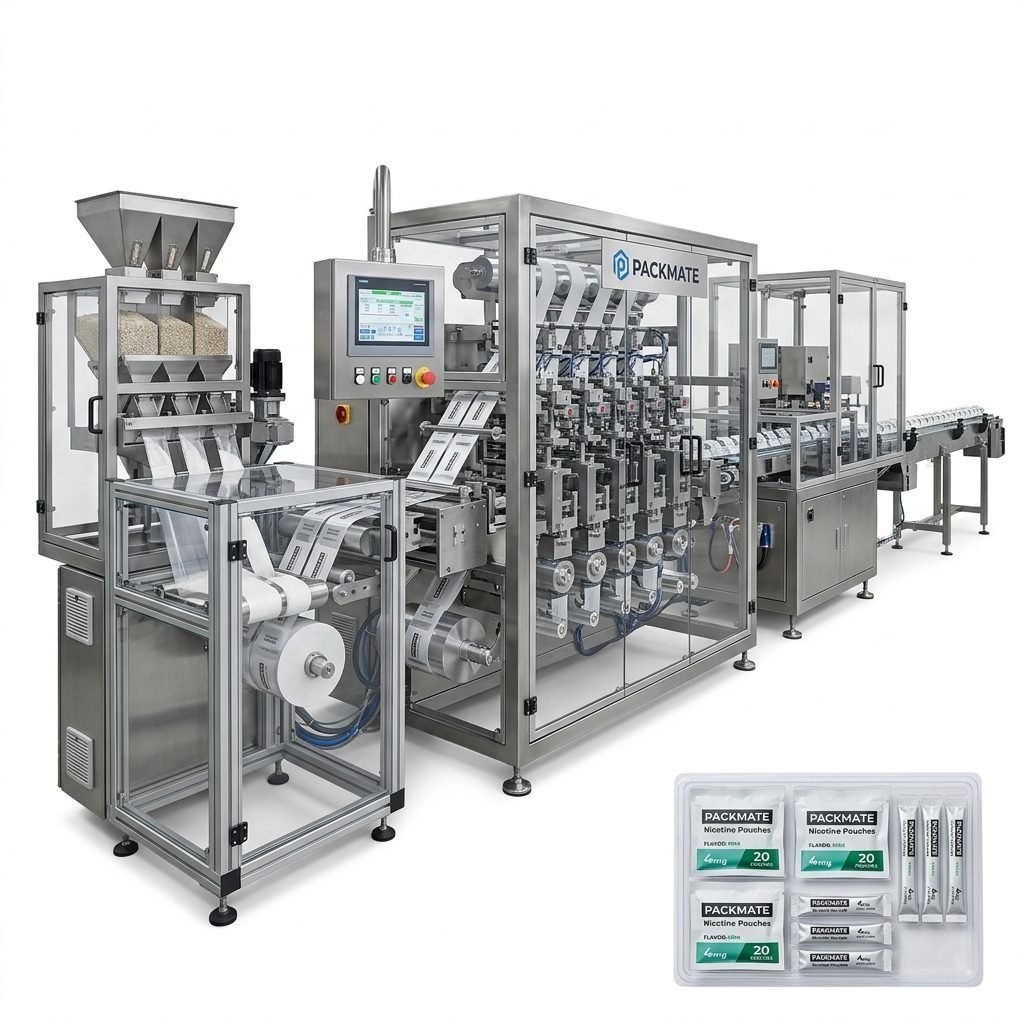
Stick packs are ideal for single-dose nicotine pouches and are popular where convenience and discretion are valued. These machines are compact, have moderate speed ranges, and are suitable for startups and medium-scale producers.
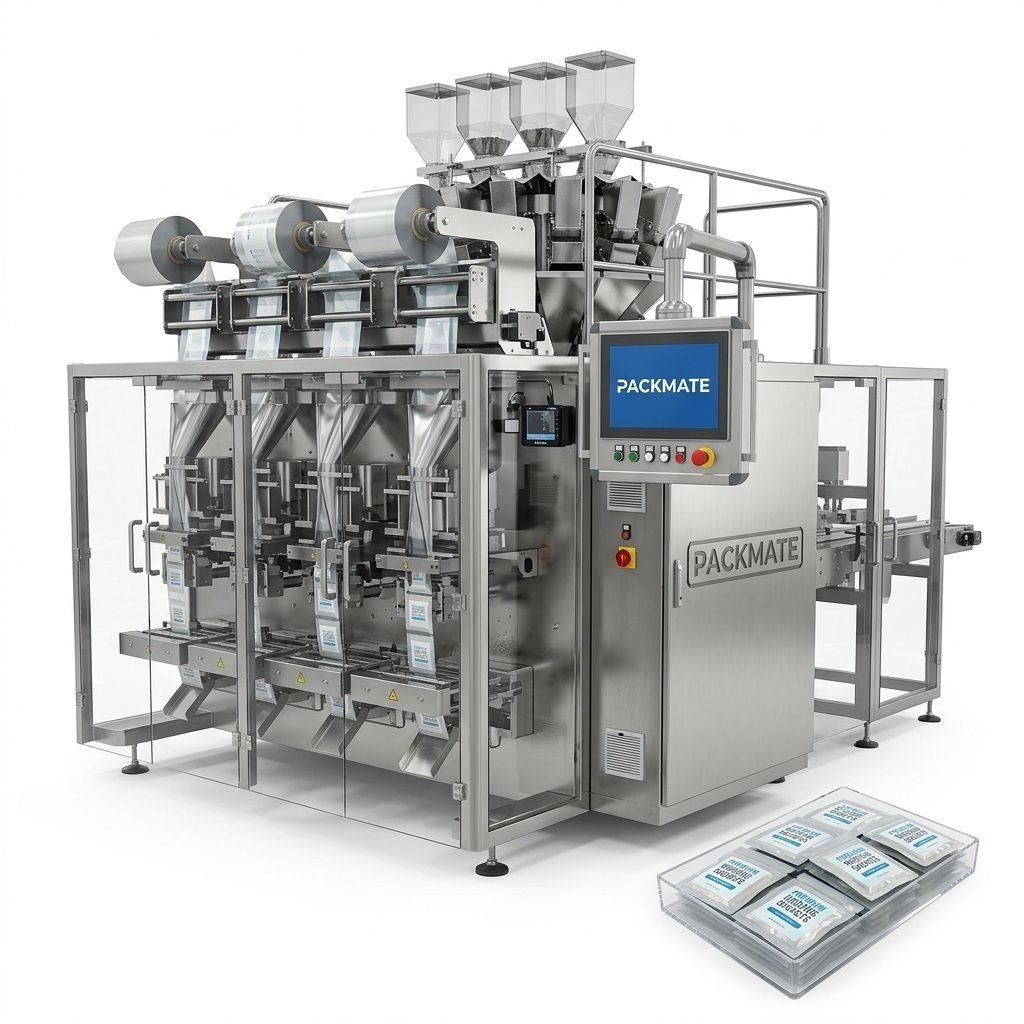
Sachet & Pouch Machines
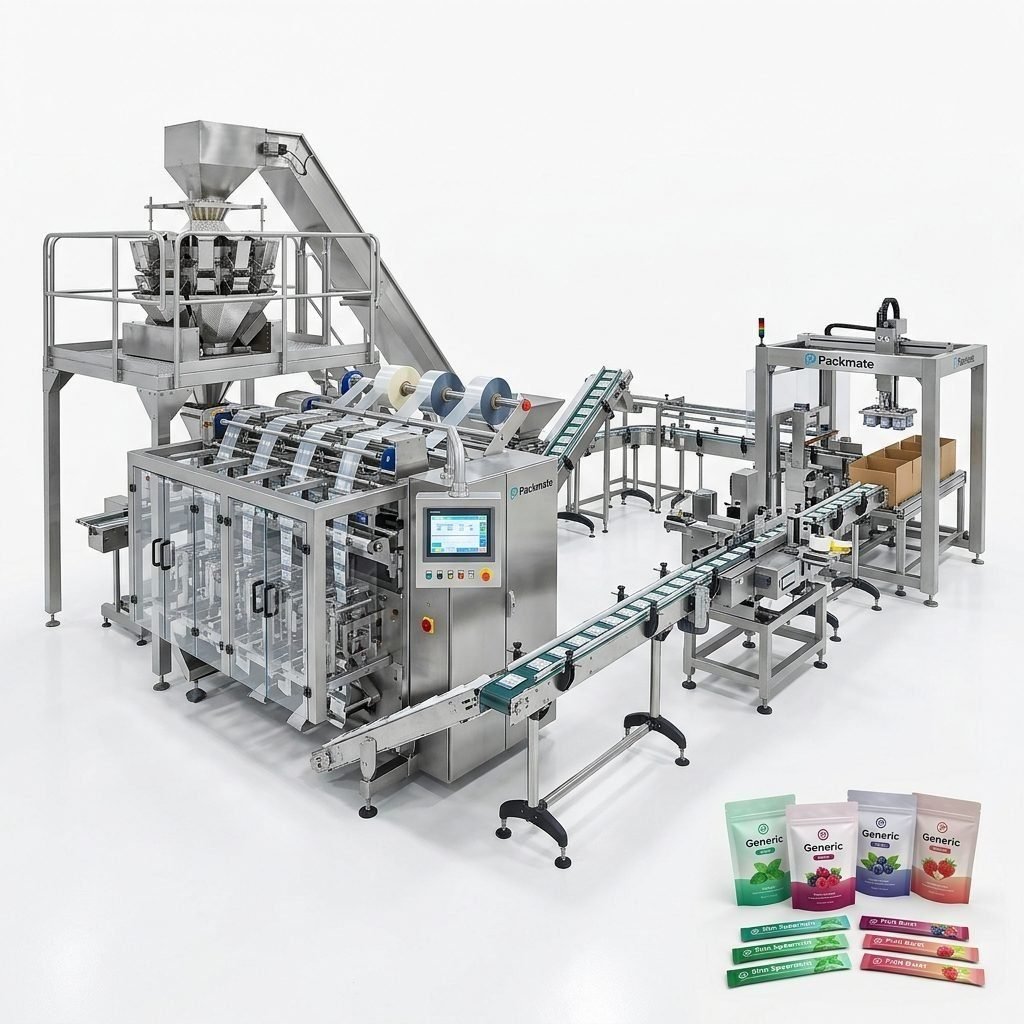
Sachet and pillow packs offer varied shapes and are cost-effective. They can be produced on vertical or horizontal form-fill-seal systems. For brands in Nigeria targeting extensive retail networks, sachet packaging provides visibility and logistic ease.
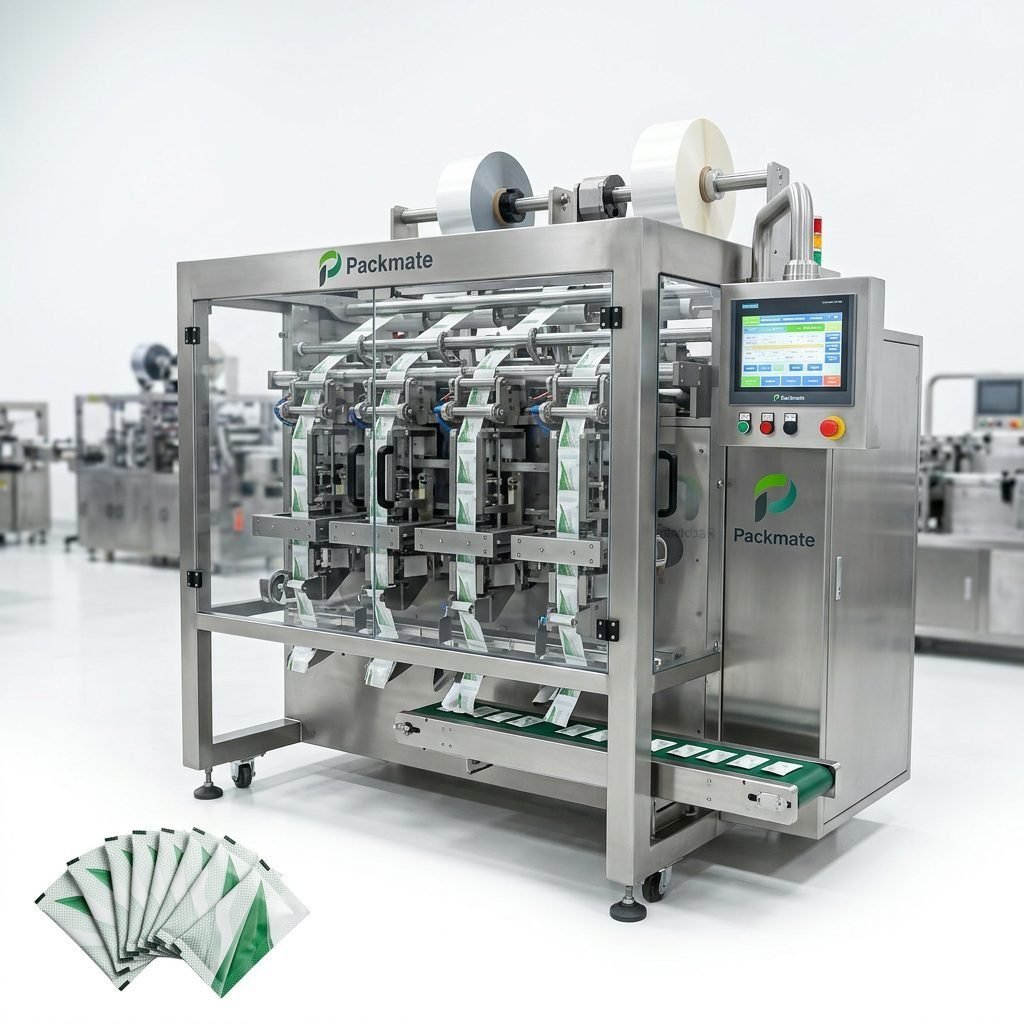
Multi-Lane Systems for High Output
If you plan to scale quickly or supply regional distributors, multi-lane machines greatly increase throughput while maintaining small-dose consistency. These systems reduce per-unit labor and help control quality across lanes.
🔍 Practical tip: For Nigeria, consider multi-lane equipment only if you have secured distribution channels or export plans. Otherwise, a versatile single-lane stick or sachet machine may be more cost-effective.
Technical Specifications to Prioritize
Selecting the right machine involves matching machine specs to your product and operational realities.
Sealing technology and materials compatibility
Choose machines that support heat sealing and can handle multi-layer laminates with high barrier properties. Devices with adjustable seal temperature and dwell time help maintain package integrity across seasonal temperature shifts.
Filling accuracy and dosing systems
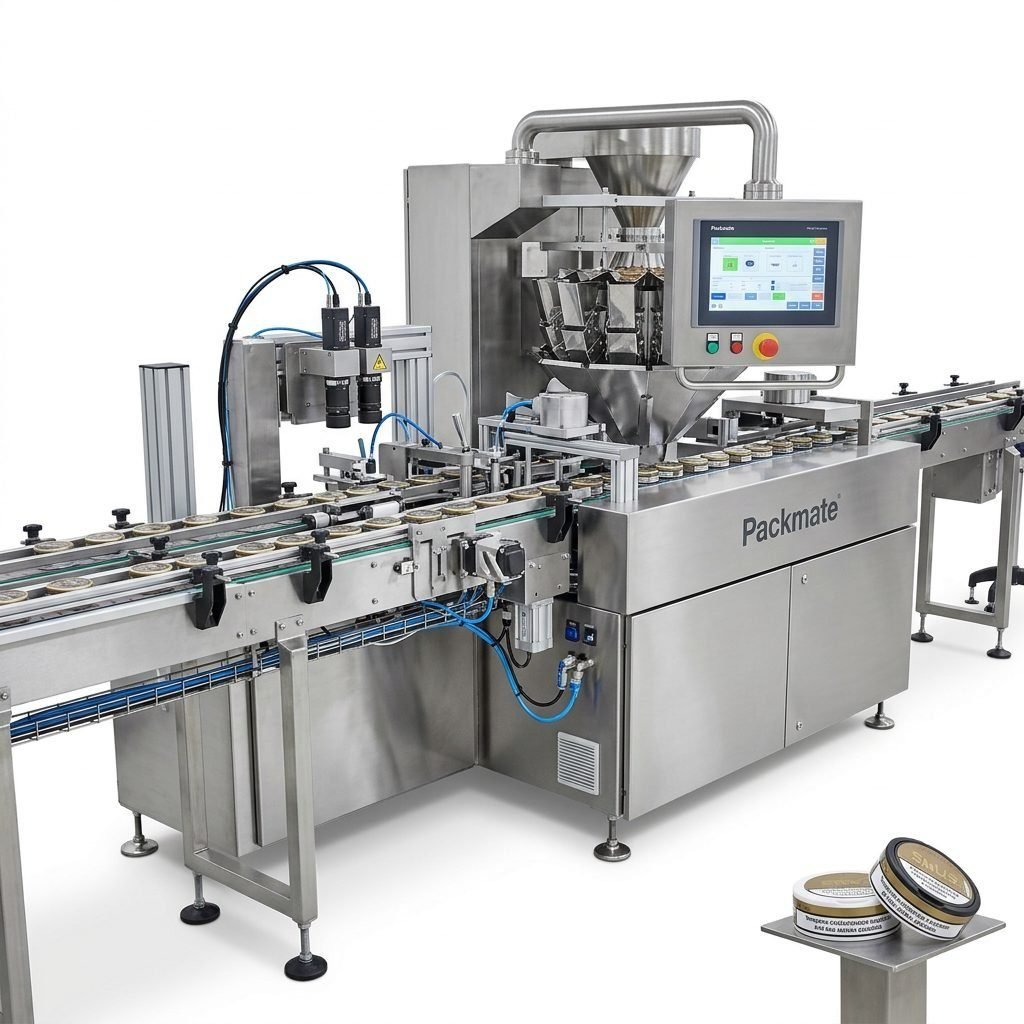
Accurate micro-dosing systems (e.g., auger or volumetric feeders refined for powders/leaf) reduce waste and ensure consistent nicotine content. For nicotine pouches, dosing precision is critical for both regulation and consumer trust.
Speed and scalability
Evaluate current volume needs and 3–5 year growth projections. A machine running at moderate speed but easy to scale (modular upgrade paths) often provides the best long-term value.
Operational Considerations in Nigeria
Local factors influence machine selection beyond technical specs. Consider power stability, local maintenance capability, and spare parts availability.
Power and infrastructure
Many Nigerian factories experience voltage variations. Machines with robust electrical protections, UPS compatibility, and easy-to-replace components will reduce downtime. Ask suppliers about recommended power conditioning for your region.
On-site service and spare parts
Fast access to spare parts minimizes stoppages. Prefer suppliers with global networks or distributors who can ship parts quickly to Nigeria. Consider stocking critical spares locally.
✅ Rule of thumb: Keep a one-month stock of wear parts for critical systems and confirm lead times with suppliers before purchase.
Quality, Certification, and Compliance
Choosing machines compliant with international standards helps with exports and regulatory approval. Look for CE and ISO-certified equipment, and request documentation on machine safety and materials compatibility.
Regulatory environment and labeling
Nigeria’s tobacco and nicotine regulations evolve; ensure your packaging line supports variable labeling and batch coding. Machines with integrated printing or coding modules simplify compliance and traceability.
Total Cost of Ownership (TCO) vs. Upfront Price
Evaluate long-term costs: energy, maintenance, spare parts, and operator training. A cheaper machine with high downtime or poor precision can cost far more than a slightly more expensive, reliable solution.
Energy efficiency and operating costs
In areas with expensive electricity or frequent generator use, prioritize machines with efficient motors and lower power draw. Confirm fuel consumption if backup generators are the primary energy source.
Training and ease of use
Machines with intuitive HMI panels and modular components reduce training time and operator errors. Request remote support options and documentation in English.
Where to Source Trusted Machines
Source from manufacturers with proven track records in snus and nicotine packaging. You can explore specialized product lines and company information to assess capability and support options.
Recommended resources:
- Snus & Nicotine Packaging Machines — product details
- About Packmate — company profile
- Case studies and installations — real-world examples
- Contact and service information — get support
Evaluation Checklist Before Purchase
Use this checklist during factory visits, demonstrations, and vendor negotiations.
⚙️ Machine performance: Speed, yield, rejection rate, and uptime statistics from existing clients.
📦 Material compatibility: Confirm material thickness and lamination types the machine supports.
🔧 Spare parts & service: Lead times, local distributors, and training packages.
💡 Upgradability: Modular paths for multi-lane expansion or automation integrations.
Installation, Commissioning and After-sales Support
Insist on professional installation and on-site commissioning. A thorough handover includes training for operators, preventive maintenance schedules, and remote diagnostics.
Spare parts and lifetime support
Confirm spare-part pricing and recommended stock. Ask about service contracts that include periodic audits, calibration, and firmware updates.
Summary: Making the Right Choice in Nigeria
In Nigeria, the best snus packaging solution balances environmental resilience, production scale, and total cost of ownership. Prioritize machines that handle high humidity, offer precise dosing, and are backed by reliable support. Start with a versatile machine if your volumes are modest; choose multi-lane systems only after confirming stable demand or export plans.
✅ Final recommendation: Work with established suppliers who provide documentation, CE/ISO compliance, and clear local support options. Explore models and case studies to validate performance before purchase.
Frequently Asked Questions
Q1: What machine type is best for a small Lagos-based nicotine pouch startup?
A1: For small startups, compact stick pack or sachet machines with modular options are recommended. They require lower capital and can scale gradually.
Q2: How important is humidity control in Nigeria and how do machines handle it?
A2: Very important. Machines should enable tight sealing temperature control, and you should use high-barrier laminates. Consider climate-controlled production rooms for sensitive formulations.
Q3: What are typical after-sales support expectations when buying from overseas suppliers?
A3: Expect initial remote commissioning, training, and a parts list. Confirm lead times for critical spares and whether local technicians are available for urgent repairs.
Q4: Are multi-lane machines cost-effective for the Nigerian market?
A4: They are cost-effective only if you have predictable high demand or export channels. For local test markets and small-scale distribution, single-lane machines often offer better ROI.
Q5: Where can I review trusted snus packaging machine models and company credentials?
A5: Review specialized product pages and company profiles such as Snus & Nicotine Packaging Machines and About Packmate to compare models, certifications, and case studies.