How to Choose the Best Nicotine Packaging Machine Manufacturer in Congo Republic for Your Business
Entering the nicotine pouch and snus market in the Republic of Congo requires careful planning and the right packaging partner. Whether you’re launching a local brand in Brazzaville or expanding distribution to Pointe-Noire and regional retailers, selecting a reliable packaging machine manufacturer will determine product quality, regulatory compliance, and long-term profitability. This guide walks you through the practical steps and local considerations to choose the best nicotine packaging machine supplier for your needs.
1. Know the Local Market and Cultural Habits
The Republic of Congo is a French-speaking country where business relationships and trust matter greatly. Distributors and retail partners often prefer face-to-face meetings, personal introductions, and reliable after-sales support. Urban centers such as Brazzaville and Pointe-Noire concentrate most of the modern retail outlets, while rural areas rely on informal trade networks. Make sure your supplier understands local distribution channels and packaging preferences (e.g., small sachets for kiosk sales, discreet pouches for urban convenience stores).
Regulatory context is also important: nicotine products are subject to public health policies and import controls. Work with a manufacturer that provides documentation and certifications (CE, ISO) and is willing to support you through customs and compliance checks. Choosing a partner familiar with global standards helps you avoid costly delays at ports and minimizes regulatory risks.
2. Evaluate Technical Capabilities — Machines and Lines
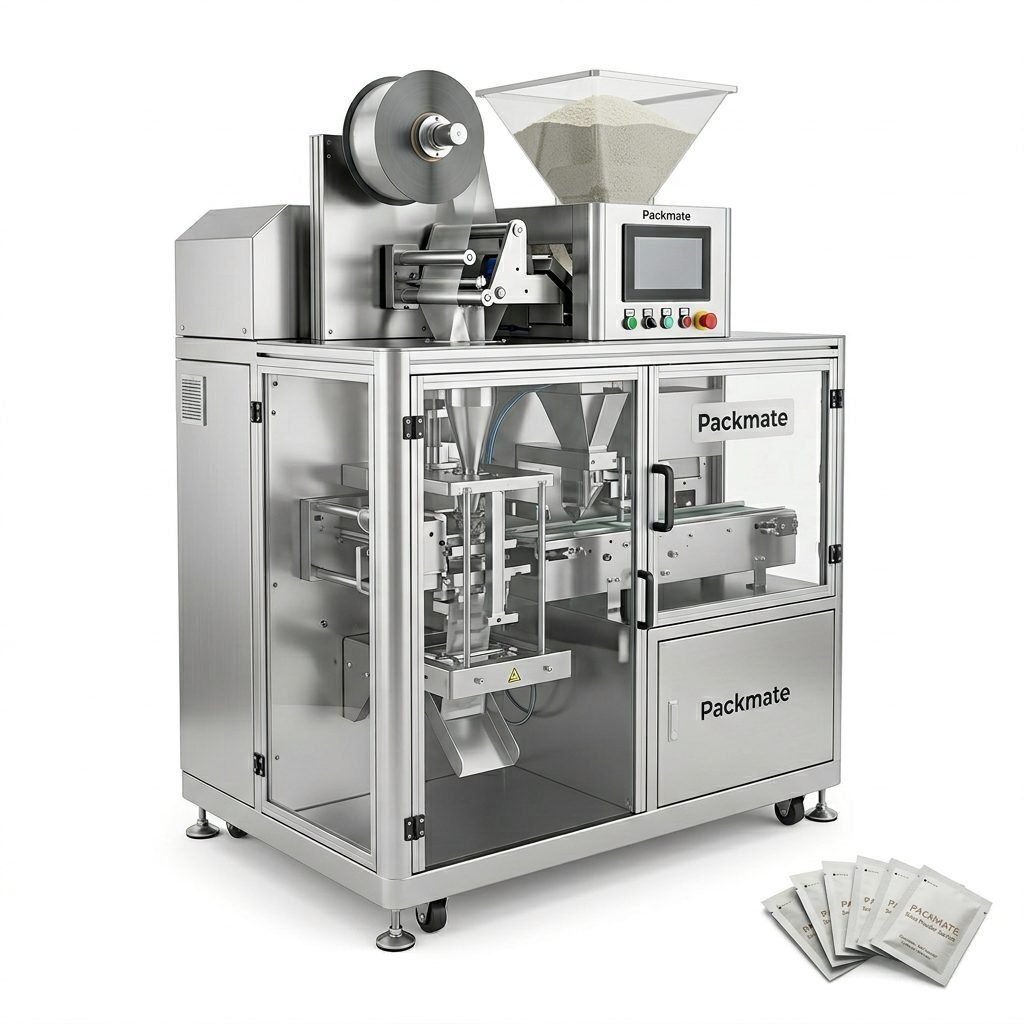
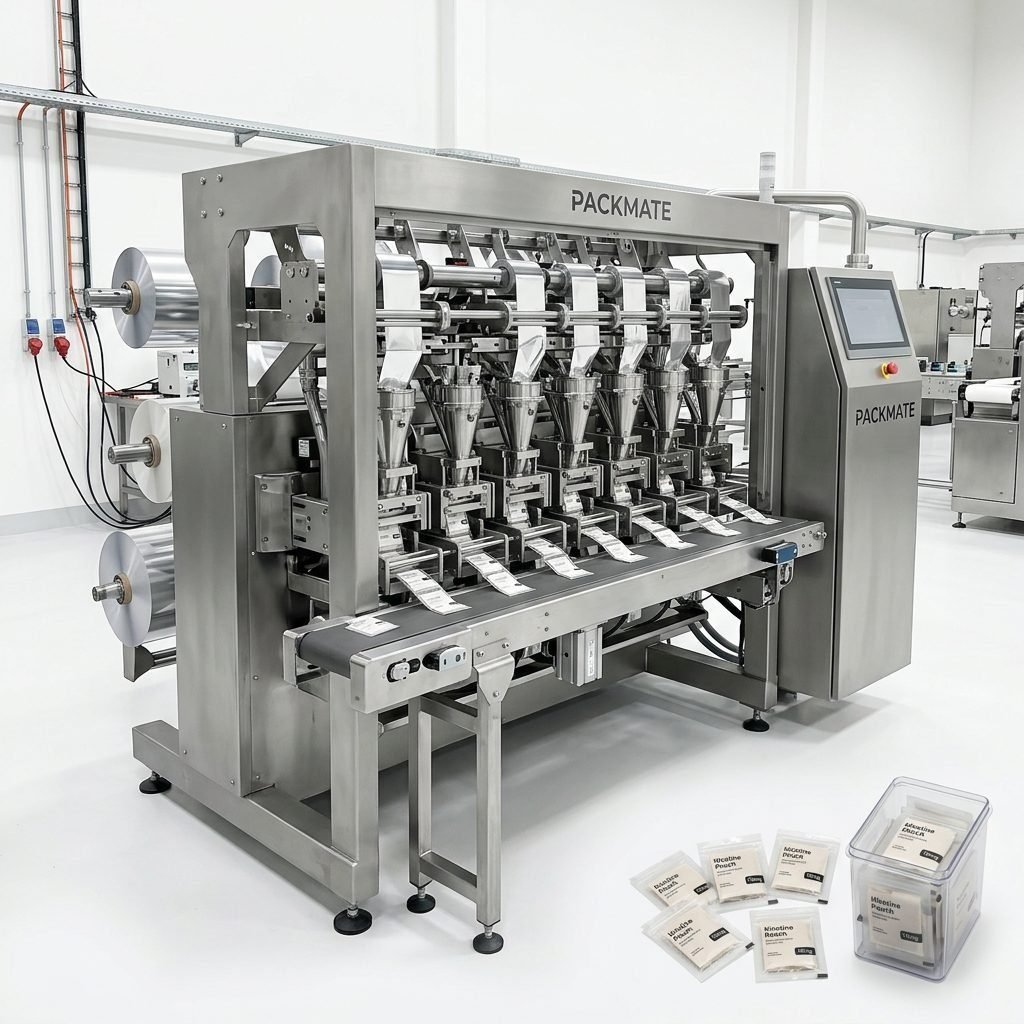
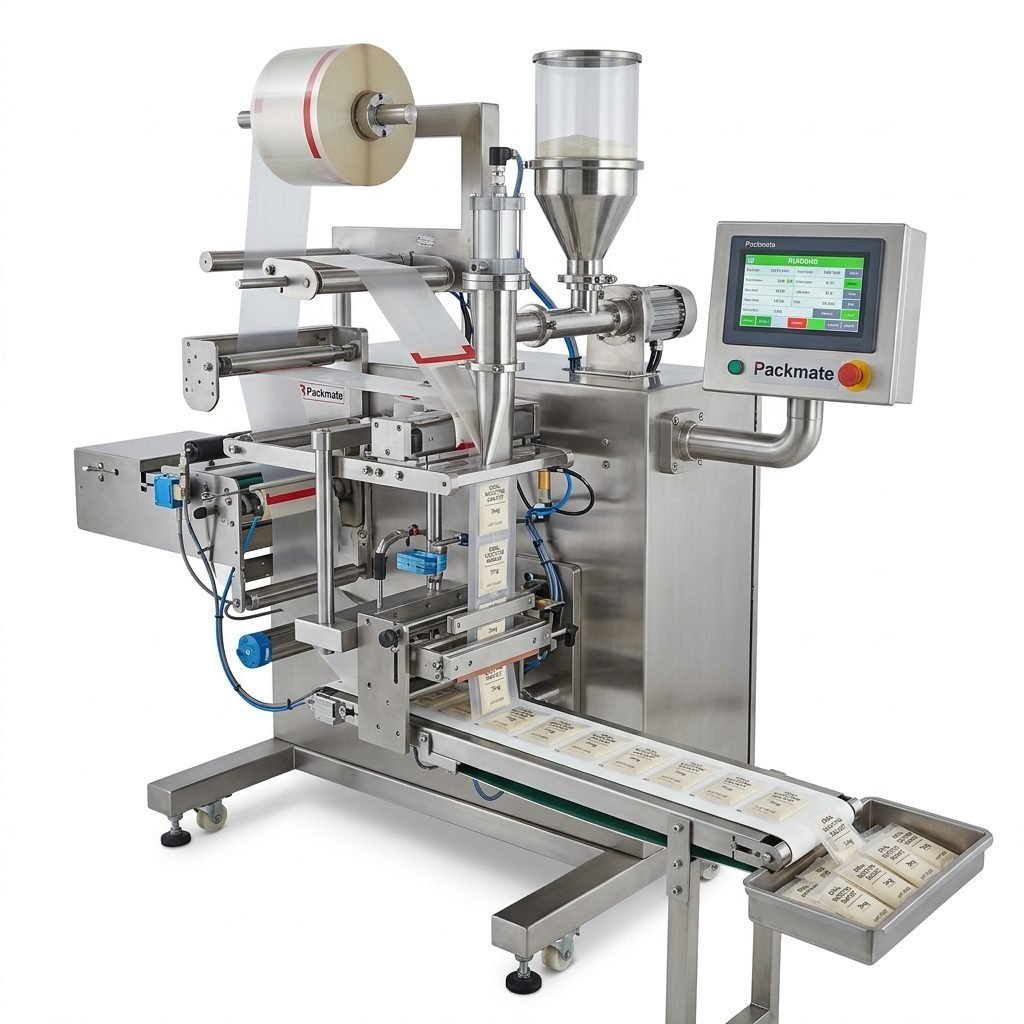
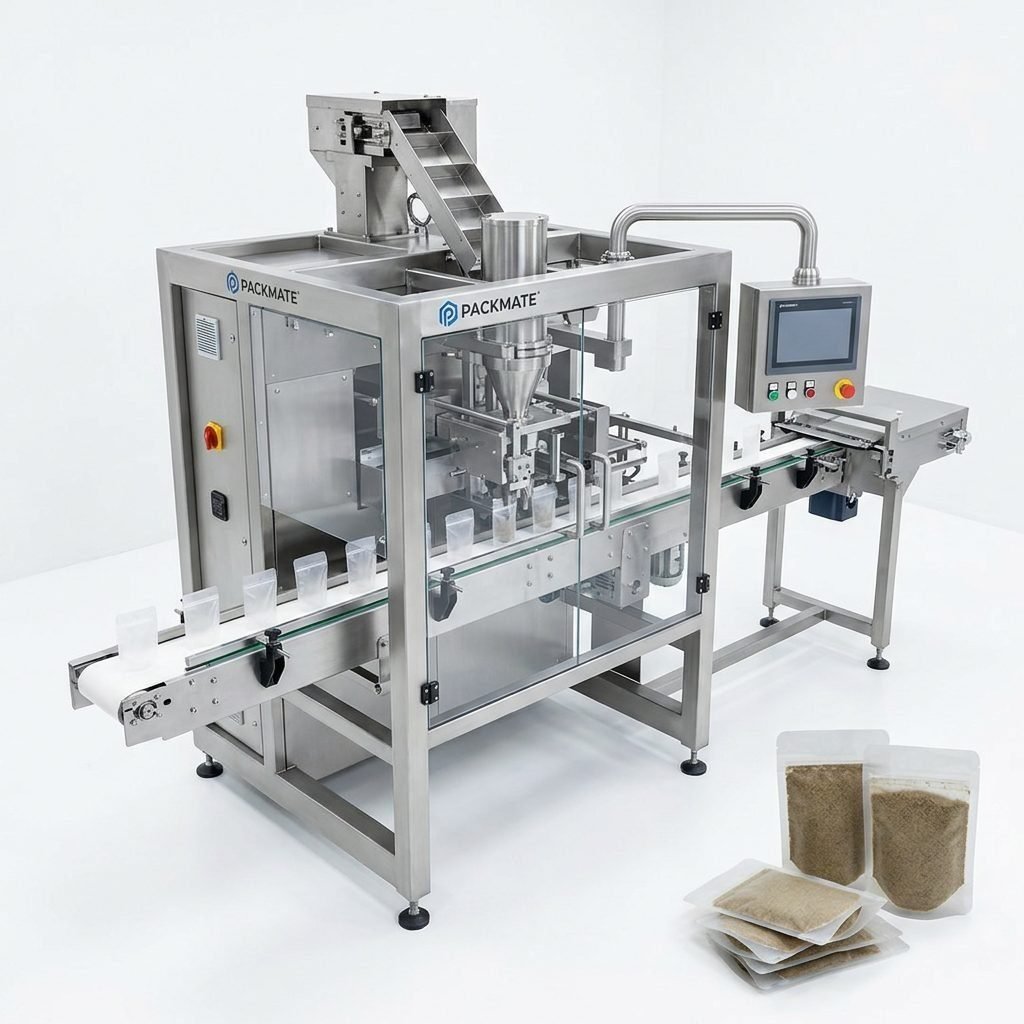
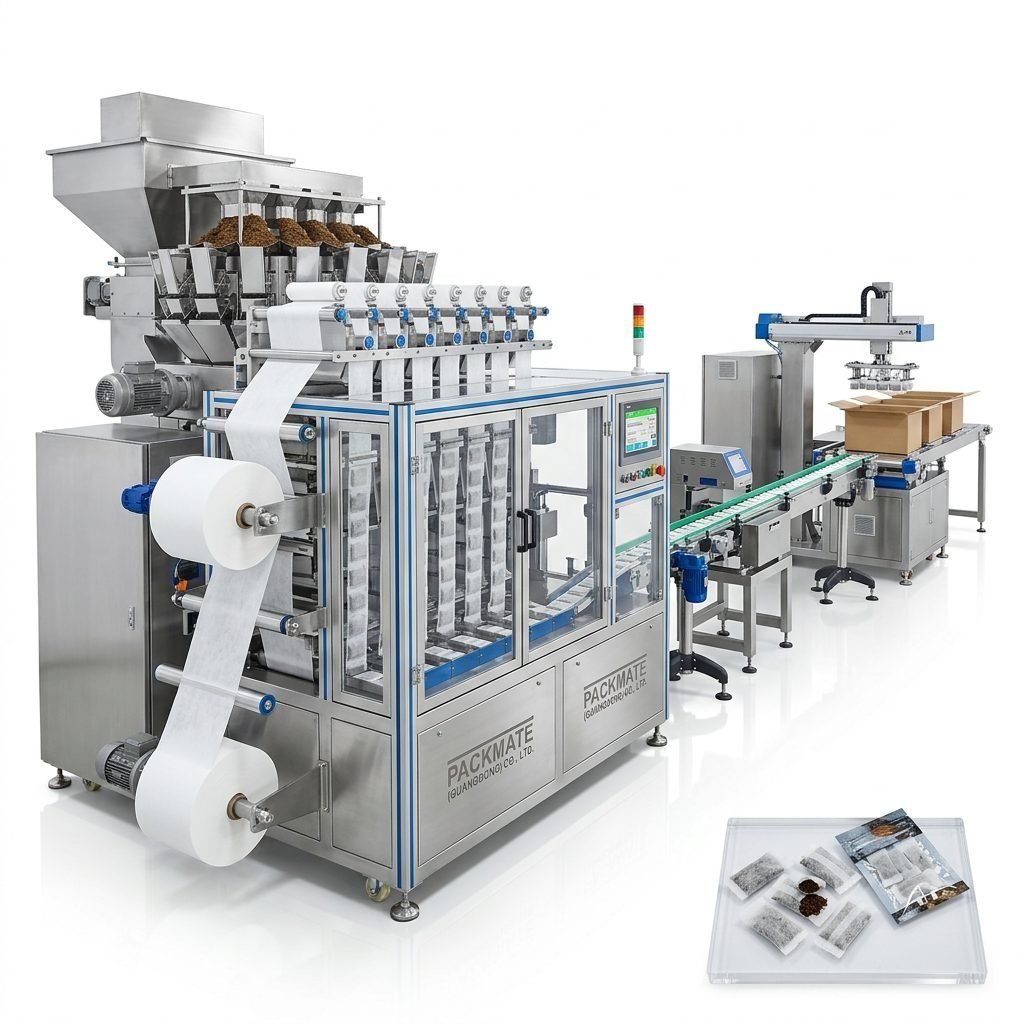
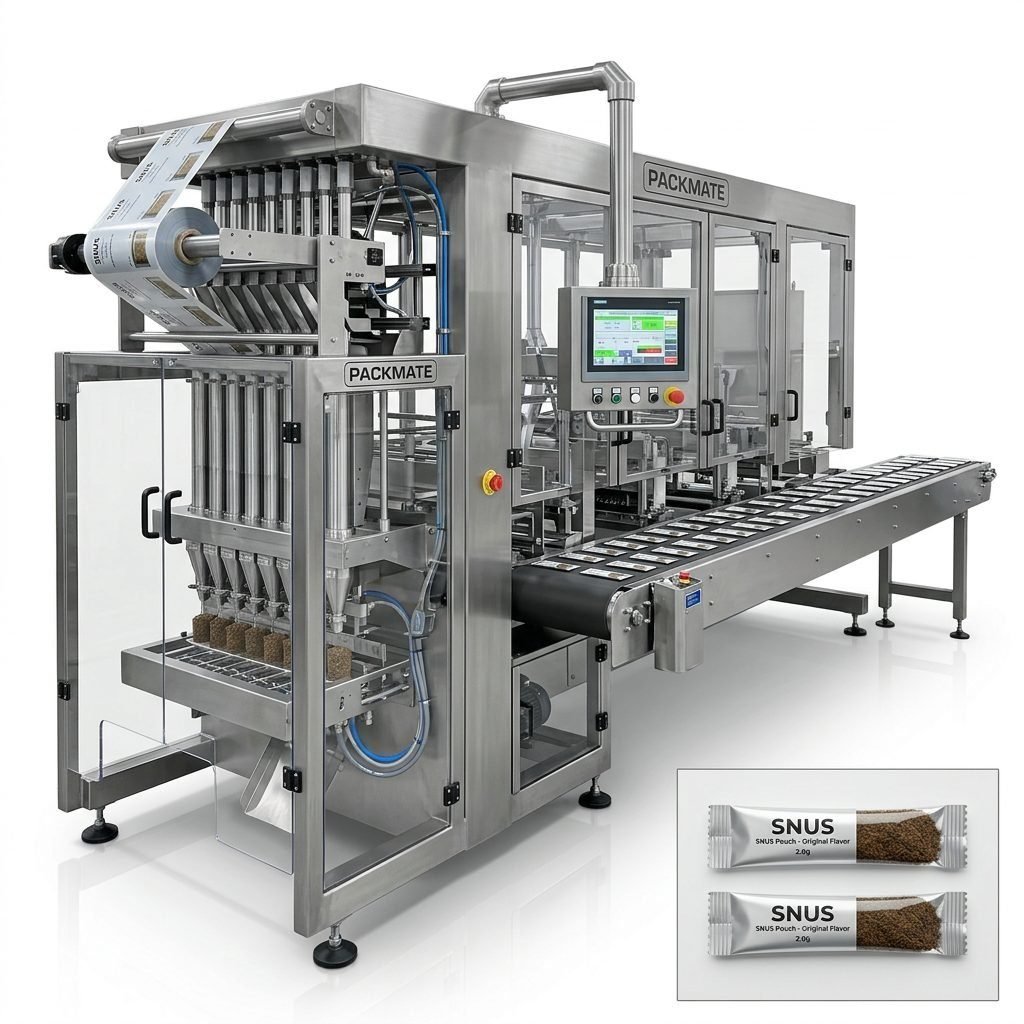
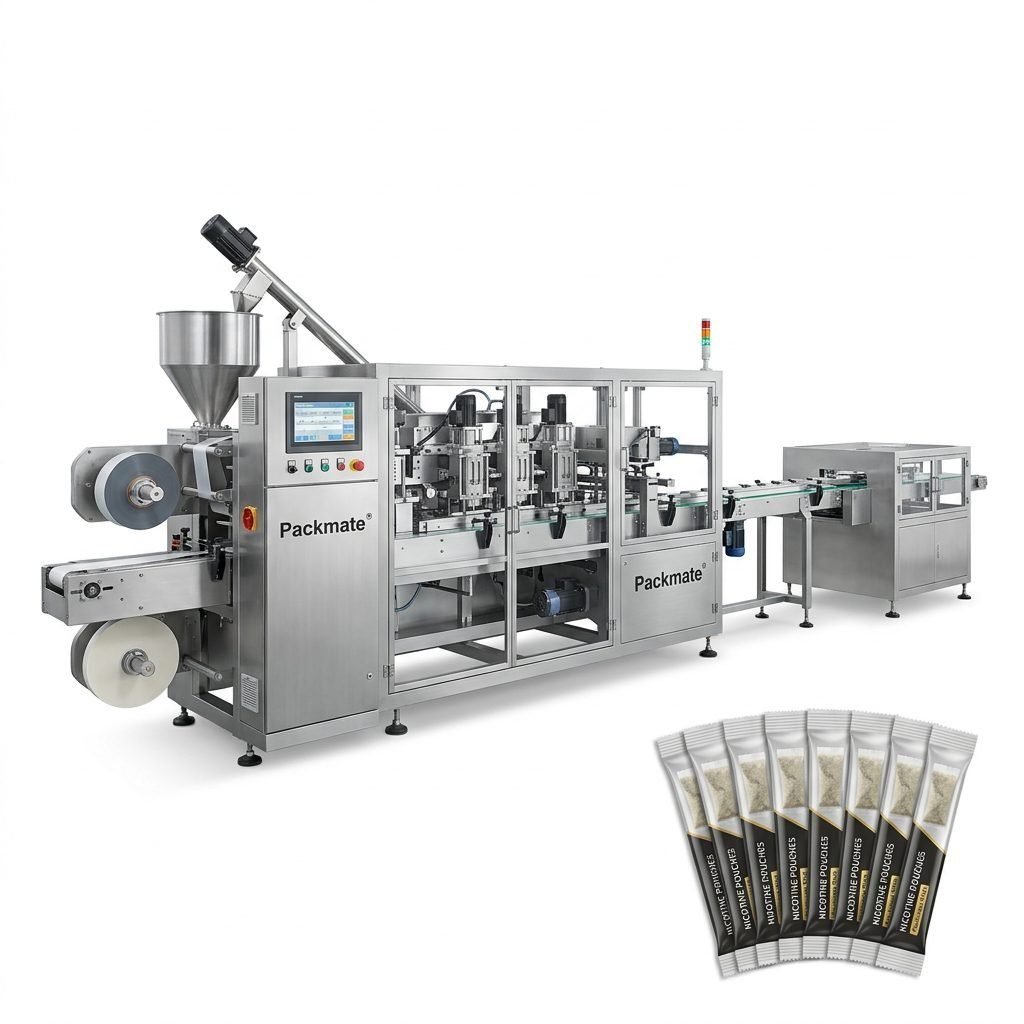
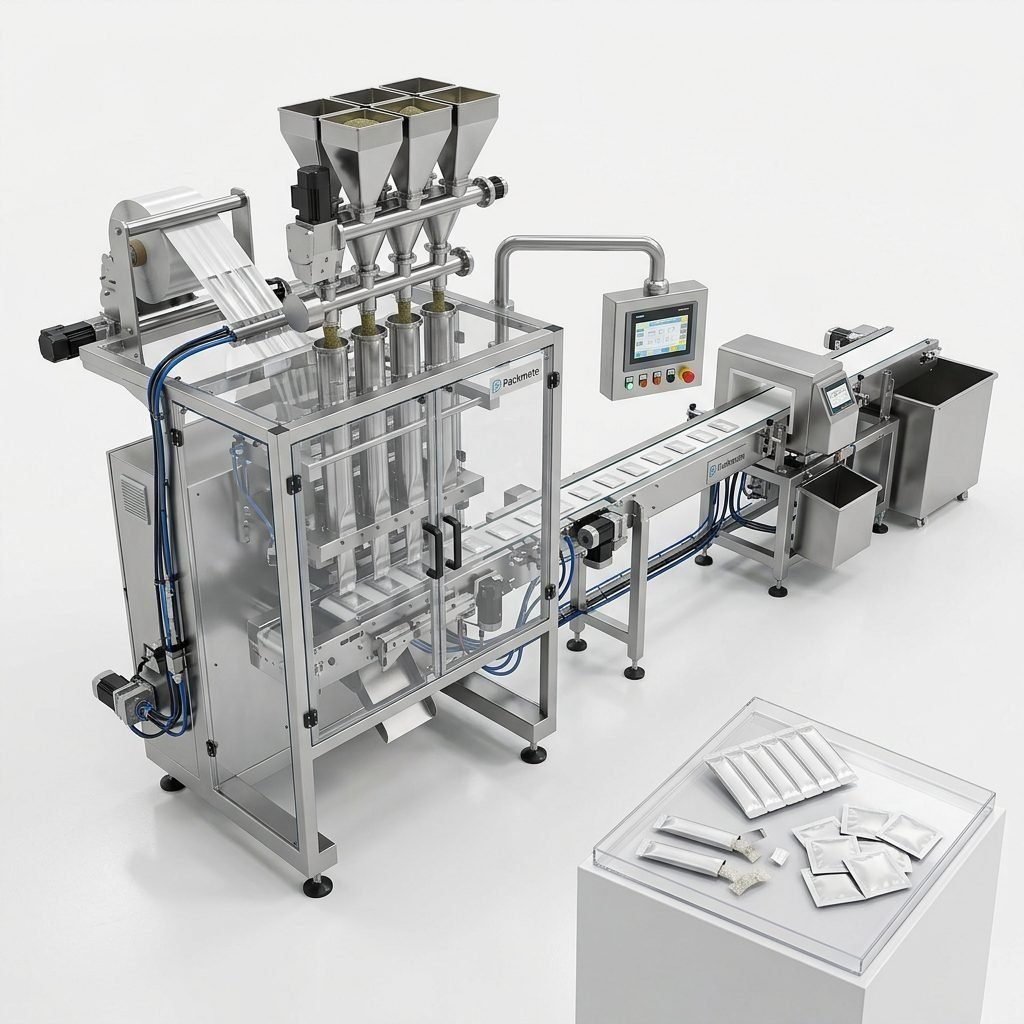
When comparing manufacturers, focus on machine types and the specific packaging formats you need: single-lane stick packs, sachets, multi-lane nicotine pouch machines, and fully integrated filling lines. Key performance indicators include throughput (pouches per minute), accuracy for micro-dosing, changeover speed, and the machine’s footprint for your factory space.
⚙️ Throughput & Accuracy: For small-dose nicotine pouches, multi-lane systems can dramatically increase output while keeping accurate dosing. Look for advanced weighing and dosing systems if your product formulations vary in weight or ingredients.
📌 Flexibility: A machine that supports multiple pouch sizes and materials (foil, paper, laminated films) reduces future upgrade costs. If you plan to produce tea, powders, or granules alongside nicotine pouches, consider a versatile filling & packaging line.
3. Inspect Manufacturing Strength and Experience
A strong manufacturing base ensures consistent quality and quicker spare-part supply. Check for a factory with CNC machining centers, precision assembly lines, and a formal quality control process. Proven industry experience — for example, companies with over 20-30 years of engineering history — indicate deeper technical knowledge and continuous product improvement.
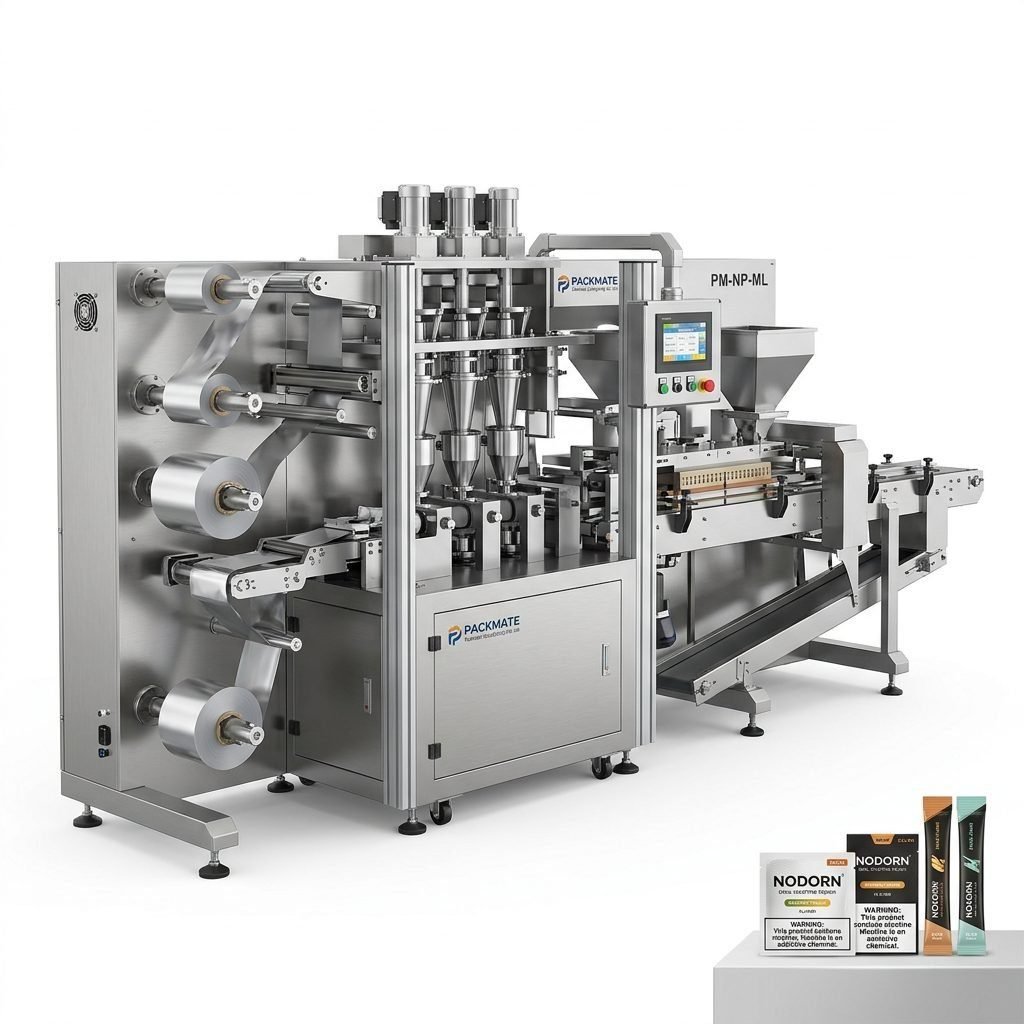
✅ Factory Scale & Models: Prefer manufacturers that offer many models and can supply turnkey solutions across snus, stick pack, sachet, and multi-lane systems. This reduces integration risk and shortens deployment time.
4. Certifications, Safety & Compliance
International certifications such as CE and ISO are essential for equipment safety and export documentation. For Congo Republic operations, such certifications help with customs clearance and reassure local partners about machine safety and hygiene standards. Ask for full documentation and test reports, and confirm the manufacturer’s willingness to assist with local regulatory queries.
5. After-sales Support: Spare Parts, Training and Local Service
On-site support and quick access to spare parts are crucial in a market where downtime can immediately impact revenue. Confirm the manufacturer’s spare-parts inventory, typical delivery times to Central Africa, and options for remote troubleshooting. Training for local technicians is often necessary: look for suppliers who provide comprehensive installation, operator training, and maintenance manuals.
🔧 Local Training & Technical Support: A vendor that offers on-site commissioning and hands-on training will accelerate production ramp-up and help you build in-house maintenance capability.
6. Total Cost of Ownership (TCO) — Beyond the Purchase Price
Compare the TCO, not just the purchase price. Shipping to the Congo Republic, import duties, installation, training, and spare parts logistics all add to costs. Energy consumption, consumables (films, adhesives), and expected maintenance intervals should be part of your calculation. A machine with a slightly higher upfront cost but better efficiency and lower downtime often delivers better ROI.
📦 Shipping & Installation: Ask the manufacturer to include estimated freight, packaging for export, and whether they can handle FOB or CIF terms to Brazzaville or Pointe-Noire ports. Some suppliers provide complete turnkey solutions, easing customs and inland logistics.
7. Customization and Future-Proofing
Nicotine pouch formats and consumer preferences can evolve quickly. Work with a manufacturer that offers modular machines or upgrade paths—such as adding more lanes or integrating automatic cartoning and secondary packaging—to protect your investment. Custom tooling, brand embossing options, and flexible film sealing parameters are valuable for local branding.
If you anticipate product line extensions (different pouch sizes or additional product types like tea or powders), choose machines advertised as multi-purpose or compatible with auxiliary equipment like weighers and filling systems.
8. Manufacturer Reputation and Case Studies
Request references and case studies from similar markets. A manufacturer with successful deployments across Africa, Europe, or South America demonstrates the ability to manage diverse logistical and regulatory challenges. Ask for video demonstrations, client testimonials, and factory acceptance test records.
For example, review Packmate’s documented projects and product lines to gauge real-world performance: Case and explore specific machine types such as Snus & Nicotine Packaging Machines for technical fit.
📄 Ask for Factory Acceptance Tests (FAT): FAT documents and video walk-throughs show machine operation under real conditions. A reputable vendor will welcome inspection or remote FAT sessions.
9. Practical Checklist: Questions to Ask Potential Suppliers
🔎 Manufacturer background: How many years of experience? What are your main product lines and factory size?
⚙️ Technical specs: What is the machine throughput for single-lane and multi-lane systems? What tolerances for dosing and pouch weight?
🧩 Flexibility: Can the machine handle different pouch sizes and film materials? Is quick changeover supported?
🛠️ Support: What spare parts are included? Typical lead time for replacements shipped to Central Africa? Do you provide on-site commissioning and training?
📦 Logistics & warranty: Shipping options to Brazzaville/Pointe-Noire, warranty terms, and local service partner availability.
10. Why Manufacturers Like Packmate Stand Out
An experienced supplier with a large factory footprint and multiple machine models offers reliability and quicker customization. Packmate, for instance, combines decades of R&D with 20,000㎡ of manufacturing space, advanced CNC and assembly systems, and an array of packaging solutions spanning snus, sachet, stick pack, powder and liquid filling lines. Learn more about the company profile and capabilities at About Packmate.
Choosing a partner that publishes clear certifications and offers turnkey solutions helps you scale quickly and remain compliant. Explore specific product groupings such as Filling & Packaging Lines or add-on Auxiliary Packaging Equipment for integrated production.
11. Local Partnerships and Distribution Strategy in Congo
In the Republic of Congo, having local partners for distribution, customs brokerage, and field service speeds market entry. Engage with importers who understand local documentation and can assist with tax, duty, and labeling requirements. Training local engineers and stocking key spare parts in-country minimizes downtime for critical packaging lines.
🤝 Relationship-driven market: Establish trust through local visits, demonstrations, and pilot production runs. Local traders appreciate reliability and consistent product presentation—packaging quality directly influences retail acceptance.
12. Final Selection Tips and Negotiation Points
When you narrow down suppliers, arrange a factory visit or remote demonstration. Negotiate clear delivery milestones, include spare parts kits, define warranty coverage, and establish response times for technical support. Ensure payment terms balance protection and cash flow, and consider staggered payments tied to delivery and installation milestones.
💡 Pro tip: Request a pilot production run at the manufacturer or during FAT to verify packaging integrity, sealing, and appearance under your specific film and pouch recipe.
13. Next Steps: From Inquiry to Production
Start by compiling product specs: pouch dimensions, target daily output, film types, and desired automation level. Share these with shortlisted manufacturers and request detailed proposals including drawings, timeline, TCO estimates, and references. Visit or request video FATs, verify certifications, and finalize contracts with clear service and training clauses.
If you need a reliable contact to discuss turnkey nicotine pouch solutions and machine models, reach out to the manufacturer’s sales and service teams for tailored proposals and export support via their contact page: Contact Us.
FAQs
Q1: How long does it take to import and commission a packaging line in the Republic of Congo?
A1: Typical lead times vary widely: machine manufacture and testing may take 8–16 weeks, plus shipping and customs which can add several weeks. Commissioning and on-site training can be completed in 1–2 weeks depending on complexity and local preparedness.
Q2: What certifications should I insist on for nicotine pouch machinery?
A2: Insist on CE and ISO certificates for safety and quality. Ask for material and electrical compliance documents and full FAT reports. A manufacturer that provides clear documentation eases customs and regulatory checks.
Q3: Can a packaging machine handle multiple product types (nicotine pouches, tea, powders)?
A3: Many modern machines are modular and support multiple formats with changeover kits and auxiliary fillers. Confirm compatibility for your specific products and request demonstrations of format changes.
Q4: How do I ensure fast spare-part delivery to Congo?
A4: Negotiate for a spare-parts kit with initial shipments and identify regional distribution partners or air-freight options. Some manufacturers maintain regional warehouses or can ship critical parts express.
Q5: Where can I see real examples of snus and nicotine packaging lines?
A5: Review manufacturer case studies and product portfolios online to view deployments and technical specifications. For more details on machine types and solutions, explore the manufacturer’s product pages and case studies sections.