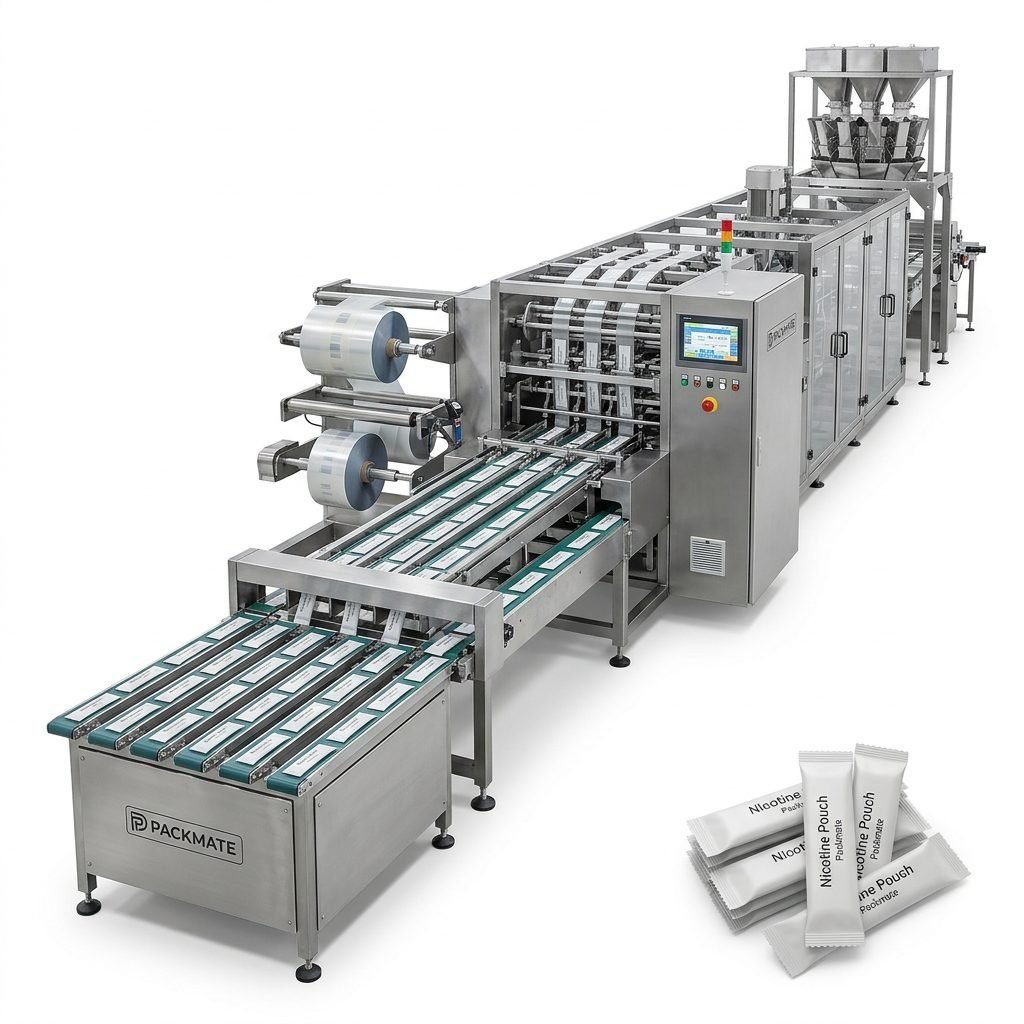
For manufacturers in Chad looking to enter or expand in the snus and nicotine pouch market, selecting the right packaging machine is a strategic decision. This guide covers practical selection steps, local considerations for Chad, machine types, technical specs, supplier evaluation, installation and maintenance tips, and an ROI checklist to help local producers make confident buying decisions.
Understanding the Chad Market & Local Considerations 🔎
Chad’s consumer habits, regulatory environment, infrastructure limitations, and cultural context all affect packaging choices. While snus is more established in Nordic and European markets, nicotine pouches can find niche demand in urban centers and among cross-border trade with neighboring countries. Consider:
Regulatory environment: Chad’s tobacco and nicotine rules may be stricter or less defined than in developed markets. Always confirm import/export permits and labeling requirements with local authorities before full production.
Climate and storage: High temperatures and humidity in Chad affect product stability and packaging seal integrity. Machines that produce hermetic seals and accommodate barrier films are preferable.
Supply chain & power: Reliable electrical supply and parts access may be limited in some regions. Choose machines with robust PLC controls, simple servicing needs, and available spare parts from suppliers.
Core Machine Types for Nicotine Pouch & Snus Packaging 🏭
Select a machine type that matches your product format, throughput targets, and packaging materials:
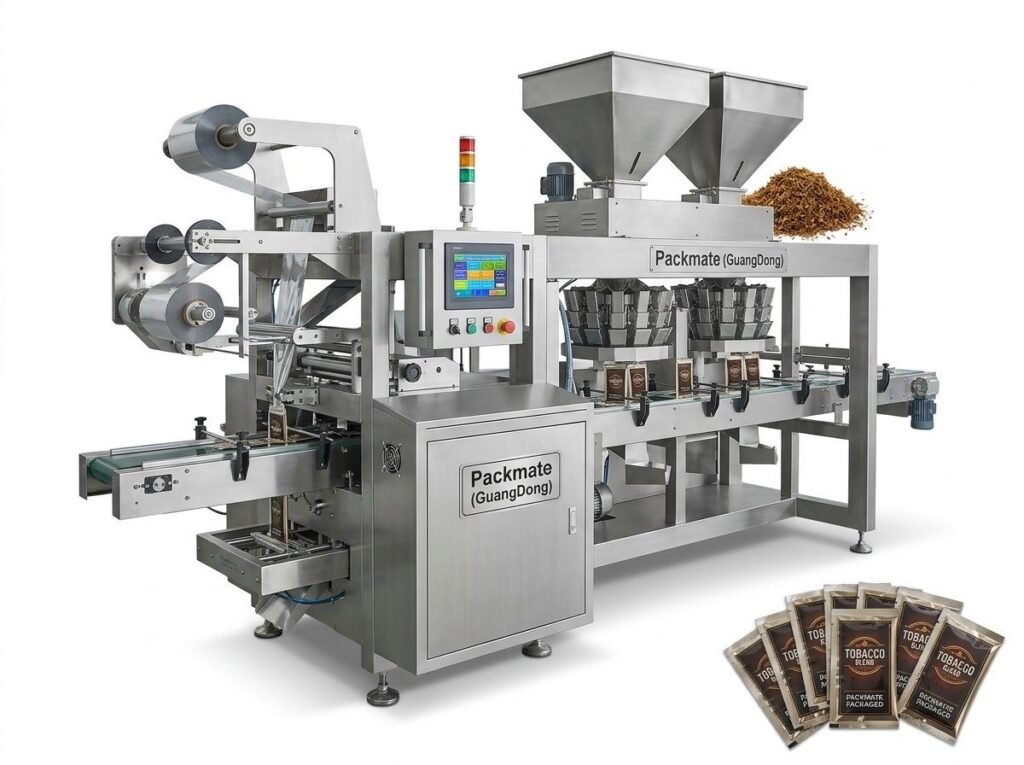
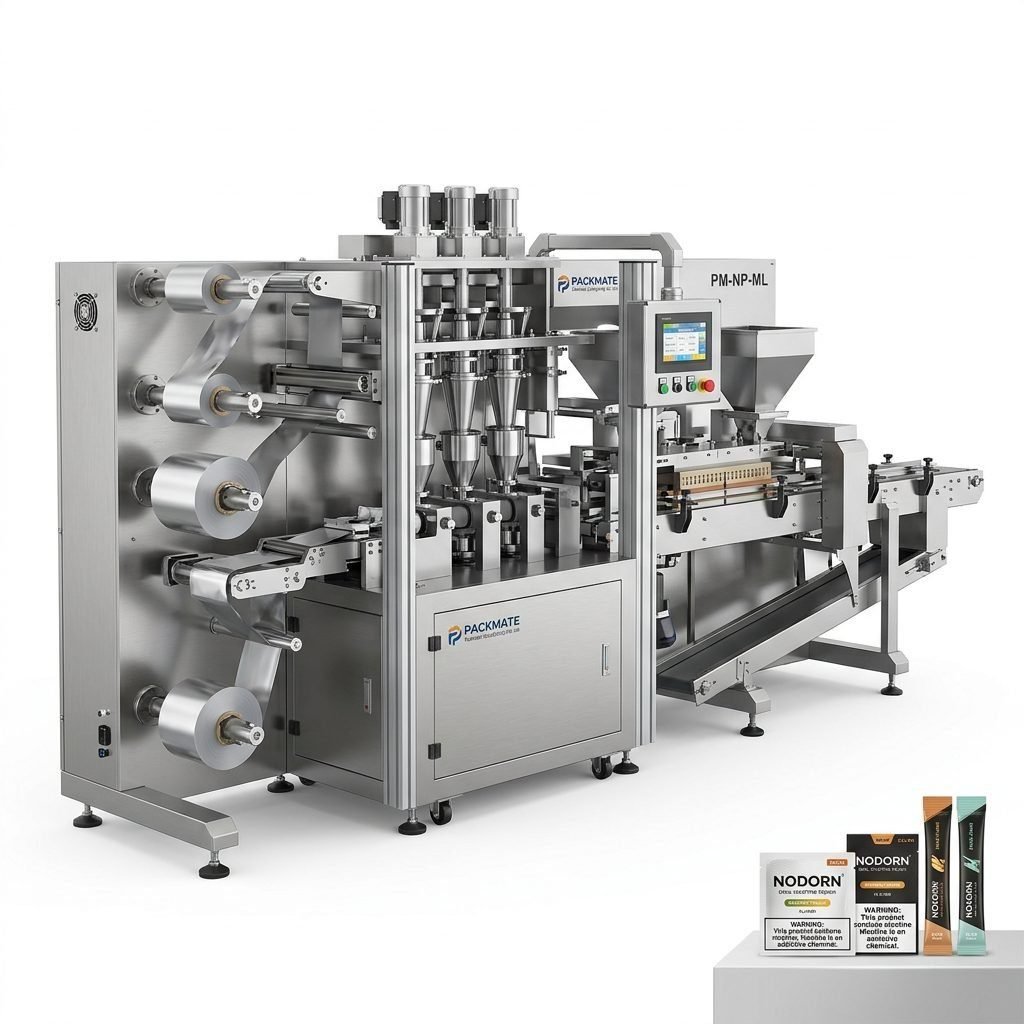
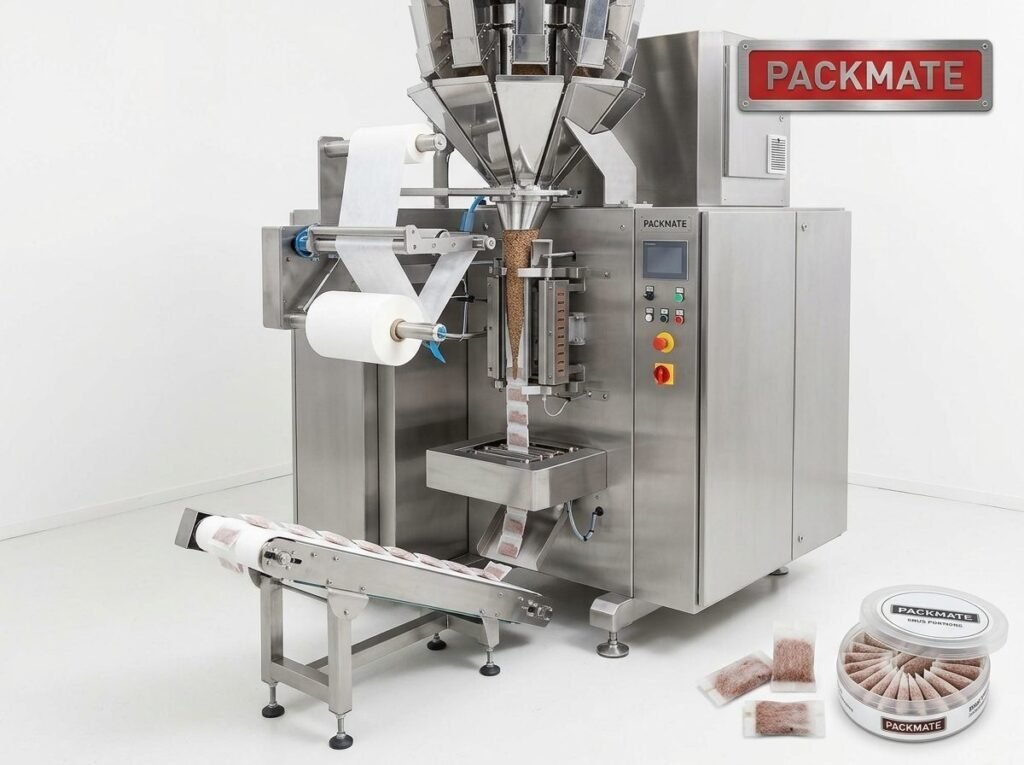
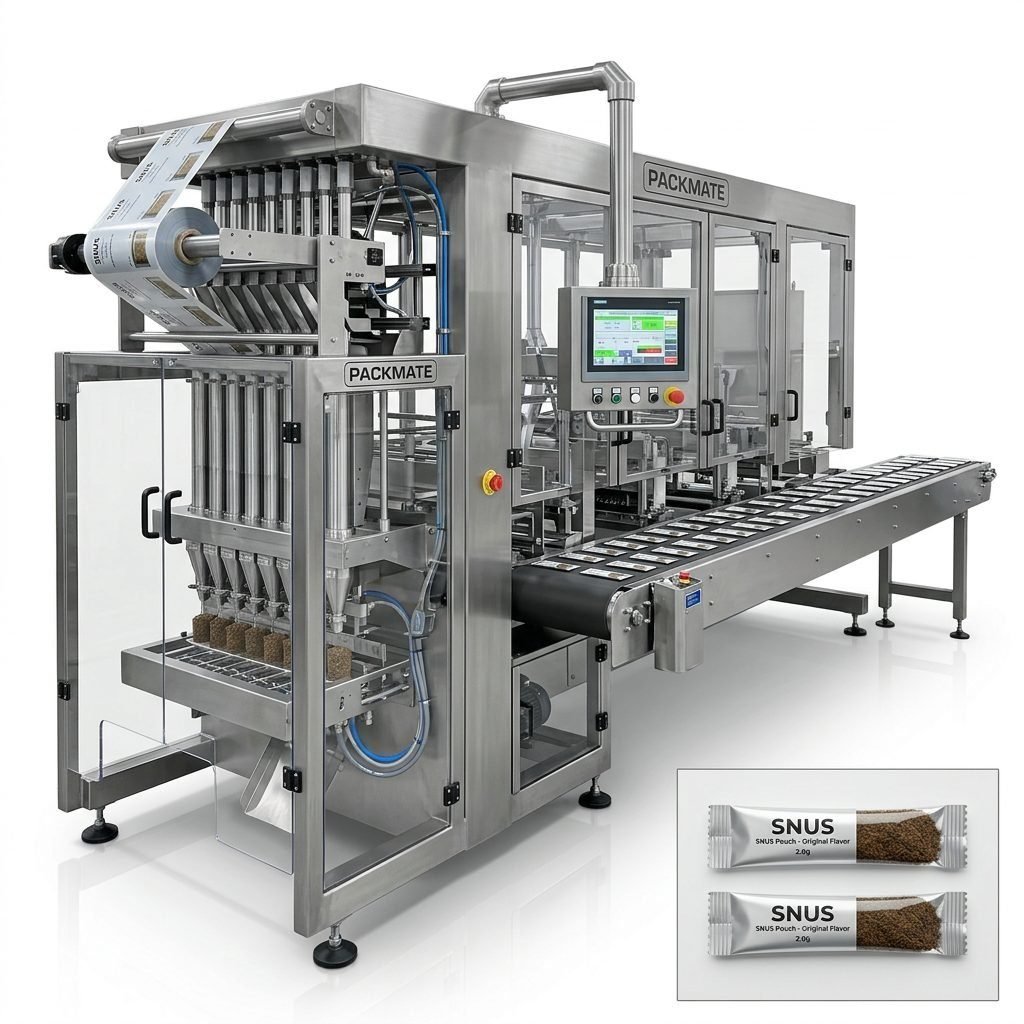
Stick pack machines: Ideal for single-dose pouches with fast output and compact footprint — suitable for entry-level lines and consumer samples.
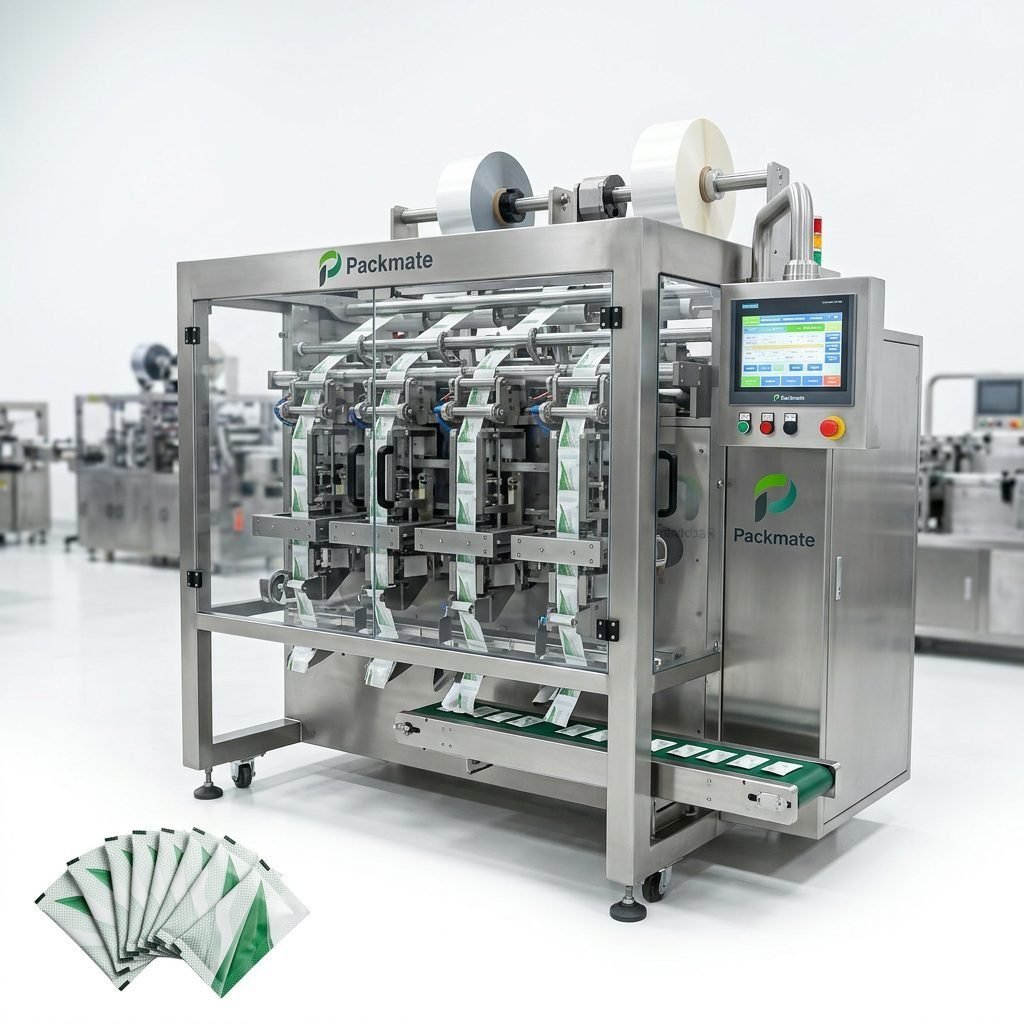
Sachet & pouch machines: Provide flexible pouch sizes, pillow packs, or flat sachets. Good for branding and retail-ready packaging.
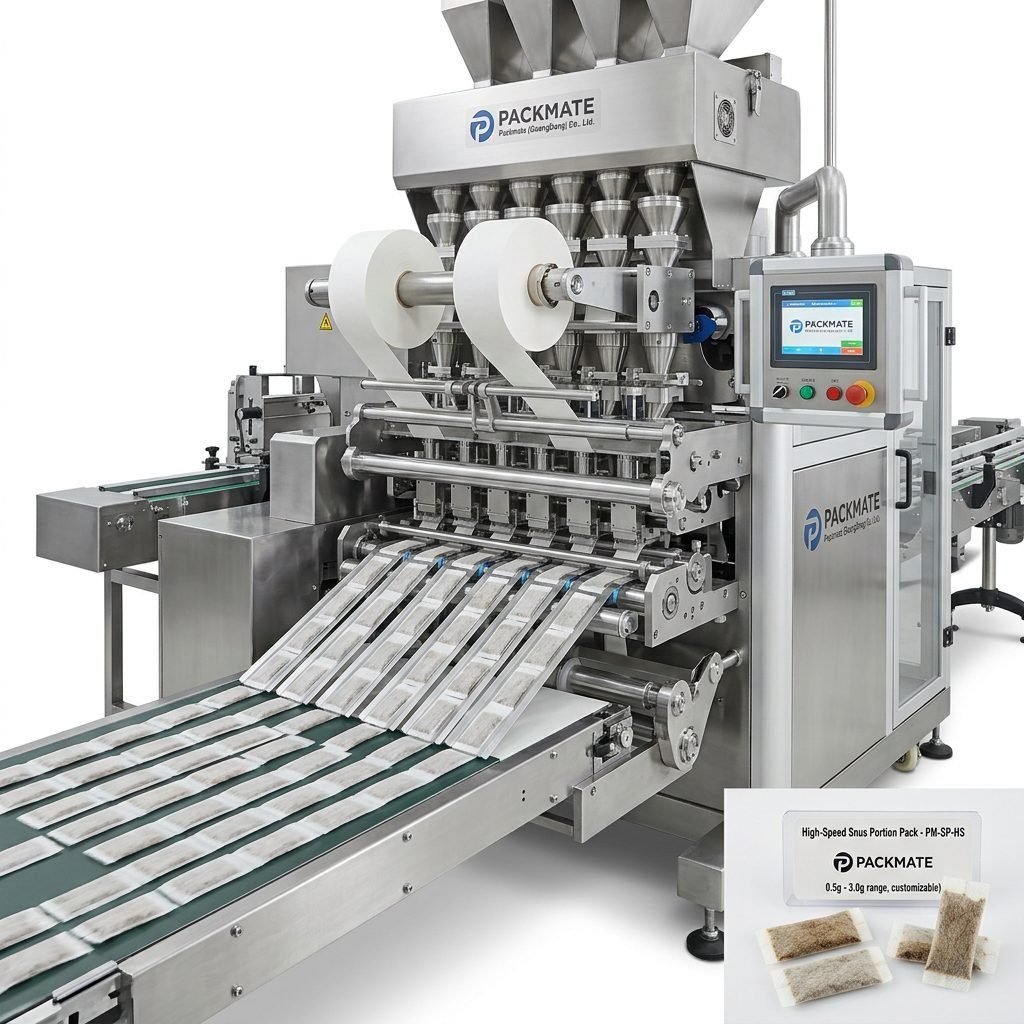
Multi-lane systems: For higher volume producers, multi-lane machines increase throughput per footprint and reduce labor cost per unit.
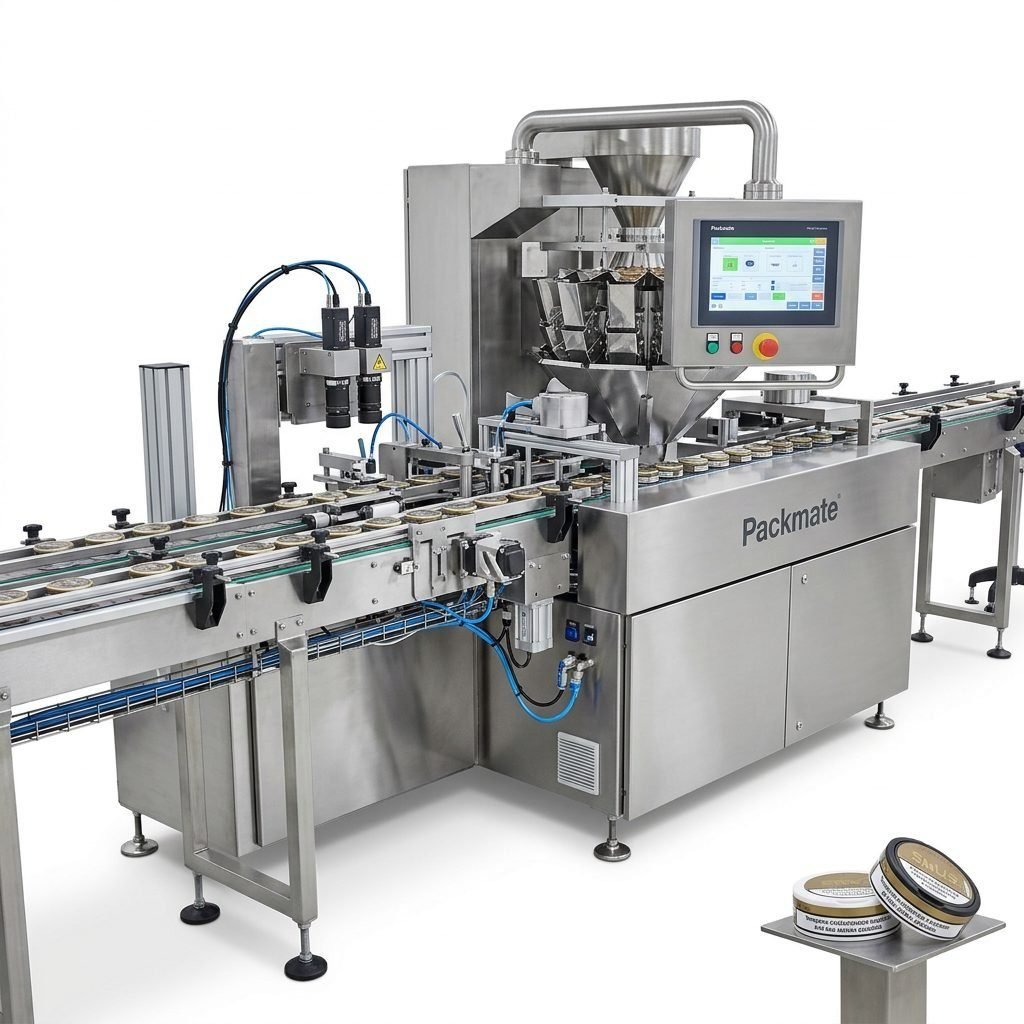
Explore machine families and specifications here: Snus & Nicotine Packaging Machines, Sachet & Stick Pack Machines.
Key Technical Specs to Compare ⚙️
When comparing models, evaluate these specifications carefully:
Throughput (pieces/min): Align machine speed with realistic demand and packaging material feed rates.
Payload flexibility: Ability to handle varying powder densities, granular nicotine substitutes, or preformed pouches.
Film & pouch compatibility: Support for barrier films and laminated materials to protect product from heat and humidity.
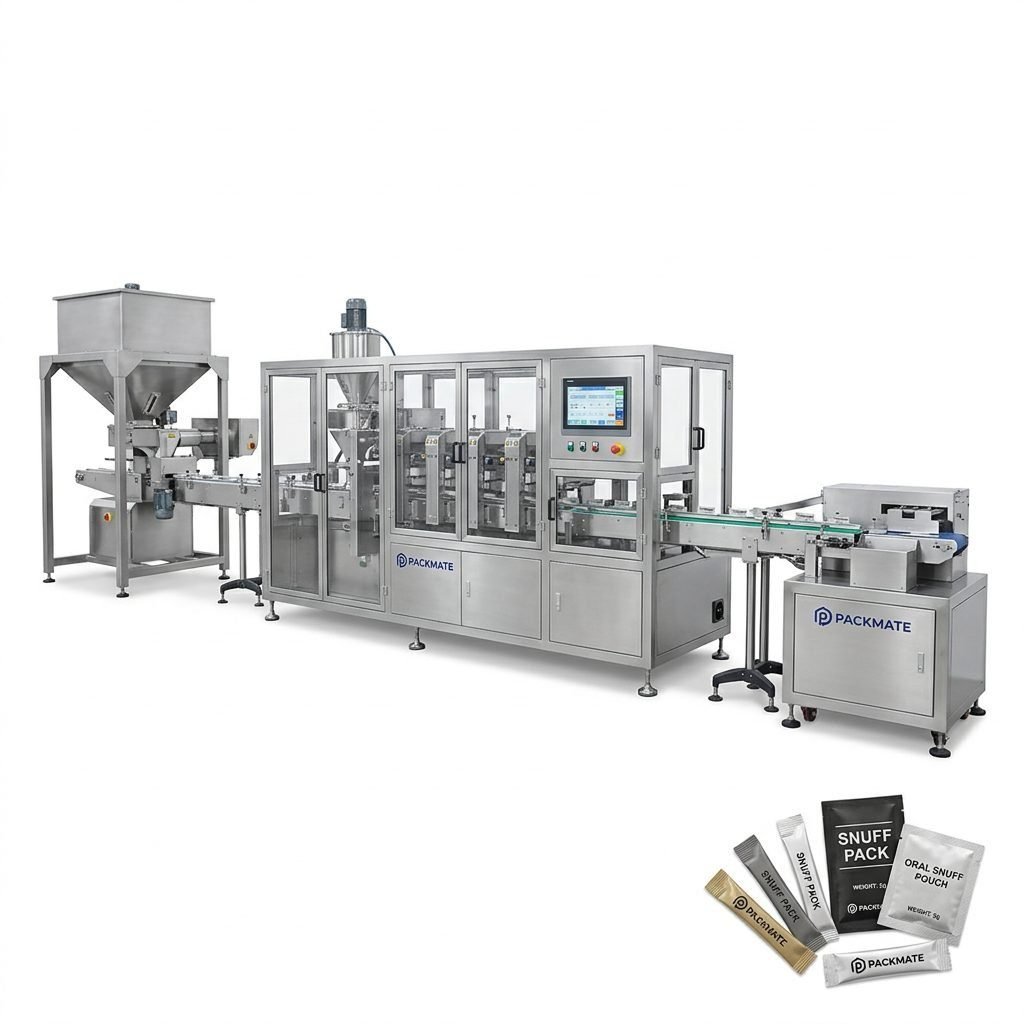
Automation & integration: Does the machine support upstream filling/weighing and downstream cartoning or case packing? Check Filling & Packaging Lines for integrated systems.
🔧 Practical Tip: For Chad’s climate, choose machines with adjustable sealing temperature and conveyor cooling time to ensure consistent seals during hot seasons.
Materials, Seals & Barrier Requirements 🧾
Packaging material selection is as important as the machine. For nicotine pouches in Chad:
Barrier films (metalized or laminated) protect against moisture and oxygen — ask your supplier about recommended film grammages and sealant layers.
Preformed pouch vs. form-fill-seal: Preformed pouches reduce sealing complexity; FFS machines are more flexible but may require higher operator skill.
Auxiliary Equipment to Consider
A complete production line often needs: weighing systems, vibratory feeders, nitrogen flush modules (for longer shelf life), metal detectors, and case packers. See examples of complementary equipment: Weighing & Packaging Systems and Auxiliary Packaging Equipment.
✅ Local logistics note: Prioritize modules that can be serviced locally. Import delays for spare parts can halt production for weeks in landlocked regions.
Supplier Evaluation: What to Ask Prospective Vendors 🤝
Supplier choice affects uptime, training, and spare parts supply. Key evaluation points:
Track record & references: Request case studies and client references, particularly in similar climates or markets (Case).
Warranty & service: Confirm warranty length and scope, availability of remote diagnostics, and training packages.
Factory capabilities: Request photos or a virtual tour of manufacturing facilities. Packmate’s 20,000㎡ facility and CNC capabilities are examples of robust manufacturing capacity.
Installation, Training & After-sales Support 🛠️
Proper installation is essential for long-term operation. Ensure your vendor offers:
On-site commissioning: Technicians should commission the line and train operators in local languages if possible.
Spare parts kits: Keep essential spare parts locally stocked: belts, sensors, seals, and PLC fuses.
Remote support & manuals: Ask for digital manuals, wiring diagrams, and remote troubleshooting channels to reduce downtime.
Budgeting & ROI Considerations 💰
Factor in total cost of ownership, not just purchase price:
Upfront cost: Machine price, shipping, customs duties, and installation.
Operational cost: Energy consumption, labor, spare parts, and maintenance.
Throughput vs market demand: Avoid over-investing in extreme capacity that you cannot fill; phased expansion is safer in emerging markets.
⚠️ Finance Tip: Consider leasing or payment terms that allow you to scale equipment as sales grow — ask suppliers about flexible purchase options.
Quality Control & Compliance ✔️
Maintain consistent product quality to meet both local and export standards:
In-line monitoring: Use weight checks, vision systems, and seal inspection to detect defects early.
Batch traceability: Implement batch codes and simple ERP interfacing to track product lots and expiry dates.
Checklist: Choosing the Right Machine (Quick Reference) 📋
🔹 Product format: pouch, stick, sachet or multi-lane pouches?
🔹 Expected daily throughput: pieces/day and peak periods.
🔹 Film compatibility & barrier needs: determine film samples for test runs.
🔹 Local support and spare parts: lead time for parts delivery to Chad.
🔹 Energy & footprint: confirm power specs and shopfloor layout.
Why Partner with an Experienced Manufacturer?
Experienced manufacturers offer proven designs, global certifications, and the ability to customize lines for unique products. Packmate’s decades of experience and global turnkey solutions are an example of what to look for when choosing a partner. Learn more about the company & certifications: About Packmate and Certificate.
Local Go-to-Market Tips for Chad 🇹🇩
Consider local retail channels, consumer preferences, and religious/cultural sensitivities:
Packaging design: Use discreet, compact retail packs and clear labeling in French and Arabic where appropriate.
Distribution: Focus initial sales on urban centers and border towns, leveraging wholesalers familiar with tobacco products.
Cultural sensitivity: Some communities may view nicotine products unfavorably. Consider differentiated branding and clear health warnings per regulation.
Next Steps & How to Get a Quote ✉️
Prepare your product specs, desired daily output, preferred pouch style, and local power supply details. Then request a tailored quote from manufacturers that offer testing with your materials. For product lines and direct contact, visit Snus & Nicotine Packaging Machines and Contact Us.
🔁 Final reminder: Pilot runs and sample approvals are essential. Run short production batches first to verify seals, fill accuracy, and shelf performance under Chad’s climatic conditions.
Frequently Asked Questions (FAQ)
Q1: What packaging machine type is best for a small manufacturer in Chad?
A1: Start with a reliable single-lane stick pack or small pouch machine that supports barrier films. These offer lower upfront costs and can scale to multi-lane systems as demand grows.
Q2: How important are barrier films for products sold in Chad?
A2: Very important. High temperature and humidity can reduce shelf life. Use laminated or metalized films and machines with controlled sealing to maintain product integrity.
Q3: Can I get spare parts and technical support locally?
A3: Verify with the supplier about local distributors or regional service agents. If local support is limited, ensure prompt spare parts shipping plans and remote troubleshooting services are available.
Q4: What certifications should packaging machines have?
A4: Look for CE and ISO compliance as baseline quality and safety standards. Also confirm the supplier’s manufacturing and quality control processes.
Q5: How do I test a machine before purchase?
A5: Request factory acceptance tests or sample packaging runs with your materials. Evaluate seal strength, fill accuracy, throughput, and software/operator interface during the tests.