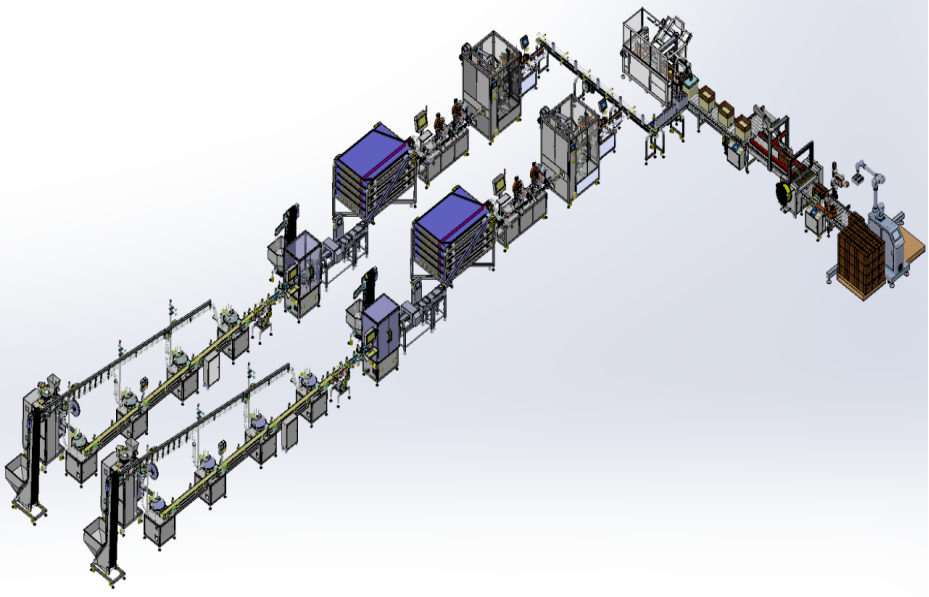
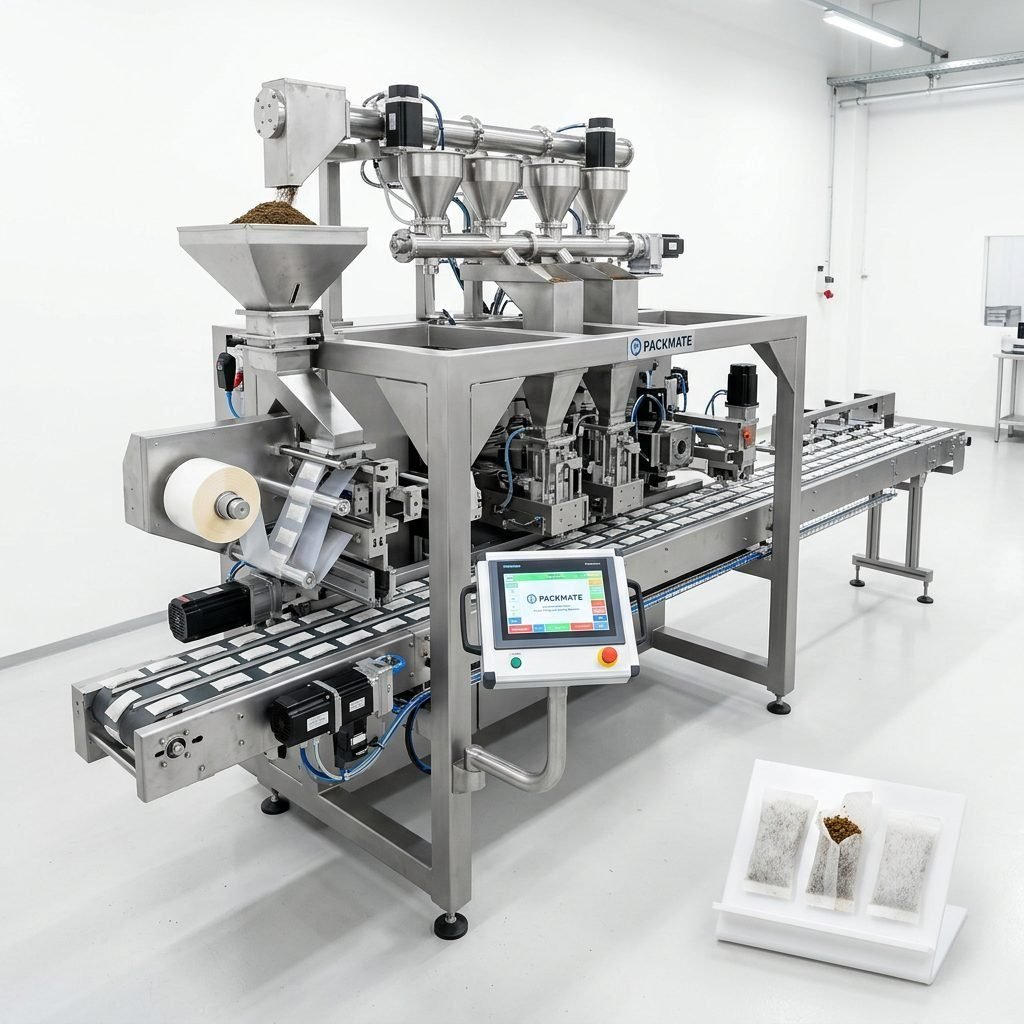
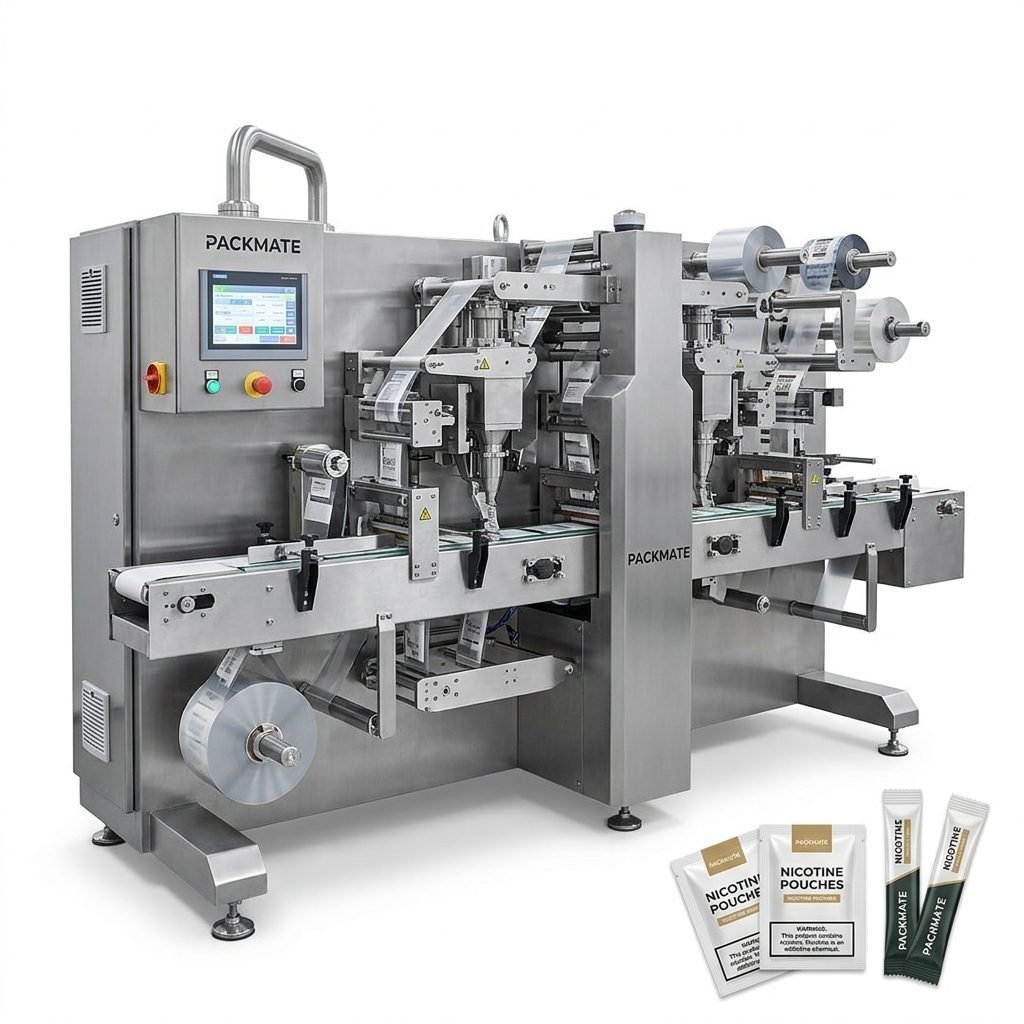
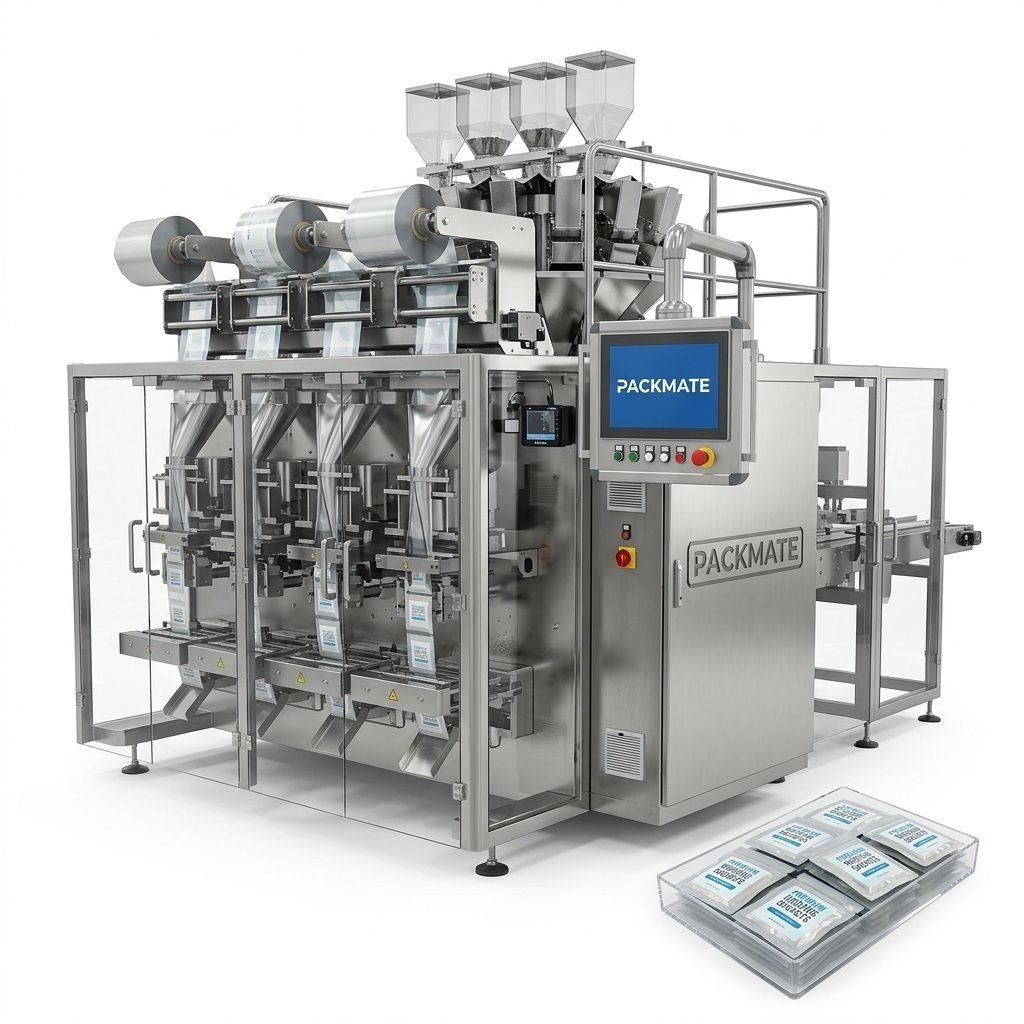
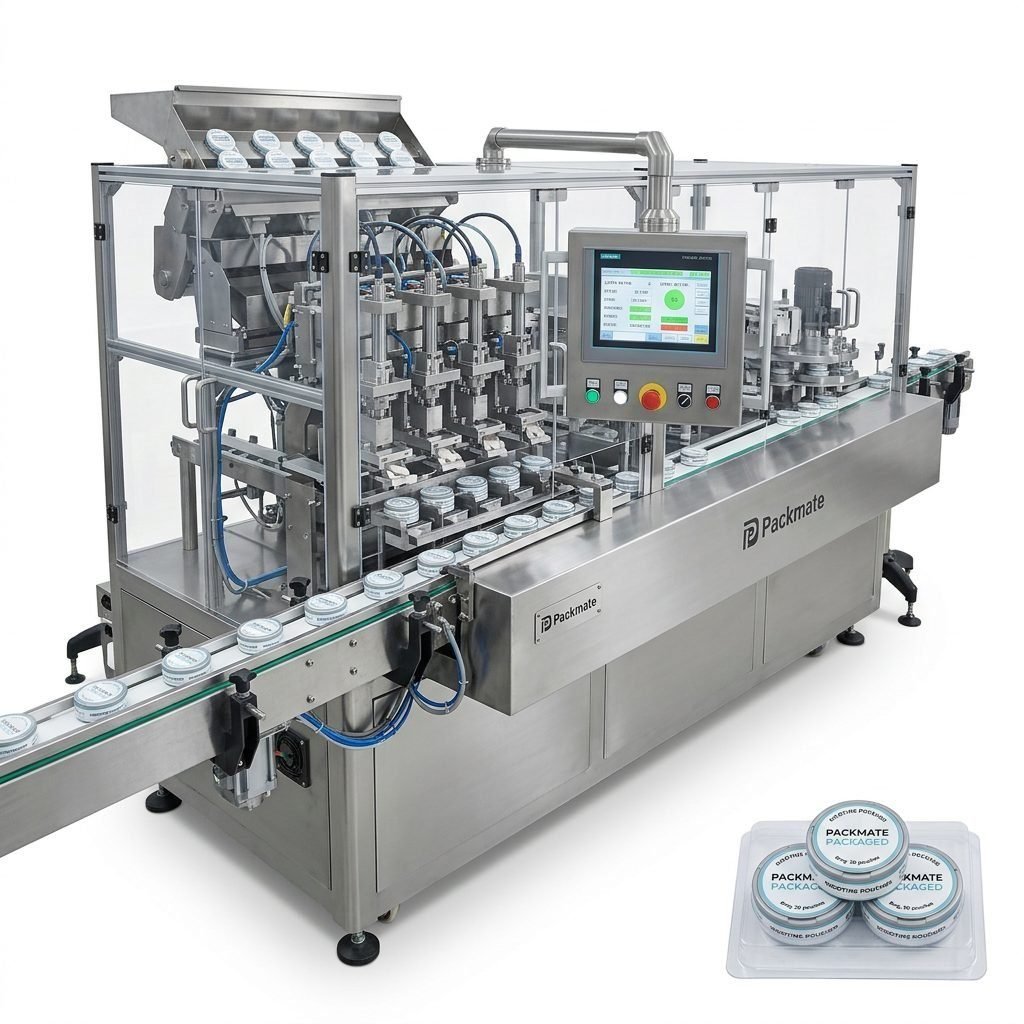
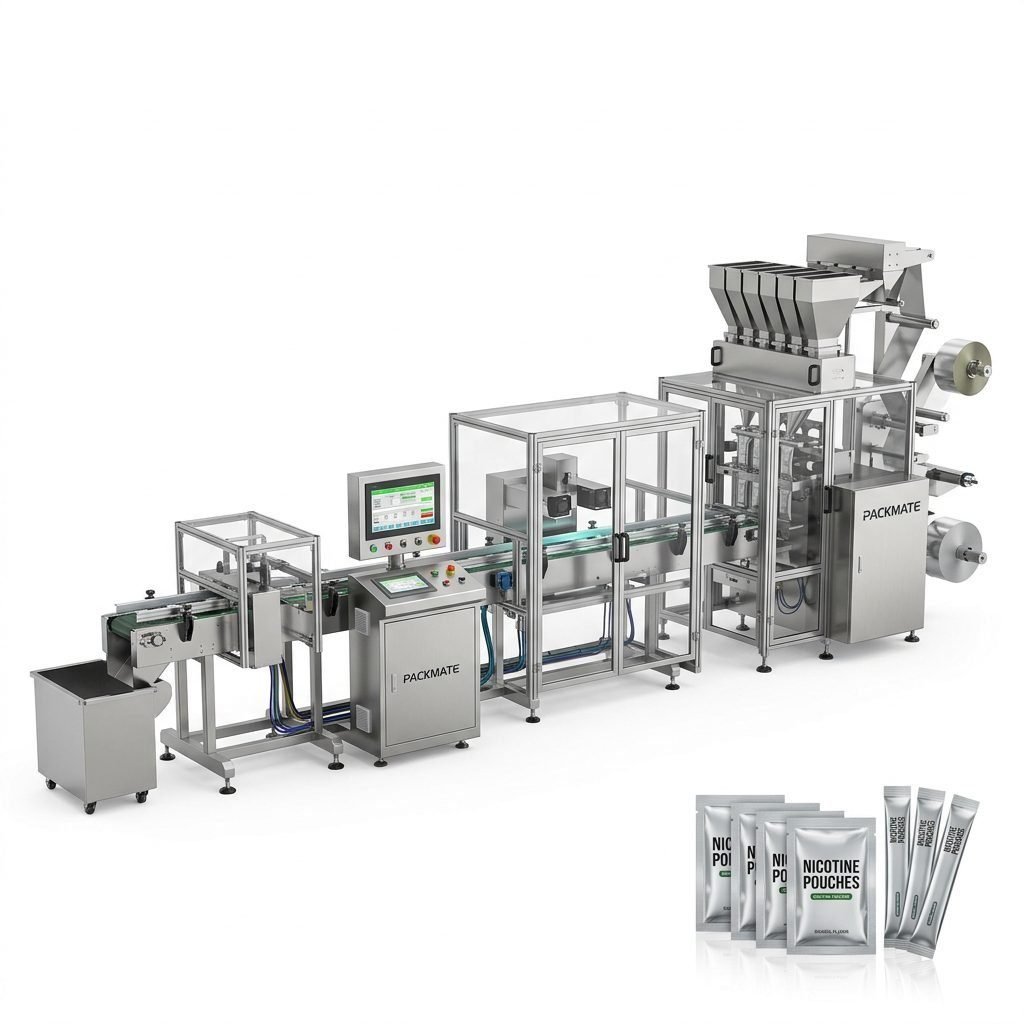
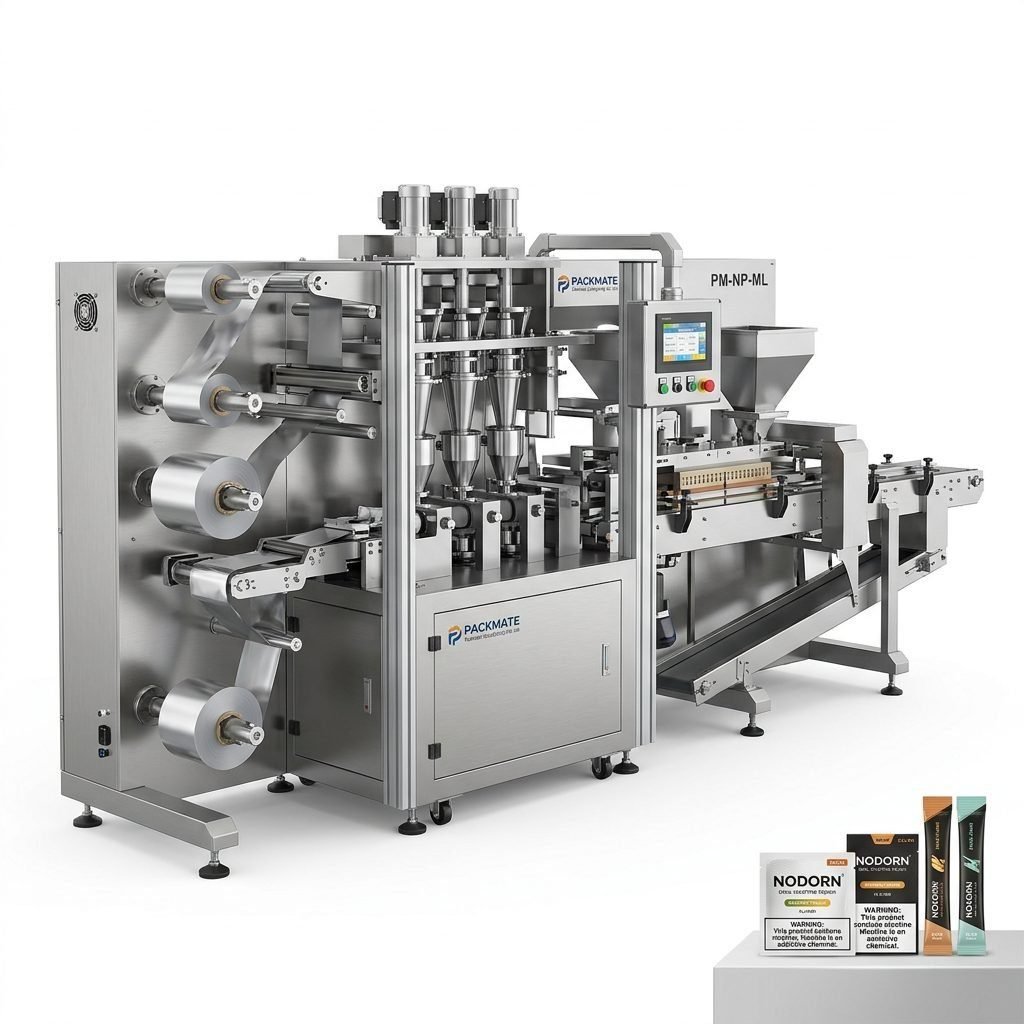
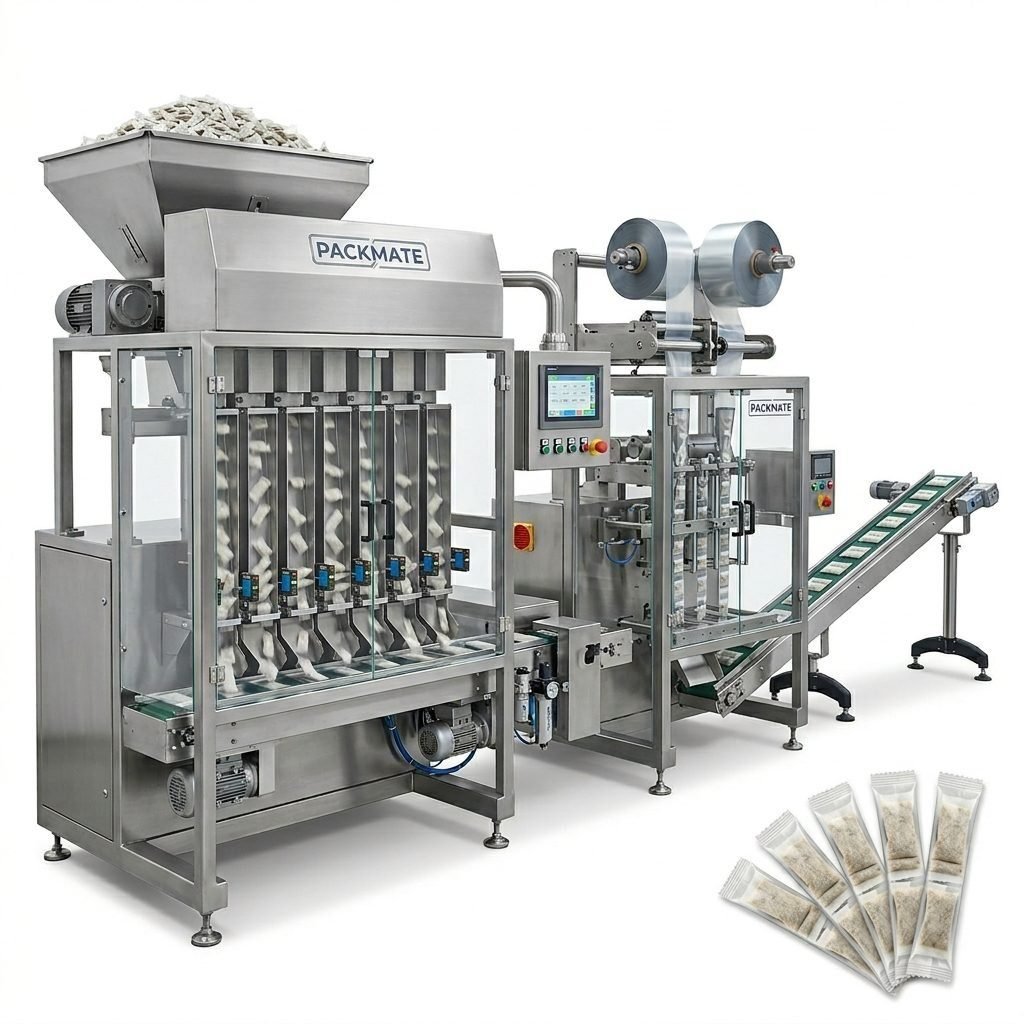
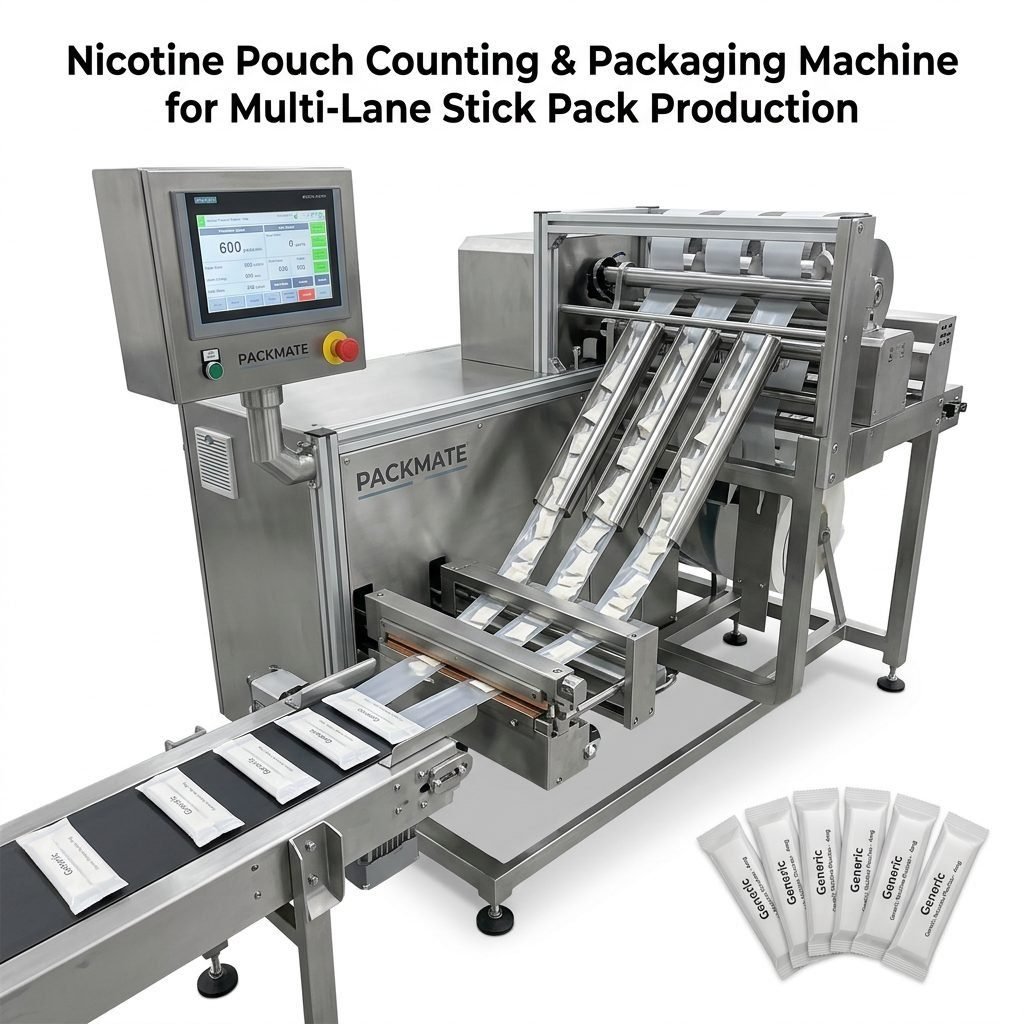
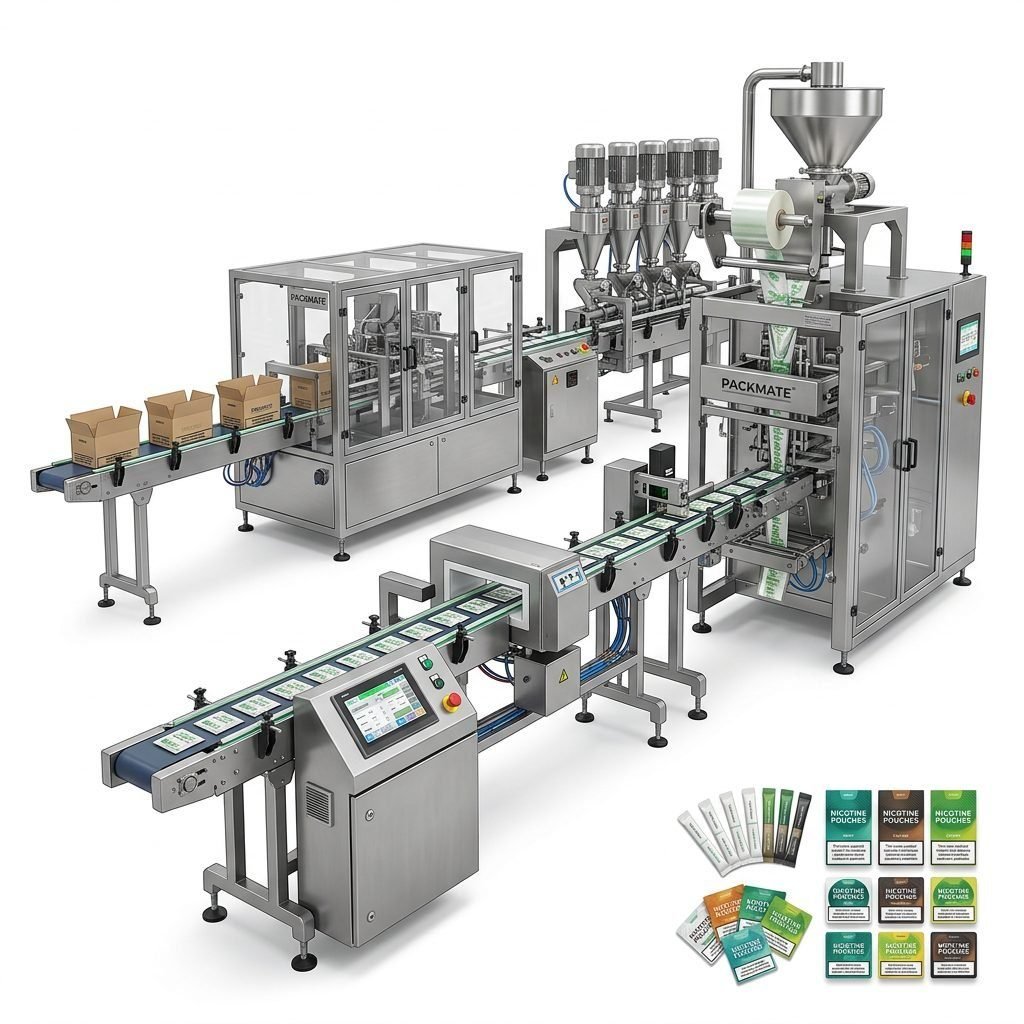
Maintaining a snus packaging line is a critical part of achieving high throughput, consistent product quality, and long machine life. This guide consolidates best practices for daily, weekly, and monthly maintenance of snus and nicotine pouch packaging equipment, with pragmatic tips to reduce downtime, optimize efficiency, and extend the service life of key components. Whether you run a single-lane sachet machine or a high-speed, multi-lane snus packaging line, the principles below apply and can be tailored to your setup.
Why Proactive Maintenance Matters
Proactive maintenance prevents minor issues from escalating into major failures. For snus packing lines, where consistent dosing, sealing integrity, and hygienic handling are essential, routine checks directly influence yield and regulatory compliance. A well-maintained line can reduce unexpected stoppages, improve Overall Equipment Effectiveness (OEE), and lower total cost of ownership.
Key Benefits
- 🔧 Reduced unplanned downtime through early detection and resolution of wear.
- ✅ Improved product consistency and fewer rejects from better calibration and cleaning.
- 📈 Extended machine life and lower capital replacement costs.
- 🛡️ Better safety and regulatory compliance with documented maintenance routines.
Quick Maintenance Checklist (Daily)
⚙️ Visual inspection of belts, sealing jaws, and feed mechanisms; clean dust and material buildup.
⚙️ Check lubrication points and refill as required.
⚙️ Ensure sensors and photoeyes are unobstructed and aligned.
⚙️ Verify that emergency stops and safety guards operate freely.
Daily Operations: The Foundation of Reliability
Daily routines are the simplest and most effective layer of preventive care. Start each shift with a short operator checklist and end with a brief handover noting any anomalies. Operators should be trained to identify early-warning signs such as unusual noises, intermittent sensor faults, or gradual changes in pouch weight distribution.
Daily Tasks (Detailed)
1) Clean dosing hoppers and material feeds to prevent bridging or contamination.
2) Check the condition of forming tubes and sealing jaws; clean residue after each run.
3) Inspect servo and motor temperatures; unusual heat can signal alignment or bearing issues.
4) Confirm pneumatic pressure levels and air quality—moisture in lines accelerates valve wear.
Weekly and Monthly Preventive Tasks
Weekly and monthly maintenance should include deeper inspections and component replacements scheduled before failure. Use equipment runtime logs to determine the optimal frequency and adjust based on actual machine hours and product characteristics.
Weekly/Monthly Checklist
🔁 Tighten fasteners and check coupling alignments.
🔁 Inspect and, if needed, replace belts, chains, and bearings.
🔁 Test and recalibrate dosing systems and load cells.
🔁 Update firmware and PLC backups after authorized changes.
Lubrication, Seals, and Consumables
Proper lubrication is essential: use manufacturer-recommended greases and oils and avoid over-lubrication which attracts dust. Replace O-rings and seals on pneumatic cylinders on a schedule to prevent sudden air leaks. Maintain an inventory of common consumables—belts, sensors, shear blades, and sealing inserts—to shorten repair times.
Spare Parts Strategy and Inventory Management
A strategic spare-parts plan reduces mean time to repair (MTTR). Categorize parts into critical (need immediate replacement), operational (replacement during planned downtime), and long-lead items (order in advance). Keep critical spares on-site and use just-in-time practices for less urgent items while maintaining strong supplier relationships.
Suggested Critical Spares
- Sealing jaws and inserts
- Forming tubes and filling nozzles
- Photoelectric sensors and spare cables
- PLC backup modules and motor drives
- Belts, chains, and bearings
Calibration and Quality Control
Regular calibration of weighing and dosing equipment ensures product compliance and reduces giveaway. Create a calibration schedule using calibrated weights and reference instruments. Log every adjustment and link corrective actions to operator training records for traceability.
Calibration Tips
⚖️ Use certified weights for load cell verification.
⚖️ Run test batches after each major cleaning or part replacement.
⚖️ Implement statistical process control charts to detect drift early.
Changeover and Sanitation Procedures
Efficient changeovers reduce downtime and preserve hygiene. Pre-stage tools, changeover kits, and recipe settings. For nicotine pouch and snus lines, follow strict sanitation protocols to avoid cross-contamination, especially when switching between flavored products.
Sanitation Best Practices
• Use approved, residue-free cleaning agents and ensure complete rinsing.
• Dry components thoroughly before reassembly to prevent corrosion.
• Record sanitation cycles and responsible operator for audit readiness.
Operator Training and Documentation
Skilled operators are your first line of defense. Invest in hands-on training, clear SOPs, and quick reference guides. Equip control panels with labeled manuals and maintain an online repository for firmware versions, schematics, and maintenance logs.
Training Focus Areas
👩🏫 Safe lock-out/tag-out procedures.
👩🏫 Basic mechanical adjustments (belt tension, sensor alignment).
👩🏫 Troubleshooting common electrical faults and communicating with service teams.
Troubleshooting Common Issues
Use a structured approach: identify symptoms, isolate subsystem, test assumptions, and implement corrective actions. Document root causes to avoid repeat failures. Below are frequent problems and quick checks.
Common Problems & Quick Fixes
- Uneven pouch fill: check hopper agitation, weigh scale calibration, and feed auger wear.
- Poor seal or frequent seal failures: verify sealing temperature, jaw alignment, and replace worn inserts.
- Intermittent sensor triggers: clean lenses, check wiring routes, and test sensor outputs.
- Frequent belt slippage: inspect tensioners, check pulley alignment, and replace glazed belts.
Data-Driven Maintenance and OEE Improvement
Leverage machine data to move from calendar-based to condition-based maintenance. Monitor machine stoppages, cycle times, and reject trends. This data helps prioritize improvements and justify investments in upgraded components or automation.
KPIs to Track
- Availability: percentage of scheduled time the machine is operational.
- Performance: operating speed vs. design speed.
- Quality: good units vs. total produced.
Working with OEM Support and Spare Parts Supply
Maintain active service contracts with OEMs and authorized partners. Packmate offers documentation, certified spare parts, and remote troubleshooting that can shorten repairs. When planning expansions or retrofits, consult OEM experts for compatibility and recommended upgrades.
Discover tailored solutions and available equipment lines for snus and nicotine packaging on our product pages: Snus & Nicotine Packaging Machines, Bag & Pouch Packaging Machines, and explore our Service offerings for ongoing support.
Safety and Regulatory Considerations
Safety and compliance are non-negotiable. Ensure machine guarding, interlocks, and signage meet local regulations. Maintain documentation for sanitation and material traceability, especially relevant for nicotine-containing products where traceability and responsible handling are mandated in many markets.
Documentation and Traceability
Keep maintenance records, calibration logs, and cleaning certificates accessible for audits. If you need company background or certificates, refer to About Packmate and our Certificate page for compliance information.
When to Call for Expert Service
🔺 Persistent electrical faults after basic checks.
🔺 Major mechanical damage or unusual vibration at operating speed.
🔺 Repeated calibration drift despite corrective adjustments.
For professional on-site or remote assistance, visit Contact Us.
ROI of Good Maintenance
Investing in maintenance pays dividends by maximizing uptime and minimizing costly emergency repairs. Track reduced downtime, energy savings from properly tuned drives, and lower scrap rates to quantify ROI. Continuous improvement cycles and small investments in training and spares often yield large operational gains.
Final Tips
– Standardize checkpoints and keep visual aids at the machine.
– Rotate stock of critical spares to avoid expired or degraded items.
– Capture knowledge from experienced technicians and convert it into SOPs and quick troubleshooting flows.
Common Questions
Q: How often should sealing jaws be replaced?
A: Replace based on visual wear and sealing performance—typically after a defined number of cycles specified by the OEM or when seal quality degrades despite proper temperature settings.
Q: Can I perform major repairs in-house?
A: Routine mechanical and minor electrical repairs are feasible with trained staff, but complex PLC, servo, or structural repairs are best handled by certified service technicians to avoid voiding warranties.
Q: What inventory level should I keep for spare parts?
A: Keep critical spares on-hand (1–2 units), operational spares for scheduled downtime, and maintain supplier lead-time records for long-lead items.
Q: How do I minimize contamination risk when changing flavors?
A: Implement validated sanitation procedures, use dedicated changeover kits, and run purge cycles or test batches to confirm cleanliness before production resumes.