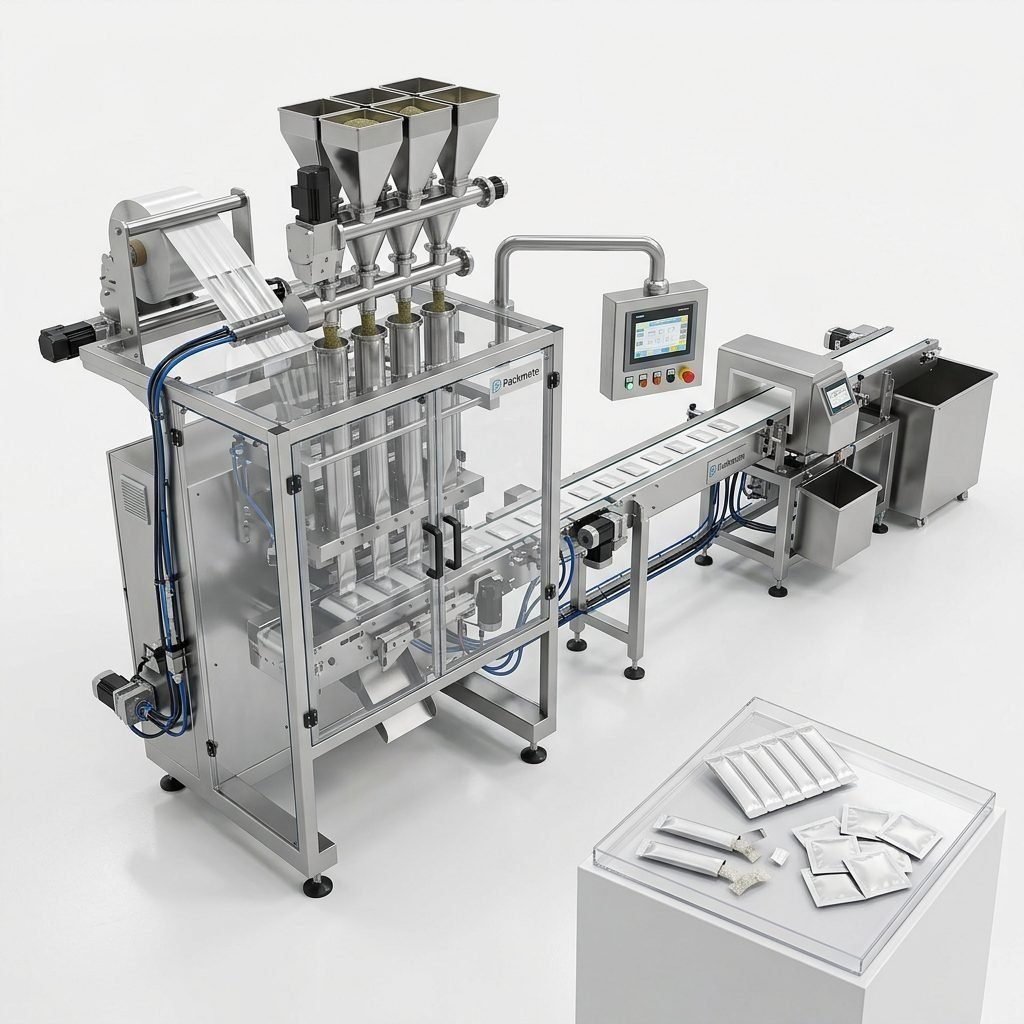
Japan’s nicotine pouch and snus market requires a careful blend of safety, precision and cultural awareness when selecting packaging equipment. Whether you’re launching a small domestic brand or scaling up an export line, choosing the right nicotine packaging machine in Japan means balancing regulatory compliance, compact factory layouts, and high hygiene standards with production efficiency and return on investment. This guide walks through the practical steps to select a machine that suits Japanese market expectations and operational realities.
Understanding the Japanese Market and Local Practices
In Japan, meticulous attention to detail is highly valued across industries. For nicotine pouch packaging, this translates into preference for consistent product presentation, quiet machine operation in dense industrial districts, and clear Japanese-language labeling. Manufacturers typically favor machines with small footprints that can be integrated into compact facilities, and they expect rapid technical support with clear communication in English and, ideally, Japanese.
🔴 Key cultural notes: deliver packaging with neat sealing and precise weight control, provide Japanese-language manuals and labeling support, and minimize noise and dust during operation.
Regulatory and Safety Considerations in Japan
Compliance is non-negotiable. While nicotine pouch regulations can vary, Japanese businesses must follow local safety and consumer product labeling rules. Machines sold into Japan should meet global safety standards such as CE and ISO, and your supplier should provide necessary documentation for import and validation. Choose equipment that supports traceability features, hygienic design for easy cleaning, and controlled dust extraction to reduce contamination risks.
Must-have safety features
Emergency stop chains, safety interlocks, food-grade contact surfaces, and easy-to-access control panels. Machines that log errors and product counts help with regulatory audits and product recalls.
Types of Nicotine Packaging Machines to Consider
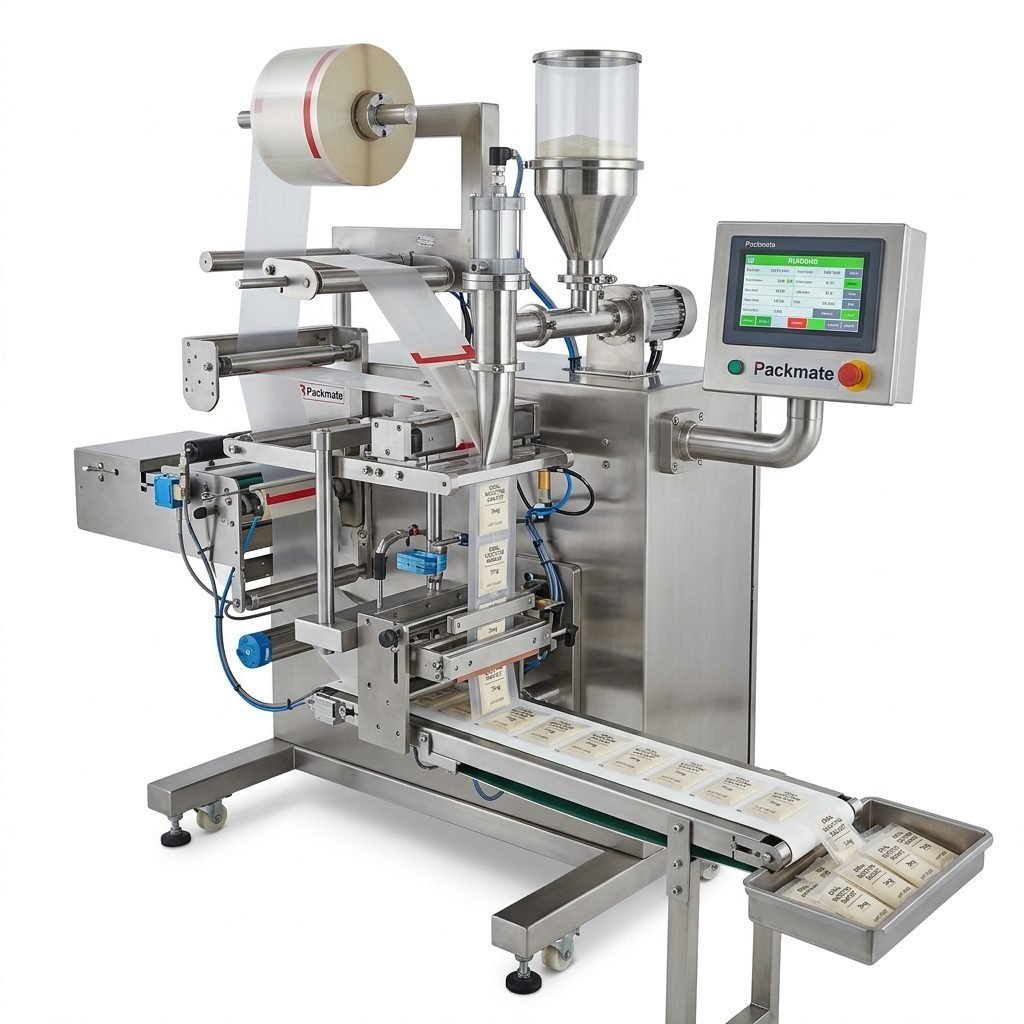
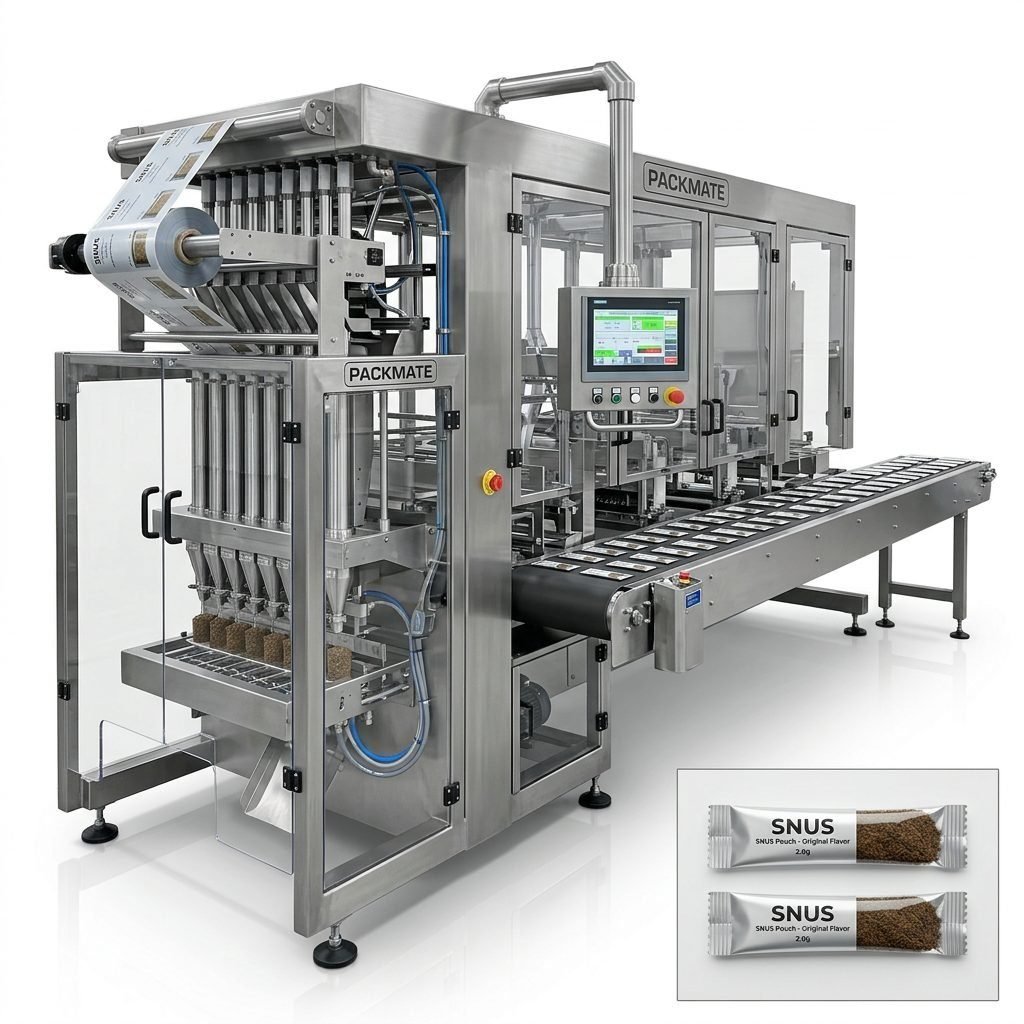
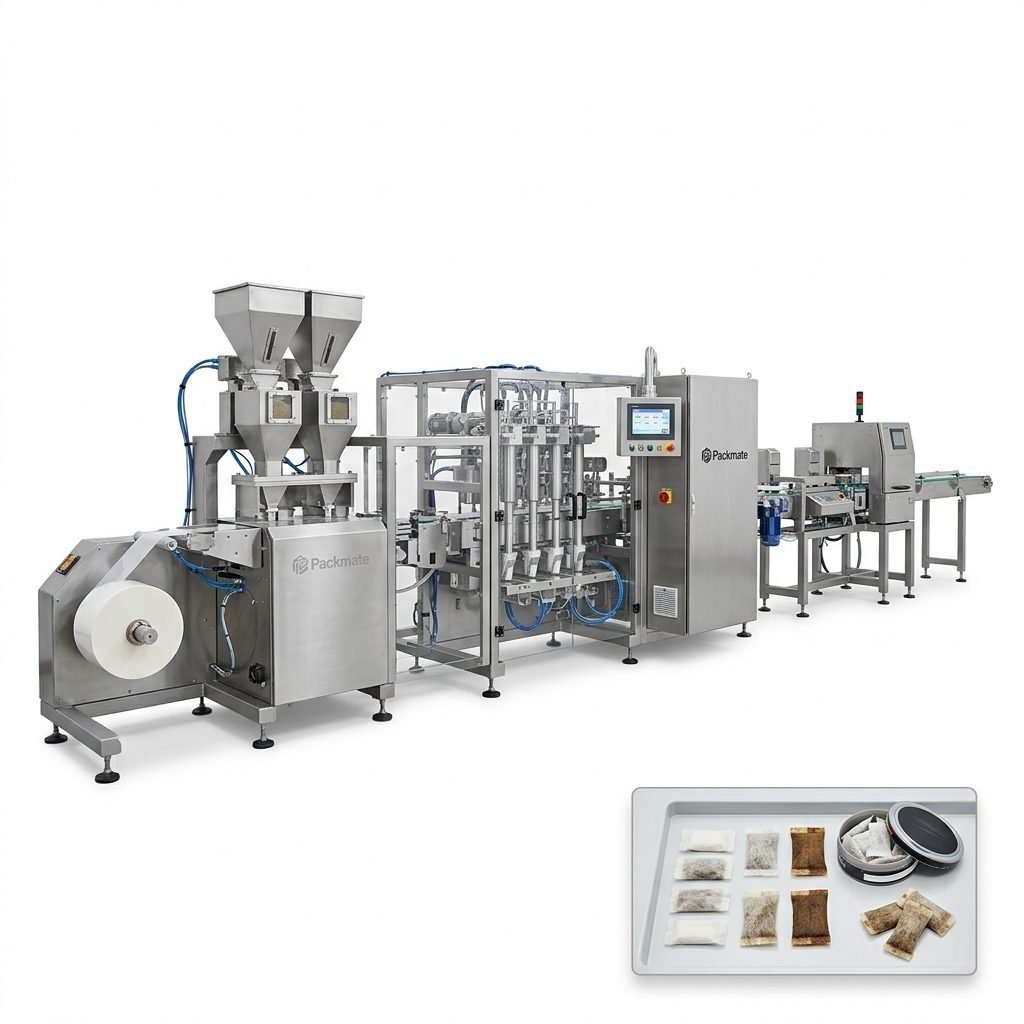
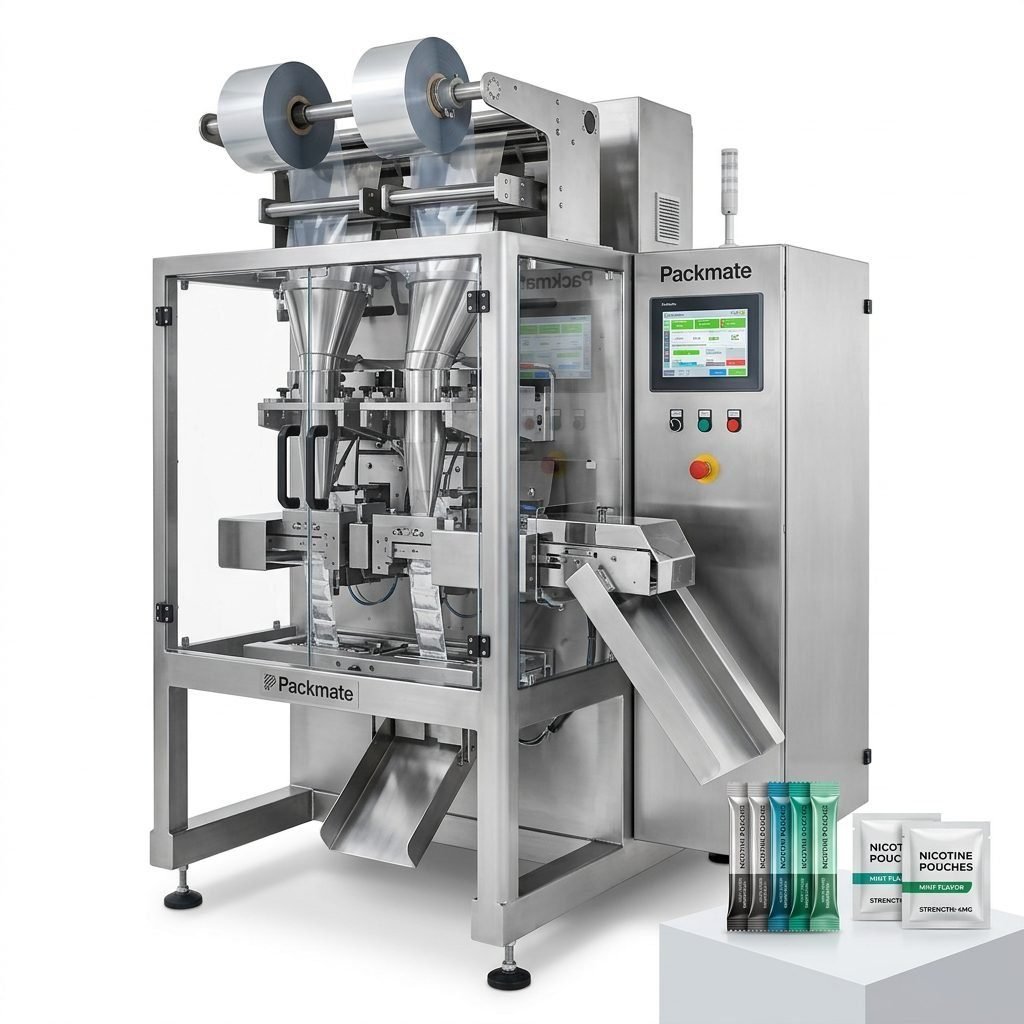
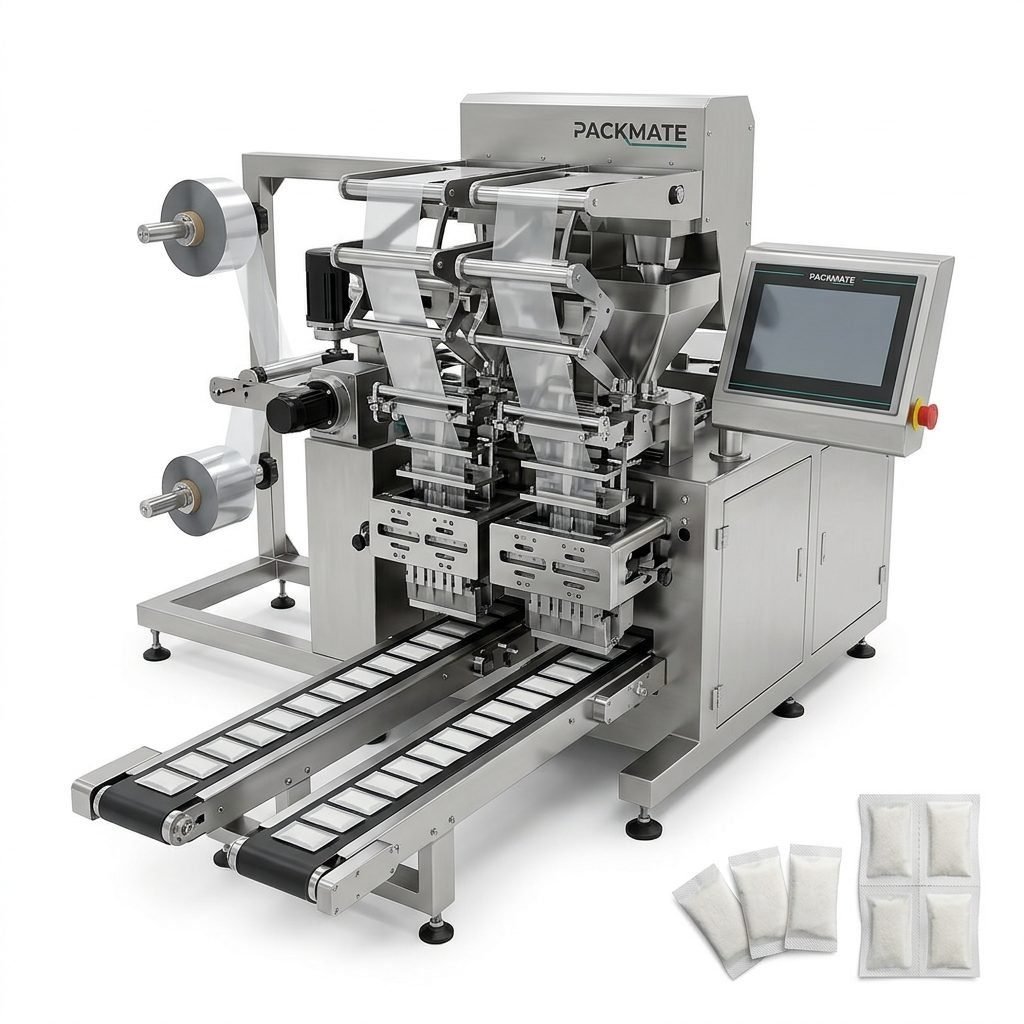
There are a few common systems used for nicotine pouch packaging: multi-lane pouch formers, stick pack machines for single-dose sachets, and sachet/flat pouch machines. Your choice depends on pouch type, output capacity, and the product format Japanese consumers expect.
✅ Recommended: For high-volume production of nicotine pouches, multi-lane systems deliver the best throughput with consistent dosing; for premium, sealed single-dose offerings, consider stick pack or sachet lines.
Popular configurations
– Multi-lane pouch machines for small-dose pouches
– Stick pack sachet lines for pre-portioned doses
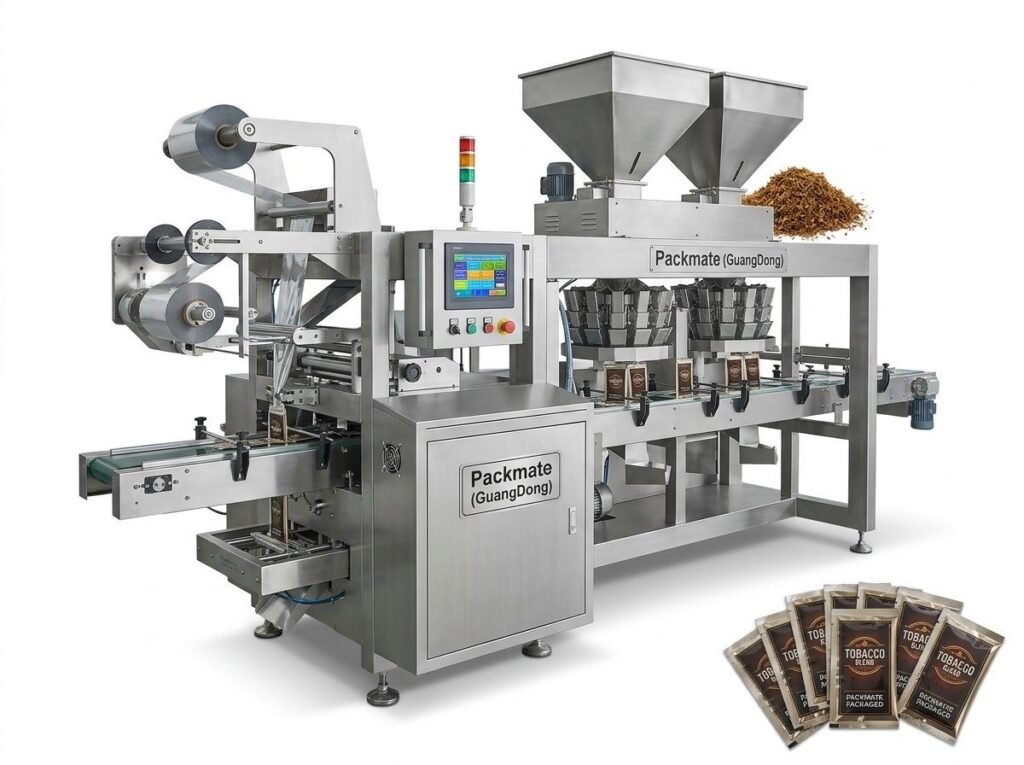
– Integrated weighing & filling systems for granules/powder blends
Key Technical Specifications to Evaluate
Evaluate machinery across core dimensions: speed (pouches/min), lane configuration, dosing accuracy, sealing quality, format changeover time, and the machine’s footprint. For Japan, pay special attention to noise levels (dB) and energy efficiency, as both can affect operating permits and ongoing costs.
⚠️ Tolerance tip: choose machines with dosing accuracy within ±2% or better for nicotine products to avoid regulatory and quality issues.
Production Efficiency, Maintenance and Total Cost of Ownership
A lower purchase price can hide high operating costs. Assess mean time between failures (MTBF), ease of part replacement, and local serviceability. Machines with modular designs and quick-change format parts reduce downtime, a critical factor in Japan where production schedules are tight.
Request detailed spare parts lists and pricing, and evaluate whether local or regional support exists for rapid response. Consider remote diagnostics capability to reduce technician travel time and accelerate troubleshooting.
Hygiene, Materials and Cleanability
Japanese factories often emphasize cleanliness and ease of sanitation. Select machines constructed from food-grade stainless steel with minimal crevices and easily removable parts. Smooth surfaces, washdown-capable motors and IP-rated enclosures help meet sanitation routines and reduce cross-contamination risk.
Customization and Turnkey Solutions
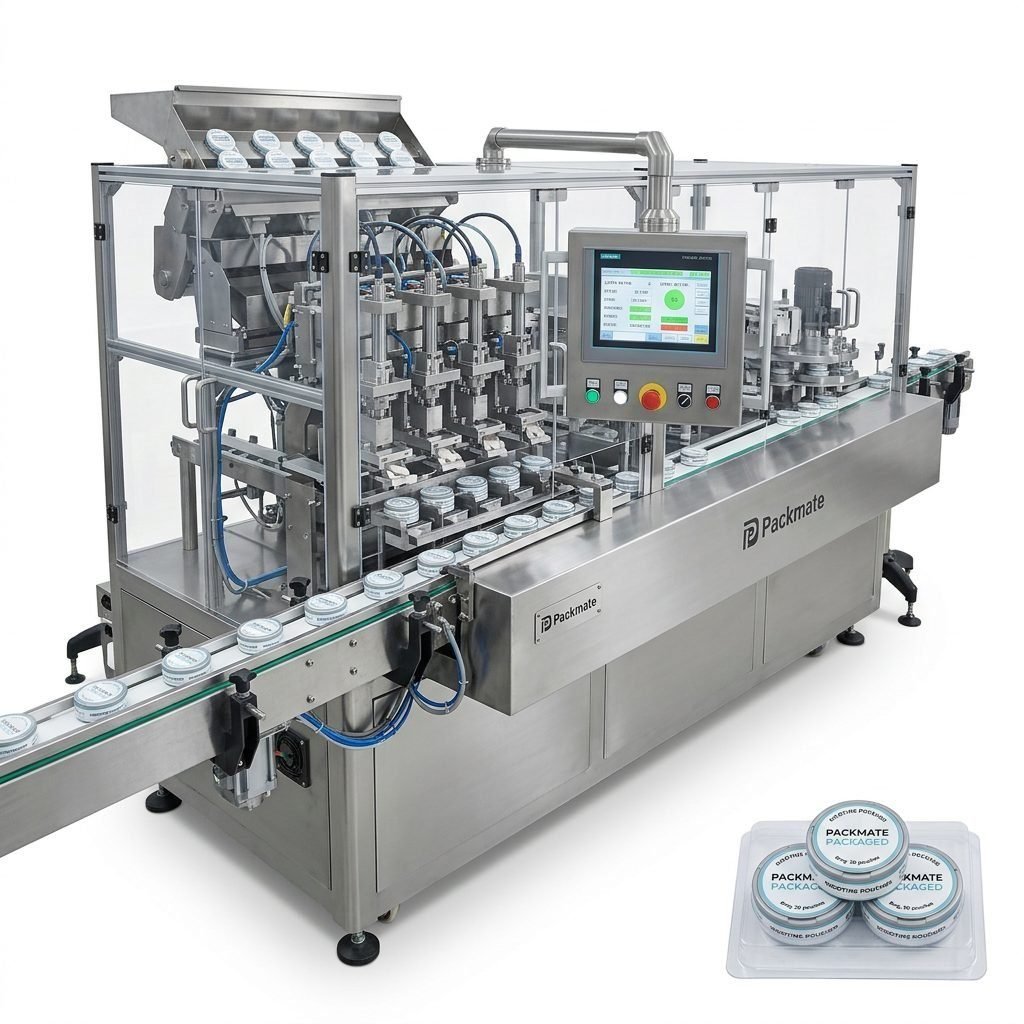
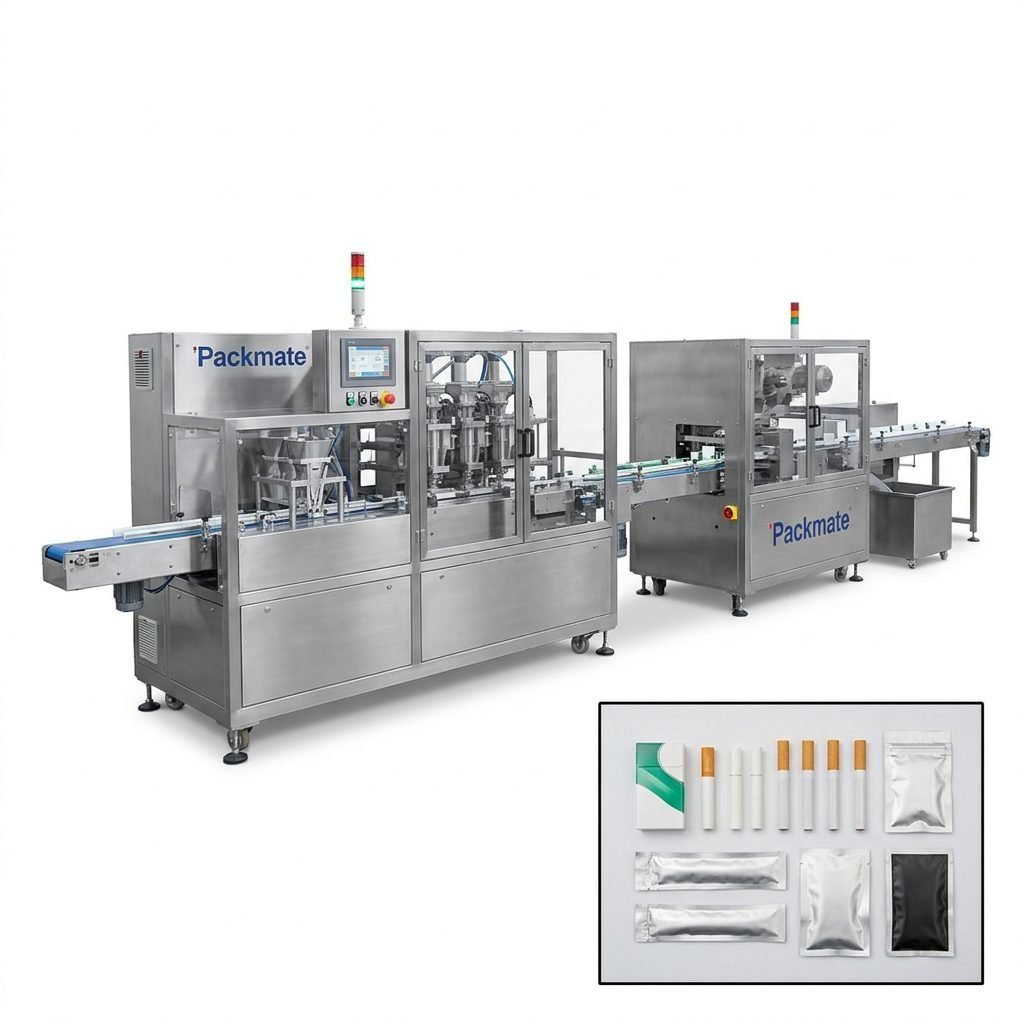
For many brand owners, a turnkey line — including pouch forming, dosing, sealing, secondary packaging and case packing — accelerates time-to-market while ensuring component compatibility. Manufacturers like Packmate can deliver full packaging lines tailored to nicotine pouches, including multi-lane systems and integrated weighing. Review supplier case studies to see proven installations.
Explore Packmate’s product pages for detailed machine categories such as Snus & Nicotine Packaging Machines and integrated Weighing & Packaging Systems.
Supplier Selection: What to Ask and Inspect
When evaluating vendors, request machine demonstrations (live or video), CE/ISO certificates, detailed electrical and pneumatic specifications, and references from similar installations. Inspect the factory if possible, or ask for photos and video of factory acceptance testing. Confirm spare parts lead times and availability of technical training.
ℹ️ Useful links: review supplier history via their About Packmate page and study real-world installations in the vendor Case library.
Installation, Qualification and Operator Training in Japan
Plan for site surveys to confirm utilities (power, vacuum, compressed air) and floor loading. Formalize factory acceptance testing (FAT) and site acceptance testing (SAT) protocols. Ensure operators receive training in Japanese or with translated materials, covering routine maintenance, changeovers, and sanitation procedures.
Cost Considerations and Return on Investment
Compute ROI by factoring purchase price, expected throughput, yield (rejected pouches), downtime, labor savings, and energy consumption. Higher initial investment in automation often reduces running costs and improves product consistency, a strong selling point in Japan’s quality-driven marketplace.
Tip: request a projected ROI model from your supplier based on your expected shift patterns and defect rates to compare machines objectively.
Typical Selection Checklist
Use this checklist when evaluating machines: dosing accuracy, multi-lane capacity, seal integrity testing, hygiene design, spare parts availability, CE/ISO compliance, noise level, energy use, vendor references, and availability of local support.
Quick decision flow
Define product specs → Select machine type (multi-lane vs stick pack) → Request FAT video & certificates → Calculate ROI → Confirm training & after-sales service → Place order.
Why Consider Packmate for the Japanese Market
With over 30 years of engineering experience and a wide portfolio of snus and nicotine packaging machines, Packmate delivers tailored solutions including multi-lane pouch lines, sachet and stick pack systems, and full turnkey lines. Their manufacturing processes and certifications align with global standards, and they provide comprehensive documentation and factory testing to facilitate smooth imports and installations.
To explore product options, check the detailed categories such as Sachet & Stick Pack Machines and auxiliary equipment for line optimization on the Auxiliary Packaging Equipment page.
Final Selection Tips for Buyers in Japan
– Prioritize hygienic design and compact footprint.
– Validate supplier documentation and machine certifications.
– Seek local training and spare parts commitments.
– Request noise and energy specifications for local compliance.
– Test with your exact blend and pouch film to confirm dosing and seal integrity.
📞 Next step: contact the supplier early to arrange a FAT and to review installation logistics — use the vendor Contact Us page to schedule a consultation.
Common Questions (FAQ)
Q1: How do I ensure a machine meets Japanese labeling and language needs?
A1: Work with the supplier to supply Japanese-language HMI options, manuals and labeling templates; confirm label printing and verification modules are compatible with your artwork.
Q2: What certifications should I request for import into Japan?
A2: Ask for CE and ISO certificates, electrical schematics compatible with local power standards, and documentation of material compliance (food-grade stainless steel, surface finishes).
Q3: How important is local service and spare parts availability?
A3: Extremely important. Fast access to spare parts and technicians minimizes downtime. Confirm lead times and consider stocking critical wear parts locally.
Q4: Can I see references or case studies for similar nicotine pouch installations?
A4: Yes — review supplier case studies to validate performance. Many manufacturers provide installation videos and customer references to demonstrate real-world results.
Q5: What is the typical lead time for a multi-lane nicotine pouch line?
A5: Lead times vary by customization level; standard models can ship faster, while fully custom turnkey lines may require extended engineering and FAT scheduling. Discuss timelines early with your vendor to align procurement and validation plans.