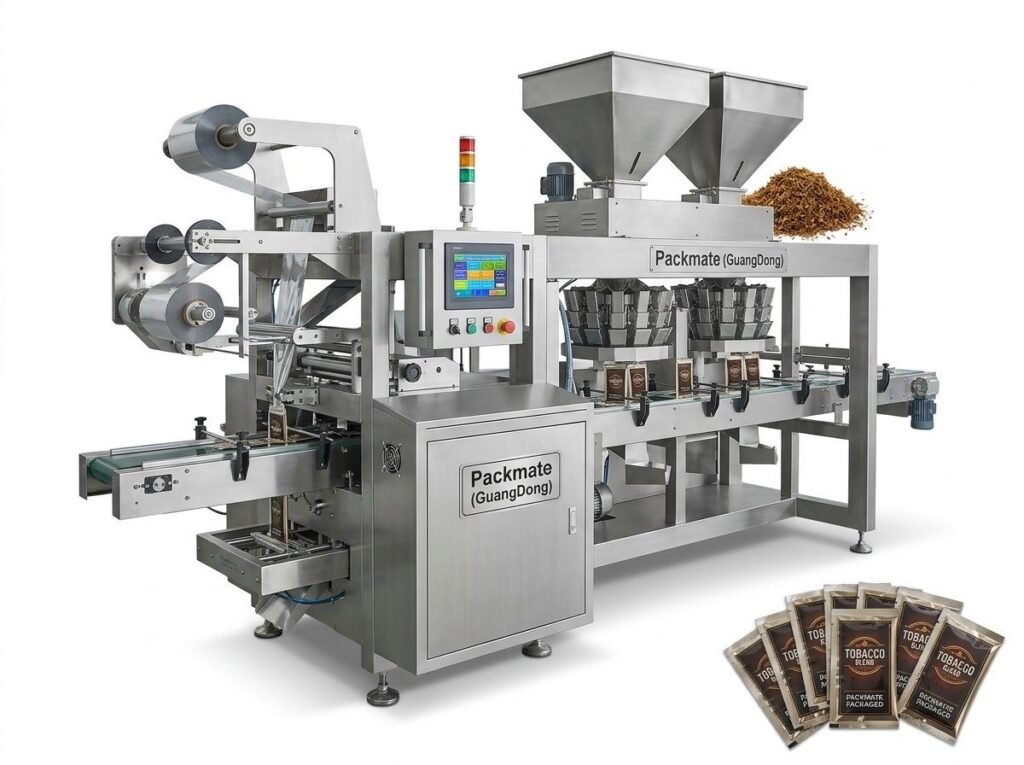
Choosing the right snus packaging machinery manufacturer for operations in Togo requires more than comparing price tags. You must account for local market habits, import logistics through the Port of Lomé, climate impacts on equipment and materials, and the level of French-language support offered. This guide walks you through practical steps to evaluate manufacturers, select machines tailored to nicotine pouch production, and plan for successful long-term operations in Togo’s unique business environment.
Understand Your Production Requirements
Start by defining the core parameters of your production: daily output (pouches/hour), pouch formats (single-dose, multi-lane, stick pack), product types (moist snus vs dry nicotine pouches), and packaging materials (laminate options, aluminium foil, paper pouches). These details directly determine the machine model, required filling systems, and the degree of automation.
✔️ Capacity planning: estimate peak seasonal demand and add a 20–30% buffer to avoid bottlenecks.
✔️ Format flexibility: choose machines that can handle multiple pouch sizes if you plan to diversify.
Why Togo-specific needs matter
Togolese market conditions influence machine selection: high humidity and heat can affect hygroscopic fills, electrical grid stability impacts drive systems, and French is typically required for manuals and operator training. If you intend to export from Lomé’s free zone, discuss containerization and export documentation with your manufacturer early.
⚠️ Tip: Ask manufacturers about humidity controls, sealed feeder options, and material drying systems to maintain product quality in Togo’s climate.
Evaluate Technical Capabilities and Product Fit
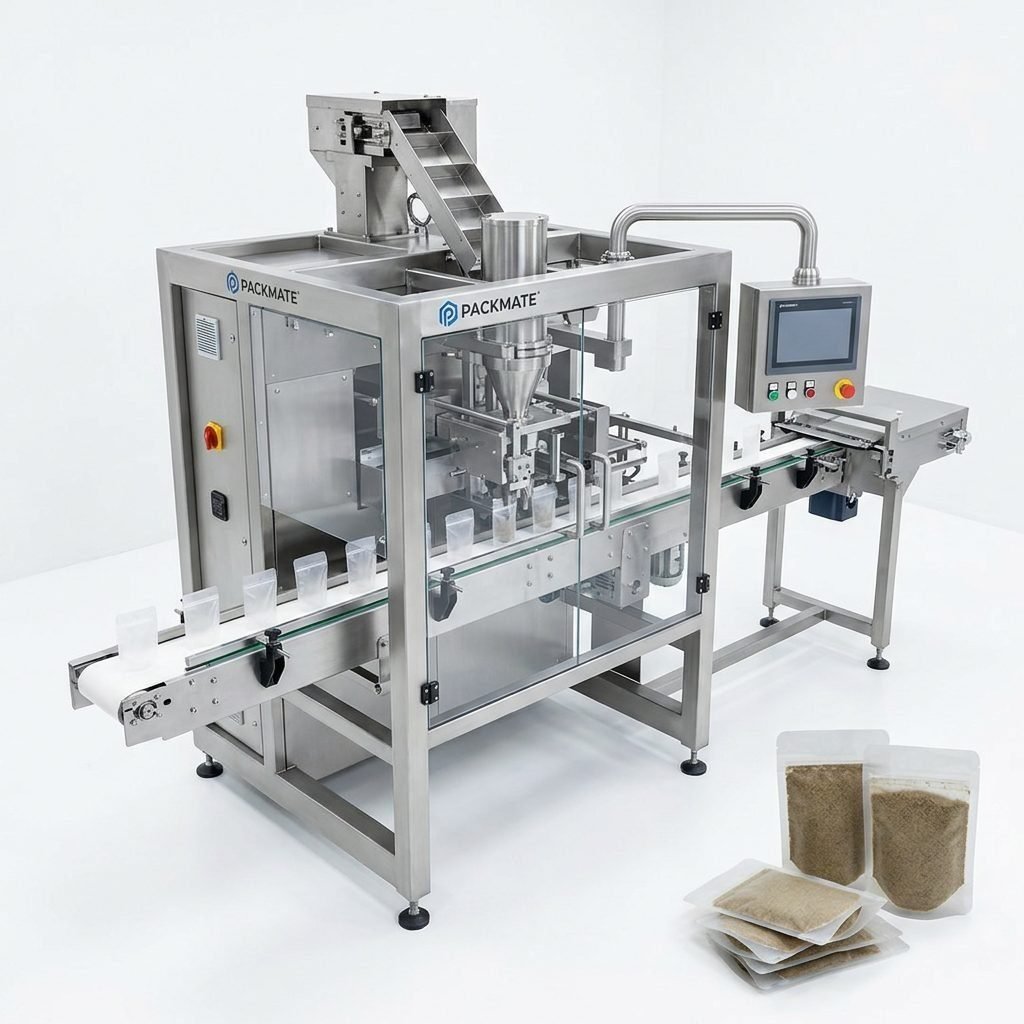
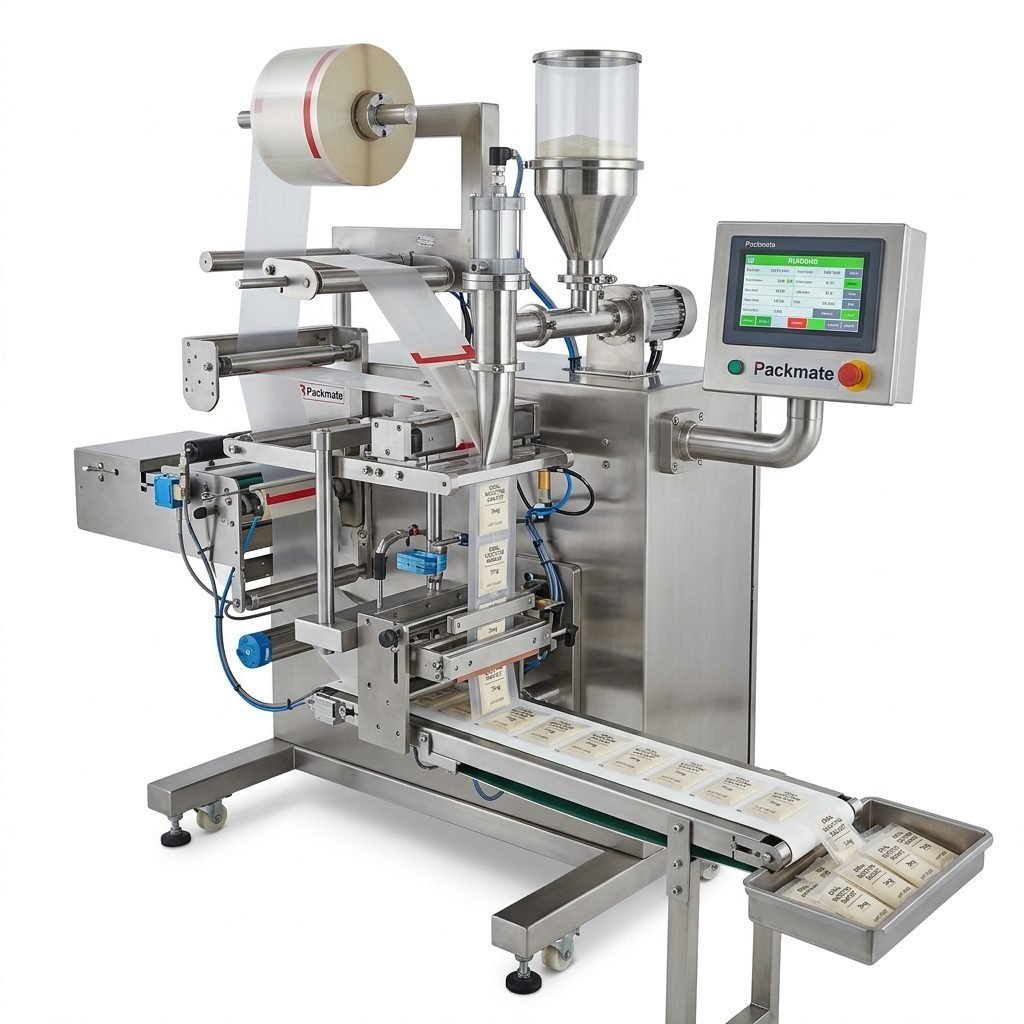
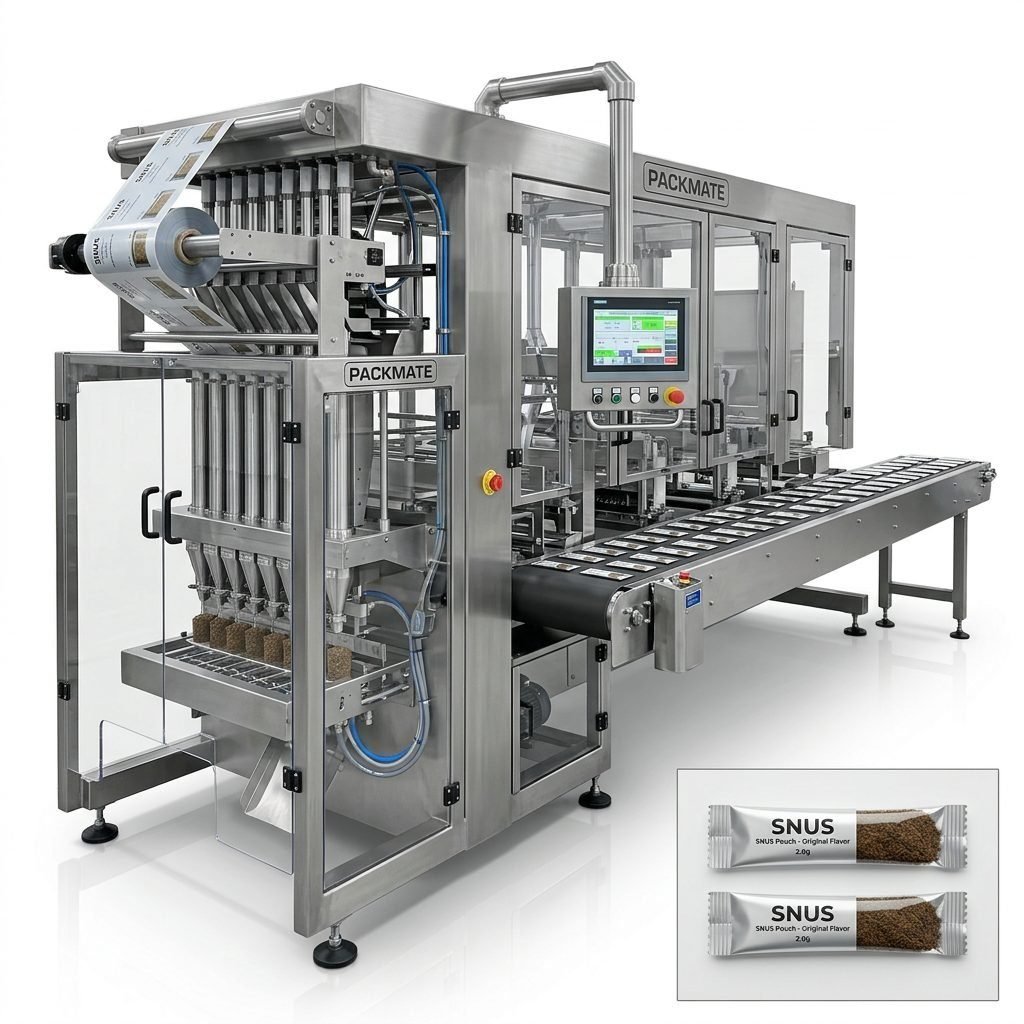
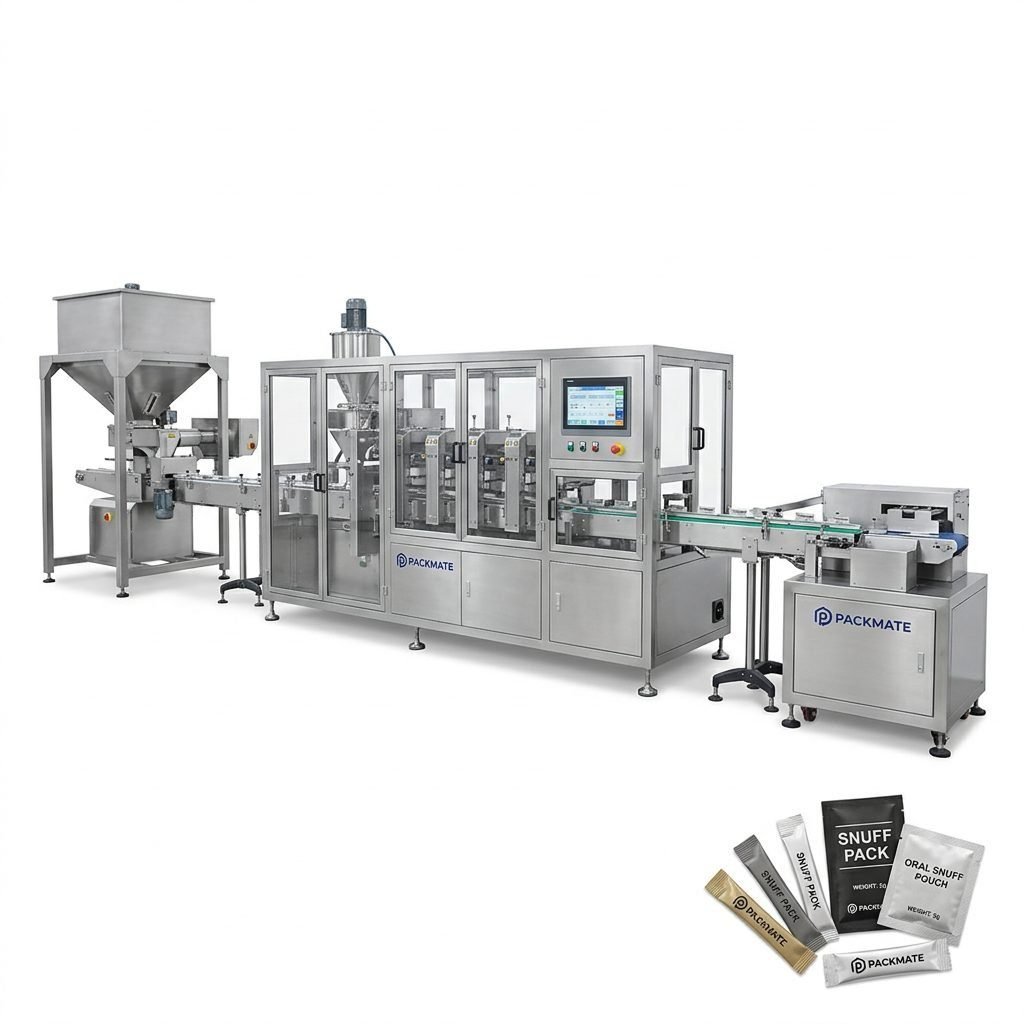
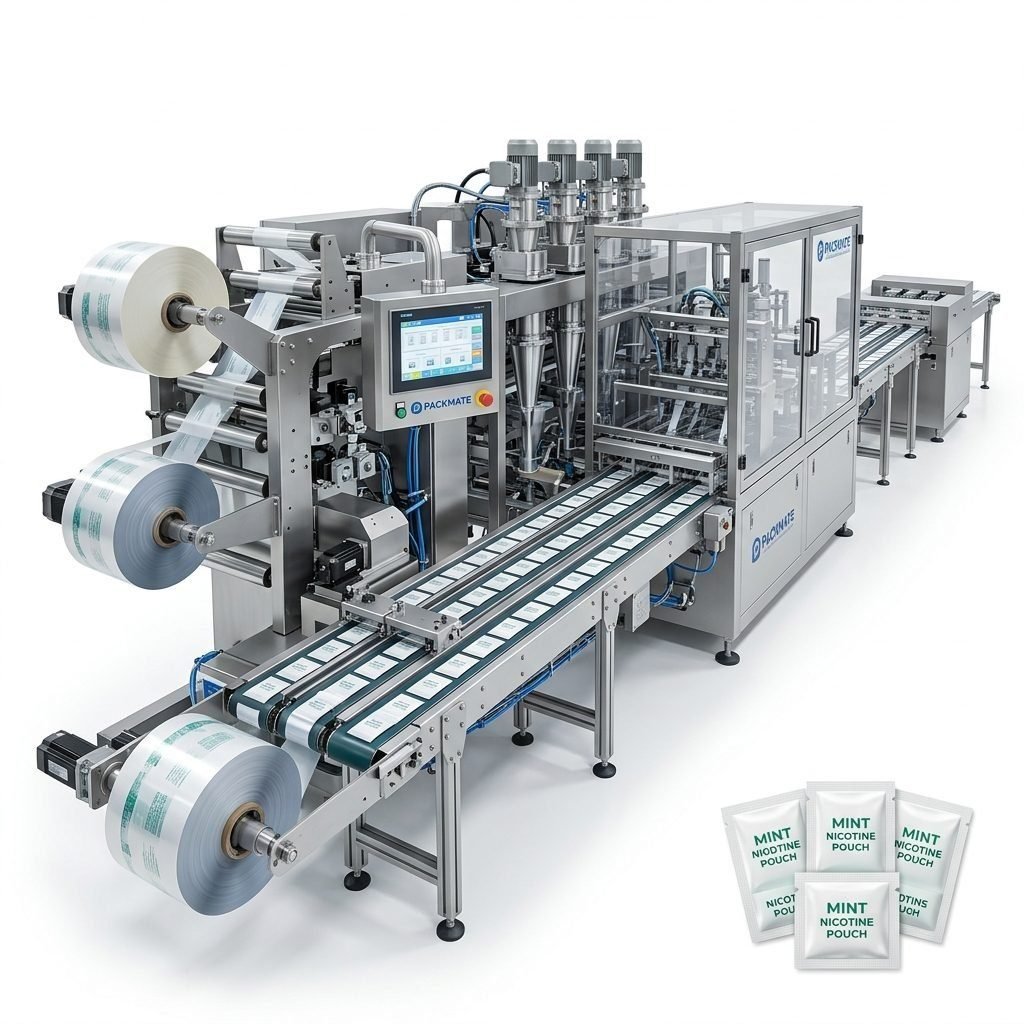
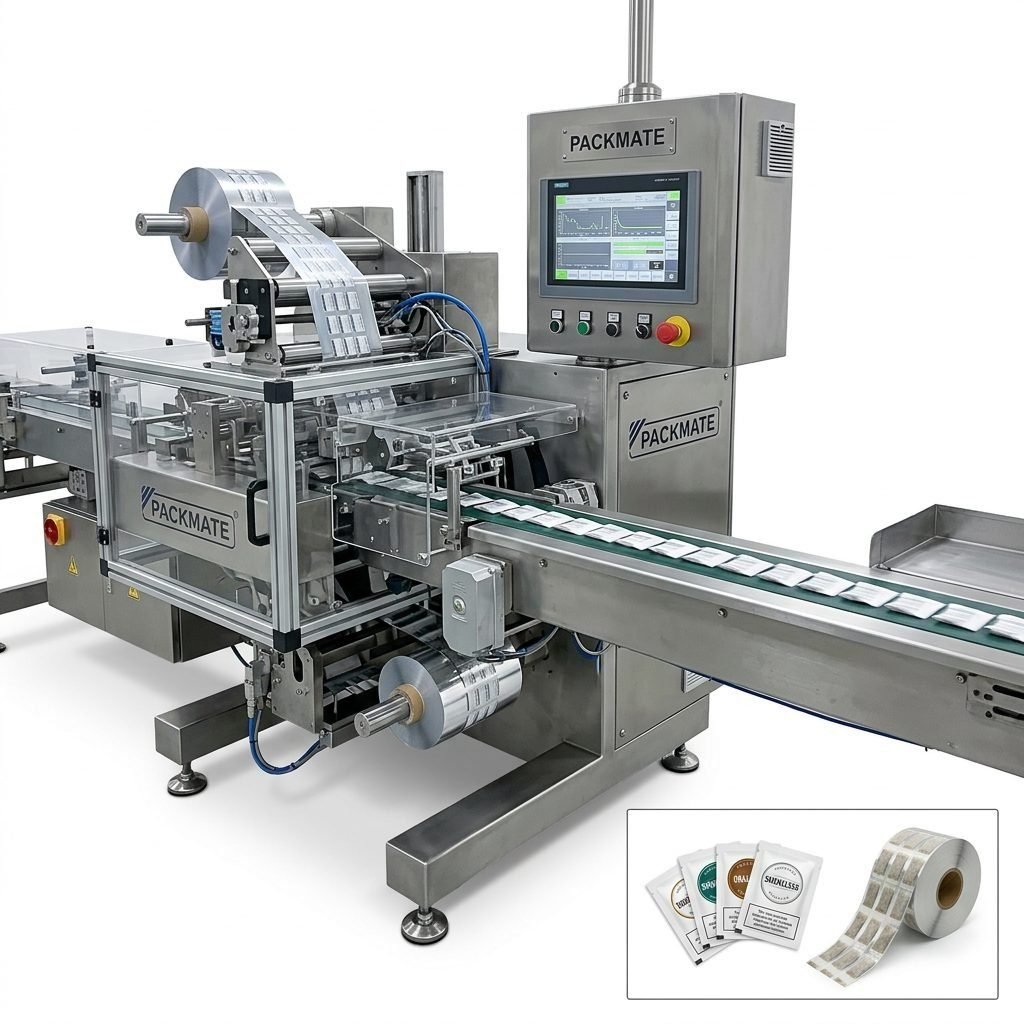
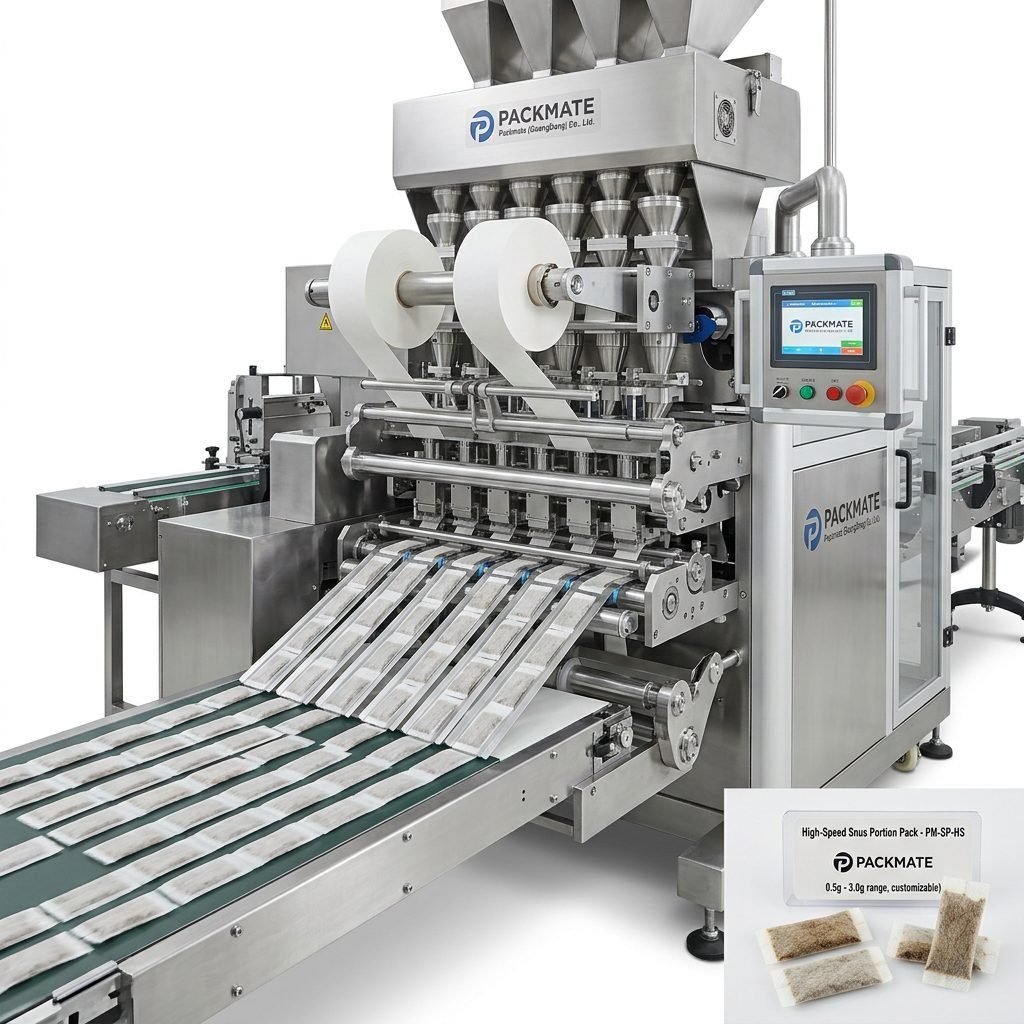
When reviewing manufacturers, match their machine catalogue against your technical needs: multi-lane systems for small-dose pouches, sachet and stick pack lines for specific formats, and appropriate weighing/filling systems for powders or moist fills. Review the manufacturer’s experience producing snus or nicotine pouch lines and request case studies of similar installations.
Consider checking product pages such as Snus & Nicotine Packaging Machines and Sachet & Stick Pack Machines to quickly compare formats and specifications.
Key technical checks
• Servo-driven control for precise dosing and faster changeovers.
• Hygienic design and food-grade contact parts for nicotine pouch safety.
• Modular construction to allow future upgrades or additional lanes.
• Compatibility with your chosen pouch materials and sealing types.
✔️ Must-have: ask for a FAT (Factory Acceptance Test) video, machine demo data, and sample runs of your actual product.
Quality, Certifications and Reliability
Quality systems and international certifications such as CE and ISO are strong indicators of a reliable manufacturer. Machines used for tobacco- or nicotine-related products may require additional compliance documentation depending on export destination.
Explore the manufacturer’s certifications and factory strength — a large facility with CNC machining centers and precision assembly lines suggests better component control and spare parts availability. For example, manufacturers with a comprehensive factory profile and certifications typically provide more dependable long-term support.
Red flags to watch for
• Lack of clear ISO/CE documentation.
• No evidence of multi-lane snus or similar product lines.
• Poor communication or unavailable technical drawings and electrical schematics.
After-Sales Support, Training and Spare Parts
After-sales service is critical, especially when operating in Togo where local technical partners may be scarce. Prioritize manufacturers offering: on-site installation, French-language operator training, quick spare-part shipments to Lomé, and remote technical support.
Ask for service level agreements (SLAs) that clearly define response times, training scope, and warranty coverage. A manufacturer that provides spare parts kits and video-based troubleshooting in French will reduce downtime and help your local team resolve minor issues independently.
⚙️ Service checklist: installation, commissioning, operator training (French), preventive-maintenance plan, spare-parts lead times to Lomé.
Logistics: Shipping, Customs and Local Regulations
Plan logistics early: shipping large packaging lines to Togo involves container planning, local port clearance, and sometimes assembly in-country. Lomé is a primary West African port with good access, but customs paperwork and certificate authentication can delay delivery if documentation is incomplete.
Include freight-forwarders experienced with industrial equipment and request the manufacturer provide export documents like commercial invoice, packing list, and certificate of origin. If you plan to set up in a free zone near Lomé, discuss tax and import duty implications with local advisors.
Local compliance and labeling
Check Togo’s regulations on tobacco-related products and labelling; nicotine pouches may be subject to specific controls. Ensure the manufacturer can supply traceability features, batch coding, and compatible labeling modules if required.
Cost vs Value: Total Cost of Ownership
A low purchase price can be offset by higher operating costs, frequent failures, or expensive spare parts. Evaluate total cost of ownership: energy consumption, maintenance intervals, expected lifetime, and the availability of local technicians or remote support.
• Compare efficiency metrics such as pouches per kWh and changeover time.
• Ask for Mean Time Between Failures (MTBF) data and real-world uptime references.
• Factor in training, spare part kits, and travel for service visits into the initial investment.
💡 Value tip: choose a manufacturer that offers turnkey solutions and integration with weighing & packaging modules to reduce startup complexity. See examples under Weighing & Packaging Systems.
Factory Visits, References and Demonstrations
If feasible, arrange a factory visit or attend an exhibition where the manufacturer demonstrates machines in operation (many suppliers exhibit internationally). Request references from customers in similar climates or markets — ideally in West Africa or tropical regions.
If you cannot visit in person, insist on a live video demonstration, detailed FAT reports, and sample packs produced with your specific recipe and material. Also review case studies like those listed on the manufacturer’s case pages to verify real-world performance.
Explore the manufacturer’s case examples at Case and learn about their factory and service offerings on the About Packmate page.
Customization, Turnkey Lines and Future Growth
If you plan to expand product lines or increase capacity, partner with a manufacturer that provides modular, customizable systems and full turnkey solutions. Multi-lane machines and combined filling/packing lines reduce floor space and simplify operation, which is valuable for small or rapidly growing operations in Togo.
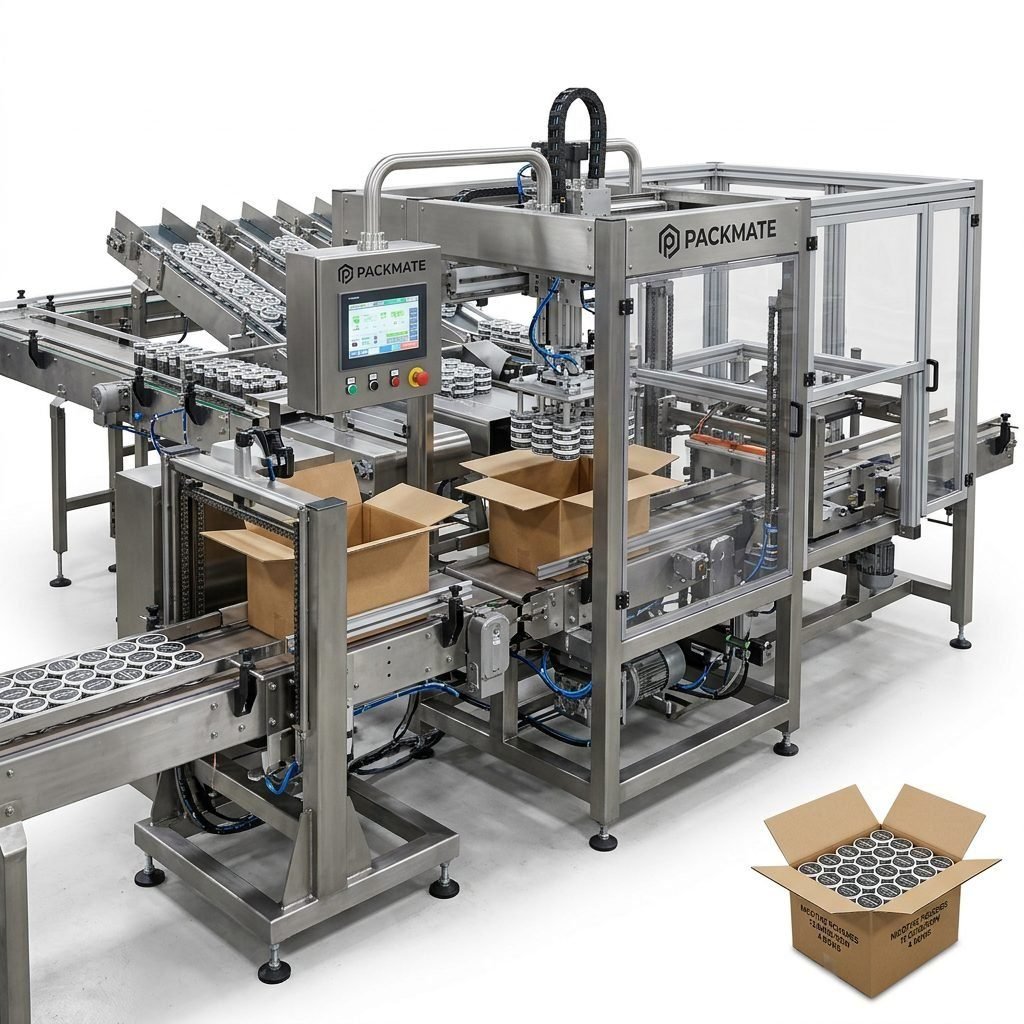
Ask about integration with upstream dosing systems, downstream cartoning, and automated palletizing to future-proof your investment. Manufacturers that provide a full equipment suite—including auxiliary equipment—can save significant integration time.
Helpful resources
Check broader product lines such as Filling & Packaging Lines and Auxiliary Packaging Equipment to ensure your supplier can deliver an end-to-end solution.
🔍 Checklist before signing: FAT agreement, delivery & installation timeline, warranty terms, spare-parts list, on-site training plan, and language options for manuals.
Negotiation Tips and Contracts
Negotiate clear milestones and penalties for missed delivery dates. Ensure the contract specifies acceptance criteria for the FAT, performance guarantees, and spare-parts shipment lead times to Lomé. Include a clause for remote support and escalation paths if issues arise.
If payment terms are a concern, ask about phased payments linked to milestones: deposit, pre-shipment inspection, and post-commissioning acceptance. Confirm that warranties start only after successful commissioning and acceptance testing in Togo.
Final Selection: How to Decide
Your ideal manufacturer will balance technical fit, documented reliability, strong after-sales support (including French-language options), and experience shipping and servicing equipment in West Africa. Prioritize vendors who provide clear FAT protocols, demonstrable case studies, and a commitment to long-term partnership.
✅ Decision summary: Choose a supplier with proven snus/nicotine experience, strong factory capability, CE/ISO certifications, clear logistics support to Lomé, and robust after-sales agreements with training in French.
Where to go next
Start with a shortlist of 3–5 manufacturers, request technical proposals and FAT schedules, and validate references. If you want to explore proven solutions, review product catalogs and talk directly with suppliers who publish detailed case studies and factory information.
For more information on product categories and to view machine models, visit the manufacturer’s catalog and service pages such as Catalog and Service.
Frequently Asked Questions
Q1: What machine features are most important for humid climates like Togo’s?
A1: Prioritize sealed feeders, humidity-control options, corrosion-resistant stainless steel surfaces, and drying/hygroscopic-material handling systems. Also ensure the control cabinet is rated for tropical environments.
Q2: How do I handle spare parts and technical support after purchase?
A2: Negotiate a spare-parts kit included with purchase, subscribe to an annual maintenance plan, and ensure the vendor offers remote diagnostics and French-speaking support. Confirm typical spare-parts lead times to Lomé.
Q3: Are there financing or phased-payment options for turnkey packaging lines?
A3: Many manufacturers offer milestone-based payments or can connect you with financing partners. Discuss payment schedules tied to manufacturing milestones: deposit, pre-shipment inspection, and post-installation acceptance.
Q4: What certifications should I request for international shipping and compliance?
A4: Ask for CE and ISO certificates, a certificate of origin, and detailed electrical schematics. For export, request properly authenticated commercial invoices and packing lists to streamline customs clearance in Togo.
Q5: How can I verify a manufacturer’s claims without visiting their factory?
A5: Request live video FAT, recorded machine trials with your product, customer references in similar climates, and high-resolution photos of the production line. Verify certificates and ask for contact details of previous clients for direct feedback.