Choosing the right snus packaging machine is a critical step for manufacturers targeting niche markets like Micronesia. This buyer’s guide explains the technical features, local considerations, regulatory impacts, and post-purchase support you should evaluate before investing in equipment for nicotine pouches and snus. The aim is to help small-to-medium producers optimize product quality, shelf life, and operational costs while respecting local customs and logistical constraints.
Understand Micronesia’s Market & Local Habits
Micronesia is a collection of small islands with scattered populations and specific cultural habits. Tobacco use patterns may vary between islands; products that are discreet, compact, and moisture-resistant tend to perform better. When planning packaging lines for Micronesia, prioritize machines that produce tamper-evident, airtight pouch formats and that can handle small batch runs economically. Consider local import schedules and island-to-island shipping—packaging must withstand high humidity and salt air during transport.
Practical implications for machine selection
Manufacturers serving Micronesia should favor equipment with:
corrosion-resistant materials (stainless steel 304/316), compact footprint for limited factory space, and energy-efficient drives to reduce operating costs on islands where power reliability may vary. Remote diagnostics and simple maintenance are essential because onsite service visits may be costly and delayed.
Key Machine Types & When to Use Them
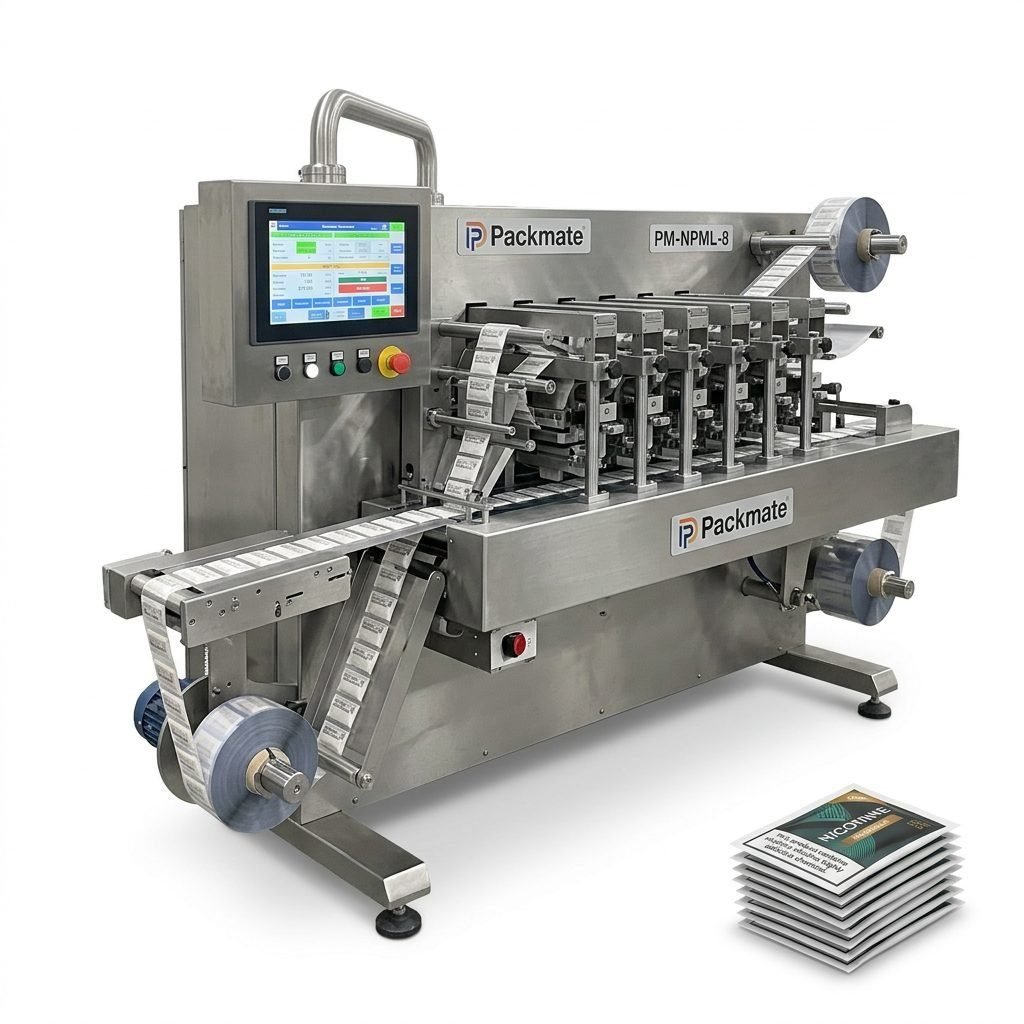
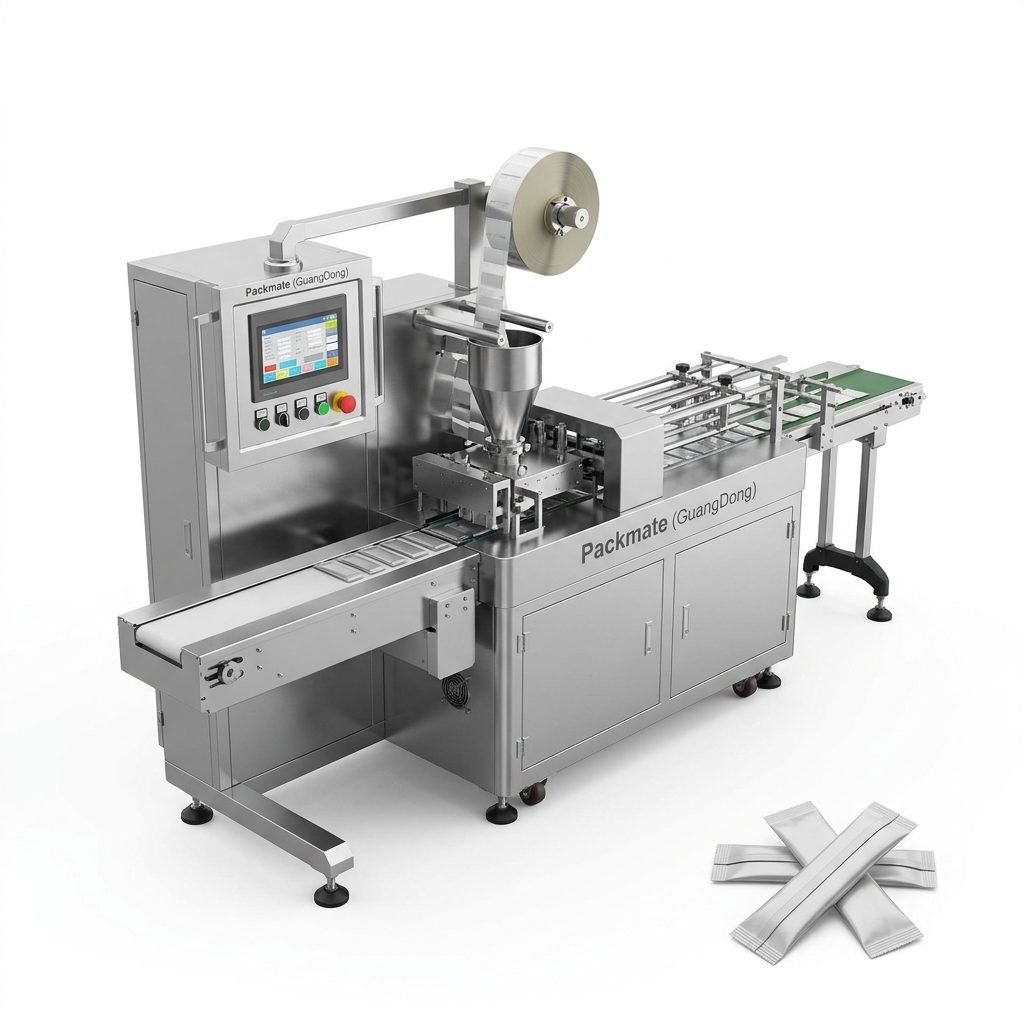
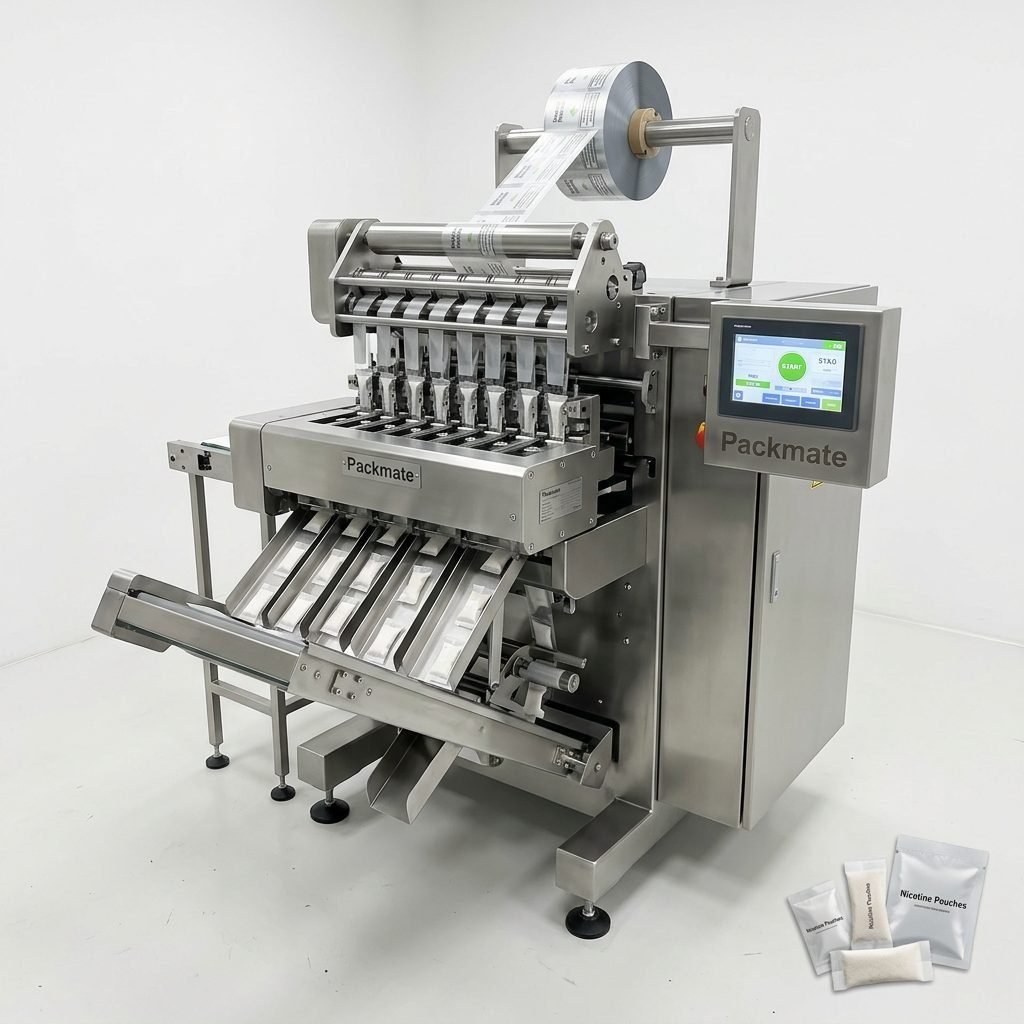
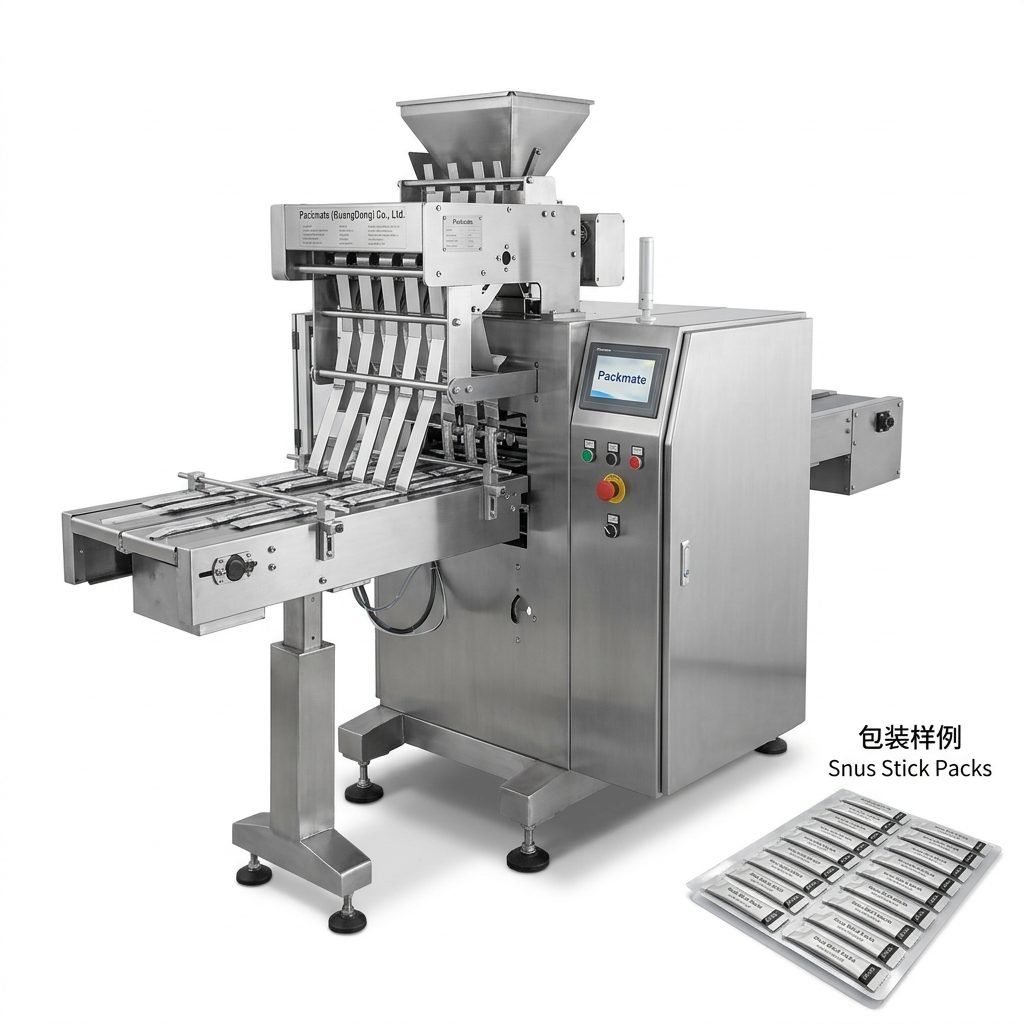
Choose machine types that match your product format and production volume. Common options include stick pack, sachet, multi-lane pouch machines, and specialized snus/nicotine pouch systems. If you need to review available configurations and specs, start by exploring detailed machine categories such as
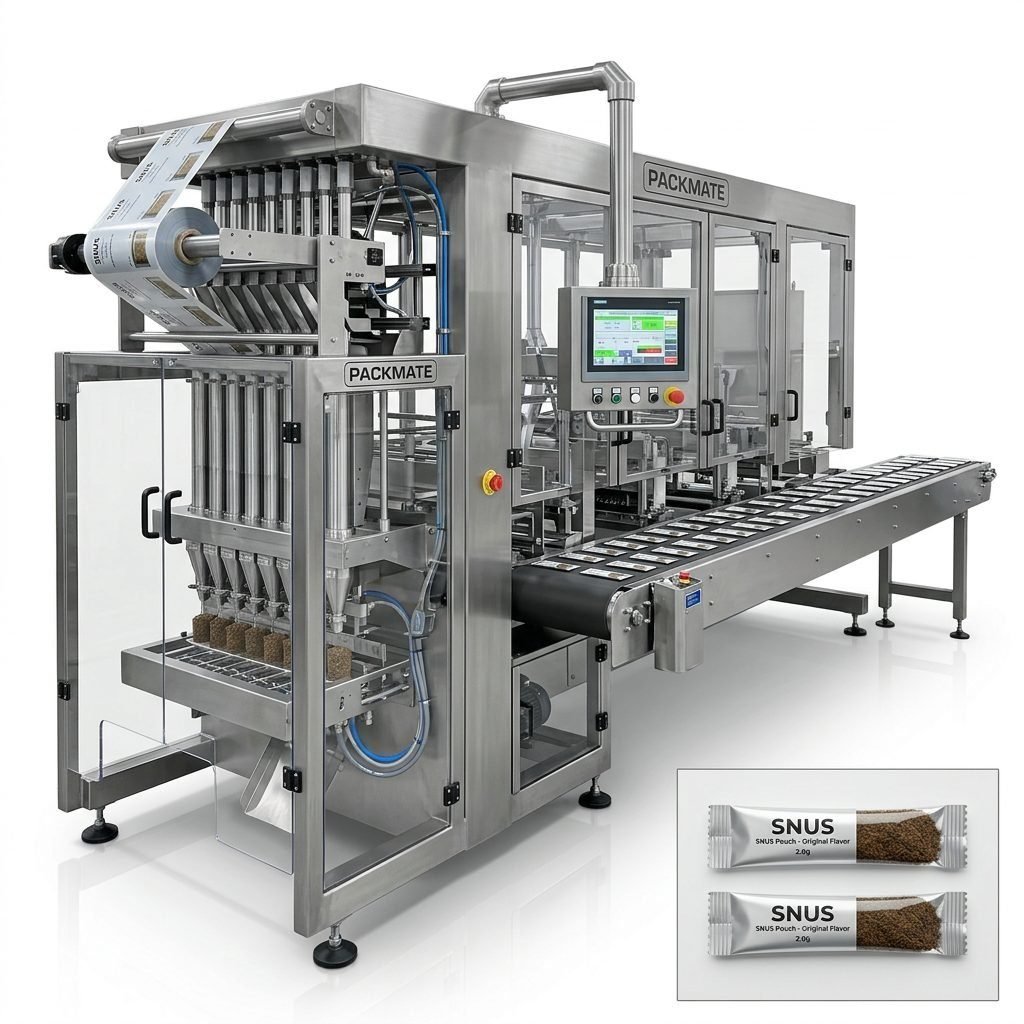
Snus & Nicotine Packaging Machines,
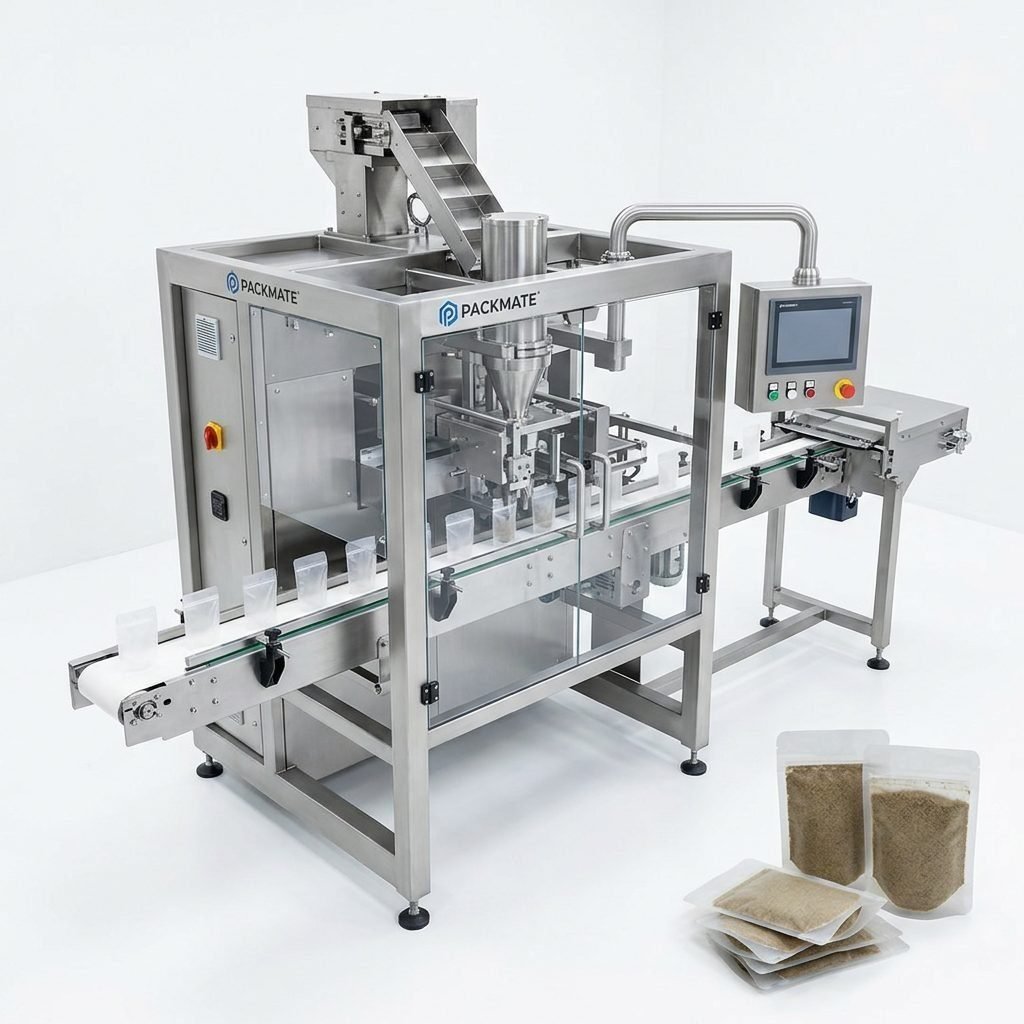
Bag & Pouch Packaging Machines, and
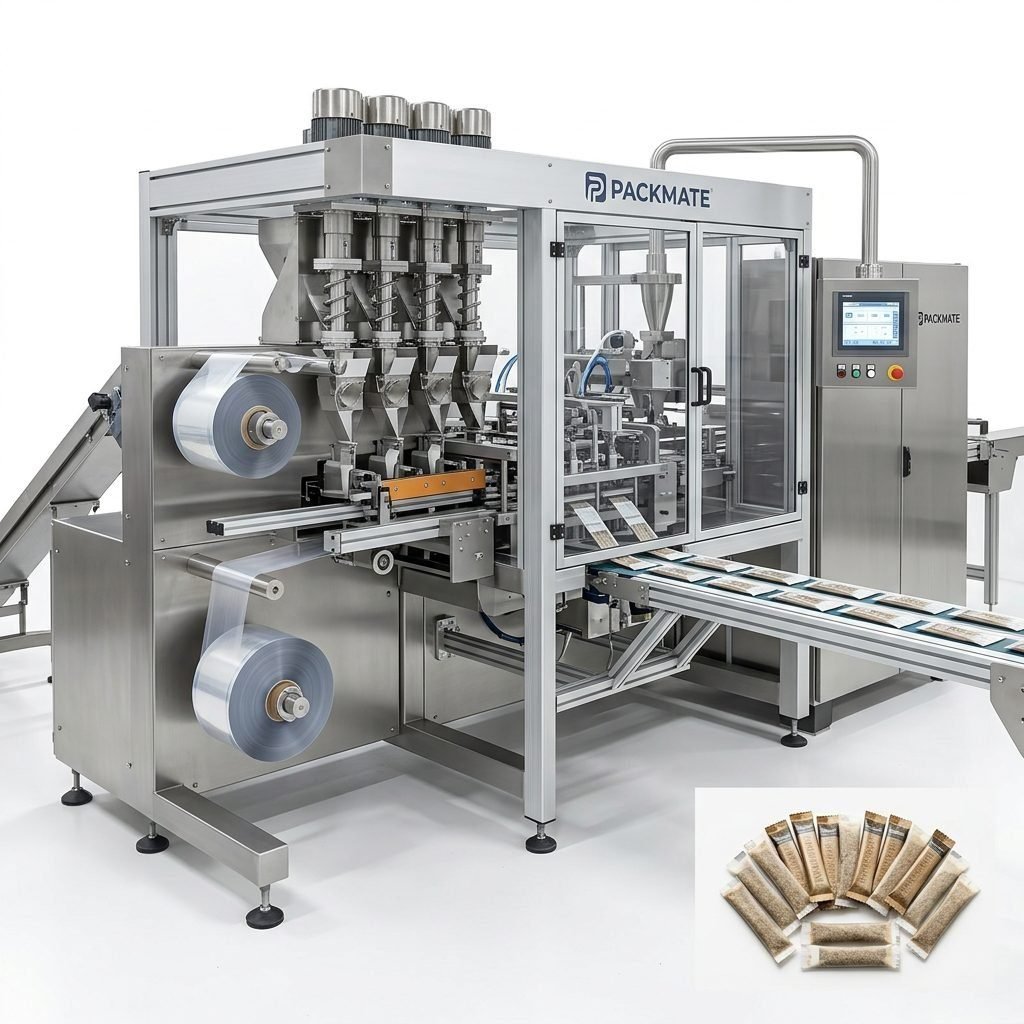
Sachet & Stick Pack Machines.
Key rule: match format to consumption habits — small single-dose pouches and resealable mini cans are preferred for portability and freshness.
Examples:
🔹 Multi-lane machines — for higher throughput with small-dose pouches
🔹 Single-lane or stick packers — lower cost, easier changeover for varied SKUs
Production Capacity & Scalability
Estimate realistic annual demand for each island and plan a machine that allows gradual scaling. Multi-lane lines can increase output without multiplying machine count, but they require more precise synchronization and maintenance skills. If you anticipate slow ramp-up, a modular system that supports later expansion is a smart investment.
Technical Features That Matter Most
Look for the following technical features when comparing vendors:
⚙️ Filling accuracy — electronic weighing or multi-dose feeders that keep pouch weights within ±2% for consistent dosing and regulatory compliance.
⚙️ Sealing integrity — heat-sealing systems with temperature control to ensure moisture-proof seals in a humid environment.
⚙️ Material compatibility — ability to run coated foils, PET/Alu laminates, and resealable zipper materials used for nicotine pouch packaging.
⚙️ PLC control, HMI with remote access, and modular spare part design make daily operations and troubleshooting far easier for factories in remote island settings.
Build Quality & Certifications
Prioritize machines built from food-grade stainless steel with CE and ISO compliance for safety and export-readiness. Packmate’s manufacturing experience and factory capacity (20,000㎡, advanced CNC centers) are examples of the kind of supplier profile you want when reliability counts. For more details about manufacturer credentials, check their company page:
About Packmate.
Operational Considerations: Installation, Training & After-Sales
In Micronesia, onsite technical service may be limited. Ask suppliers about:
- Remote commissioning and diagnostic support via VPN or cloud HMI
- Training programs for local operators and maintenance staff
- Availability and lead time for critical spare parts and consumables
- Documentation in English and clear troubleshooting guides
📌 Tip: Choose suppliers that list case histories and global exhibition presence — this indicates experience supporting remote clients. Review cases here: Case Studies.
Energy, Footprint & Environmental Controls
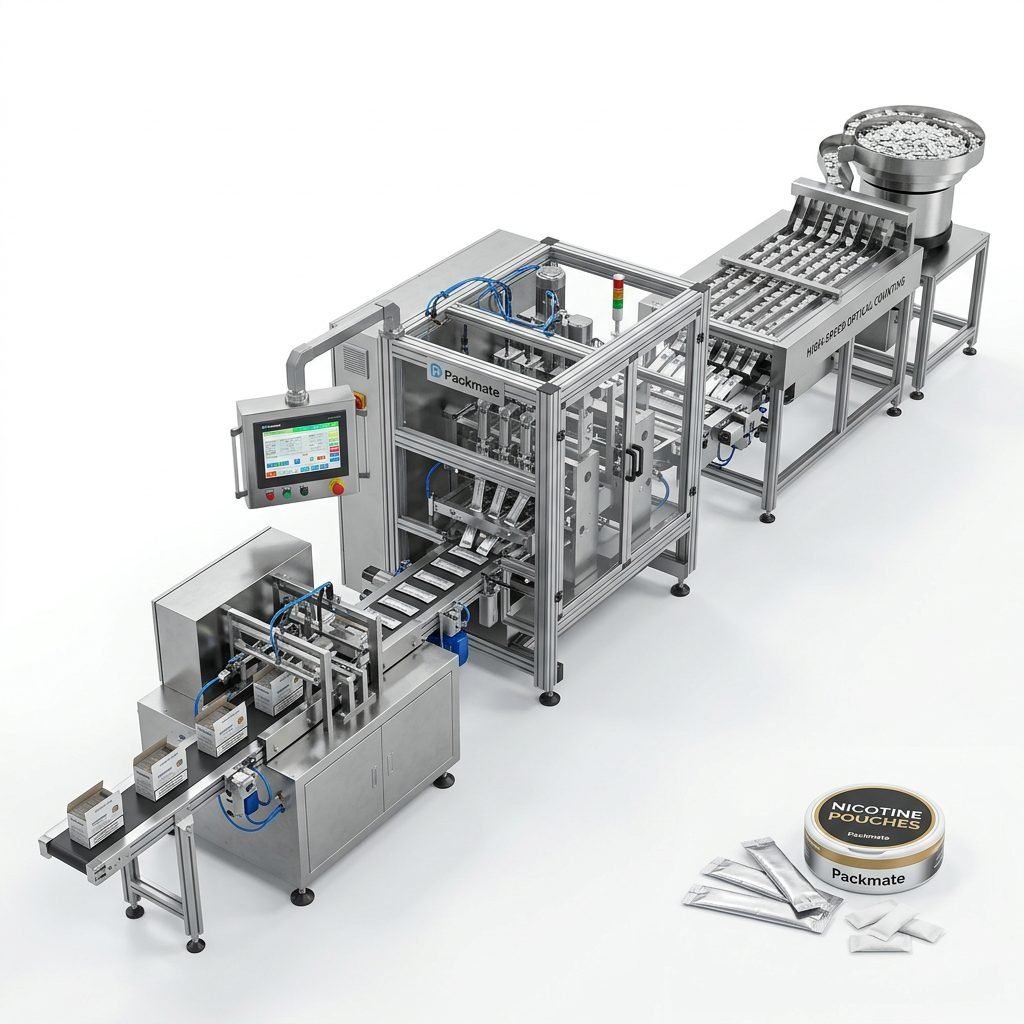
Space is often limited in island factories. Evaluate the machine’s footprint and consider integrated solutions that include packaging, weighing, and cartoning in compact lines. Also account for HVAC or desiccant systems needed to keep humidity under control—poor environmental control shortens shelf life for snus and nicotine pouches.
Total Cost of Ownership (TCO) vs Initial Price
The cheapest machine upfront can become the most expensive over time due to downtime, replacement parts, and energy consumption. Calculate TCO including installation, training, spare parts inventory, expected yield loss, and service travel costs to Micronesia. A higher-quality machine with local remote support often pays back through fewer stoppages and consistent product quality.
Warranties & Local Compliance
Check warranty terms, extended support packages, and whether the manufacturer assists with documentation for local import or regulatory compliance. If you need custom labeling, coding, or regulatory printing (health warnings, batch codes), confirm the machine supports on-the-fly printing or integrates with external coders.
Vendor Selection Checklist
Use this checklist when contacting vendors:
✅ Factory tour & photos to verify production strength
✅ References in similar climates or island markets
✅ Spare parts shipping times to Micronesia
✅ Training, remote support and clear SLA for repairs
How Packmate Aligns with These Needs
Packmate Snus Machine offers specialized snus and nicotine pouch packaging lines, backed by 30+ years of engineering experience and a 20,000㎡ manufacturing facility. Their product range covers snus/nicotine packaging machines, pouch and bag systems, and complete weighing and packaging lines. Learn more about relevant product families:
Weighing & Packaging Systems and
Filling & Packaging Lines.
Logistics, Shipping & Installation to Micronesia
Plan for ocean freight lead times, customs clearance, and last-mile transport to small ports. Request the vendor provide packaging specifications, skid dimensions, and installation checklists. For remote islands, pre-shipment factory acceptance tests (FAT) with video demos help avoid on-site surprises. Confirm who handles installation—manufacturer technicians, third-party integrators, or trained local staff.
🔍 Action item: Secure a clear spare-parts list and estimated monthly consumption for consumables (seals, belts, nozzles) to avoid extended downtimes when servicing islands.
Budgeting & Financing Options
When budgeting, include customs duties, VAT, inland transport, local electrical upgrades, and staff training. Ask vendors about leasing, staggered payments, or financing options—these can ease cash flow for new manufacturers expanding into Micronesia.
Final Buying Steps
Before signing a purchase order:
- Run a sample pouch production test (FAT) and request video/proof of performance;
- Confirm spare part listings and lead times to Micronesian ports;
- Agree on training schedules and remote support protocols;
- Obtain written warranties, acceptance criteria, and installation timelines.
Getting Vendor Support & Quotes
Reach out directly to request tailored quotes and line layouts. For direct contact and further assistance, visit the manufacturer’s contact page:
Contact Packmate, or explore support and catalog resources for more technical papers:
Catalog and
Service.
Summary Checklist
To recap: choose corrosion-resistant, compact, and modular machines with reliable sealing and filling accuracy; plan for spare parts and remote support; evaluate TCO thoroughly; and confirm local regulatory packaging requirements. Proper planning ensures your snus product reaches Micronesian consumers fresh, compliant, and competitive.
Frequently Asked Questions
Q1: What machine features help products survive high humidity during transit to Micronesia?
A1: Prioritize reliable heat-sealing, laminated barrier films, desiccant-friendly package designs, and stainless steel production parts that resist corrosion from salt air.
Q2: How can I get technical support quickly from overseas suppliers?
A2: Choose vendors offering remote HMI access, scheduled virtual training, clear spare parts catalogs, and local service partners where possible. Pre-shipment FAT videos also reduce onsite troubleshooting time.
Q3: Are multi-lane machines overkill for small Micronesian markets?
A3: Not necessarily. Multi-lane machines reduce unit cost at higher speeds but require higher initial expertise. If demand is uncertain, consider modular single-lane systems that allow future expansion.
Q4: What certifications should I require from a snus packaging machine supplier?
A4: CE and ISO certifications are baseline. Also request food-safety compliant materials, test records, and references from similar markets. Documentation helps with export and local compliance.
Q5: Where can I view product lines and case studies related to nicotine pouch packaging?
A5: Visit product and case pages for real-world examples: Snus & Nicotine Packaging Machines and Case Studies.