🔍 How to Choose the Best Snus Packaging Machinery Manufacturer in Africa for Your Factory
Choosing the right packaging machinery partner is a strategic decision for any snus or nicotine pouch manufacturer in Africa. A good machine supplier does more than deliver equipment — they provide reliability, compliance, local market insight, and ongoing support that influence your production uptime and product quality. This guide walks you through concrete steps and local considerations to select the best snus packaging machinery manufacturer for your factory in Africa.
📌 Why this choice matters for African manufacturers
Africa’s manufacturing landscape is rapidly evolving. Local demand patterns, distribution logistics, and regulatory frameworks differ across regions. When your packaging equipment is robust, energy-efficient, and serviceable locally, you reduce downtime and adapt faster to changing tastes. Selecting the right manufacturer is a long-term investment in productivity, quality, and market responsiveness.
🧭 Understand the African market and cultural factors
Africa is diverse — North Africa, West Africa, East Africa, Southern Africa and Central Africa each have unique consumer habits, distribution channels, and regulatory environments. In many regions, informal retail channels and small urban kiosks dominate, meaning snus packaging formats that prioritize portability and discrete storage often perform better. Consider local consumption habits, climate (heat and humidity), and typical retail display sizes when defining packaging specifications.
✔ Tip: For hot, humid climates choose packaging films and sealing systems rated for high moisture and thermal stability. This reduces seal failures and product degradation during storage and transport.
⚙️ Technical criteria for snus packaging machines
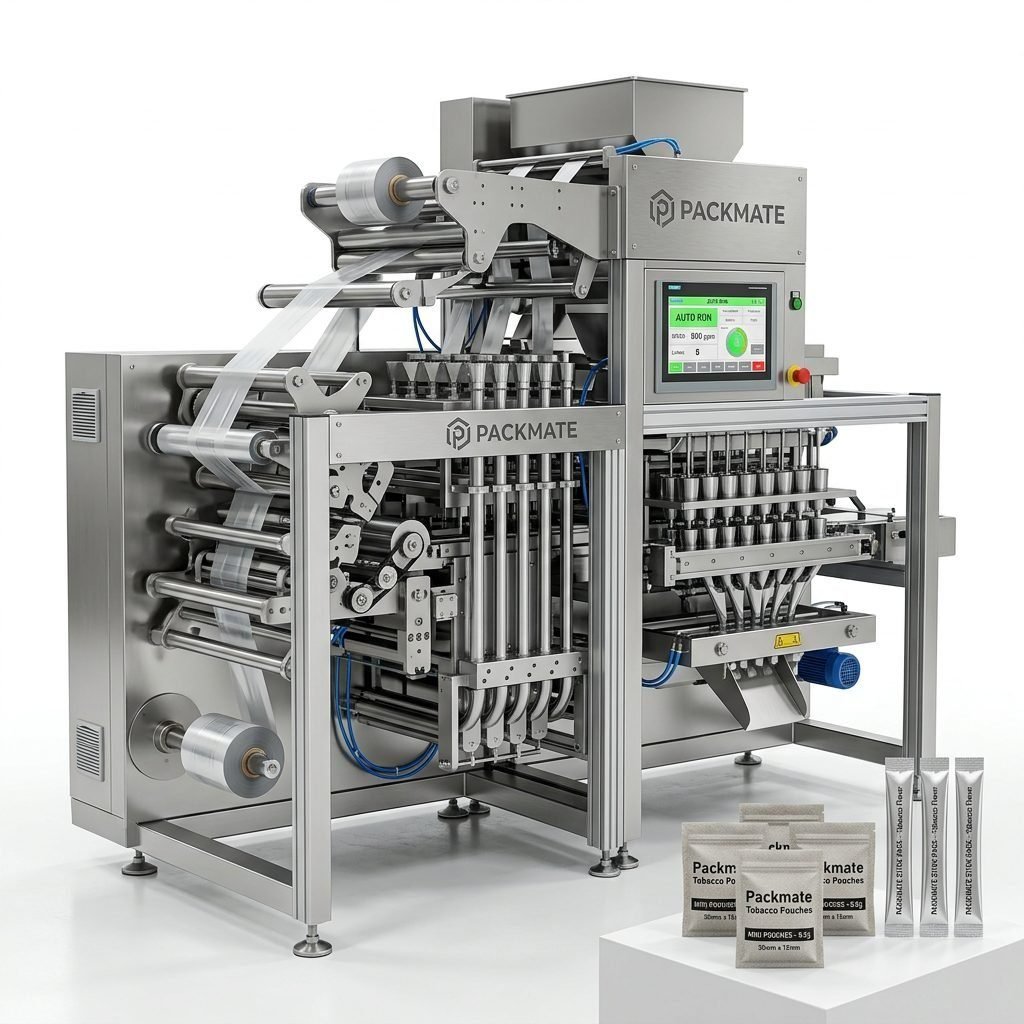
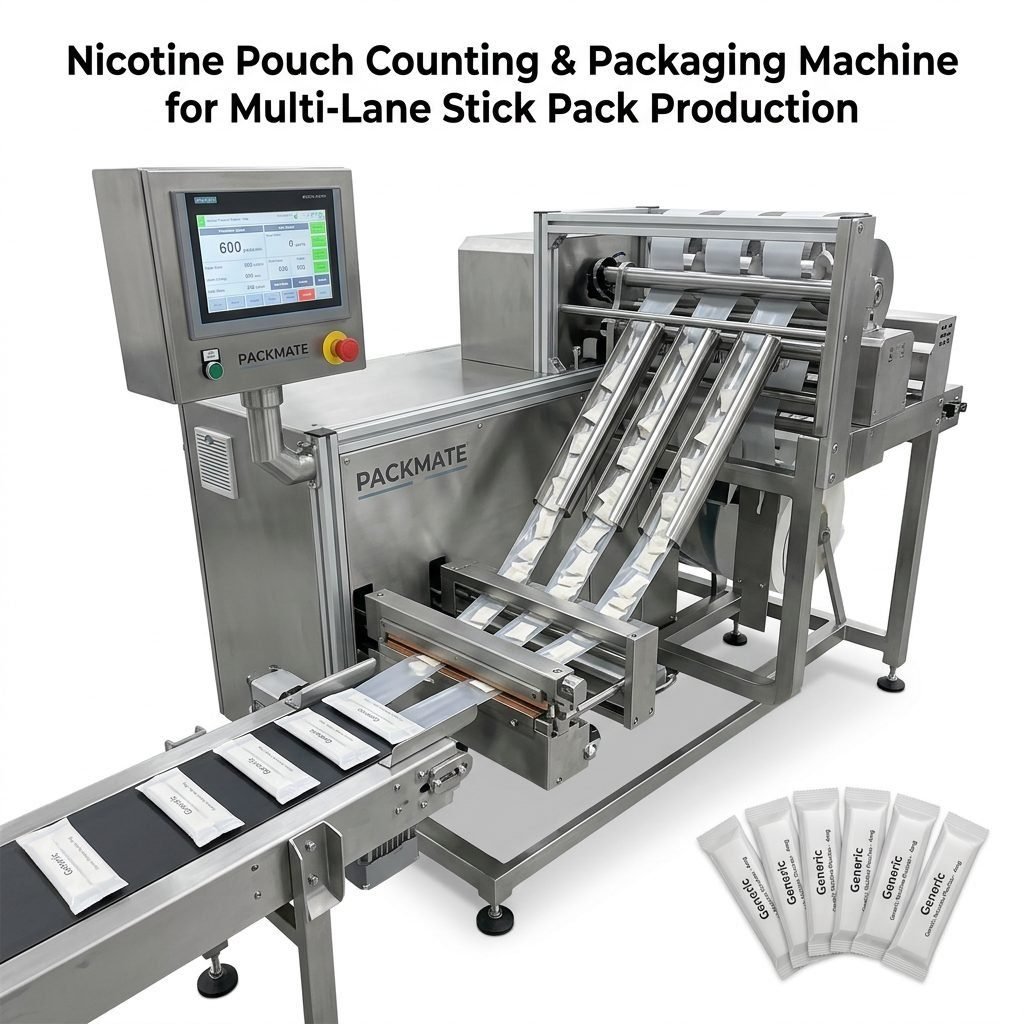
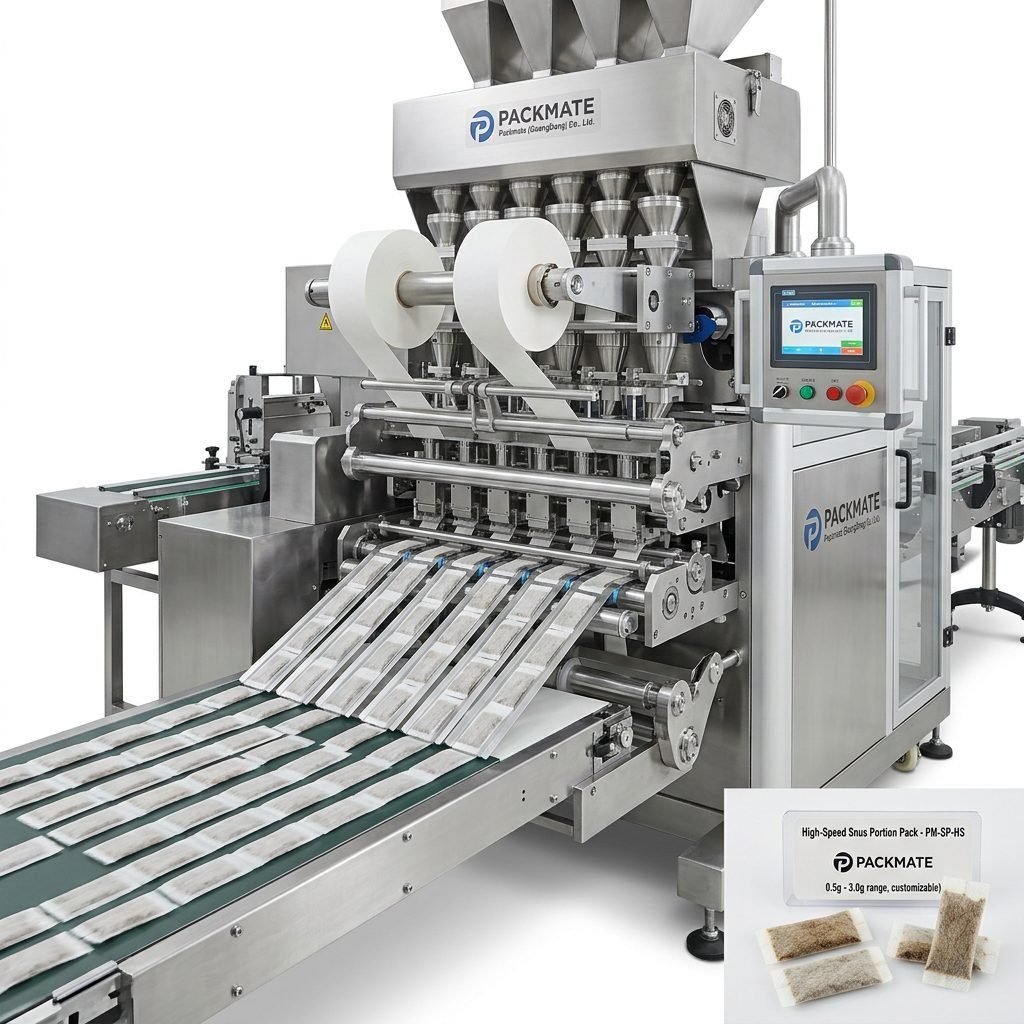
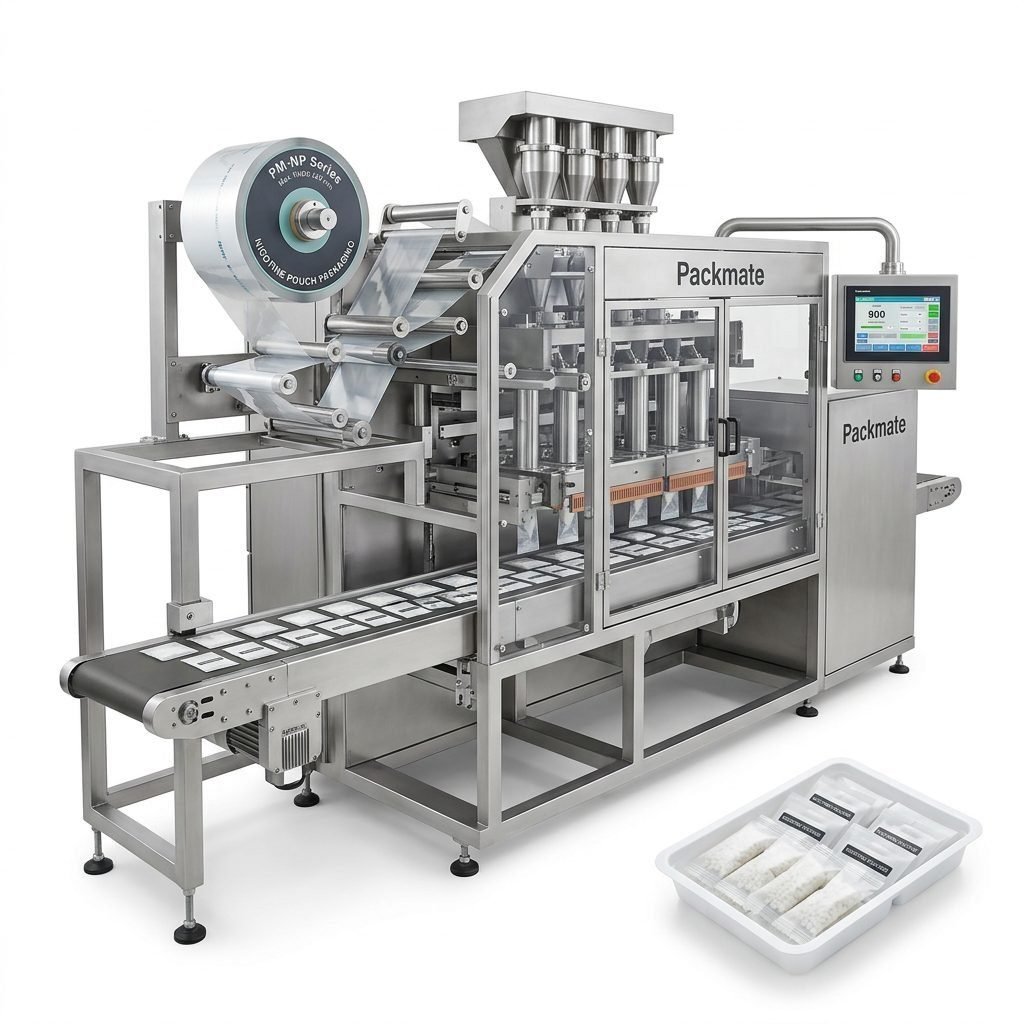
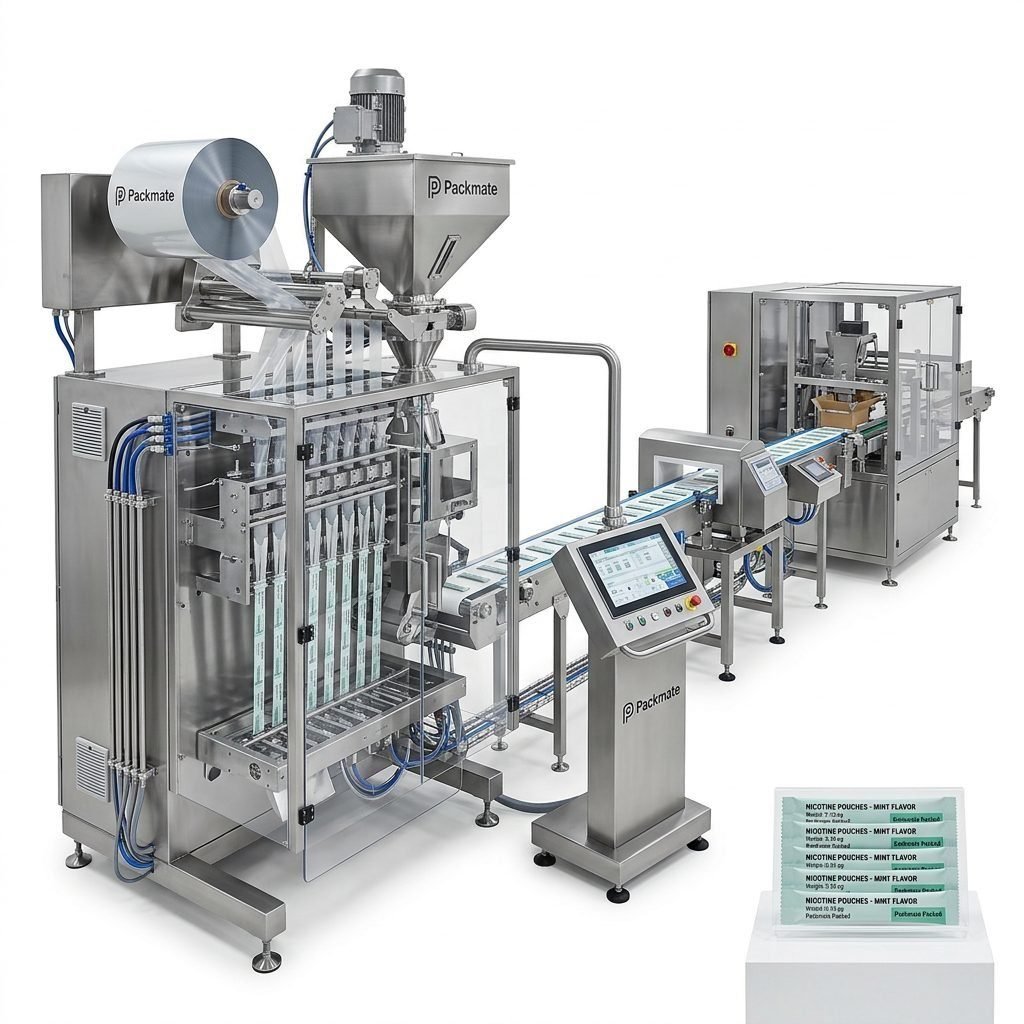
When comparing manufacturers, evaluate machines on these technical dimensions: speed (pouches/min), accuracy for low-dose products, multi-lane capabilities for small-dose pouches, film handling, sealing quality, changeover time, and integration with weighing and dosing systems. For nicotine pouches, precision filling and anti-dust measures are crucial.
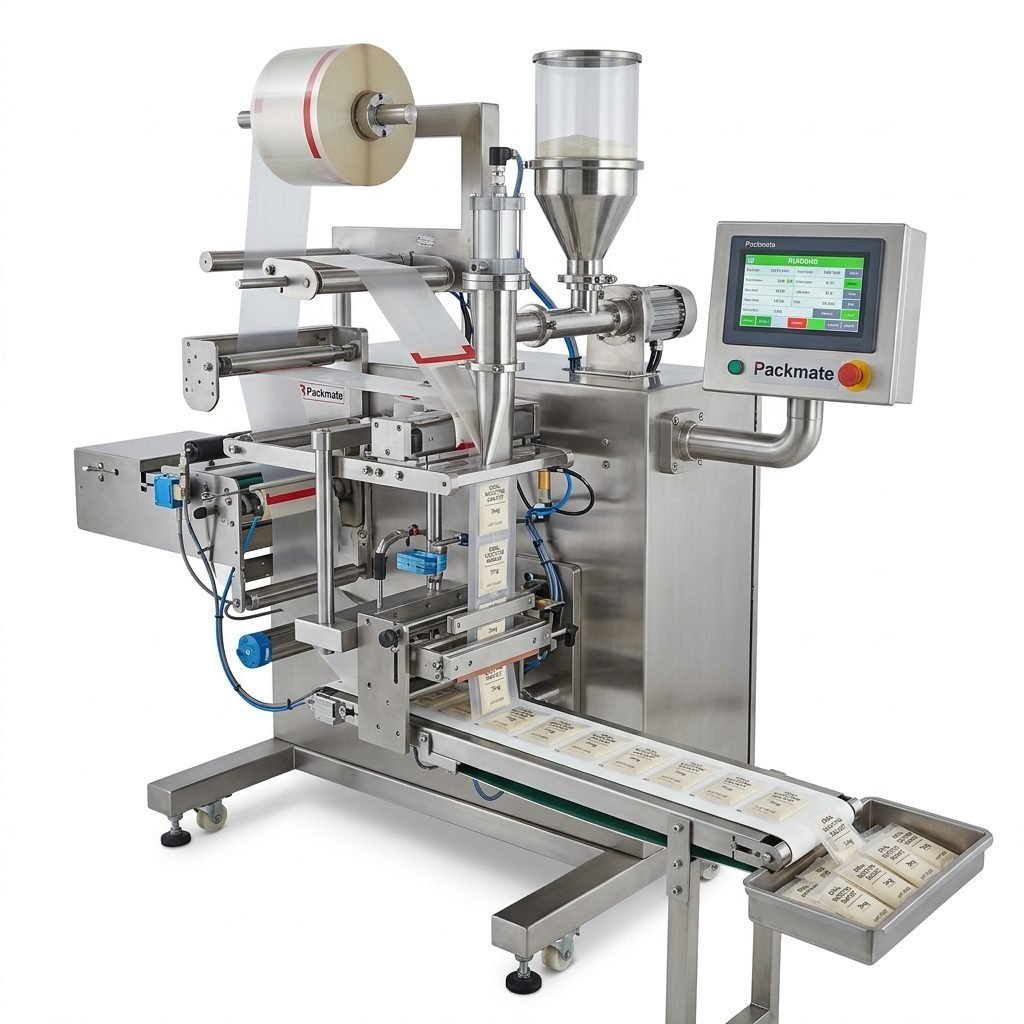
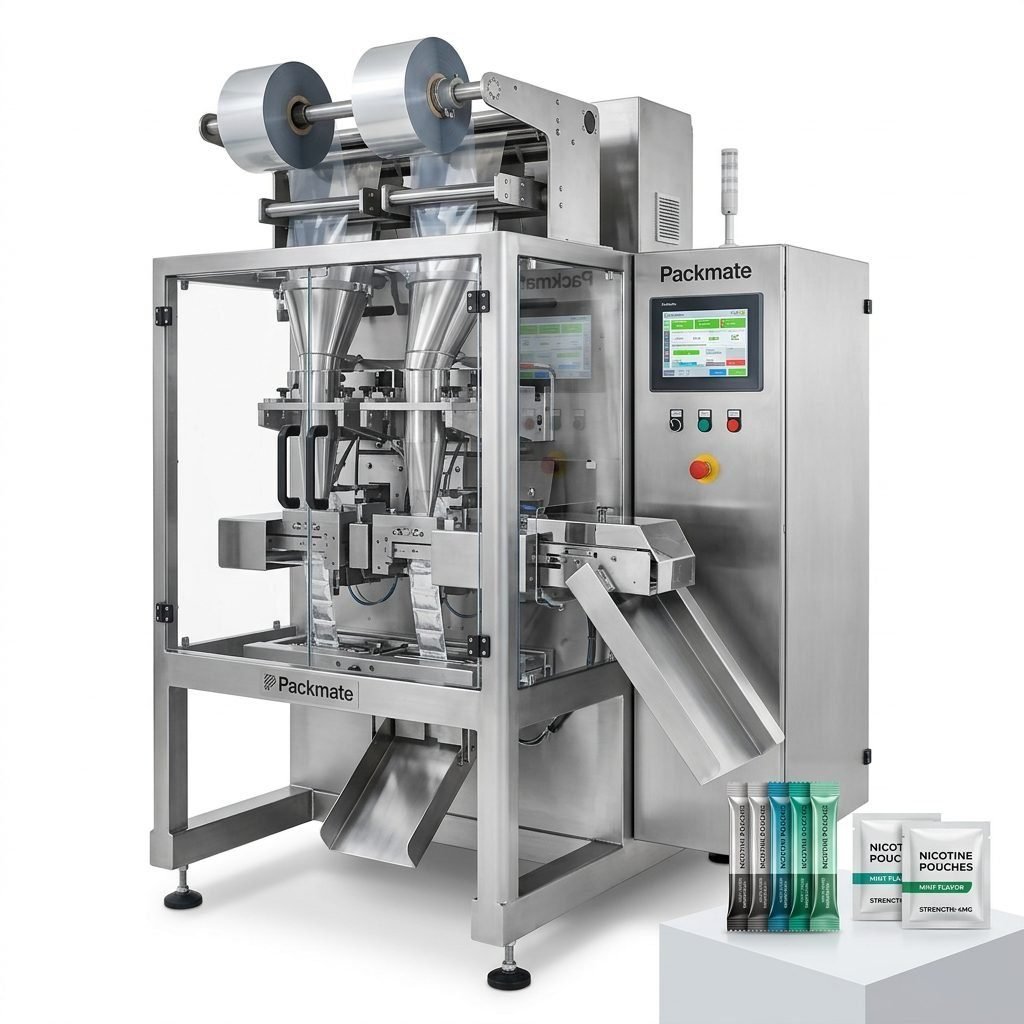
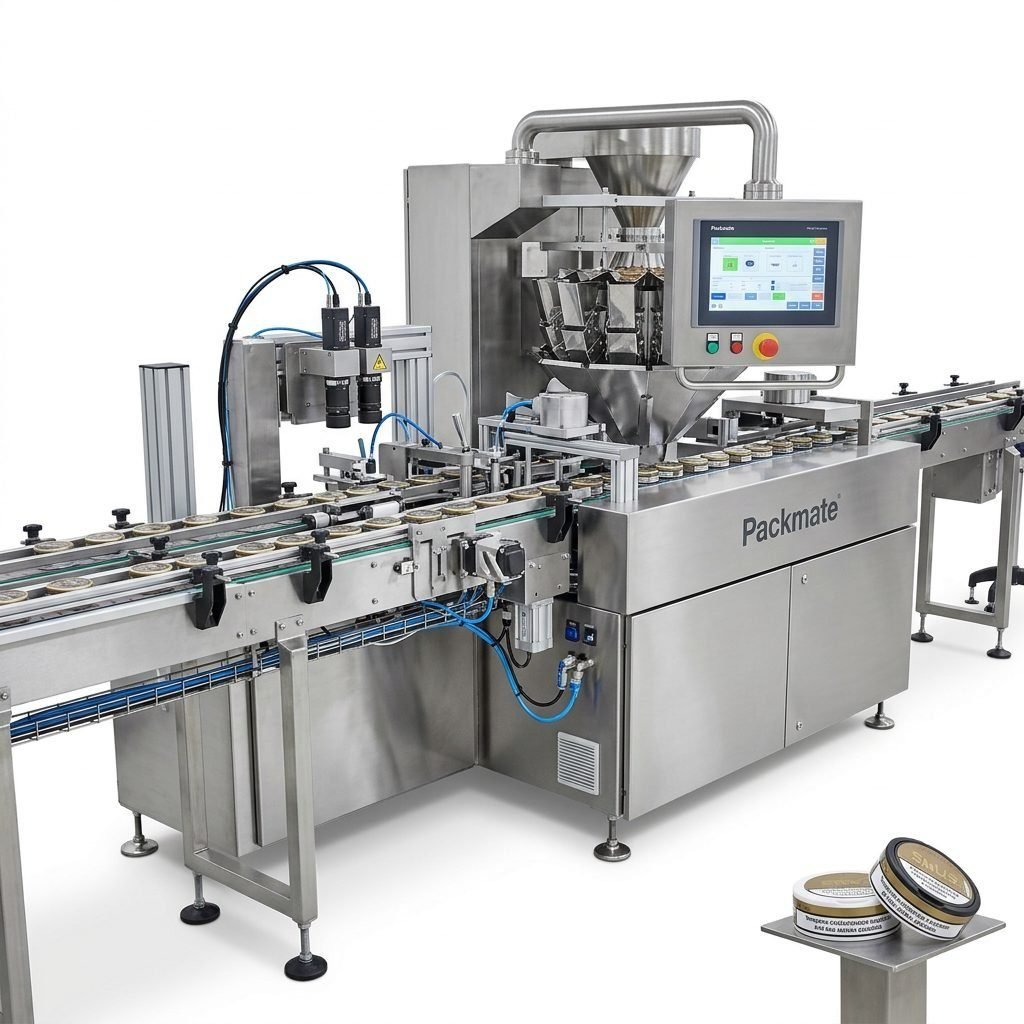
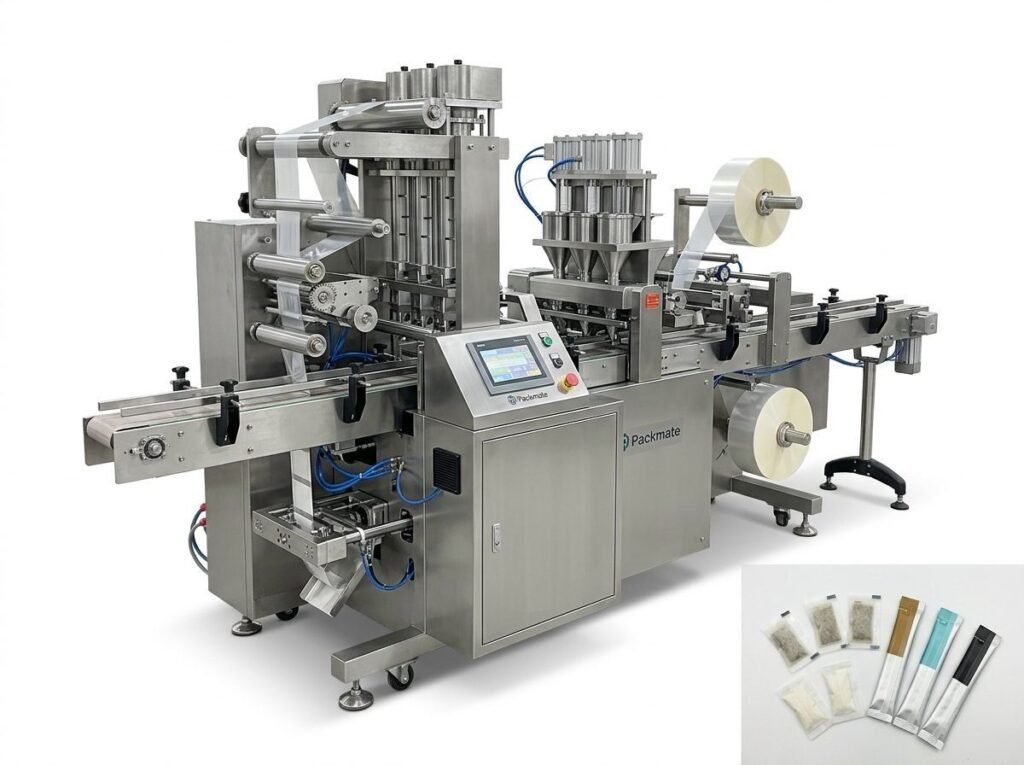
Look for modular systems that support expansions — for instance, a stick pack line that can later incorporate multi-lane sachet modules. Manufacturers offering complete production lines (weighing, filling, packaging, and secondary packing) help ensure compatibility and faster commissioning. Explore specialized options such as the Snus & Nicotine Packaging Machines for industry-specific solutions.
🏭 Factory & manufacturing strength: what to verify
A manufacturer’s production capacity, machining capabilities and quality systems directly affect product consistency and lead times. Seek vendors with advanced CNC centers, precision assembly lines, and documented quality control processes. A manufacturer that publishes factory facts such as years of experience, factory area, and machine models demonstrates transparency and scale.
Key attributes to verify: 30+ years of engineering experience, a sizable manufacturing facility (e.g., 20,000㎡), and a wide model range (50+ machine models) to ensure options for customization.
📋 Compliance, certifications and regulatory support
International certifications like CE and ISO indicate a manufacturer’s commitment to safety and consistent manufacturing practices. For African operations, also confirm the vendor’s familiarity with local import regulations, electrical standards, and any product-specific requirements in your target markets. A supplier that provides documentation and helps with customs/approval procedures reduces your legal and logistical burden.
🔧 After-sales support, spare parts & training
After the sale, rapid access to service and genuine spare parts keeps your line running. Prioritize suppliers that provide:
• Local or regional technical partners for faster response
• Clear training programs for operators and maintenance staff
• Remote diagnostics and video support to troubleshoot common issues
Important: Ask for a service-level agreement (SLA) and a spare parts kit for the first six months to minimize downtime during ramp-up.
🔎 Factory visits, trials and references
Seeing machines run in real conditions is the most reliable way to evaluate a supplier. Arrange factory acceptance tests (FAT) or video demonstrations that show the exact model and format you plan to use. Ask for references — especially other African clients — and case studies that demonstrate the machine’s performance with similar products. Packmate’s project examples and global cases illustrate real-world deployments: Case.
💰 Total cost of ownership (TCO) vs. purchase price
The lowest purchase price rarely delivers the best value. Evaluate TCO that includes energy consumption, maintenance frequency, spare parts pricing, expected lifetime, and production yield. A slightly higher upfront cost for a machine with better durability, precision, and energy efficiency can pay back quickly through reduced rejects and lower operating expenses.
📦 Choose the right machine type for your product lines
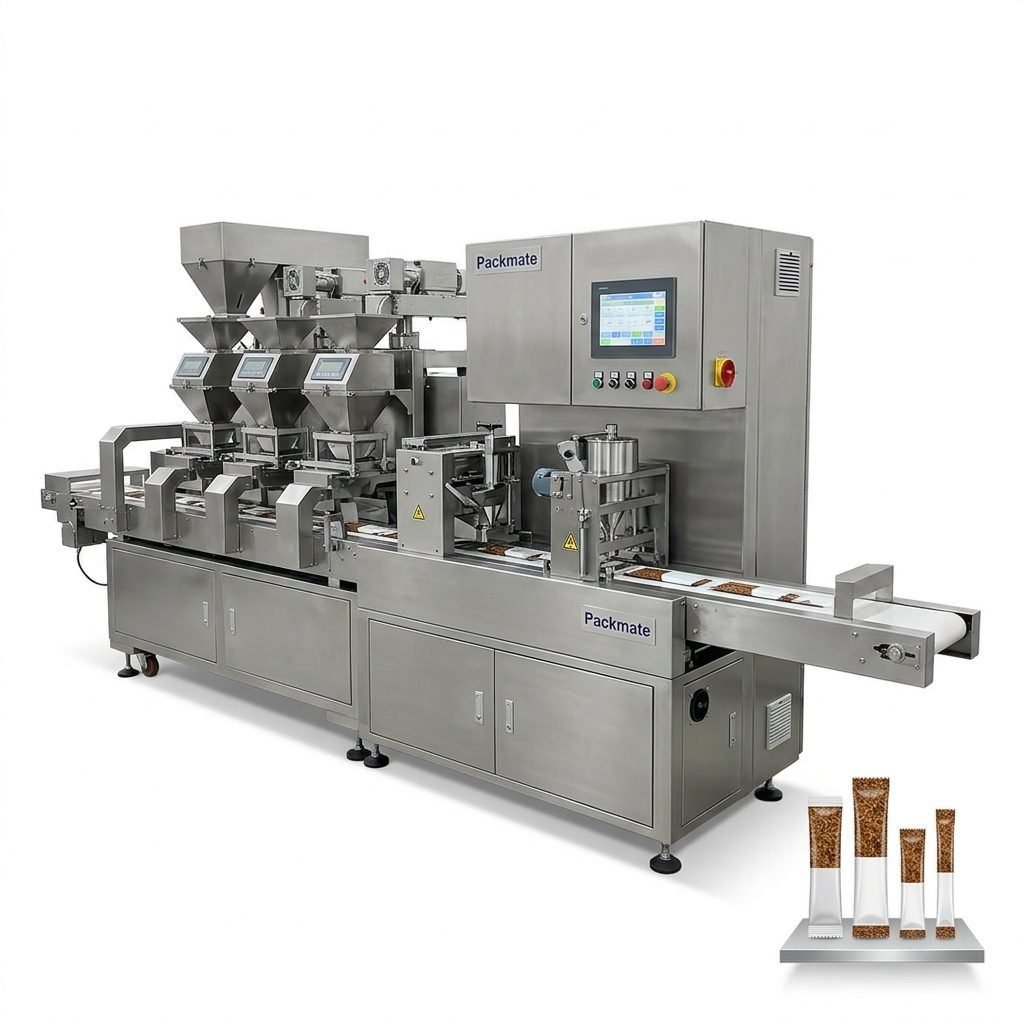
Depending on product form and market preferences, pick from stick pack, sachet, multi-lane systems, or pouch lines. For small-dose nicotine pouches and snus, multi-lane packaging and precise dosing systems are essential. Explore product pages to match machine type with your roadmap: Bag & Pouch Packaging Machines and Sachet & Stick Pack Machines.
Production planning: Start with your highest-volume SKU and choose a machine that handles projected growth for the next 3–5 years.
🧾 Customization, tooling and consumables
Packaging artwork, die tooling, and film specifications are part of the machine supply chain. Ensure the manufacturer supports custom tooling and provides guidance on film selection for barrier properties, print quality, and sealing compatibility. Confirm lead times for spare sealing jaws, cutters, and other consumables.
📈 Scalability and future-proofing
As your brand grows, you may need higher speed, additional lanes, or secondary packaging automation. Choose a vendor with modular systems and clear upgrade paths. Manufacturers who supply full-line solutions — including weighing, dosing, and filling — can provide smoother integration when you expand: Weighing & Packaging Systems and Filling & Packaging Lines.
🤝 Local partnerships and logistics
For African operations, local partnerships matter. A manufacturer that collaborates with regional agents or has experience exporting to multiple African nations understands freight, customs, and on-site support needs. Request references that show successful installations in similar climates and distribution environments.
🛠️ Maintenance strategies and operator training
Robust preventive maintenance schedules, operator training, and clear troubleshooting guides reduce unplanned stops. Ensure your supplier offers on-site training at startup and follow-up sessions once operators gain experience. Documentation should be available in English and, where beneficial, in local languages.
Before you sign: get a clear commissioning plan that specifies delivery, installation, training, FAT criteria and acceptance tests.
🔗 Useful resources from the manufacturer
Explore the manufacturer’s company profile and service offerings to confirm long-term capability: About Packmate. Also check catalogs and FAQ sections for technical details and support channels.
✅ Decision checklist (quick)
• Confirm machine compatibility with product format and climate
• Verify certifications (CE, ISO) and compliance support
• Assess TCO, spare parts availability and warranty terms
• Arrange FAT, references, and installation/training timeline
🔚 Final considerations
Partner with a manufacturer that balances engineering excellence with practical support. For African factories, prioritize suppliers experienced in delivering full-line solutions, offering local service options, and understanding regional logistics and consumer behavior. A strong partnership reduces risk and accelerates your product’s market entry.
If you want to review machine types and line configurations, browse product categories such as Auxiliary Packaging Equipment that support efficient snus production.
❓ Frequently Asked Questions
Q1: What certifications should a snus packaging machine have for African markets?
A1: At minimum, look for CE and ISO certification for safety and quality systems. Additionally, confirm the supplier’s familiarity with electrical and import standards in your specific African country and that they provide documentation to facilitate customs clearance.
Q2: How important is local after-sales support?
A2: Extremely important. Local or regionally-based service partners reduce response time for repairs, spare parts delivery and support. If immediate local support is not available, ensure the manufacturer provides rapid remote diagnostics and a clear spare parts plan.
Q3: Can I upgrade a single-lane machine to multi-lane later?
A3: Many modern suppliers design modular systems that allow upgrades, but this depends on the original model. Discuss upgrade paths and modular options with the manufacturer before purchase to ensure future scalability.
Q4: Where can I see real-world examples of snus packaging lines?
A4: Request case studies and factory demonstration videos from the supplier. Packmate provides many global case references that showcase installations and performance — see Case for examples.
Q5: How to contact the manufacturer for pricing and technical consultation?
A5: Reach out via the manufacturer’s contact channels for tailored quotes, technical drawings and project planning — Contact Us.