Introducing a fully automatic snus production line means rethinking how nicotine pouch and snus manufacturers scale quality, precision, and output while maintaining compliance and cost-efficiency. This article walks through the design, operation, and business advantages of a Complete Production Solution for high-speed, precise snus manufacturing — with practical guidance on machine selection, line layout, quality control, and after-sales service. Whether you are a startup entering the nicotine pouch market or an established producer upgrading legacy equipment, the insights below will help you make informed decisions that minimize downtime and maximize yield.
What a Fully Automatic Snus Line Contains
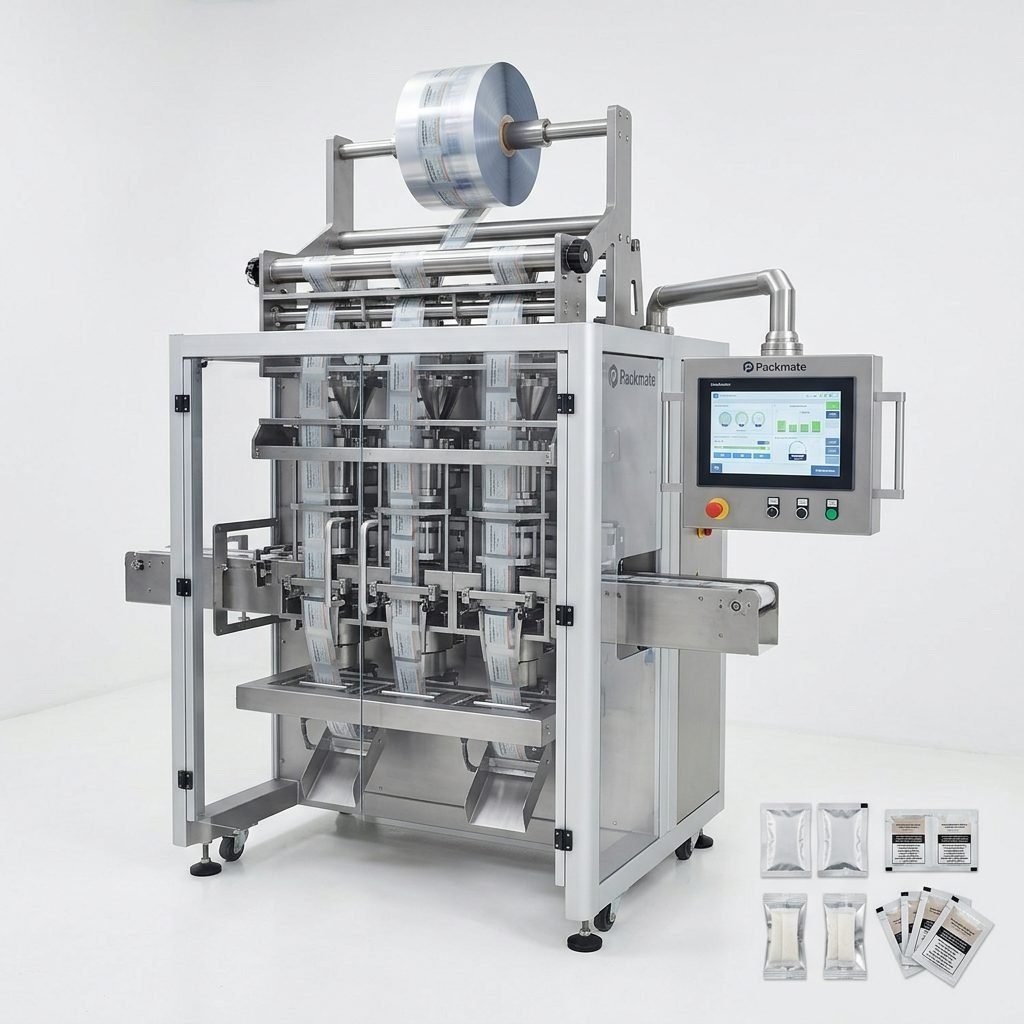
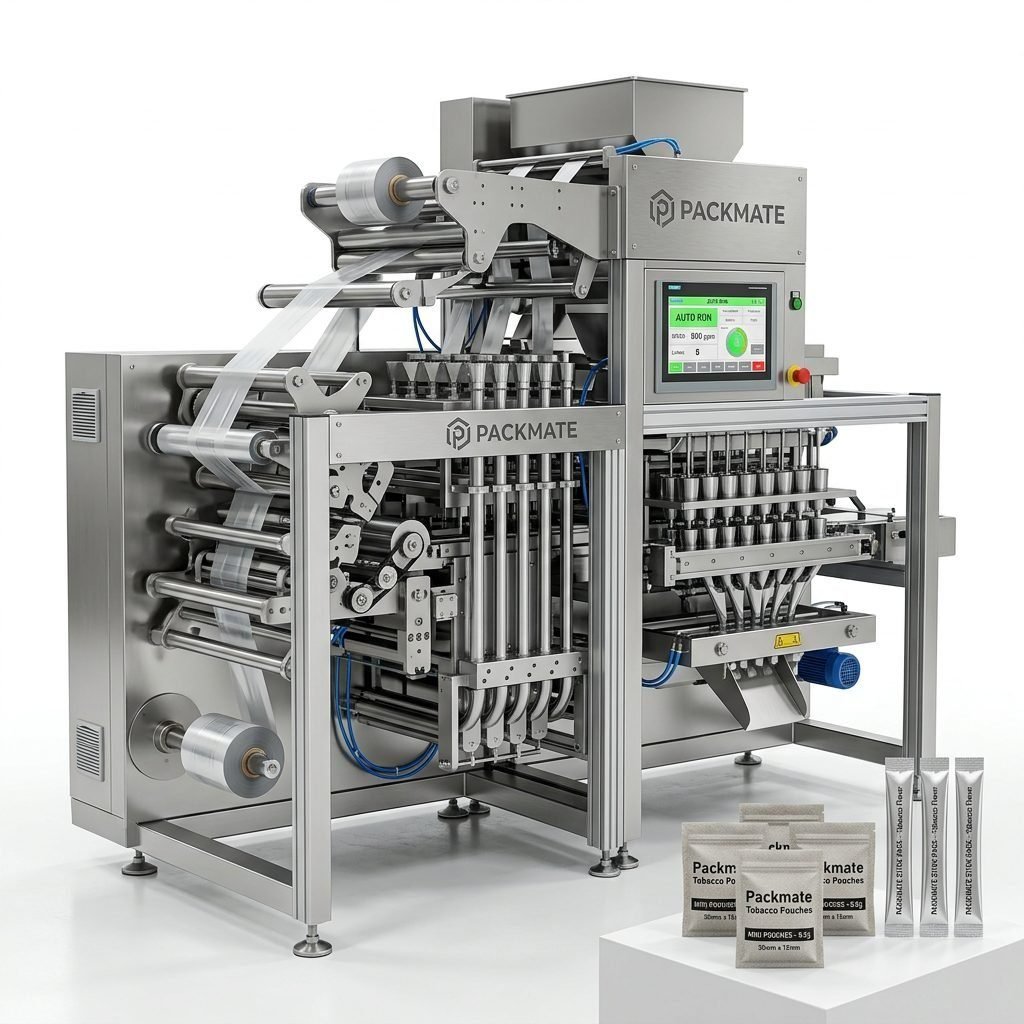
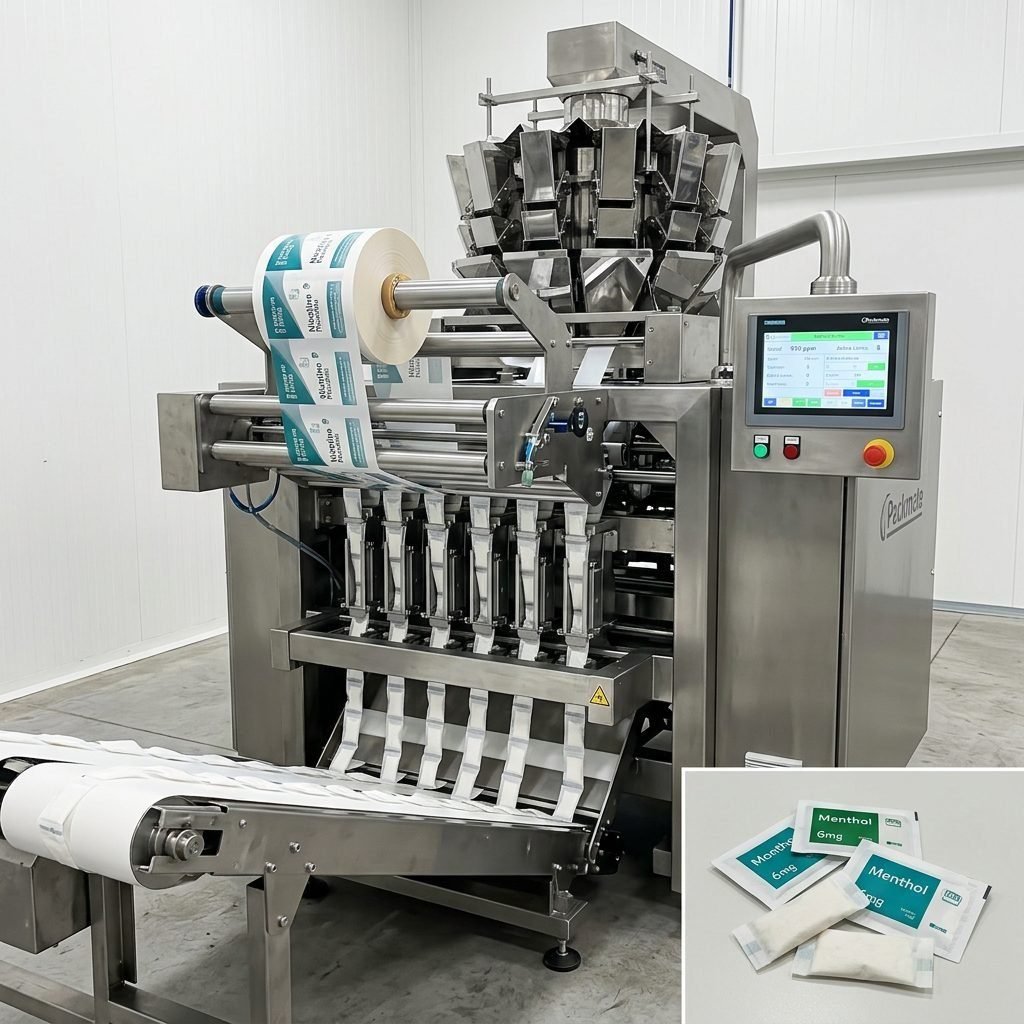
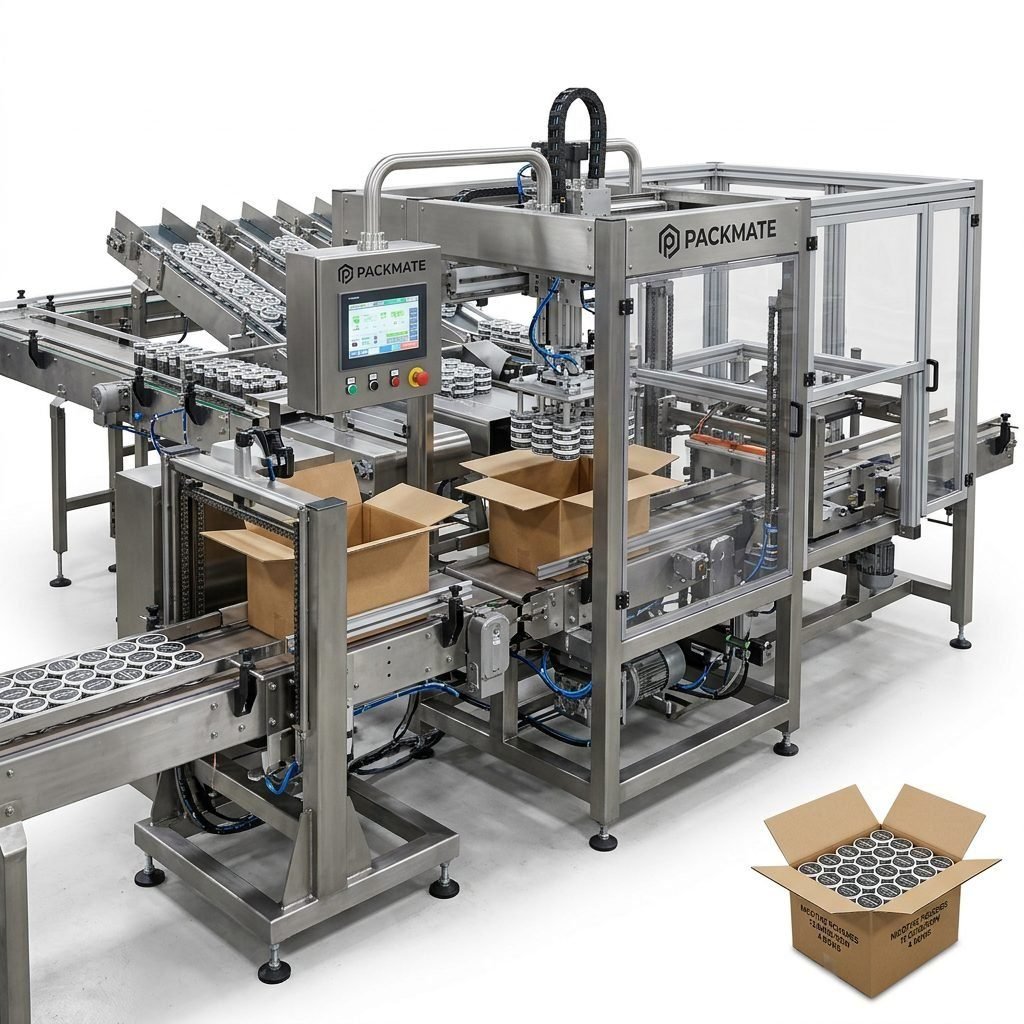
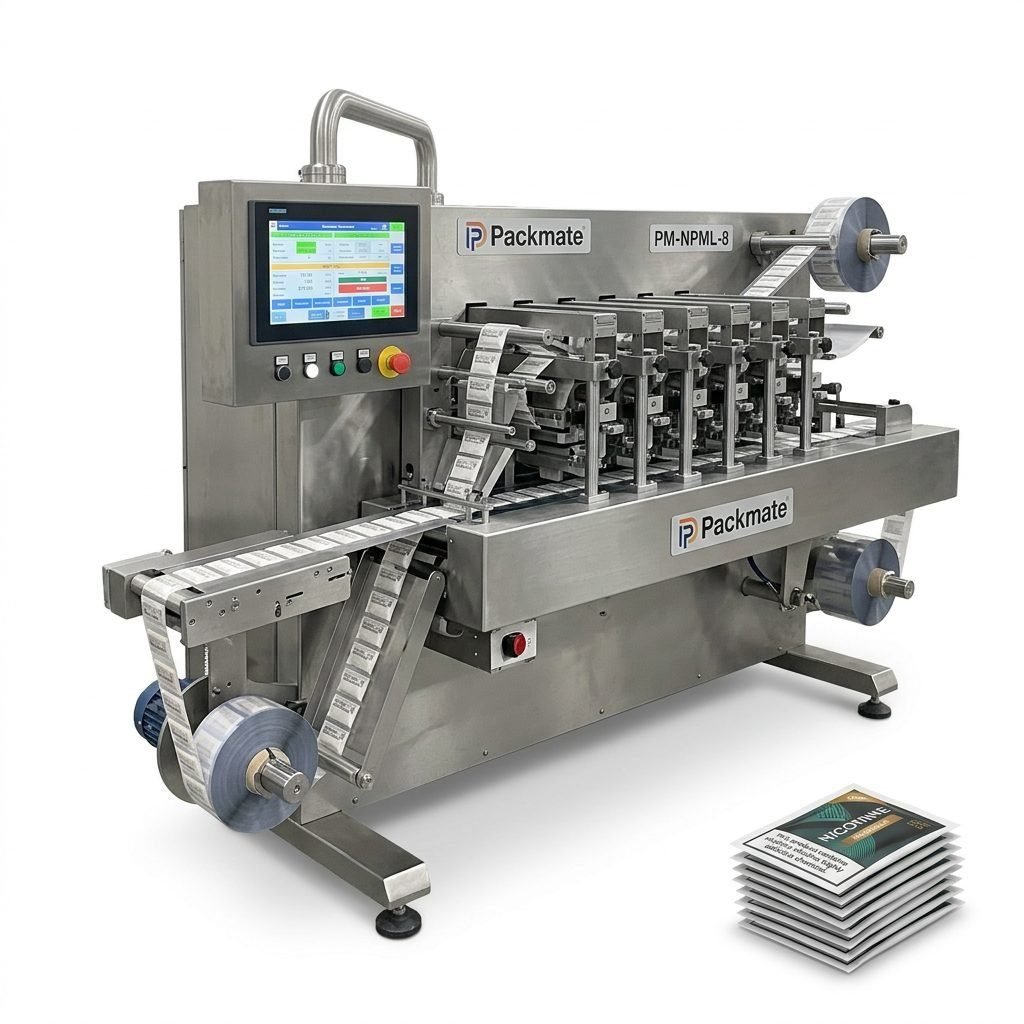
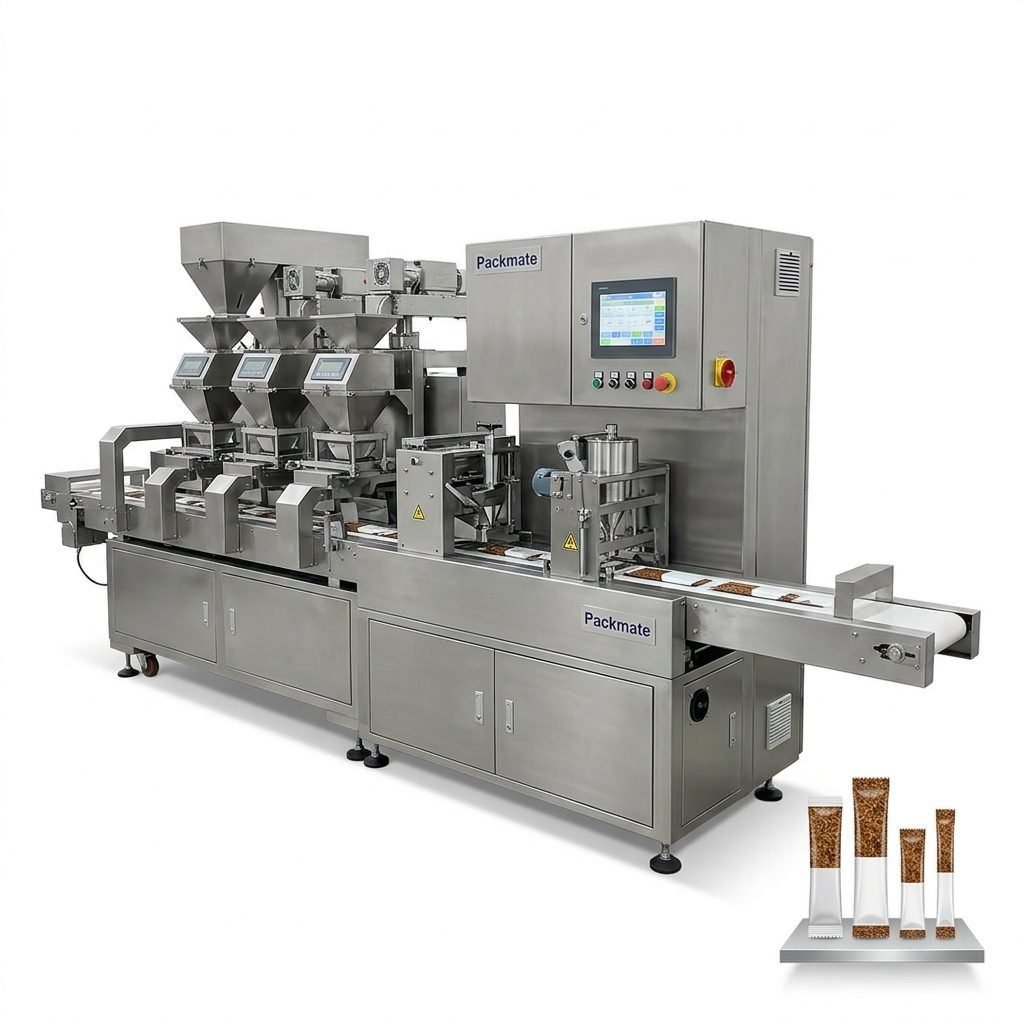
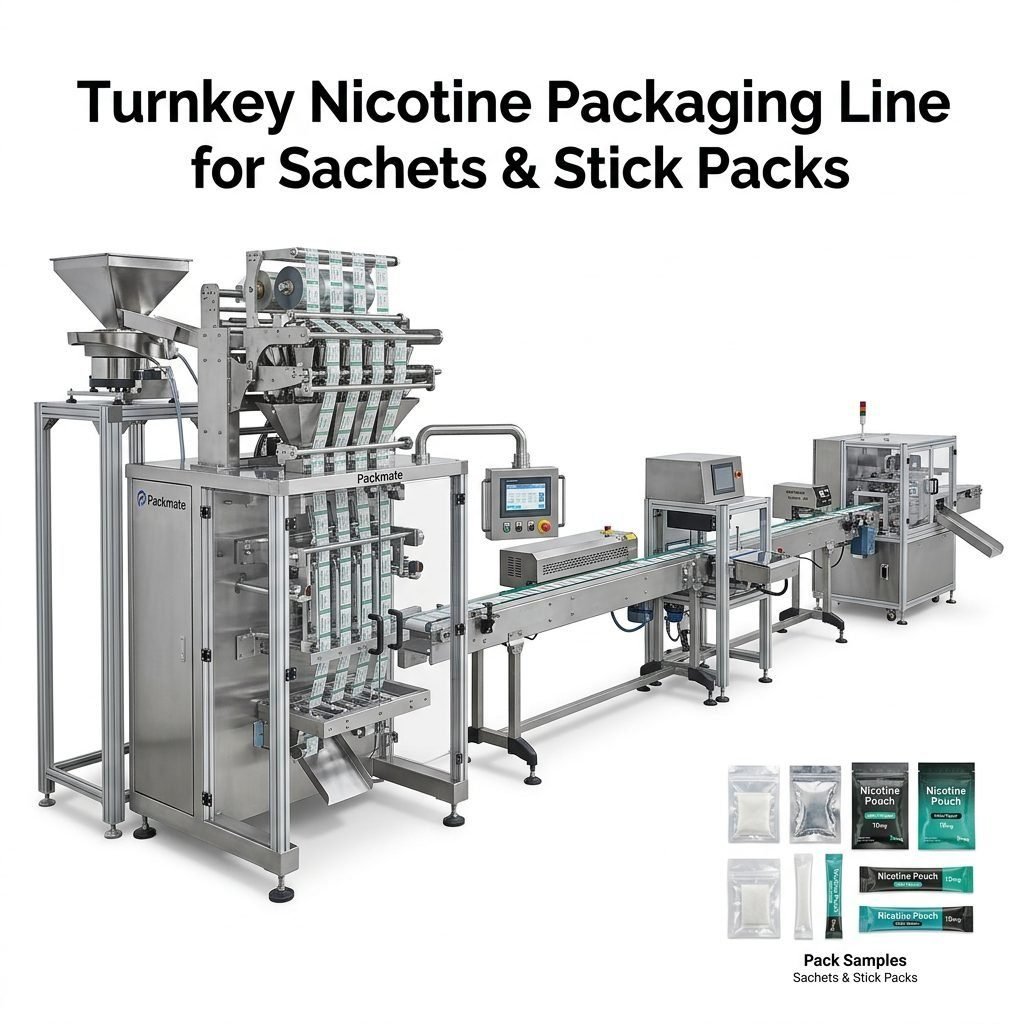
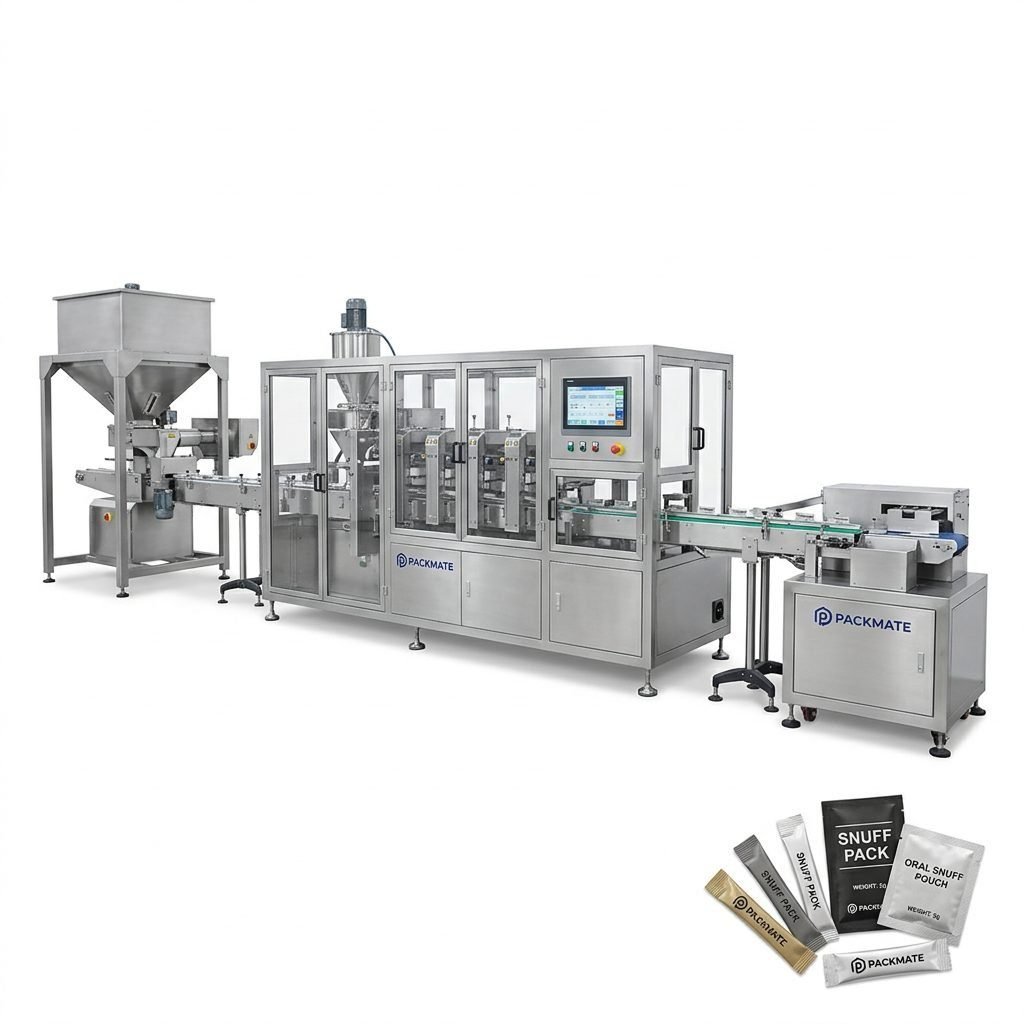
A typical fully automatic snus line is a modular cascade of specialized machines engineered for end-to-end production: raw material handling and blending, dosing and weighing, pouch forming (stick/sachet/multi-lane), filling and sealing, secondary wrapping, counting, carton packing, and palletizing. Each module is synchronized through PLC controls and servo-driven mechanics to preserve speed and consistency. For product families that include small-dose nicotine pouches and traditional snus sachets, multi-lane forming lines are especially crucial to achieve high throughput without compromising dose accuracy.
Key modules: dosing & micro-weighing, multi-lane pouch forming, ultrasonic or heat sealing, continuous motion filling heads, integrated metal detection & checkweighers, and automated case packers for end-of-line efficiency.
Why Multi-Lane and Servo Control Matter
High-speed snus production demands parallel processing: multi-lane pouch forming systems allow several pouches to be produced simultaneously, multiplying output while keeping each portion within tight tolerances. Servo motors provide precise movement control, enabling accurate cut-and-seal positions, synchronized dosing, and smoother acceleration profiles that reduce material stress and seam defects. In short, servo-driven multi-lane systems are a foundational investment for manufacturers targeting high-quality, large-volume runs.
Design Principles for High-Precision Snus Manufacturing
Precision in snus production is non-negotiable: small weight deviations amplify regulatory and consumer risks. Design principles to prioritize include repeatable dosing (micro-gram level where necessary), minimal cross-contamination through hygienic design, easy-clean modules for flavor changes, and robust sealing technologies to maintain pouch integrity and shelf life. Accuracy is also achieved by combining high-quality load cells with intelligent software compensation and real-time feedback loops.
Operational tip: include an inline checkweigher and rejection station — these components minimize risk of out-of-spec products reaching downstream packaging and customers.
Hygienic and Maintenance-Conscious Engineering
Materials in contact with product must be food-grade stainless steel (typically 304 or 316) and designed with sanitary welds and rounded edges. Quick-release parts, accessible service points, and clear maintenance protocols reduce downtime and preserve consistent speed during routine changeovers. Automated lubrication systems and predictive maintenance integrations (IoT-ready) further enhance uptime.
Quality Control & Compliance
Compliance with CE, ISO standards, and regional regulations is essential for global market access. A robust snus production line includes process traceability, batch coding/printing systems, integrated vision inspection for seal integrity and print quality, and thorough documentation for regulatory audits. Packmate Snus Machine emphasizes rigorous QA testing and provides certification support to help customers navigate varying international requirements.
Use of inline metal detectors, automated sampling systems, and environmental monitoring (for humidity and temperature sensitive formulations) ensures each batch meets specifications and that shelf-life and safety profiles remain stable across distribution chains.
Customization: Tailoring Lines to Product & Market
No two manufacturers share the same product specifications, production cadence, or compliance landscape. Customization options range from the number of forming lanes and pouch formats (stick pack, sachet, pillow, or multi-layer sealed pouches) to integrated filling systems for liquids or gels blended into tobacco-free nicotine pouches. Choosing a manufacturer with turnkey capabilities ensures your line is engineered around your SKU mix and business objectives.
If you want to learn more about dedicated machines that fit into a full solution, explore the Snus & Nicotine Packaging Machines catalog and configurations that support multi-format operations: Snus & Nicotine Packaging Machines.
Integration with Upstream & Downstream Systems
Seamless integration with upstream dosing and blending stations plus downstream cartoning and palletizing reduces manual handling and contamination risk. Systems that offer flexible communication protocols (Ethernet/IP, Modbus, Profinet) simplify integration with existing site MES and ERP systems, enabling accurate production reporting and inventory management.
Connectivity: choose control systems that support recipe management, remote diagnostics, and data logging to accelerate troubleshooting and continuous improvement.
Business Advantages & Return on Investment
Investing in a fully automatic snus line delivers tangible business benefits: higher throughput, reduced labor costs, improved product uniformity, and lower waste. Automation shortens changeover times and allows manufacturers to respond rapidly to market trends or private-label opportunities. Over time, increased uptime and predictable output drive excellent ROI — especially when machines are engineered for long service life and supported by responsive technical teams.
Cost Drivers to Consider
Initial capital, customization scope, and level of automation are primary cost drivers. Additional considerations include spare parts inventory, training, and warranty/support packages. Many manufacturers provide phased implementations (pilot line followed by scale-up) to help customers manage CAPEX while validating product and process parameters.
Case Studies & Global Footprint
Proven deployments across Europe, Asia, and the Americas demonstrate how Packmate Snus Machine’s lines adapt to diverse market preferences and regulatory frameworks. From compact multi-lane setups for small-dose nicotine pouches to fully integrated high-speed lines with automated case packers, documented case studies reveal measurable productivity gains and smoother regulatory submissions.
Explore real-world examples to understand installation timelines and performance metrics: Case.
Exhibitions & Live Demonstrations
Seeing machines in operation at trade shows and live demos is invaluable. Packmate regularly presents at major industry exhibitions where visitors can evaluate quality of seals, dosing accuracy, and line ergonomics. If you are planning a factory visit or a demo session, check out upcoming events: Our Exhibition.
After-Sales Support and Spare Parts
A production line is only as reliable as its support network. Choose suppliers offering comprehensive training, quick spare parts delivery, and remote troubleshooting. Service contracts that include preventive maintenance visits and access to updated mechanical and electrical drawings help maintain throughput and minimize unscheduled stops.
Service resources: look for downloadable manuals, video tutorials, and an active FAQ or support portal to empower your engineering team: Service and FAQs.
Selecting the Right Supplier
Evaluate suppliers based on machine reliability, industry experience, production capacity, and global references. A strong factory footprint and access to advanced CNC and assembly systems indicate consistent manufacturing quality. Packmate’s 20,000㎡ facility and 30+ years of engineering experience illustrate its capacity to deliver diverse machine models and bespoke turnkey solutions.
For company background and manufacturing strength, see About Packmate: About Packmate.
Site Assessment & Turnkey Planning
A pre-installation site assessment will evaluate utilities, floor loading, and material flow. Turnkey providers usually offer layout drawings, utility lists, and a phased installation schedule. Confirm responsibilities for civil works, utilities, and staff training to ensure a smooth start-up.
Ordering, Lead Times & Documentation
Order lead times vary by customization level and current factory workload. Standard units may ship within a few months, while highly customized lines require longer engineering and testing phases. Comprehensive documentation should include electrical and mechanical drawings, FAT (Factory Acceptance Test) reports, IQ/OQ protocols, and spare parts lists.
Request a site-specific quotation and a proposed timeline that includes FAT, shipping, installation, commissioning, and operator training. For direct contact and quotations, use the supplier contact page: Contact Us.
Sustainability & Waste Reduction
Sustainable design choices reduce waste and energy consumption: efficient servo drives, optimized sealing temperatures, and minimal secondary packaging reduce material usage. Recyclable pouch materials and right-sized secondary packaging also contribute to lower carbon footprints and better consumer perception.
Sustainability action: incorporate lean manufacturing audits during line design to identify waste streams and energy-saving opportunities.
Conclusion: Investing for Long-Term Competitiveness
A fully automatic snus line represents a strategic investment that aligns manufacturing capability with market demand, regulatory compliance, and product quality expectations. Prioritize modularity, precision dosing, hygienic design, and a strong service relationship with your machine supplier. With the right turnkey partner, your facility can scale production efficiently while maintaining the highest standards of consistency and traceability.
Useful resources
For technical specifications and a broader product range, see the Packmate product categories including Bag & Pouch Packaging Machines and Auxiliary Packaging Equipment: Bag & Pouch Packaging Machines and Auxiliary Packaging Equipment.
Frequently Asked Questions
Q1: How long does it typically take to install and commission a fully automatic snus line?
A1: Installation and commissioning typically range from 6 to 12 weeks for standard configurations after arrival on site; highly customized turnkey projects require additional engineering and validation time. A detailed project plan and FAT reduce risks and expedite the start-up.
Q2: What production rates can I expect from a multi-lane pouch forming line?
A2: Production rates vary with lane count, pouch format, and product characteristics. Multi-lane lines commonly achieve tens to hundreds of thousands of pouches per hour across all lanes; individual lane output depends on pouch size and cycle speed.
Q3: What level of after-sales support is necessary for reliable operation?
A3: Comprehensive support includes spare parts availability, remote diagnostics, on-site service visits, operator training, and access to technical documentation. Choose suppliers with proven global service networks and responsive support channels.
Q4: Can the same line handle different pouch formats and flavors?
A4: Many modern lines are engineered for flexibility and quick changeovers, allowing multiple pouch formats and flavor runs with minimal downtime. Quick-release tooling, recipe-driven controls, and hygienic design make format and flavor switches practical.
Q5: Where can I see live machine demonstrations and request quotations?
A5: Live demonstrations are often scheduled at industry exhibitions or on-site after appointment. For quotations, factory tours, and more product information, visit the Packmate contact and catalog pages: Catalog and Contact Us.