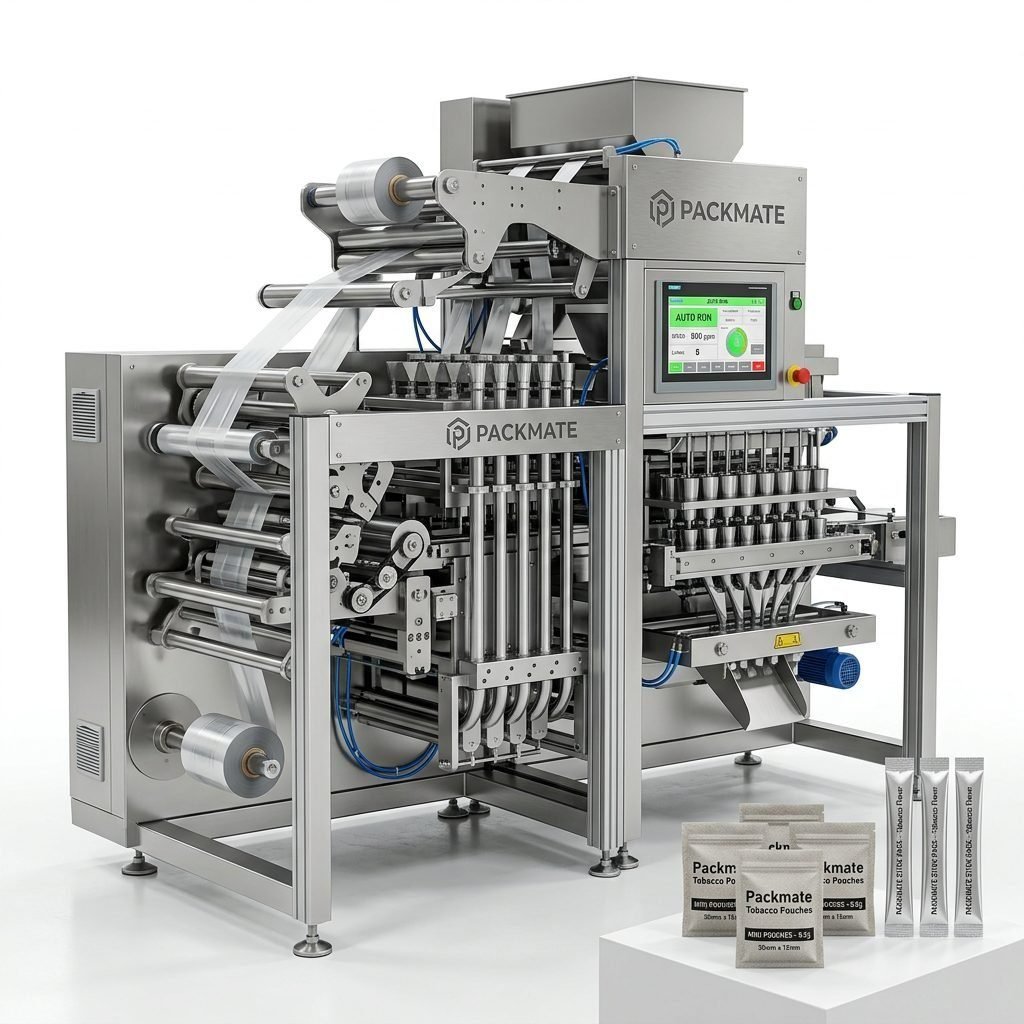
Choosing the right nicotine packaging machinery in Bosnia and Herzegovina is more than a purchase — it is a strategic investment that impacts product quality, regulatory compliance, and customer acceptance. This guide helps manufacturers, distributors, and entrepreneurs operating in Bosnia and Herzegovina evaluate machines, select suppliers, and plan for production, with practical advice tuned to local market habits and legal considerations.
Why choosing the right machine matters in Bosnia and Herzegovina
Bosnia and Herzegovina’s nicotine product market is influenced by cross-border trade, diverse language regions (Bosnian, Croatian, Serbian), and growing consumer interest in smoke-free nicotine alternatives. A well-chosen packaging line ensures you meet labeling requirements, protect product freshness, and produce discreet, high-quality sachets or pouches that align with consumer expectations. Selecting the wrong equipment risks costly downtimes, regulatory non-compliance, and poor shelf appeal.
Local market and regulatory considerations
Understand local laws and municipal enforcement: nicotine and snus regulations differ across the region. While Bosnia and Herzegovina does not have perfectly uniform rules like some EU states, import duties, excise procedures, and labeling rules must be followed. Plan labels in the local languages and include required warnings. Work with customs brokers to avoid delays at entry points like the Sarajevo airport and major border crossings.
Cultural nuance matters: many consumers prefer discreet packaging formats and minimalist designs. Products targeting urban centers such as Sarajevo, Banja Luka, and Mostar should focus on convenience, portability, and low odor profiles — features that depend directly on packaging integrity and machine precision.
Machine types: which one fits your product?
Different production goals call for different machines. Consider production scale, pouch style, and downstream packaging when choosing equipment. Below are common types used for nicotine pouches and snus packaging:
Snus & Nicotine Pouch Machines
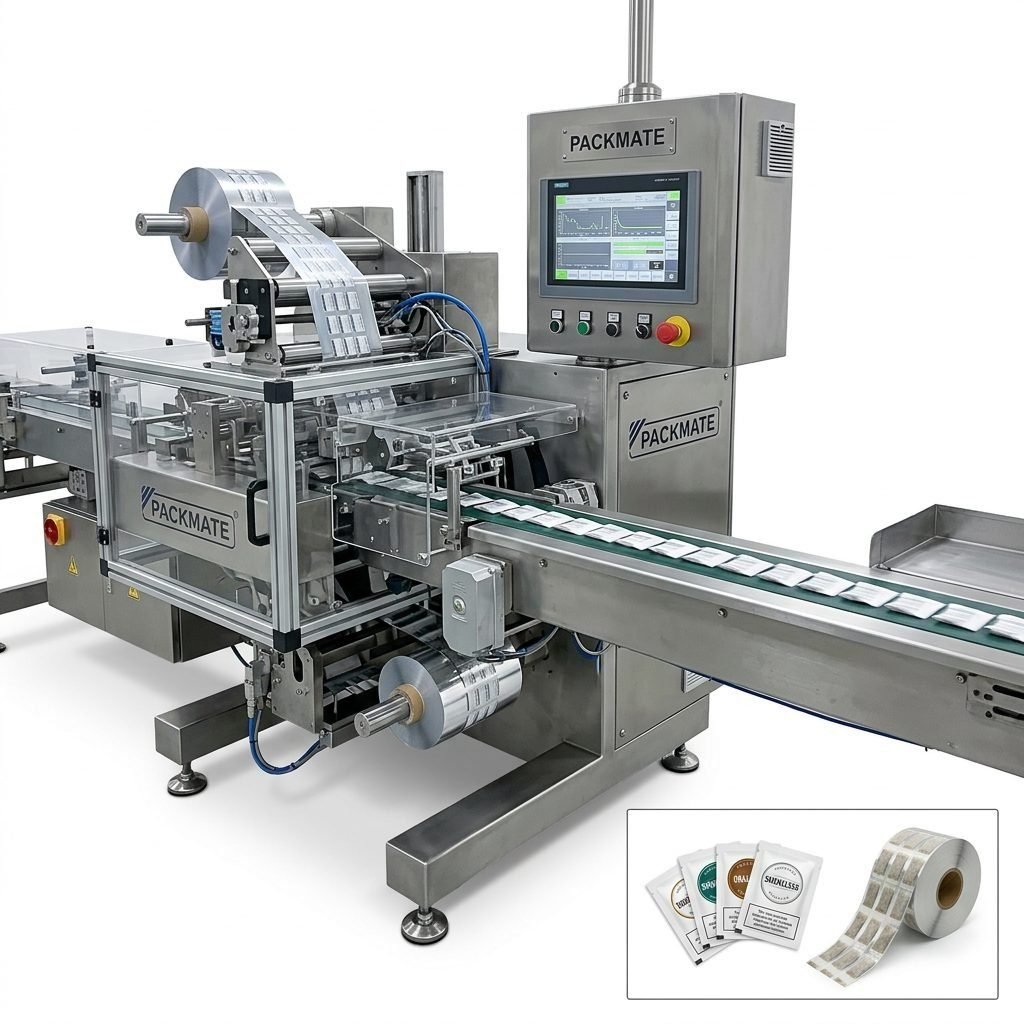
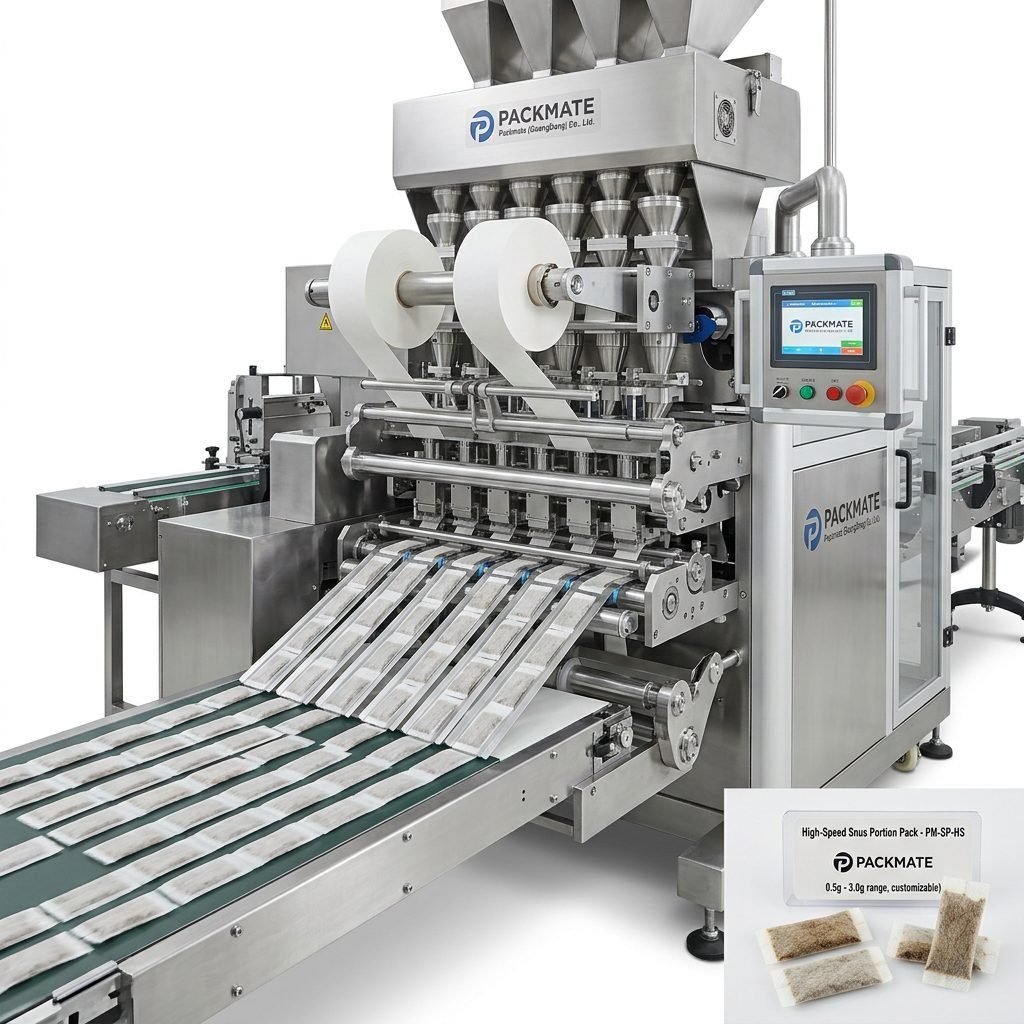
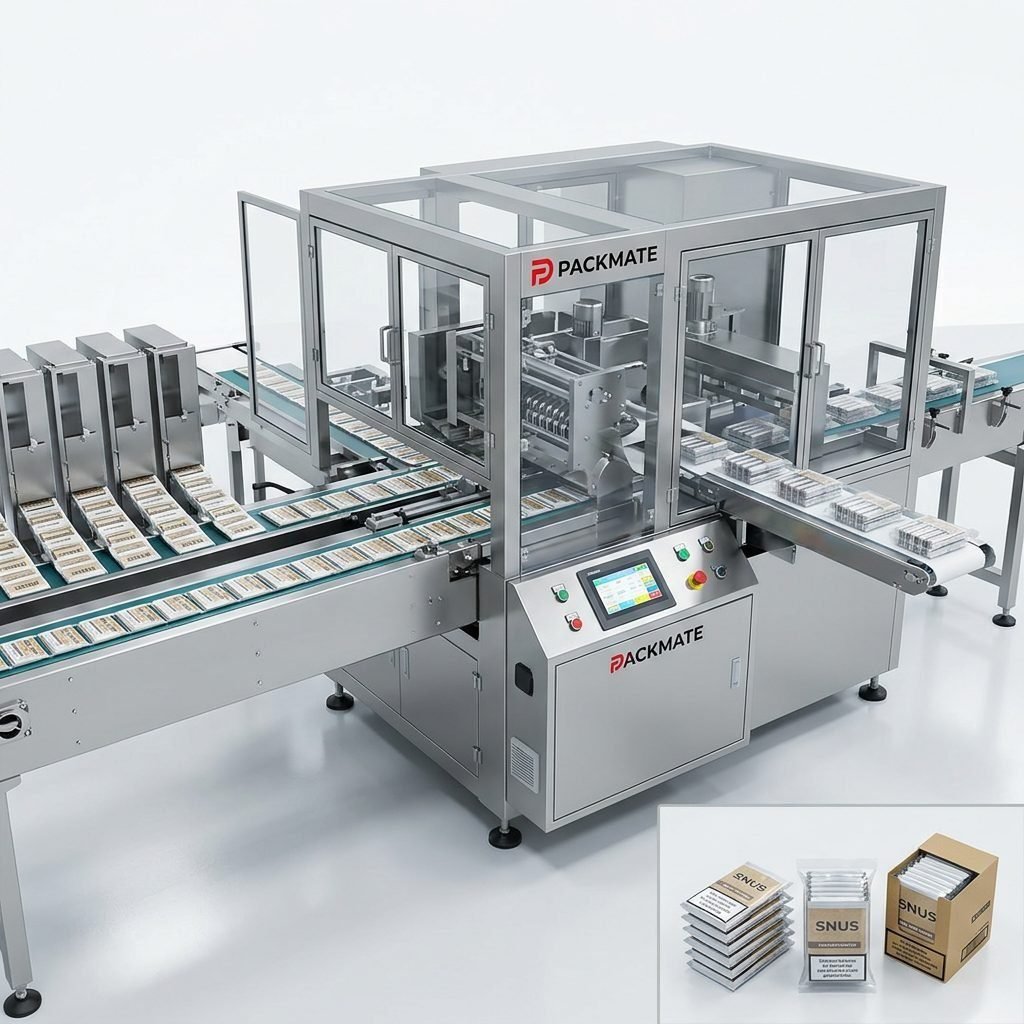
Snus and nicotine pouch machines are specialized for small-dose, powder or fiber-filled pouches. These lines deliver consistent fills, sealing quality, and gentle handling to preserve texture. For detailed models and configurations, review product ranges such as Snus & Nicotine Packaging Machines.
Sachet & Stick Pack Machines
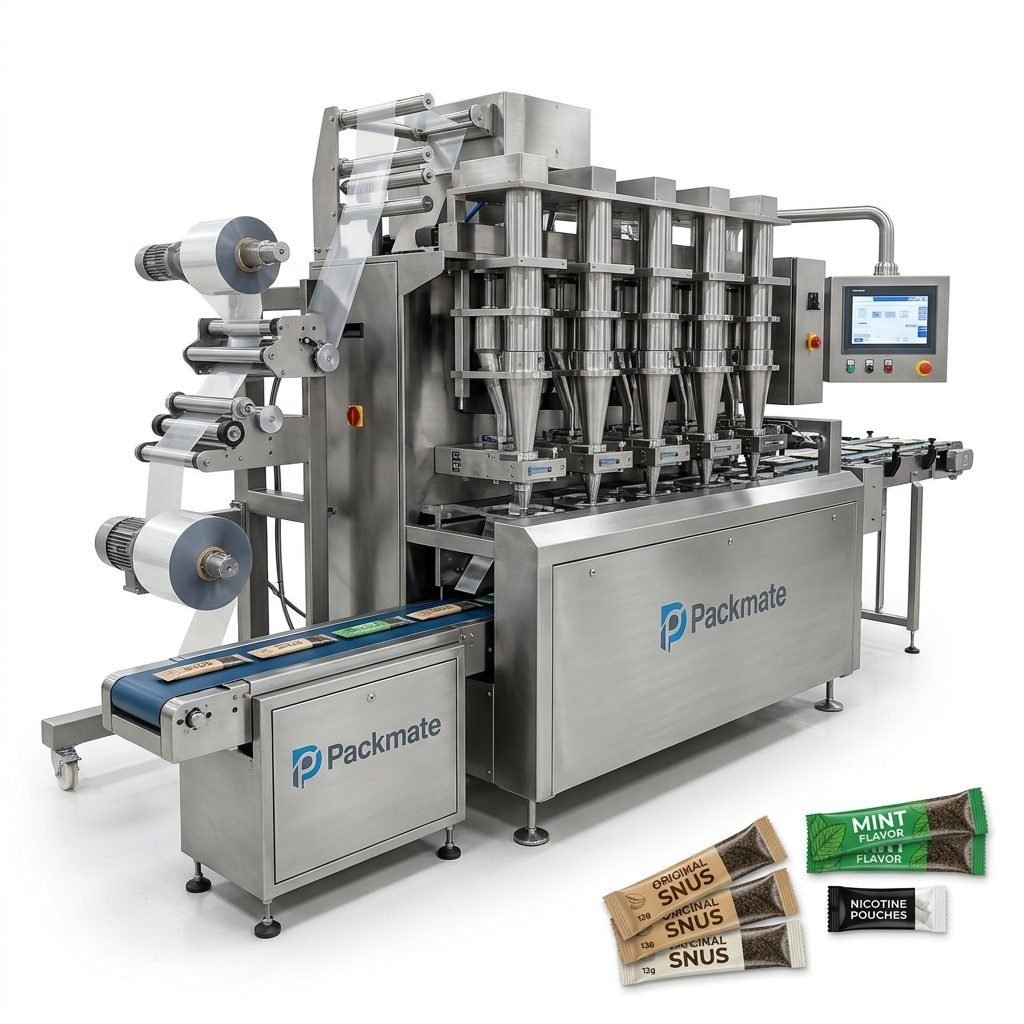
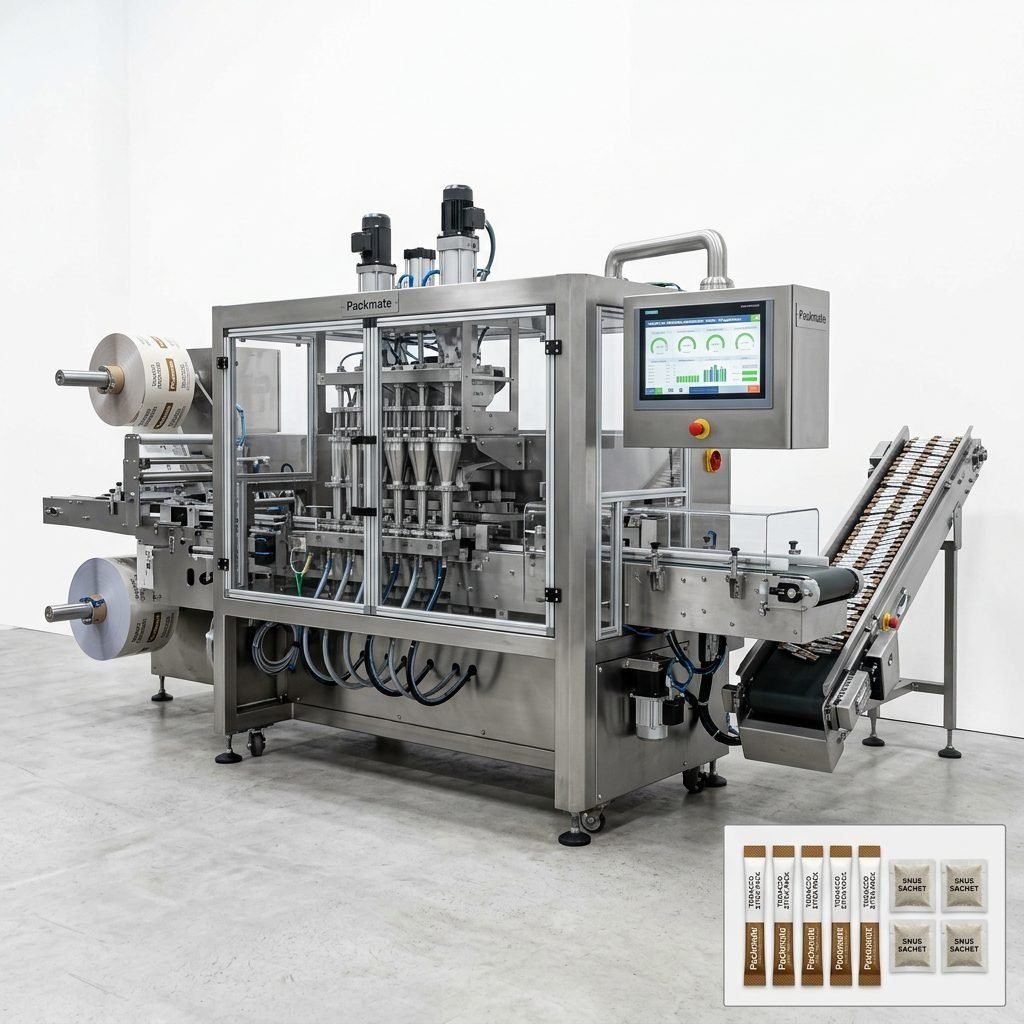
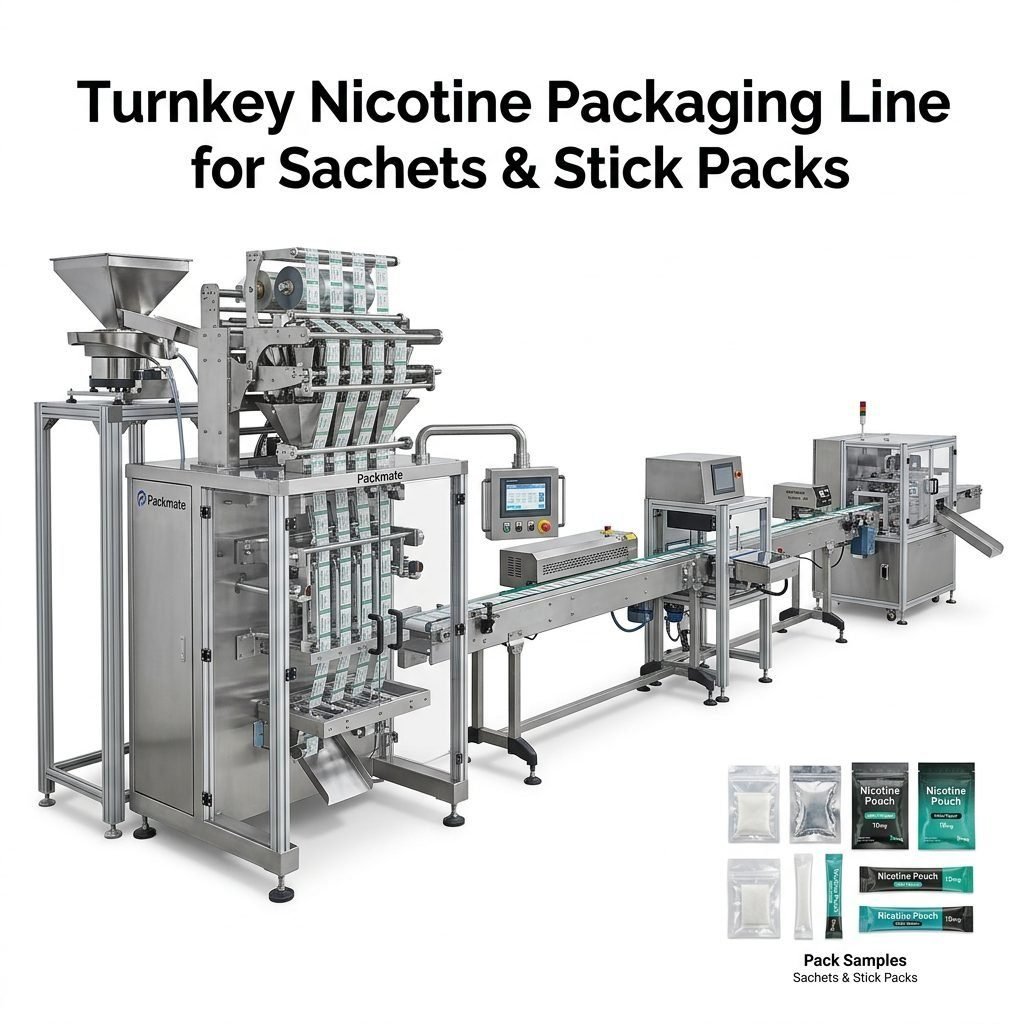
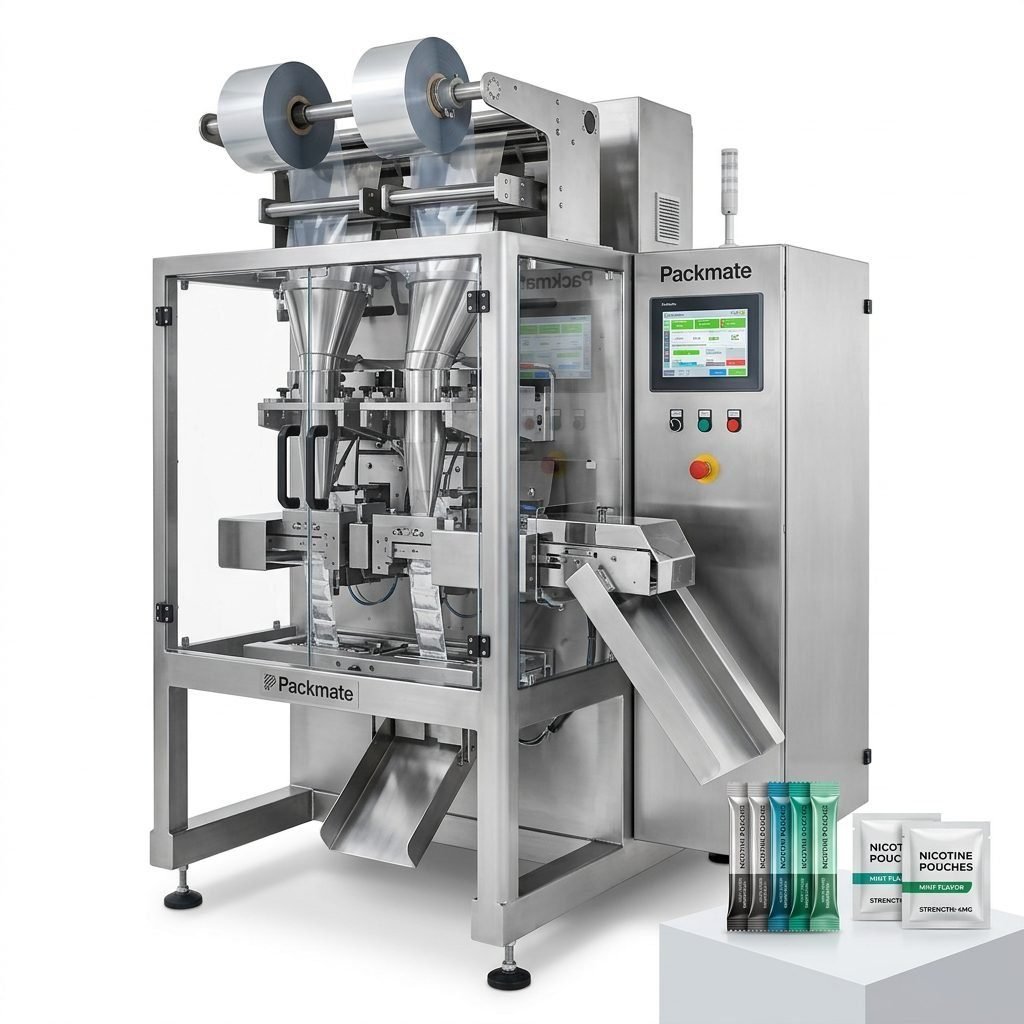
For single-dose stick or sachet formats, high-speed stick pack machines are common. They are ideal for trial packs and promotional formats. They also work well for single-use oral nicotine pouches when combined with appropriate dosing systems. See options at Sachet & Stick Pack Machines.
Bag & Pouch Packaging Machines
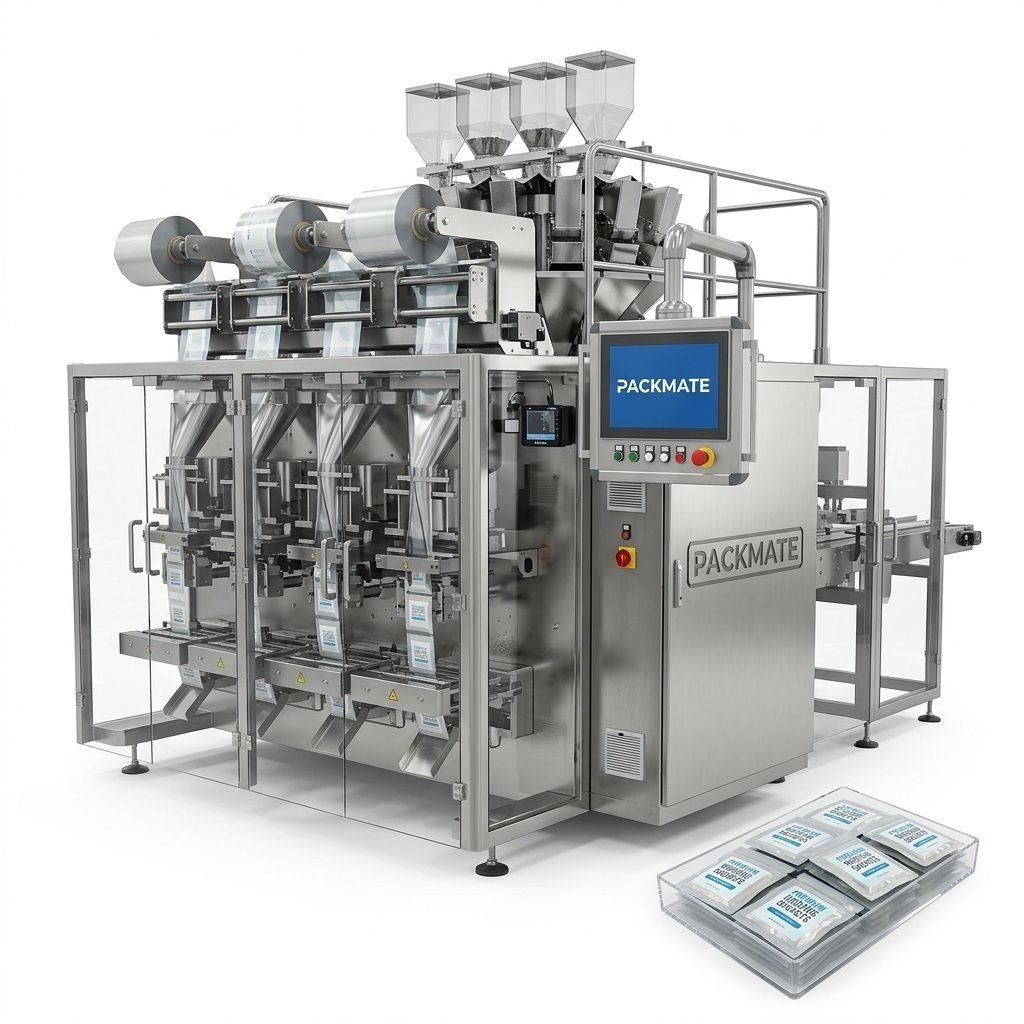
If your product requires outer pouches, consumer bags, or resealable containers, bag & pouch machines handle vertical form-fill-seal (VFFS) or pre-made pouch filling with options for zipper, tear notches, and window features. Explore Bag & Pouch Packaging Machines for adaptable solutions.
Key technical specifications to evaluate
When comparing models, focus on these critical parameters — they determine throughput, reliability, and long-term value:
⚙️ Throughput (pieces/min): Match machine speed to your sales forecasts. For Bosnia and Herzegovina’s market, small to medium manufacturers often require flexible lines that run efficiently at lower speeds as well as spiked capacity during promotions.
📌 Filling accuracy: Accurate dosing reduces waste and ensures consistent nicotine content per pouch — essential for regulatory compliance and consumer trust.
🔧 Changeover time and tooling: Look for quick-change systems and modular tooling to switch flavors, sizes, or packaging materials without long production stops.
🧰 Material compatibility: Confirm compatibility with your selected pouch material (paper-laminates, foil, biodegradable films). Material choices influence sealing heat, dwell time, and film handling systems.
Automation, multi-lane systems and scalability
For companies planning growth, multi-lane systems and scalable automation minimize footprint while multiplying output. Packmate’s expertise in multi-lane designs helps smaller batches grow into high-output lines without complete re-investment. For integrated systems that combine weighing, filling and final packaging, explore Weighing & Packaging Systems and Filling & Packaging Lines.
Automation also improves traceability — vital for quality audits and batch recalls. Consider PLC control, HMI screens with local language options, and programmable recipe storage for Bosnia and Herzegovina’s multilingual workforce.
Quality assurance, certifications and supplier credibility
Certifications like CE and ISO demonstrate conformity with international manufacturing safety and quality standards. Always verify a supplier’s certifications and ask for factory acceptance tests (FAT) before shipment. Packmate’s factory capabilities — a 20,000㎡ facility with advanced CNC and precision assembly — are examples of the manufacturing scale that supports consistent machine quality. For manufacturer background consult About Packmate and confirm certificates via Certificate.
Support matters: local spare parts delivery, remote diagnostics, and on-site training reduce downtime. Check supplier case studies to see how machines perform in similar markets; case references can be found at Case.
Practical site and logistics considerations for Bosnia and Herzegovina
Site planning in Bosnia and Herzegovina should include electrical infrastructure checks (voltage/stability), factory layout for smooth material flow, and space for spare parts inventory. Also plan for customs clearance time when importing machinery from overseas — delayed shipments are common if documentation is incomplete. Use trusted freight forwarders familiar with Sarajevo and regional entry points.
Power stability: if your production site is in rural areas, consider voltage stabilizers or UPS systems for sensitive PLC-driven equipment. Environmental conditions — humidity during summer or cold in winter — can affect film handling and sealing; consult suppliers on recommended environmental controls.
Installation, training and maintenance
Good suppliers offer pre-shipment inspections, on-site installation, operator training, and preventative maintenance schedules. Ask for a spare-parts list and typical lead times. Reliable remote support reduces the need for frequent service visits; ensure your supplier offers clear communication channels and multilingual manuals.
For long-term reliability, secure a service contract that includes:
✓ Preventive maintenance visits; ✓ Guaranteed response times for critical faults; ✓ Training for new operators and maintenance staff.
Customization and turnkey solutions
If you require end-to-end production lines, consider a turnkey approach that integrates filling, dosing, sealing, and final carton/pouch packing. Suppliers with a broad portfolio — like Packmate with 50+ machine models and complete line capability — can deliver tailored systems that reduce integration risk and simplify vendor management. Learn more about full solutions under Snus & Nicotine Packaging Machines and related lines.
Cost, ROI and financing in the Bosnian market
Compare total cost of ownership (TCO), not just upfront capital price. TCO includes spare parts, energy consumption, labor, downtime costs, and expected lifetime. Calculate ROI based on realistic sales projections and consider leasing or equipment financing options to preserve working capital. Local banks may require import documentation and supplier references; having an established supplier with export experience helps.
Small batch flexibility often trumps sheer speed in Bosnia and Herzegovina’s evolving market. Machines that enable rapid SKU switching and minimal waste provide better long-term return for brands testing multiple flavors and pack sizes.
Design and packaging preferences among Bosnian consumers
Consumers in Bosnia and Herzegovina appreciate clear, functional design and often prefer compact, discreet packaging. Offering multilingual labels (Bosnian/Croatian/Serbian) increases distribution potential across the country. Biodegradable or recyclable materials are increasingly popular among younger urban buyers, so packaging machinery should support a variety of film types and sealing techniques.
Promotional strategies often include trial sachets or mixed-flavor multipacks — both require flexible packaging lines capable of packaging small-run promotional units with reliable sealing and clear print quality.
Checklist: Final factors before signing a purchase agreement
Essential checklist: Verify certifications (CE/ISO), request FAT and SAT records, evaluate spare part contracts, confirm local language support, test sample runs for your specific pouch material, and confirm delivery & installation timelines. Ensure documentation for customs clearance is complete to avoid delays.
Choosing the right supplier — red flags and green lights
Green lights: transparent technical specs, client references, on-site demonstrations, clear warranty terms, and a local or responsive after-sales team. Red flags: vague performance numbers, long unexplained lead times, limited spare parts availability, or absence of compliance documentation.
How to test and validate machines before full-scale deployment
Insist on trial runs using your actual product formulation, pouch film, and target doses. FATs should include extended runs to reveal issues like film tracking, seal integrity, and dust control. After shipment, perform Site Acceptance Tests (SAT) under real production conditions to certify the line meets agreed performance KPIs.
If you need supplier contact or documentation, use the manufacturer’s service and contact pages to request catalogues, spare part lists, and on-site demonstration schedules: Contact Us and Catalog.
Conclusion: a practical roadmap to buy with confidence
Start with a clear definition of product formats, projected volumes, and regulatory requirements for Bosnia and Herzegovina. Prioritize machines that offer modularity, proven accuracy, and strong after-sales support. Validate suppliers through factory visits or virtual demonstrations, request sample runs, and secure a robust service agreement. With the right equipment, you can deliver high-quality nicotine pouches that meet both consumer preferences and compliance expectations.
Frequently Asked Questions
Q1: Do nicotine pouch machines require special permits to import into Bosnia and Herzegovina? A1: Import procedures depend on the equipment type and country of origin. While special permits are not typically required for packaging machinery, ensure complete commercial invoices, CE/ISO documentation, and any technical certificates accompany shipments to facilitate customs clearance.
Q2: How can I ensure my packaging meets local labeling language requirements? A2: Work with a legal advisor familiar with Bosnia and Herzegovina’s consumer goods labeling rules and prepare labels in Bosnian/Croatian/Serbian. Machines should support high-quality printing or accommodate pre-printed films.
Q3: What is the recommended machine size for a small producer entering Sarajevo’s market? A3: Small producers typically start with flexible single-lane or low-speed multi-lane systems that allow experimentation with multiple SKUs. Prioritize machines with easy changeover and accurate dosing rather than top-line speed.
Q4: Where can I find spare parts and local service for imported machines? A4: Choose suppliers who provide spare-parts lists and express shipment options. Establish a service contract and verify remote diagnostic capabilities. Reputable manufacturers maintain global parts stocks and can advise on local service partners.
Q5: How do I calculate ROI for a new packaging line? A5: Calculate ROI using total acquisition cost, installation, maintenance, energy use, labor, and expected revenue. Include projected growth and seasonal demand to size the equipment appropriately.