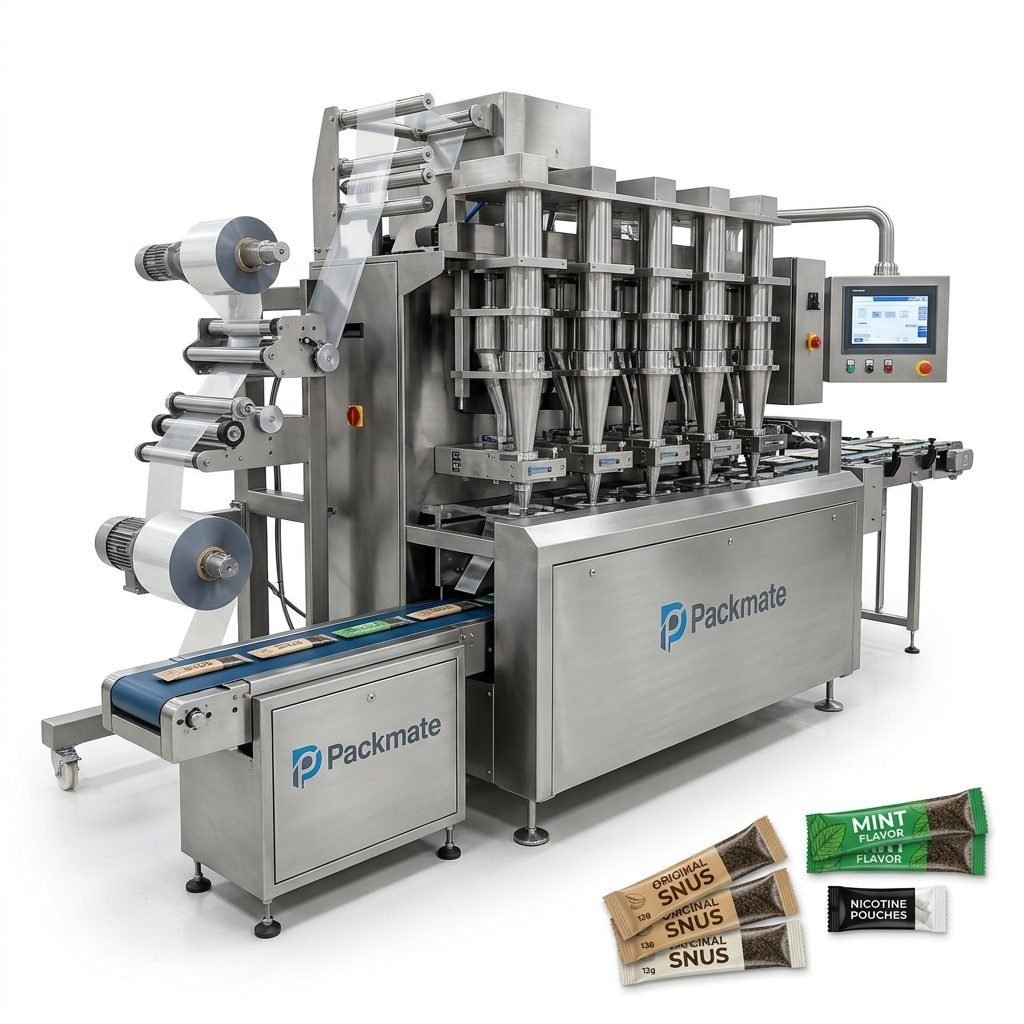
Choosing the right snus packaging machine manufacturer for your Panama-based production is a strategic decision that affects product quality, regulatory compliance, and long-term profitability. This guide walks production managers, entrepreneurs, and procurement teams through a step-by-step approach to select a supplier that fits local market tastes, manufacturing scale, and logistic realities in Panama.
Understand Panama’s Market and Consumer Habits
Panama is an international crossroads with a cosmopolitan consumer base. Local buyers value quality, consistent packaging, and trustworthy branding. For tobacco alternatives like snus and nicotine pouches, consumers often prefer discreet, easy-to-carry formats and hygienic sealing. Manufacturers must also account for Spanish-language labeling and regional regulatory expectations.
🔎 Local note: Many Panamanian retailers source products that emphasize portability and discretion. Machines that produce small-dose pouches, stick packs, or resealable tubs often sell better in urban retail points and duty-free shops in Panama City and Colón.
Key Selection Criteria for a Snus Packaging Manufacturer
When assessing manufacturers, weigh both technical performance and after-sales support. Below are the prioritized factors for long-term success:
1. Machine Type and Flexibility
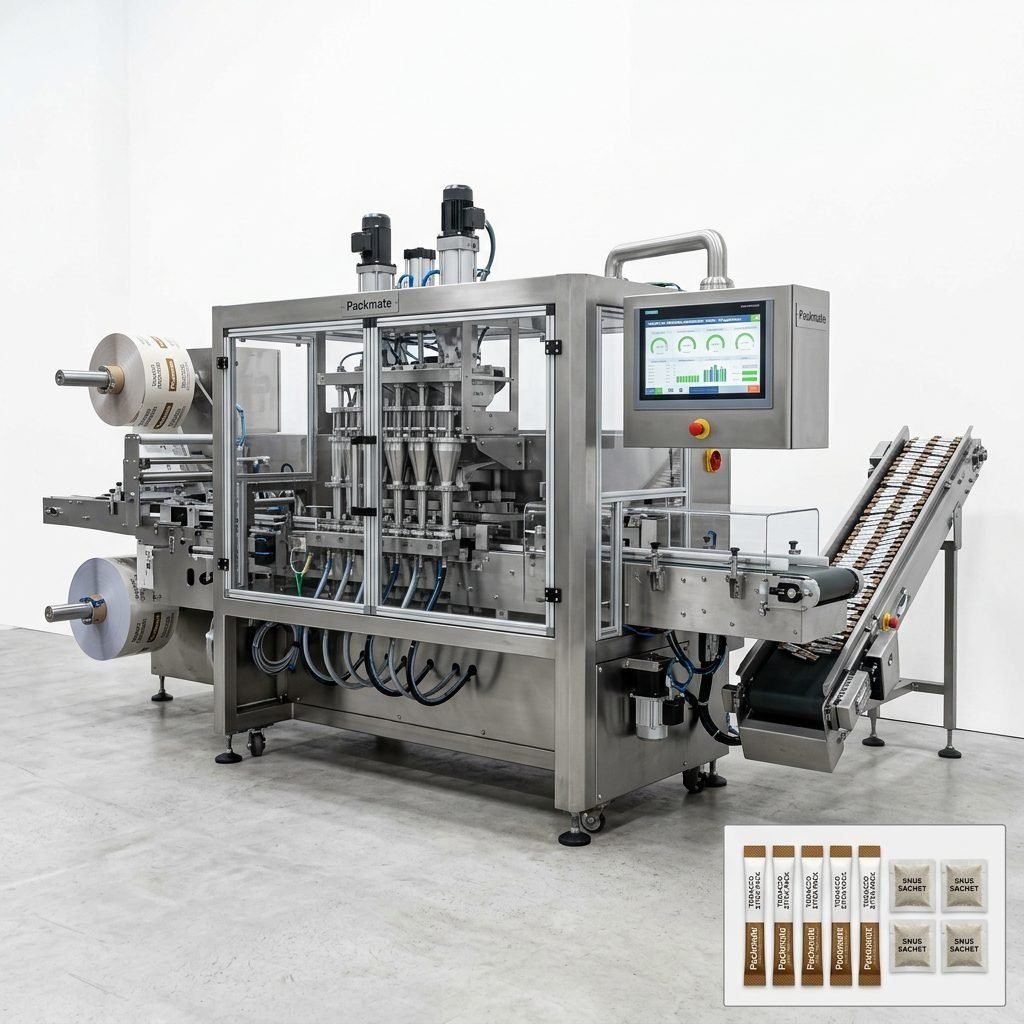
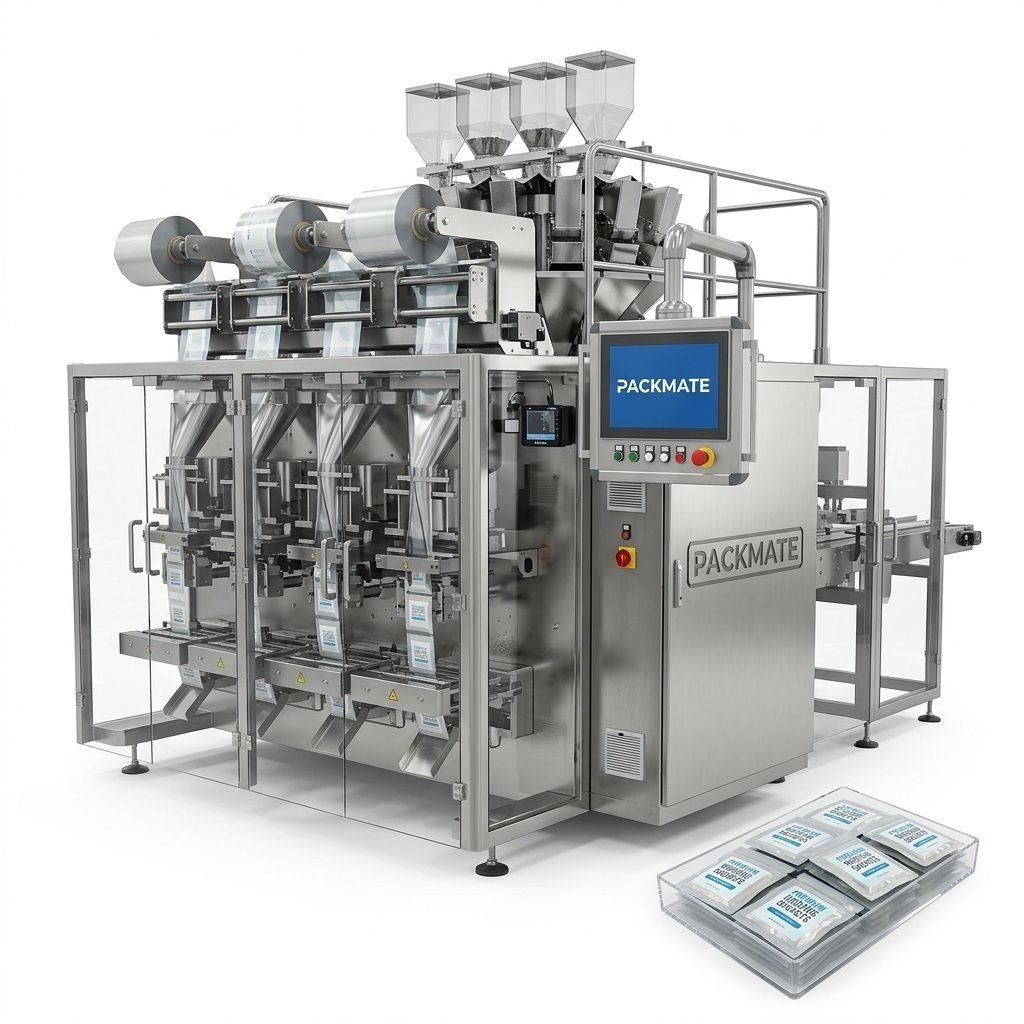
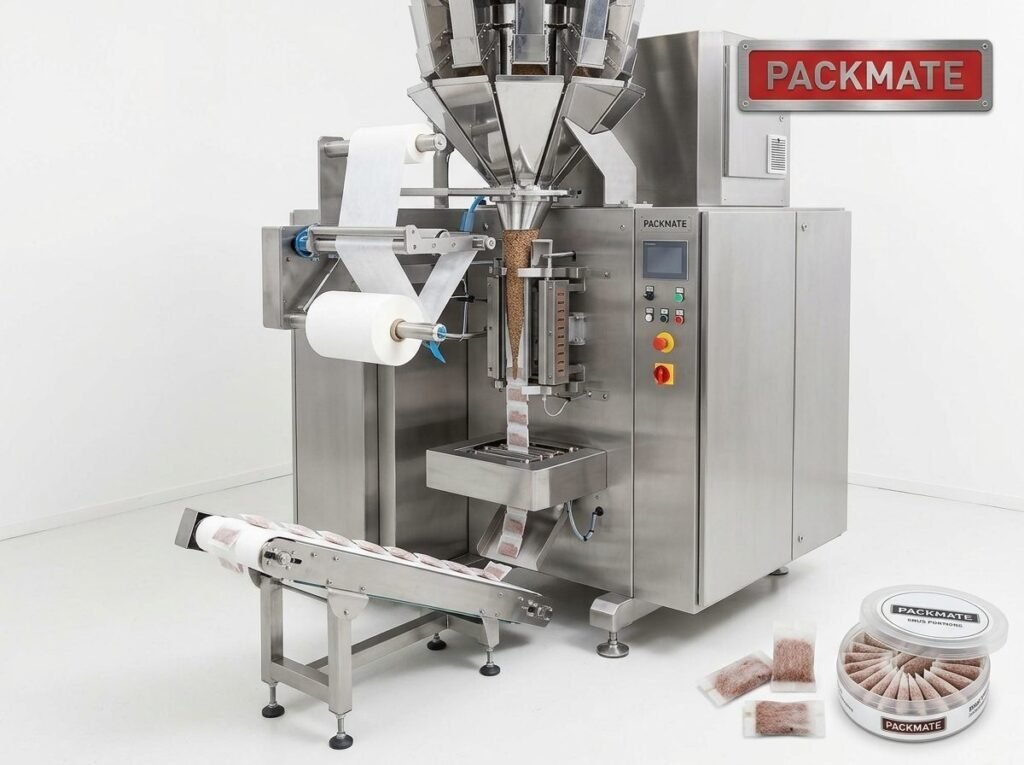
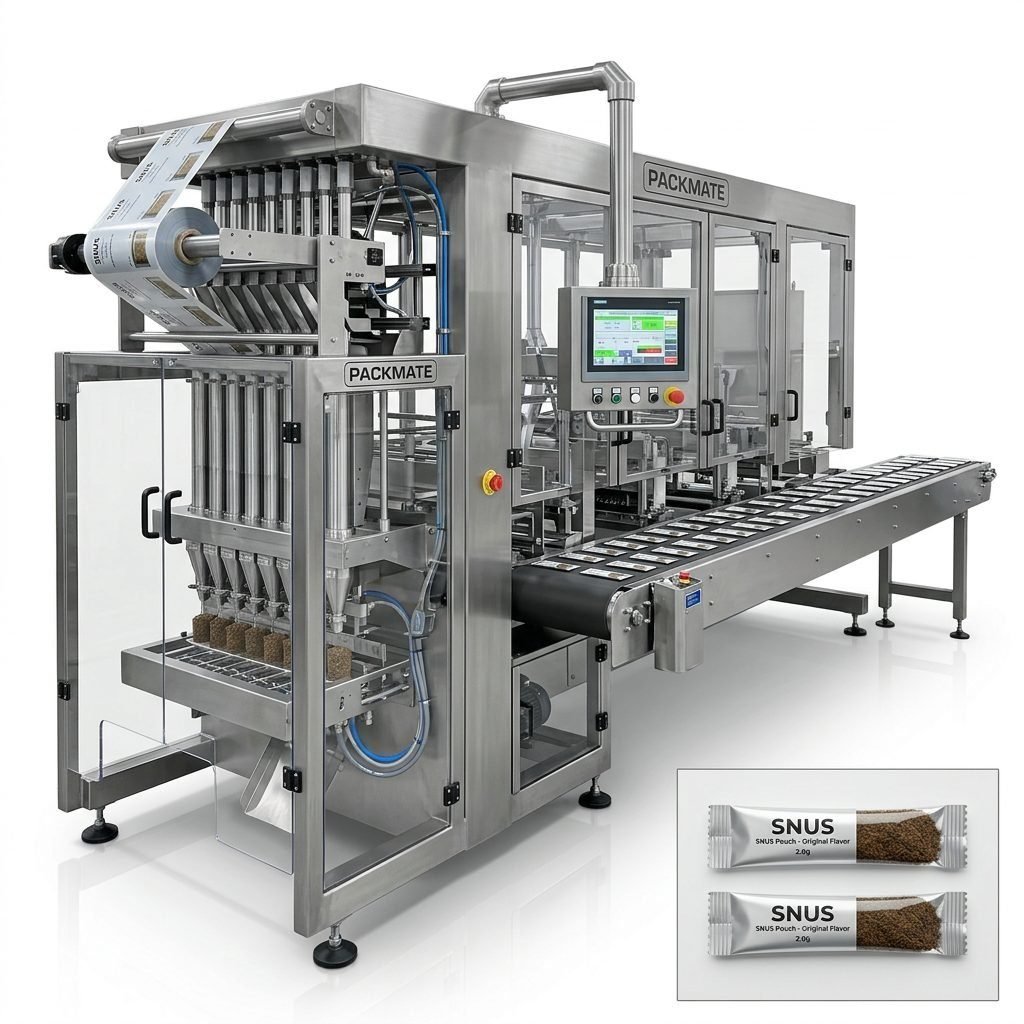
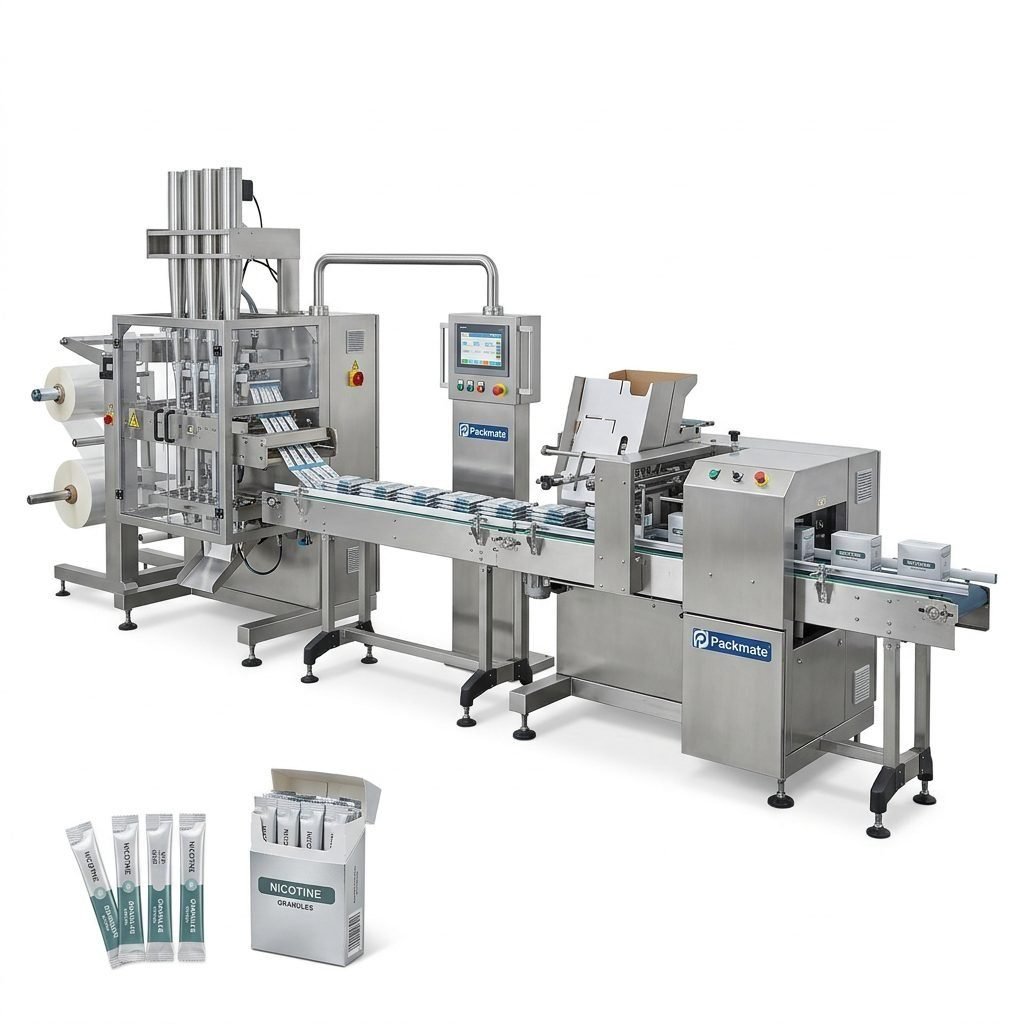
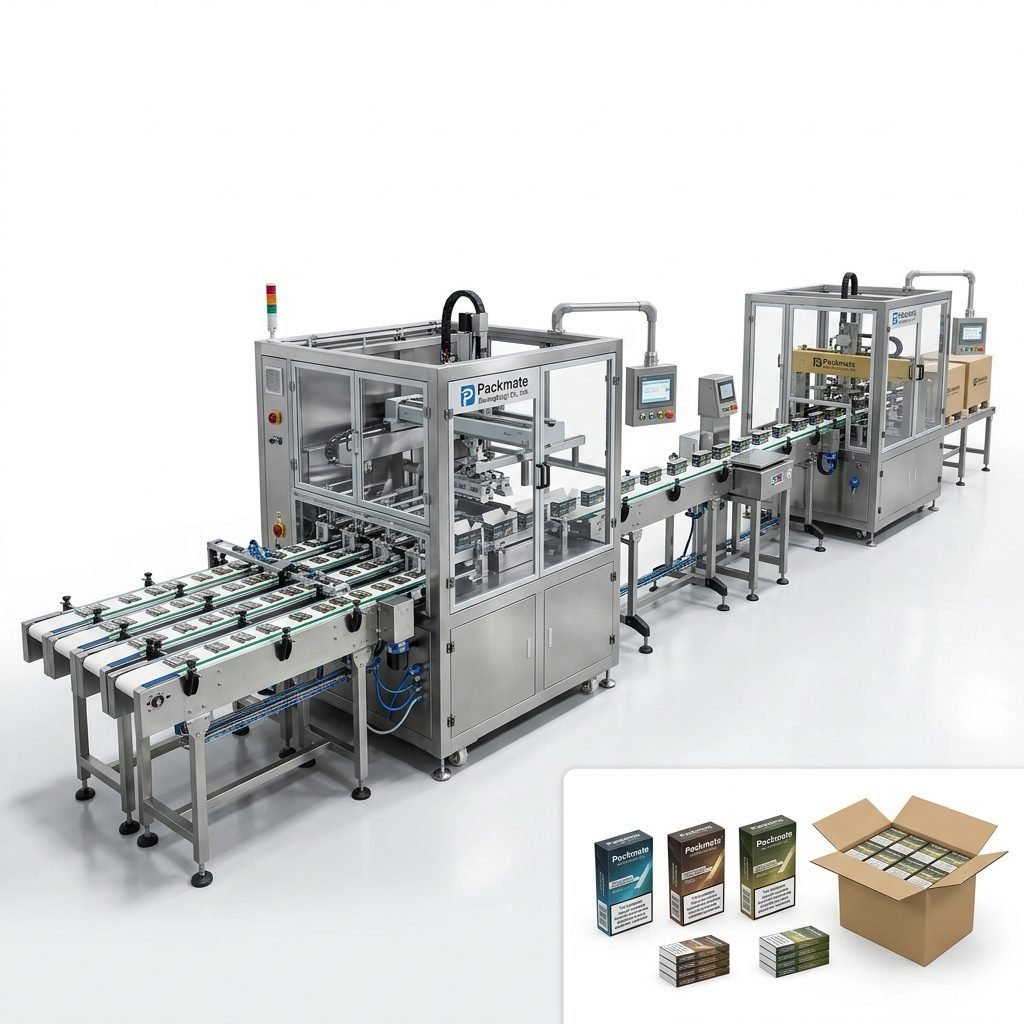
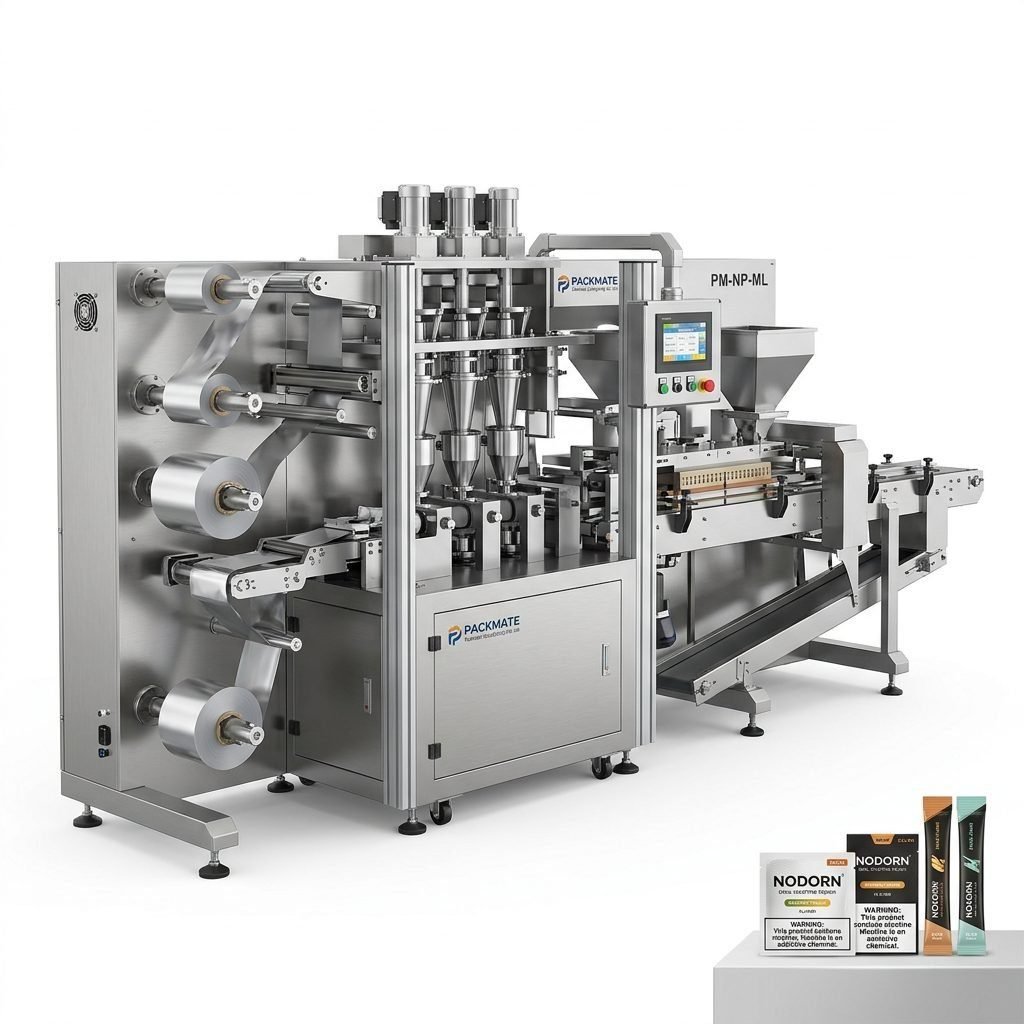
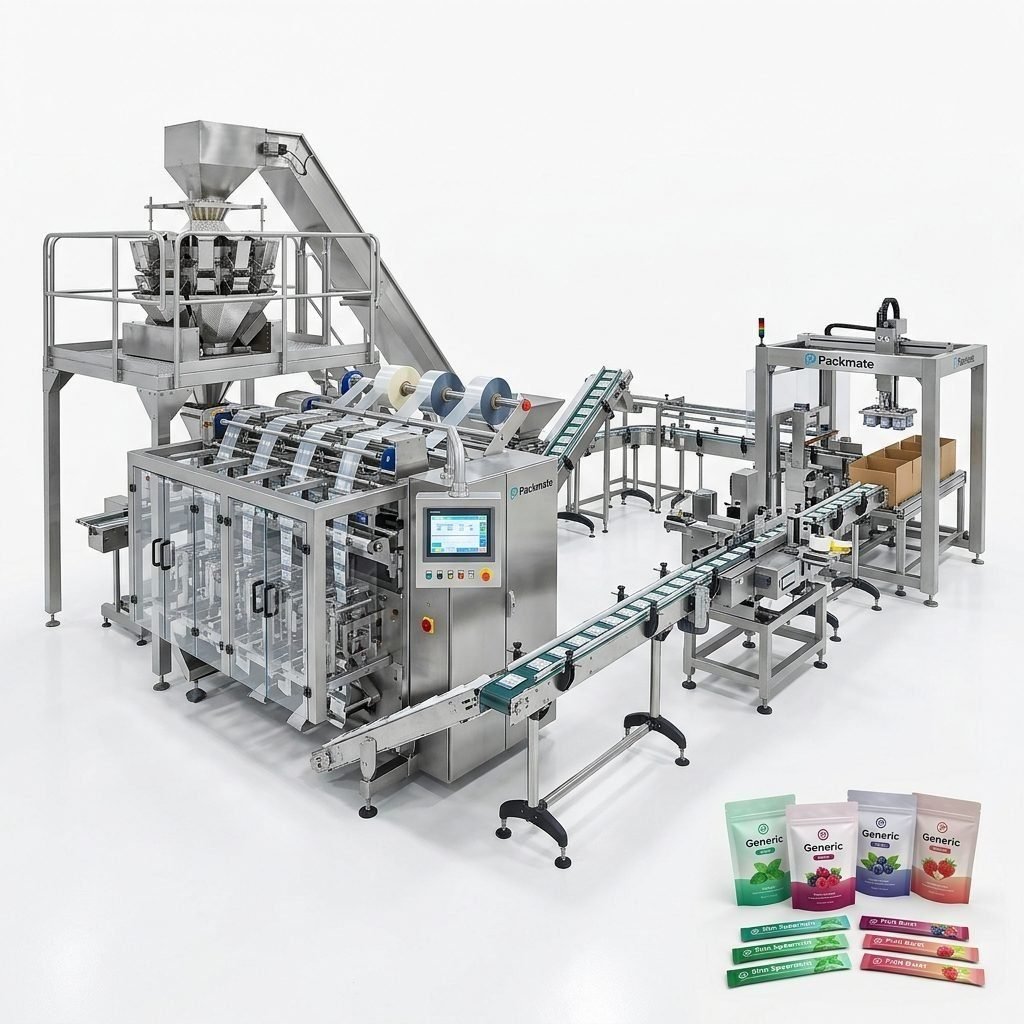
Look for suppliers offering a range of formats: single-lane sachets, multi-lane systems, stick packs, and machines for nicotine pouches. Flexibility allows you to trial new SKUs and scale lanes up as demand grows. If your Panama operation plans to serve travel retail, small-dose and multi-lane output can be a decisive advantage.
2. Production Capacity and OEE
Understand the machine’s realistic throughput (pouches/min), uptime expectations, and Overall Equipment Effectiveness (OEE). Ask for actual production data rather than theoretical maxima. In Panama’s busy distribution channels, consistent uptime is more valuable than occasional peak speeds.
✅ Tip: Prioritize multi-lane machines if you plan to supply multiple retail chains or export within Central America. They reduce cost per pouch and improve logistics efficiency.
3. Hygiene, Materials & Sealing Quality
For products consumed orally, hygienic design and reliable sealing are non-negotiable. Check materials used in contact parts (stainless steel grades), CIP compatibility, and seal integrity tests. Machines that minimize contamination risk and provide traceable quality records are essential for market acceptance in Panama.
4. Certifications and Compliance
Verify CE, ISO, and other relevant certificates. For export to Panama and neighboring countries, ask about electrical standards and documentation in Spanish to ease customs and regulatory filings. Certified equipment reduces inspection delays at ports and local regulatory scrutiny.
Evaluate Manufacturer Capabilities: What to Inspect
A factory visit or virtual tour should confirm the company’s engineering depth, testing regimes, and capacity to customize. Use the checklist below during evaluation.
Factory and Production Strength
Inspect machining centers, assembly lines, and quality testing rooms. A manufacturer with dedicated CNC centers and 20,000㎡ of manufacturing space typically demonstrates the ability to maintain part tolerances and stable supply.
Engineering Experience and R&D
Companies with 20+ years in packaging engineering can provide stable designs and continuous improvements. Ask about their R&D cycle, spare parts lifetimes, and frequency of software/firmware updates.
Quality Control and Test Reports
Request sample test reports for seal strength, weight accuracy, and microbial hygiene checks. Reliable manufacturers will share case studies and real-world production data.
🔧 Factory proof: Packmate Snus Machine provides production lines and test data; see product details here: Snus & Nicotine Packaging Machines.
Service, Spare Parts and Local Support
After-sales service is crucial for continuous production. Assess the supplier’s spare parts inventory, lead times for replacement parts, and the availability of on-site commissioning engineers who can travel to Panama.
Consider whether the manufacturer offers:
• Remote troubleshooting and software support
• Local partner or agent in Latin America for faster response
• Training programs for Panamanian operators in Spanish
Cost, Financing and Total Cost of Ownership (TCO)
Look beyond purchase price. Compare TCO including energy consumption, spare parts, maintenance contracts, and potential downtime costs. Manufacturers that provide transparent ROI models help you make better procurement decisions.
Regulatory and Labeling Considerations in Panama
Panama enforces labeling and import regulations that vary by product category. For nicotine products, ensure your machine can produce packaging that accommodates Spanish-language information, lot numbers, production dates, and any regulatory marks required by Panamanian authorities. Machines with flexible printing or labeling modules will simplify compliance.
Logistics, Shipping and Installation
Large packaging lines require careful coordination for sea freight to Colon or Panama City. Confirm the manufacturer’s experience in international shipping, customs documentation, and on-site commissioning. A supplier familiar with Panama’s ports and logistics channels reduces transit delays and handling issues.
🌎 Export advantage: Choose a manufacturer experienced with Latin American shipments — documentation and packaging for sea freight make delivery seamless.
How to Run a Practical Supplier Evaluation
Implement a scoring matrix that weights critical areas: machine performance (30%), after-sales support (20%), hygiene & certifications (15%), cost/TCO (15%), delivery & commissioning (10%), and references/case studies (10%). Request demonstration videos, client references in similar markets, and factory audit reports.
Ask for:
• Production videos under load and running your SKU or a close substitute.
• A defined spare parts list and estimated annual parts cost.
• A warranty proposal with response times to Panama.
• A local or regional contact for faster communication.
Case Studies and Manufacturer Reputation
Investigate case studies and global installations. Reliable manufacturers will link you to references and documented successes. For example, review Packmate’s global cases to see real installations and product lines in operation: Case.
Why Consider Packmate Snus Machine
With three decades of engineering experience, Packmate focuses on snus and nicotine pouch packaging, offering multi-lane solutions, stick pack and sachet systems, and turnkey production lines. Their 20,000㎡ factory and advanced CNC capacity ensure consistent part quality and reliable lead times. Learn more about the company here: About Packmate.
📦 Product resources: Explore machine categories and modules: Bag & Pouch Packaging Machines, Sachet & Stick Pack Machines.
Final Decision Checklist
Use this quick checklist before signing a purchase agreement:
• Verified production capacity for your SKU and lanes
• Clean room/hygienic design and materials certification
• Clear TCO and spare parts plan
• Spanish documentation and operator training options
• Proven export experience to Central America and references
Next Steps: From Inquiry to Operation
Start with a detailed Request for Quotation (RFQ) that includes your SKU specifications, target output (pouches/min and daily throughput), required packaging dimensions, and any special labeling. Ask potential suppliers for an installation timeline and commissioning plan that fits your Panama schedule.
For direct contact and service inquiries, you can reach the manufacturer’s support team here: Contact Us.
⚖️ Reminder: Align machine capabilities with Panama’s retail and duty-free channels. Smaller, resealable packages often succeed in travel-oriented retail locations.
Conclusion: Choose for Performance, Support and Local Fit
Selecting the best snus packaging machine manufacturer for Panama requires balancing machine performance, hygiene, compliance, and local market fit. Prioritize suppliers with proven multi-lane solutions, transparent TCO, strong after-sales support, and experience exporting to Central America. A partner who offers Spanish documentation and on-site training will ease your path to efficient local production.
Useful Links
• Snus & Nicotine Packaging Machines
• Service
• Catalog
Frequently Asked Questions
Q1: How quickly can a multi-lane snus line be commissioned in Panama?
A1: Typical lead time includes manufacturing, testing, sea freight and on-site commissioning. Expect 10–16 weeks for built-to-order lines plus 2–4 weeks for sea freight and customs, depending on seasonality. Fast-track options may be available.
Q2: Do manufacturers provide Spanish-language manuals and training?
A2: Reputable suppliers offer documentation and training in Spanish or provide local agents who can train operators. Confirm language support during contract negotiation.
Q3: What are typical warranty and spare parts arrangements?
A3: Standard warranties cover 12 months; extended warranties are available. Ensure a guaranteed spare parts list with lead times and optional maintenance contracts to reduce downtime.
Q4: Can machines be configured for different pouch sizes and materials?
A4: Yes. Modern packaging machines are modular and can be adjusted for pouch size, film thickness, and barrier materials. Ask for changeover time metrics.
Q5: How important are certifications for Panama imports?
A5: Very important. CE and ISO certifications, plus clear technical documentation and electrical compliance, speed customs clearance and ensure safer operations.