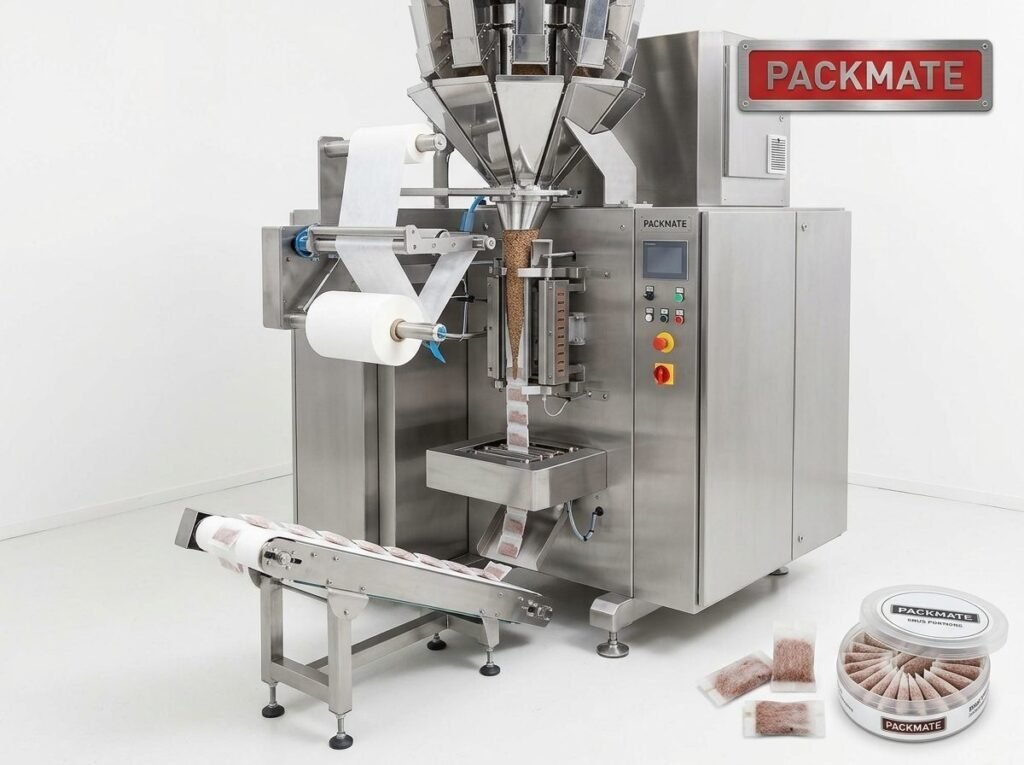
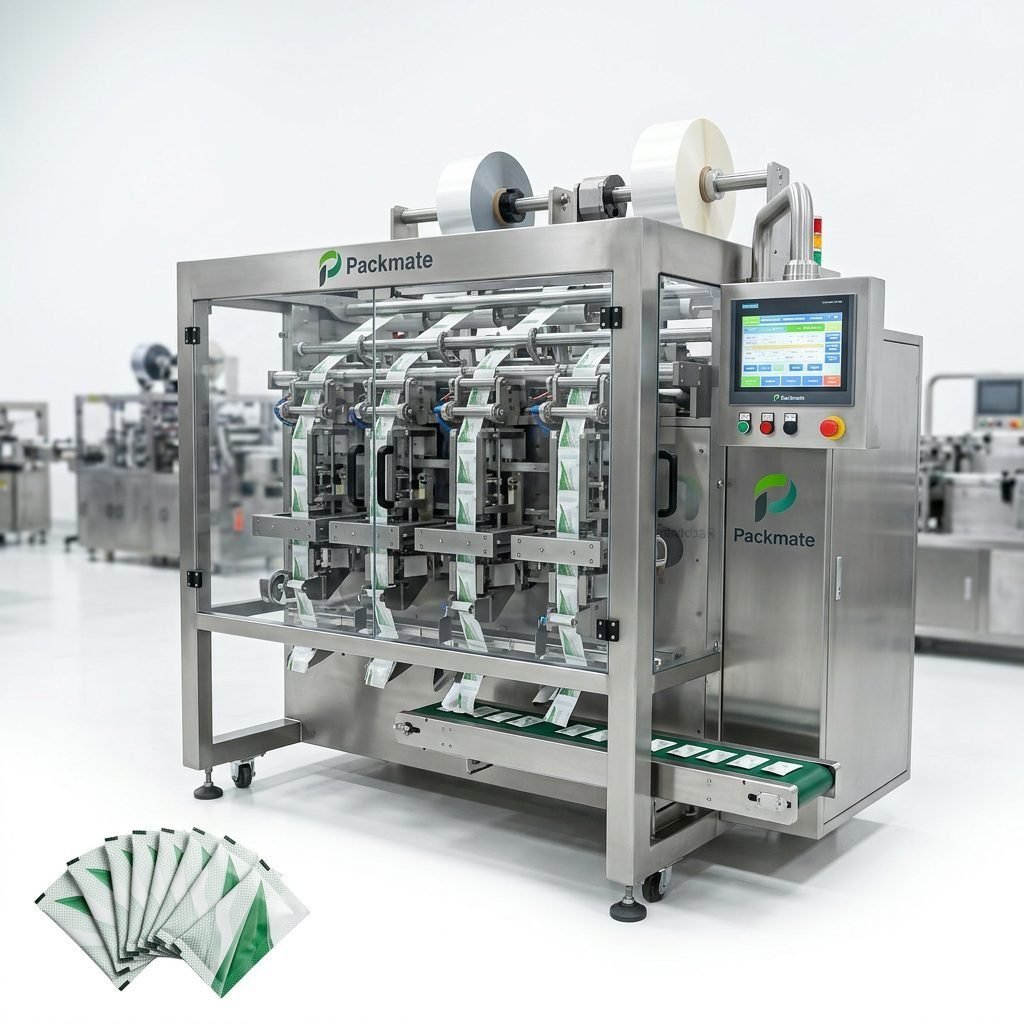
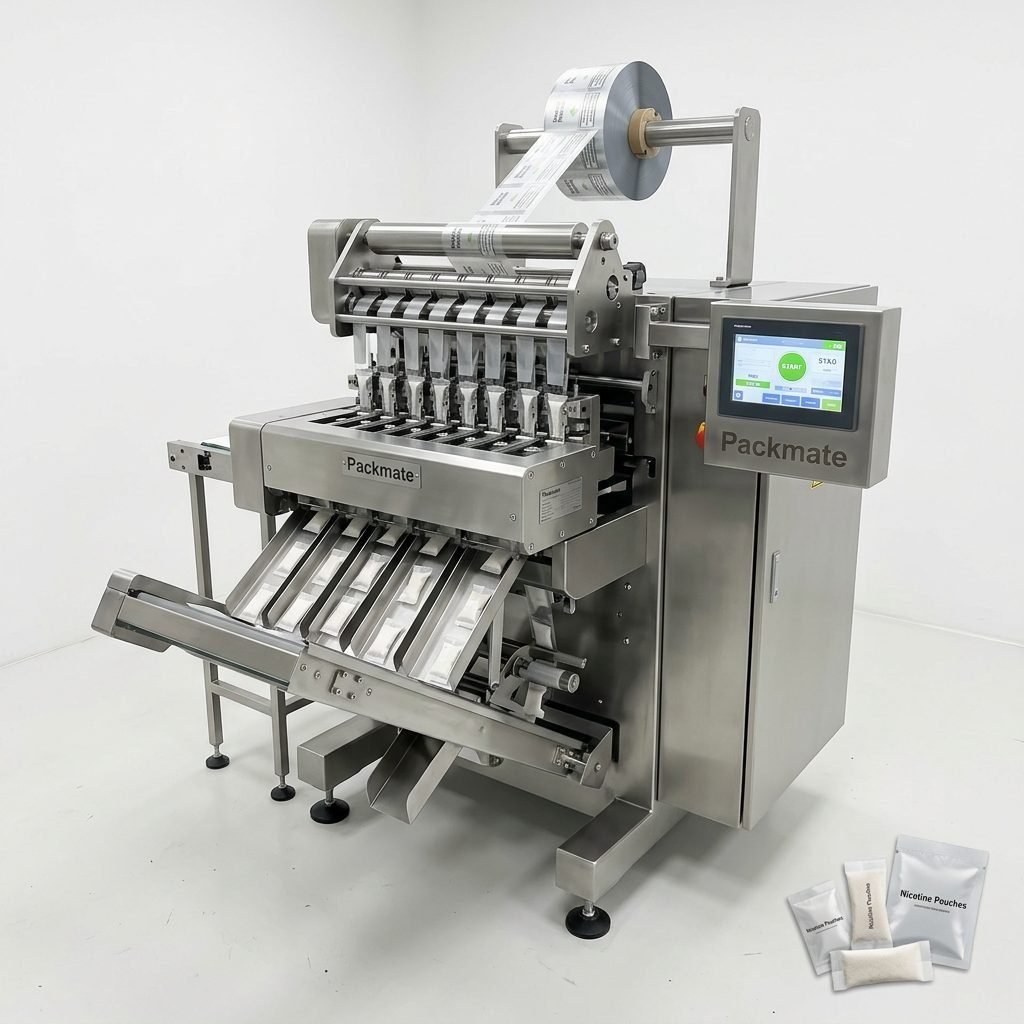
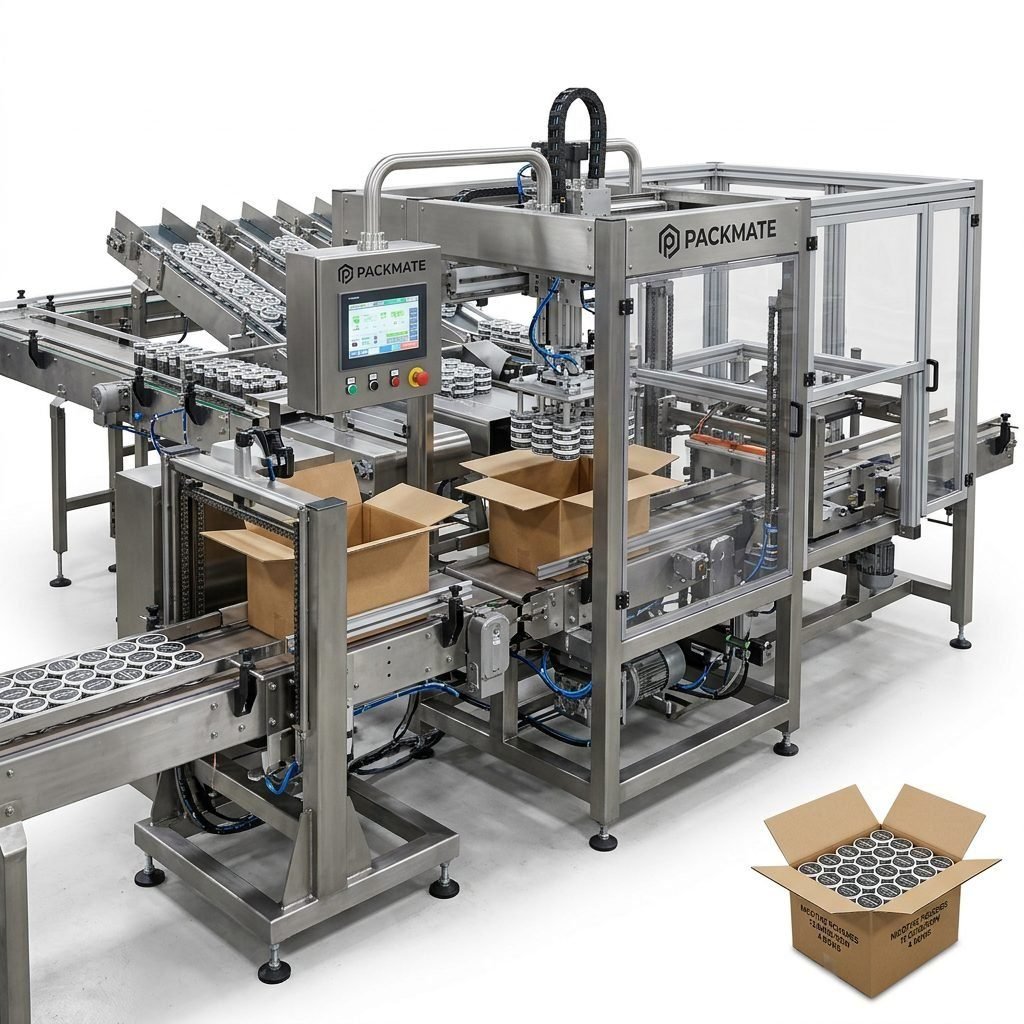
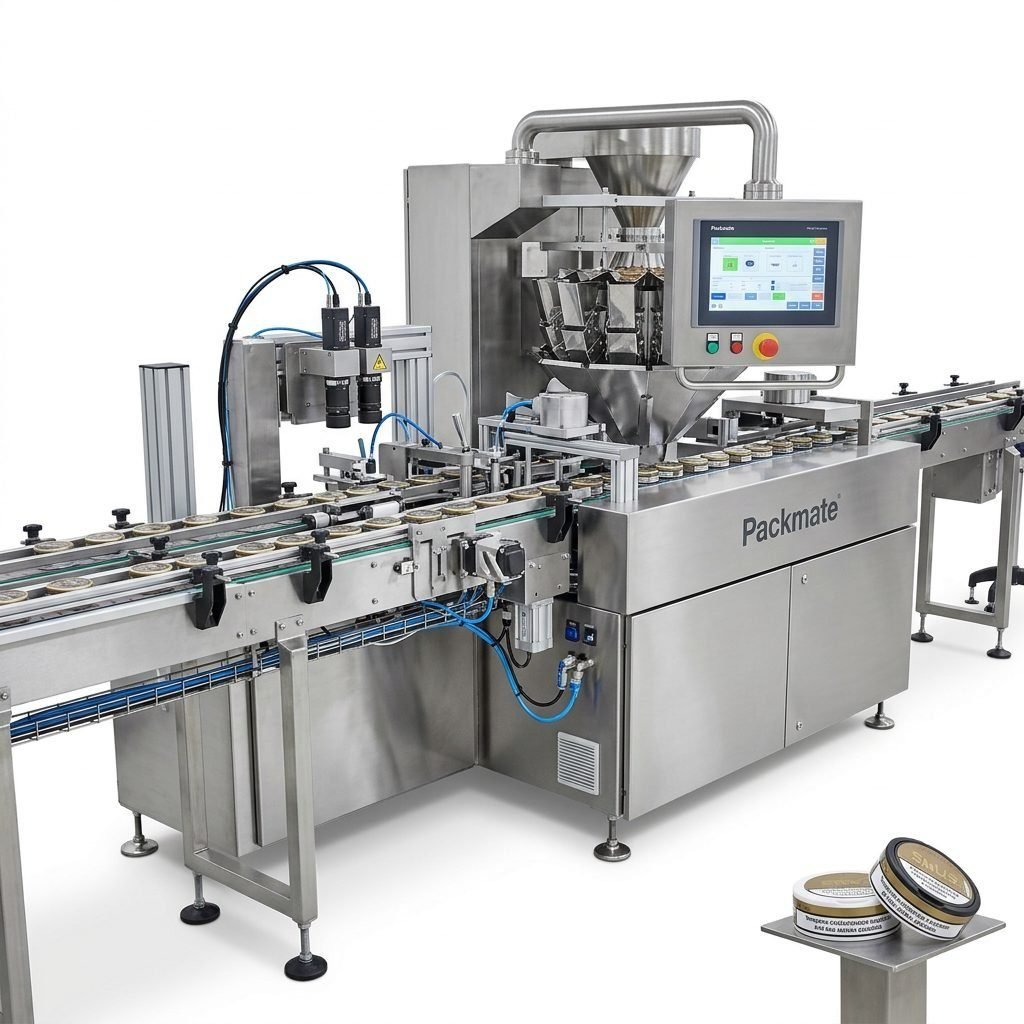
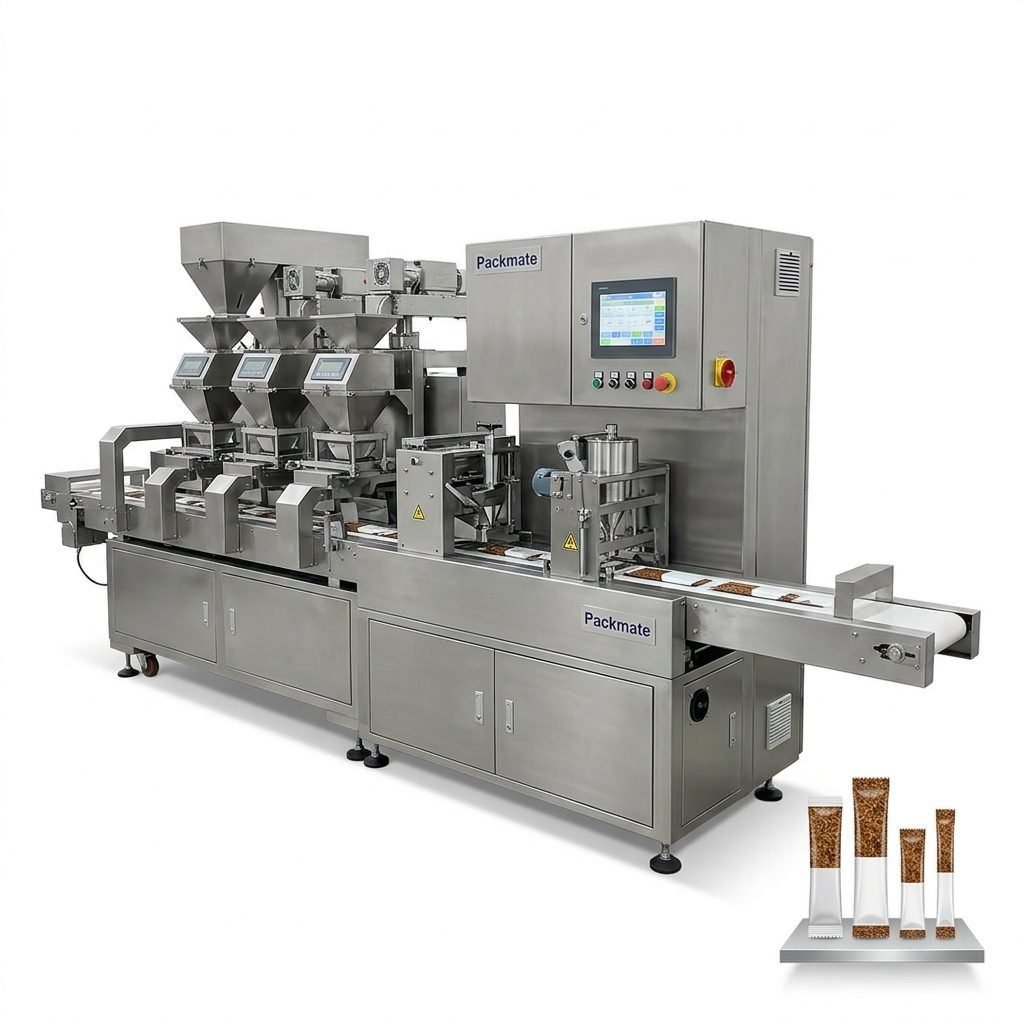
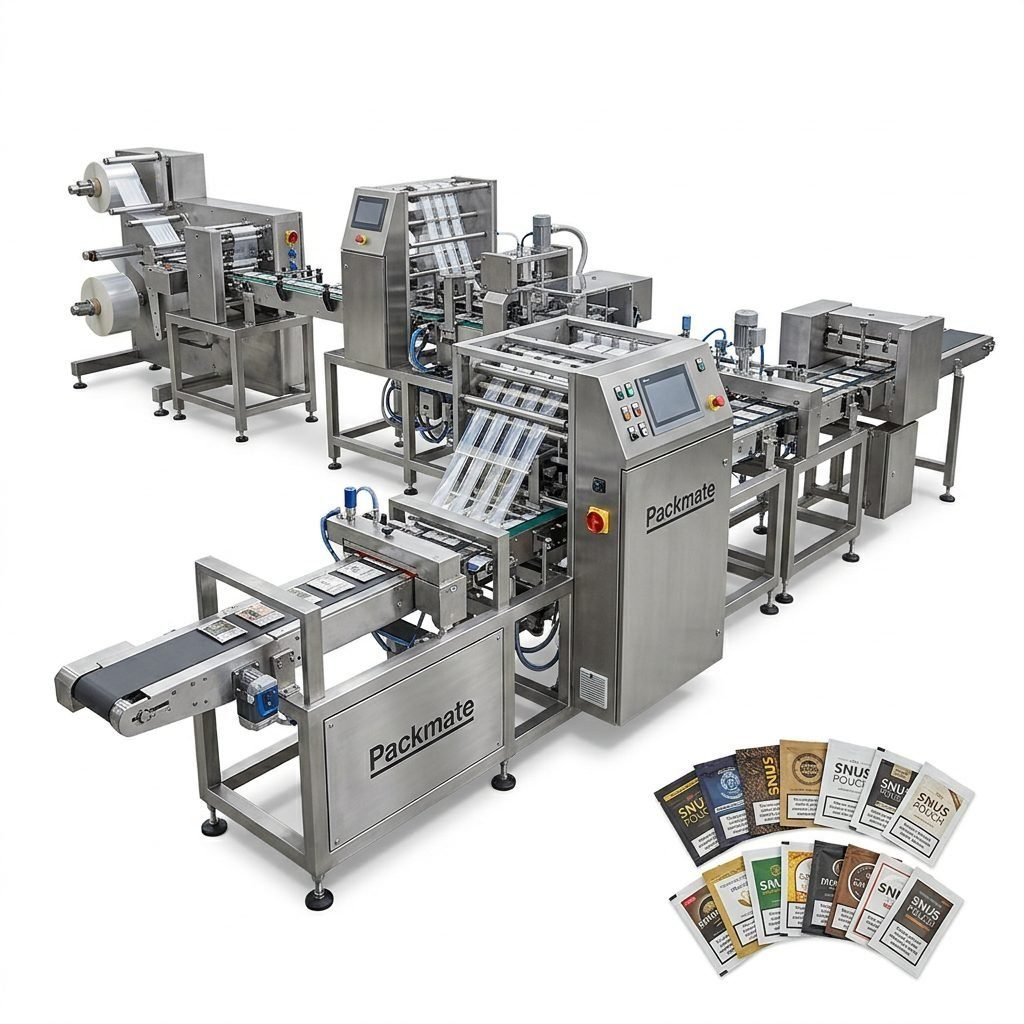
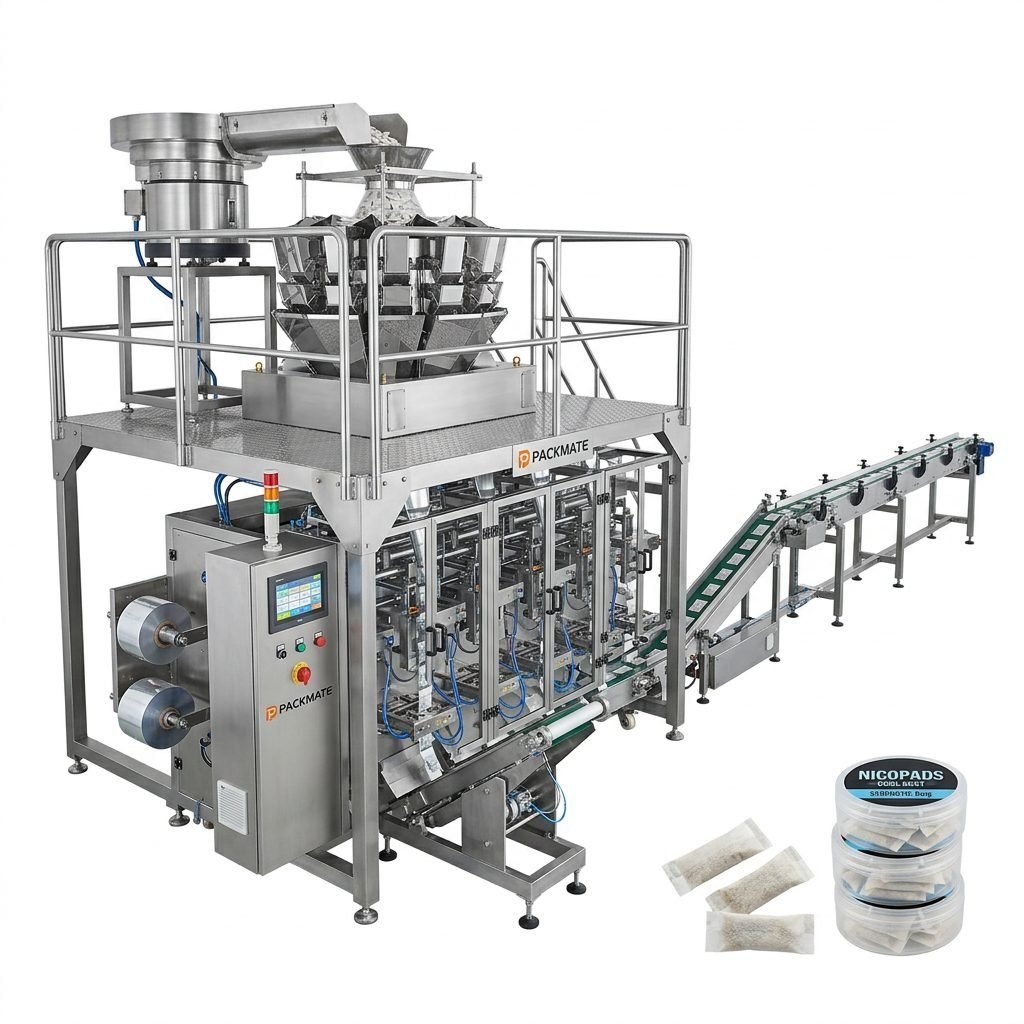
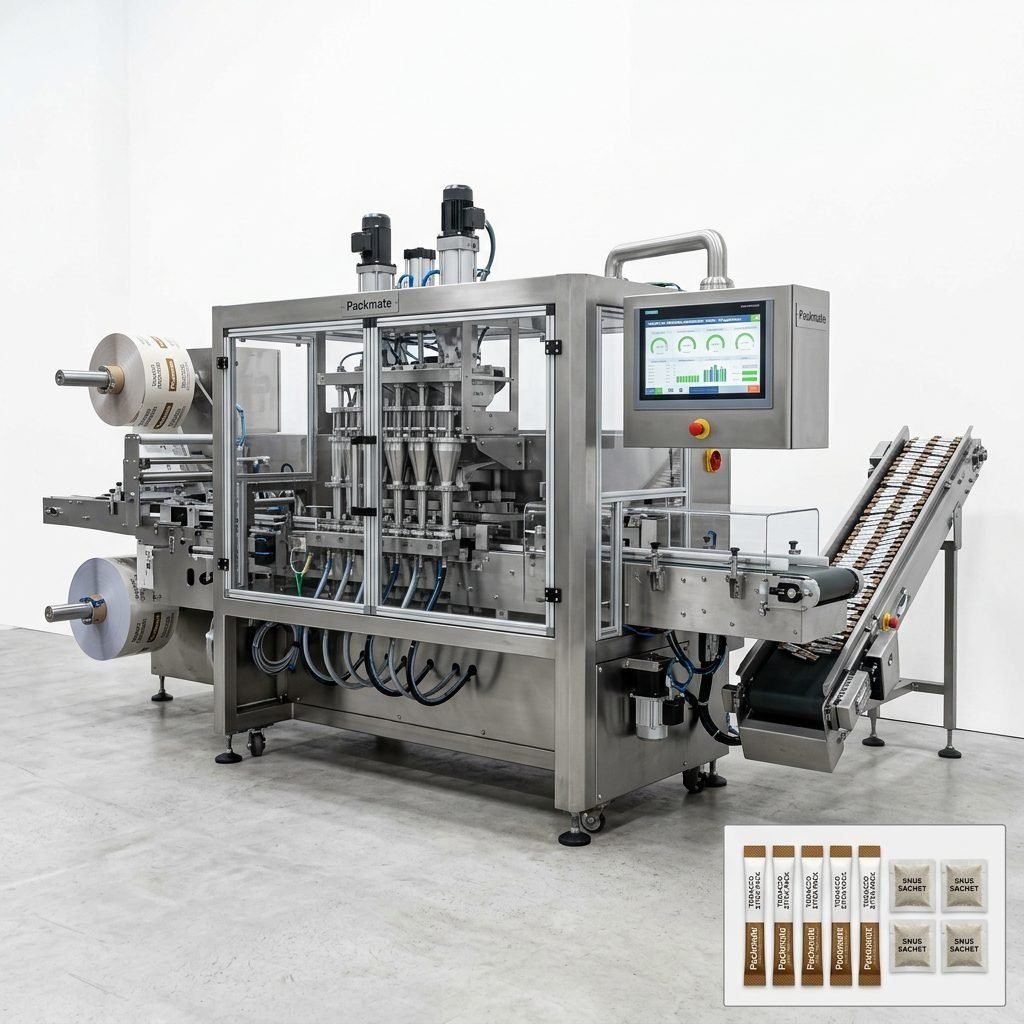
If you’re sourcing snus or nicotine pouch packaging machinery in Lithuania, this guide walks you through everything from machine types to local regulatory considerations, supplier selection and practical installation tips. Lithuania’s growing consumer interest in discreet nicotine alternatives and its position inside the EU make it an attractive market for efficient snus packing lines — but success depends on choosing the right equipment for product format, throughput, and compliance.
Why the right snus packaging machine matters in Lithuania ⚙️
Lithuanian manufacturers and co-packers face several market realities: EU regulatory oversight, multilingual labeling requirements, and consumer demand for compact, discreet pouches. Selecting a machine that matches your product size (micro-pouches to small-dose snus), production speed, and packaging format will protect margins, ensure compliance, and reduce downtime. The right machine saves materials, improves speed, and delivers consistent pouch quality.
Common snus packaging formats to consider 📦
Machines differ by the bag or pouch they produce and how they fill and seal products. The main options:
- Stick pack / sachet machines — ideal for single-dose pouches and simple tear-open packs.
- Multi-lane pouch machines — high throughput for small-dose nicotine pouches (multi-lane reduces footprint per pouch).
- Preformed pouch fillers & sealers — for laminated or barrier pre-made pouches with high-barrier films.
- Weighing + dosing integrated lines — necessary when accurate micro-dose filling is required.
Key selection criteria — a practical checklist ✅
Use the following factors to screen machines and suppliers:
- Format compatibility — confirm the machine supports your exact pouch size, material and whether you need multi-lane production.
- Throughput & scalability — match machine speed (pouches/min) to your production plan and seasonal peaks.
- Filling accuracy — for nicotine pouches, dosing tolerance is critical. Look for integrated weighing systems if needed.
- Material handling & film types — can it run barrier films, laminated foils, or biodegradable films as you require?
- Cleaning & maintenance — ease of cleaning, spare parts availability and mean time to repair affect uptime.
- Certifications — CE and ISO compliance are important for EU markets; also ask about electromagnetic compatibility and safety interlocks.
Local considerations for Lithuania 🇱🇹
Lithuania shares many rules with the EU, but local business norms and logistics matter:
- Regulations and labeling — nicotine-containing products are regulated; ensure packaging machines can apply variable data (batch numbers, ingredients) and multilingual labels including Lithuanian.
- Import and VAT — as an EU member state, importing machines from outside the EU requires customs clearance and VAT handling; partner with suppliers familiar with European logistics.
- Local service expectations — Lithuanian customers value fast technical response; choose a manufacturer offering European spare parts distribution or local service partners.
- Consumer habits — discreet, small pouches and compact retail packs perform well; design your output format accordingly.
Machine features that reduce regulatory risk
To ease compliance, consider machines with:
- Integrated marking/printing for batch codes and lot numbers
- Vision inspection systems to detect seal faults or missing prints
- Easy-to-integrate label applicators for multilingual stickers
Evaluating suppliers — what to ask the manufacturer ❓
A good supplier will not only sell a machine, but support your line. When talking to vendors, ask:
- Do you offer on-site installation, commissioning and operator training in the EU?
- What is the lead time for spare parts and can you ship them from within Europe?
- Can the machine be customized for multi-lane pouch production or particular film types?
- Do you provide CE / ISO certificates and test reports for delivered units?
- Can I see case studies or references from European customers?
For example, Packmate Snus Machine highlights company history and capacity, and demonstrates multi-lane options in its product portfolio. Reviewing manufacturer case studies and exhibition demos helps you verify real-world performance: see their Case page and Our Exhibition listings for demonstrations.
Technical and production tips before purchase
Practical checks to perform during factory acceptance test (FAT) or demo:
- Run your actual product/formulation through the machine — not just samples.
- Test all film types and thicknesses you intend to use; confirm seal integrity under expected storage temperatures.
- Verify changeover time between formats and record operator steps for real shift conditions.
- Inspect servo-driven components for repeatability; ask for cycle-to-cycle variance stats.
- Request a demonstration of cleaning and maintenance procedures; check filter and dust-handling systems when working with powdery nicotine blends.
Integration: weighing, labeling and downstream packing
High-quality snus production lines typically integrate weighing and dosing modules, heat-sealers, vertical formers, and secondary packaging (cartoning or shrink-wrapping). If you need integrated solutions, view full lines like Filling & Packaging Lines and Weighing & Packaging Systems. Confirm PLC/SCADA compatibility with your factory systems and EU electrical standards (230V, 50Hz).
Service, warranty and spare parts — plan for long-term uptime 🔧
In Lithuania’s fast-moving market, downtime is costly. Ensure your supplier offers:
- Clear warranty terms and response-time SLAs for European customers
- Spare part kits and local stocking options (or fast EU shipping)
- Remote diagnostics and software updates
- Operator and maintenance training with documentation in English and, if needed, Lithuanian
Costing and return on investment (ROI) considerations 💶
Total cost = machine price + freight + installation + training + spare parts + consumables. For EU customers, also factor in VAT and local commissioning costs. Estimate ROI by calculating:
- Material savings due to precise cutting and reduced scrap
- Labor savings from automation
- Increased throughput during peaks with multi-lane machines
- Reduced product recalls due to better seal and print verification
Packing line footprint, utilities and site prep
Before delivery, confirm:
- Machine footprint and clearance for maintenance
- Power supply specs, compressed air requirements and vacuum systems
- Floor load ratings and anchoring points
- Local climate impacts (cold storage or humid summers) on film handling and adhesives
Why consider Packmate Snus Machine as your supplier?
Packmate Snus Machine brings:
- 30+ years of packaging machine R&D and production experience
- A 20,000㎡ facility with advanced CNC and precision assembly
- 50+ machine models and customizable turnkey solutions for snus and nicotine pouches
- CE/ISO certifications and global exhibition presence
Browse product categories such as Snus & Nicotine Packaging Machines and Sachet & Stick Pack Machines for specific models and technical specs.
Practical next steps for buyers in Lithuania
- List your production targets (pouches/min), film types, and target retail formats.
- Request FAT videos and run-your-product trials with shortlisted vendors.
- Confirm EU shipping, CE certificates and local after-sales support options.
- Plan site preparation — utilities, floor layout and operator training schedules.
Final recommendation
For Lithuanian producers, prioritize machines with precise dosing, multilingual printing capability, and strong European service support. Multi-lane systems often deliver the best cost-per-pouch for small-dose nicotine products. A reputable supplier with demonstrated EU experience — backed by CE/ISO certification and a visible case history — will minimize regulatory delays and long-term operational issues.
Quick reference links
Useful pages: Service | Contact Us | Catalog
Frequently Asked Questions (FAQs)
Q1: How long does it take to install a snus packaging line in Lithuania?
A1: Typical on-site installation and commissioning varies by line complexity — small sachet/stick pack machines may be commissioned in 3–7 days, while fully integrated multi-lane filling & packaging lines usually take 2–4 weeks including testing and operator training.
Q2: Are CE and ISO certificates mandatory for machines used in Lithuania?
A2: For legal and safety reasons, CE marking is important for equipment operating in the EU; ISO standards demonstrate quality systems. Always ask for the supplier’s certification documents before purchase.
Q3: Can machines handle different nicotine pouch sizes on the same line?
A3: Many machines offer format changeover kits and adjustable tooling, but changeover time and repeatability vary. If you require frequent format shifts, prioritize machines designed for fast changeovers and request a demonstration.
Q4: What after-sales support should I expect?
A4: Expect warranty coverage, remote diagnostics, spare parts availability in Europe, and optional on-site technical support. Confirm SLA response times and local partner networks with the supplier.
Q5: Where can I see machine demos and technical specifications?
A5: Request FAT videos and case studies from the manufacturer. Packmate provides product pages and case documentation — visit their product listings and Case pages for details and demonstrations.